Top 8 Castles around Matrei am Brenner
Best castles around Matrei am Brenner are situated in the historic Wipptal valley, a region known for its strategic location along the Brennerstrasse trade route. This area features a landscape characterized by mountains and river valleys, providing natural defenses for its numerous medieval fortifications. The castles here reflect centuries of history, from their origins as defensive strongholds to their modern-day roles as cultural sites. The valley's geography has shaped the development and significance of these structures over time.
Best castles around Matrei am Brenner
- The most popular castles is Ambras Castle, Innsbruck, a castle that is one of Austria's most important sights and a top day trip destination in Tyrol. It is known as the world's first museum preserved in its original location, offering a journey back 450 years.
- Another must-see spot is Mentlberg Castle and Mentlberg Chapel, a castle and religious building. Visitors can expect a well-maintained exterior of the castle, chapel, and a small park.
- Visitors also love Schloss Ambras Castle Park, Innsbruck, a historical site. This area includes a palace park with cliffs, ravines, and an artificial waterfall, and a Paradise and Medicinal Garden where plants for medicinal purposes were once cultivated.
- Matrei am Brenner is known for its medieval castles, Renaissance castles, and historic fortifications. The region offers a variety of castles to see and explore.
- The castles around Matrei am Brenner are appreciated by the komoot community, with more than 140 photos shared and over 90 upvotes.
Last updated: September 29, 2026
Ambras Castle, Innsbruck
Highlight • Castle
Ambras Castle, Innsbruck, is one of Austria's most important sights and the top day trip destination in Tyrol.
Visit the world's first museum preserved in its original location and embark on a journey back 450 years.
Text / Source: Ambras Castle, Innsbruck, Schlossstraße 20, 6020 Innsbruck
schlossambras-innsbruck.at
Translated by Google •
Tip by

Keuchengarten at Ambras Castle
Highlight • Castle
During the lifetime of Archduke Ferdinand II, Ambras Castle included a large forest area.
The grounds, which slope steeply to the east and today, with their cliffs, ravines, bridges, and an artificial waterfall, are reminiscent of their original state, served as a game park. The palace also boasted a richly landscaped park, completed in 1574, with fish ponds, bird aviaries, and private garden houses in the pleasure gardens.
Remaining features from this period include the spacious Bacchus Grotto, carved into the rock, where the Archduke's guests were once welcomed with the famous Ambras drinking games, as well as a stair tower in the Keuchengarten, the former structure of which has been partially reconstructed.
The hydroelectric "circulating table" and the ball game house south of the Spanish Hall are no longer preserved. Under Archduke Karl Ludwig, who used Ambras Castle as a summer residence, the western part of the park was transformed into a landscaped garden starting in 1855, and the Keuchengarten received a swimming pool.
Text / Source: Ambras Castle Innsbruck, Schlossstraße 20, 6020 Innsbruck
schlossambras-innsbruck.at/das-schloss-entdecken/orte-im-schloss/schlosspark
Translated by Google •
Tip by
Sign up now to discover places like this
Get recommendations on the best single tracks, peaks, & plenty of other exciting outdoor places.
Mentlberg Castle and Mentlberg Chapel
Highlight • Castle
Translated by Google •
Tip by

Arnholz Castle
Highlight • Castle
Translated by Google •
Tip by

Schneeberg Castle
Highlight • Castle
Translated by Google •
Tip by

Sign up for free to discover even more castles around Matrei am Brenner.
Already have an account?
Start today with a free account
Your next adventure awaits.
Popular around Matrei am Brenner
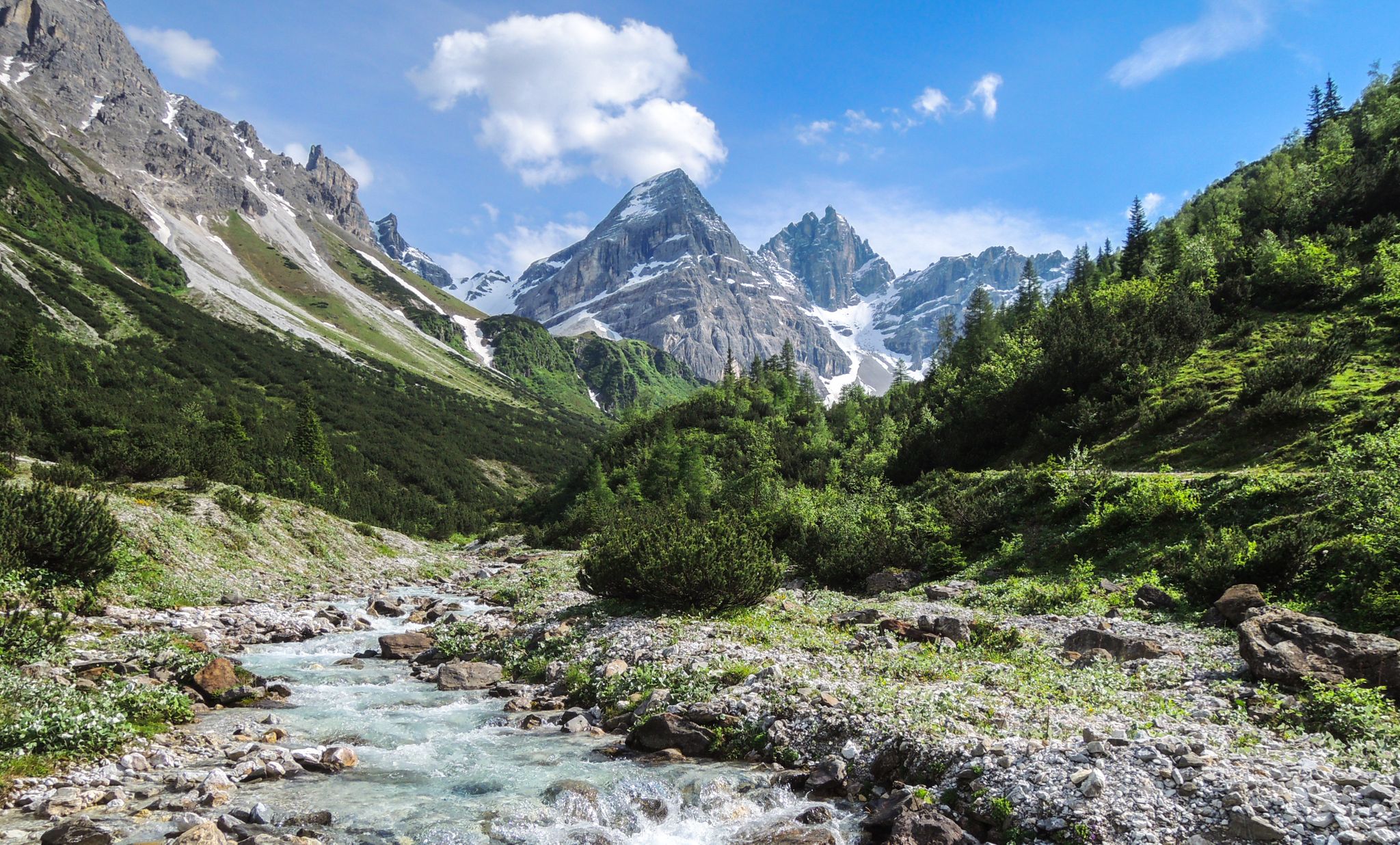
A journey of discovery in Tyrol – hidden places in the Wipptal Valley
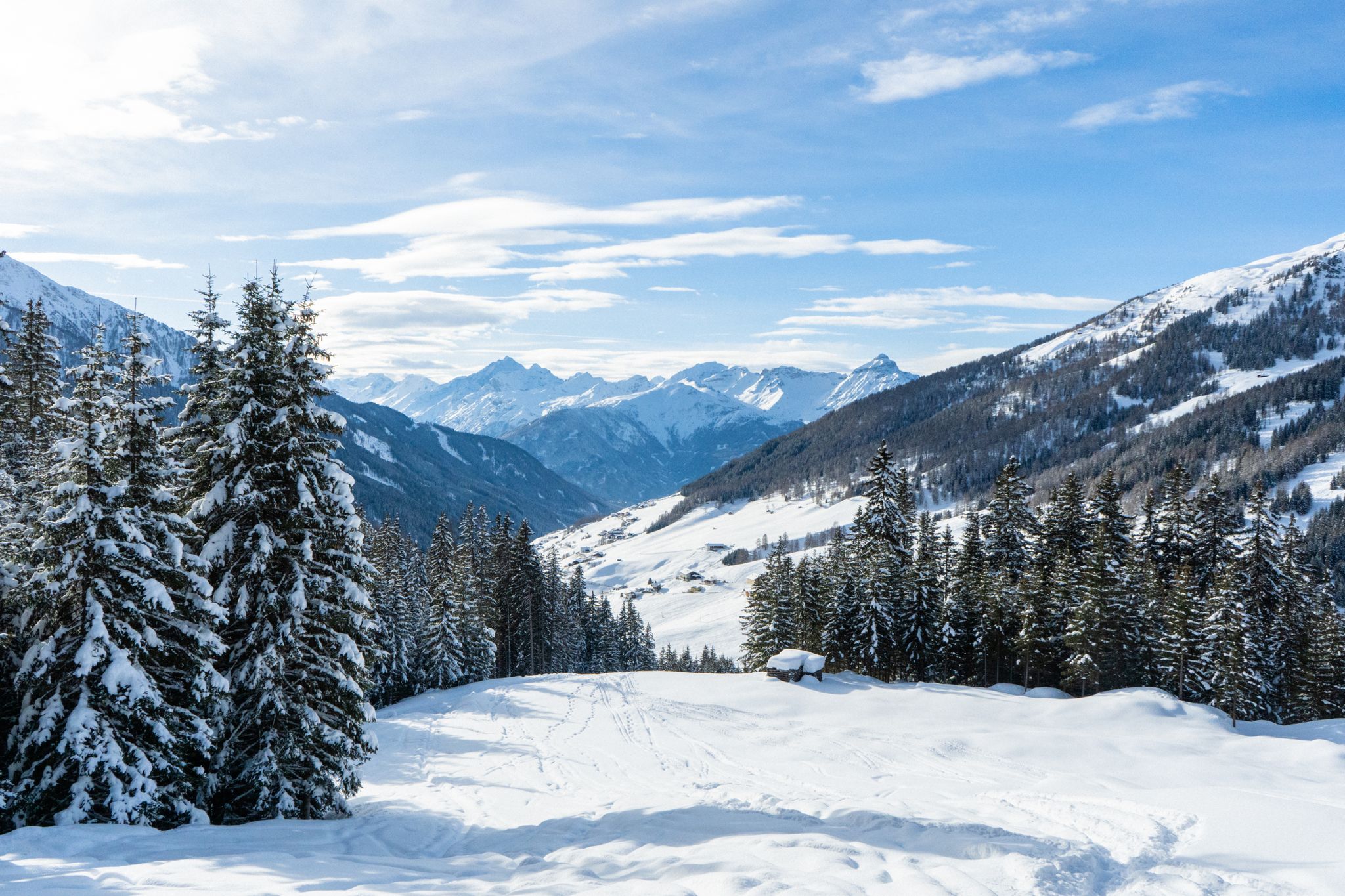
Your winter in Austria’s Wipptal Valley: 10 tips for adventuring in the snow
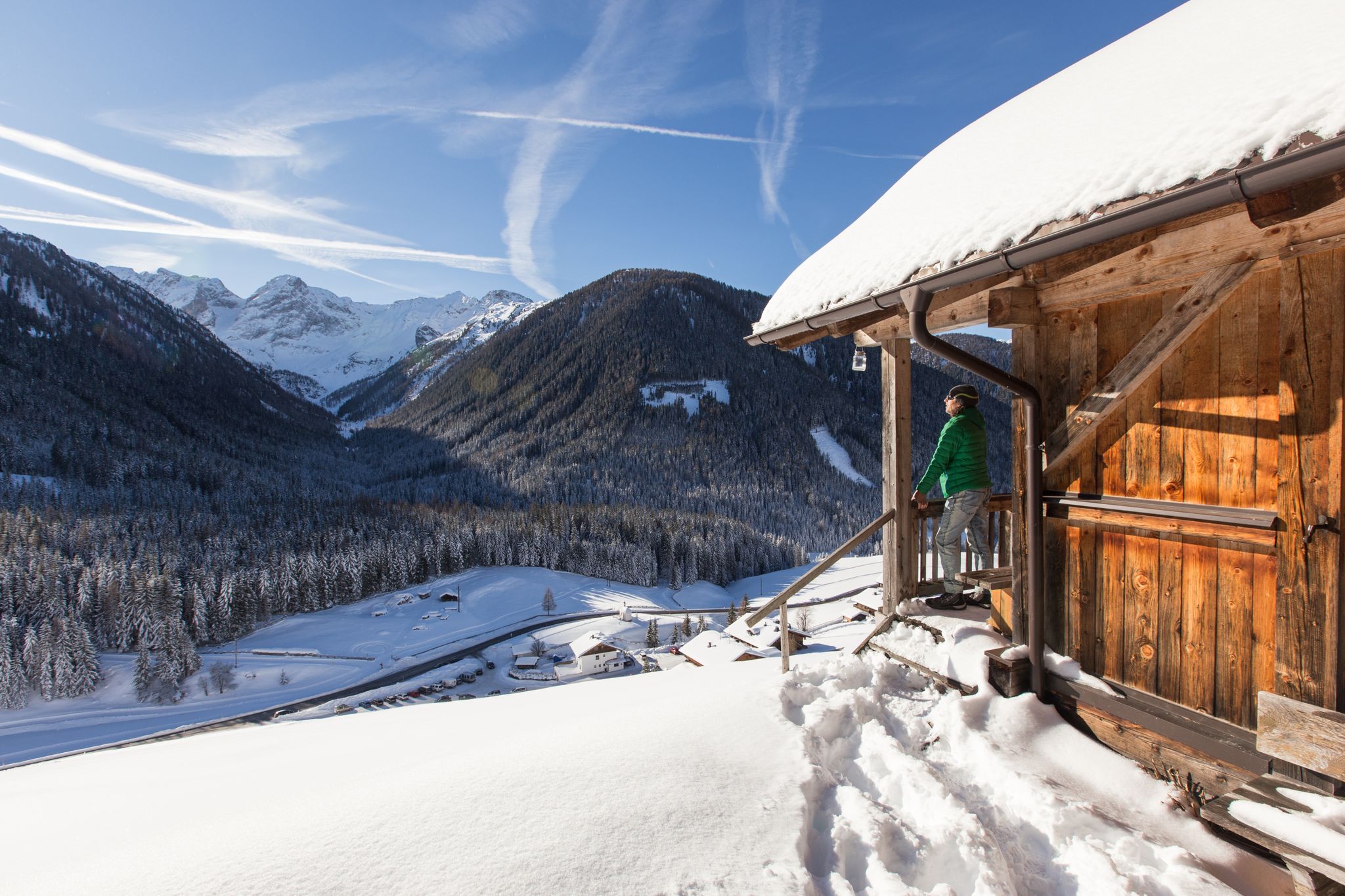
Winter highlights in Tyrol for everyone's taste
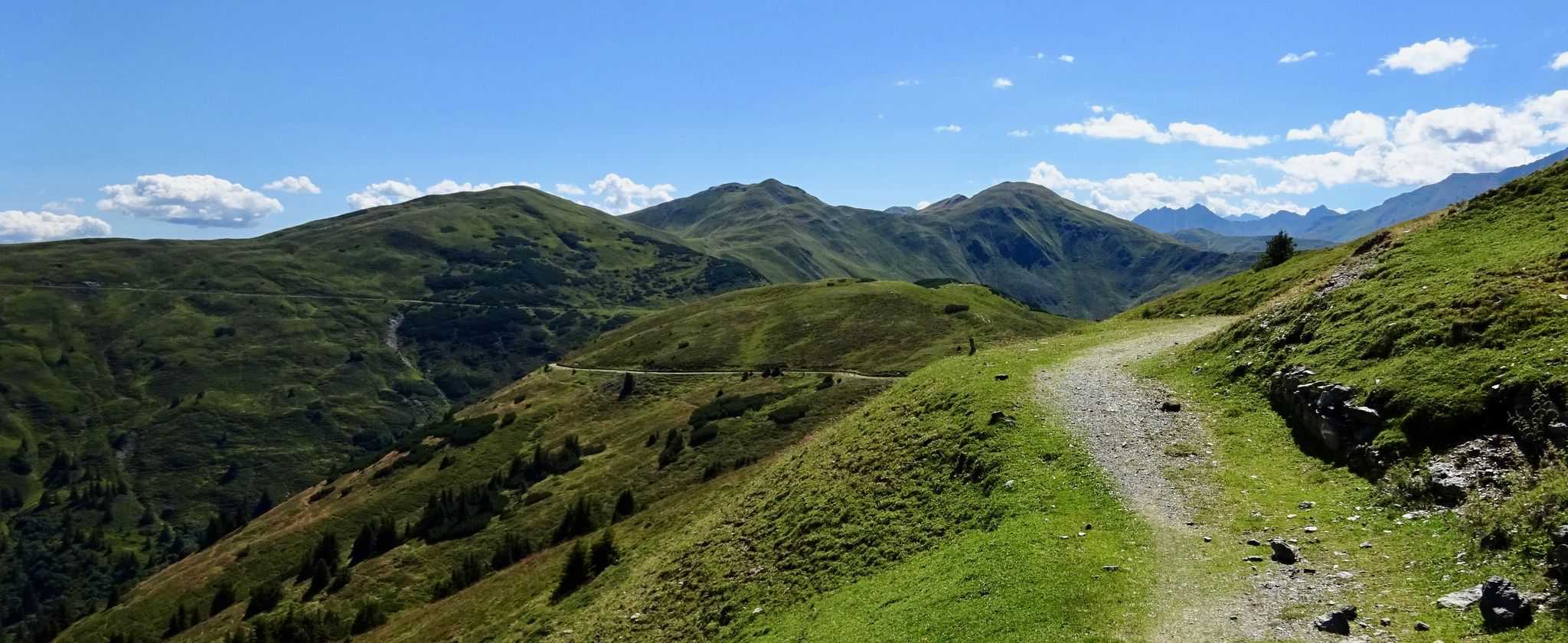
Marvin Route – an Alpine crossing for advanced cyclists
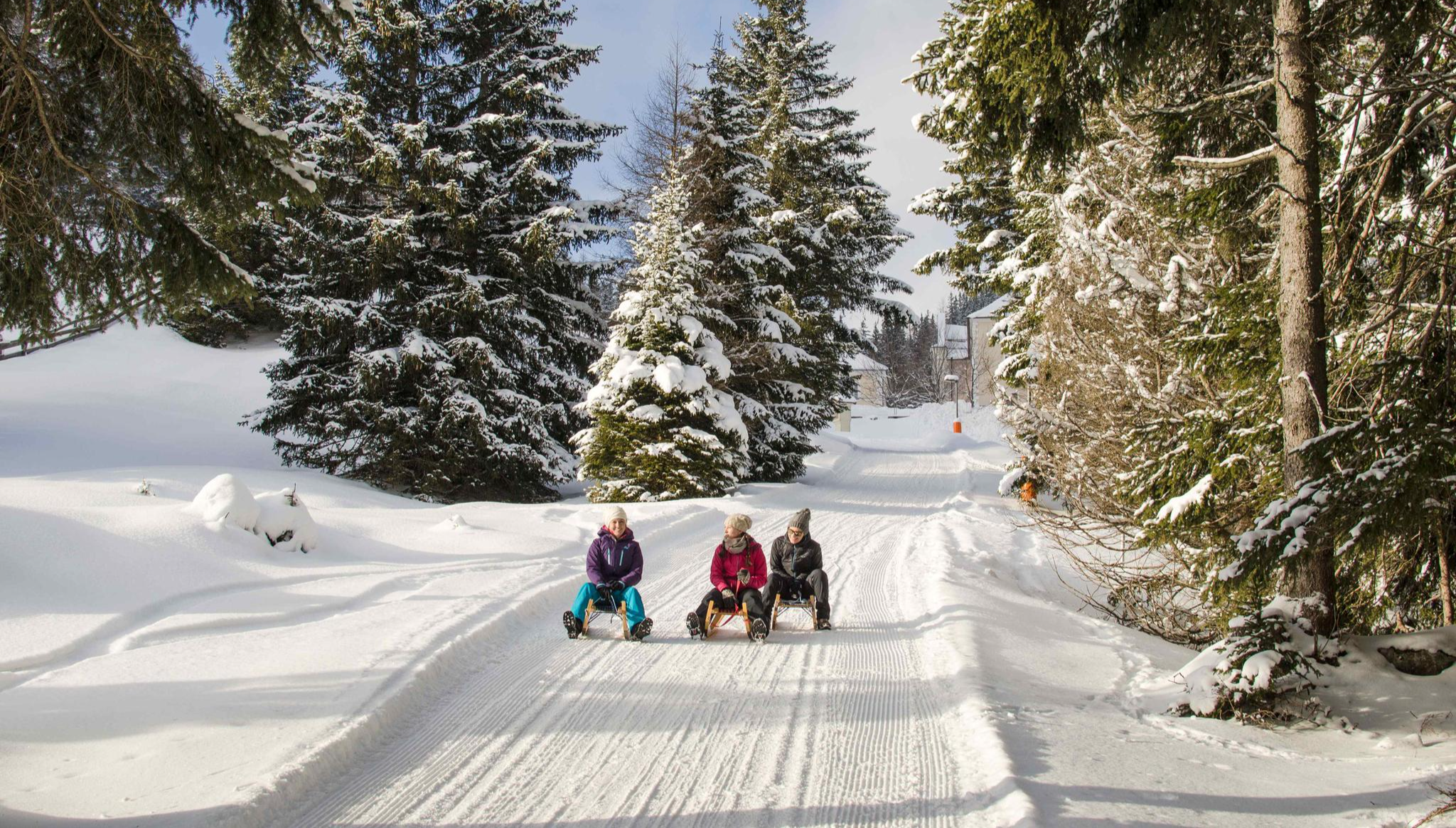
Rodelspaß und urige Hütten – Winterzauber Wipptal
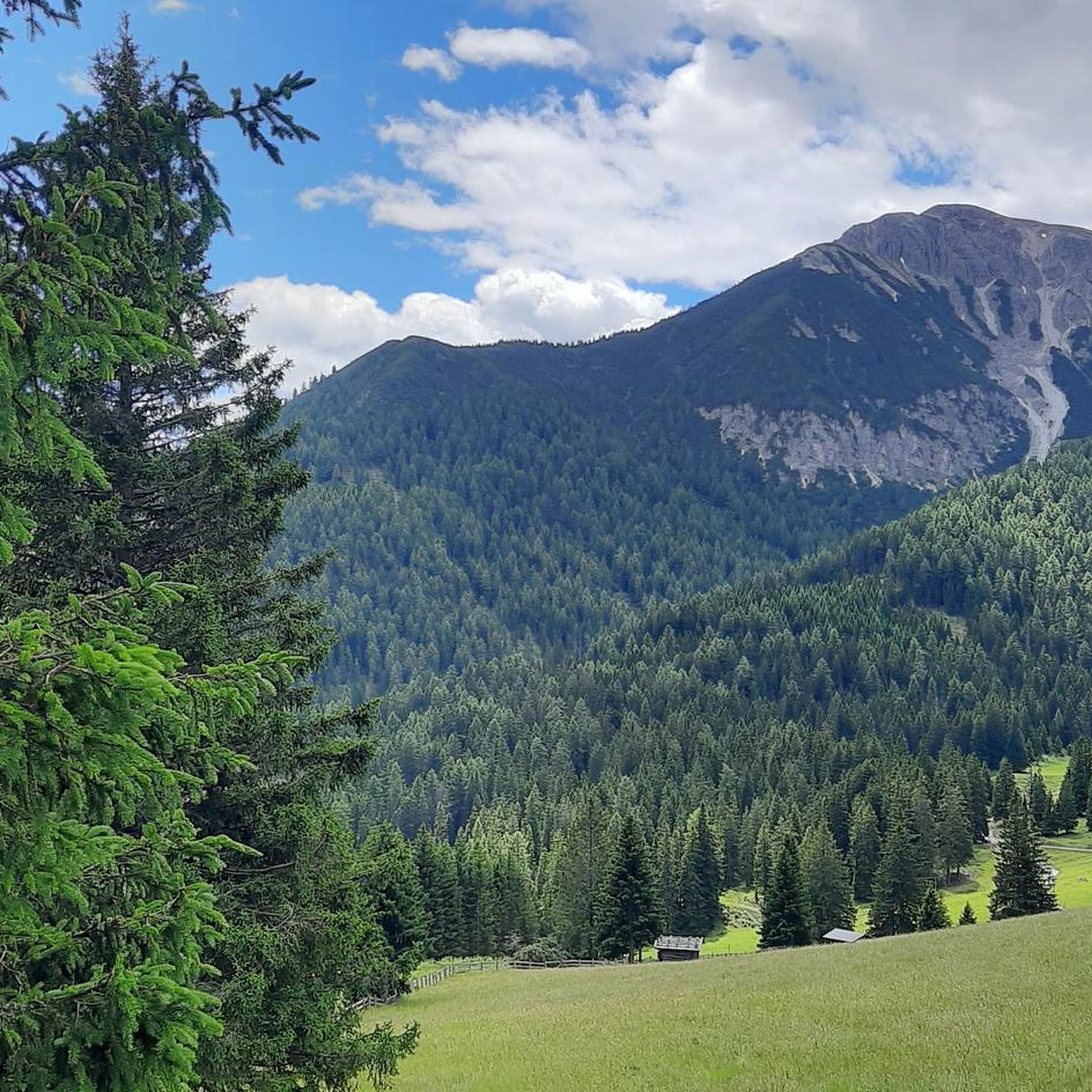
MTB Trails around Matrei am Brenner
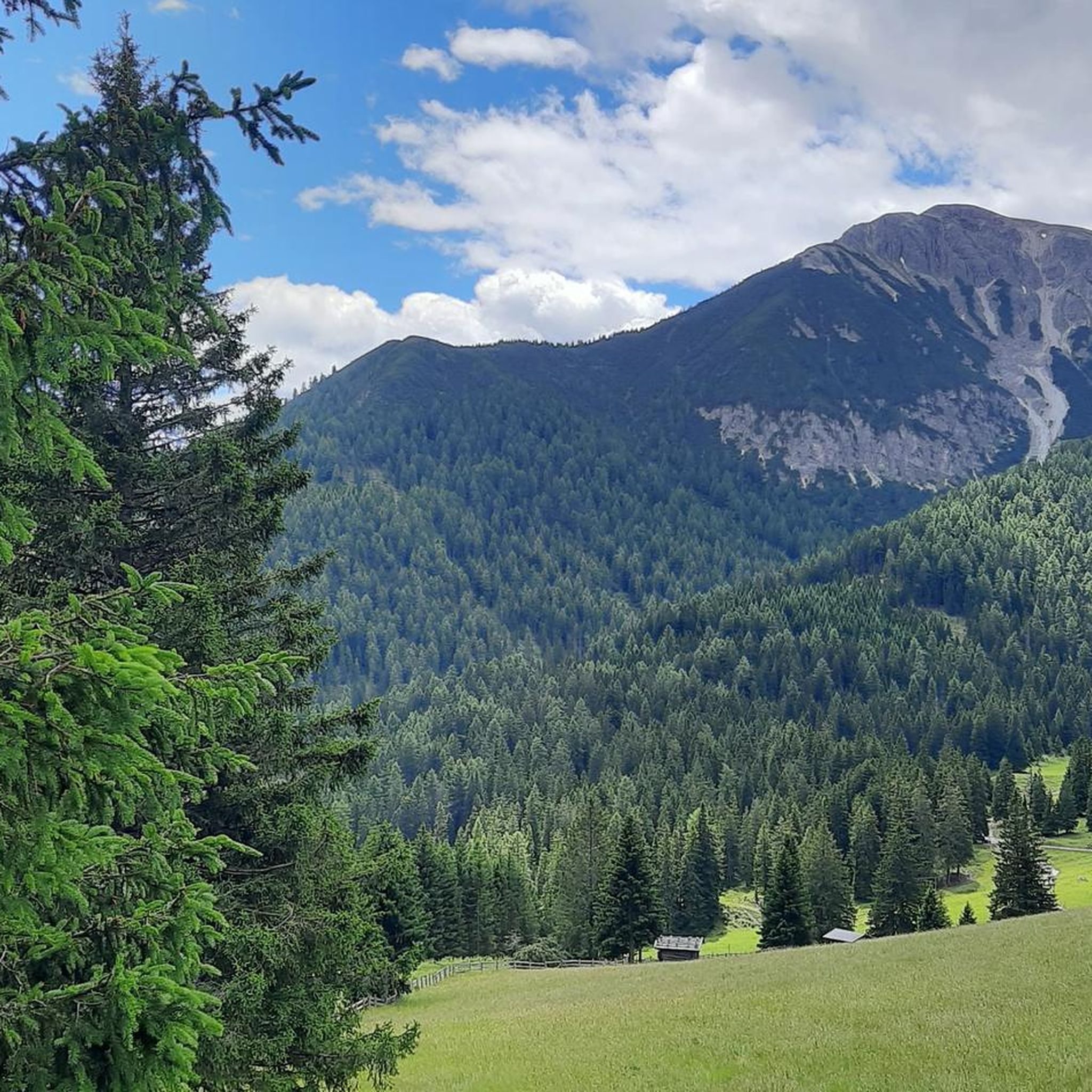
Hiking around Matrei am Brenner
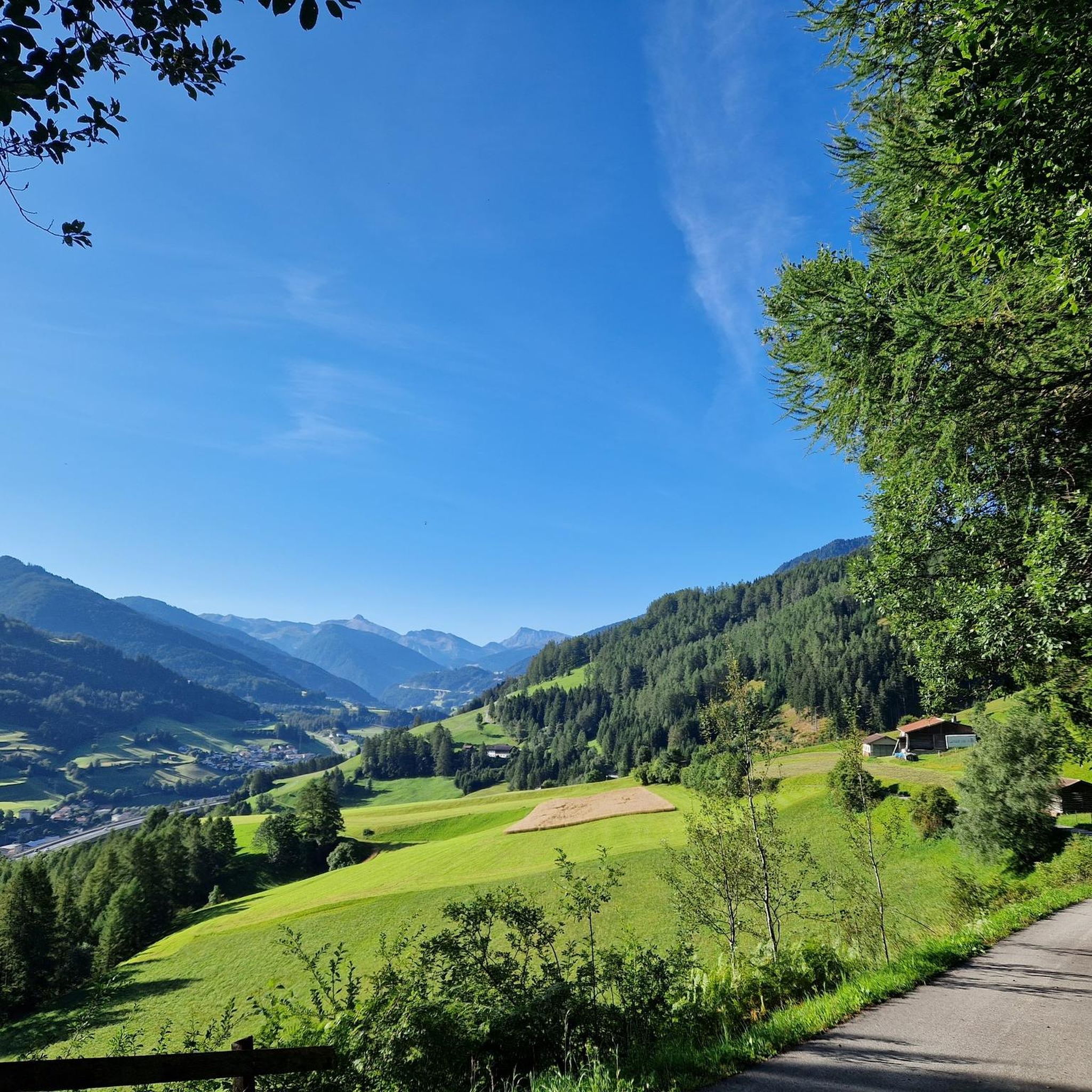
Cycling around Matrei am Brenner
Road Cycling Routes around Matrei am Brenner
Running Trails around Matrei am Brenner
Other adventures around Matrei am Brenner


Tips from the Community

Closed to visitors from November
2
0

Paradise and Medicinal Garden "The Scent of Spicy Herbs" As you make your way from the Spanish Hall up a spiral staircase to the High Castle, the scent of spicy herbs wafts toward you in the warmer months. Plants for medicinal purposes were once cultivated in the Paradise and Medicinal Garden. Archduke Ferdinand II had a particular interest in medicine, as documented by his considerable collection of classical and contemporary medical literature in the Ambras Library. The basis for today's selection of medicinal plants is Philippine Welser's pharmacopoeia from 1560/70, preserved in the Ambras Collection. Text / Source: Ambras Castle Innsbruck, Schlossstraße 20, 6020 Innsbruck https://www.schlossambras-innsbruck.at/das-schloss-entdecken/orte-im-schloss/paradies-und-arzneimittelgarten
15
0
Palace Park - Ambras Castle, Innsbruck During the lifetime of Archduke Ferdinand II, Ambras Castle included a large forest area. The grounds, which slope steeply to the east and today, with their cliffs, ravines, bridges, and an artificial waterfall, are reminiscent of their original state, served as a game park. The palace also boasted a richly landscaped park, completed in 1574, with fish ponds, bird aviaries, and private garden houses in the pleasure gardens. Remaining features from this period include the spacious Bacchus Grotto, carved into the rock, where the Archduke's guests were once welcomed with the famous Ambras drinking games, as well as a stair tower in the Keuchengarten, the former structure of which has been partially reconstructed. The hydroelectric "circulating table" and the ball game house south of the Spanish Hall are no longer preserved. Under Archduke Karl Ludwig, who used Ambras Castle as a summer residence, the western part of the park was transformed into a landscaped garden starting in 1855, and the Keuchengarten received a swimming pool. Text / Source: Ambras Castle Innsbruck, Schlossstraße 20, 6020 Innsbruck https://www.schlossambras-innsbruck.at/das-schloss-entdecken/orte-im-schloss/schlosspark
15
0
The World's First Museum / The History of Ambras Castle Ambras Castle is located on the southern outskirts of Innsbruck, the Tyrolean capital. Records of Ambras date back to the 10th century, spelled "Amras" or "Omras." In the High Middle Ages, it was the seat of the Upper Bavarian Counts of Andechs. The property then passed into the possession of the Tyrolean sovereigns through inheritance. The medieval character of the castle is still clearly evident in the structure of the upper castle. In 1564, Ambras Castle became the residence of the Tyrolean sovereign, Archduke Ferdinand II, who moved there with his young family, his wife Philippine, and their two sons, Andreas and Karl. The so-called upper castle was converted and expanded into a residential building in the Renaissance style. The impressive Spanish Hall and extensive gardens were created below the residential building as new buildings. Text / Source: Ambras Castle Innsbruck, Schlossstraße 20, 6020 Innsbruck https://www.schlossambras-innsbruck.at/das-schloss-entdecken/das-schloss#:~:text=Schloss%20Ambras%20liegt%20am%20s%C3%BCdlichen%20Stadtrand%20der%20Tiroler
16
0
The World's First Museum / The History of Ambras Castle Ambras Castle is located on the southern outskirts of Innsbruck, the Tyrolean capital. Records of Ambras date back to the 10th century, spelled "Amras" or "Omras." In the High Middle Ages, it was the seat of the Upper Bavarian Counts of Andechs. The property then passed into the possession of the Tyrolean sovereigns through inheritance. The medieval character of the castle is still clearly evident today in the fabric of the upper castle. In 1564, Ambras Castle became the residence of the Tyrolean sovereign, Archduke Ferdinand II, who moved in with his young family, his wife Philippine, and their two sons, Andreas and Karl. The so-called upper castle was converted and expanded in the Renaissance style to create a residential area. The impressive Spanish Hall and extensive gardens were created below the residential building as new buildings. Text / Source: Ambras Castle Innsbruck, Schlossstraße 20, 6020 Innsbruck https://www.schlossambras-innsbruck.at/das-schloss-entdecken/das-schloss#:~:text=Ambras Castle is located on the southern outskirts of the Tyrolean town, and is the seat of the Upper Bavarian Counts of Andechs.
17
0
Ambras Castle, Innsbruck Ambras Castle, Innsbruck, is one of Austria's most important sights and the top day trip destination in Tyrol. Visit the world's first museum preserved in its original location and embark on a journey back 450 years. Text / Source: Ambras Castle, Innsbruck, Schlossstraße 20, 6020 Innsbruck https://www.schlossambras-innsbruck.at/
17
0

The café offers seating in the beautiful courtyard of the Upper Castle. After visiting the Lower Castle, you can take a comfortable break here before continuing on to the Upper Castle.
3
0

Very beautifully preserved castle with a great and well-kept park. The two peacocks that walk through the park are recommended. The cultural and historical significance of Ambras Castle is undoubtedly that Archduke Ferdinand II brought together his already widely famous collection of armor, weapons, portraits and natural objects, the latest scientific instruments, musical instruments and art objects as well as a library here. Ferdinand had the Ambras Lower Castle built specifically for this purpose as a separate building known as a "Musaeum". This makes Ambras Castle Innsbruck the first museum in the world. Here the building itself has become an exhibit and only here can the historically earliest systematic collection and presentation concept still be experienced in its original location. Contact: Schloss Ambras Innsbruck Schlossstraße 20 6020 Innsbruck +43 1 525 24 – 4802 (Monday to Sunday) info(at)schlossambras-innsbruck.at (Monday to Friday) Daily from 10 a.m. to 5 p.m. Closed in November
3
0
Frequently Asked Questions
What are the most historically significant castles in the Matrei am Brenner area?
The Wipptal valley, where Matrei am Brenner is located, is rich in history. Burg Trautson (also known as Schloss Matrei am Brenner) is particularly significant, dating back to the 13th century and once overseeing the Brennerstrasse trade route. Though largely destroyed in WWII, it's undergoing revitalization. Further south in the Wipptal, Ambras Castle, Innsbruck, is another major historical site, known as the world's first museum preserved in its original location.
Are there any family-friendly castles to visit near Matrei am Brenner?
Yes, several castles offer family-friendly experiences. Ambras Castle, Innsbruck, is categorized as family-friendly and offers a journey back 450 years. Its Keuchengarten also features a palace park with interesting natural elements like cliffs and an artificial waterfall, and a medicinal garden.
What kind of outdoor activities can I do near the castles around Matrei am Brenner?
The region around Matrei am Brenner offers various outdoor activities. You can find numerous hiking trails, including easy, moderate, and difficult options. For cyclists, there are many cycling routes, some of which pass by castles like Schloss Sprechenstein, which is visible from the Wipptal cycle path. The new suspension bridge at Burg Trautson is part of a scenic circular walking route.
Is there a castle that offers unique architectural features or viewpoints?
Yes, Burg Trautson now features a 150-meter-long suspension bridge over the Sill gorge, connecting the village of Pfons with the castle. This bridge offers panoramic views of the Wipptal Valley and is easily accessible. Keuchengarten at Ambras Castle also offers viewpoints within its palace park.
Can I visit castles near Matrei am Brenner using public transport?
While specific public transport routes to every castle vary, Matrei am Brenner itself is well-connected. For castles like Ambras Castle, Innsbruck, public transport options from Innsbruck are readily available. For castles directly in Matrei, like Burg Trautson, local buses or a walk from the town center would be the primary options.
Are there any castles that are particularly good for a scenic walk or circular route?
Absolutely. Burg Trautson is now integrated into a scenic circular walking route from Matrei am Brenner, which includes crossing the impressive suspension bridge over the Sill gorge. This offers both historical exploration and beautiful views.
What is the best time of year to visit the castles around Matrei am Brenner?
The warmer months are generally ideal for visiting, especially if you plan to combine castle visits with outdoor activities like hiking or cycling. During this time, the palace parks and gardens, such as the Keuchengarten at Ambras Castle, are in full bloom. However, some castles, like Ambras Castle, are open year-round, offering different atmospheric experiences.
Are there any castles that are privately owned and not open to the public?
Yes, some castles in the broader region are privately owned and can only be viewed from the outside. Examples include Arnholz Castle and Schneeberg Castle, both of which are privately owned residences. Schloss Sprechenstein in South Tyrol is also not accessible for internal visits, though its exterior and an adjacent renovated farmhouse with a restaurant are viewable.
What can I expect when visiting <a href="https://www.komoot.com/highlight/3943656" target="_blank" rel="noopener">Mentlberg Castle and Mentlberg Chapel</a>?
Mentlberg Castle and Mentlberg Chapel are known for their very well-maintained exterior, including the castle, chapel, and a small, neat park. While internal visits might not always be possible, the external views and the surrounding area are pleasant for a stop.
Are there any cafes or restaurants near the castles?
Yes, for instance, near Schloss Sprechenstein in the Wipptal, an adjacent, formerly dilapidated farmhouse has been renovated to include holiday apartments and a tavern, offering a farm-to-table restaurant experience. Burg Trautson also has plans to establish a café as part of its revitalization efforts.
What is the history behind the castles in the Wipptal valley?
The castles in the Wipptal valley, including those around Matrei am Brenner, have a rich history primarily linked to their strategic location along the Brennerstrasse trade route. Many, like Burg Trautson, originated as defensive strongholds in the Middle Ages, often in the 13th century. They played crucial roles in controlling the valley and trade, undergoing various expansions and changes in ownership over centuries, reflecting the region's turbulent past.
Most popular routes around Matrei am Brenner
Most popular attractions around Matrei am Brenner

Get inspired with the komoot mobile app


Explore more
Looking for the best castles somewhere else? Discover other guides around Matrei am Brenner:
