Top 7 Caves around Poysdorf
Best caves around Poysdorf are primarily characterized by their unique cultural and historical significance rather than natural geological formations. The region is renowned for its extensive network of Kellergassen, which are underground wine cellars and press houses. These structures reflect a long tradition of winemaking and offer a distinct cultural experience. The total length of these cellar lanes in Poysdorf is estimated to be around 60 kilometers.
Best caves around Poysdorf
- The most popular caves is Lourdes Grotto Falkenstein,…
Last updated: July 9, 2026
Lourdes Grotto Falkenstein
Highlight • Religious Site
Translated by Google •
Tip by

Herrnbaumgarten Cave Dwellings
Highlight • Cave
Free to visit, shady place in the cellar alley.
Translated by Google •
Tip by

Sign up now to discover places like this
Get recommendations on the best single tracks, peaks, & plenty of other exciting outdoor places.
Sign up for free
Kapellenberg With Erdstall and Cellar Lane
Highlight • Historical Site
Translated by Google •
Tip by

Erdstall Museum Althöflein
Highlight • Cave
Translated by Google •
Tip by

Peklo Grotto
Highlight • Cave
There used to be a wooden pavilion on top of the artificial cave, from which there was …
Translated by Google •
Tip by
Start today with a free account
Your next adventure awaits.
Login or Signup
Popular around Poysdorf
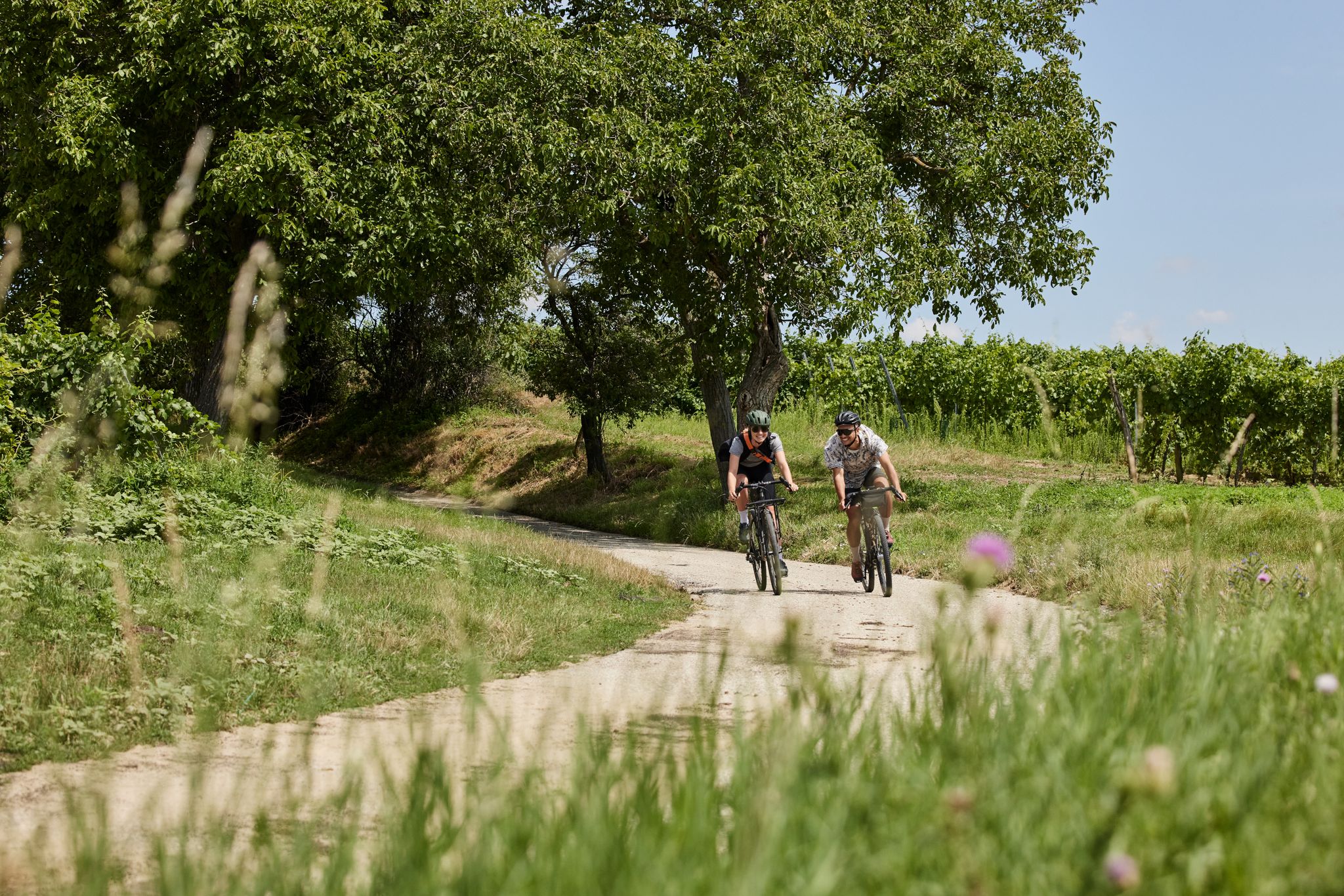
Cycling between the vines – wine routes in the Weinviertel
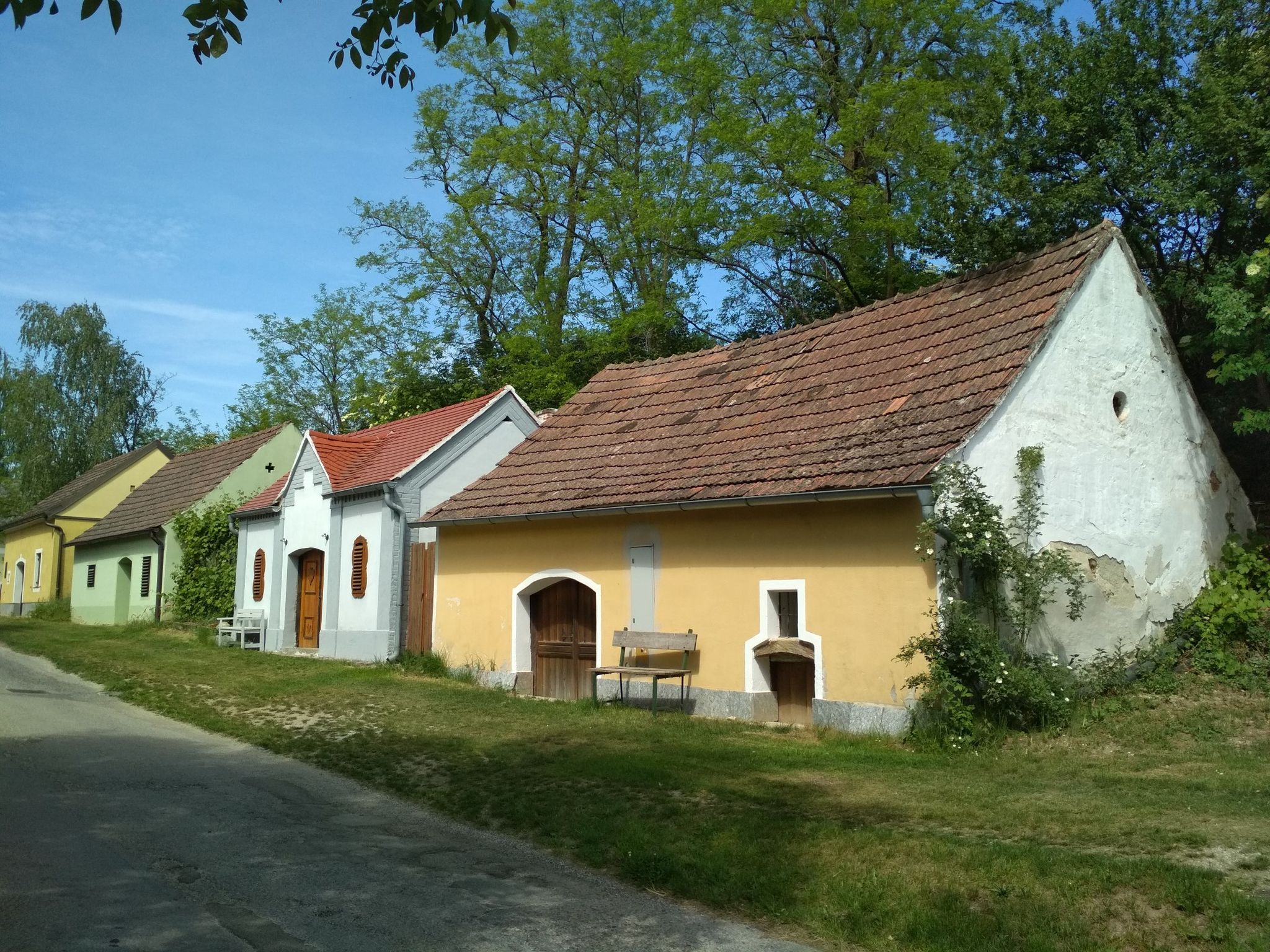
The most beautiful wine cellar lanes along the Jakobsweg Weinviertel
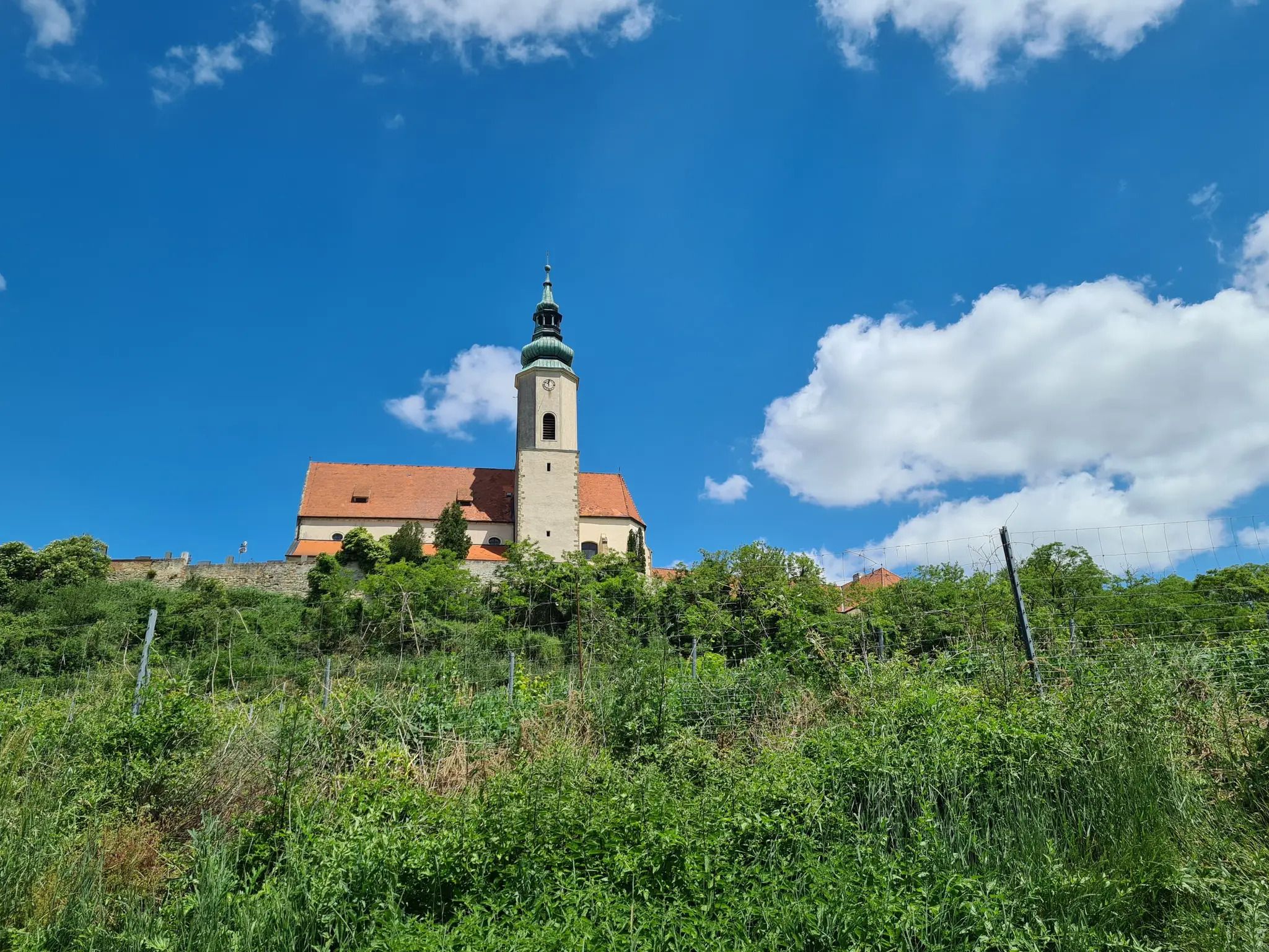
Jakobsweg Weinviertel

Die besten Orte der Inspiration
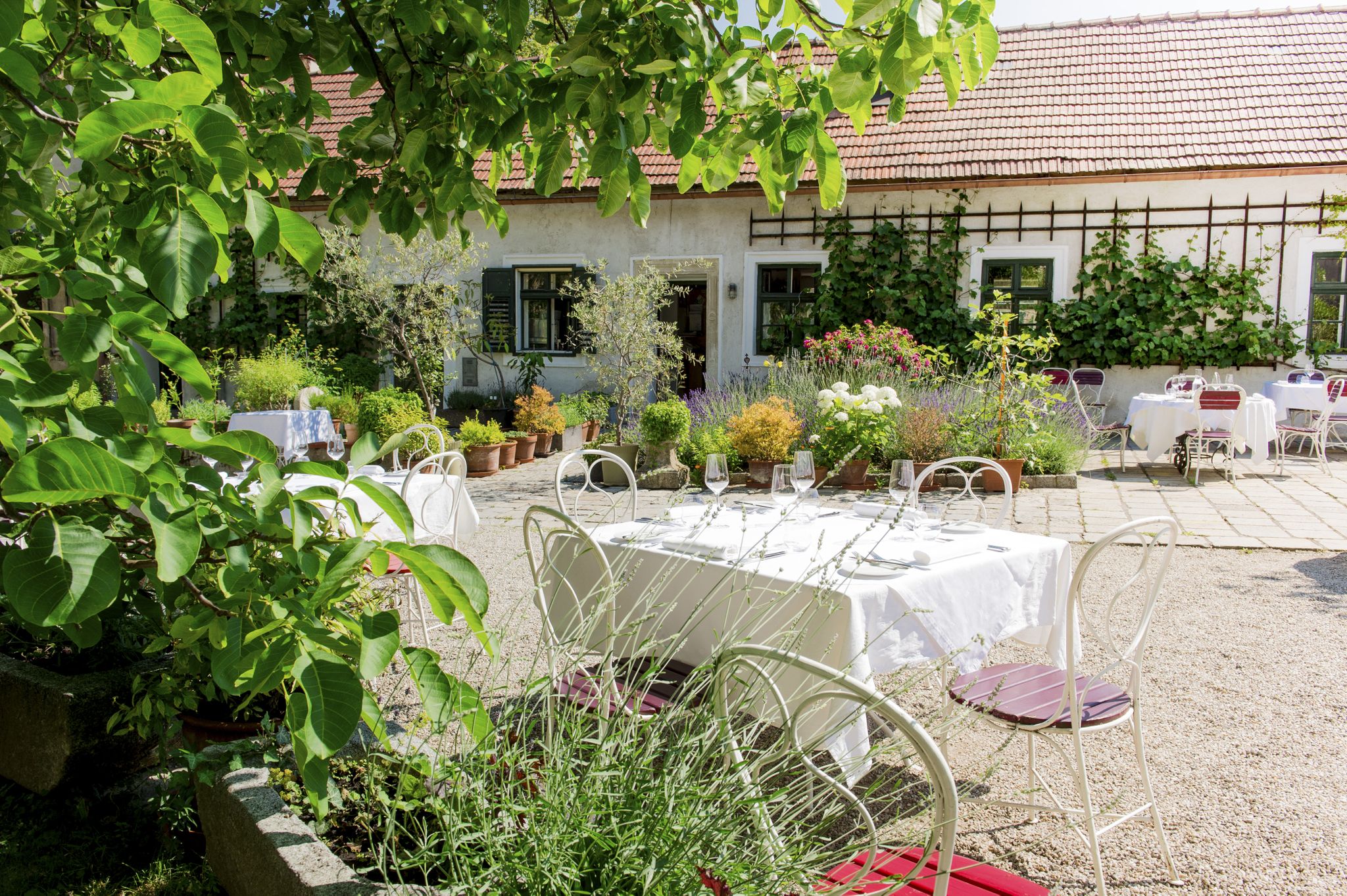
Die besten Orte für Genießer

Cycling around Poysdorf
Hiking around Poysdorf

MTB Trails around Poysdorf

Road Cycling Routes around Poysdorf
Running Trails around Poysdorf
Other adventures around Poysdorf

Tips from the Community

Unique arrangement with circular path and "border" with cellar lane.
0
0

The Mariengrotte is a 15-meter-high half-cave beneath the Falkenstein castle ruins, which was designed as a Lourdes grotto in 1889. The larger-than-life statues - of the Mother of God and St. Bernadette - are the work of Theodor Haf from Pfronten, a sculptor in Munich.
1
0

Romantic Kellerberg with Erdstallanlage or Erdstallmuseum (guided tours are possible).
0
0

Opening hours 01/03/2023 - 30/11/2023 every 3rd weekend from March to November from 3 p.m.; as well as by prior arrangement by telephone
0
0

The chapel mountain Althöflein lures with an interesting secret. Cave systems, so-called earth stables, are hidden inside. They probably served as a place of refuge for the population in the Middle Ages. This man-made cave system is divided into two to three floors, which are connected by riser hatches and air exchange tunnels. The tunnels should be in the 12./13. Century to have been created and have a total length of about 200 meters. These earth stables are among the largest of their kind in German-speaking countries. The Erdstallmuseum provides an overview of the research work and the facility. A film, the report of a villager, as well as a visit to the tunnels or a look into the earth stables bring the long past to life again.
0
0
The Peklo Cave was built by the Liechtensteiners in the Valtice Castle Park. There used to be a wooden pavilion on top of the artificial cave, from which there was a beautiful view of the castle, the town of Valtice, and Mikulov, which is further away. The pavilion has not survived and the cave itself is now inaccessible. Nevertheless, it is possible to look inside at least from the outside.
0
0
Such shelters were also used in earlier times by itinerant craftsmen such as tinkers, knife and scissor grinders, rider makers, etc., and from 1893 there is evidence of large families from Milovice
0
0
Hermitage chapel during the Baroque period from inhabited by a hermit
0
1
Frequently Asked Questions
What kind of "caves" can I expect to find around Poysdorf?
The "caves" around Poysdorf are primarily unique man-made underground structures rather than natural geological formations. You'll discover extensive networks of Kellergassen (wine cellar lanes), historical cave dwellings, and Erdställe (underground passages) that reflect the region's long winemaking tradition and historical uses.
What is the historical significance of the underground structures in Poysdorf?
These structures, particularly the Kellergassen, were historically used as wine cellars and press houses, showcasing centuries of winemaking tradition. Sites like the Herrnbaumgarten Cave Dwellings also served as shelters for itinerant craftsmen, offering a glimpse into past ways of life.
Are there any family-friendly underground sites to visit near Poysdorf?
Yes, several sites are considered family-friendly. The Lourdes Grotto Falkenstein and the Herrnbaumgarten Cave Dwellings are both suitable for families. The cave dwellings, in particular, offer information boards that can be engaging for visitors of all ages.
What are Erdställe and where can I find them near Poysdorf?
Erdställe are ancient, man-made underground passages, often complex systems of tunnels and chambers. You can explore an Erdstall at Kapellenberg With Erdstall and Cellar Lane, which features a unique arrangement with a circular path. Another significant site is the Erdstall Museum Althöflein, which provides insights into these fascinating cave systems, believed to have served as places of refuge in the Middle Ages.
What are the opening hours for the Erdstall Museum Althöflein?
The Erdstall Museum Althöflein is open every third weekend from March to November, starting at 3 p.m. Visits can also be arranged by prior telephone appointment.
Can I visit the Peklo Grotto?
The Peklo Grotto, built by the Liechtensteiners in the Valtice Castle Park, is currently inaccessible. However, you can still view it from the outside.
What outdoor activities can I do near these underground sites?
The region around Poysdorf offers various outdoor activities. You can find numerous road cycling routes, mountain biking trails, and hiking paths. For detailed routes, explore the guides for Road Cycling around Poysdorf, MTB Trails around Poysdorf, and Hiking around Poysdorf.
Are there hiking trails that incorporate the cellar lanes?
Yes, several hiking routes allow you to experience the unique cellar lanes. For example, you can find routes like the 'Radyweg Cellar Lane – Vineyards near Poysdorf loop' or the 'Falkenstein Wine Cellar Lane – Radyweg Cellar Lane loop' in the Hiking around Poysdorf guide.
What is the best time to visit the Poysdorf region for its underground structures?
Given the focus on wine cellar lanes and the cultural experience, visiting during the warmer months (spring to autumn) is generally recommended. This allows for comfortable exploration of the outdoor cellar lanes and potential participation in wine-related events. The Erdstall Museum Althöflein is open from March to November.
What should I wear when visiting the underground sites?
For exploring the cellar lanes and other underground sites, comfortable walking shoes are advisable, as you'll likely be walking on uneven surfaces. While the underground structures maintain a cooler temperature, most are not deep natural caves, so specialized caving gear is not typically required.
Are there any natural caves in the traditional sense (with stalactites/stalagmites) near Poysdorf?
Poysdorf itself is known for its man-made underground structures. For natural caves with stalactites and stalagmites, you would need to travel to other regions of Austria, such as the Ötscher-Tormäuer Nature Park in Lower Austria, home to the Ötscher Dripstone Cave.
How long does it typically take to explore the cellar lanes or an Erdstall?
The time required varies. Exploring a specific cellar lane like the Radyweg might take an hour or two, depending on how much you wish to stroll and observe. Visiting the Erdstall Museum Althöflein, which includes a film and a visit to the tunnels, could take a couple of hours. Many sites, like the Herrnbaumgarten Cave Dwellings, are quick detours.
Most popular routes around Poysdorf
Most popular attractions around Poysdorf

Get inspired with the komoot mobile app


Explore more
Extend your search for the best caves by checking out these guides of the top ones around Poysdorf:
