Top 5 Gorges around Gedersdorf
Best canyons around Gedersdorf are characterized by unique geological formations rather than traditional rock gorges. The landscape features extensive loess terraces, which are fine, wind-deposited sediments prone to erosion. This erosion creates intricate ravines, gullies, and small valleys that offer distinctive natural experiences. These features, often integrated with the region's vineyards, provide scenic beauty and varied terrain for exploration in Lower Austria.
Best canyons around Gedersdorf
- The most popular canyons is Zellergraben, a gorge considered the most beautiful ravine…
Last updated: May 14, 2026
Zellergraben
Highlight • Gorge
Translated by Google •
Tip by

Kühsteingraben
Highlight • Gorge
Translated by Google •
Tip by
Sign up now to discover places like this
Get recommendations on the best single tracks, peaks, & plenty of other exciting outdoor places.
Sign up for free
Wagram Hollow Way Cycle Path near Feuerbrunn
Highlight • Cycleway
Translated by Google •
Tip by

Zellergraben Hollow Way
Highlight (Segment) • Natural Monument
Translated by Google •
Tip by

Forest Path Towards Tiefenfucha
Highlight (Segment) • Forest
Translated by Google •
Tip by

Sign up for free to discover even more gorges around Gedersdorf.
Sign up for free
Already have an account?
Start today with a free account
Your next adventure awaits.
Login or Signup
Popular around Gedersdorf
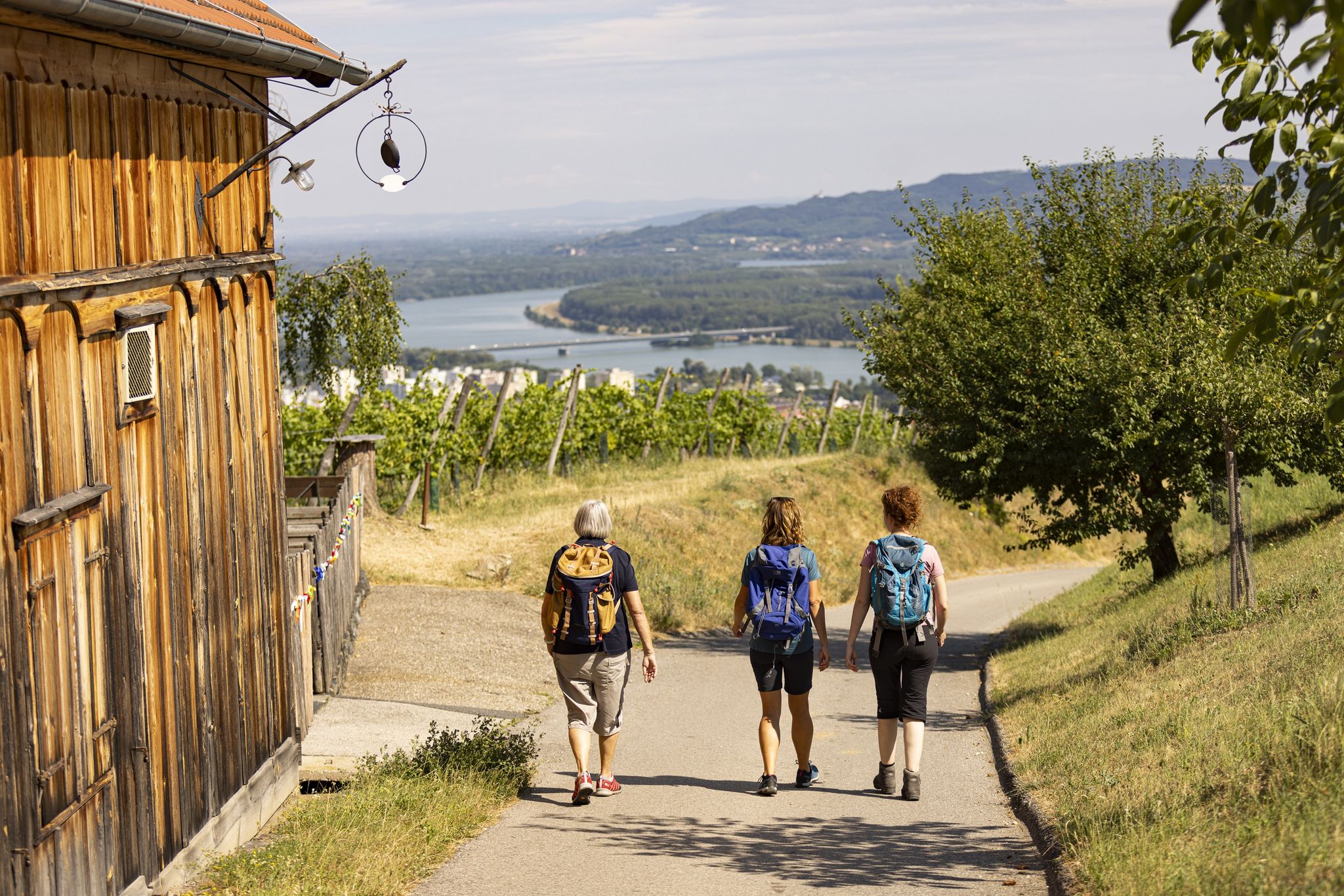
Into the valley of wine - Kremstal-Danube Long Distance Trail
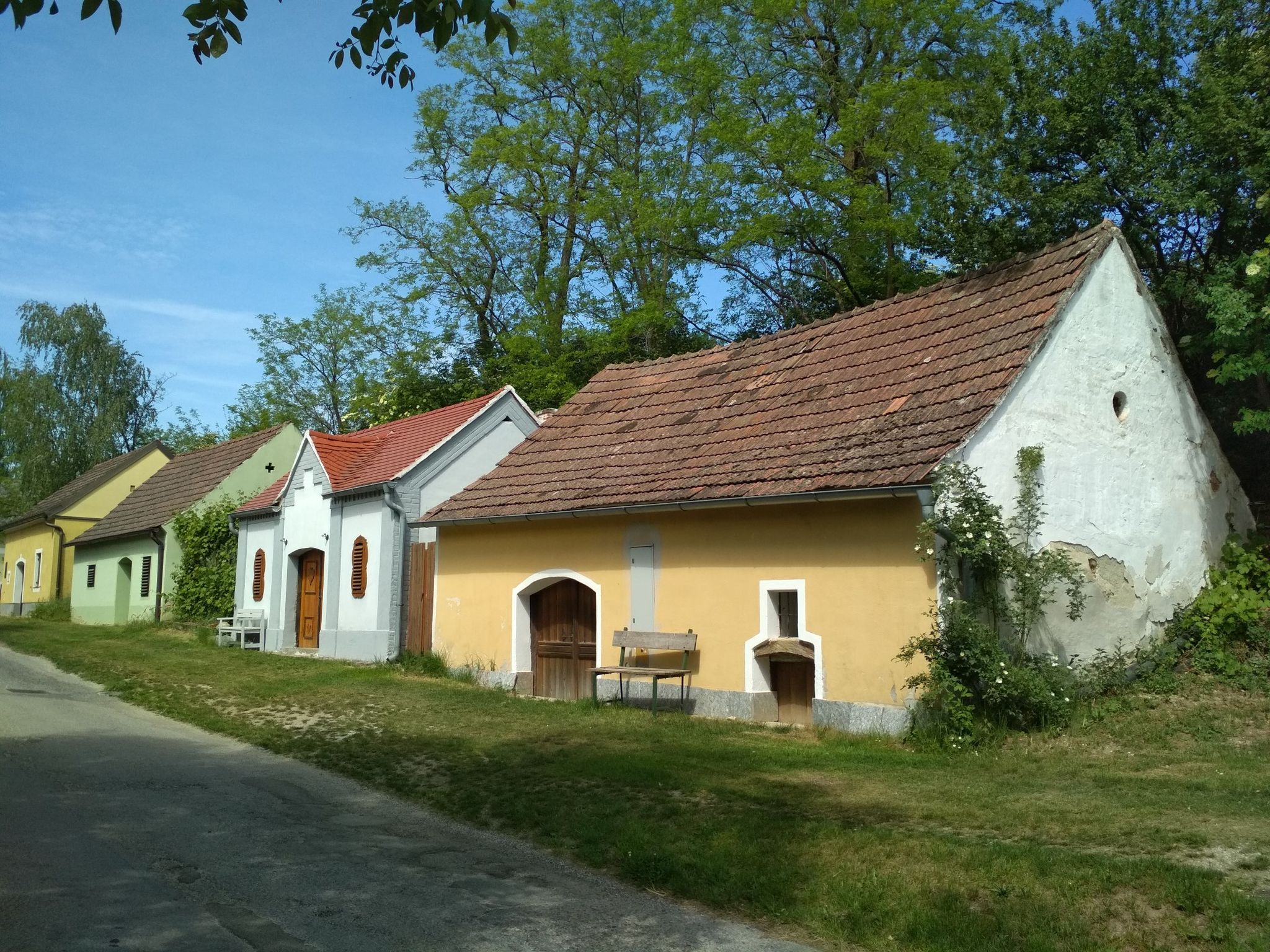
The most beautiful wine cellar lanes along the Jakobsweg Weinviertel
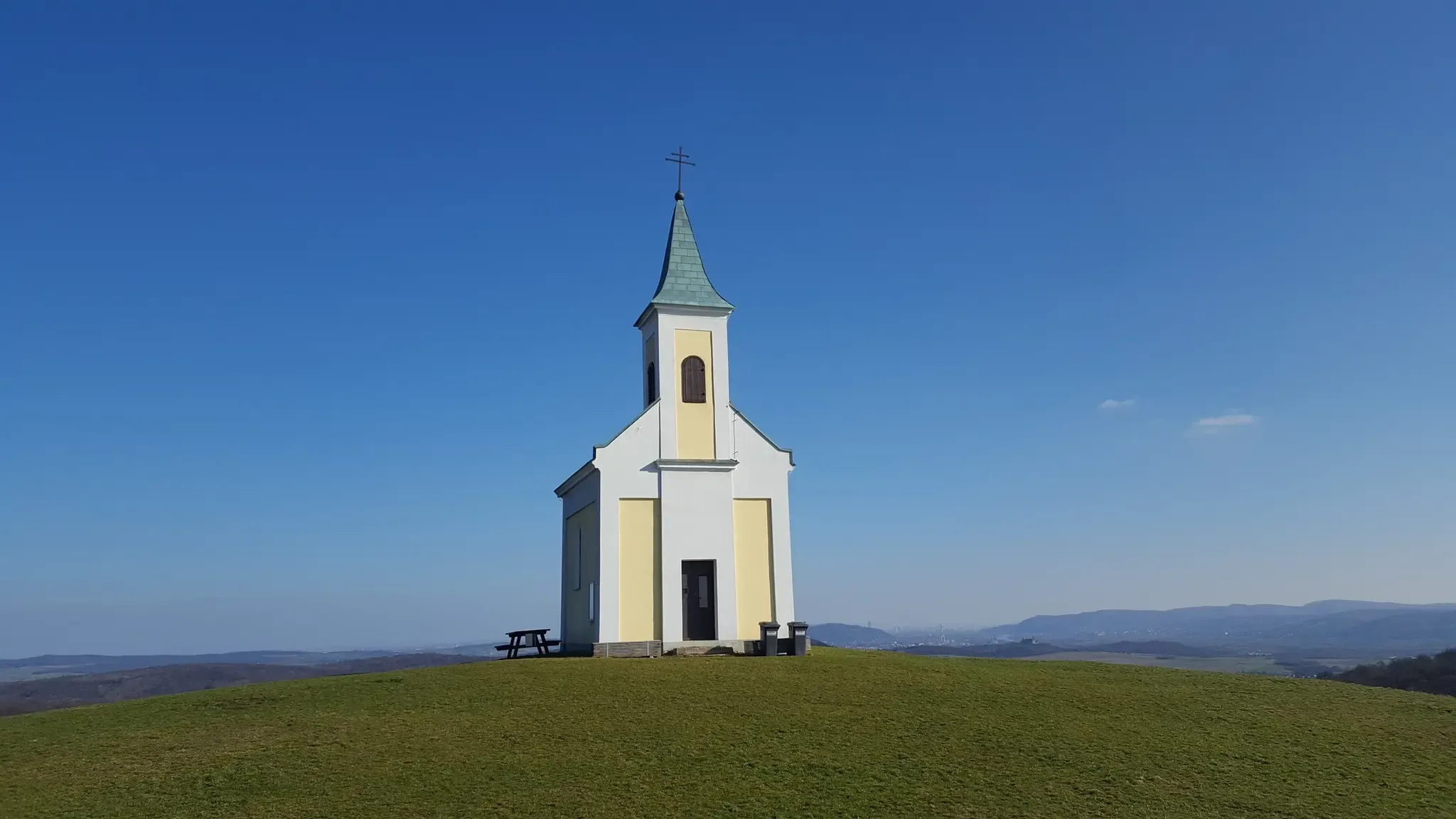
Die besten Orte der Stille
Gravel biking around Gedersdorf
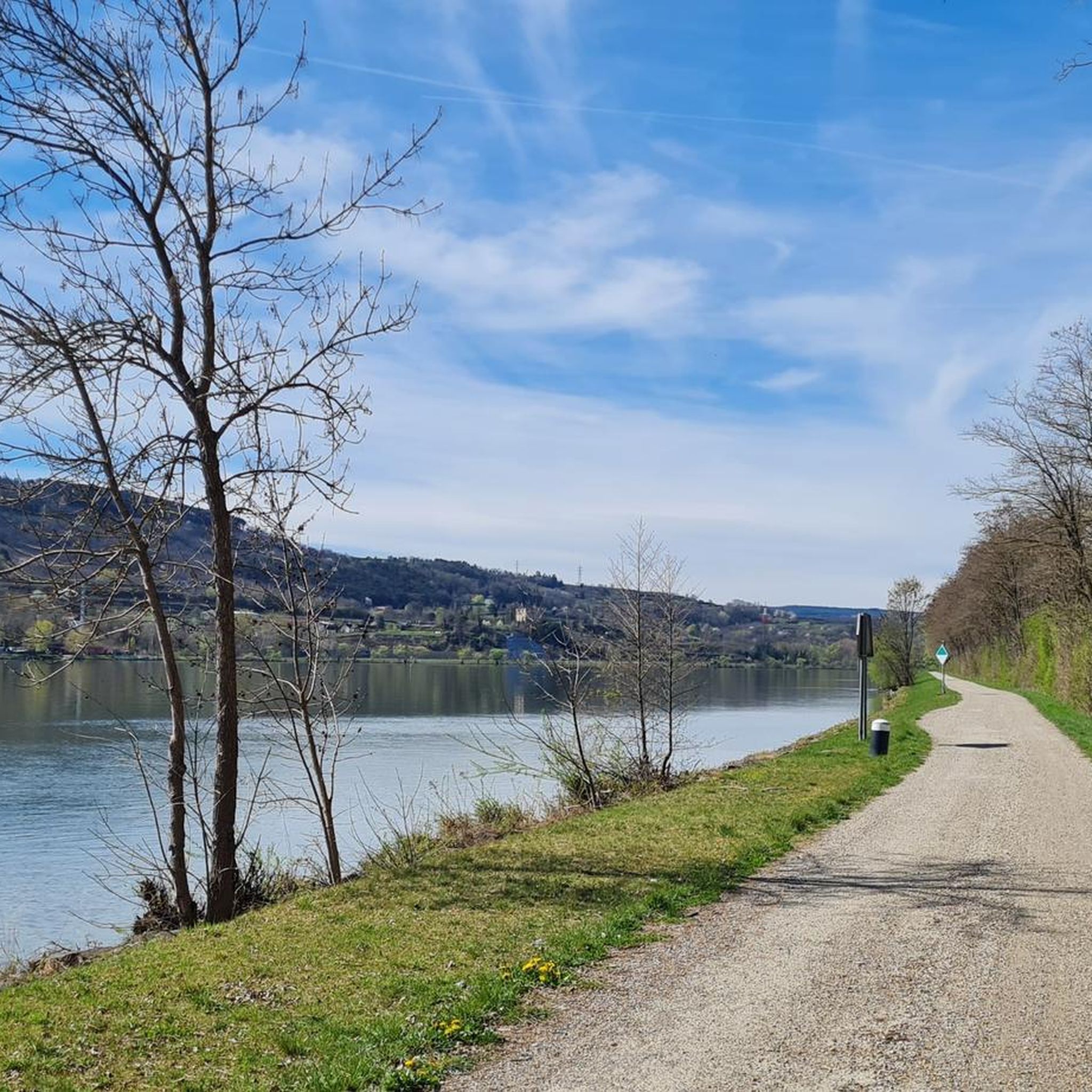
Cycling around Gedersdorf
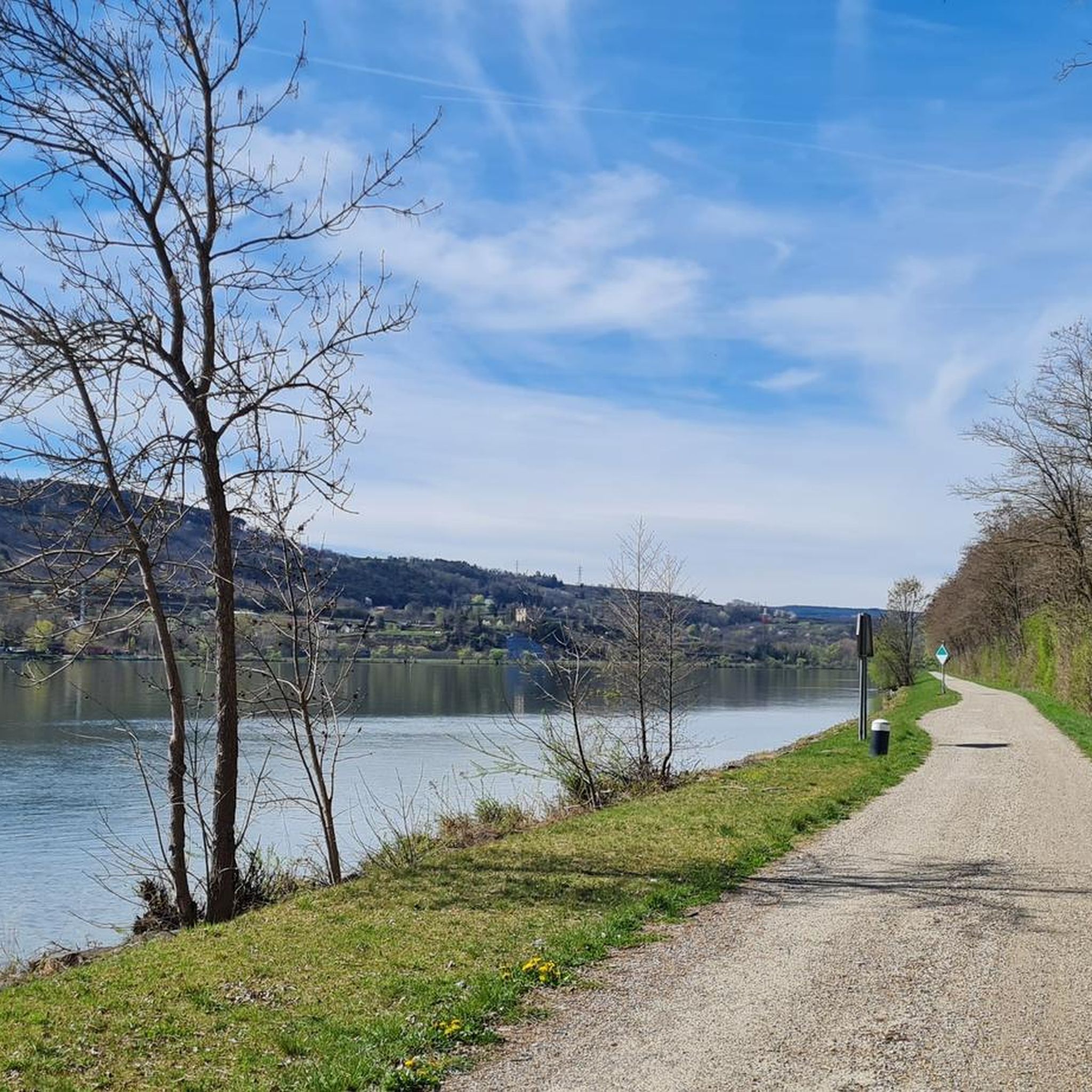
Road Cycling Routes around Gedersdorf
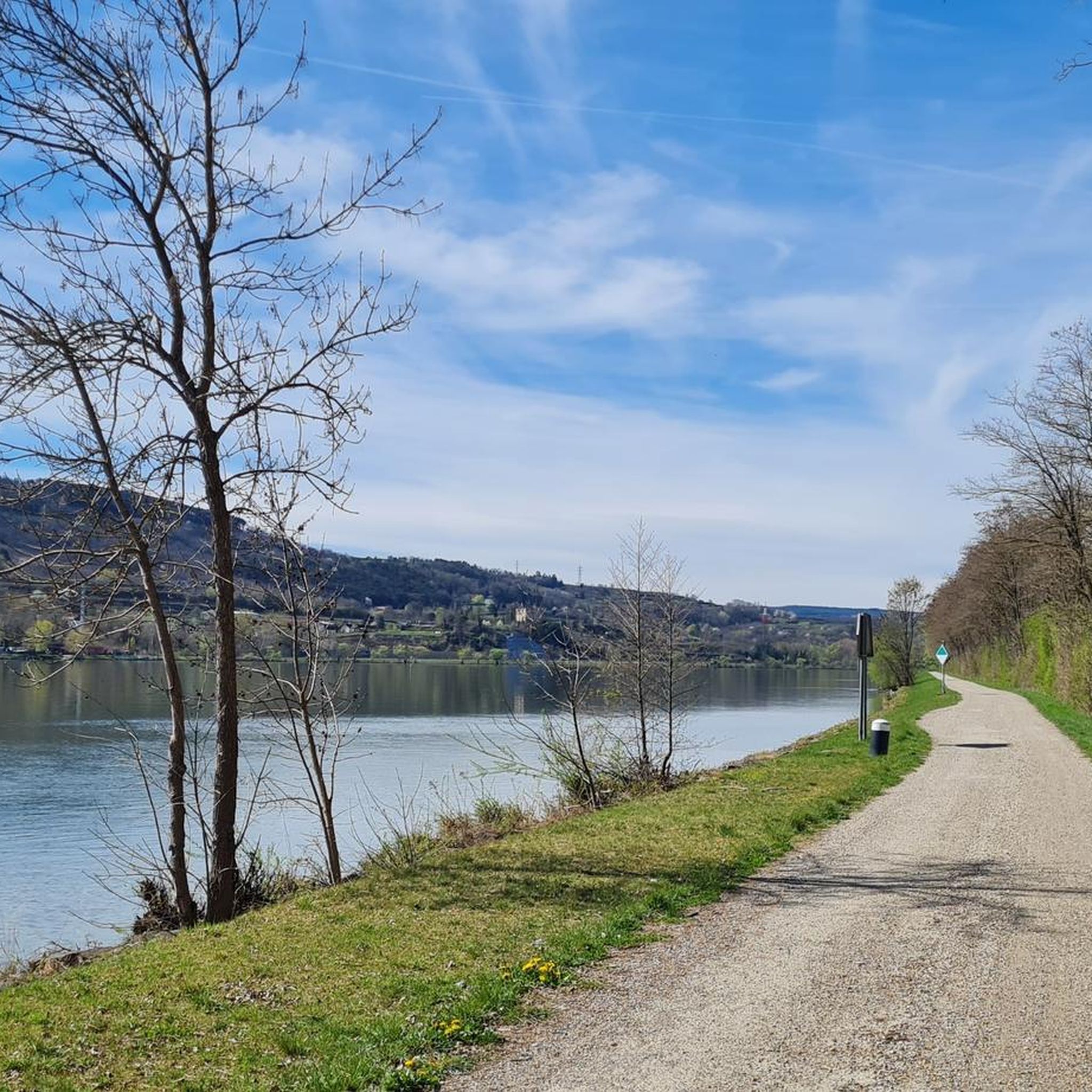
MTB Trails around Gedersdorf
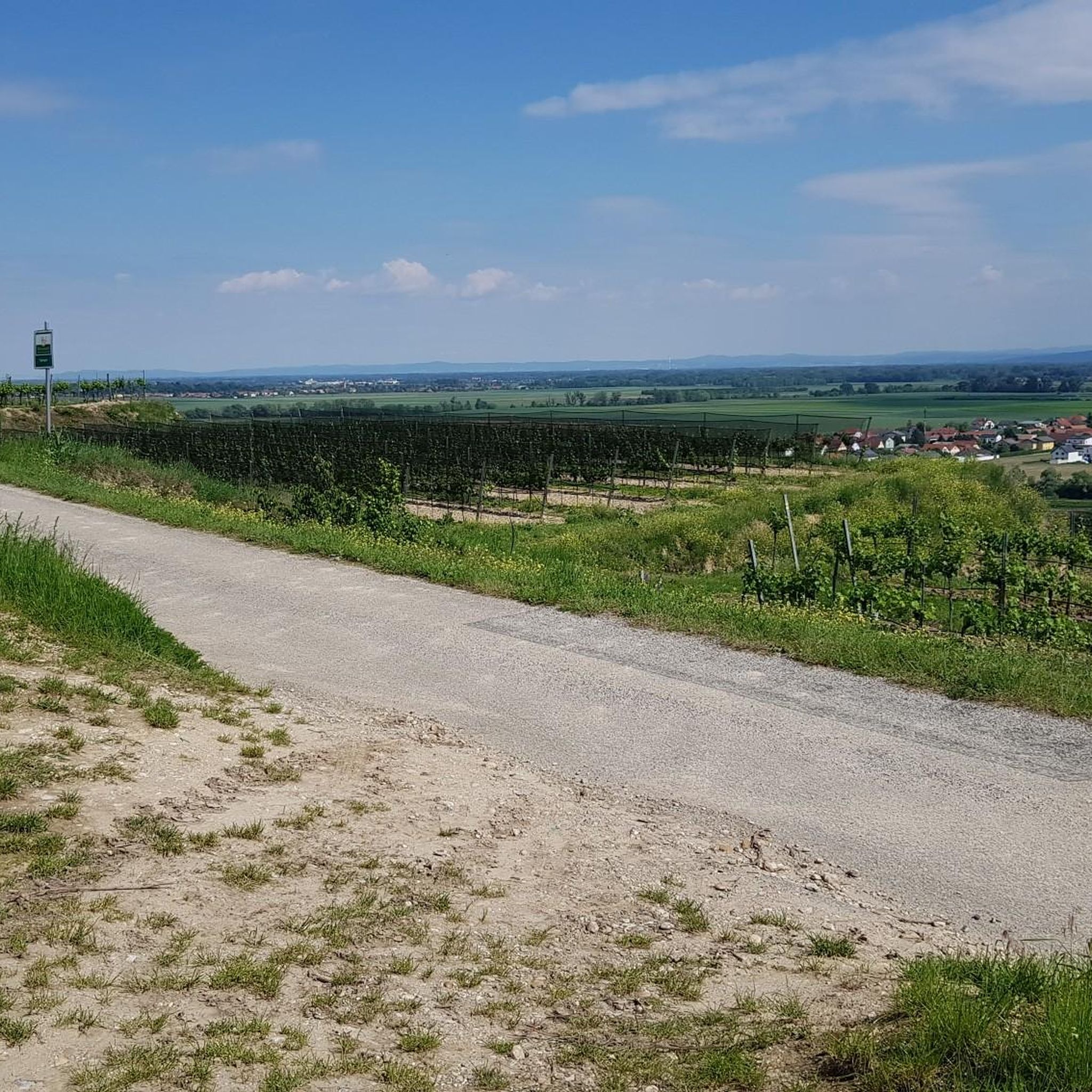
Running Trails around Gedersdorf
Hiking around Gedersdorf


Tips from the Community

Very interesting and beautiful, you just don't see it every day
2
0

I've never seen a ravine of this size. The meter-high loess walls are not only incredibly impressive, but also provide a habitat for many animal and bird species. A signposted themed trail here also explores the topic of "loess."
3
0

A fantastic natural monument, many hiking trails, such as the Way of St. James, the World Heritage Trail, the Kremstal-Donau long-distance hiking trail and the Great Tullnerfeld circular hiking trail 475 lead through here. There are display boards with interesting insights into the creation of, and not just this trench.
2
0
A wild ditch from Angern up to Tiefenfucha is a section of the Mining Memorial Trail, partly quite wild and pristine, but if you look closely you can still find remains from the "mining era" in this area.
1
0

A very impressive natural monument with information boards.
1
0

The base for the sunken lanes and vineyard terraces is loess, the glacial dust that has accumulated particularly thickly here. In addition to all the benefits for viticulture, it also provides a valuable habitat for special animals and plants. Walking through this cellar lane is quite an experience. An information panel from the Kamptal Cultural Park (see photo) stands in the middle of the lane and provides a detailed description of everything worth knowing.
1
0

a very nice variant in the direction of Oberbergern
1
0
Frequently Asked Questions
What kind of "canyons" can I expect to find around Gedersdorf?
The "canyons" around Gedersdorf are not traditional rock gorges but rather unique geological formations known as loess terraces. These are fine, wind-deposited sediments that have been eroded by water and wind, creating intricate ravines, gullies, and small valleys. They offer a distinctive natural experience, often integrated with the region's vineyards.
What are some of the most notable loess gorges to explore in the Gedersdorf area?
You can explore several impressive loess gorges. Zellergraben is considered one of the most beautiful ravines, featuring loess walls up to 12 meters high. Another must-see is Kühsteingraben, known for its high loess walls and vaults built into the sediment, with information panels explaining its significance. The Einödgraben also offers a wild-romantic forest trail through a deep ravine.
What geological features make the Gedersdorf canyons unique?
The unique geological features are primarily the loess terraces. Loess is a fine, wind-deposited sediment that forms layered formations. Erosion of this material creates the steep-sided cuts, ravines, and hollow ways that characterize the landscape. These formations are particularly important for viticulture and provide valuable habitats for special animals and plants.
Are there family-friendly trails suitable for exploring the loess canyons?
Yes, several loess gorges and ravines are suitable for families. Both Zellergraben and Kühsteingraben are categorized as family-friendly. These areas often feature signposted themed trails that are engaging for all ages, explaining the natural and historical significance of the loess landscape.
What kind of hiking experiences do the Gedersdorf loess canyons offer?
The loess canyons offer diverse hiking experiences, from easy strolls through vineyards to more challenging forest trails. You can walk along meter-high loess walls, explore deep hollow ways, and discover wild, pristine sections. Trails like the Wachau World Heritage Trail pass through these formations, offering impressive views and insights into the region's geology and viticulture.
Can I cycle through any of the unique hollow ways or loess formations?
Yes, cycling is a great way to experience the region's unique formations. The Wagram Hollow Way Cycle Path near Feuerbrunn is an intermediate route that traverses incredibly deep hollow paths, offering a beautiful and immersive experience through green landscapes and vineyards. You can find more cycling options in the Cycling around Gedersdorf guide.
When is the best time of year to visit the loess canyons and vineyards in Gedersdorf?
The loess canyons and vineyards are beautiful throughout the year, but spring and autumn are particularly striking. In spring, the vineyards blossom, and in autumn, the changing leaves create vibrant colors. These seasons offer ideal conditions for hiking and cycling, with comfortable temperatures and picturesque scenery.
Are there any circular hiking routes that explore the loess canyons around Gedersdorf?
Yes, there are several circular hiking routes that allow you to explore the loess formations. For example, you can find routes like the "Loess wall near Gedersdorf – Rohrendorf Cellar Lane loop from Gedersdorf" or the "Kellergasse Gedersdorf – Loess wall near Gedersdorf loop from Gedersdorf." These and other options are detailed in the Hiking around Gedersdorf guide.
What outdoor activities can I do near these canyons besides hiking and cycling?
Beyond hiking and cycling, the region offers opportunities for gravel biking. You can find routes like the "Langenlois and Gföhl Gravel Tour" or the "Bicycle Bridge Over the Kamp – Kamp Valley Riverside Trail loop from Etsdorf-Straß." For more details, refer to the Gravel biking around Gedersdorf guide.
What can I learn about viticulture and local history while exploring the loess canyons?
The loess canyons are deeply intertwined with the region's viticulture and history. Information panels, particularly in areas like Kühsteingraben, explain the significance of loess for wine growing and local habitats. You'll often find trails winding through vineyards, offering insights into traditional wine production and the historical use of these unique geological formations.
Are the loess canyon trails around Gedersdorf dog-friendly?
While specific regulations for each trail may vary, many natural trails and vineyard paths in the Gedersdorf area are generally dog-friendly. It's always advisable to keep dogs on a leash, especially in areas with wildlife or near vineyards, and to carry waste bags. Always check local signage for any restrictions.
What kind of views can I expect from the loess terraces?
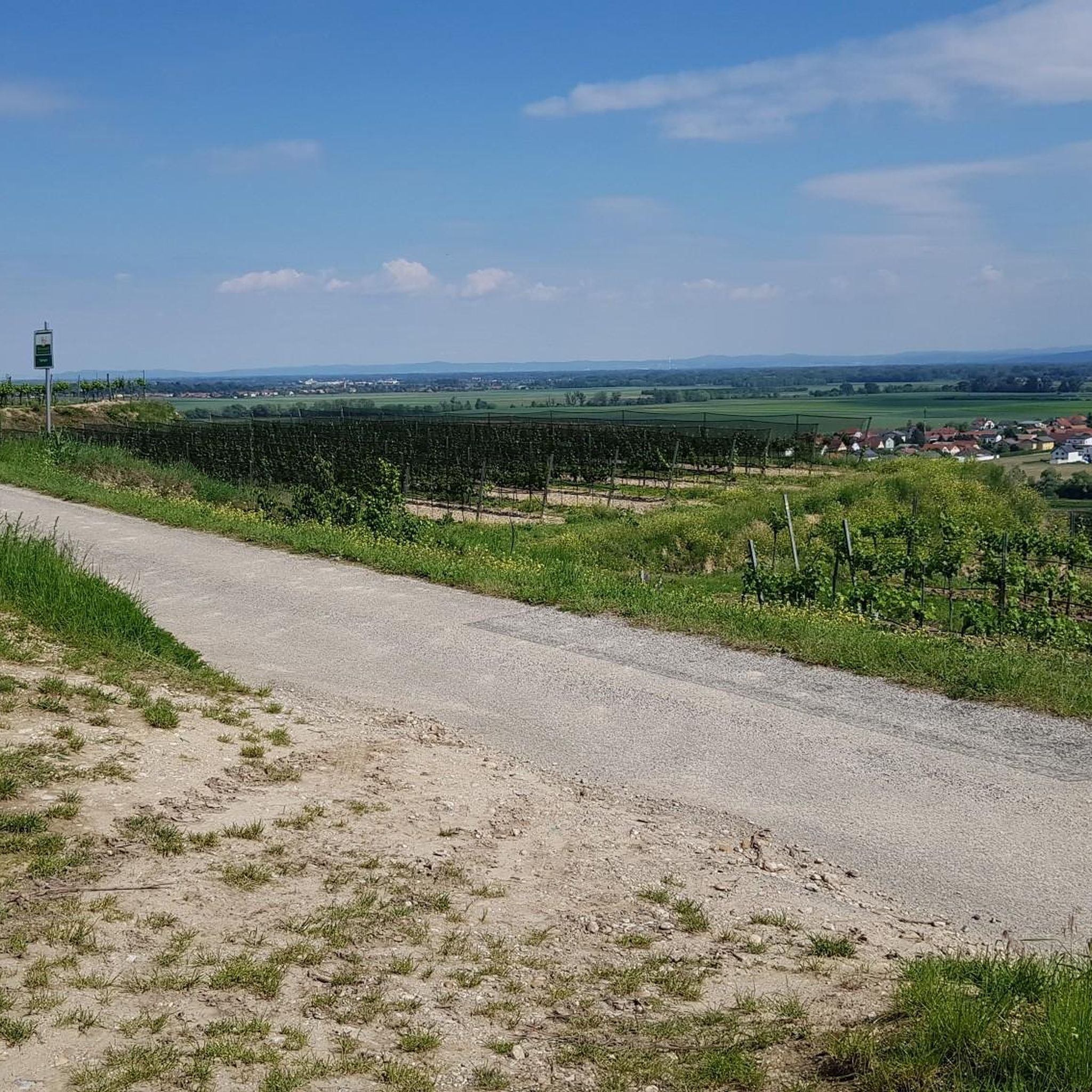
The elevated positions of the loess terraces and vineyard hills offer breathtaking panoramic views. You can often see the Danube Valley, the Kamptal region, and even the distant Jauerling mountain. These vistas are particularly stunning during spring and autumn, providing excellent photo opportunities.
Most popular routes around Gedersdorf
Most popular attractions around Gedersdorf

Get inspired with the komoot mobile app


Explore more
Already discovered everything in this region? See additional gorges around Gedersdorf for your next adventure:
