Top 5 Castles around Martinsberg
Castles around Martinsberg are situated in a region known for its historical significance and varied landscapes. This area features a collection of medieval fortresses, some well-preserved and others as ruins, often set in elevated positions or near historical market towns. The region offers opportunities to explore centuries of architectural evolution and local history.
Best castles around Martinsberg
- The most popular castles is Pöggstall Castle, a castle that dates back to the 13th century. This massive building, located in the…
Last updated: April 28, 2026
Ottenschlag Castle
Highlight • Castle
Translated by Google •
Tip by

Pöggstall Castle
Highlight • Castle
Translated by Google •
Tip by

Sign up now to discover places like this
Get recommendations on the best single tracks, peaks, & plenty of other exciting outdoor places.
Sign up for free
Mollenburg Castle
Highlight • Castle
Translated by Google •
Tip by

Weinsberg Summit and Castle Ruins
Highlight • Summit
Translated by Google •
Tip by
Streitwiesen Castle
Highlight • Castle
Translated by Google •
Tip by
Sign up for free to discover even more castles around Martinsberg.
Sign up for free
Already have an account?
Start today with a free account
Your next adventure awaits.
Login or Signup
Popular around Martinsberg
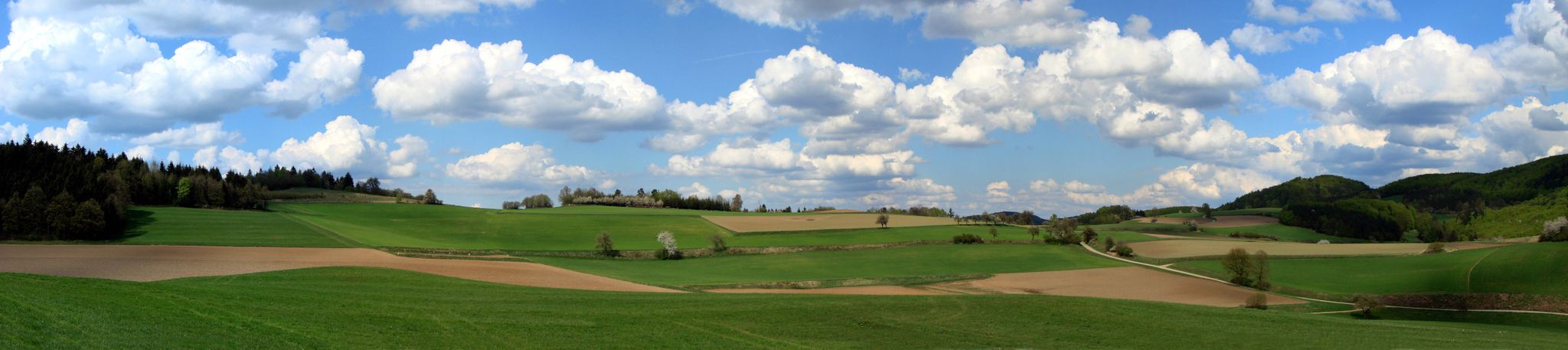
The Path of Life — A (spiritual) hike through northeastern Austria
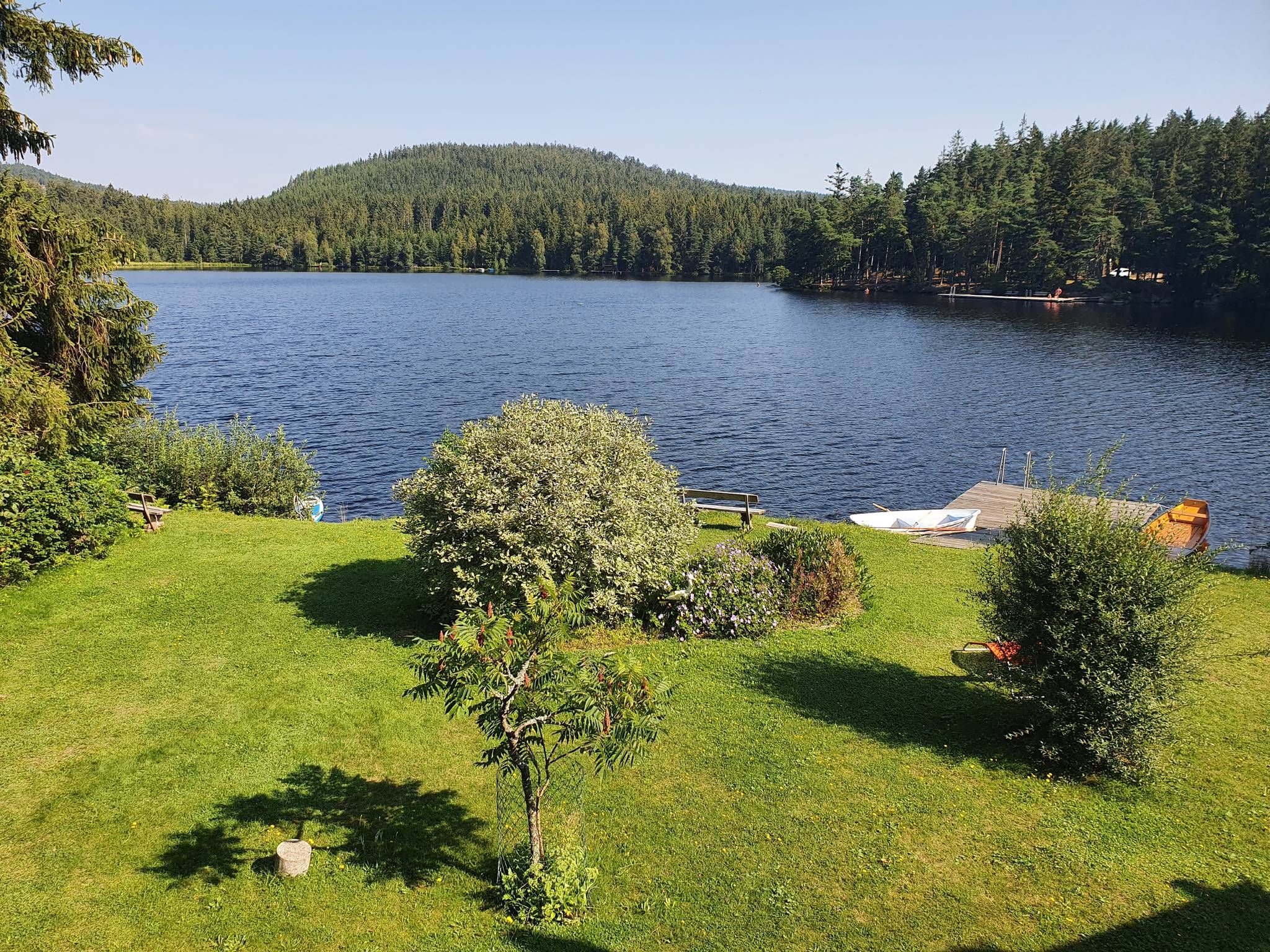
Kremstal Trail — Hiking along rivers through Lower Austria
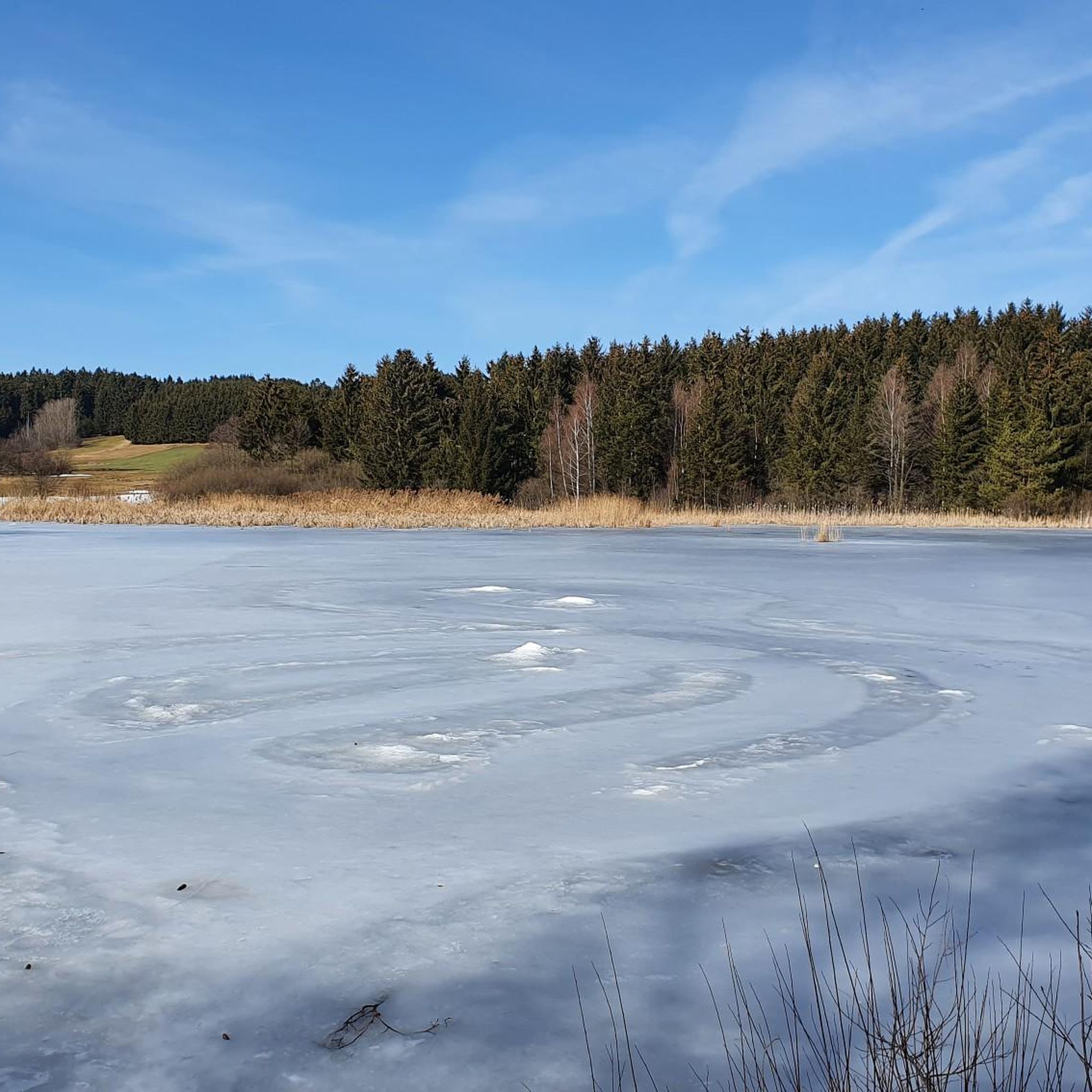
Hiking around Martinsberg
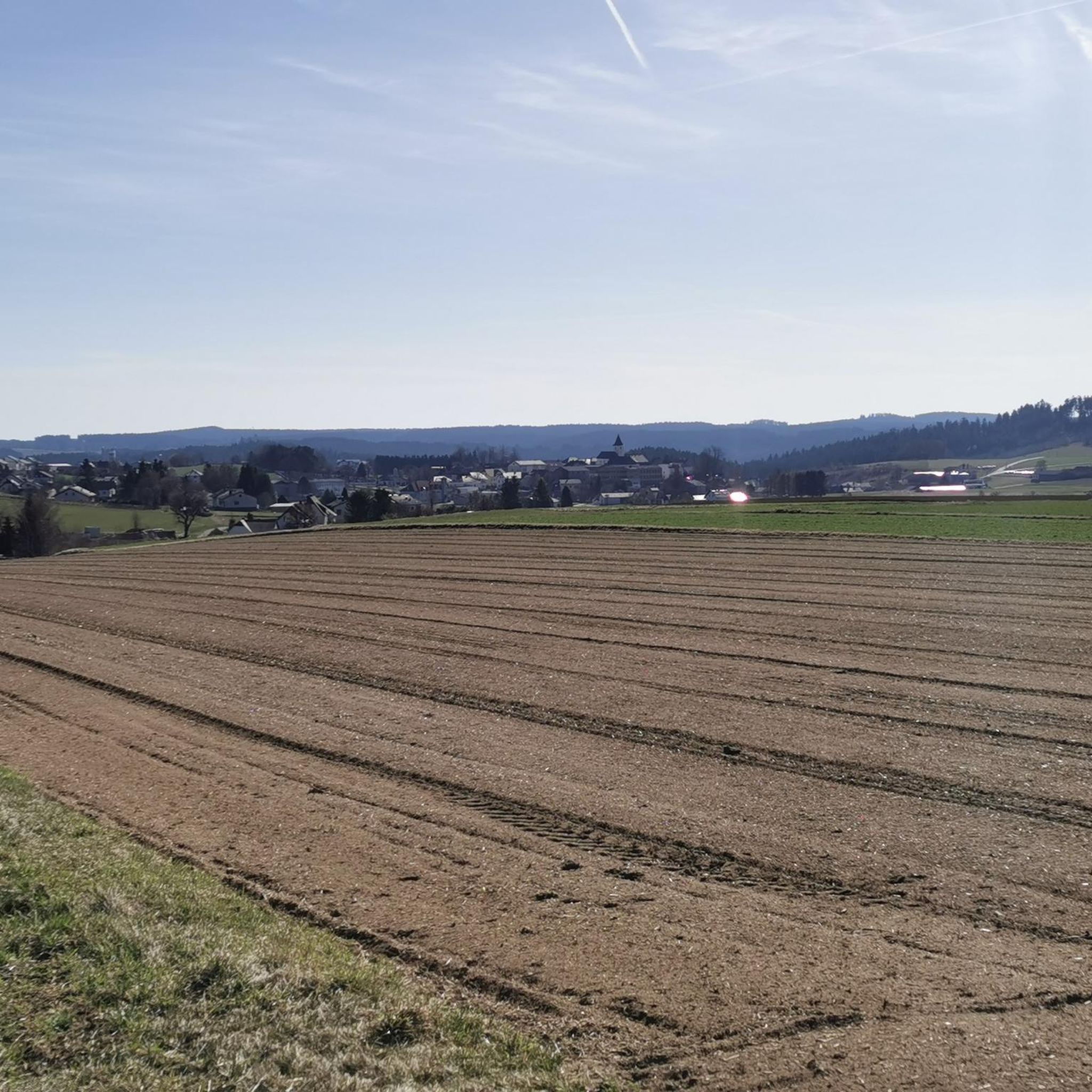
Cycling around Martinsberg
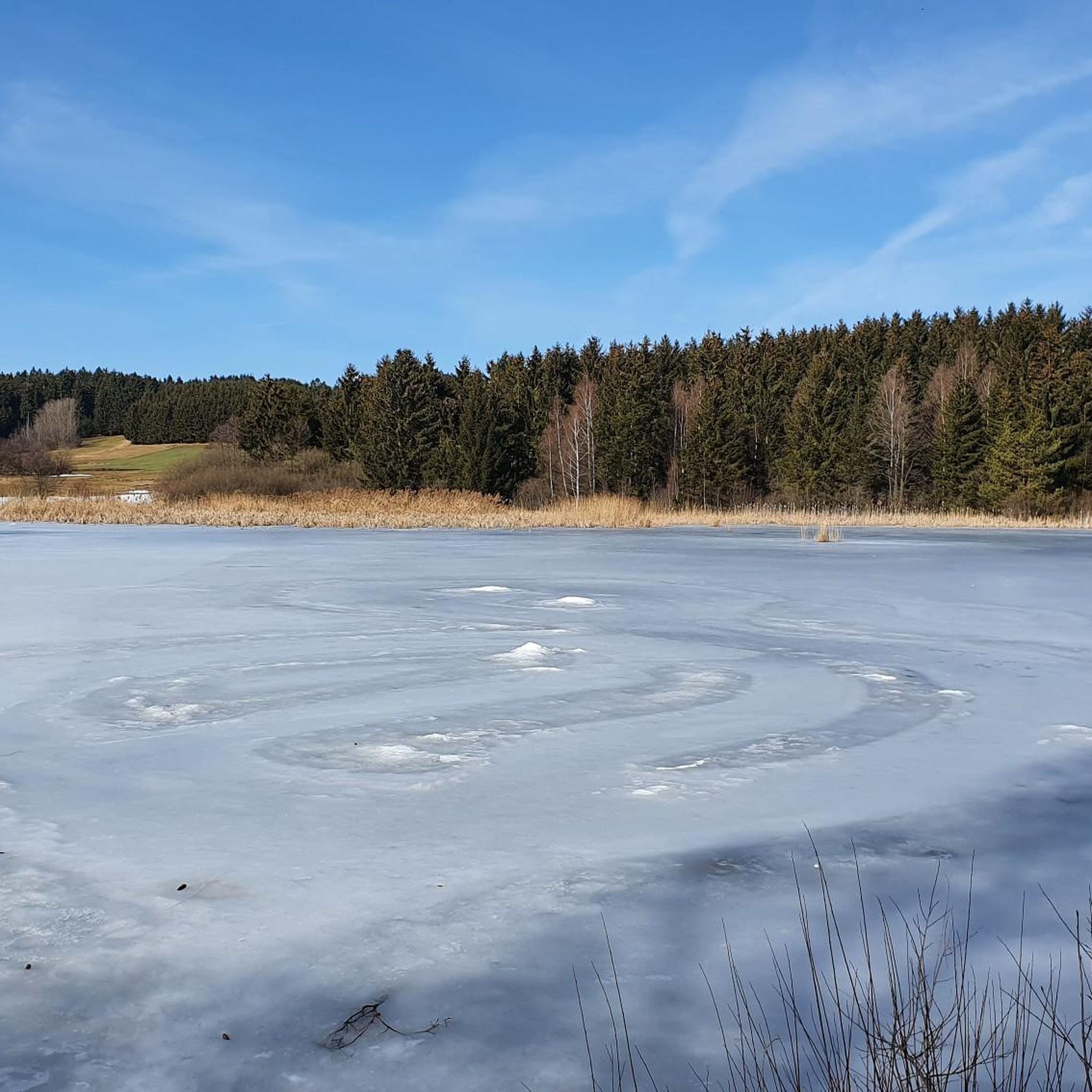
MTB Trails around Martinsberg
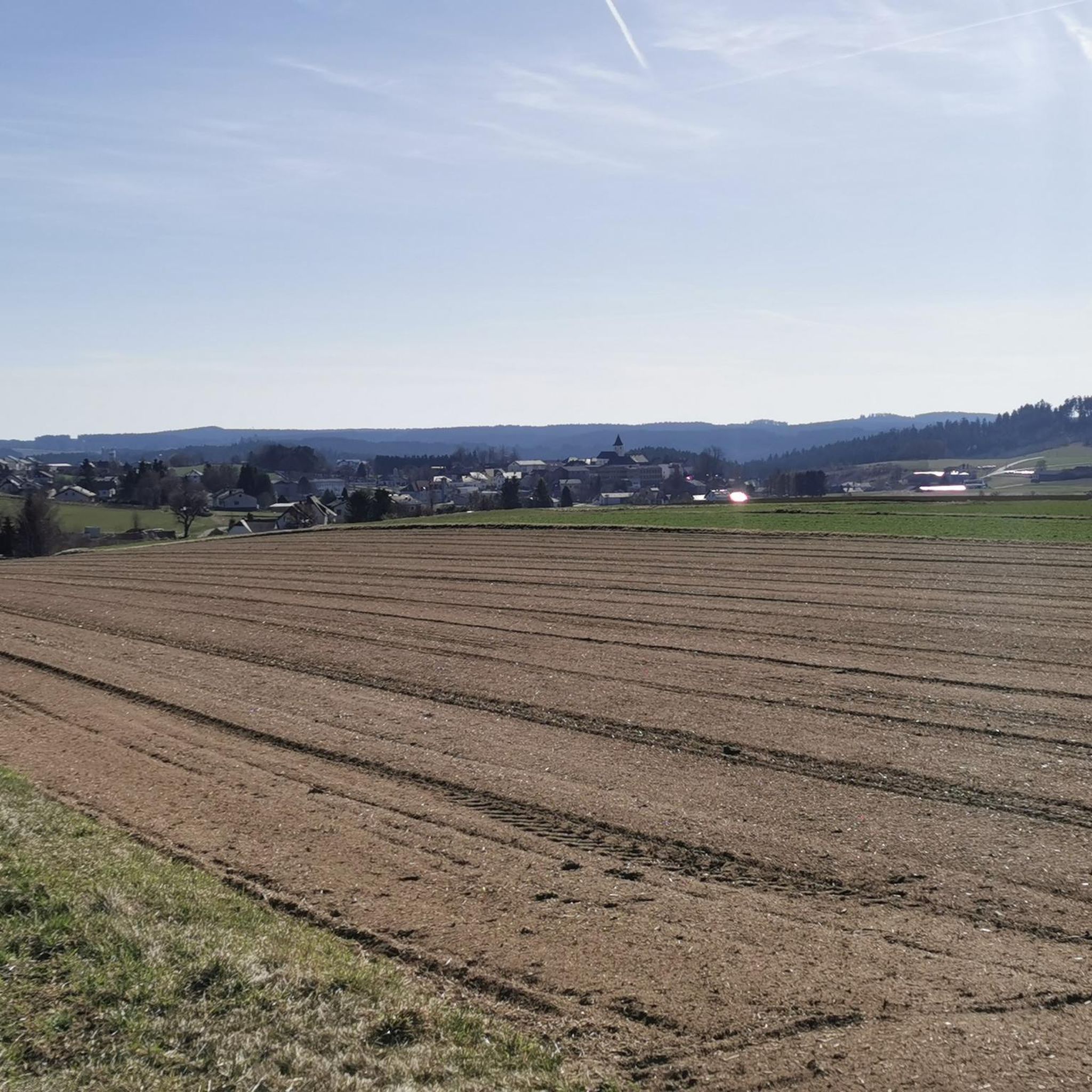
Running Trails around Martinsberg
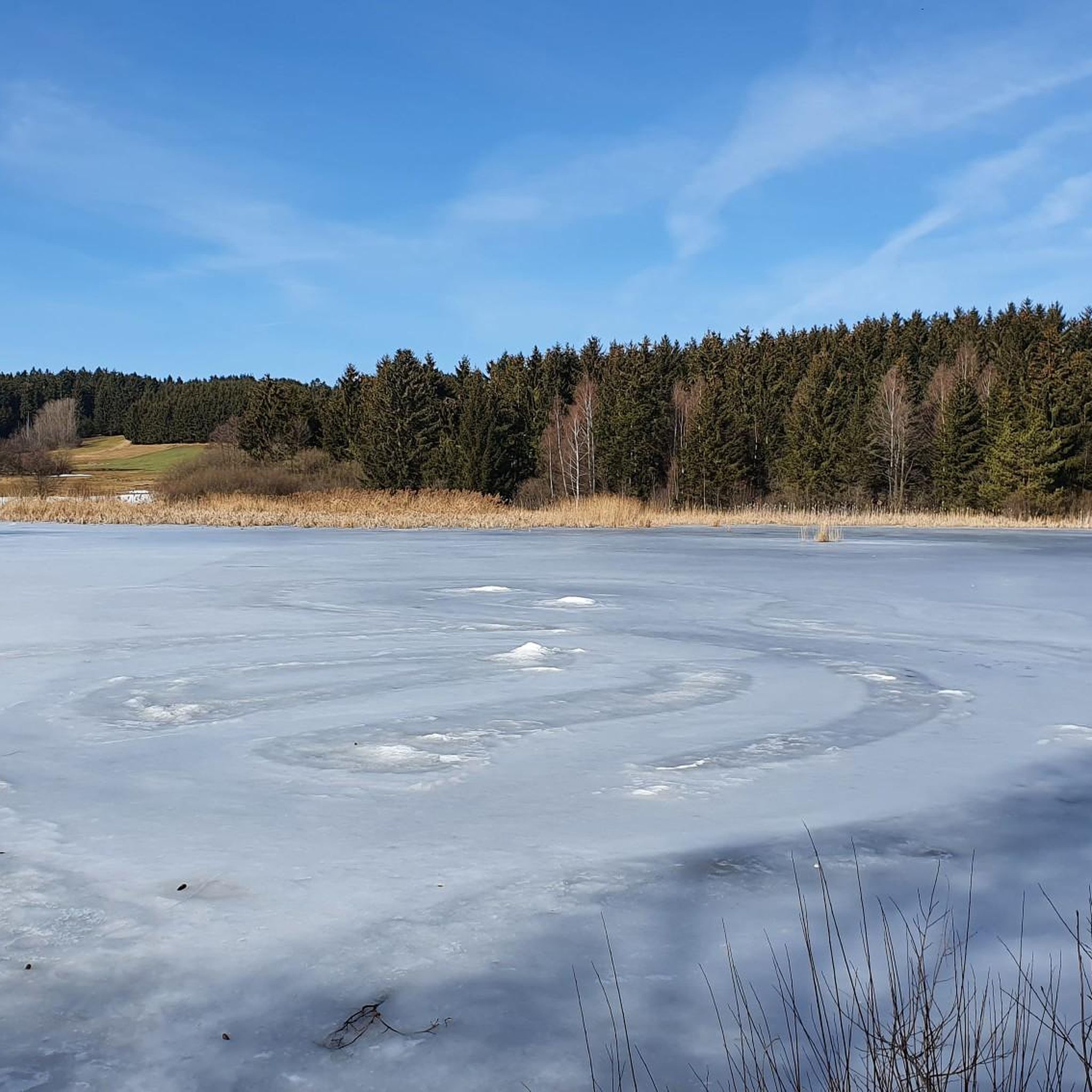
Road Cycling Routes around Martinsberg
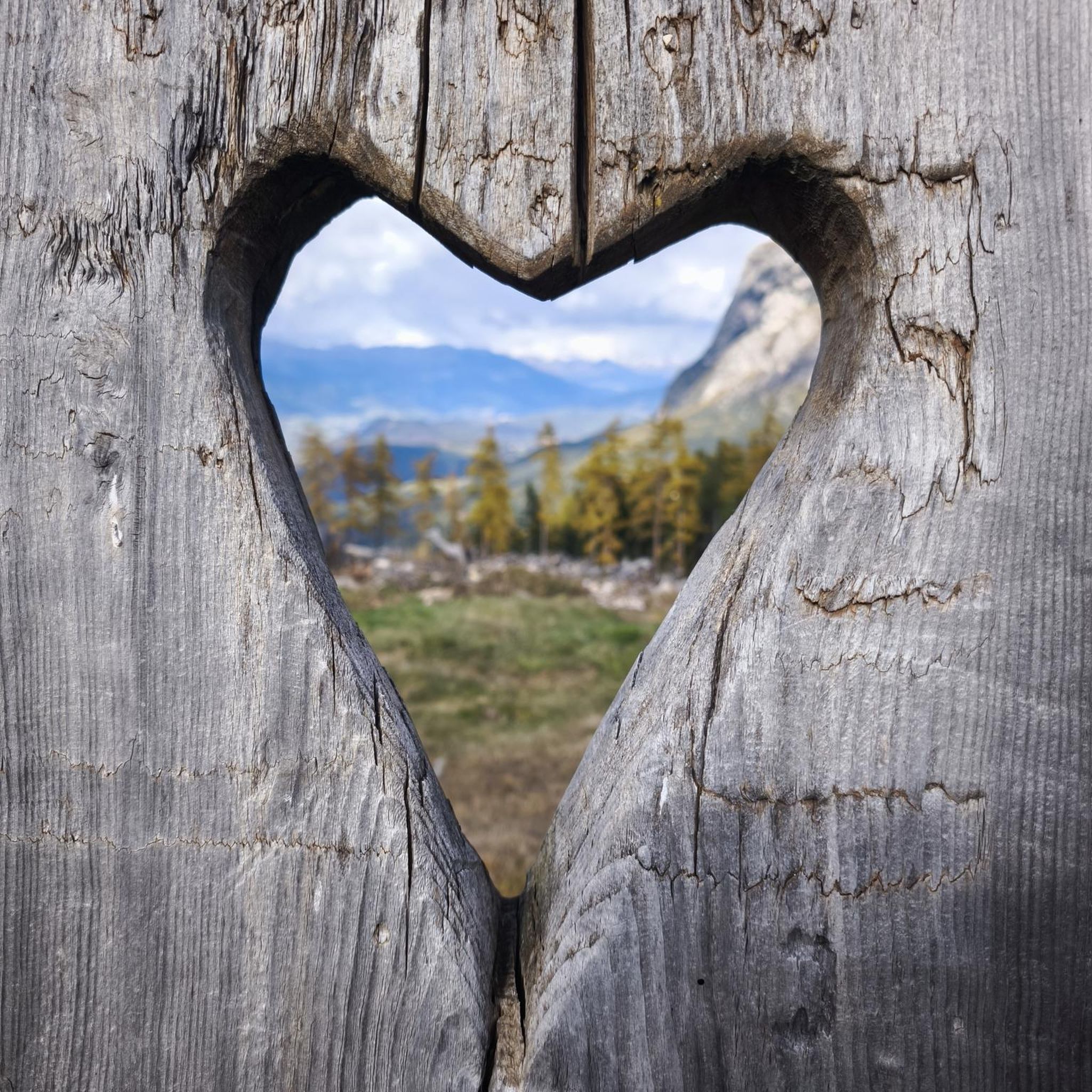
Gravel biking around Martinsberg

Tips from the Community

The cannon roundabout of Pöggstall Castle was built around 1530 as an outlying defensive structure and served to defend the castle. The round fortress tower, with its mighty walls and loopholes, was part of the former moated castle complex. Today, the roundabout is considered one of the most impressive late medieval defensive structures in Lower Austria.
0
0
A fascinating castle with an exhibition included in the Lower Austria Card. Food and drinks are available.
0
0

The castle is a very beautiful photo subject, there is a lot to discover here.
0
0

Rest in a pub or visit an exhibition!
0
0

Around the middle of the 13th century, the Lords of Werd-Capellen lived here in a relatively modestly sized castle. Due to the involvement of the castle lords in the Kuenringer noble revolt against Duke Albrecht I, the Mollenburg was destroyed, but was soon rebuilt. The castle was first mentioned in a document in 1303. In 1307 the rule went to a Lord von Streitwiesen. In 1486 it was sold by the Ebersdorfers to Kaspar von Rogendorf, the owner of the Pöggstall estate. He expanded the castle. In the 16th century the princely fief became his own property. However, after the escape of the bankrupt Christoph Freiherr von Rogendorf, it was confiscated in 1546. As a result, the Geyers of Osterburg partially converted the castle into a Renaissance castle. After various changes of ownership, the rule passed to Emperor Ferdinand I in 1839. After renovation in 1844, the Mollenburg was reduced to ruin in 1860 by the administrator Johann Niedermayer for tax reasons (roof tax). The roof structure was removed, devastated and the usable parts were sold. In 1920 the Habsburg property became part of the war victims' fund. Confiscated by the Soviets in 1945, the Mollenburg was transferred to the administration of the Austrian Federal Forests in 1956. The art historian, novelist and politician Jörg Mauthe acquired the ruins for 220,000 schillings in 1972 and restored them, partly by himself and with the help of his sons. Individual buildings in the outer bailey were made habitable again. The Mollenburg is still privately owned by the Mauthe family today; Jörg Mauthe's urn is kept in the tower of the old castle.
0
0
The first castle on the hill on the left bank of the Weitenbach consisted of a square residential tower built in 1140, just over 8 meters long on a side, with four residential floors and a fifth fortified upper floor. At the foot of the small mountain hill was the free-standing, ashlar-walled Romanesque chapel of St. Pancras. In terms of its basic structure, the castle of the Lords of "Stritwisen", first mentioned in 1144, corresponded to the ancestral home of a then wealthy and respected ministerial family. The Streitwieser belonged to one of the most respected noble families in early Austria, related to a family that was one of the Babenbergs' closest entourage . One of them jousted with Ulrich von Liechtenstein in Vienna in 1227, another was in the court of the last Babenberg woman, Queen Margarethe, and stood at her deathbed at Krumau Castle. The Streitwieser's rule, to which they later acquired that of the neighboring Mollenburgers, originally lay with the Weiten market in the territory of the county of Weitenegg-Persenbieg. It was only in the 13th century that people in the Weitental felt they belonged to Babenberg Austria. After the Streitwieser people died out in the 14th century, their property fell into many hands. The castle fell into disrepair under the Sinzendorfers, who united it with the Pöggstall rule. The castle ruins have been owned by the federal government since 1972 to build and maintain an Austrian youth castle and have been partially restored. More about the story: https://de.wikipedia.org/wiki/Jugendburg_Streitwiesen
0
0
The massive building, located in the center of the market town of Pöggstall, dates back to the 13th century. It was expanded under Kaspar von Rogendorf at the end of the 15th century. The castle belonged to the powerful Maissauers for a long time. From 1795 to 1919 it was owned by the family fund, which had been set up to provide the family members of Empress Maria Theresa and Emperor Joseph II with part of the assets of Emperor Franz I. The nearby castles of Persenbeug, Artstetten, Leiben and Luberegg formed the so-called "Habsburg Land". In 1919 the fund was expropriated in favor of the Republic of Austria and the property was transferred to the War Victims' Fund. In 1986 it was purchased by the municipality of Pöggstall and is used as a museum and cultural venue. https://www.waldviertel.at/kultur-schloss-poeggstall
1
0

Unfortunately, this school in the castle no longer exists
0
0
Frequently Asked Questions
What types of castles can I expect to find around Martinsberg?
The Martinsberg region features a diverse collection of historical sites, ranging from well-preserved medieval fortresses to castle ruins. You'll find structures that showcase centuries of architectural evolution, including Gothic origins, Renaissance elements, and Baroque additions. Examples include the massive Pöggstall Castle, which now serves as a museum, and the ruins of Weinsberg Summit and Castle Ruins.
Are there any castles around Martinsberg with dining options?
Yes, Ottenschlag Castle is a notable option, featuring a restaurant called "Im Schloss" where you can enjoy a refreshment during your visit. It's located in a slightly elevated position on the north side of the market square.
Which castles are particularly good for families with children?
Both Pöggstall Castle and Ottenschlag Castle are categorized as family-friendly. Pöggstall Castle, with its museum and cultural events, offers an engaging historical experience, while Ottenschlag Castle provides a pleasant setting with its restaurant.
Can I explore castle ruins in the Martinsberg area?
Absolutely. The region offers several impressive ruins. For instance, Weinsberg Summit and Castle Ruins allows you to explore the remains of a 13th-century castle while enjoying panoramic views. Another significant ruin is Mollenburg Castle, which, despite being largely a ruin, has parts that have been restored and are habitable, offering a glimpse into its past grandeur.
What kind of views can I expect from the castles?
Many castles in the Martinsberg region are situated in elevated positions, offering scenic vistas. From the plateau of Weinsberg Summit and Castle Ruins, for example, you can see Austria's largest closed forest area in all directions, and on clear days, even glimpse the high mountains of Styria.
Are there hiking opportunities near the castles around Martinsberg?
Yes, the Martinsberg area offers various hiking routes. You can find easy hikes like the 'Lake Edlesberger – Edlesberger Teich loop' or the 'Fountain – Parish Church of Gutenbrunn loop'. For more options, explore the easy hikes around Martinsberg guide.
What cycling routes are available near the castles?
The region provides excellent cycling opportunities. For road cycling, you might consider routes like the 'Pöggstall Castle – Burg Niederanna loop' or the 'Parish Church Kirchschlag – Church of the Blue Lord loop'. If you prefer gravel biking, options include the 'Burg Rappottenstein – Weyrerteich loop'. More details can be found in the Road Cycling Routes around Martinsberg and Gravel biking around Martinsberg guides.
What is the history behind <a href="https://www.komoot.com/highlight/327757" target="_blank" rel="noopener">Pöggstall Castle</a>?
Pöggstall Castle is a massive building dating back to the 13th century. It was significantly expanded at the end of the 15th century under Kaspar von Rogendorf. Over centuries, it was owned by powerful families like the Maissauers and later by the family fund of the Habsburgs. After expropriation in 1919, it was acquired by the municipality in 1986 and now functions as a museum and cultural venue.
What makes <a href="https://www.komoot.com/highlight/1284722" target="_blank" rel="noopener">Mollenburg Castle</a> unique?
Mollenburg Castle, towering above the village of Weiten, has a rich history of destruction and rebuilding, notably after the Kuenringer noble revolt. It was expanded by Kaspar von Rogendorf and later partially converted into a Renaissance castle. After being reduced to a ruin for tax reasons in the 19th century, it was acquired and partially restored by art historian Jörg Mauthe in 1972, and remains privately owned by the Mauthe family today.
What can I learn about the history of <a href="https://www.komoot.com/highlight/6290792" target="_blank" rel="noopener">Streitwiesen Castle</a>?
Streitwiesen Castle, first mentioned in 1144, was originally the ancestral home of the respected Lords of "Stritwisen," a noble family closely associated with the Babenbergs. It began as a square residential tower built around 1140. After the Streitwieser family died out, the castle fell into disrepair under the Sinzendorfers. Since 1972, the castle ruins have been owned by the federal government and partially restored to serve as an Austrian youth castle.
What do visitors particularly enjoy about the castles around Martinsberg?
Visitors appreciate the historical depth and the well-preserved nature of many sites. For example, Pöggstall Castle is praised for its successful renovation and engaging exhibitions. The opportunity to explore centuries of architectural evolution and local history, often set against varied landscapes, is a major draw.
Most popular routes around Martinsberg
Most popular attractions around Martinsberg

Get inspired with the komoot mobile app


Explore more
Looking for the best castles somewhere else? Discover other guides around Martinsberg:
