Top 8 Caves around Ramsau
Best caves around Ramsau are primarily found near Ramsau am Dachstein in Austria, a region known for its alpine landscape and geological formations. The area offers a variety of underground experiences, from vast cave systems to ice-filled caverns. These natural attractions provide insight into the region's geological history and unique subterranean environments. Ramsau serves as a base for exploring these notable natural wonders.
Best caves around Ramsau
- The most popular caves is Haselrast Crucifix and Cave, a cave that…
Last updated: November 23, 2026
Rudolf Decker via ferrata, Steinwand Gorge
Highlight • Climb
Translated by Google •
Tip by

Türkenloch Cave (Steinwand Gorge)
Highlight • Cave
Translated by Google •
Tip by

Sign up now to discover places like this
Get recommendations on the best single tracks, peaks, & plenty of other exciting outdoor places.
Myralucke Cave
Highlight • Cave
Translated by Google •
Tip by

Hermit's Cave with Statue of St. Philip
Highlight • Cave
Showing Translation
Tip by

Haselrast Crucifix and Cave
Highlight • Cave
Translated by Google •
Tip by
Sign up for free to discover even more caves around Ramsau.
Already have an account?
Start today with a free account
Your next adventure awaits.
Tips from the Community

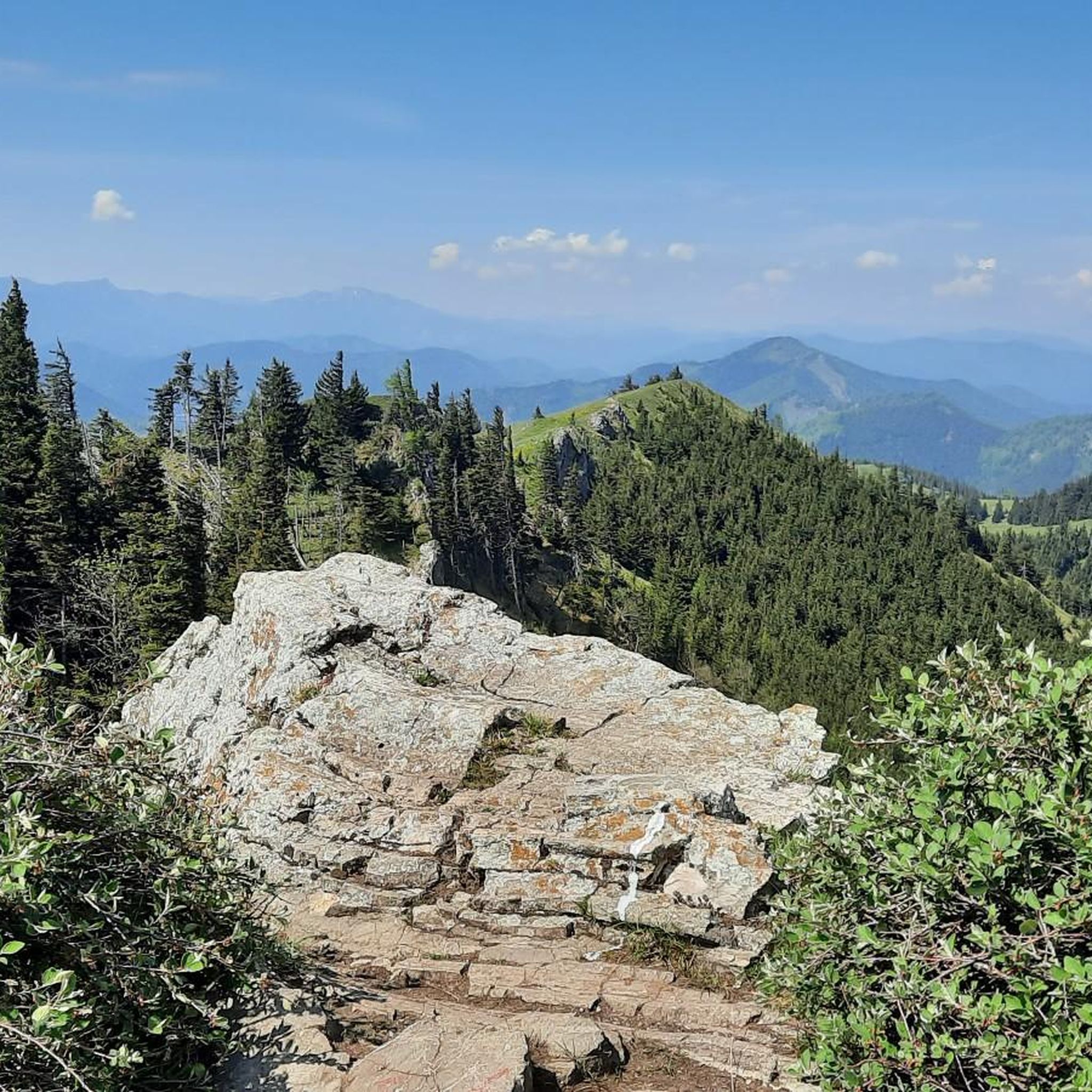
For those interested in caves, there are some points of interest, especially on Mariahilferberg. The parking lot is easily accessible via Bergstraße. The faithful will certainly be drawn to the pilgrimage church and the Servite monastery. The cave enthusiast will also pass by there if they want to visit the Eremitenhöhle on Residenzberg. On a wide path, first only slightly ascending and then a bit downhill again, it goes along the mountainside to the marked turn-off to the small cave.
2
0

Unfortunately, at the end of June 2025, not a drop of water was to be seen🙈
0
0

If the rain is off for an extended period, this is a beautiful cave to explore. However, you shouldn't enter it if the weather is bad.
0
0


The Myralucke is a cave on the Unterberg in Lower Austria from which the Mirabach rises, which also forms the Myra Falls. The cave is an episodically active water cave and has two siphon sections that can only be overcome by diving and sometimes with a rubber dinghy. The total length of the cave is over 306 m and the total height difference is 19 m. There are numerous legends surrounding the Myralucke, for example about a girl named Mira who fell into the lake, an enchanted emperor with his entourage, a treasure with a password and the entrance to the underworld. The cave is a popular destination for hikers and ski tourers, who can access the cave from various sides.
6
0

Cave, interesting and not particularly difficult to climb.
4
0
The topo for the A/B via ferrata in the Steinwandklamm is available at https://www.bergwandern.com/fileadmin/userdaten/tour/topo/7530/rudolf-decker-steig-steinwandklamm-topo-rudolfdeckersteig.pdf
4
1

A small steep path has to be walked up from the panel to the cave. In the cave there is a statue of St. Philip.
0
0
Frequently Asked Questions
What are some unique caves to explore near Ramsau beyond the main attractions?
Beyond the well-known Dachstein and Eisriesenwelt caves, you can discover unique spots like the Rudolf Decker via ferrata, Steinwand Gorge, which features a spectacular cave accessible via a suspended ladder. The Myralucke Cave is an episodically active water cave with local legends, while Himmelsreith Cave offers a chance to explore a short distance inside.
Are there any impressive ice caves near Ramsau?
Yes, the region is home to some of the most impressive ice caves. The Giant Ice Cave (Rieseneishöhle) at Dachstein is known for its magnificent ice formations, sculptures, and frozen waterfalls. Further afield, about 40 kilometers from Ramsau am Dachstein, is the World of Ice Giants (Eisriesenwelt), the largest ice cave in the world, featuring vast ice formations like the 'Big Ice Wall' and 'Ice Palace'.
What is the best time to visit the ice caves around Ramsau?
The best time to visit the ice caves, such as the Dachstein Giant Ice Cave and Eisriesenwelt, is typically during the warmer months, from late spring to early autumn (May to October). During this period, access is easier, and the weather conditions are more favorable for enjoying the surrounding alpine scenery. Always check specific opening times as they can vary.
Are the caves around Ramsau suitable for families with children?
Many caves in the region are family-friendly, offering guided tours that are accessible and engaging for children. The Dachstein Caves (Mammut Cave and Giant Ice Cave) are popular choices, providing an exciting underground adventure. The Türkenloch Cave (Steinwand Gorge) is also considered family-friendly, offering an interesting historical context in a cool gorge environment.
What kind of historical significance do some caves in the Ramsau area hold?
Some caves in the Ramsau area have notable historical significance. For instance, the Türkenloch Cave (Steinwand Gorge) is steeped in local legend, said to have been a hiding place for residents during the Turkish siege of 1683. Archaeological findings have supported these historical traditions, adding a layer of intrigue to your visit.
What should I wear when visiting caves in the Ramsau region?
Even in summer, temperatures inside ice caves are consistently around freezing, so warm clothing, including a jacket, hat, and gloves, is essential. For all caves, sturdy, non-slip footwear is highly recommended due to potentially wet and uneven surfaces. A headlamp can also be useful for exploring darker passages, especially in less developed caves like those found along the Rudolf Decker via ferrata.
Are there hiking trails that incorporate caves near Ramsau?
Yes, several hiking opportunities in the Ramsau region allow you to explore caves. The Steinwandklamm gorge, for example, offers trails that lead to caves like the Türkenloch Cave and features the Rudolf Decker via ferrata with cave access. You can find more hiking routes in the area by exploring the Hiking around Ramsau guide.
How accessible are the major cave systems, and what is the terrain difficulty like?
The major cave systems like the Dachstein Caves are generally well-developed for tourism, with guided paths and lighting. However, they often involve walking on uneven surfaces, stairs, and sometimes slippery sections, especially in ice caves. The Eisriesenwelt also requires a significant walk and a cable car ride to reach the entrance, followed by a guided tour with many steps. It's advisable to have a moderate level of fitness. For specific terrain details, it's best to check the individual cave's official website.
What other outdoor activities can I do near the caves around Ramsau?
The Ramsau region, known for its alpine landscape, offers a wide range of outdoor activities. You can enjoy various hiking trails, from easy walks to challenging mountain hikes. There are also numerous cycling routes, including scenic paths like the Piestingtal cycle path near the Haselrast Crucifix and Cave. For more adventurous visitors, mountaineering is also popular.
Are permits required to visit caves in the Ramsau region?
For commercially operated show caves like the Dachstein Caves and Eisriesenwelt, you typically purchase an admission ticket, which includes access and a guided tour; no separate permit is needed. For smaller, undeveloped caves or those requiring specialized caving equipment, access might be restricted or require specific permits, especially for scientific or conservation purposes. Always check local regulations if planning to explore beyond designated tourist paths.
What are the typical geological features found in the caves of this region?
The caves around Ramsau, particularly those in the Dachstein massif, are primarily limestone caves, formed by water dissolving soluble bedrock over millennia. This process creates vast chambers, intricate passages, and impressive stalactite and stalagmite formations. The ice caves, like the Giant Ice Cave and Eisriesenwelt, are unique for their spectacular ice formations, which are created by meltwater seeping into the caves and freezing, forming ice sculptures, frozen waterfalls, and glittering ice chapels.
How long does a typical visit to the major cave systems take?
A visit to one of the major cave systems, such as the Dachstein Mammut Cave or Giant Ice Cave, typically involves a guided tour lasting about 50-60 minutes each. However, you should also factor in travel time to the cave entrance, including cable car rides, and potential waiting times. For the Eisriesenwelt, the entire experience, including the cable car, walk to the cave, and guided tour, can take around 3 hours.
Can I explore caves independently, or are guided tours necessary?
For the major show caves like the Dachstein Caves and Eisriesenwelt, guided tours are mandatory for safety and to protect the delicate cave environments. These tours provide valuable information about the caves' geology and history. Smaller, less developed caves, such as Himmelsreith Cave, might allow for short independent exploration, but it's crucial to exercise caution, have appropriate gear (like a headlamp), and respect any posted restrictions.
Most popular attractions around Ramsau

Get inspired with the komoot mobile app


Explore more
Extend your search for the best caves by checking out these guides of the top ones around Ramsau:
