Top 7 Castles around Kollerschlag
Best castles around Kollerschlag are found in the surrounding Mühlviertel region of Upper Austria. This area is characterized by its historical significance and natural landscape, featuring river valleys and forested terrain. The region offers insights into medieval history through its various historical sites. Kollerschlag itself serves as a gateway to exploring these cultural landmarks within a scenic environment.
Best castles around Kollerschlag
- The most popular castles is Ruins of Neujochenstein Castle, a castle where primarily the ruins of its…
Last updated: July 10, 2026
Falkenstein Castle Ruins
Highlight • Castle
Translated by Google •
Tip by

Ruins of Neujochenstein Castle
Highlight • Castle
Translated by Google •
Tip by

Sign up now to discover places like this
Get recommendations on the best single tracks, peaks, & plenty of other exciting outdoor places.
Sign up for free
Altjochenstein Castle Ruins
Highlight • Castle
Translated by Google •
Tip by

Linden Avenue at Schloss Altenhof
Highlight • Natural Monument
Translated by Google •
Tip by
Götzendorf Castle Church
Highlight • Religious Site
Translated by Google •
Tip by
Sign up for free to discover even more castles around Kollerschlag.
Sign up for free
Already have an account?
Start today with a free account
Your next adventure awaits.
Login or Signup
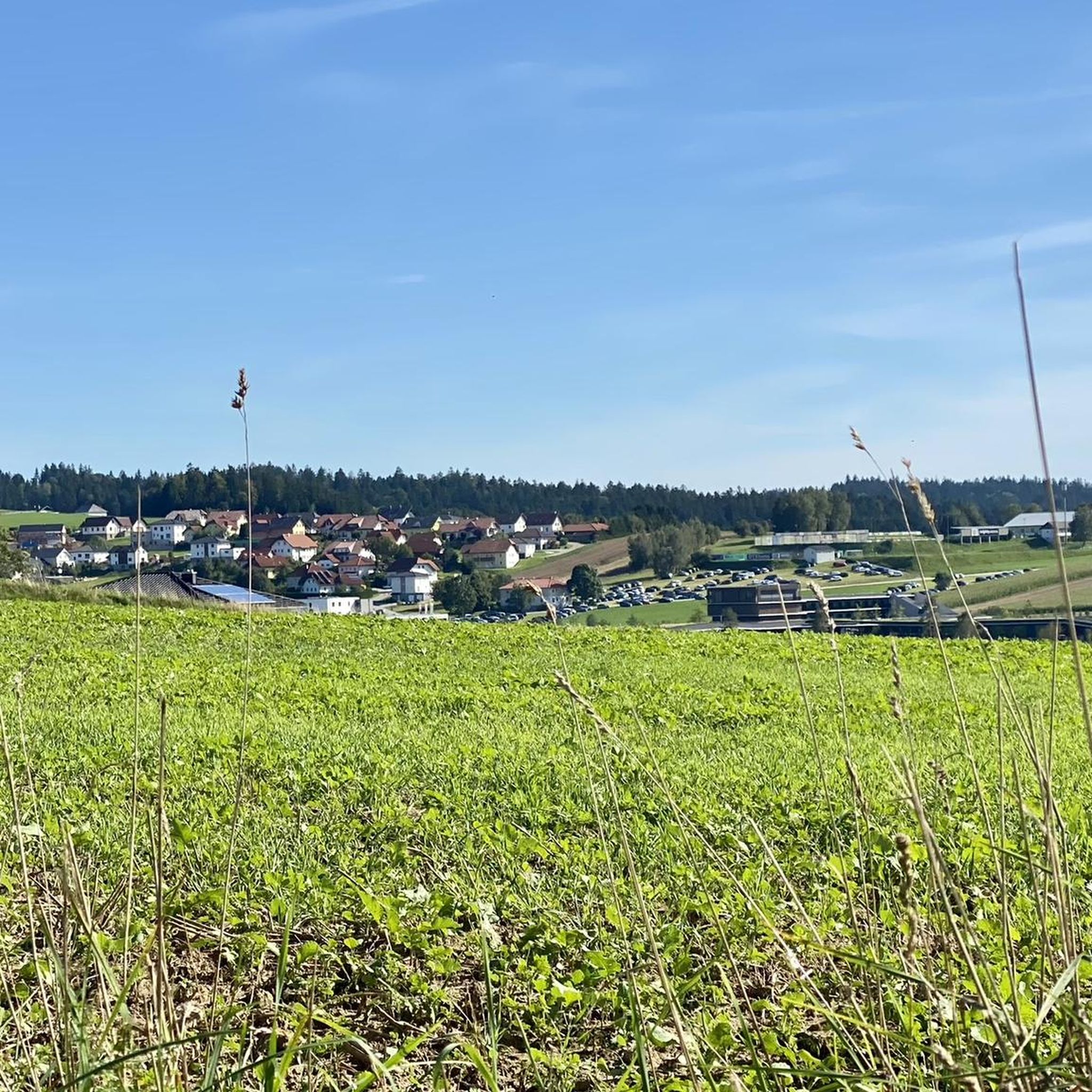
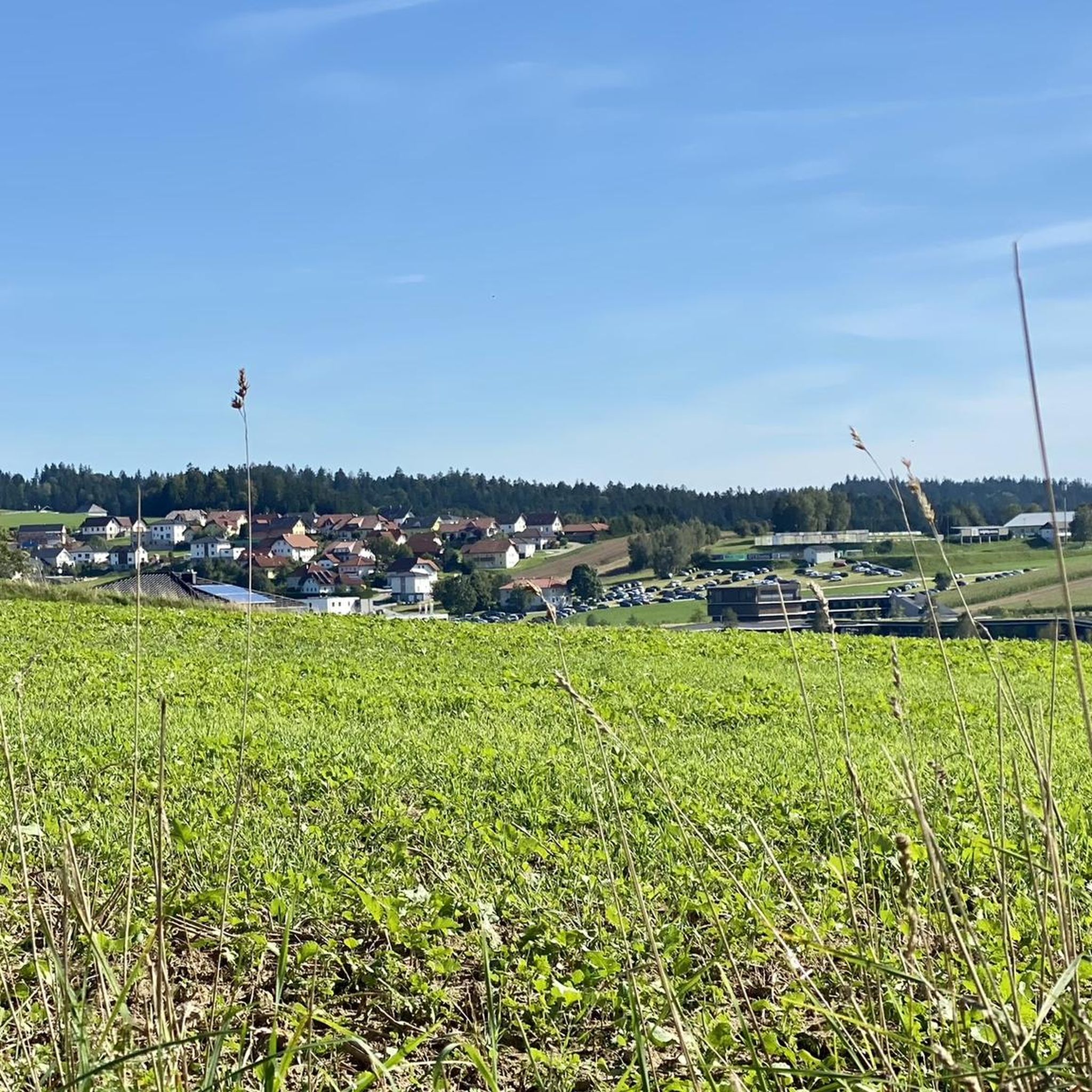
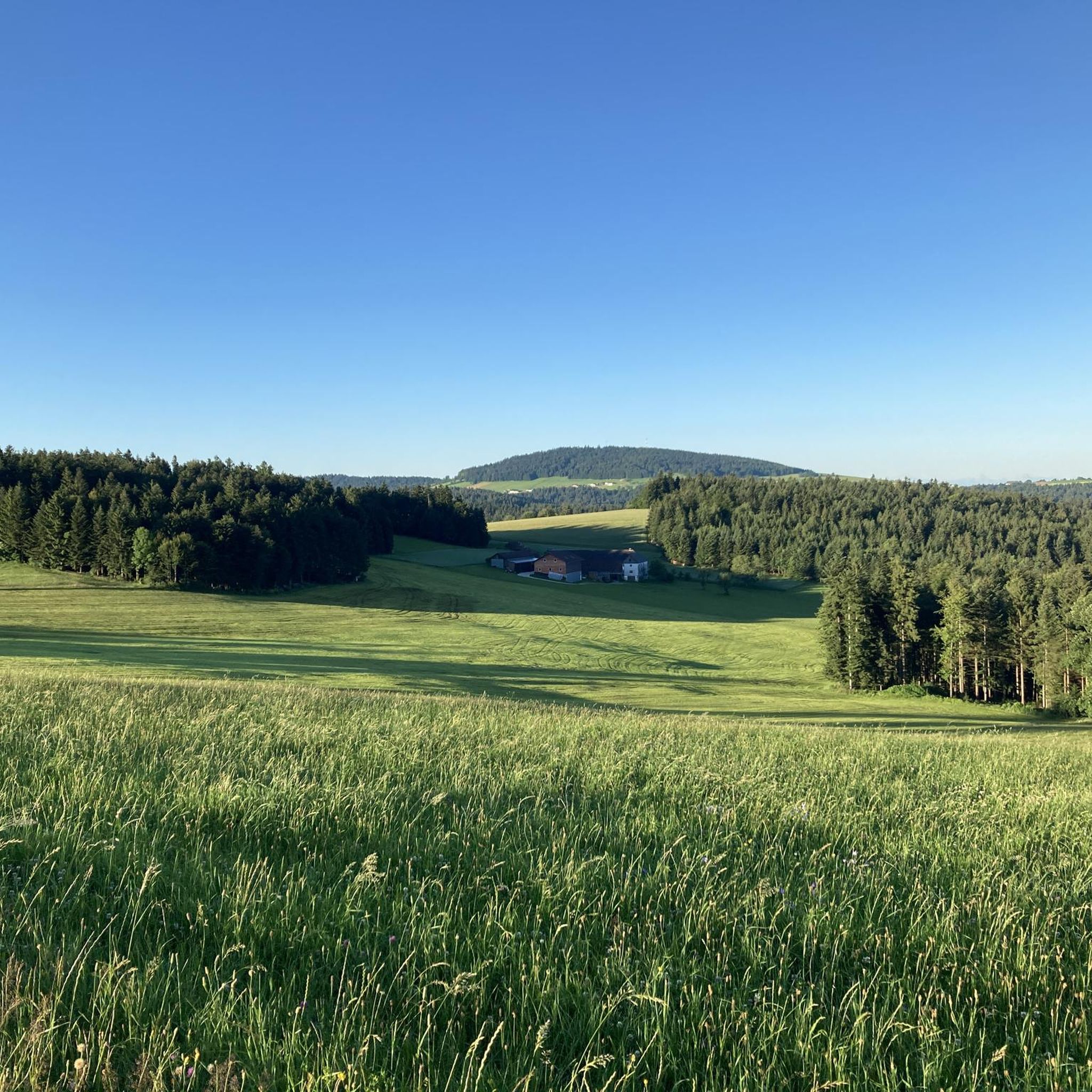
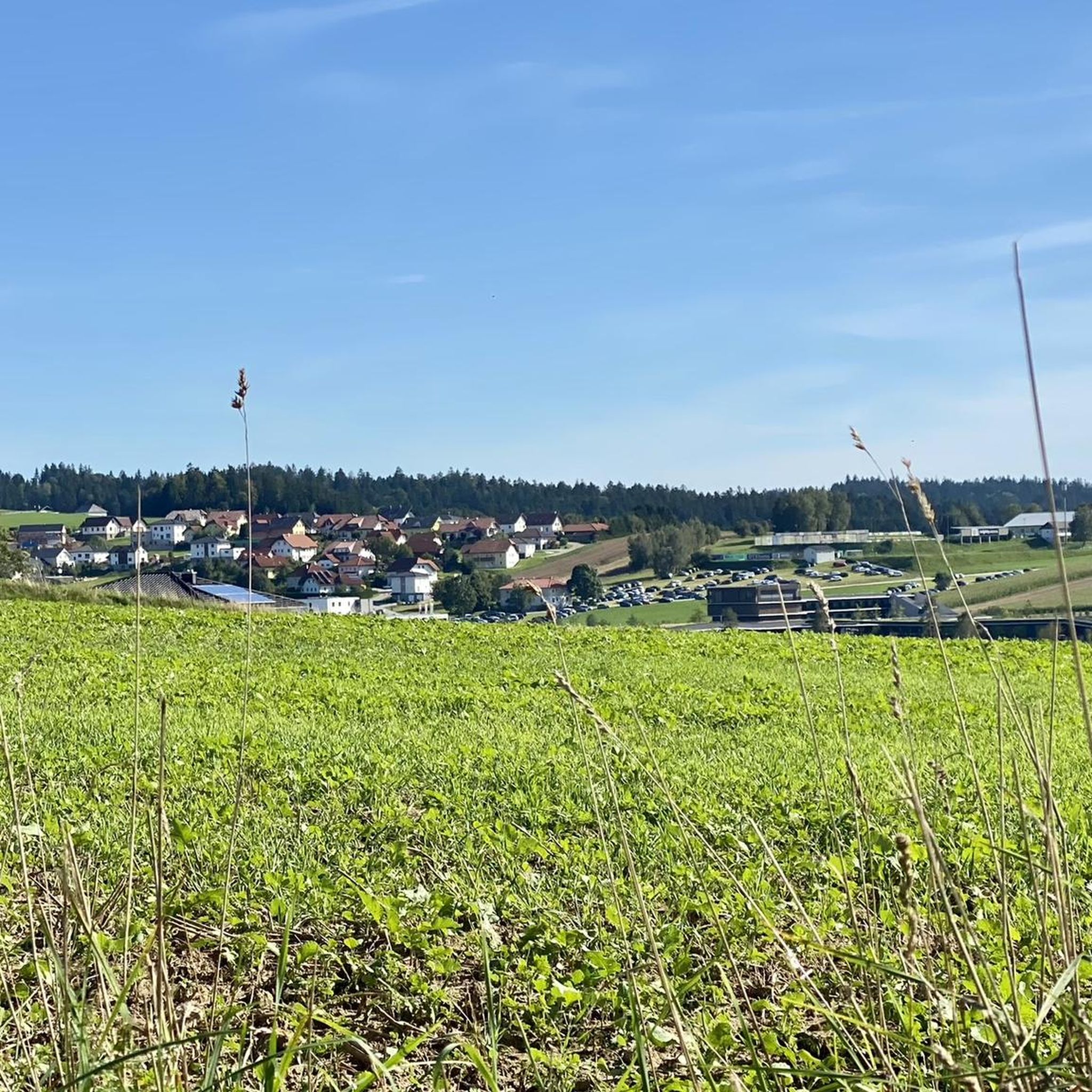
Tips from the Community

This old linden avenue by the castle is very handsome, but today it houses a florist who will surely fulfill every wish.
0
0
old castle ruins of Jochenstein
0
0

800 years old. Unfortunately, only this defensive tower remains.
0
0

The Neujochenstein castle ruins are the ruins of a hilltop castle on a hill above the Danube near the Jochenstein at 583 m above sea level. It is located on the outskirts of Riedl, a village in the municipality of Untergriesbach in the Lower Bavarian district of Passau. The Neujochenstein castle was probably founded due to a lack of space on the Altjochenstein castle, which is only a few hundred meters away, and was first mentioned in a document in 1299, when its owner, Eberwein von Jochenstein, granted Bishop Wernhard of Passau (Diocese of Passau) extensive access rights. In 1310 the castle was sold and occupied by caretakers (burgraves or bailiffs who were responsible for the administration and defense of a castle or monastery) until the 16th century. After that the castle quickly fell into disrepair. From 2006 to 2007 the municipality of Untergriesbach carried out renovation work on the remains of the castle. Source: https://de.wikipedia.org/wiki/Burgruine_Neujochenstein
2
0
The Jochensteiners and Johannsteiners were probably servants of the Lords of Griesbach, who in turn had their ancestral seat in nearby Untergriesbach. The Griesbachers were wealthy in the area during the 12th and 13th centuries. The castle was probably built during the first half of the 12th century, the name of the castle first appears in 1222, the castle nobility was only mentioned in 1264 as Alkherus de Jokenstein. In 1269 an Eswain von Jochenstein was mentioned. At the turn of the century, the Bishopric of Passau was granted the right to use the castle, later it was sold to the bishopric in its entirety. It is not certain which of the two castles was meant, but it was probably Neujochenstein Castle. Altjochenstein Castle was probably abandoned during the 13th century, and the Jochensteiners probably died out in the 14th century. Source: https://de.wikipedia.org/wiki/Burgruine_Altjochenstein
1
0
The path to the castle ruins is not that easy. First it goes steeply downhill, then a little up and down until you are standing in front of it. At the ruins there are signs warning of falling rocks. The ruins look as if they could collapse at any moment. But it's worth it!
1
0

From Falkenstein, Schlägl Abbey and the district capital Rohrbach were founded.
7
0

Great pictures!!!
1
0
Frequently Asked Questions
What historical castles can I visit near Kollerschlag?
The Mühlviertel region, surrounding Kollerschlag, offers several historically significant sites. You can explore the Ruins of Neujochenstein Castle, known for its well-preserved keep remnants and strategic medieval importance. Another option is the Falkenstein Castle Ruins, a former aristocratic residence undergoing conservation, where the fortified tower is still accessible. Additionally, the Altjochenstein Castle Ruins, an older sister castle to Neujochenstein, provides further insight into the region's past.
Are there any family-friendly castles or historical sites around Kollerschlag?
Yes, several sites are suitable for families. The Falkenstein Castle Ruins are listed as family-friendly, offering a glimpse into history. The Götzendorf Castle Church, located within a castle, also welcomes families and has a public toilet available. While not a castle itself, the Linden Avenue at Schloss Altenhof is family-friendly and offers beautiful views near the historic Altenhof Castle.
What kind of outdoor activities can I do near the castles around Kollerschlag?
The area around Kollerschlag and its castles is excellent for various outdoor activities. You can find numerous hiking trails, including easy walks and more challenging routes. There are also options for gravel biking and mountain biking. For specific routes and guides, you can check out easy hikes around Kollerschlag, gravel biking around Kollerschlag, and MTB trails around Kollerschlag.
What are the notable features of the Neujochenstein Castle Ruins?
The Ruins of Neujochenstein Castle primarily consist of the ruins of its keep. This five-story structure is evident from its approximately 20-meter-high corner wall, built from small quarry stones. Remnants of plaster are still visible, and an oak roof beam, dated to around 1350, has been preserved. Excavations have also revealed a ring wall, and the castle was once surrounded by a moat.
Can I access the interior of Falkenstein Castle Ruins?
Currently, the interior of the Falkenstein Castle Ruins grounds is cordoned off due to ongoing conservation work to ensure public safety. Access to the inner areas is generally only possible during renovation weekends. However, the fortified tower built over a spring in 1489 is still accessible.
What is special about Altenhof Castle?
Altenhof Castle, situated high above the Ranna and Danube Valley, has been owned by the Counts of Salburg-Falkenstein for over 400 years. It features the largest private castle church in Austria and offers holiday apartments, some with open fireplaces. The castle is a popular venue for weddings and seminars, and its long history has inspired numerous local legends and ghost stories. Guests can also enjoy various nature sports in its beautiful surroundings.
Are there hiking trails near the Neujochenstein and Altjochenstein Castle Ruins?
Yes, the area around the Ruins of Neujochenstein Castle and Altjochenstein Castle Ruins is known for hiking. Trails like the 'Schmugglerweg' offer scenic routes past both ruins and through the surrounding natural beauty. You can find more hiking options in the easy hikes around Kollerschlag guide.
What kind of historical significance do the castles in the Mühlviertel region hold?
The castles in the Mühlviertel region, such as Falkenstein Castle Ruins and Ruins of Neujochenstein Castle, were strategically important in the High Middle Ages. They served as aristocratic residences and were crucial for controlling and securing ship traffic on the Danube. Their ruins provide tangible links to 14th-century construction techniques and medieval life.
Can I find accommodation or amenities near Altenhof Castle?
Yes, Altenhof Castle offers cozy holiday apartments, some with open fireplaces or tiled stoves, allowing visitors to stay within the historic estate. The castle also has a private park. While specific cafes or pubs are not mentioned directly on-site, the availability of holiday apartments suggests a focus on providing a complete experience for guests.
What do visitors enjoy most about the castles around Kollerschlag?
Visitors appreciate the historical insights offered by the ruins, such as the well-preserved keep of Neujochenstein Castle and the accessible tower of Falkenstein Castle Ruins. The beautiful ambiance of places like Götzendorf Castle Church, often used for weddings, is also highly rated. The komoot community has shared 122 photos and given 109 upvotes, highlighting the scenic and historical appeal of these sites.
Are there any viewpoints near the castles in the Kollerschlag area?
Many of the castles themselves offer excellent viewpoints. For instance, both Ruins of Neujochenstein Castle and Falkenstein Castle Ruins are noted as viewpoints. Linden Avenue at Schloss Altenhof also provides a beautiful vantage point, situated high above the Ranna and Danube Valley.
Most popular routes around Kollerschlag
Most popular attractions around Kollerschlag

Get inspired with the komoot mobile app


Explore more
Looking for the best castles somewhere else? Discover other guides around Kollerschlag:
