Top 6 Caves around Halle (Westf.)
Best caves around Halle (Westf.) are primarily located within the surrounding Teutoburg Forest, a region known for its varied geological features. This area presents a combination of natural karst formations and historical mining sites. The landscape near Halle (Westf.) offers opportunities to explore underground structures that showcase both natural processes and past human activity. These sites contribute to the region's natural attractions.
Best caves around Halle (Westf.)
- The most popular caves is Entry to Hell Tunnel, Teutoburg Forest, a…
Last updated: July 10, 2026
Pfaffenkammer Cave
Highlight • Cave
According to internet research, this is a fissure cave made …
Translated by Google •
Tip by

Entry to Hell Tunnel, Teutoburg Forest
Highlight • Cave
Through the tunnel, you only come in a stooped posture.
Detail in the video:
Translated by Google •
Tip by

Sign up now to discover places like this
Get recommendations on the best single tracks, peaks, & plenty of other exciting outdoor places.
Sign up for free
Katharinenstollen
Highlight • Historical Site
This permit resulted in …
Translated by Google •
Tip by

Katharinen Adit (United Arminius Mine)
Highlight • Historical Site
Translated by Google •
Tip by

Ratharigenstollen
Highlight • Cave
Unfortunately, the tunnel is very overgrown by the vegetation and hardly recognizable.
Translated by Google •
Tip by

Start today with a free account
Your next adventure awaits.
Login or Signup
Popular around Halle (Westf.)

Experience art and history – Germany’s Teutoburg Forest trails
Culture and nature from Rheine to Marsburg – Hermann Heights Trail
Close to the Hermann Heights Trail – 18 circulars in the Teutoburg Forest
Grüne Wege statt Rote Ampeln – Aktive Auszeit im Teutoburger Wald
Qualität trifft auf Erlebnis – 5-Sterne-Wandern im Teutoburger Wald
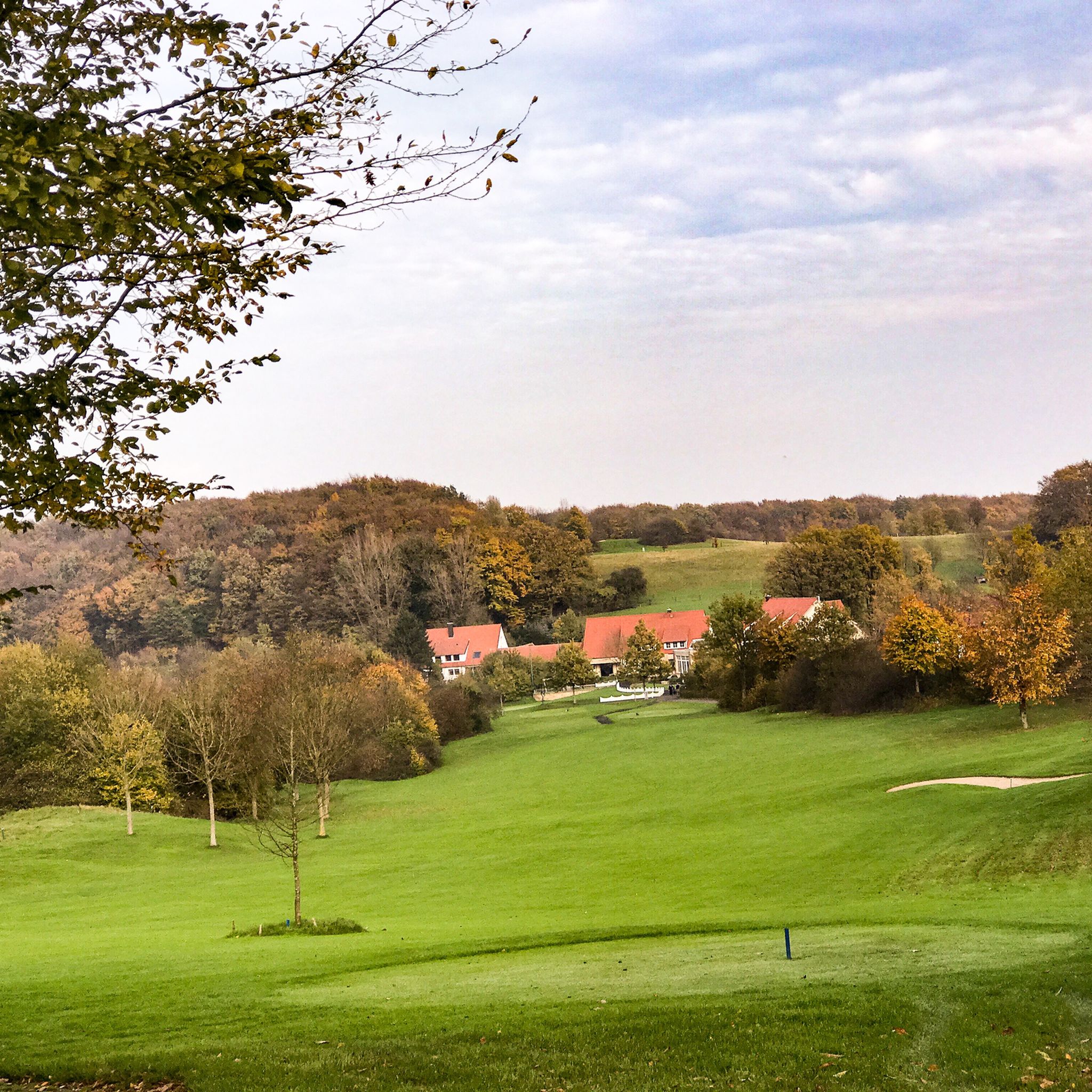
Hiking around Halle (Westf.)
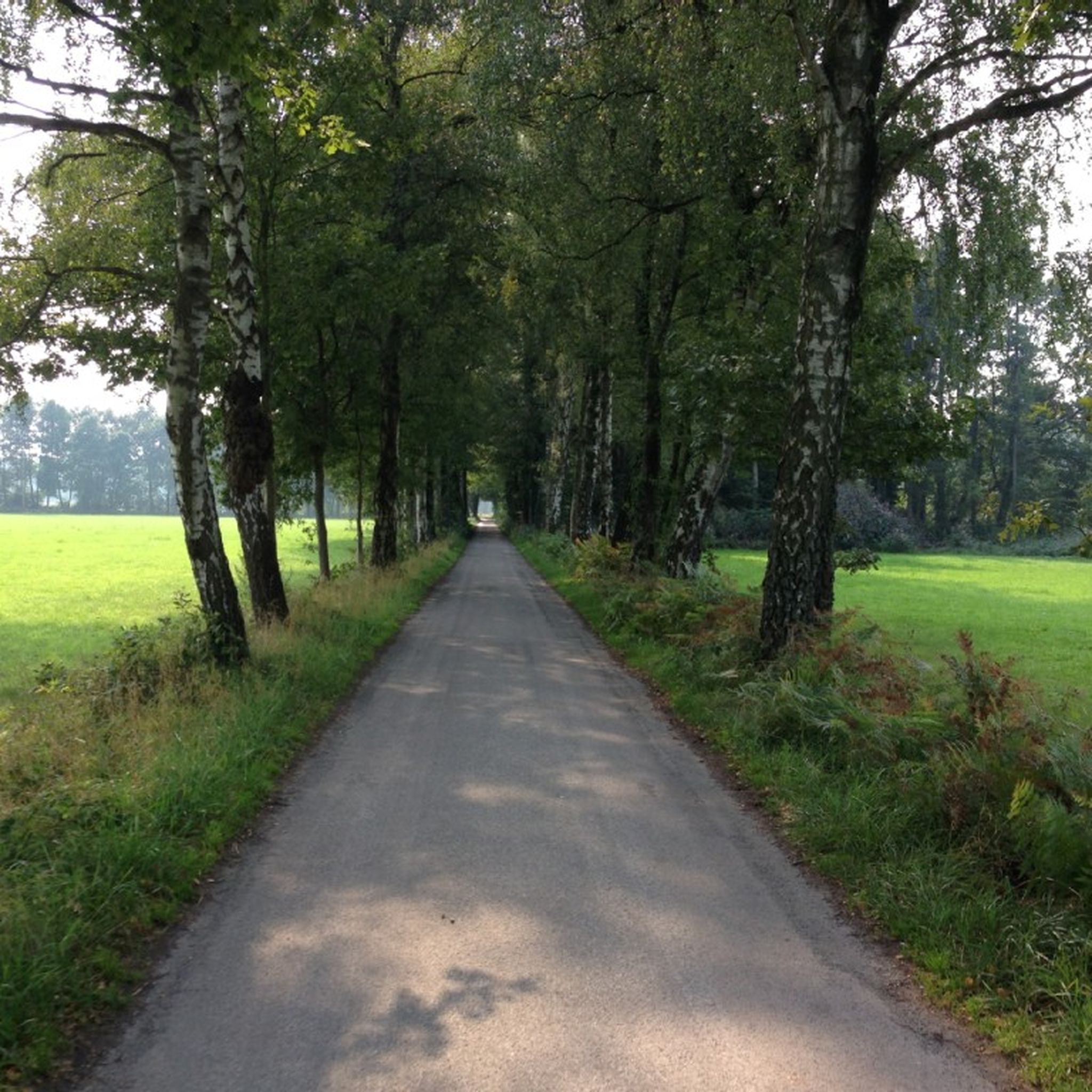
Cycling around Halle (Westf.)
Road Cycling Routes around Halle (Westf.)
MTB Trails around Halle (Westf.)
Running Trails around Halle (Westf.)
Other adventures around Halle (Westf.)

Tips from the Community

Not scary at all 😂
0
0

A bit hidden in the undergrowth: the old Katharinenstollen of the former "Vereinigte Arminius" mine. Last active during the French occupation of the Ruhr in the 1920s.
0
0


The Pfaffenkammer is a small karst cave in the Teutoburg Forest near Borgholzhausen. The gap cave is located within the Johannisegge-Schmstein nature reserve. The natural monument is listed in the list of archaeological monuments in Borgholzhausen.
0
0

At this point you will find an old mine that was closed down in 1925. There are still some remains of buildings and a barred tunnel entrance to see. The access is somewhat hidden through a small forest from the north via Thenhauser Straße.
0
0

The Katharinenstollen looks very old and used. Something like that attracts me visually.
1
0

A little hole in the mountain, but I didn't crawl in.
0
0

Entrance to an underground path on the Hollandskopf mountain. Accessible via a narrow path on the mountain slope. Surefootedness required. According to internet research, this is a fissure cave made of limestone. According to a legend, it was used by the first Christians in this area to protect themselves from attacks by the pagans. It seems to be the entrance to a long tunnel to Herford (?).
1
0
Frequently Asked Questions
What types of caves can I explore around Halle (Westf.)?
The region around Halle (Westf.) offers a mix of natural karst formations and historical mining sites. You can find natural fissure caves like Pfaffenkammer Cave, as well as old mining adits and tunnels such as the Katharinen Adit (United Arminius Mine), which showcase both geological processes and past human activity.
Are there any historical mining sites to visit near Halle (Westf.)?
Yes, the area has a rich mining history. The Katharinen Adit (United Arminius Mine) is a notable historical site featuring an old mine entrance that was closed in 1925. You can still see remains of buildings and a barred tunnel entrance. Further afield, near Bad Oeynhausen, the Adit Entrance on the Geological Trail Kleinenbremen also highlights the region's mining past.
What are some unique natural cave formations I can see?
While Halle (Westf.) itself has smaller natural caves like the Pfaffenkammer Cave, the broader region offers impressive formations. The Dechenhöhle in Iserlohn, part of the Sauerland Caves, is renowned for its varied stalactite formations, often called an 'underground magic kingdom' with features like the 'Wolf's Gorge' and 'Mermaid's Grotto'.
Are there any caves that are particularly challenging or require specific gear?
Some caves require a degree of surefootedness or a stooped posture. For instance, the Pfaffenkammer Cave is a fissure cave accessible via a narrow path on a mountain slope, requiring surefootedness. The Entry to Hell Tunnel, Teutoburg Forest, requires visitors to pass through in a stooped posture.
Can I visit caves that are suitable for families with children?
For a broader family experience, consider the Bilsteinhöhle in Warstein (Sauerland). It's part of a unique triad that includes a wildlife park and a forest playground, making it a great day out for families. While the caves directly around Halle (Westf.) are more focused on natural exploration and historical sites, they can be visited with older children who are surefooted.
What outdoor activities can I combine with a visit to the caves?
The caves around Halle (Westf.) are often integrated into the wider landscape of the Teutoburg Forest. You can combine your visit with various cycling activities. There are numerous road cycling routes, general cycling routes, and gravel biking trails in the area, offering diverse options for exploring the region's natural beauty.
Are there any caves known for their cultural or historical significance?
Absolutely. The Katharinen Adit (United Arminius Mine) near Halle (Westf.) is a significant historical mining site. Further south, the Balver Höhle in Balve is notable as the largest open cultural cave in Europe, often hosting events and impressing visitors with its grand entrance portal.
What is the best time of year to visit caves in this region?
Caves generally maintain a consistent temperature year-round, making them a good destination in any season. However, access paths and surrounding trails might be more pleasant during spring, summer, or early autumn. Always check local conditions, especially after heavy rain, as paths can become slippery.
Are there any caves that are particularly large or impressive in scale?
While the caves directly in Halle (Westf.) are smaller, the broader region boasts impressive scale. The Balver Höhle in Balve stands out with its grand 11-meter-high and 18-meter-wide entrance portal, making it the largest open cultural cave in Europe. The Heinrichshöhle in Hemer also features fissures up to 20 meters high in its rear section.
What should I know about accessibility for caves around Halle (Westf.)?
Many of the natural caves and historical adits in the immediate vicinity, such as Pfaffenkammer Cave and Entry to Hell Tunnel, involve narrow paths, stooped postures, or require surefootedness. For more universally accessible experiences, you might need to look at larger show caves further afield in the Sauerland region, which often have developed visitor paths.
Are there any caves that are part of a nature reserve?
Yes, the Pfaffenkammer Cave is a karst cave located within the Johannisegge-Schmstein nature reserve near Borgholzhausen, offering a chance to explore natural formations within a protected area.
What kind of geological features are prominent in the caves of this region?
The caves around Halle (Westf.) are primarily characterized by natural karst formations, which are created by the dissolution of soluble rocks like limestone. This leads to fissure caves and other unique geological structures. Additionally, the region's history of sandstone extraction, as seen in the Wolfsschlucht Cave near Bad Oeynhausen, also contributes to the geological interest.
Most popular routes around Halle (Westf.)
Most popular attractions around Halle (Westf.)

Get inspired with the komoot mobile app


Explore more
Extend your search for the best caves by checking out these guides of the top ones around Halle (Westf.):
