Top 16 Gorges around Sankt Augustin
Best canyons around Sankt Augustin are primarily characterized by gorges and rocky landscapes within the broader Siebengebirge region. This area features distinctive geological formations and historical sites, offering varied terrain for exploration. The natural features include valleys carved by streams and unique rock formations resulting from volcanic activity and past quarrying. These locations provide diverse natural environments for outdoor activities.
Best canyons around Sankt Augustin
- The most popular canyon is Stenzelberg Rock Formations, a natural monument that features a…
Last updated: July 10, 2026
Stenzelberg Rock Formations
Highlight • Natural Monument
Geologically, the Stenzelberg is a …
Translated by Google •
Tip by

Nachtigallental Trail
Highlight (Segment) • Trail
geography
The Nachtigallental is a Siefen (Kerbtal) valley, starting from the eastern edge of the old town of Königswinter in a largely south-southeast direction along the Drachenfels (321 m …
Translated by Google •
Tip by

Sign up now to discover places like this
Get recommendations on the best single tracks, peaks, & plenty of other exciting outdoor places.
Sign up for free
Tretschbach Valley
Highlight (Segment) • Gorge
Translated by Google •
Tip by

Stenzelberg Gorges
Highlight • Gorge
Translated by Google •
Tip by

Naafbach Valley
Highlight • Gorge
Translated by Google •
Tip by

Sign up for free to discover even more gorges around Sankt Augustin.
Sign up for free
Already have an account?
Start today with a free account
Your next adventure awaits.
Login or Signup

Tips from the Community

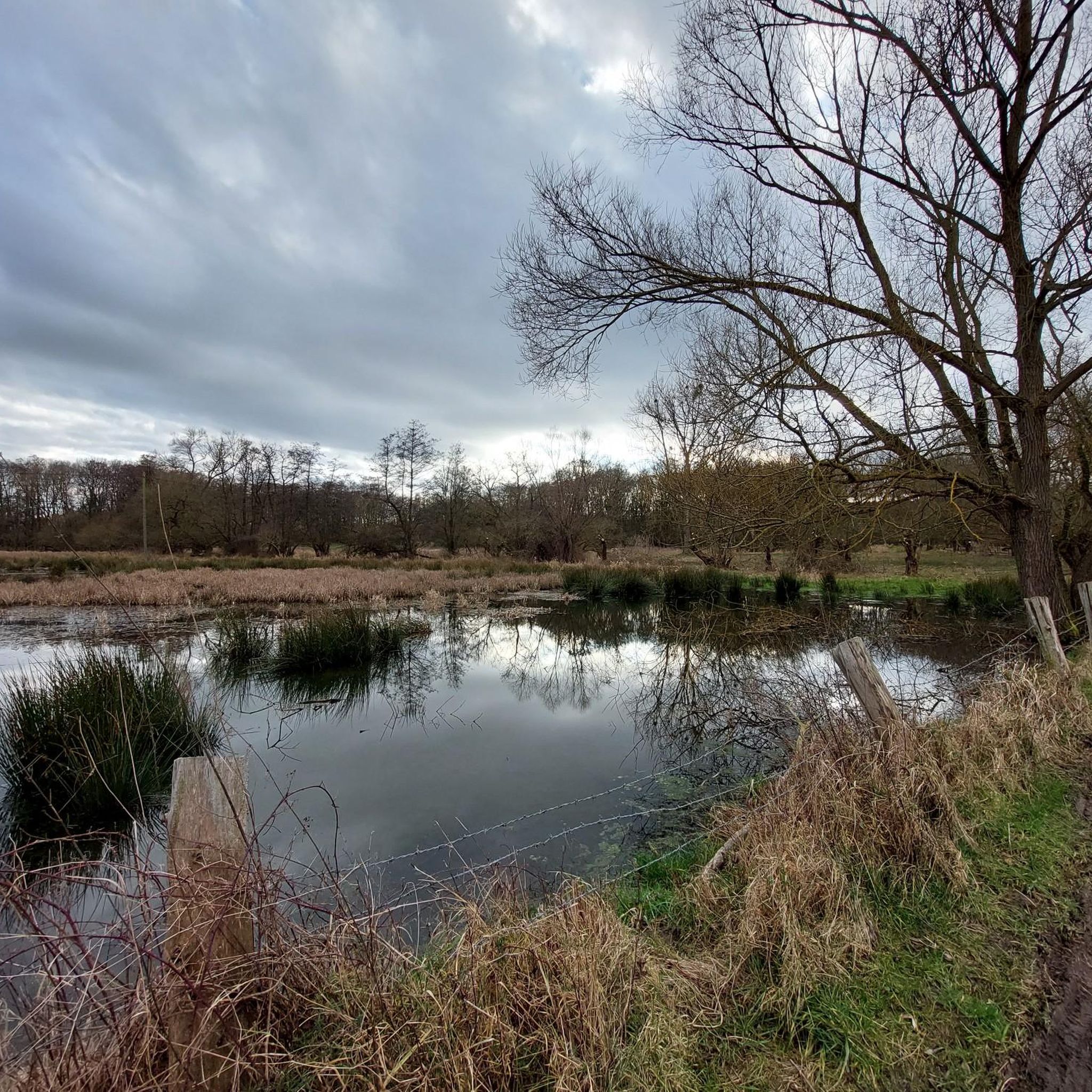
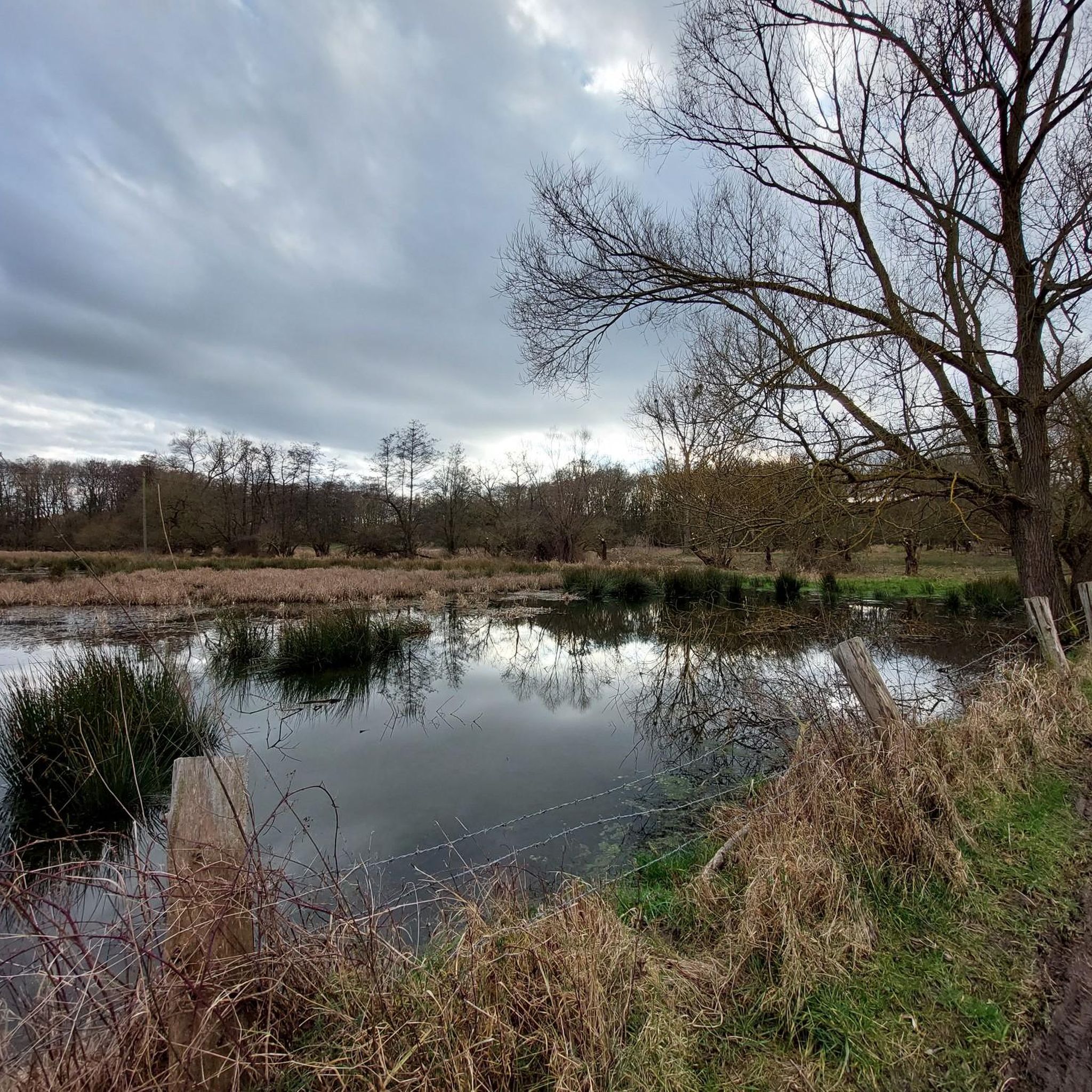
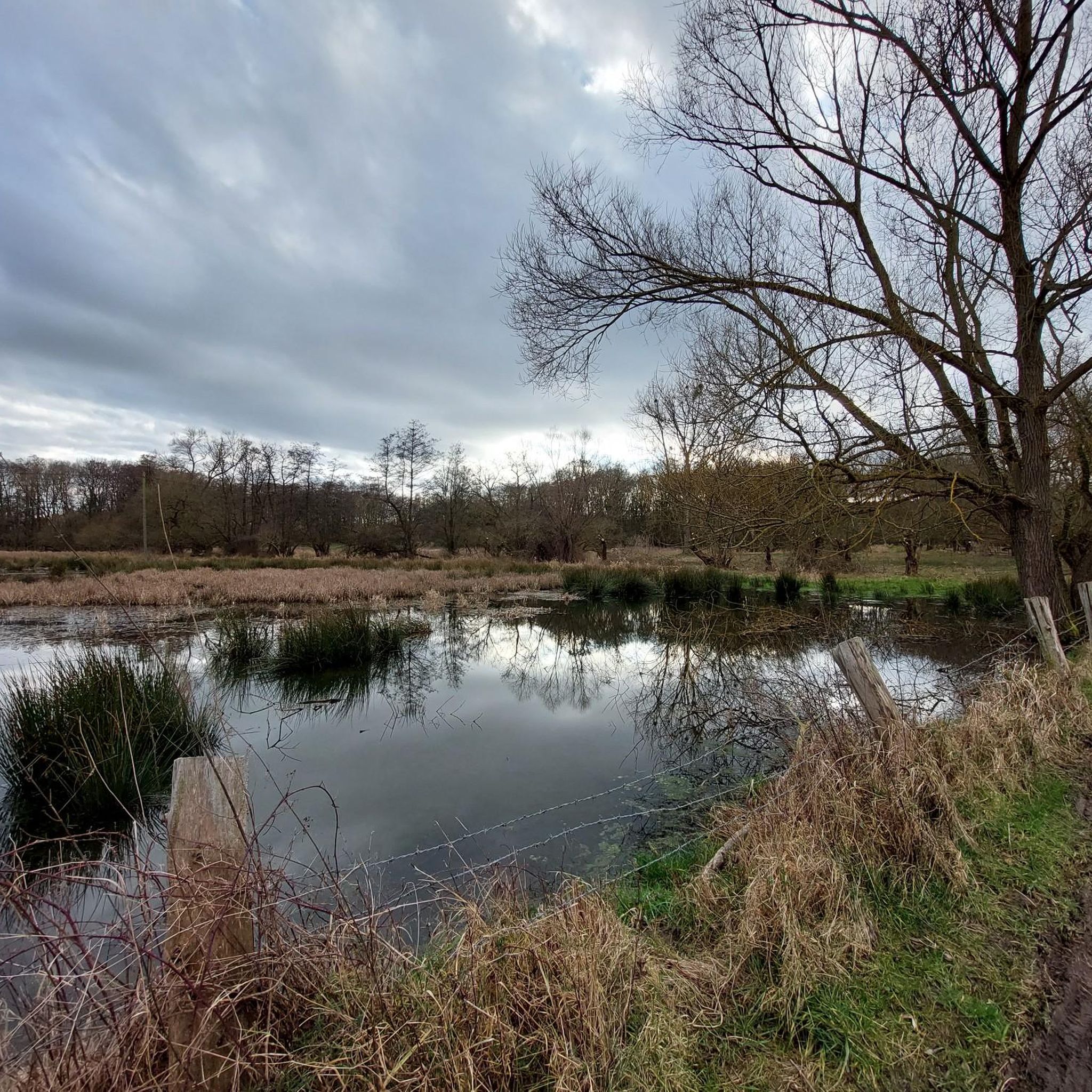
The Naafbach valley is a popular recreational area, as the Naafbach was actually supposed to be dammed to form a reservoir. There have been plans for this since the 1930s, which is why no large businesses have settled there since then and hardly any new development areas have been designated. In 1980 it all came to an end - the Naafbach valley was declared a nature reserve.
2
0

"... The Nachtigallental in Königswinter, at the entrance to the Siebengebirge Nature Park, is simply wonderful, at any time of the year. If you walk up Bahnhofsstrasse there, you'll come straight there. You immediately feel like you are in another, serene world. The hiking trail goes around many curves up towards Drachenfels. The Mennesbach babbles next to the hiking trail and the birds sing. When you have arrived at the upper end of the Nachtigallental, you will already see the Drachenburg and then the Drachenfels castle ruins. Saint Bernard and the Nightingales: A legend from the Middle Ages tells how the Nightingale Valley got its name. Once, Saint Bernard of Clairvaux, the great Cistercian monk, was very upset by the singing of nightingales during a visit to Himmerod Monastery. He was so angry that the birds migrated to a valley in the Siebengebirge, which was later called “Nachtigallental”. Saint Bernard moved back to Clairvaux, but from then on music was at home here. The Nightingale Valley is a bird paradise. But not all monks felt like Bernhard von Clairveau, just think of the famous monk von Heisterbach, Cistercians like Bernhard, he liked the singing of birds. ..." FURTHER INFORMATION: https://www.rheindrache.de/nachtigallental/
6
0

A few bridges were no longer intact and very shaky. But a nice change from normal paths.
8
0

Climbing on the Stenzelberg has been expressly forbidden since June 2005. Previously, the Rhein-Sieg district had tolerated climbing, although the Stenzelberg, like the entire Siebengebirge, had been designated as a nature reserve (NSG) since 1920. The climbing ban became necessary due to the new nature reserve ordinance in the course of the recognition of the Siebengebirge as FFH area 5309-301 (Fauna-Flora-Habitat) of the European Union. In particular, the occurrence of the wall lizard was concerned and egg-laying sites at the foothills of the fields were destroyed. Despite the ban, climbing continued illegally after 2005. The path to the rocks was therefore closed by the forestry department.
13
0

The Stenzelberg is geologically a spring dome from the volcanic rock Latit. The rising magma did not reach the earth's surface here, but got stuck in the surrounding tuff cover rock. The softer tuff was later eroded away, exposing the harder latite. The Stenzelberg has been used as a quarry since the 11th century, in which quartz latite rock was mined. The Heisterbach Abbey also operated a quarry on the Stenzelberg. The quarried material was also used to build the monastery buildings and the abbey church. Furthermore, rock from the Stenzelberg was used for the Propsteikirche in Oberpleis, the Nikolauskapelle in Heisterbacherrott and the Bonn Minster, and later also for the churches in Niederdollendorf, in Oberdollendorf and in Asbach. The operation of the quarry ended in 1931. Source: https://www.kuladig.de/Objectansicht/O-FJK-20100630-0032
13
0

Along the small Tretschbach you first go downhill over three wooden bridges. At the top you have the familiar beech forest, Haimsen, woodruff and many other plants and animals. Further down it gets wetter due to the many seepage springs, here you walk on the boardwalk. Here you will find alluvial forest with alders, ash trees, ferns and many other plants and animals in the air, on the ground and in the Tretschbach. A beautiful valley in the Siebengebirge!
11
0

It's funny when hikers complain about too many hikers in Komoot... 🤣 When we were there, we weren't alone either, but it certainly wasn't overcrowded either.
3
0

Formerly a beautiful valley, now an extremely popular hiking area. Not necessarily for everyone!
3
0
Frequently Asked Questions
What kind of "canyons" can I expect to find around Sankt Augustin?
While Sankt Augustin doesn't feature traditional deep canyons like those found in other parts of the world, the term here refers to the distinctive gorges, valleys, and unique rocky landscapes primarily within the broader Siebengebirge region. These include stream-carved ravines and impressive rock formations resulting from volcanic activity and historical quarrying.
What are some notable natural features or rocky landscapes to explore near Sankt Augustin?
One of the most prominent features is the Stenzelberg Rock Formations, a 287-meter-high mountain with a picturesque rocky landscape formed from volcanic rock. Other notable areas include the Tretschbach Valley with its narrow stream and primeval forest, and the Laubach Valley, which is part of the Siebengebirge Nature Reserve.
Are there any unique geological formations to explore near Sankt Augustin?
Yes, the Stenzelberg Rock Formations are a prime example. Geologically, the Stenzelberg is a spring dome of volcanic rock (Latit). Erosion has exposed this harder rock, creating distinctive and picturesque formations that are a result of both natural processes and historical quarrying.
What are the most popular gorge trails for hiking around Sankt Augustin?
Visitors particularly enjoy the Nachtigallental Trail, a romantic path along a babbling brook leading towards the Drachenfels. The Tretschbach Valley offers a unique experience with its narrow stream, wooden bridges, and jetties. Another favorite is the Great hiking trail in the Ahrenbach Valley, known for its rustic path and seasonal flowers.
Are there hiking trails suitable for different difficulty levels?
Yes, the region offers a variety of trails. Many gorge trails, like the Nachtigallental Trail and Tretschbach Valley, are generally considered intermediate. The Stenzelberg Rock Formations area also features trails that can be challenging due to the rocky terrain. It's advisable to check specific route details for elevation profiles and difficulty before heading out.
What other outdoor activities can I do near the gorges around Sankt Augustin?
Beyond hiking, the area around Sankt Augustin is excellent for various outdoor sports. You can find numerous running trails, explore MTB trails, or enjoy gravel biking routes. These guides provide options for different skill levels and distances.
Are there any historical sites or points of interest within these rocky landscapes?
Absolutely. The Stenzelberg Rock Formations have significant historical importance, as the site was a quarry from the 11th century until 1931, with its stone used in local landmark buildings. The Nachtigallental Trail also has a rich history, having been developed in the 19th century to boost tourism and featuring an old altar table and a historic wine cellar.
What is the best time of year to visit the gorges and rocky landscapes around Sankt Augustin?
Spring and autumn are generally ideal for visiting. In spring, you can enjoy lush greenery and blooming flowers, especially along trails like the Ahrenbach Valley. Autumn offers beautiful foliage. Summer can be pleasant, but some paths might be muddy after heavy rain, particularly in areas like the Ahrenbach Valley.
Are the gorges and rocky landscapes around Sankt Augustin family-friendly?
Many of the trails are suitable for families, offering picturesque and engaging walks. For instance, the romantic atmosphere of the Nachtigallental Trail or the unique wooden bridges in the Tretschbach Valley can be enjoyable for children. Always check the specific trail's difficulty and length to ensure it matches your family's capabilities.
What kind of wildlife or unique flora can be found in these areas?
The Stenzelberg Rock Formations, for example, have developed into a dry biotope supporting special flora and fauna, including animals like smooth snakes and wall lizards. The Tretschbach Valley features a primeval forest environment with alders, ash trees, ferns, and various plants and animals in its alluvial forest.
What do visitors enjoy most about the gorges and rocky landscapes near Sankt Augustin?
Visitors frequently praise the picturesque and characteristic rocky landscapes, the romantic hiking trails along babbling brooks, and the unique natural experiences offered by areas like the Tretschbach Valley with its wooden bridges. The historical significance of sites like the Stenzelberg also adds to the appeal, offering a blend of nature and history.
Are there any viewpoints offering scenic vistas of the region's rocky features?
Yes, several locations offer great views. The Stenzelberg Rock Formations provide exciting views from its summit. Additionally, many trails within the Siebengebirge, including parts of the Nachtigallental Trail, offer glimpses of the surrounding hilly and rocky landscape.
Most popular routes around Sankt Augustin
Most popular attractions around Sankt Augustin

Get inspired with the komoot mobile app


Explore more
Already discovered everything in this region? See additional gorges around Sankt Augustin for your next adventure:
