Top 20 Caves around Wetter (Ruhr)
Best caves around Wetter (Ruhr) offer a blend of natural geological formations and historical mining tunnels within a region characterized by its river valleys and forested hills. The area provides opportunities to explore ancient reef limestone formations and learn about the local coal mining heritage. These natural features and historical sites contribute to the diverse outdoor experiences available.
Best caves around Wetter (Ruhr)
- The most popular caves is Dünkelberg Quarry and Nachtigallstollen, a natural monument and historical site that…
Last updated: July 10, 2026
Grotto at the Source of the Schnodderbach
Highlight • Cave
Translated by Google •
Tip by

Braunschweig Tunnel South Wing
Highlight • Historical Site
de.wikipedia.org/wiki/Zeche_Braunschweig
Translated by Google •
Tip by

Sign up now to discover places like this
Get recommendations on the best single tracks, peaks, & plenty of other exciting outdoor places.
Sign up for free
Western Day Drift Frielinghaus
Highlight • Historical Site
The tunnel began at a depth of 13 m at the St. …
Translated by Google •
Tip by

Kluter Cave
Highlight • Cave
Translated by Google •
Tip by
Dünkelberg Quarry and Nachtigallstollen
Highlight • Natural Monument
Translated by Google •
Tip by

Sign up for free to discover even more caves around Wetter (Ruhr).
Sign up for free
Already have an account?
Start today with a free account
Your next adventure awaits.
Login or Signup
Popular around Wetter (Ruhr)
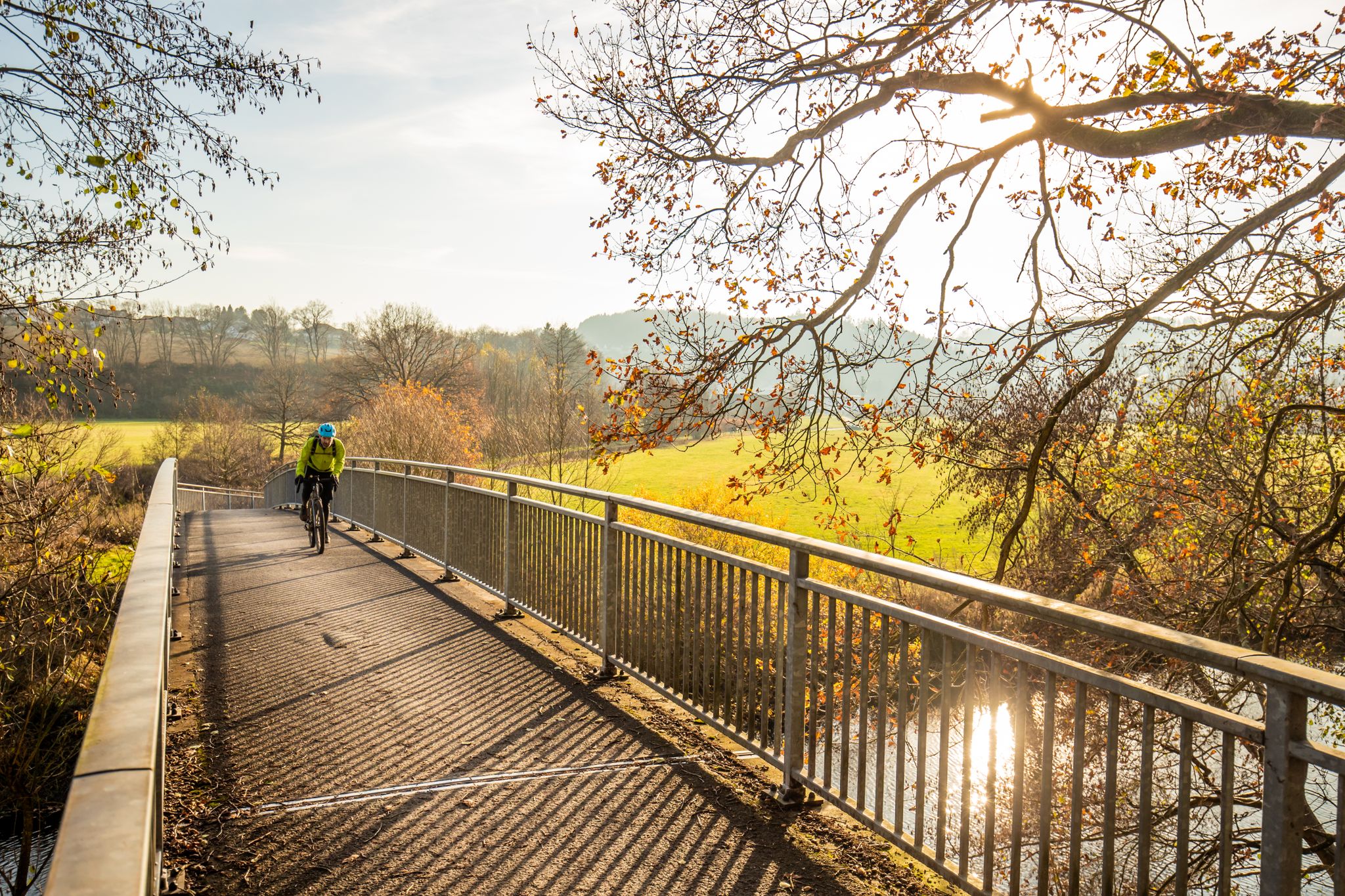
Ruhr Valley Gravel – rediscover the Ruhr Area in Germany
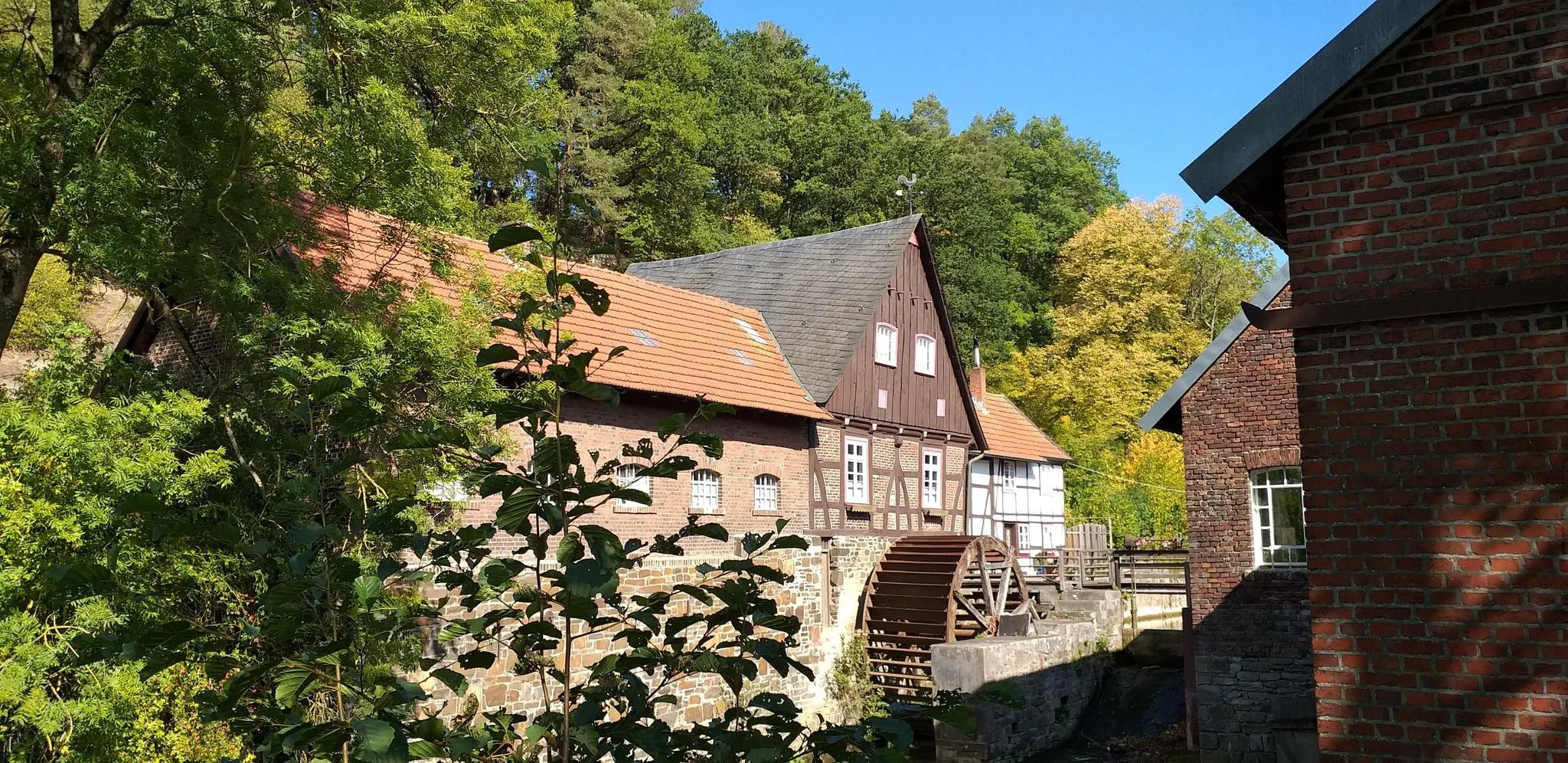
Hike through history in Germany’s Ruhr area – WestfalenWanderWeg
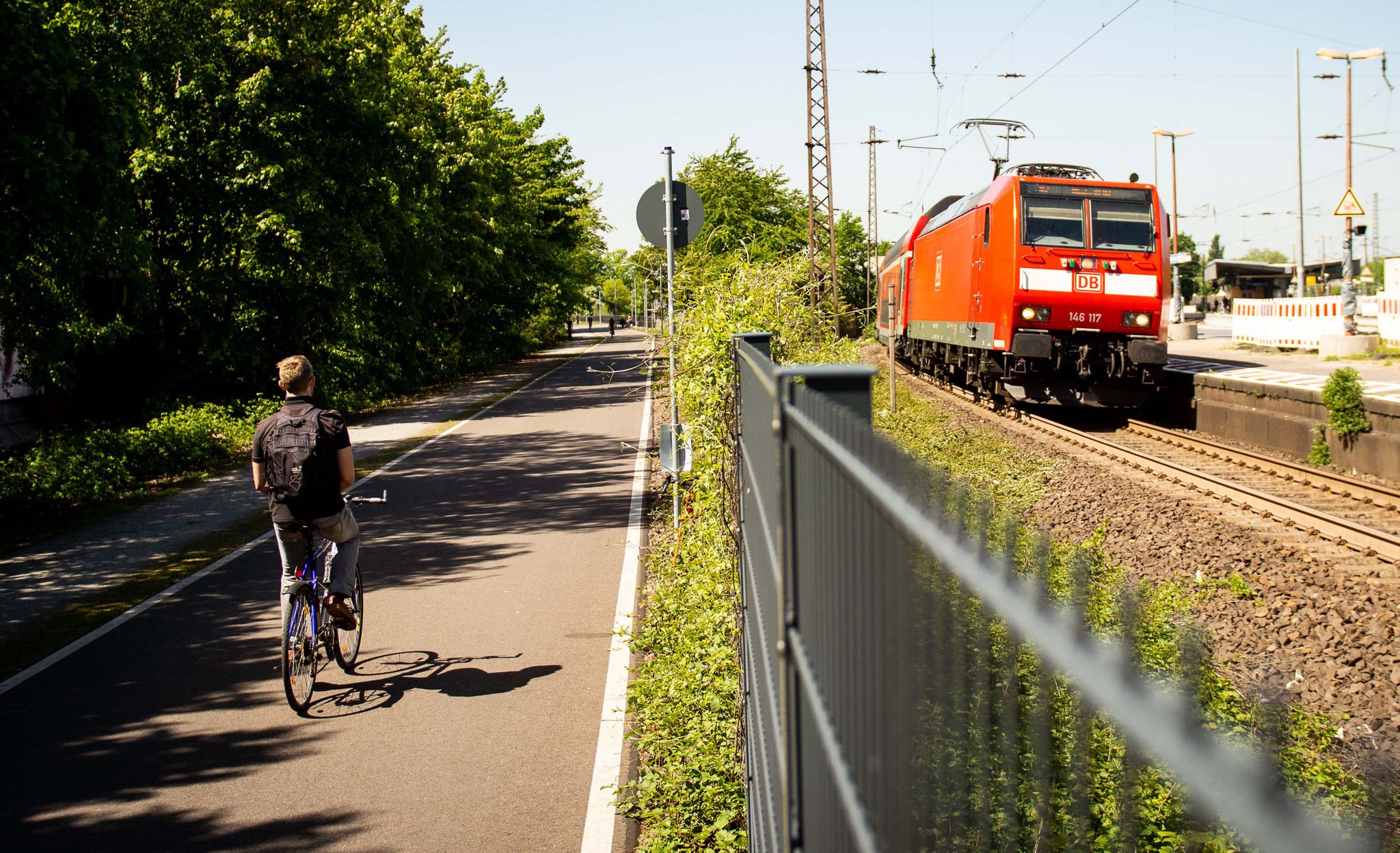
Cycle the most beautiful railway tracks – Germany’s Ruhr area (west and south)
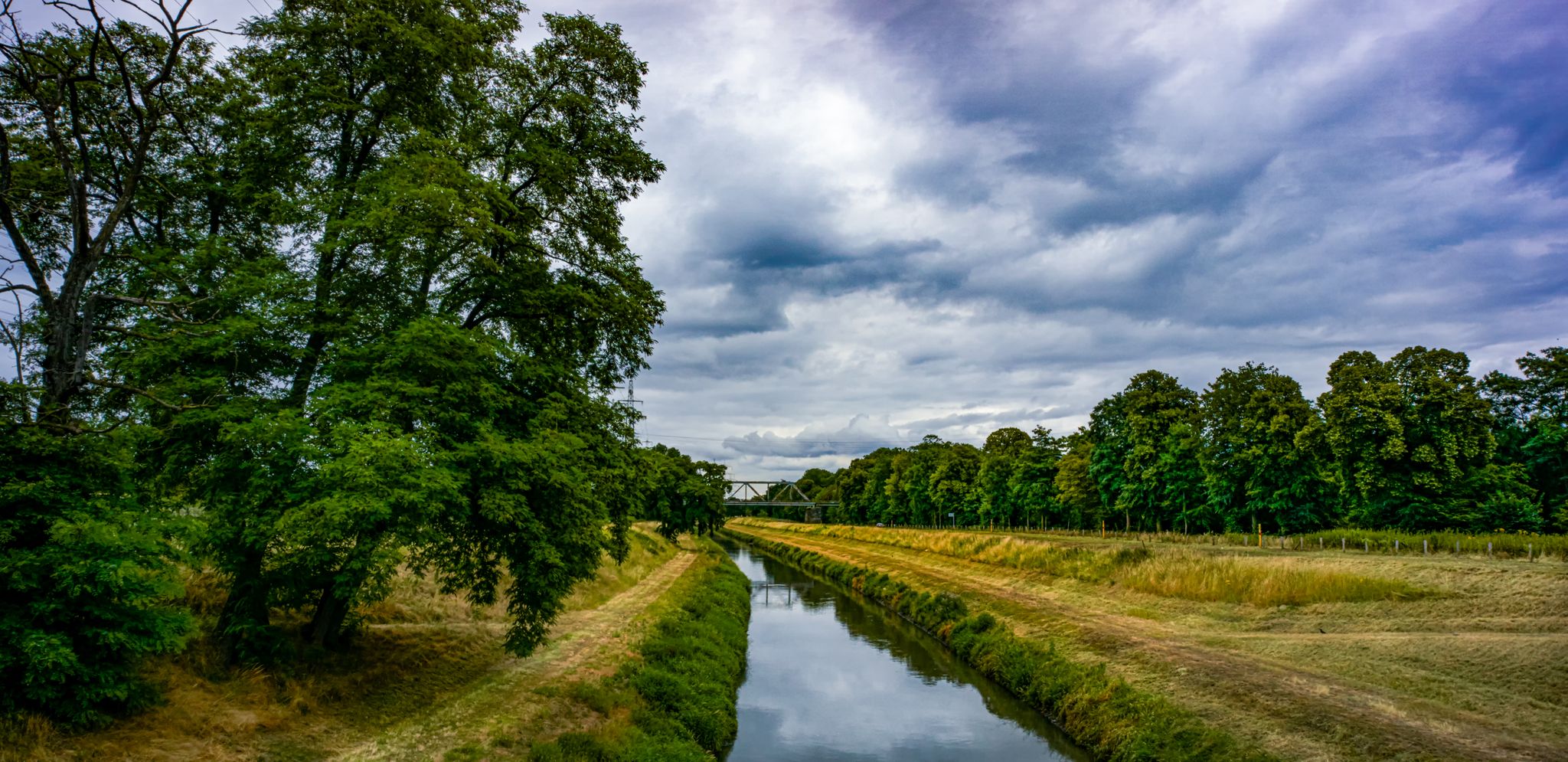
7 extraordinary overnight adventures in the Ruhr area
Mit Rosbacher auf Tour in Westfalen
Hiking around Wetter (Ruhr)
Cycling around Wetter (Ruhr)
Running Trails around Wetter (Ruhr)
MTB Trails around Wetter (Ruhr)
Road Cycling Routes around Wetter (Ruhr)
Other adventures around Wetter (Ruhr)


Tips from the Community

The western Frielinghaus open-pit tunnel is a historic tunnel in the Muttental that was part of the Frielinghaus mine. This mine was a hard coal mine in the Vormholz-Hardenstein district of Witten and was put into operation in 1771. The western open-pit tunnel was driven from the Hardenstein valley to connect the Erbstollenboden with the Muttental1. The Frielinghaus mine is now part of the Muttental mining hiking trail, which includes numerous historic mining sites and artifacts. Source: KI
1
0
The Braunschweig South Wing tunnel is a historic mining tunnel in Witten, North Rhine-Westphalia. It belongs to the former Braunschweig mine, which was in operation between 1748 and 1886. The tunnel is located near the German Mining and Field Railway Museum and the former forced labor camp Nachtigallstrasse2. The Braunschweig mine consisted of two wings, the north wing and the south wing. Mining in the south wing began in 1750 and was operated by the tradesmen Johann Peter Hundeiker and Gerhard Peter Merklinghaus. Today the tunnel is part of the Route of Industrial Heritage and a popular destination for hikes and circular walks. Source: KI
1
0

West of the branch that leads from Nachtigallstraße to Steinhausen, the Mausegatt coal seam appeared on the steep mountain slope. The coal layer was awarded on February 6, 1751 under the name Braunschweig. It sank to the south to the Borbecker Mulde and to the north to the Nachtigaller Mulde. Source: "When coal was still the future"; Gerhard Koetter, Klartext publishing house
1
0
The Frielinghaus mine in the Witten district of Vormholz-Hardenstein is a former hard coal mine. The mine was also known as the Frielinghaus Gerichts Herbede mine. From 1832 onwards, the mine was also known as the Frielinghaus Tiefbau mine, Frielinghausen mine or Frilinghausen mine. Parts of the mine are now part of the Muttental mining hiking trail. Source and link to the full article: https://de.wikipedia.org/wiki/Zeche_Frielinghaus
1
0

Coal was once made there
0
1

Information about the grotto on the Harkortberg and the bunkers that were built in the mountain can be found in official archives. But what could be more beautiful than an overgrown place whose purpose cannot be explained at first glance and which stimulates the imagination?
2
0

This daily operation creates a connection to a tunnel that the mine owner Oberste-Frielinghaus had built in 1794. The tunnel began at a depth of 13 m at the St. Johann Erbstollen and ran about 1,100 m in an easterly direction.
4
0

Quarry Dünkelberg, in this quarry the company Dünkelberg extracted clay stone for the production of bricks between 1897 and 1963.
12
0
Frequently Asked Questions
What types of caves can I explore around Wetter (Ruhr)?
The Wetter (Ruhr) region offers a diverse range of underground experiences, including natural geological formations like ancient reef limestone caves and historical mining tunnels. You can find both natural caves and sites reflecting the area's industrial past.
What is the most significant natural cave experience near Wetter (Ruhr)?
The most significant natural cave experience is the Kluter Cave in Ennepetal, also known as Kluterthöhle. It is one of Germany's largest natural caves, featuring over 360 courses and approximately 5 kilometers in length. It's recognized as a National Natural Monument and National Geotope, preserving an ancient coral reef.
Are there historical mining tunnels to visit in the area?
Yes, the region has a rich mining history. You can explore sites like the Dünkelberg Quarry and Nachtigallstollen, which offers a journey through the history of coal mining. Other historical mining tunnels include the Braunschweig Tunnel South Wing and the Western Day Drift Frielinghaus, both part of the area's industrial heritage.
What unique geological features can be found in the caves?
The Kluter Cave is particularly notable for its geological features. It was formed within a 380-385 million-year-old reef limestone, making it one of Europe's best-preserved fossilized coral reefs. Visitors can observe a wealth of well-preserved fossils like sponges, shells, and corals on the cave walls.
Are there family-friendly cave options around Wetter (Ruhr)?
Yes, several options are suitable for families. The Dünkelberg Quarry and Nachtigallstollen is considered family-friendly, combining natural beauty with historical insights. The Grotto at the Source of the Schnodderbach is also a small, interesting detour for families. The Kluter Cave offers diverse guided tours, some of which are suitable for families, providing an overview of the cave's features.
What is the best time of year to visit the caves around Wetter (Ruhr)?
Caves generally maintain a consistent temperature year-round, making them a good destination in any season. The Kluter Cave, for instance, has a consistent temperature of around 10°C. For the surrounding outdoor areas and hiking trails, spring through autumn offers pleasant weather for exploration.
Are guided tours available for the caves?
Yes, guided tours are available, especially for the Kluter Cave. It offers various options, including general tours, 'Fossil Journey' tours focusing on geological history, and more adventurous tours for exploring narrower passages. For specific tour details and booking, it's best to check the official website of the Kluterthöhle.
Can I experience speleotherapy or climate therapy in any of the caves?
Yes, the Kluter Cave has been recognized as a 'climate cave' since 1954 due to its consistent temperature and pure air quality. This unique microclimate offers therapeutic effects for respiratory ailments like asthma, bronchitis, and allergies, making it a recognized site for speleotherapy. Benches and deckchairs are available for visitors to experience the beneficial air.
What outdoor activities can I combine with a cave visit near Wetter (Ruhr)?
The region around Wetter (Ruhr) offers numerous outdoor activities. You can find easy hikes, challenging MTB trails, and scenic cycling routes. For hiking, explore options like the 'View of the Elbschetal Viaduct' or 'View of Lake Harkort' loops. Cyclists can enjoy routes like the 'Coal Railway Trail'. For more details, refer to the guides on easy hikes, MTB trails, and cycling around Wetter (Ruhr).
Are there any smaller, lesser-known caves or grottoes worth exploring directly in Wetter (Ruhr)?
Yes, within Wetter (Ruhr) itself, you can find the Grotto at the Source of the Schnodderbach, a small cave and viewpoint that offers a unique, unexpected detour. There's also the Erlen Cave, a small natural cave located within a beautiful, rustic natural forest, which makes the journey to find it part of the experience.
How can I find more information about the Kluterthöhle?
For more detailed information about the Kluterthöhle, including tour options, opening hours, and therapeutic offerings, you can visit the official tourism websites. Useful resources include nrw-tourism.com/cultural-packages/kluterthoehle and nrw-tourism.com/natural-wonders/kluterthoehle.
Most popular routes around Wetter (Ruhr)
Most popular attractions around Wetter (Ruhr)

Get inspired with the komoot mobile app


Explore more
Extend your search for the best caves by checking out these guides of the top ones around Wetter (Ruhr):
