Top 20 Gorges around Hürtgenwald
Best canyons around Hürtgenwald are found within the Eifel hills of Germany, characterized by dense forests, rolling terrain, and a network of deep, incised valleys known as "Kerbtäler" or gorges. These geological formations, carved by rivers and streams, offer dramatic landscapes and unique natural features. The region's rich history, particularly its role in World War II, adds a poignant layer to many of its scenic trails. Hürtgenwald offers a compelling blend of natural beauty, historical depth, and recreational opportunities.
Best…
Last updated: June 26, 2026
Buntsandstein Cliffs (Rur Valley)
Highlight • Natural Monument
Translated by Google •
Tip by

Through the Schlehbachtal
Highlight (Segment) • Gorge
Translated by Google •
Tip by

Sign up now to discover places like this
Get recommendations on the best single tracks, peaks, & plenty of other exciting outdoor places.
Sign up for free
Kaiserfelsen (Emperor Rock)
Highlight • Gorge
Translated by Google •
Tip by

Rock trail below Nideggen Castle
Highlight • Gorge
Translated by Google •
Tip by

Buntsandstein Trail Below the Cliffs (Rur Valley, Eifel)
Highlight (Segment) • Trail
Translated by Google •
Tip by

Sign up for free to discover even more gorges around Hürtgenwald.
Sign up for free
Already have an account?
Start today with a free account
Your next adventure awaits.
Login or Signup
Popular around Hürtgenwald
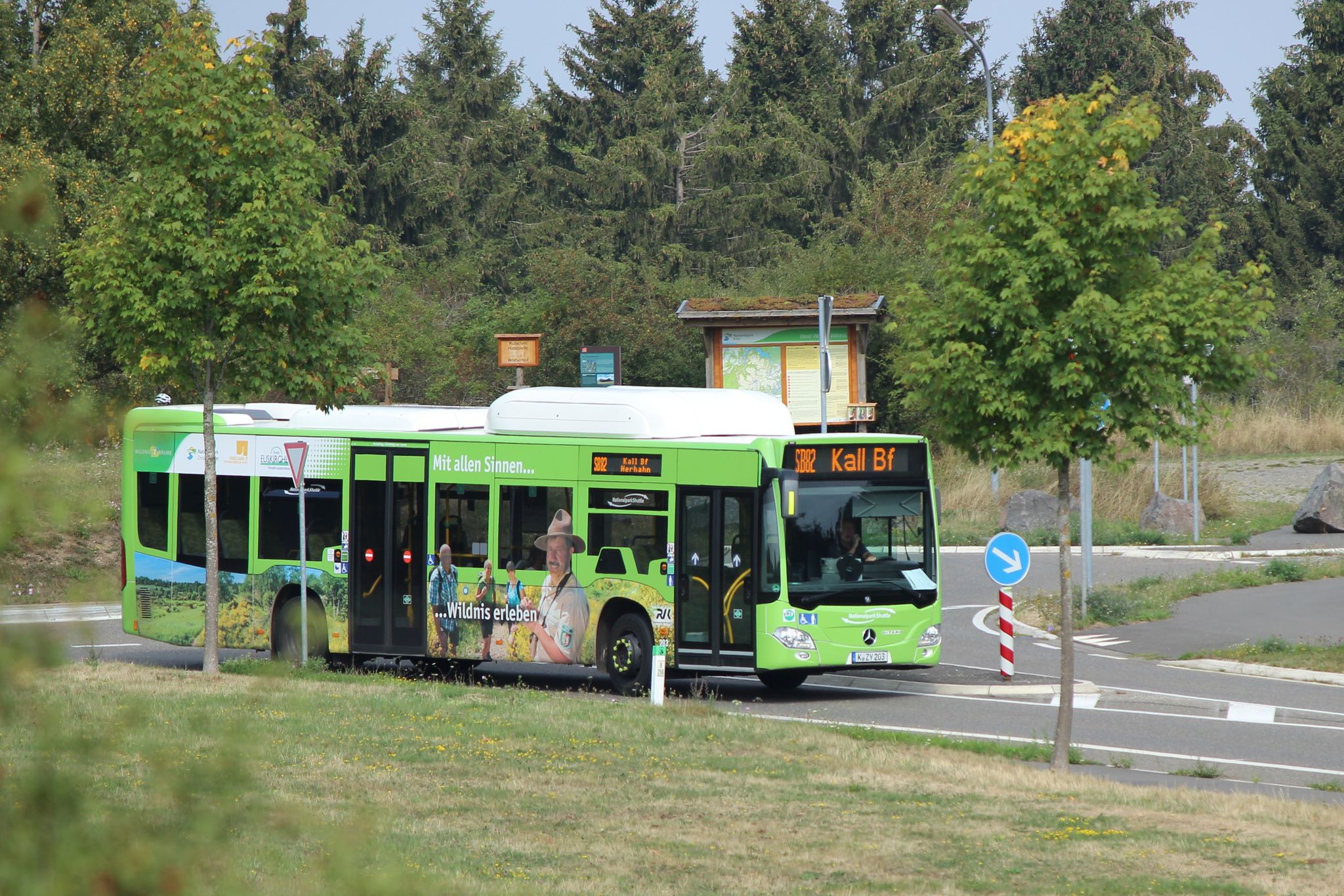
Next stop: Wilderness! – Germany’s Eifel National Park by public transport
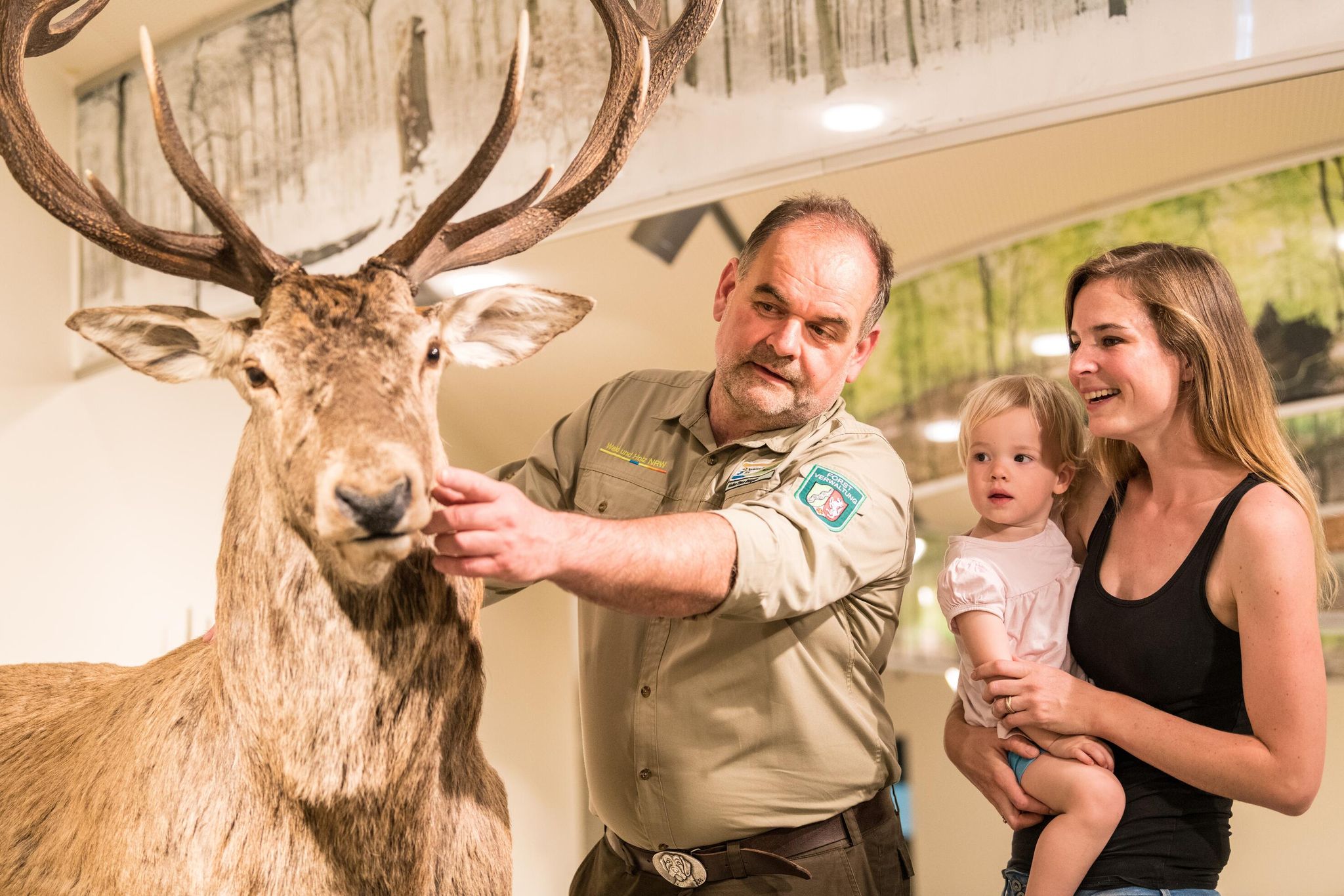
Eifel National Park information centres and facilities
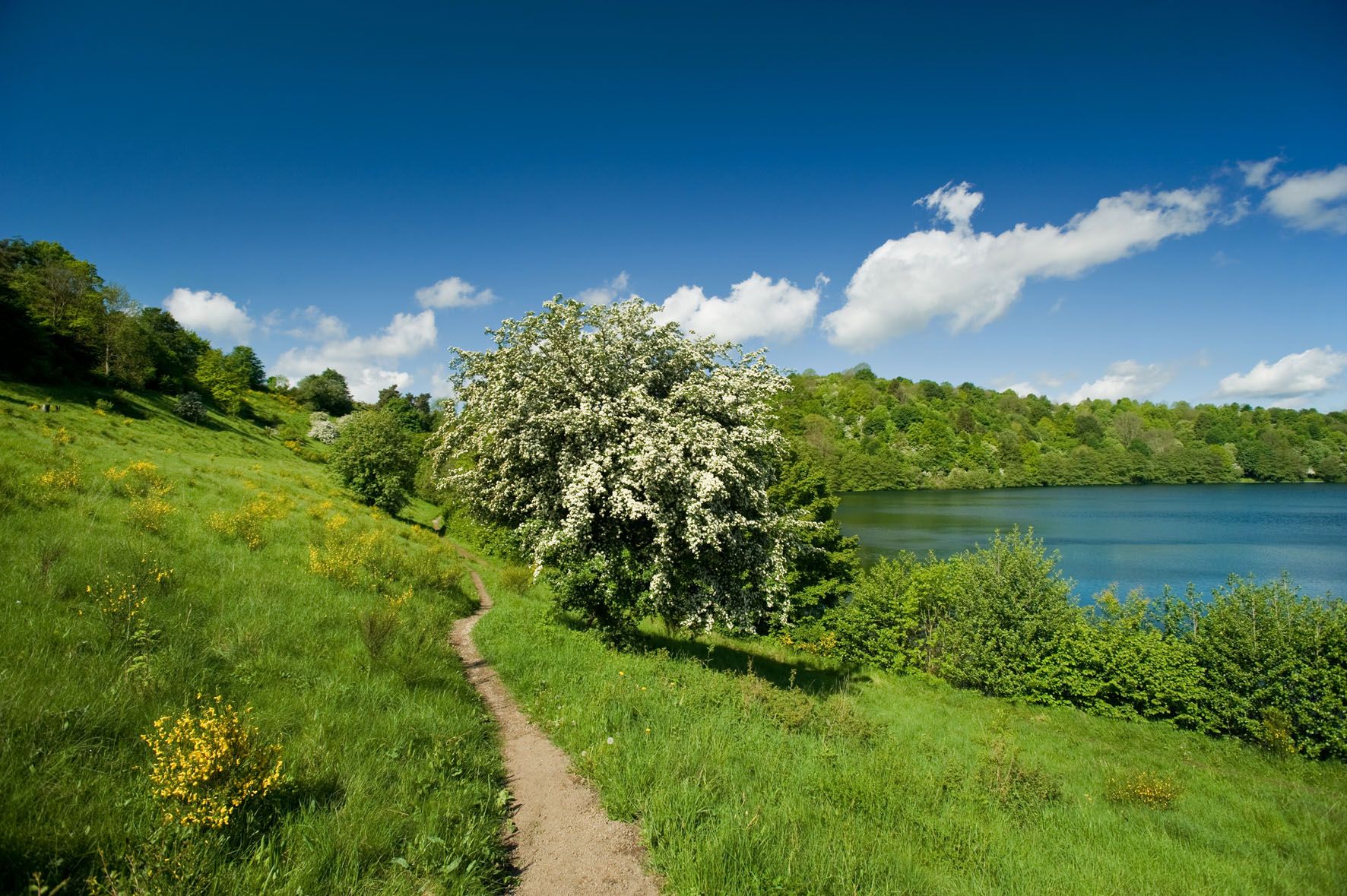
A long trail weekend in the Northern Eifel
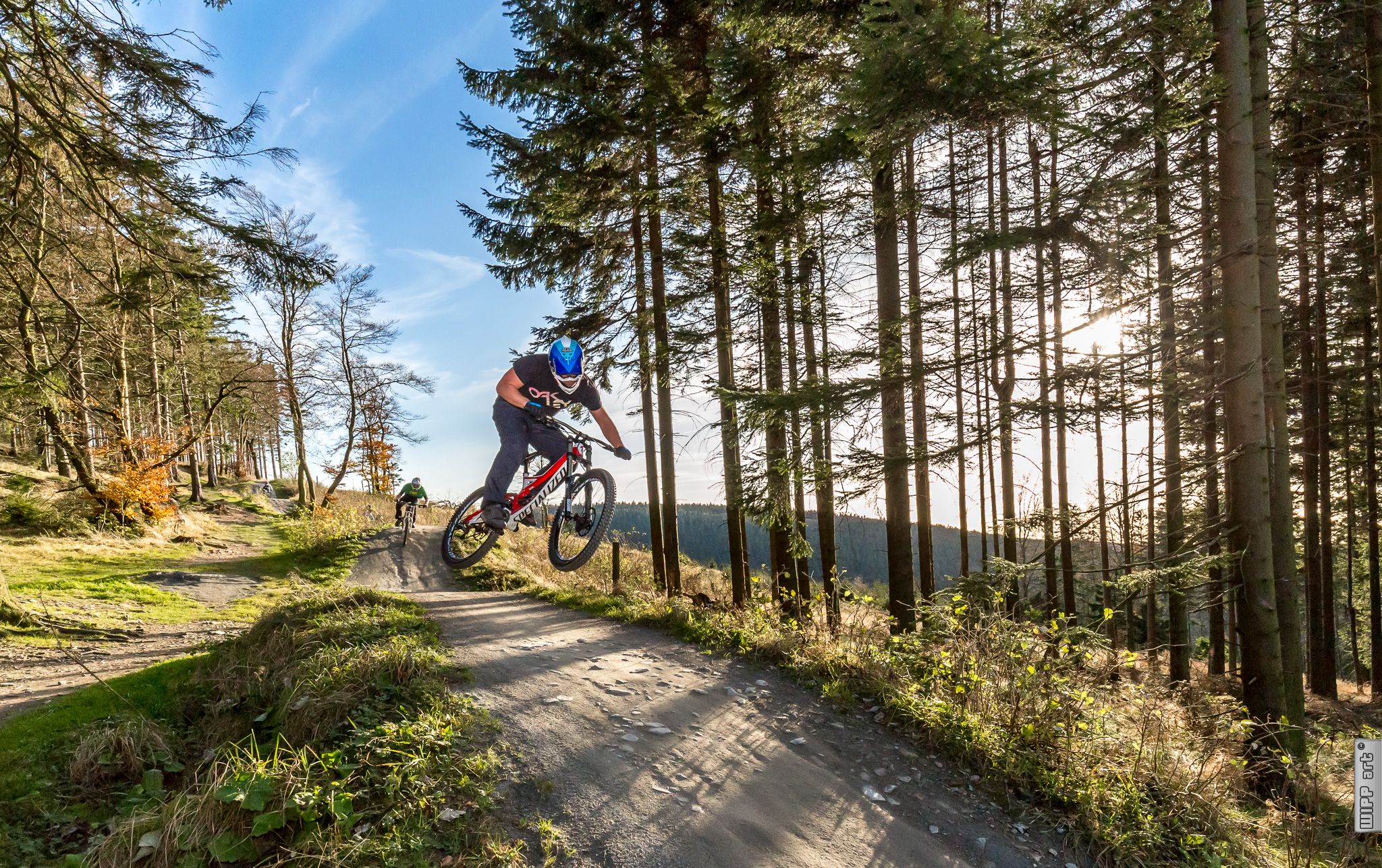
Bike parks in Western Germany
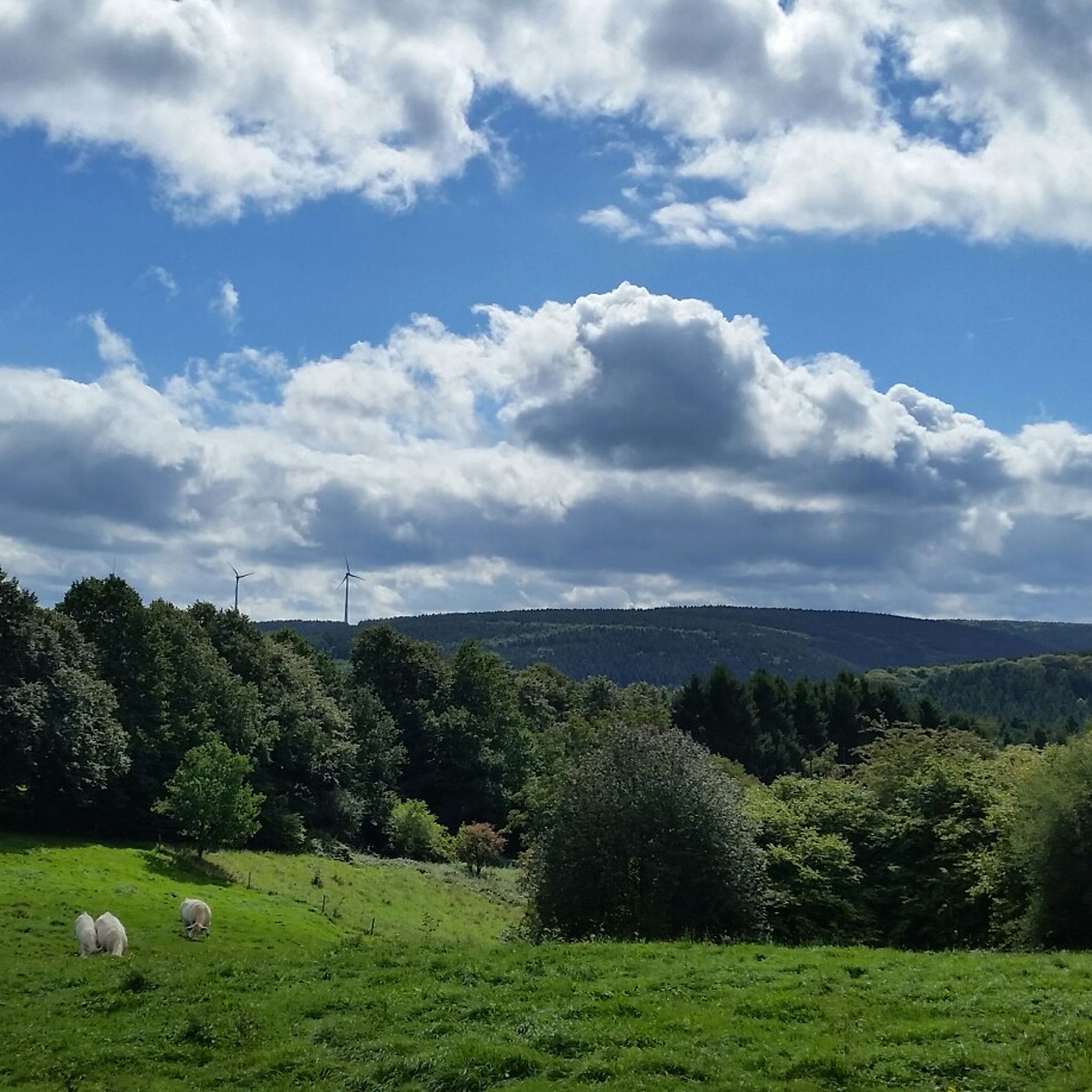
Hiking around Hürtgenwald
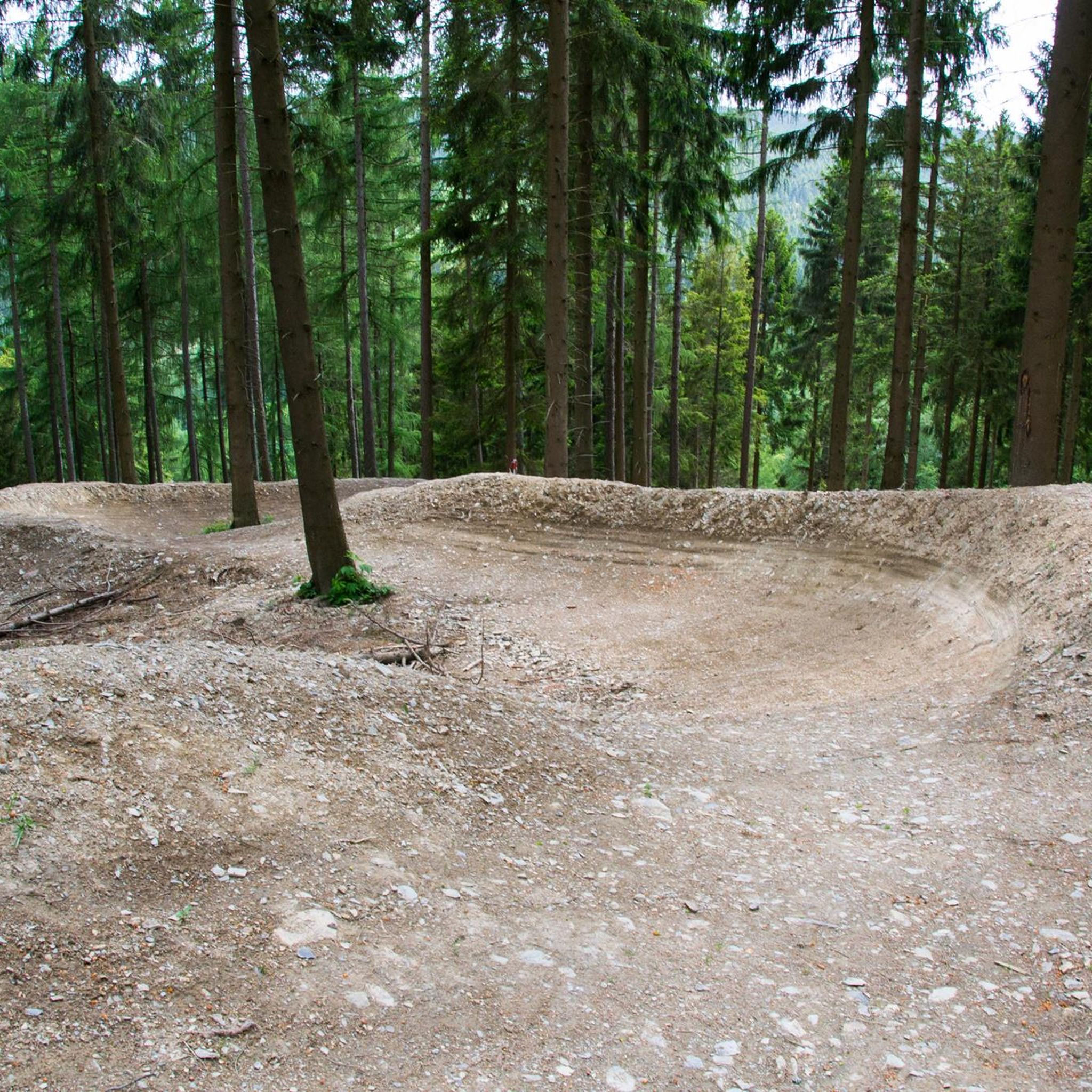
MTB Trails around Hürtgenwald
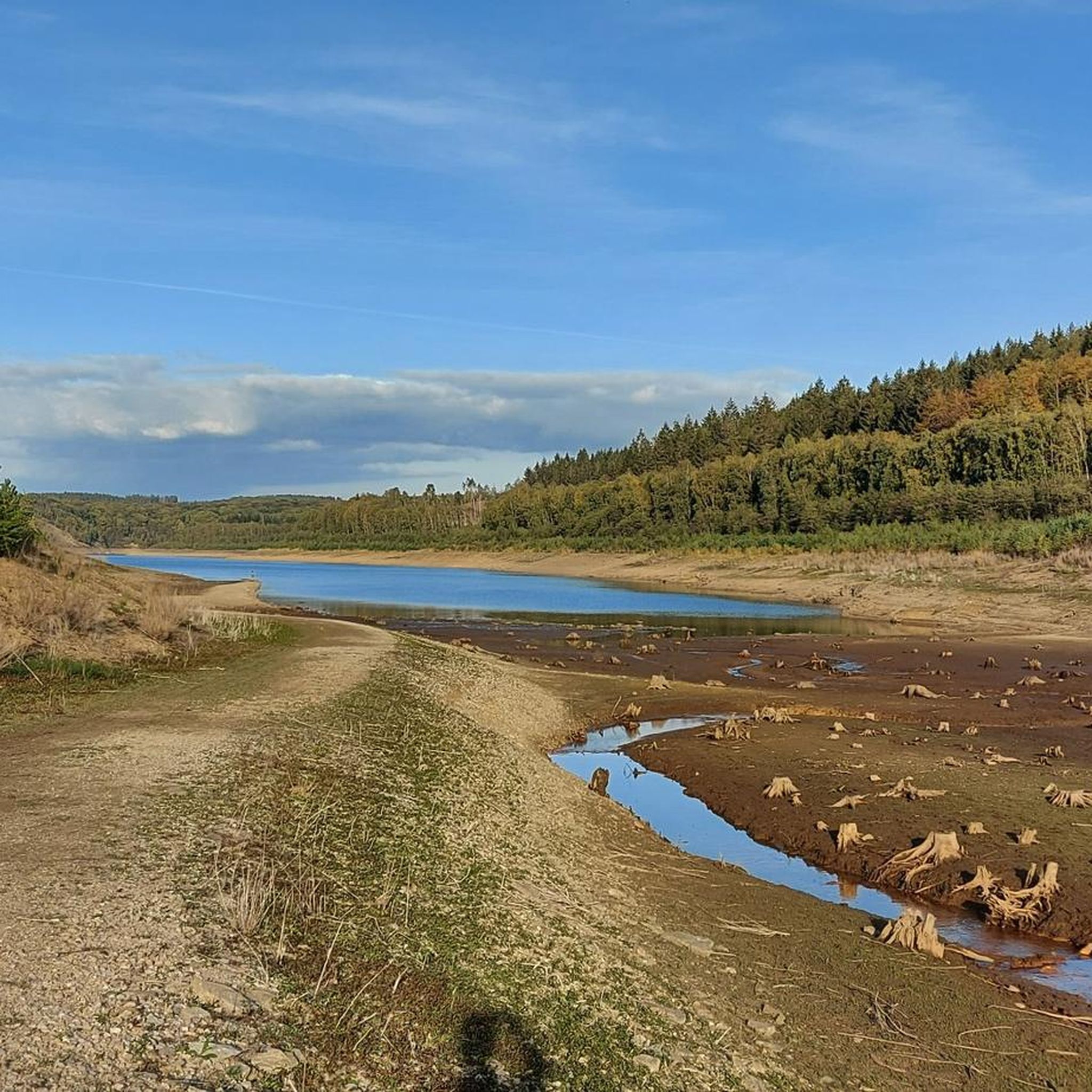
Cycling around Hürtgenwald
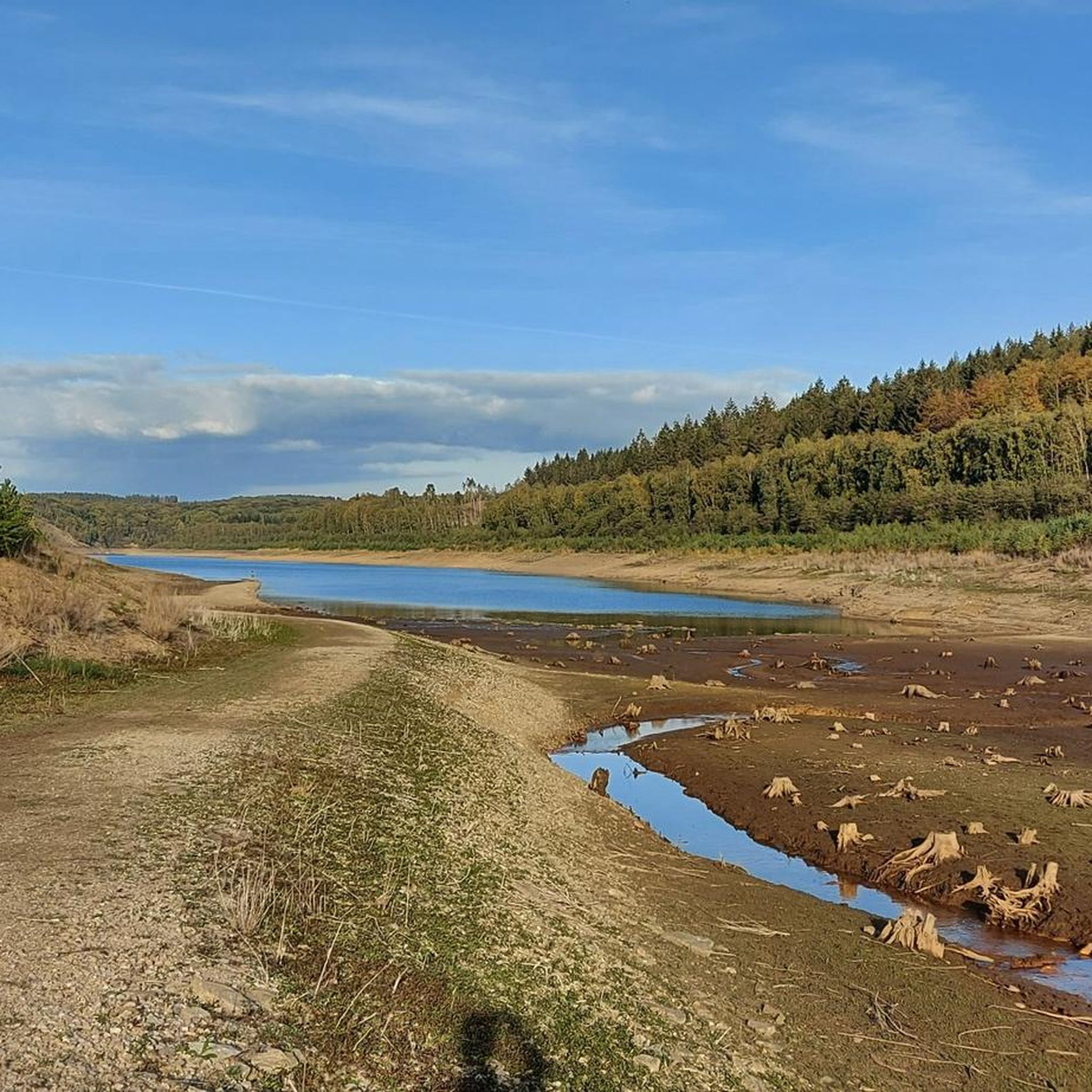
Road Cycling Routes around Hürtgenwald
Gravel biking around Hürtgenwald
Running Trails around Hürtgenwald
Other adventures around Hürtgenwald


Tips from the Community

You'll find the Kaiserfelsen (Emperor's Rock) right near the dam.
1
0

Already hiked or cycled past 100 times, but still impressive
0
0

Beautiful hiking trail with some interesting rock formations made of red sandstone.
4
0

Very beautiful rock formations! The rust-red rock bastions along the valley slopes dominate the landscape in the Rur valley. But how did these impressive rock walls and towers come into being? The rocks are made of rubble and sand that was formed by weathering in a hot, desert-like landscape in the early Mesozoic during the Triassic period, more precisely in the formation of the "Buntsandstein" around 240 million years ago. Weathering under tropical climatic conditions is also the reason for the red color of the rocks. In these deserts there were violent storms from time to time, which transported the sand and rubble masses via large rivers into depressions and deposited them there. During transport in the river, the larger stones were ground down into rounded pebbles. Today, embedded in the sand that has solidified over millions of years, they can be clearly seen in the rocks. In geology, these types of rocks are known as "conglomerates". When the Eifel gradually rose millions of years later, having eroded into a low-lying plain, the larger rivers, such as the Rur, cut deeper and deeper into the sedimentary rocks, particularly during the ice ages, thus exposing the rock formations that can be seen today. Source: biostation-dueren.de/schutzgebiete/buntsandsteinfelsen-im-rurtal
3
0
Very beautiful hiking trail on the edge of the rocky plateau of Nideggen Castle in the Rur Valley.
4
1

Wonderful path over the rocks of Nideggen with great views.
5
1

Simply impressive rocky landscape in the Eifel with great views.
4
1

The cycle path here leads between the “Kaiserfelsen”.
11
2
Frequently Asked Questions
What kind of natural features can I expect to see in the canyons around Hürtgenwald?
The canyons, locally known as "Kerbtäler" or gorges, are characterized by deep, incised valleys carved by rivers and streams. You'll encounter dramatic landscapes with steep, often rocky, and heavily forested slopes. Notable features include the impressive red sandstone cliffs, such as the Buntsandstein Cliffs (Rur Valley), and unique ecosystems like the thriving beaver population in the Weheschlucht.
Are there family-friendly canyon trails in the Hürtgenwald region?
Yes, several areas offer family-friendly options. For instance, the Kaiserfelsen (Emperor Rock) in the Kall Valley is noted for being family-friendly, with a cycle path leading through the impressive sandstone formations. The Weheschlucht also offers leisurely hikes through well-maintained forest paths, making it accessible for a wide range of visitors.
What historical significance do the canyons around Hürtgenwald hold?
The Hürtgenwald region has a poignant history, particularly its role in World War II. Many trails, such as the historic Kall Trail in the Kalltal, traverse areas central to the Battle of Hürtgenwald. Visitors can encounter remnants of bunkers and other historical sites, offering a powerful reminder of the past within the peaceful natural setting.
What are some popular hiking opportunities near the canyons?
The region boasts an extensive network of hiking trails. You can explore the scenic riverside landscapes of the Rurtalwanderwege, or follow the Kalltalweg which traces the Kall river. The Schlehbachtal is part of the Wildnis-Trail, and the Huschelsbachtal offers a moderate circular route with panoramic views. For more options, check out the Easy hikes around Hürtgenwald guide.
Can I find viewpoints with scenic vistas in the canyons?
Absolutely. Many canyons offer stunning viewpoints. The Rock trail below Nideggen Castle provides great views over the rocks. In the Weheschlucht, you can enjoy charming distant views from points like "Brandenburger Tor" and "Drei Eichen." The Teufelsley viewpoint in the Huschelsbachtal also offers panoramic vistas.
Are there any unique wildlife observations to be made in the canyons?
Yes, the deep valleys create unique microclimates that support diverse flora and fauna. The Weheschlucht is particularly notable for its thriving beaver population, which has successfully re-established itself in the area since the 1980s and actively shapes the landscape. Eagle owls have also been observed breeding in the red sandstone cliffs of the Rur Valley.
What is the best time of year to visit the canyons around Hürtgenwald?
The canyons offer beauty throughout the year. Spring brings blooming wildflowers to meadows, especially in areas like the Schlehbachtal. Summer provides lush green forests, while autumn transforms the landscape with vibrant foliage. Even winter hiking can be rewarding, offering a tranquil experience in the snow-covered valleys.
Are there opportunities for cycling or mountain biking near the canyons?
Yes, the region is popular for cycling. The Kaiserfelsen (Emperor Rock) features a cycle path leading directly through the gorge. The Kalltal is also a starting or ending point for mountain biking trails. You can find more routes in the MTB Trails around Hürtgenwald and Gravel biking around Hürtgenwald guides.
What kind of geological formations are prominent in the Hürtgenwald canyons?
The most prominent geological formations are the red sandstone cliffs, known as "Buntsandsteinfelsen." These impressive rock formations, like those found in the Rur Valley, were formed from sand and rubble deposited around 240 million years ago during the Triassic period. The red color is due to weathering under tropical climatic conditions, and the Eifel's uplift later exposed these ancient structures.
Are there places to eat or stay near the canyon trails?
Yes, the region offers amenities for visitors. Simonskall, located in the Kalltal, is an acknowledged resort village with guesthouses and restaurants. The Mestrenger Mill, idyllically situated in the Kalltal, provides a pleasant rest stop for hikers. In the Huschelsbachtal, you can find the Landhotel Kallbach and Café Kern nearby.
What makes the Rur Valley a significant canyon area in Hürtgenwald?
The Rur Valley is a distinctive feature of the Rureifel, where the Rur River has carved a prominent valley. It's known for its impressive Buntsandstein Cliffs, which are natural monuments under nature protection. The valley offers picturesque views and diverse hiking opportunities along the Rurtalwanderwege, allowing for exploration of its scenic riverside landscapes.
Can I bring my dog on the canyon trails?
Many trails in the Hürtgenwald region are dog-friendly, allowing you to explore the natural beauty with your canine companion. For example, the area around Kaiserfelsen (Emperor Rock) is noted as dog-friendly. Always ensure your dog is on a leash and that you follow local regulations to protect wildlife and other visitors.
Most popular routes around Hürtgenwald
Most popular attractions around Hürtgenwald

Get inspired with the komoot mobile app


Explore more
Already discovered everything in this region? See additional gorges around Hürtgenwald for your next adventure:
