Top 17 Lakes around Altertheim
Lakes near Altertheim Germany are primarily found within natural settings, including the Irtenberger Forest and the Steinbach Valley. The region is characterized by its diverse natural monuments and protected areas. These bodies of water offer opportunities for experiencing local flora and fauna. The landscape provides a tranquil environment for outdoor activities.
Best lakes around Altertheim
- The most popular lakes is Blutsee Moor, a natural monument that features the largest swinging lawn in Lower Franconia. This protected area is known…
Last updated: June 26, 2026
Laichsee in the Steinbach Valley
Highlight • Lake
Translated by Google •
Tip by

Blutsee-Moor Nature Reserve
Highlight • Natural
Translated by Google •
Tip by

Sign up now to discover places like this
Get recommendations on the best single tracks, peaks, & plenty of other exciting outdoor places.
Sign up for free
Schwemmsee Natural Monument
Highlight • Natural Monument
Translated by Google •
Tip by

Blutsee Moor
Highlight • Natural Monument
Translated by Google •
Tip by

Bauernsee Pond
Highlight • Lake
Translated by Google •
Tip by

Sign up for free to discover even more lakes around Altertheim.
Sign up for free
Already have an account?
Start today with a free account
Your next adventure awaits.
Login or Signup
Tips from the Community

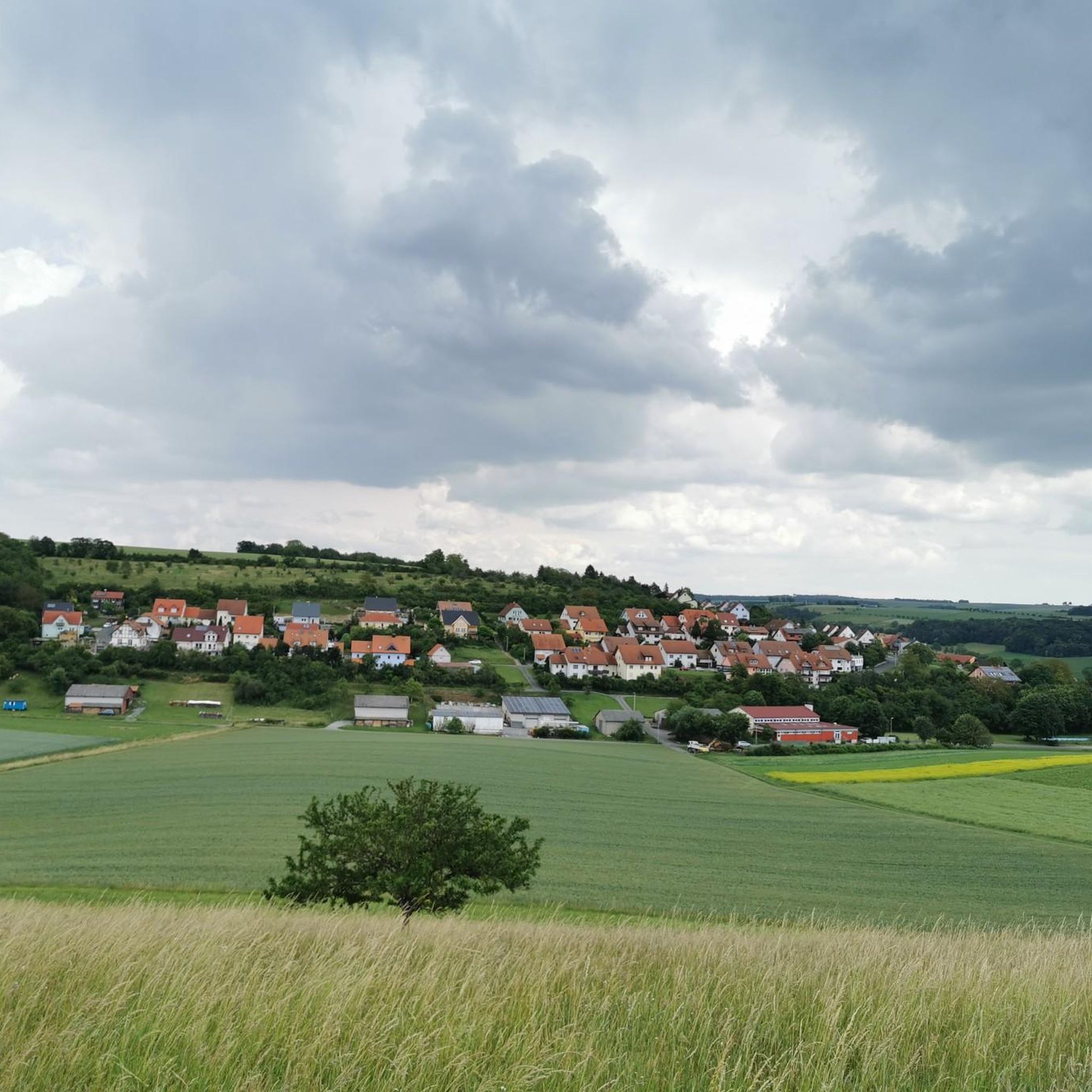
The trail leads through the Irtenberger Forest FFH area, past numerous interesting natural areas, such as the so-called "Blutsee," a lowland moor. A very beautiful and idyllic setting. On foot, please avoid the Blutsee in the crescent shape. Not suitable for bicycles; only possible on foot. Mosquito repellent recommended; there are tree trunks along the trail that you have to climb. Most of them are relatively deep.
0
0

The Schwemmsee is a wetland biotope and natural monument in the Höchberg forest. The body of water is located in a depression (334 m above sea level) west of Höchberg in the municipal forest. The Schwemmsee is a stop on the Höchberg forest nature trail and can also be reached from the New Cemetery car park about 200 meters to the northeast. The Schwemmsee probably formed in the last ice age from an ice lens in the ground: an ice lens is a raised area of the ground that occurs when there is frost and the ground is cohesive. The reason for this is the capillary effect, which makes it possible to transport groundwater from a depth of up to 50 m to the frost penetration depth (between 20 and 120 cm in winter in Germany). The water collects there, freezes and raises the ground. Since the groundwater is constantly replenished, the ice accumulations and the raised areas above them become larger and larger. The forest pond has been designated a natural monument since March 25, 1938. [2] The protected area has an area of about 1500 m². The lake provides a habitat for numerous animals. (Würzburg Wiki)
0
0

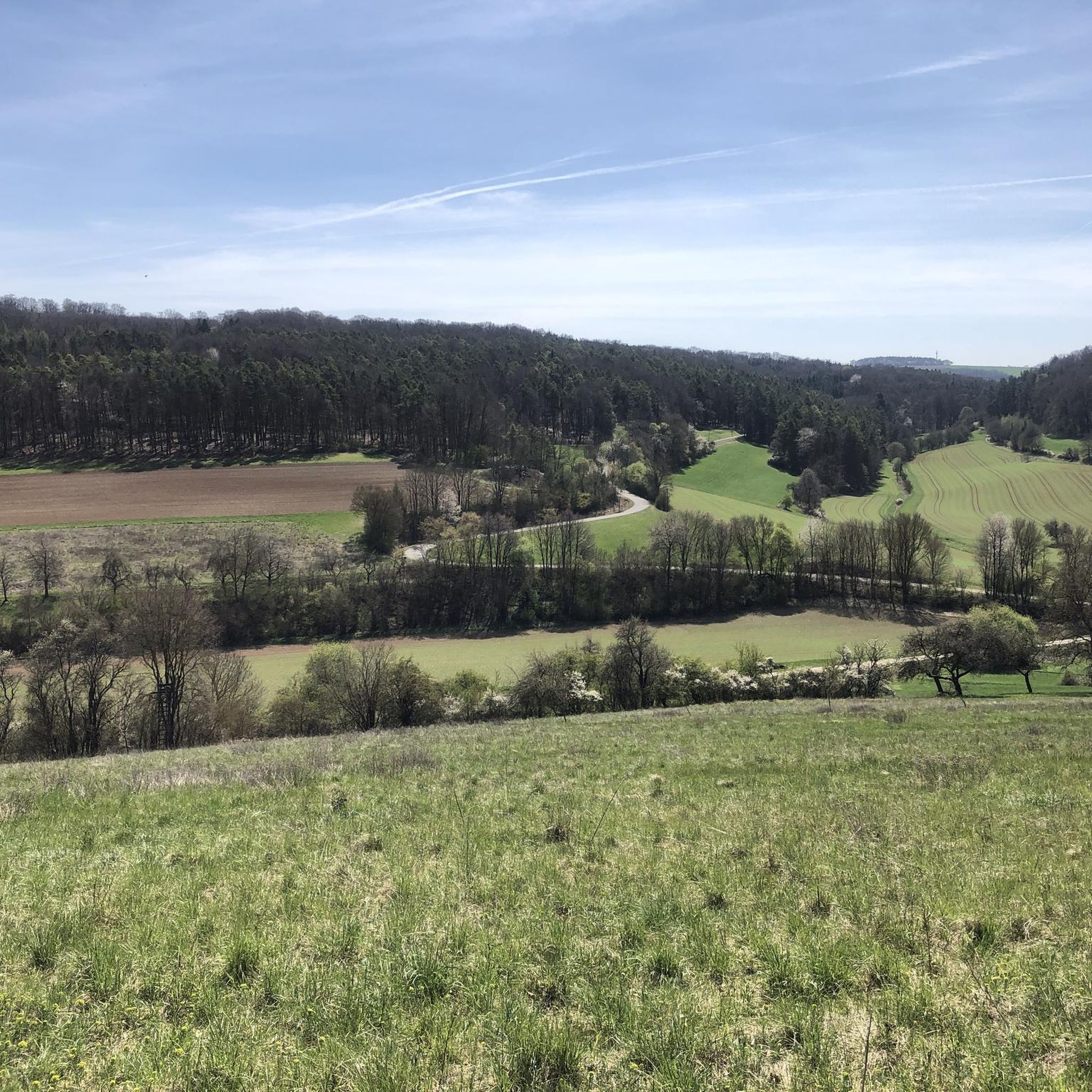
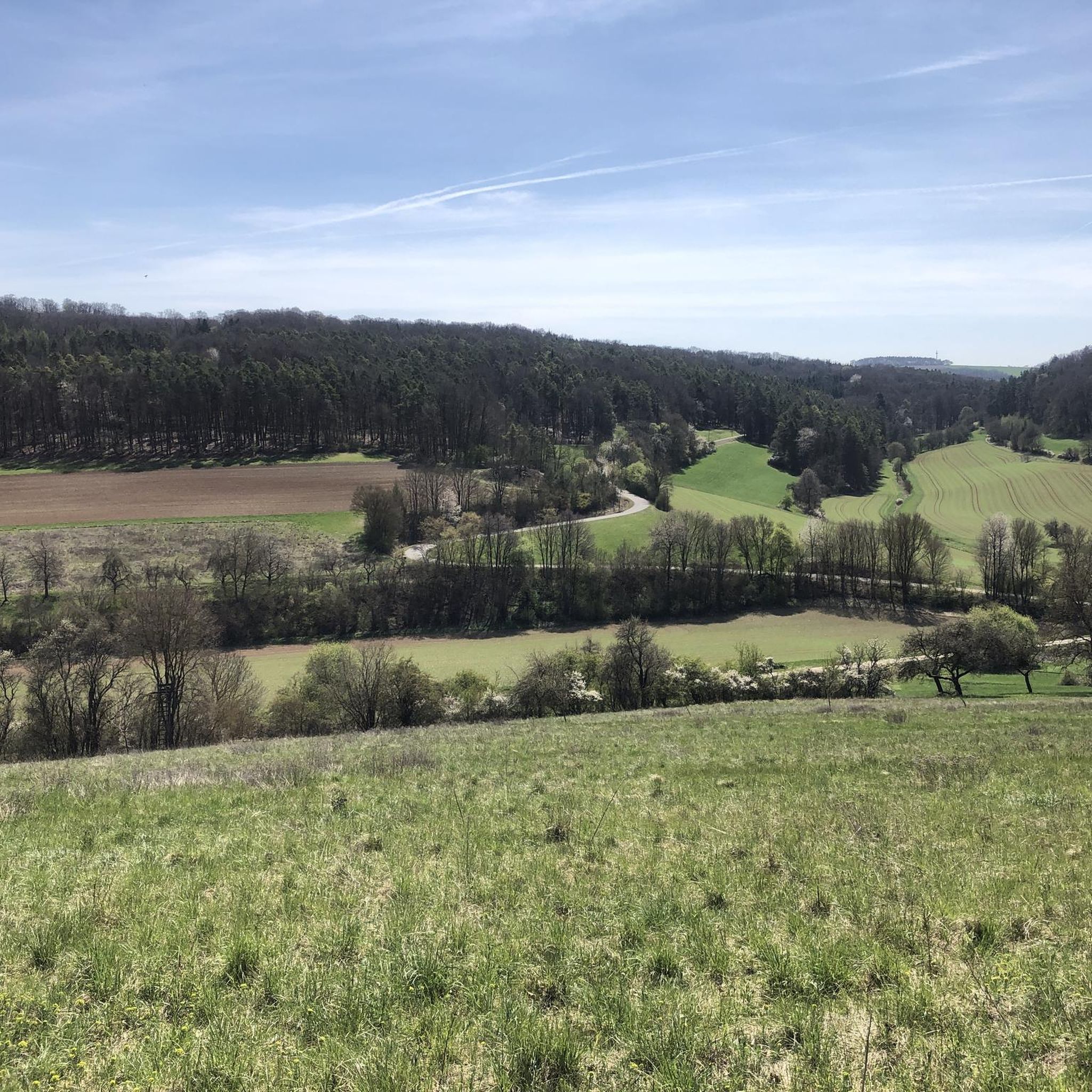
The Blutseemoor near Kist is a nature reserve in the Irtenberger Forest, which is part of the fauna-flora-habitat areas (FFH). It is known for its swinging lawn, which is the largest in Lower Franconia and floats on an underground body of water. The name Blutsee comes from a type of algae that sometimes turns the water red. The moor is not allowed to be entered as it is life-threatening.
11
0

The forest pond is particularly protected as a natural monument. The alluvial lake offers a habitat for numerous animals, including the dragonfly (Anisoptera) and the pond newt (Triturus vulgaris). The natural monument is characterized by a swinging lawn with cattails, sedges, field mint, purple loosestrife, rushes, loosestrife and the rare water fennel. The yellow iris blooms on the banks from May to July. In contrast to the Bauernsee, the Schwemmsee rarely dries out.
2
0
The forest pond is particularly protected as a natural monument. The farmer's lake offers a habitat for numerous animals, including the dragonfly (Anisoptera), the pond newt (Triturus vulgaris), the water lung snail (Basommatophora) and the spring frog (Rana dalmatina). The water is surrounded by black alder, white birch, ash and aspen trees and is therefore largely shaded. However, in dry years it can happen that the water level drops significantly or the lake even dries up completely. On the banks of the farmer's lake you can find lady fern, frog spoon, sedge, marsh iris, waterweed and bedstraw.
0
0

The pond is often colored green by duckweed and is a real frog paradise. Around the pond you will find mystical rocky landscapes, including a small bridge. There is also a hidden, open moat leading to the pond.
1
0
Beautiful, quiet place in the middle of the forest. A bench invites you to linger. You should take the path around the moor on foot and be considerate of nature.
1
0

Wetland biotope in which, according to legend, a farmer and his team drowned on Good Friday because he wanted to fetch wood.
0
0
Frequently Asked Questions
What are the most unique natural features found at lakes near Altertheim?
The region is known for its unique fens and natural monuments. For instance, the Blutsee Moor and Blutsee-Moor Nature Reserve feature the largest swinging lawns in Lower Franconia, which float on an underground body of water. The water at Blutsee can also occasionally appear red due to a special type of algae. The Schwemmsee Natural Monument is another wetland biotope with a swinging lawn, providing a habitat for diverse wildlife like dragonflies and newts.
Are there family-friendly lakes around Altertheim?
While Altertheim itself has smaller, more natural lakes, the nearby Erlabrunner Badesee is highly recommended for families. It offers extensive sunbathing lawns, a children's playground, a beach volleyball court, table tennis, and even a cable car to a small island. Designated grilling areas are also available, and access is free of charge.
Where can I find lakes suitable for swimming near Altertheim?
The Erlabrunner Badesee, located about 10 kilometers north of Würzburg, is a popular bathing lake. It features two lakes fed by spring water, with quality regularly monitored. The bathing season typically runs from May to September, and it offers a kiosk with a beer garden for refreshments.
What kind of wildlife can be observed at the lakes?
The lakes around Altertheim are rich in biodiversity. At Laichsee in the Steinbach Valley, you can observe toads spawning and tadpoles in late spring. The Schwemmsee Natural Monument is home to dragonflies and pond newts. The Toad Lake is also known for frogs and dragonflies amidst its thick reeds.
Are there hiking trails near the lakes around Altertheim?
Yes, the area around Altertheim offers various hiking opportunities. For example, the Blutsee-Moor Nature Reserve is located within the Irtenberger Forest, which has popular paths for walkers. You can find several hiking routes, including easy and moderate options, by visiting the Hiking around Altertheim guide.
What cycling opportunities are available near the lakes?
The region around Altertheim is suitable for cycling, including access to the Main Cycle Path for the Erlabrunner Badesee. For more specific routes, you can explore the Cycling around Altertheim guide, which lists routes ranging from easy to difficult.
When is the best time to visit the lakes around Altertheim?
The best time depends on your activity. For swimming and family recreation at Erlabrunner Badesee, the bathing season from May to September is ideal. For observing wildlife like tadpoles at Laichsee, late spring (around May) is recommended. Some lakes, like Laichsee, are drained in winter but refilled by mid-March.
Are there any accessible lakes for visitors with mobility needs?
The Erlabrunner Badesee offers barrier-free entry points, which have been available since May 2012, making it a good option for visitors with mobility needs.
What facilities are available at Erlabrunner Badesee?
Erlabrunner Badesee is well-equipped with facilities including extensive sunbathing lawns, a children's playground, beach volleyball and table tennis courts, designated grilling spots, and a kiosk with a beer garden. There are also around 1,000 parking spaces, and the lake is accessible via public transport and the Main Cycle Path.
Can I fish in the lakes near Altertheim?
Fishing is possible at Erlabrunner Badesee, but requires permits from the local angling club. For other natural lakes, local regulations should be checked.
Are there mountain biking trails in the vicinity of Altertheim's lakes?
Yes, the area offers mountain biking opportunities. You can find various MTB trails, including moderate and difficult options, by checking the MTB Trails around Altertheim guide.
What makes <a href="https://www.komoot.com/highlight/249760" target="_blank" rel="noopener">Laichsee in the Steinbach Valley</a> special?
Laichsee is an artificial lake that serves as an important spawning ground for toads. Its shady waters are known to teem with tadpoles in late spring. It's a wonderful spot to observe amphibian life, though the water is drained for winter and refilled in spring.
Most popular routes around Altertheim
Most popular attractions around Altertheim

Get inspired with the komoot mobile app


Explore more
Still not found your perfect lake around Altertheim? Check out the guides of these regions to see even more beautiful places.
