Top 5 Caves around Münchhausen
Caves around Münchhausen, located in the Marburg-Biedenkopf district of Hesse, Germany, offer a blend of natural geological formations and historical sites. The region is characterized by its varied natural landscape, including forests and hills, providing a setting for outdoor exploration. Visitors can discover ancient iron ore mines, distinctive sandstone formations, and historical grottos. This area provides insights into local folklore and geological history.
Best caves around Münchhausen
- The most popular caves is Dragon Cave at Rimberg, a cave that extends about 15 meters into the mountain and is associated with local legends of Siegfried. This site is also an old iron ore mine, offering a blend of natural geology and historical significance.
- Another must-see spot is Wichtelhaus Cave, a cave formation in the middle red sandstone on the Würzeberg. This cave is approximately 1.5 meters high and 2 meters deep, known for its challenging access and "cave paintings."
- Visitors also love Helfensteine Rock Formation, a natural monument with a small cave located directly on the stream. This site offers scenic views and a glimpse into the region's geological past.
- Münchhausen is known for natural caves, historical grottos, and former mining sites. The region offers a variety of cave experiences, from geological formations to locations steeped in local legend.
- The caves around Münchhausen are appreciated by the komoot community, with over 270 upvotes and more than 280 photos shared by visitors.
Last updated: July 10, 2026
Ruins of Hohenfels Castle
Highlight • Castle
Translated by Google •
Tip by

Dragon Cave at Rimberg
Highlight • Cave
The cave is located on the steep eastern slope, 200 m below the Rimberg tower in Lahntal.
The cave leads about 15 meters into the mountain. After a narrow passage it ends in a small cauldron.
According to legend, Siegfried (also called Sigurd in Nordic legends) is said to have killed the dragon Fafnir here in the Gnitalheide.
Nothing can be seen of the former "Gnitaheide" heathland near Caldern. Only the hall name "Heide" still reminds of the legend of Siegfried, the dragon slayer.
The Marburg painter Otto Ubbelohde illustrated the saga of Siegfried and the killing of the dragon, which was adopted in the German heroic sagas, several times with drawings.
The fact is, this is an old iron ore mine from the Middle Ages.
This was determined years ago by radioactive age determination of the calcium deposits inside the cave. This investigation made it possible to scientifically date an ore tunnel in a wide area for the first time.
Translated by Google •
Tip by

Sign up now to discover places like this
Get recommendations on the best single tracks, peaks, & plenty of other exciting outdoor places.
Sign up for free
Wichtelhaus Cave
Highlight • Cave
Translated by Google •
Tip by

Helfensteine Rock Formation
Highlight • Natural Monument
Translated by Google •
Tip by

Bilstein (Heidenstein) Rock Formation
Highlight • Natural Monument
With a little imagination, one can easily imagine a resting place or a camp for Stone Age hunters, who up here, well protected from westerly winds under the rock, were on the lookout for passing wild animals.
Translated by Google •
Tip by
Sign up for free to discover even more caves around Münchhausen.
Sign up for free
Already have an account?
Start today with a free account
Your next adventure awaits.
Login or Signup
Popular around Münchhausen
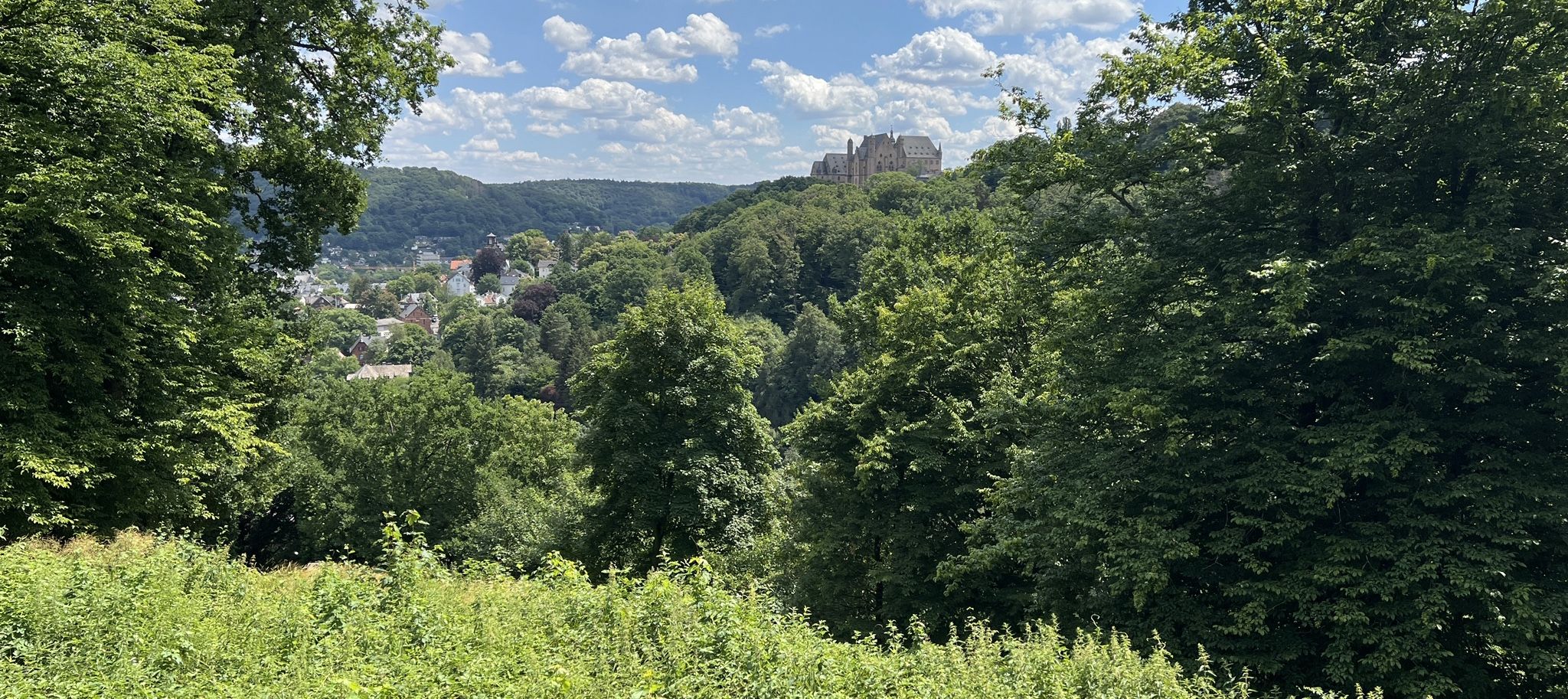
Through the green heart of Hesse on the Burgwaldpfad
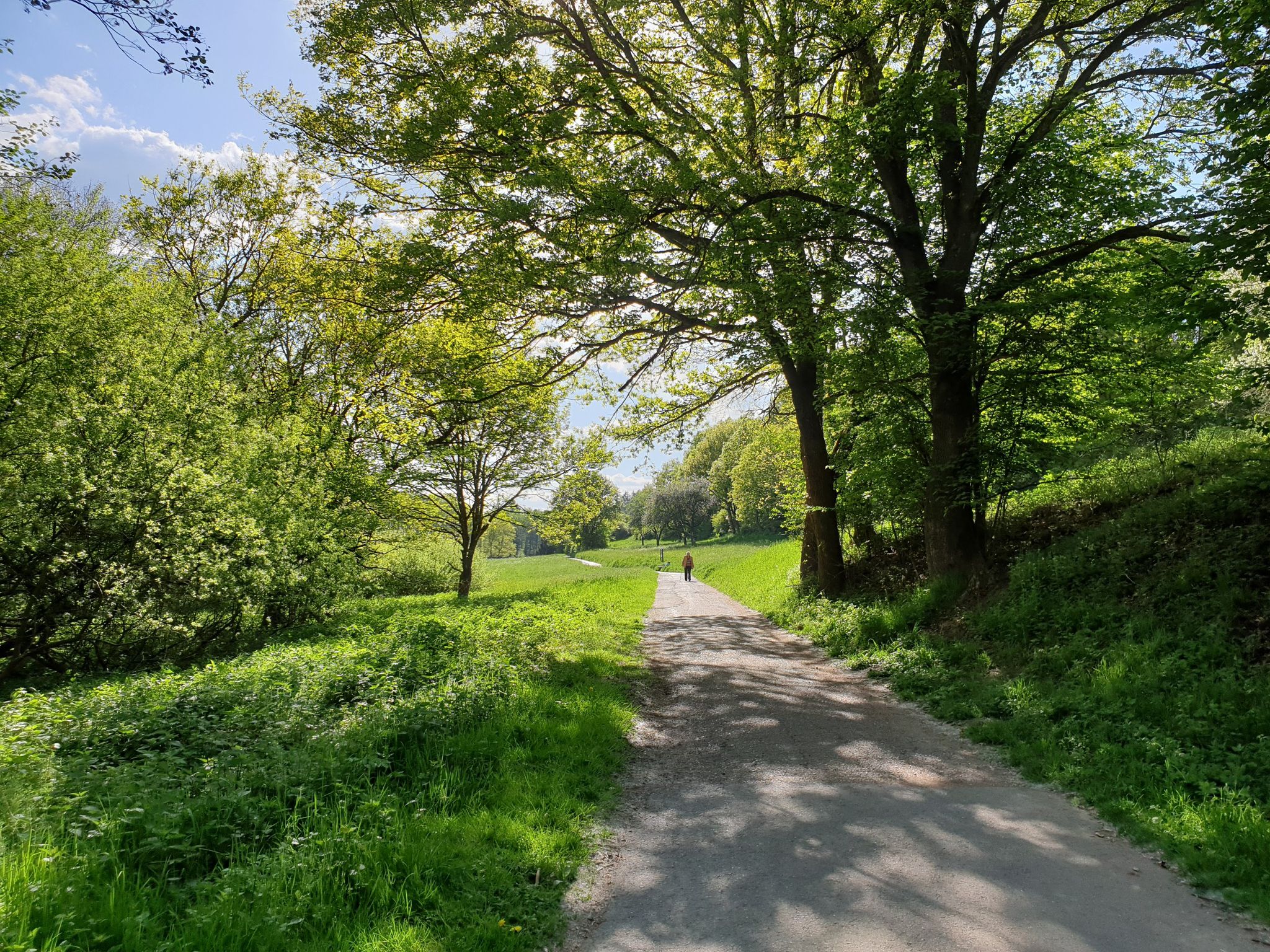
Culture, nature and good food in Hessen – gourmet Tours in the RMV region
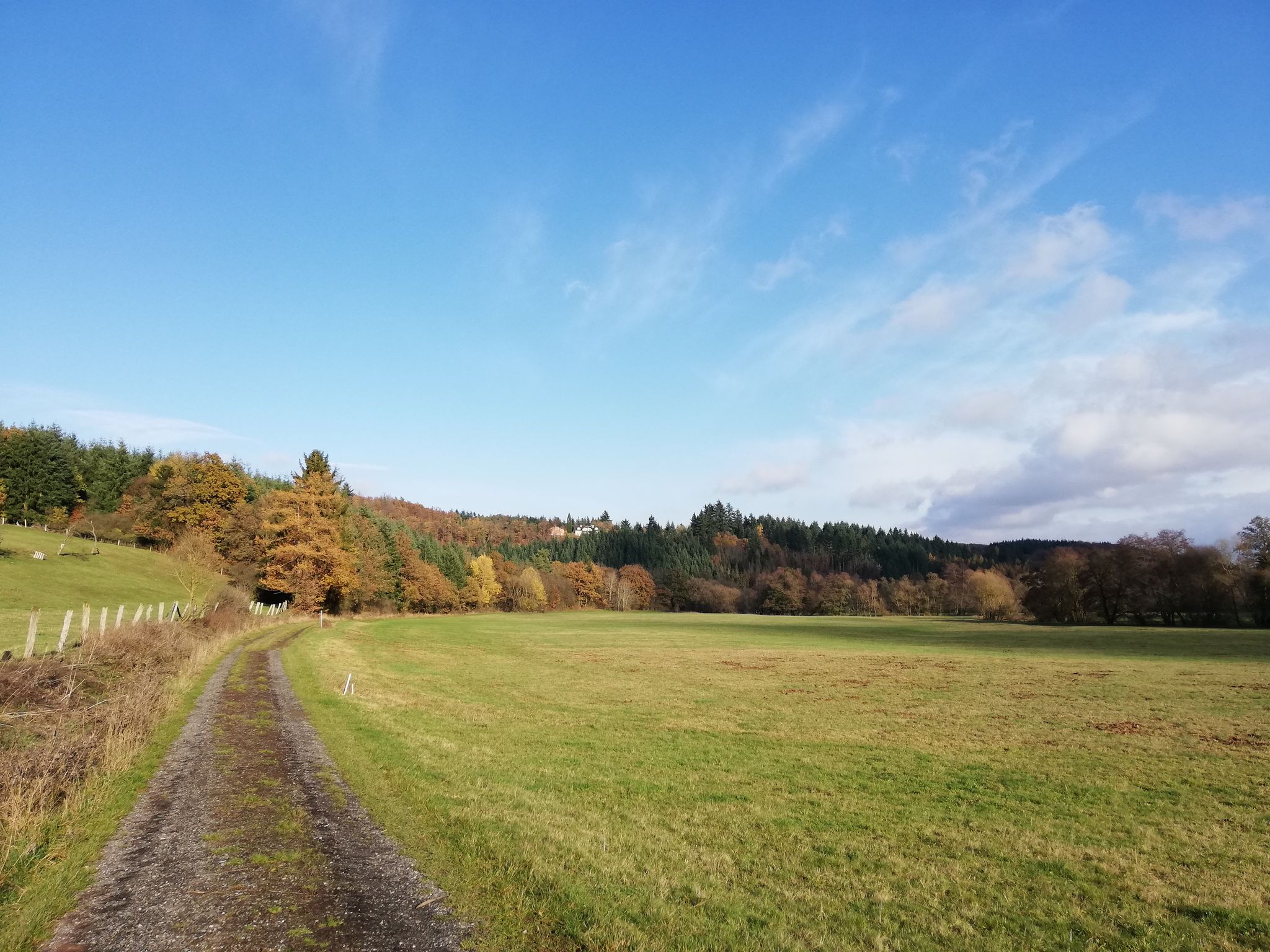
Dein Wandermärchen
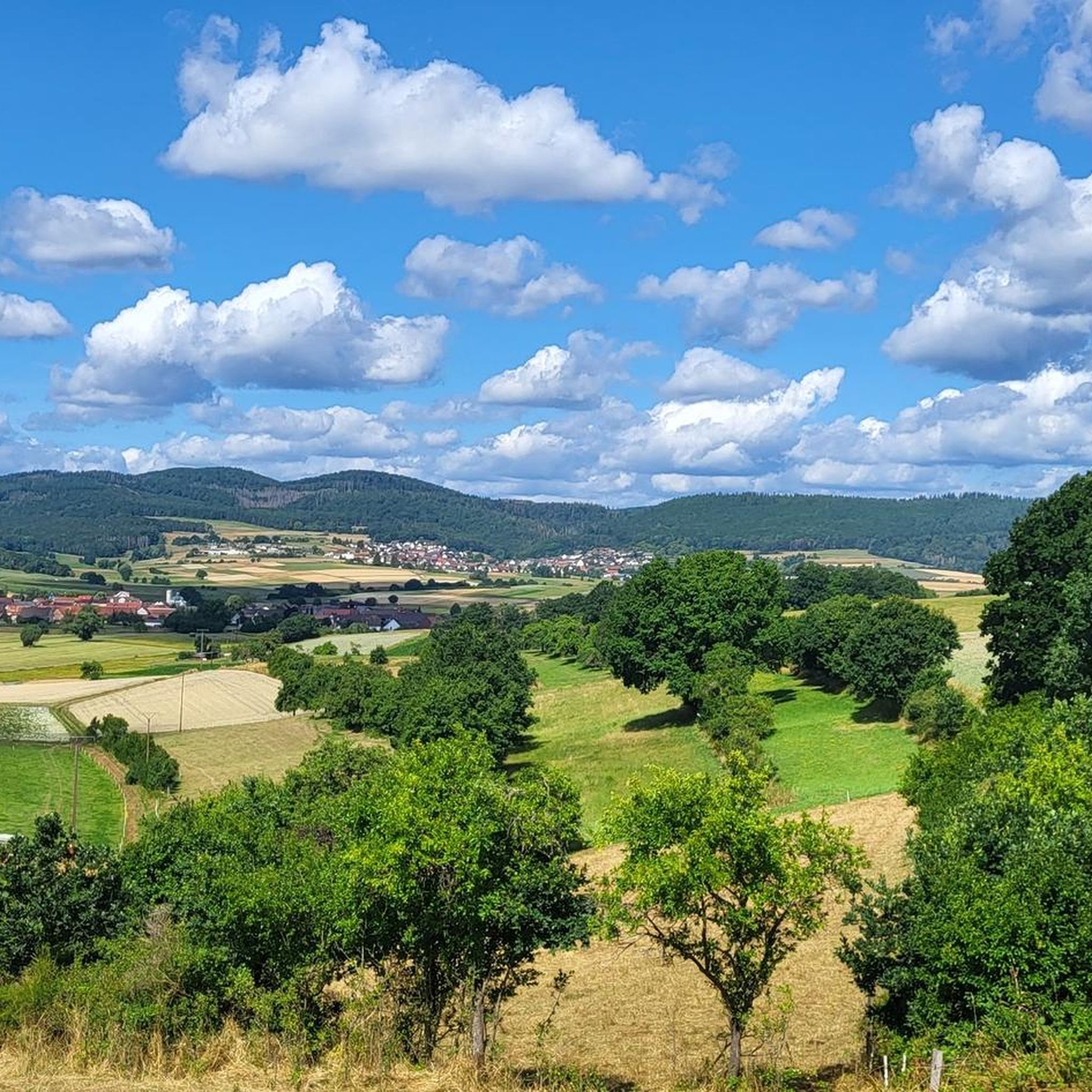
Cycling around Münchhausen
Hiking around Münchhausen
Road Cycling Routes around Münchhausen
MTB Trails around Münchhausen
Running Trails around Münchhausen

Gravel biking around Münchhausen


Tips from the Community

Very steep single trail, only accessible on foot with good footwear
0
0

Because this is a place that not many will find. From the path steeply uphill about 60 meters in altitude on a path that is not a path, through undergrowth and bushes. Good footwear is important and pay attention to the signs, orange markings and a white thread mark the path. The gnome house would certainly be easier to find from the top of the Würzeberg, about 380m high, but I couldn't find a way there.
2
0

Not directly visible from the lower path. All you can see is a small, steep trail. If you follow this you will come to the cave behind the fallen trees.
1
0

The highlight of our hike was the gnome house, not because it is so interesting there, but finding the way there is the challenge. The 60 m climb from the path to 360 m up to the cave in the red sandstone requires breathing air, beads of sweat and surefootedness. Since the path quickly gets lost between fallen trees and branches, there are 3 ways to find it: 1. Follow the coordinates: 50.97759 N 8.74539 E 2. Follow the Komoot markings across (mountain) fields 3. Always go uphill to the top of the Würzeberg at 383 m, then back down and walk along the mountain at 360 m - then the gnome house must come. :-)
4
0

The gnome house is very impressive. The arduous climb is definitely worth it. However, it is not on a real hiking trail. Initially on a rustic hiking trail, you suddenly end up in the middle of a steep slope without any clues. There is no signage. We made our way along a more or less existing trail through fir trees and larks. You should be very sure-footed on steep slopes and shoes with treads are a must. Since the descent seemed unsafe to us, we opted for the adventure option over the mountain through the middle of the forest without paths. Definitely not recommended for imitation.
1
0

If you don't know, you drive past it without seeing anything of the castle. Currently the path has been blocked with trees.
2
0

Although not much has been preserved, the remains give enough reason to stimulate the imagination as to how it might have been.
3
0

From the lower path it is a bit scrambling up to the stones that are under protection of nature, on the lower path there is a small cave directly on the stream, you should take a look. I walked a lap above Eifa just before the 5-way crossing that goes up to the OHGV tower. I crossed country along a border path and came to the rock group. Until 1832, the district boundary of the town of Biedenkopf ran along this group of rocks (Helffensteine). Nice cookie.
1
0
Frequently Asked Questions
What types of cave experiences can I find around Münchhausen?
The Münchhausen region offers a mix of natural geological formations, historical sites, and former mining locations. You can explore natural caves like the Dragon Cave at Rimberg, distinctive sandstone formations such as the Wichtelhaus Cave, and historical grottos like Münchhausen's Grotto.
Are there any caves with historical significance or local legends?
Yes, the Dragon Cave at Rimberg is steeped in local legend, with tales suggesting Siegfried slew the dragon Fafnir in the area. It was also historically an iron ore mine. Additionally, Münchhausen's Grotto, built by Baron von Münchhausen in 1763, is a significant historical site where he entertained guests with his famous stories.
What is the Wichtelhaus Cave known for?
The Wichtelhaus Cave is a distinctive formation within the middle red sandstone on the Würzeberg. It's known for its unique appearance, measuring about 1.5 meters high and 2 meters deep, and for its 'cave paintings' left by visitors. The path to it is considered challenging, making it suitable for adventurers.
Is there a dripstone cave in the broader region of Hesse?
Yes, the Teufelshöhle (Devil's Cave) near Steinau an der Straße, located in the Main-Kinzig district, is a notable dripstone cave approximately 2.5 million years old. It features impressive dripstone formations and is one of only two electrically illuminated show caves in Hesse. You can find more information about its history and geology on Wikipedia.
Are the caves around Münchhausen suitable for families?
While some caves like the Wichtelhaus Cave involve challenging access, other sites like the Ruins of Hohenfels Castle, which includes a cave, are categorized as family-friendly. The historical context of Münchhausen's Grotto might also appeal to families interested in local history.
What are the access and difficulty levels for visiting these caves?
Access varies. The path to the Wichtelhaus Cave is described as challenging, requiring surefootedness and good footwear. The Dragon Cave at Rimberg can be accessed via a steep path, with recommendations to approach from below. Münchhausen's Grotto is part of an estate and is not accessible from the inside, but can be viewed from the outside.
Can I combine a cave visit with other outdoor activities?
Absolutely. The region around Münchhausen offers various outdoor activities. You can find numerous hiking trails, including routes near the Dragon Cave at Rimberg and the Wichtelhaus Cave. There are also options for gravel biking and running trails in the vicinity.
Are there any natural rock formations with small caves to explore?
Yes, the Helfensteine Rock Formation is a natural monument that includes a small cave located directly on a stream. It offers scenic views and is a good spot to experience the region's geological past.
What should I know about parking and public transport for these cave sites?
Specific parking and public transport details vary by location. For challenging-to-reach sites like the Wichtelhaus Cave, visitors often rely on coordinates and navigating through trails. For Münchhausen's Grotto, it's located in Bodenwerder and part of the Münchhausen estate, which typically has visitor facilities. It's advisable to check local information for each specific site.
What is the best time to visit the caves around Münchhausen?
The best time to visit depends on the specific cave and your preferred activity. For natural caves and hiking trails, spring through autumn generally offers pleasant weather conditions. During these seasons, the surrounding forests and landscapes are also at their most vibrant. Always check local weather forecasts before your visit.
Are dogs allowed at the cave locations?
Policies regarding dogs can vary. While many outdoor trails in the region are dog-friendly, access to specific cave interiors or historical sites might be restricted. It's recommended to check individual site regulations before bringing your dog, especially for more sensitive natural or historical locations.
Do I need any special permits to visit the caves?
Generally, no special permits are required for visiting the publicly accessible natural caves and historical grottos mentioned in the Münchhausen region. However, for any specific guided tours or access to protected areas, it's always best to verify with local tourism offices or site management beforehand.
Most popular routes around Münchhausen
Most popular attractions around Münchhausen

Get inspired with the komoot mobile app


Explore more
Extend your search for the best caves by checking out these guides of the top ones around Münchhausen:
