Top 5 Caves around Amöneburg
Best caves around Amöneburg. Amöneburg is a town of historical and geological significance, built atop an ancient basalt volcanic cone. While natural caves with typical formations are not prominent directly within the town, the area features historical underground structures. These include man-made cellars and old vaults, reflecting the region's historical and geological context.
Best caves around Amöneburg
- The most popular caves is Rock cellar, a cave and historical site. This cellar provided cold storage for a former restaurant, with…
Last updated: October 13, 2026
Stone Age Caves Treis
Highlight • Cave
Translated by Google •
Tip by

Marian Grotto
Highlight • Religious Site
Translated by Google •
Tip by

Sign up now to discover places like this
Get recommendations on the best single tracks, peaks, & plenty of other exciting outdoor places.
Rittersaalkeller Bat Winter Quarters, Marburg Castle
Highlight • Cave
Translated by Google •
Tip by

Rock cellar
Highlight • Cave
Translated by Google •
Tip by

Feigentaler Cave
Highlight • Cave
Translated by Google •
Tip by

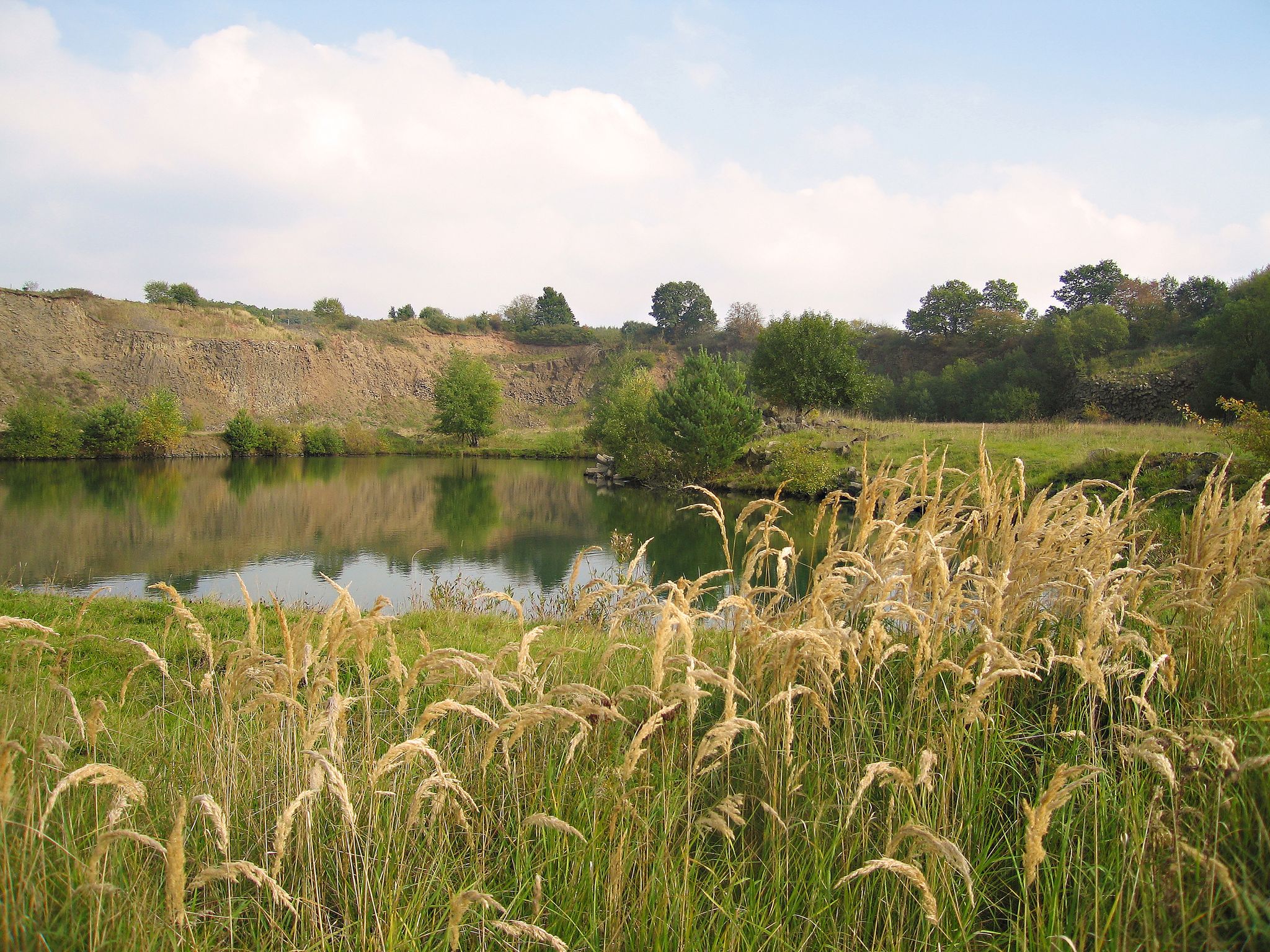
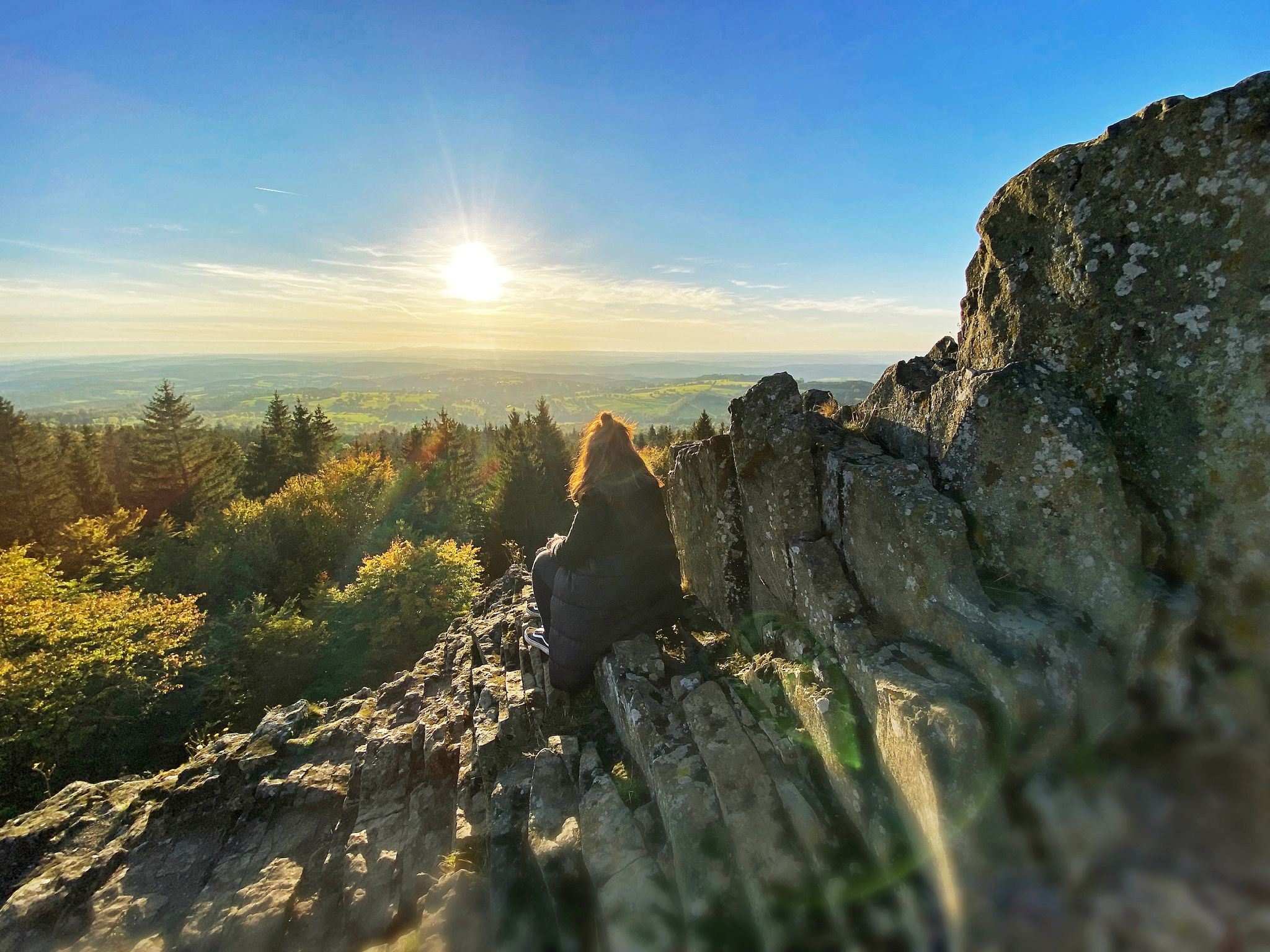


Tips from the Community

You can explore a bit with the phone's flashlight.
0
0
Without knowing whether the caves were actually inhabited by prehistoric humans, my imagination runs wild: They must have been magnificent dwellings for that time, and I picture a large living room with stone shelves and a seating area, the walls painted green with hunting art. Then there's a terrace with a view, a children's room, etc. I could even imagine a thunder beam.
1
1

Also very interesting.
1
0

Many years ago I was able to witness the ringing of the small pygmy bats in the castle.
9
0
It is impressive when the bats fly in and out on a summer evening. Then be sure to make the calls of the bats "audible" at the bat information stand in the parking lot.
3
0
If you go a little way into this rock cellar, you can feel the cold. This is how they used to always have cold drinks for their inn in front of it.
5
0

Up to 5000 pygmy bats hibernate in the Knight’s Hall cellar
3
0

Many different species of bat live around Marburg Castle, including the common pipistrelle, the serotine bat and the noctule. The largest winter quarters of the common pipistrelle in Germany is located under the knights' hall of the castle.
4
1
Frequently Asked Questions
What kind of 'caves' can I expect to find around Amöneburg?
Amöneburg is primarily known for its historical and geological significance, built on an ancient basalt volcanic cone. While natural caves with typical formations like stalactites are not common directly in the town, you'll discover intriguing man-made historical cellars, old vaults, and rock shelters. These structures offer a unique glimpse into how subterranean spaces were utilized in the past.
Are there any family-friendly cave experiences in the region?
Yes, the Stone Age Caves Treis are considered a family-friendly natural monument. Visitors find them very interesting and recommend making a detour if you are in the vicinity.
What historical insights do the caves around Amöneburg offer?
The 'caves' in the Amöneburg area, such as the Rock cellar and Feigentaler Cave, are rich in history. The Rock cellar, for instance, served as cold storage for a former restaurant, and you can still feel the cool air inside. The Feigentaler Cave is noted for its historical depth, offering an atmospheric experience that transports you back in time.
Are there any caves important for wildlife in the area?
Yes, the Rittersaalkeller Bat Winter Quarters at Marburg Castle is a significant site for wildlife. This old vault has been perfectly converted to serve as optimal wintering grounds for various bat species, including the common pipistrelle. It hosts one of the largest winter quarters for common pipistrelles in Germany.
What geological features are associated with Amöneburg and its underground structures?
Amöneburg itself sits atop an ancient basalt volcanic cone, making its geology quite unique. The town is also situated in the Amöneburg Basin, which is suspected to be a meteorite crater. While the 'caves' are mostly man-made, their existence and use are often tied to the local geology, such as the basalt formations that allowed for the creation of cellars and vaults.
What outdoor activities can I combine with a visit to the caves?
The Amöneburg region offers excellent opportunities for outdoor activities. You can explore numerous hiking trails, such as the 'Amanaburch Tour' or the 'Kreuz und Quer Geotour'. There are also dedicated running trails and road cycling routes. For more details, check out the Hiking around Amöneburg guide.
What is the best season to visit Amöneburg for exploring its historical underground sites and surrounding nature?
The best seasons to visit Amöneburg for exploring its historical sites and enjoying the surrounding nature are generally spring, summer, and early autumn. During these times, the weather is pleasant for hiking and sightseeing, allowing you to fully appreciate the town's unique geological setting and historical structures. Winter conditions might affect accessibility to some outdoor areas.
Are the underground sites around Amöneburg accessible by public transport?
Amöneburg has public transport connections, though specific accessibility to each individual underground site may vary. It's advisable to check local bus schedules to Amöneburg. Once in town, many historical sites are within walking distance, but some regional 'caves' might require a short drive or a longer walk from public transport stops.
Can I find cafes or restaurants near the historical underground sites in Amöneburg?
Yes, Amöneburg, with its historic old town, offers cafes and restaurants where you can relax and enjoy local cuisine. These establishments are typically located within the town center, making them convenient stops before or after exploring the historical cellars and vaults.
What do visitors enjoy most about the underground structures in Amöneburg?
Visitors often appreciate the unique historical atmosphere and the tangible connection to the past that these underground structures provide. For example, the Rock cellar is noted for its palpable coldness, offering a direct experience of its former function. The Feigentaler Cave is praised for its historical depth, making visitors feel like they've stepped into a story.
Are there any specific regulations or permits needed to visit these underground sites?
For publicly accessible historical cellars and vaults within Amöneburg, specific permits are generally not required. However, for sites like the Rittersaalkeller Bat Winter Quarters, access might be restricted or require special arrangements, especially during bat hibernation periods, to protect the wildlife. Always check local signage or information boards for any specific access rules.
Most popular routes around Amöneburg
Most popular attractions around Amöneburg

Get inspired with the komoot mobile app


Explore more
Extend your search for the best caves by checking out these guides of the top ones around Amöneburg:
