Top 2 Caves around Seinsheim
Best caves around Seinsheim are located in a region of Bavaria characterized by its diverse natural landscape, including rolling hills, forests, and geological formations. The area is known for its historical significance, with ancient castles and cultural sites dotting the countryside. While Seinsheim itself is a smaller municipality, the broader Franconian Switzerland and Altmühltal regions offer various underground attractions. These features contribute to a varied outdoor experience for visitors exploring the area.
Best caves around Seinsheim
- The most popular caves…
Last updated: June 26, 2026
Hohenlandsberg Castle Ruins
Highlight • Castle
Translated by Google •
Tip by

Höllern Gypsum Cave
Highlight • Cave
Translated by Google •
Tip by

Sign up now to discover places like this
Get recommendations on the best single tracks, peaks, & plenty of other exciting outdoor places.
Sign up for free
Deuster Cellars
Highlight • Historical Site
Translated by Google •
Tip by

Grotto viewpoint on the southern side of Schwanberg
Highlight • Viewpoint
Translated by Google •
Tip by

Ippesheim Felsenkeller
Highlight • Structure
flz.de/ein-fledermausdomizil-bei-ippesheim-steckt-voller-geschichte/cnt-id-ps-88f51893-5cbd-43dc-8183-5b0938f0c4f1
Translated by Google •
Tip by
Start today with a free account
Your next adventure awaits.
Login or Signup

Tips from the Community

A bat home near Ippesheim is full of history.
5
0

These are the remains of the Felsenkeller near Ippesheim, which was a popular tourist destination with a beer garden and bowling alley until World War II. https://www.flz.de/ein-fledermausdomizil-bei-ippesheim-steckt-voller-geschichte/cnt-id-ps-88f51893-5cbd-43dc-8183-5b0938f0c4f1
5
0

Former tourist restaurant until 1939
1
0

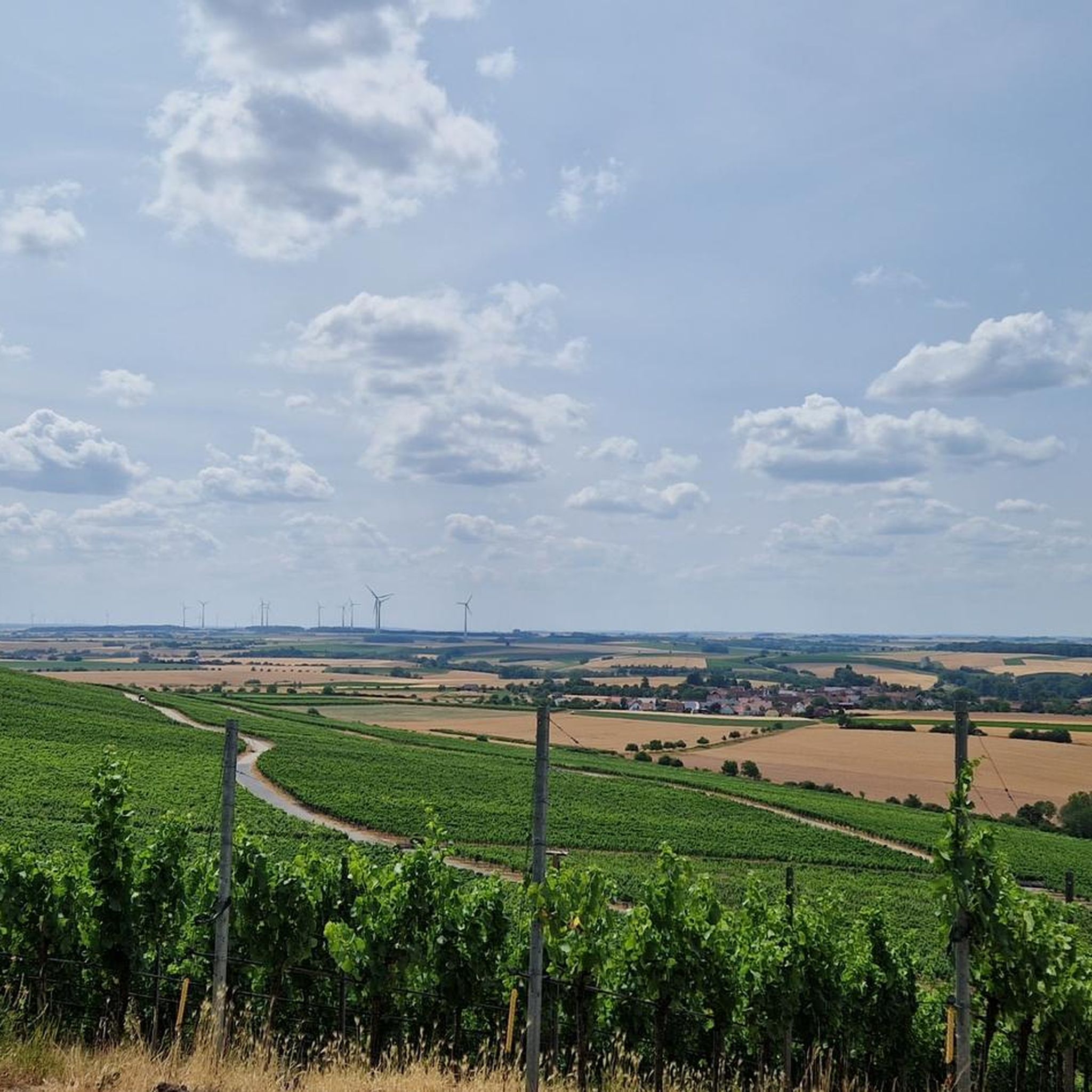
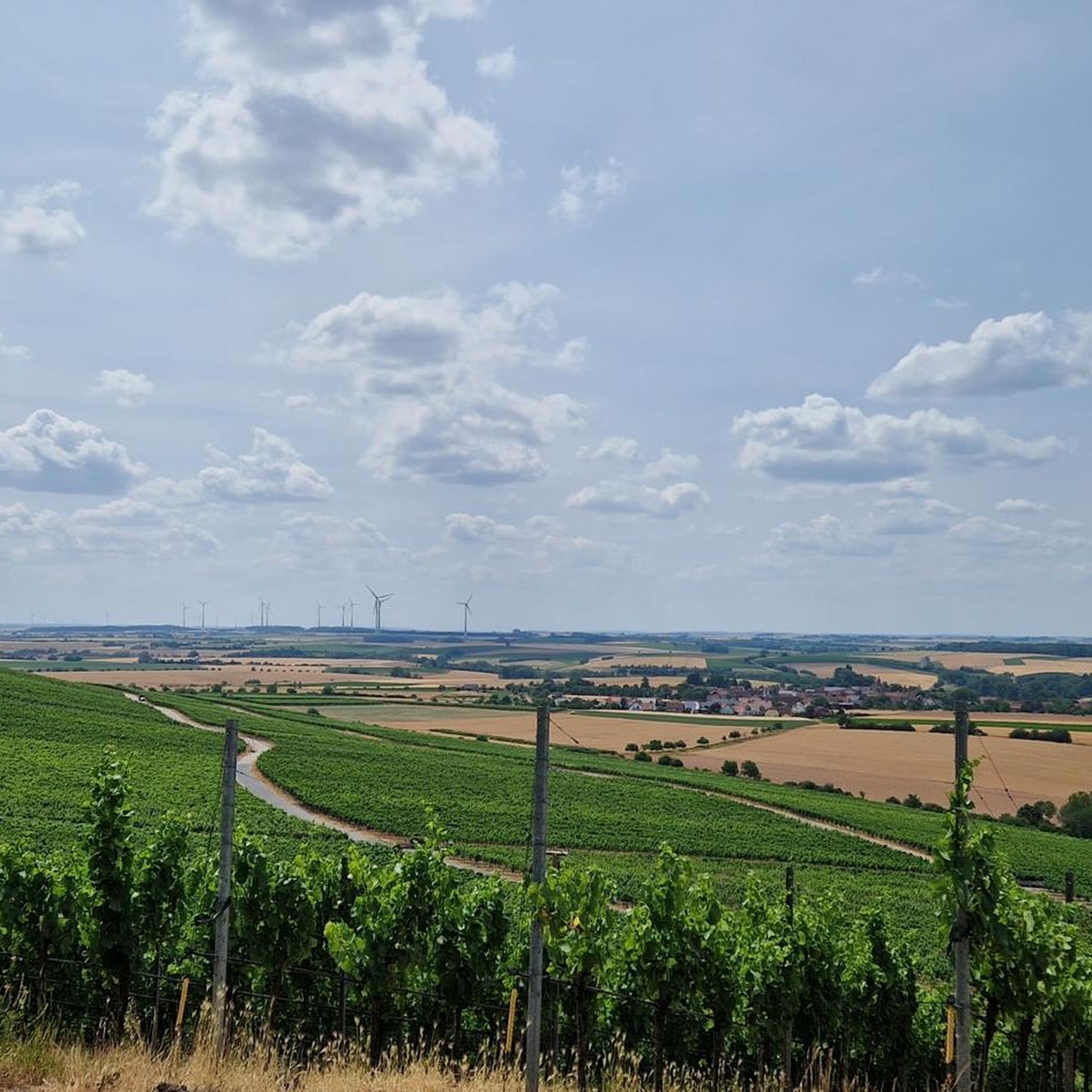
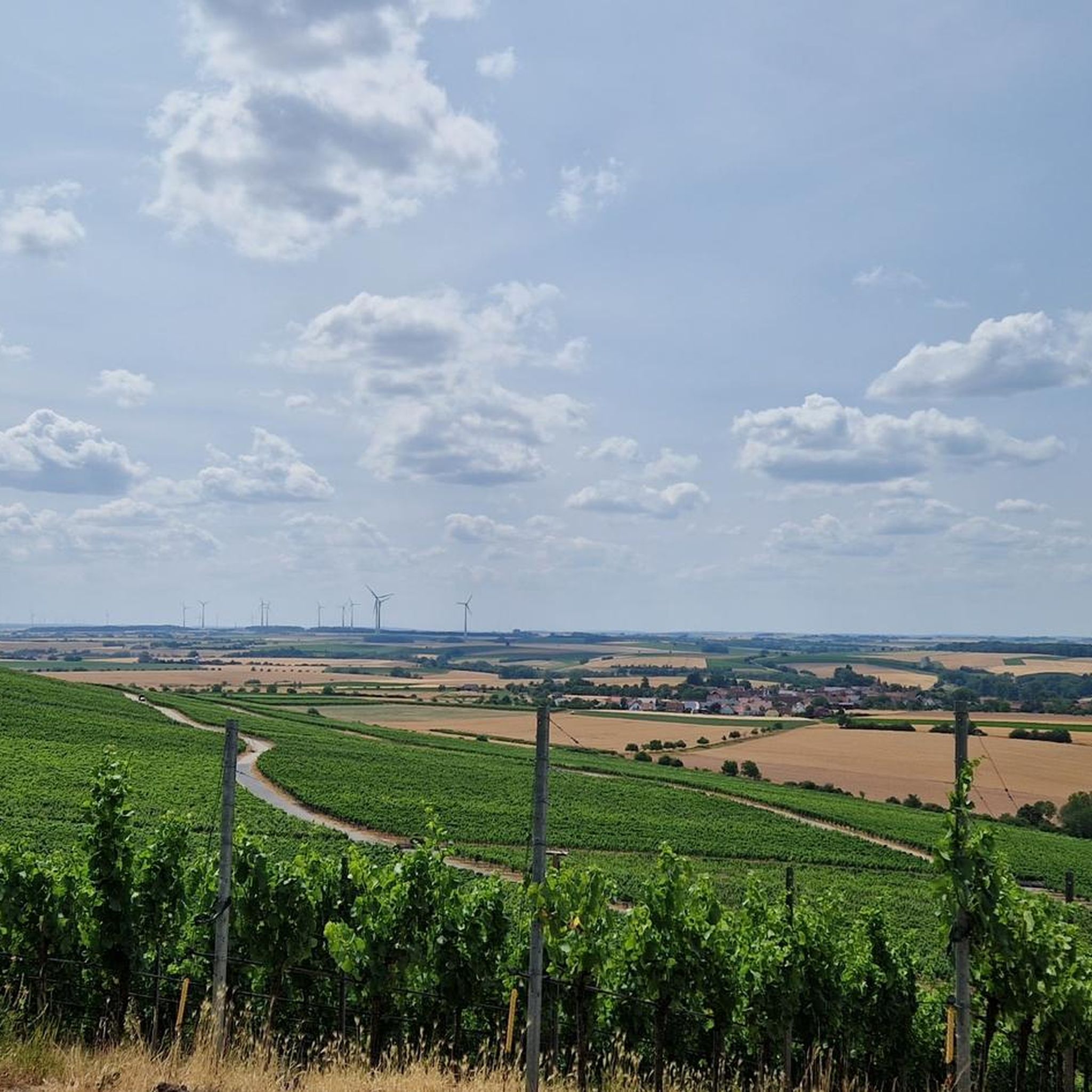
Beautiful view of Franconia
0
0
Very mysterious - I can only agree with Jörg.
0
0

The Hohenlandsberg castle ruins are the remnants of the former Hohenlandsberg castle. The castle was built in the 13th century. built. During the Peasants' War in 1525, the castle was taken unscathed by the farmers. In 1554 the castle was destroyed. Today you can enter the castle complex through a tunnel and view the ramparts, foundation walls and the entrances to the casemates.
12
0
The steep section is tough. Not for people who aren't really good on foot.
9
0

The Deusterkeller is a huge cellar complex that was originally used to store beer. The entrance seems very simple, but then opens up the huge cellar vault. Construction began around 1830. The enormous size is evidence of an early phase of individual beer production. In the 19th century, the export beer brewed here made Kitzingen famous worldwide. Today these cellars are cultural monuments and are looked after, maintained and preserved by the association "Die Deusterkeller e.V.". A tour of the cellars is highly recommended and interesting.
1
0
Frequently Asked Questions
What types of underground attractions can I explore around Seinsheim?
Around Seinsheim, you can explore a mix of natural grottoes and significant man-made underground structures. These include historical cellars like the Deuster Cellars, which were originally used for beer storage, and castle casemates found at sites such as Hohenlandsberg Castle Ruins. There are also natural rock formations and grottoes, like the Grotto viewpoint on the southern side of Schwanberg.
Are there any historical caves or underground sites in the Seinsheim area?
Yes, the region offers several historical underground sites. The Hohenlandsberg Castle Ruins feature well-preserved casemates and a tunnel entrance from a 13th-century castle. Additionally, the Deuster Cellars are a huge historical cellar complex, dating back to around 1830, which served for beer storage and are now cultural monuments offering tours.
Can I visit a natural cave with unique geological features near Seinsheim?
While not directly in Seinsheim, the broader Bavarian region offers impressive natural caves. For instance, the Teufelshöhle (Devil's Cave) near Pottenstein is known for its massive stalagmites like the 'Giant Goliath' and expansive halls. The König-Otto-Tropfsteinhöhle in Neumarkt in der Oberpfalz showcases intricate stalactites and stalagmites, and the Großes Schulerloch near Essing features a unique 'water pot' stalagmite and historical Neanderthal dwellings.
Are there any family-friendly cave experiences around Seinsheim?
The Hohenlandsberg Castle Ruins, with its exploreable casemates and tunnel entrance, is considered family-friendly. For a broader cave experience in Bavaria, the König-Otto-Tropfsteinhöhle offers guided tours with wheelchair-friendly sections, making it accessible for families. The Großes Schulerloch also provides easily passable, well-lit guided tours with engaging projections.
What kind of natural features or viewpoints can I find at the grottoes near Seinsheim?
The Grotto viewpoint on the southern side of Schwanberg is a notable natural feature. It's part of the striking Keuperstufe rock layer and offers wide, beautiful views of Franconia. This grotto is recognized as one of the 100 most beautiful geotopes in Bavaria.
Are there any caves near Seinsheim that are not open to the public?
Yes, the Höllern Gypsum Cave, located in a nature reserve south of Markt Nordheim, consists of two extensive cave systems. It is the only known leachable cave of the Gipskeuper in southern Germany and serves as a winter habitat for bats, therefore it is not open to the public.
What outdoor activities can I combine with a visit to the caves around Seinsheim?
The region around Seinsheim is excellent for various outdoor activities. You can find numerous MTB Trails, Easy Hikes, and Running Trails. For example, you could explore the Hohenlandsberg Castle Ruins and then embark on a moderate MTB route like the 'Hohenlandsberg Castle Ruins – Wine Paradise Barn loop from Seinsheim'.
Are there guided tours available for the caves in the wider Bavarian region?
Many of the prominent caves in the broader Bavarian region offer guided tours. The Teufelshöhle, König-Otto-Tropfsteinhöhle, Großes Schulerloch, and Binghöhle all provide guided experiences, often enhancing the visit with historical context, geological insights, and sometimes even special lighting or projections.
What makes the Deuster Cellars a unique historical site?
The Deuster Cellars are a unique historical site due to their enormous size and original purpose. Constructed around 1830, this vast cellar complex was crucial for storing beer, and the export beer brewed here in the 19th century brought Kitzingen worldwide fame. Today, these cultural monuments are maintained by an association and offer highly recommended tours.
What do visitors particularly appreciate about the caves and underground sites near Seinsheim?
Visitors to the caves and underground sites near Seinsheim appreciate the historical depth, such as the 13th-century casemates at Hohenlandsberg Castle Ruins, and the intriguing tours of the Deuster Cellars. The natural beauty and wide views from spots like the Grotto viewpoint on the southern side of Schwanberg are also highly valued by the komoot community.
What is the significance of the Hohenlandsberg Castle Ruins in relation to caves?
The Hohenlandsberg Castle Ruins are significant because they include well-preserved casemates and a tunnel entrance, which are man-made underground structures. These remnants of the 13th-century castle offer a glimpse into historical military architecture and provide an 'underground' exploration experience within a historical context.
Are there any caves in the region known for prehistoric findings?
Yes, the Großes Schulerloch near Essing, while not directly in Seinsheim, is a karst cave with significant historical importance. It served as a dwelling for Neanderthals during the Stone Age, and visitors can see impressive finds from this period in nearby exhibitions, making it a site rich in prehistoric context.
Most popular routes around Seinsheim
Most popular attractions around Seinsheim

Get inspired with the komoot mobile app


Explore more
Extend your search for the best caves by checking out these guides of the top ones around Seinsheim:
