Top 5 Caves around Sulzfeld am Main
Caves around Sulzfeld am Main are found in a region characterized by its position along the Main River, featuring vineyards and varied natural landscapes. The area is part of Lower Franconia, known for its geological formations and historical sites. These natural features provide opportunities for exploration and offer insights into the local geology and cultural history. The landscape around Sulzfeld am Main includes rock formations and grottoes, often integrated into hiking routes.
Best caves around Sulzfeld am Main
- The most…
Last updated: July 10, 2026
Goßmannsdorf Grotto
Highlight • Trail
Translated by Google •
Tip by

Grotto Trail
Highlight (Segment) • Trail
Translated by Google •
Tip by
Sign up now to discover places like this
Get recommendations on the best single tracks, peaks, & plenty of other exciting outdoor places.
Sign up for free
Ice Cave
Highlight • Cave
Translated by Google •
Tip by

Deuster Cellars
Highlight • Historical Site
Translated by Google •
Tip by

Grotto viewpoint on the southern side of Schwanberg
Highlight • Viewpoint
Translated by Google •
Tip by

Sign up for free to discover even more caves around Sulzfeld am Main.
Sign up for free
Already have an account?
Start today with a free account
Your next adventure awaits.
Login or Signup

Tips from the Community


S1, very blocked, nice and challenging, but not really for beginners
0
0
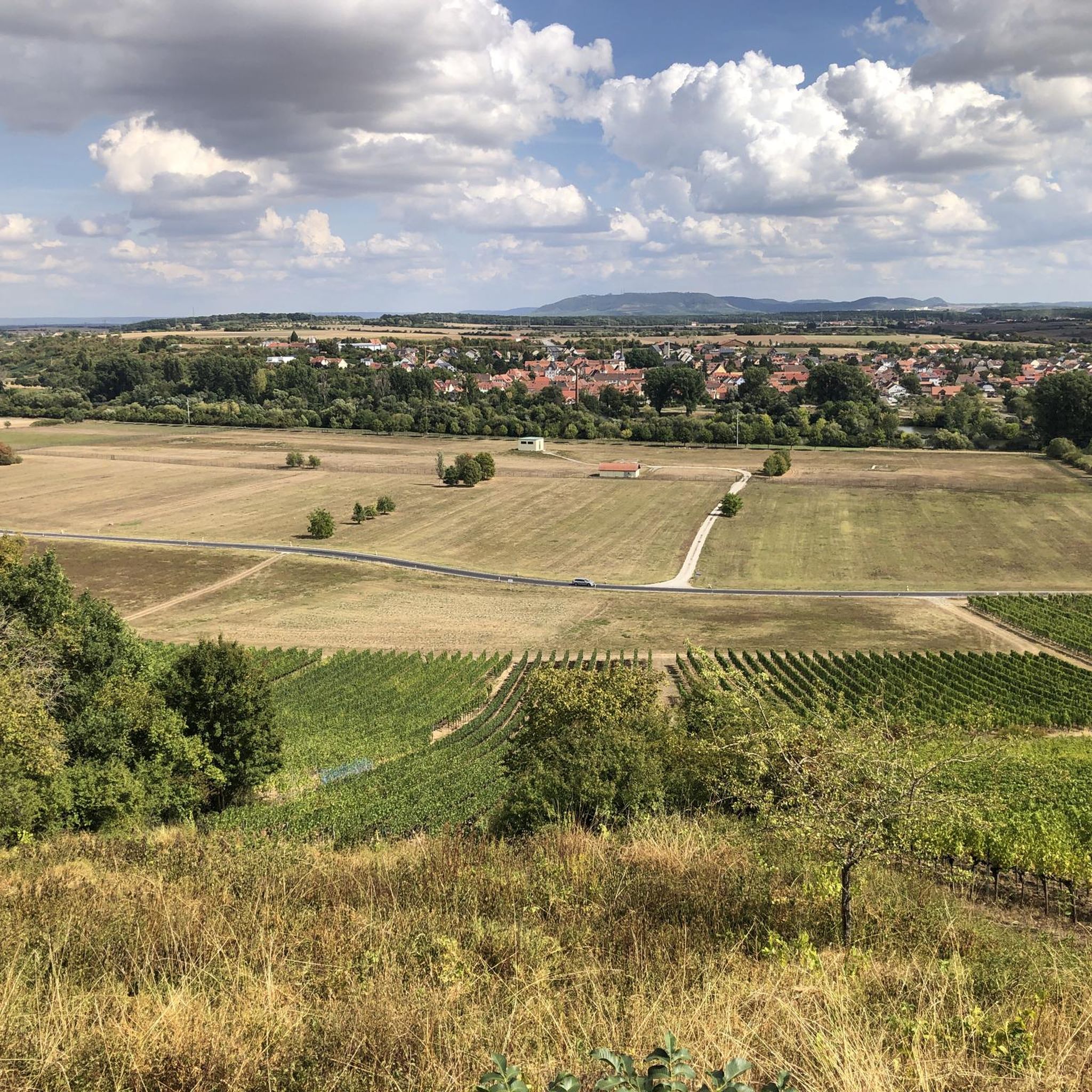
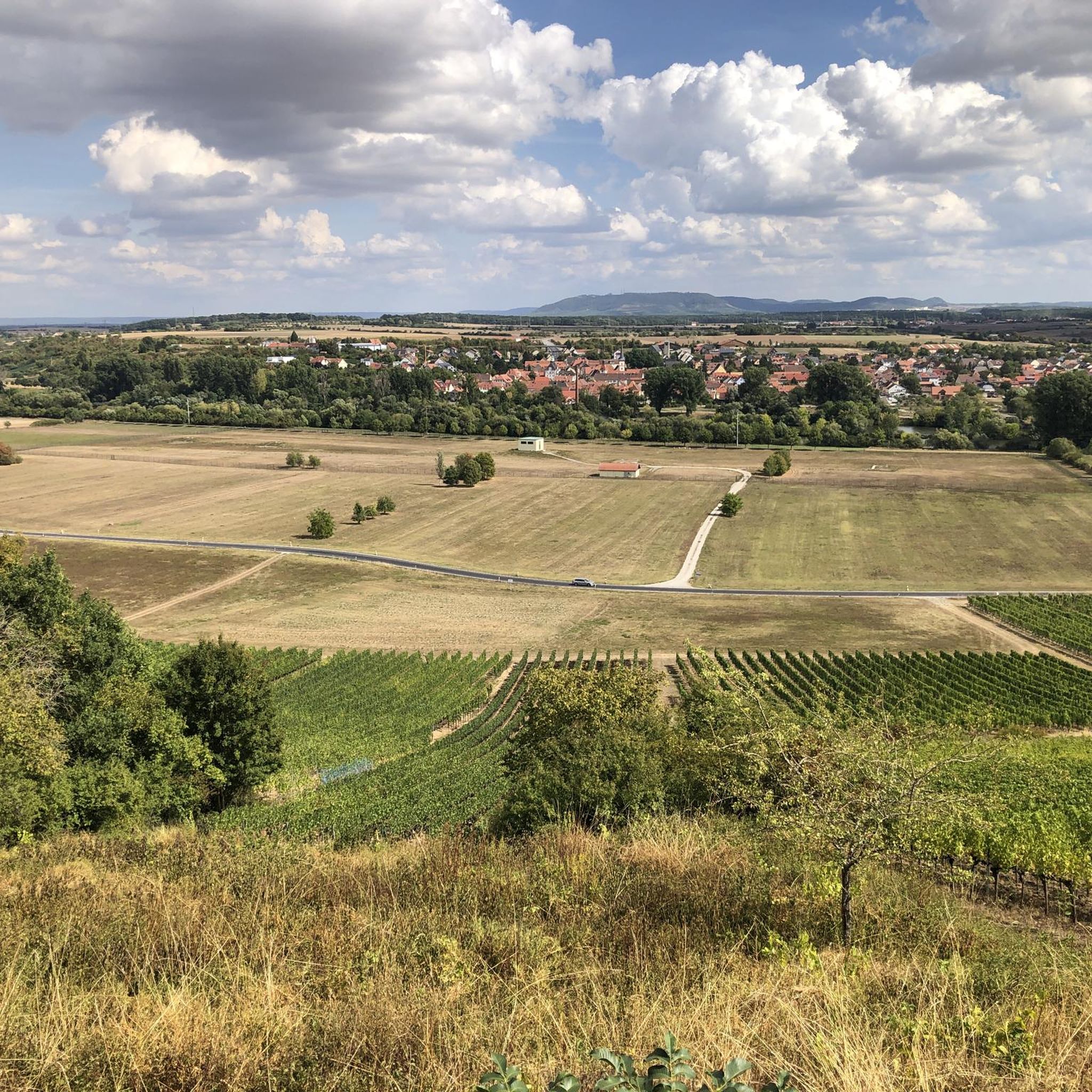
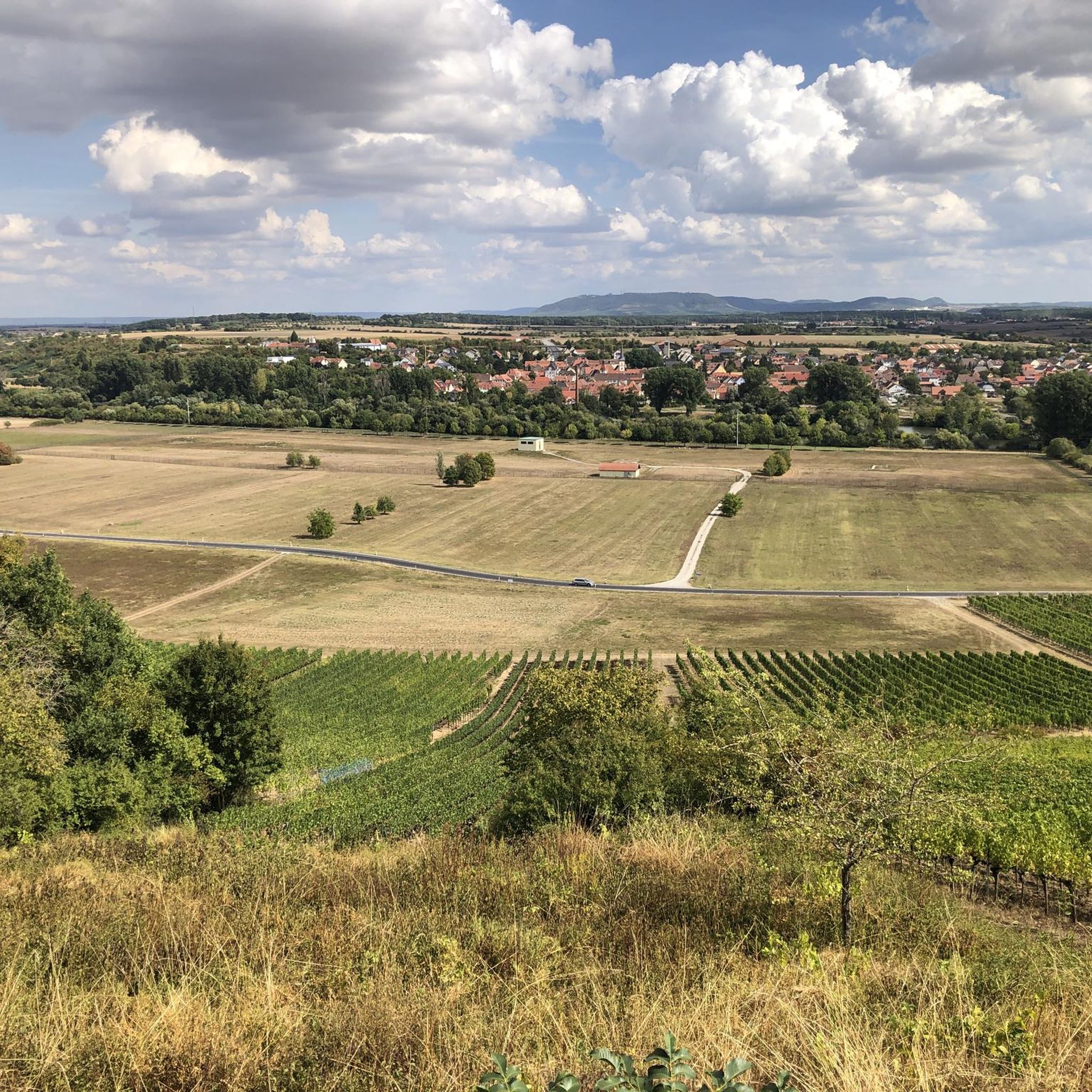
Beautiful view of Franconia
0
0
Very mysterious - I can only agree with Jörg.
0
0
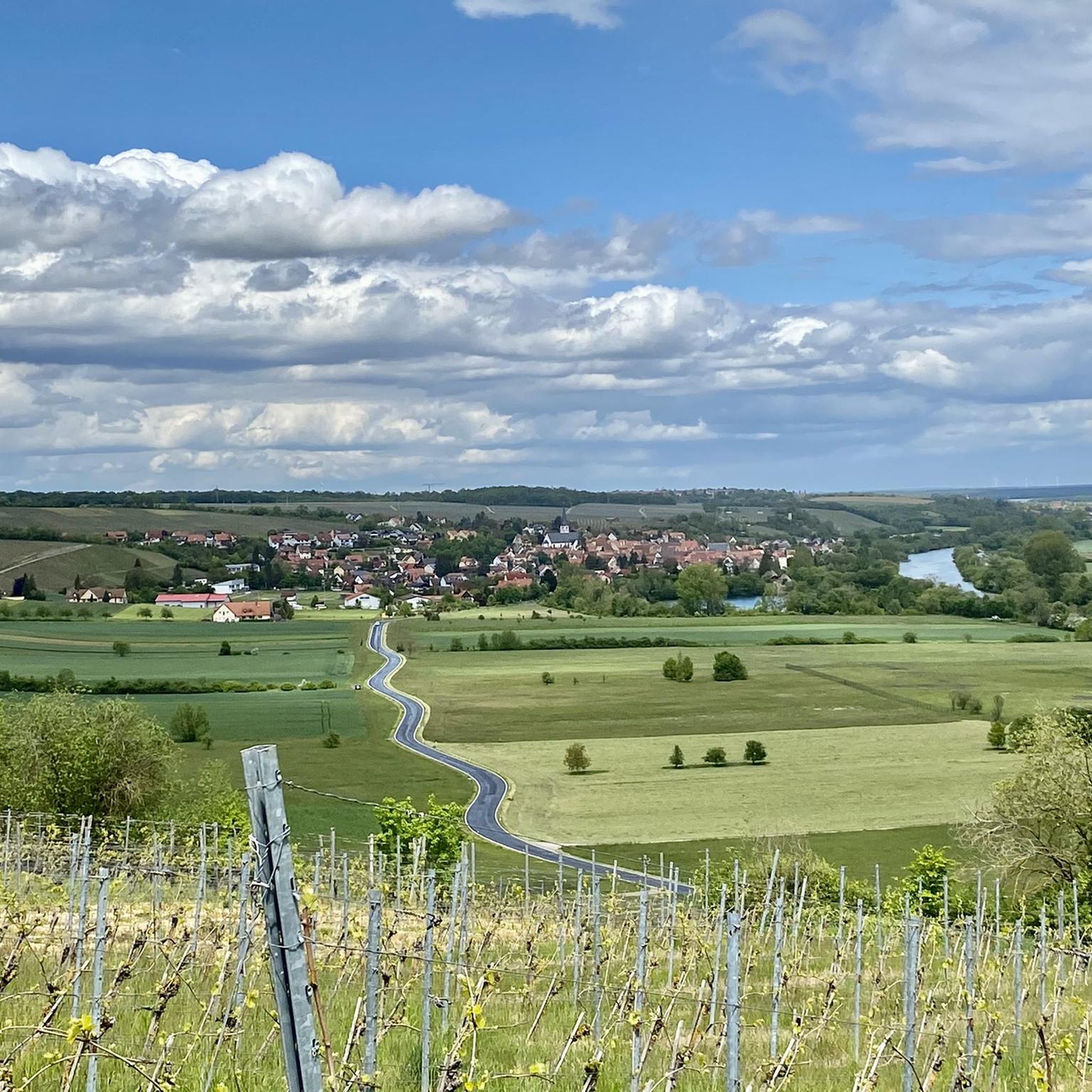
You have to like it or it also depends on the weather. Once it gets a bit wet, this trail gets extremely slippery. I would rate the difficulty as S1 from the grotto. The grotto itself is definitely a highlight. The trail is conditionally suitable for beginners.
1
0


The Deusterkeller is a huge cellar complex that was originally used to store beer. The entrance seems very simple, but then opens up the huge cellar vault. Construction began around 1830. The enormous size is evidence of an early phase of individual beer production. In the 19th century, the export beer brewed here made Kitzingen famous worldwide. Today these cellars are cultural monuments and are looked after, maintained and preserved by the association "Die Deusterkeller e.V.". A tour of the cellars is highly recommended and interesting.
1
0
Frequently Asked Questions
What types of caves and grottoes can I explore around Sulzfeld am Main?
The region offers a variety of geological formations, from natural grottoes and rock formations to historical cellar complexes. You can find impressive natural karst caves, collapsed cave ruins, and even man-made grottoes integrated into hiking trails. Examples include the Goßmannsdorf Grotto, a grotto built from boulders, and the Grotto viewpoint on the southern side of Schwanberg, known for its wide views.
Are there any historical cave sites or cellars to visit?
Yes, the area features historical sites such as the Deuster Cellars. This is a vast cellar complex in Kitzingen, originally used for beer storage, which played a significant role in the region's brewing history. It's now a cultural monument offering interesting tours. Additionally, the Oswaldhöhle near Muggendorf has remnants of a historical wall, suggesting its use as a shelter during the Thirty Years' War.
Which caves are suitable for families with children?
The Wichtelhöhlen (Gnome Caves) near Bad Kissingen are particularly appealing to children. These are not deep caves but a series of impressive red sandstone rock formations with winding passages and crevices, steeped in local legends about gnomes. The Teufelshöhle (Devil's Cave) near Pottenstein also offers engaging, guided tours with light effects and a reconstructed cave bear skeleton, making it a family-friendly experience.
What are some unique natural features of the caves in the broader Franconian region?
Franconia is rich in unique geological formations. The Riesenburg Caves near Engelhardsberg are a natural karst cave ruin, showcasing towering rock formations and natural bridges formed by a collapsed cave system. The Quackenschloss, also near Engelhardsberg, is a through-cave within a porous dolomite rock formation, designated as a significant geotope. The Zinselhöhle offers a glimpse into a fossilized limestone sea with a rushing cave creek.
Are there any challenging cave trails or routes for experienced hikers?
Yes, the Grotto Trail is described as challenging and blocked in sections, making it suitable for experienced hikers. It features a beautiful descent past a grotto. Some tips suggest it's "S1, very blocked, nice and challenging, but not really for beginners."
What outdoor activities can I combine with a visit to the caves?
Many caves are integrated into hiking routes. For instance, the Oswaldhöhle is directly on trails like the Frankenweg. You can find numerous hiking routes around Sulzfeld am Main, ranging from easy to moderate. Explore options like the "Cyriakusberg – View of Schwanberg loop" or the "Sulzfeld am Main Town Wall – Sulzfeld Main Riverfront loop." For more details, check out the Hiking around Sulzfeld am Main guide or the Easy hikes around Sulzfeld am Main guide. Mountain biking is also popular, with trails like the "Old Main Bridge, Kitzingen – Main Canal at Volkach loop" available, as detailed in the MTB Trails around Sulzfeld am Main guide.
What is the best time of year to visit the caves?
The best time depends on the specific cave. Show caves like Teufelshöhle are generally accessible year-round. However, some natural caves, like the Zinselhöhle, are closed in winter (May to September for tours) to protect bats and dormice. The Oswaldhöhle can feature beautiful ice formations in winter, offering a unique experience. For outdoor activities around the caves, spring and autumn provide pleasant hiking weather.
Are there any caves with unique geological formations or features?
Yes, the Teufelshöhle near Pottenstein is renowned for its spectacular stalactites and stalagmites, some illuminated with colored LED lights. The Zinselhöhle offers an impressive insight into a fossilized limestone sea with a rushing cave creek, showcasing ongoing natural processes that create unusual stone forms. The Teufelskeller at Gangolfsberg is a small natural cave formed by a massive rockfall from a basalt cliff, surrounded by unique basalt prism walls.
What do visitors appreciate most about the caves and grottoes in the area?
Visitors often highlight the scenic views, the historical significance, and the unique natural formations. For example, the Grotto viewpoint on the southern side of Schwanberg is praised for its wide views of the Franconian landscape and its recognition as one of Bavaria's 100 most beautiful geotopes. The Deuster Cellars are appreciated for their mysterious atmosphere and historical insights.
Are there any freely accessible caves or grottoes?
The Oswaldhöhle near Muggendorf is a freely accessible walk-through karst cave, approximately 65 meters long. Its large northern entrance and historical significance make it a popular destination for hikers. The Wichtelhöhlen near Bad Kissingen are also freely accessible rock formations that can be explored through a hike.
How long does a typical cave visit take?
For guided show caves like the Teufelshöhle near Pottenstein, a tour typically lasts around 45 minutes. For freely accessible grottoes or rock formations like the Oswaldhöhle or Wichtelhöhlen, the duration of your visit depends on how much you wish to explore and if you combine it with a longer hike.
Are there any caves known for wildlife or conservation efforts?
The Zinselhöhle is closed in winter to protect rare bats and dormice that hibernate there, highlighting its importance for local wildlife. The Wichtelhöhlen are also a protected environmental area, providing shelter for small animals during hibernation, adding to their ecological significance.
Most popular routes around Sulzfeld am Main
Most popular attractions around Sulzfeld am Main

Get inspired with the komoot mobile app


Explore more
Extend your search for the best caves by checking out these guides of the top ones around Sulzfeld am Main:
