Top 3 Caves around Neustadt am Main
Caves near Neustadt am Main are primarily found within the Spessart Nature Park, a region characterized by dense forests and its location along the Main River. While the area's Bunter sandstone geology does not typically support extensive karst cave systems, visitors can discover natural rock formations, historical sites, and man-made underground structures. These features offer insights into the region's natural landscape and cultural past.
Best caves around Neustadt am Main
- The most popular caves is The Stone House of Lohr…
Last updated: October 13, 2026
The Stone House of Lohr
Highlight • Cave
Translated by Google •
Tip by

Schächerloch Cave
Highlight • Cave
Translated by Google •
Tip by
Sign up now to discover places like this
Get recommendations on the best single tracks, peaks, & plenty of other exciting outdoor places.
Heidenloch Cave and Devil's Rock
Highlight • Cave
Translated by Google •
Tip by

Old Cellar of the Former Betzenmühle
Highlight • Historical Site
Translated by Google •
Tip by
Historic Beer Cellar Zum Spessart
Highlight • Historical Site
Translated by Google •
Tip by

Start today with a free account
Your next adventure awaits.
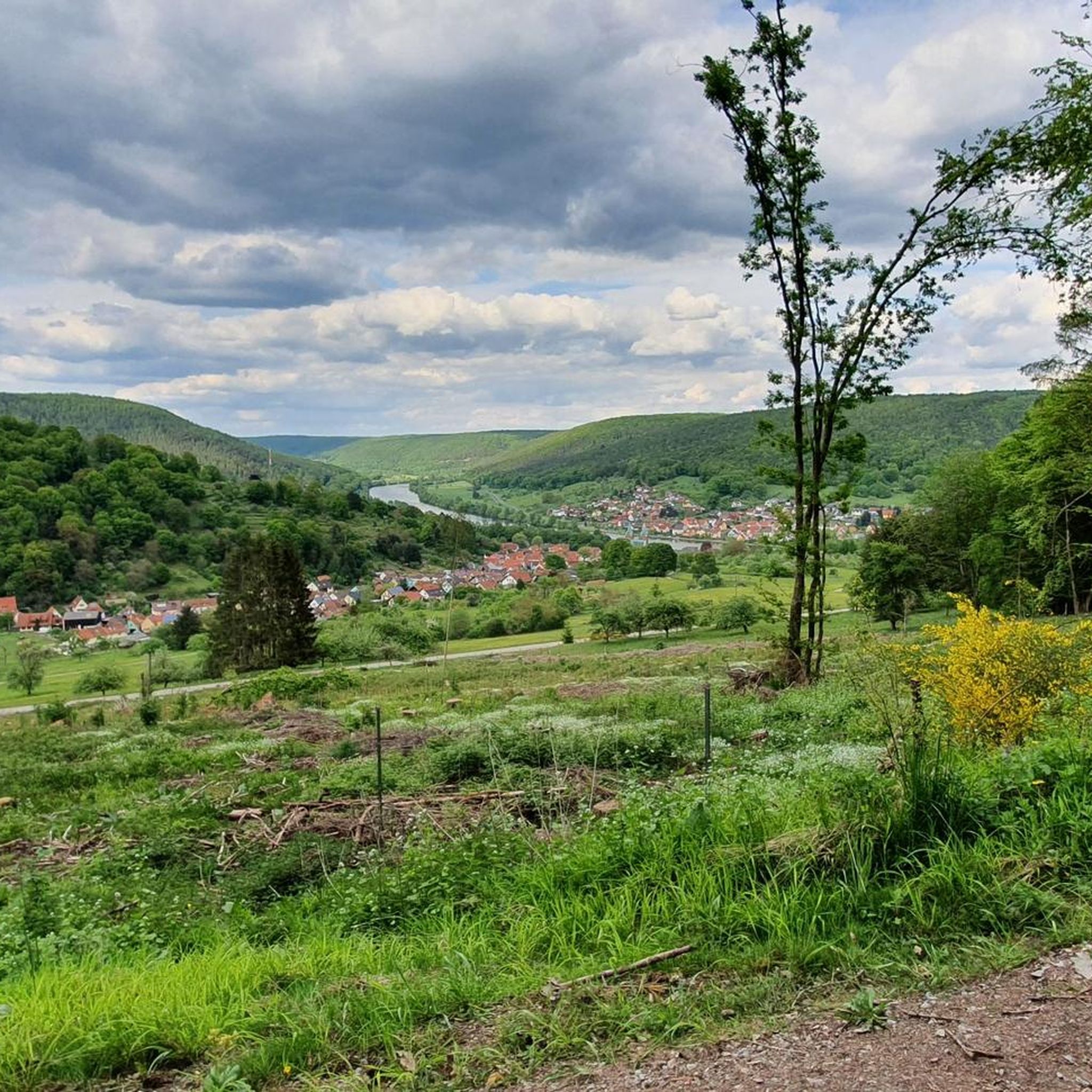

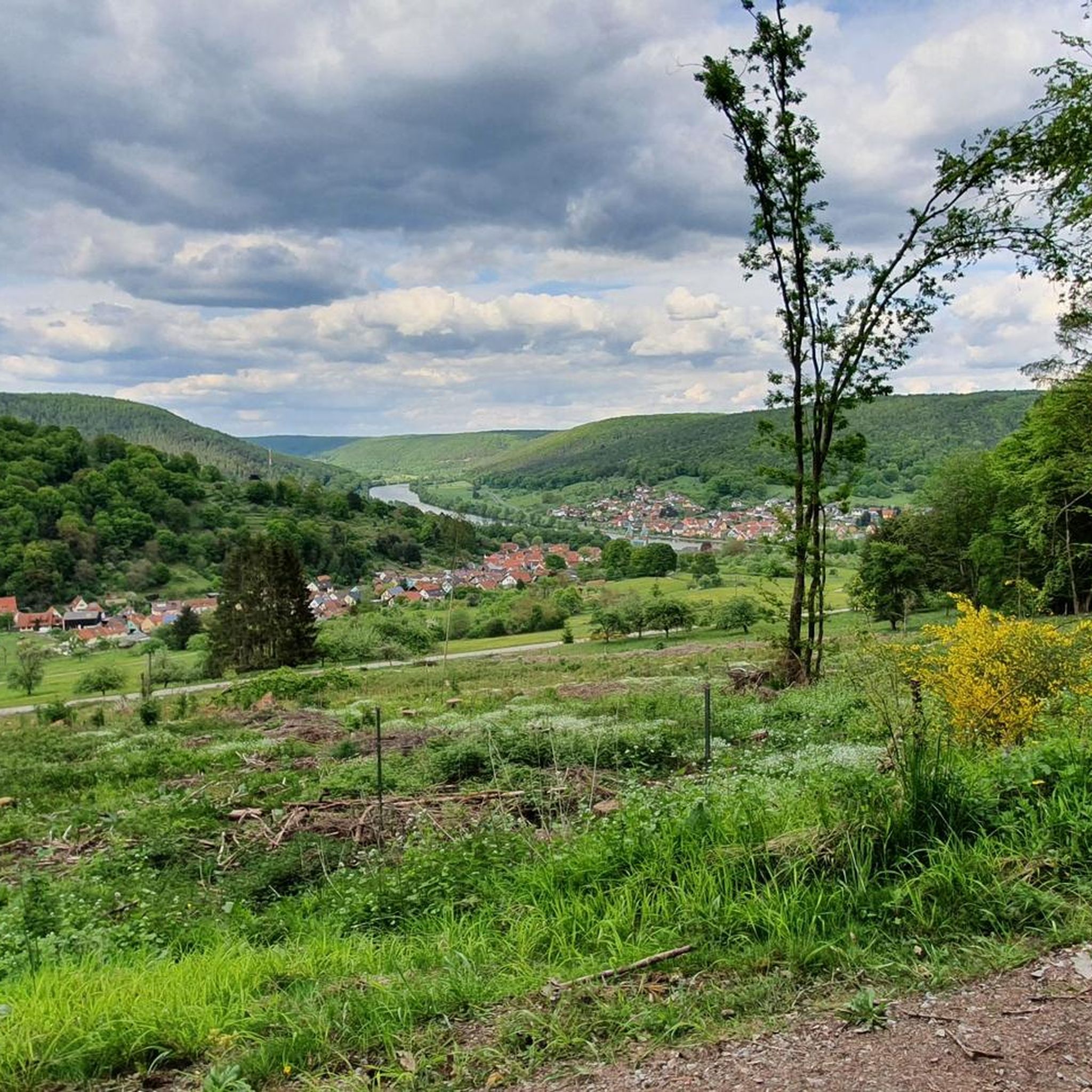
Other adventures around Neustadt am Main

Tips from the Community


It looks more like the entrance to "hell".
2
0

The Schächerloch (Rogue's Hole) The name of this natural crevice cave comes from "Schächer," an old term for "robber" or "murderer." It is a natural monument and belongs to the municipality of Esselbach. The entrance leads about four meters into the cave. Passages continue to the left and right, but these are now mostly filled in. According to old accounts, there used to be a large, domed chamber and a watercourse in the cave after about 70 meters. Caves made of red sandstone are rare and exert a special attraction. This is also evidenced by a vast cycle of legends surrounding the Schächerloch. The folklorist Barbara Grimm once counted 105 legends. For example, Emperor Charles IV is said to have been hidden here on his journey to Canossa, and during the Thirty Years' War, the rest of the Steinmark population is said to have survived here, while a Swedish horseman is said to have perished here (hence the name "Schwedenloch" - "Swedish Hole"). The Schächerloch (Rogue's Hole) is known as a place of treasure hunts with disastrous outcomes and as the abode of monsters, stalkers, and giants. Furthermore, a mountain spirit is said to dwell here with a yew tree and a gray bird. Using a twig from this yew as a divining rod, one can supposedly find all the treasures of the world. This extraordinary array of stories could also indicate that the Schächerloch was once a cult site. Stone axe finds certainly point to a prehistoric significance. Source: Information panel at the site
2
0


It's slippery down into the depths of the Spessart forest here... Be careful at the leafy drop-off... it's quite fluffy.
8
0
Frequently Asked Questions
Are there natural caves to explore near Neustadt am Main?
While the Spessart region, primarily composed of Bunter sandstone, doesn't feature extensive karst cave systems like other parts of Germany, you can find interesting natural rock formations and smaller grottoes. These often hold historical or cultural significance, such as The Stone House of Lohr, which served as a shelter, or the intriguing Heidenloch Cave and Devil's Rock.
What kind of natural features can I expect to see in the caves around Neustadt am Main?
The caves and grottoes in this area are primarily natural rock formations, often integrated into the forest landscape. You'll encounter unique geological structures and historical sites rather than large stalactite or stalagmite formations. For example, The Stone House of Lohr is a surprisingly spacious rock shelter in a former quarry, surrounded by moss-covered stones and beech trees, giving it a mystical feel.
Are there any historical caves or sites with cultural significance?
Yes, several sites combine natural formations with rich history. Heidenloch Cave and Devil's Rock is steeped in local legends dating back to the Christianization of Franconia. Another example is the Old Cellar of the Former Betzenmühle, a natural stone vault that was once part of a gypsum mill, offering a glimpse into the region's industrial past.
What is the difficulty level for exploring these cave sites?
Most of the cave sites around Neustadt am Main are accessible via intermediate trails. Some, like The Stone House of Lohr, are considered intermediate. However, sites like Schächerloch Cave are rated as challenging due to slippery and steep descents into the forest, requiring caution. Always check the specific highlight details for current conditions and difficulty ratings.
Are there family-friendly options for cave exploration?
While some sites involve intermediate hiking, many of the natural rock formations and historical cellars can be interesting for families. For example, the legends surrounding Heidenloch Cave and Devil's Rock can spark imagination. Always consider the difficulty ratings and tips for each specific highlight to ensure it's suitable for your family's abilities.
Can I bring my dog to these cave sites?
Information on dog-friendliness varies by specific location. Generally, natural outdoor sites in the Spessart Nature Park are dog-friendly, provided dogs are kept on a leash. However, for specific cave interiors or historical sites, it's best to check local signage or visitor information. For trails leading to these sites, dogs are usually welcome.
What other outdoor activities can I do near the caves?
The Spessart Nature Park, where Neustadt am Main is located, offers a variety of outdoor activities. You can find numerous hiking trails, from easy strolls to more challenging routes, as well as extensive cycling paths. For example, explore the easy hikes around Neustadt am Main or enjoy traffic-free bike rides along the Main River.
Are there hiking trails that incorporate these cave sites?
Yes, many of the cave sites are integrated into existing hiking networks. For instance, Schächerloch Cave is located within a forest, making it a point of interest on a longer hike. Similarly, The Stone House of Lohr is often part of circular walks. You can find various hiking guides that pass by these natural and historical landmarks.
What is the best time of year to visit the caves around Neustadt am Main?
The caves and grottoes, being mostly outdoor rock formations, can be visited year-round. Spring and autumn offer pleasant temperatures for hiking to these sites, with vibrant foliage or blooming nature. Summer is also suitable, though trails might be busier. Winter visits can be atmospheric, but some paths might be slippery due to ice or snow, especially around sites like Schächerloch Cave.
Are there any unique or hidden cave spots worth discovering?
Beyond the more recognized sites, the region holds smaller, less obvious spots. For instance, the Historic Beer Cellar Zum Spessart, built into the rock, is a unique highlight that you might not expect. It offers a vivid impression of historical usage and has been partially renovated, providing a glimpse into local heritage.
Where can I find refreshments or accommodation near these cave sites?
Neustadt am Main and surrounding villages offer various options for refreshments and accommodation. While specific cafes or pubs might not be directly adjacent to every cave site, you'll find establishments in the nearby towns. It's advisable to plan your route and check for options in Neustadt am Main itself or other communities within the Spessart Nature Park.
How accessible are the caves by public transport or car?
Accessibility varies by site. Many of the cave locations are situated within the Spessart Nature Park, often requiring a short hike from the nearest road or parking area. While Neustadt am Main has some public transport connections, reaching specific, more remote cave sites might be easier by car, followed by a walk. Always check the exact location and trail access for each highlight.
Most popular routes around Neustadt am Main
Most popular attractions around Neustadt am Main

Get inspired with the komoot mobile app


Explore more
Extend your search for the best caves by checking out these guides of the top ones around Neustadt am Main:
