Top 5 Caves around Triefenstein
Caves around Triefenstein are situated within the Franconian Muschelkalk landscape, often near the Main River valley and its vineyards. This region combines geological formations with notable historical and religious sites. The area offers opportunities to explore natural features alongside cultural landmarks, providing a diverse experience for visitors.
Best caves around Triefenstein
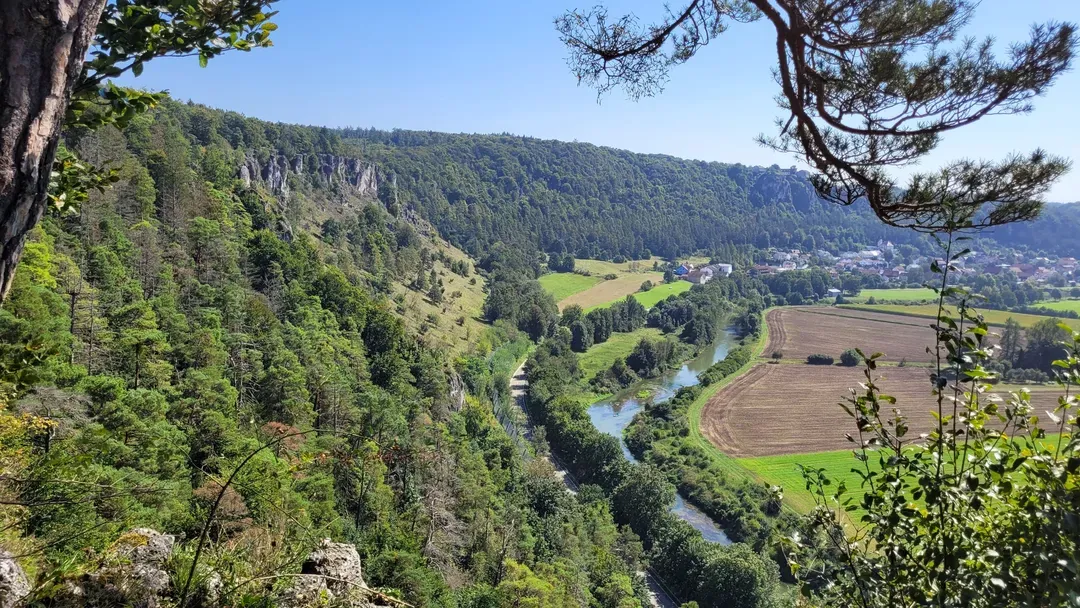
- The most popular caves is Begharden Cave Niklashausen, a cave and viewpoint. This small cave above Niklashausen offers a magnificent view of the surrounding area.
- Another must-see spot…
Last updated: June 26, 2026
Schächerloch Cave
Highlight • Cave
Translated by Google •
Tip by

Heidenloch Cave and Devil's Rock
Highlight • Cave
Translated by Google •
Tip by

Sign up now to discover places like this
Get recommendations on the best single tracks, peaks, & plenty of other exciting outdoor places.
Sign up for free
Begharden Cave Niklashausen
Highlight • Cave
Translated by Google •
Tip by

Fischersgraben Cave at the foot of Edelberg
Highlight • Cave
Translated by Google •
Tip by
Burkardus Crypt and Stalactite Cave
Highlight • Cave
[tourismus-triefenstein.de]
Translated by Google •
Tip by

Start today with a free account
Your next adventure awaits.
Login or Signup
Other adventures around Triefenstein

Tips from the Community


It looks more like the entrance to "hell".
2
0

The Schächerloch (Rogue's Hole) The name of this natural crevice cave comes from "Schächer," an old term for "robber" or "murderer." It is a natural monument and belongs to the municipality of Esselbach. The entrance leads about four meters into the cave. Passages continue to the left and right, but these are now mostly filled in. According to old accounts, there used to be a large, domed chamber and a watercourse in the cave after about 70 meters. Caves made of red sandstone are rare and exert a special attraction. This is also evidenced by a vast cycle of legends surrounding the Schächerloch. The folklorist Barbara Grimm once counted 105 legends. For example, Emperor Charles IV is said to have been hidden here on his journey to Canossa, and during the Thirty Years' War, the rest of the Steinmark population is said to have survived here, while a Swedish horseman is said to have perished here (hence the name "Schwedenloch" - "Swedish Hole"). The Schächerloch (Rogue's Hole) is known as a place of treasure hunts with disastrous outcomes and as the abode of monsters, stalkers, and giants. Furthermore, a mountain spirit is said to dwell here with a yew tree and a gray bird. Using a twig from this yew as a divining rod, one can supposedly find all the treasures of the world. This extraordinary array of stories could also indicate that the Schächerloch was once a cult site. Stone axe finds certainly point to a prehistoric significance. Source: Information panel at the site
2
0


It's slippery down into the depths of the Spessart forest here... Be careful at the leafy drop-off... it's quite fluffy.
8
0

In the year 753, St. Burkardus, founder and first bishop of the diocese of Würzburg, died in this stalactite cave.
1
0

small cave above Niklashausen
10
0
The cave is no longer very close - but nice to look at
9
0
Frequently Asked Questions
What makes the caves around Triefenstein unique?
The caves in Triefenstein, particularly the Burkardus Crypt and Stalactite Cave, are unique for their blend of geological rarity within the Franconian Muschelkalk landscape and deep historical-religious significance. They often intertwine with local legends and serve as cultural landmarks.
Are there any historical or religious caves in Triefenstein?
Yes, Triefenstein is known for its historical and religious caves. The most prominent is the Burkardus Crypt and Stalactite Cave, a pilgrimage site associated with Saint Burkard. Another is Heidenloch Cave and Devil's Rock, which has local legends from the Christianization of Franconia.
What is the significance of the Burkardus Crypt and Stalactite Cave?
The Burkardus Crypt and Stalactite Cave holds significant religious history. Legend states that Saint Burkard, the first Bishop of Würzburg, sought refuge here in 754. It became a pilgrimage site after an alleged miraculous healing in the 18th century and houses an altar dedicated to Saint Burchard. Homburg Catholics still undertake a procession to the grotto on Saint Burkard's feast day in October.
How can I access the Burkardus Crypt and Stalactite Cave?
The Burkardus Crypt and Stalactite Cave is accessible from Homburg Castle. You follow a path past a red half-timbered house and descend 50 steps. Keys for visiting the grotto can be obtained from several local points, including Metzgerei Tritschler, Günther Michael at Homburg Castle, Konrad Bauer, Angelika Blank, Johannes Follmer at Papiermühle Homburg, and Josef Kuhn. There is no entrance fee.
Are there family-friendly caves to visit in the Triefenstein area?
Yes, the Fischersgraben Cave at the foot of Edelberg is considered family-friendly. It's described as an old hacking hideout and an adventure for children. The Burkardus Crypt and Stalactite Cave is also open to all visitors and offers a unique historical experience.
Are there any challenging caves for experienced explorers?
For those seeking a more challenging experience, the Schächerloch Cave is a natural monument within the forest that is described as challenging. Visitors should be cautious due to potentially slippery conditions and a leafy drop-off at the entrance.
What should I know about visiting Heidenloch Cave and Devil's Rock?
The Heidenloch Cave and Devil's Rock is an intermediate natural monument with historical significance and local legends. However, it has been closed to the public since a fatal accident occurred in the cave in 1981.
What kind of geological features can be found in Triefenstein's caves?
The caves in Triefenstein are situated within the Franconian Muschelkalk landscape. The Burkardus Crypt and Stalactite Cave is a stalactite cave, indicating the presence of dripstone formations, though it appears rather barren today. The powerful tufa rock on which Homburg Castle stands contains this grotto.
What outdoor activities can I do near these caves?
The Triefenstein region offers various outdoor activities. You can find MTB Trails, Road Cycling Routes, and Running Trails. Popular routes include those around Homburg Castle on the Main and trails with views of Kloster Triefenstein.
Where can I park when visiting the caves, especially near Homburg Castle?
When visiting the Burkardus Crypt and Stalactite Cave, which is located beneath Homburg Castle, parking is generally available in the vicinity of Homburg Castle. Specific parking options may vary, so it's advisable to check local signage upon arrival.
What do visitors enjoy most about the caves around Triefenstein?
Visitors appreciate the unique combination of natural beauty and historical significance. The Begharden Cave Niklashausen is loved for its magnificent views, while the Fischersgraben Cave is noted for sparking imagination and being an adventure for children. The historical narratives and legends associated with sites like the Burkardus Crypt also add to the appeal.
Most popular routes around Triefenstein
Most popular attractions around Triefenstein

Get inspired with the komoot mobile app


Explore more
Extend your search for the best caves by checking out these guides of the top ones around Triefenstein:
