Top 7 Lakes around Süderholz
Best lakes around Süderholz are found in a region characterized by its natural water bodies, including glacial lakes and smaller ponds. Süderholz is situated south of Stralsund in Mecklenburg-Vorpommern, an area known for its diverse landscapes. The nearby Borgwallsee, a significant glacial lake, serves as a natural attraction, offering opportunities for nature observation. This area provides a mix of protected natural reserves and accessible water features for exploration.
Best lakes around Süderholz
- The most popular lakes is Söllkensee near Potthagen…
Last updated: June 26, 2026
Museum Harbour Greifswald
Highlight • Historical Site
Translated by Google •
Tip by

Söllkensee near Potthagen
Highlight • Lake
Translated by Google •
Tip by

Sign up now to discover places like this
Get recommendations on the best single tracks, peaks, & plenty of other exciting outdoor places.
Sign up for free
Berthold-Beitz Square and University Pond
Highlight • Structure
Translated by Google •
Tip by

Söllkensee
Highlight • Lake
Translated by Google •
Tip by

Bench at Söllkensee
Highlight • Lake
Translated by Google •
Tip by
Sign up for free to discover even more lakes around Süderholz.
Sign up for free
Already have an account?
Start today with a free account
Your next adventure awaits.
Login or Signup

Tips from the Community

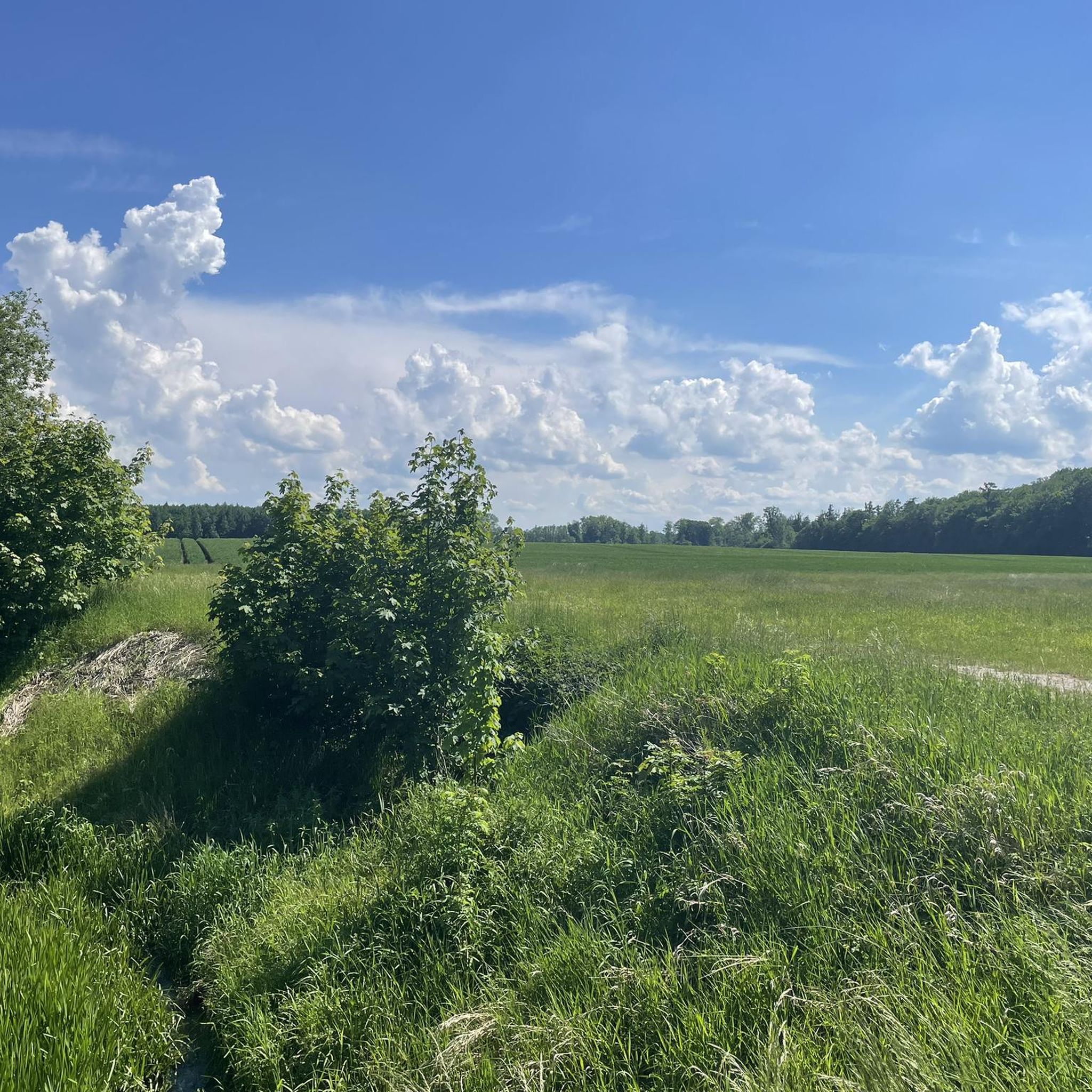
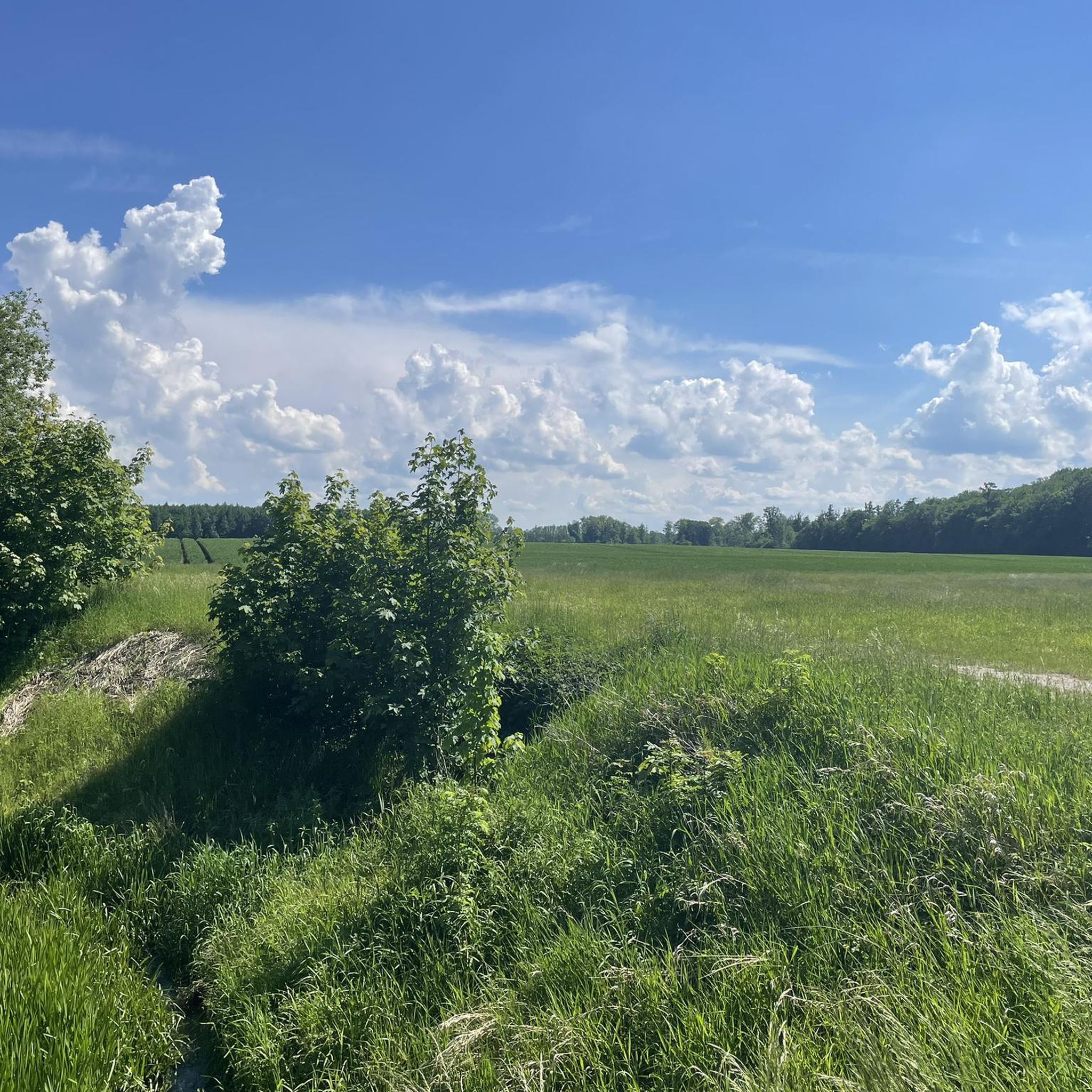
The Söllkensee was created in the 19th century by peat extraction in "Küsterbäcks Moor", a meltwater channel of the Greifswald terminal moraine. Today it is a natural monument and spawning ground for common toads and moor frogs. In the north-eastern part, the new siltation process is clearly visible. A cotton grass peat bog has formed here, which is partly forested with downy birches.
4
0
The benches you find here are old and no longer usable. Don't forget mosquito spray! Nevertheless, the area around the Sölkensee is very beautiful.
2
0


The new campus of Greifswald University with the institutes for natural sciences and medicine is located at Berthold-Beitz-Platz. The university hospital with its beautifully landscaped pond is also located near the square.
2
0

The Söllkensee is not written "Sölkensee" but "Söllkensee". The Söllkensee is a bog in the Helmshagener Forest. The Söllkensee was created in the 19th century by peat extraction in "Küsterbäcks Moor", a meltwater channel of the Greifswald terminal moraine. Today it is a natural monument and spawning ground for common toads and moor frogs. In the north-eastern part, the new siltation process is clearly visible. A cotton grass peat bog has formed here, which is partly forested with downy birches (bot.: sheath cotton grass peat moss community, Eriophoro-Sphagnetum recurvi). The floating pondweed (Potamogeton natans) can be discovered in the open water area. The name of the Söllkensee is probably derived from the word "Soll", which describes Ice Age dead ice holes in the north German lowlands and was used here in a somewhat broader sense for a small body of water. Originally, the locals called the lake "dat Sülkenmuur" and at the end of the 19th century it developed into an attraction for those seeking relaxation, who traveled especially with the small train from Greifswald. According to legend, an old privy councilor from Charlottenburg walked here. Impressed by the place, he suggested to the owner of the inn in Potthagen that they set up signposts from the village to the lake and thus show the excursionists the beauty of the area. However, according to the legend, the old privy councilor found the name “Sülkenmuur” too daunting and boggy. And so the “Sülkenmuur” became the Sölkensee. Both names – Sölkensee and Söllkensee – are common today. North of the Söllkensee is the Plagens lime tree. It is said that the forest warden Plagens planted this tree in 1933 and built a bench next to it to enjoy his retirement here. Link: https://weithagen.info/naturweit/soellkensee/
3
0

The Sölkesee is a natural monument and spawning ground for common toads and moor frogs. The fish species found at the Sölkensee include eels, perch, pike, tench, bream, roach, rudd and crucian carp.
0
0

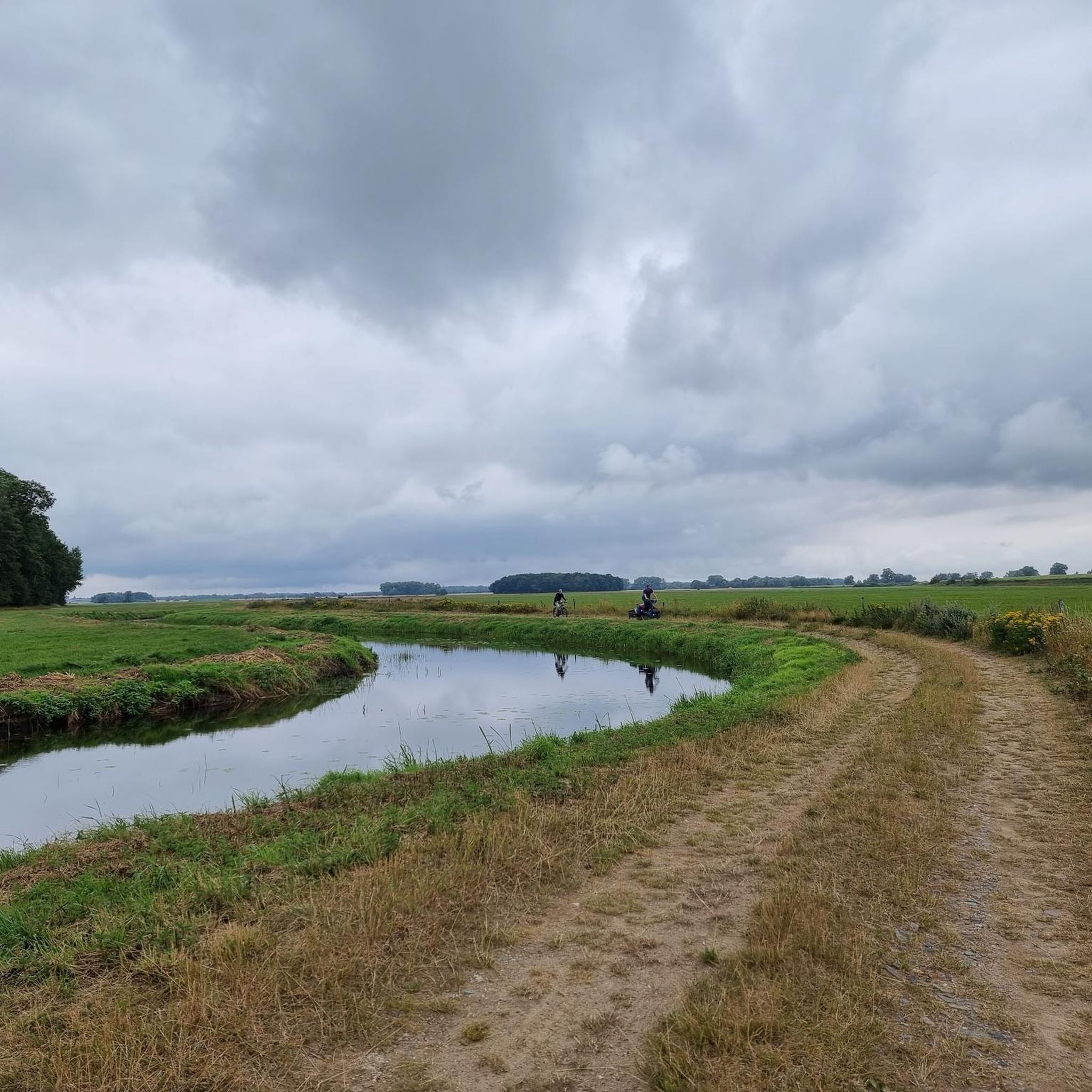
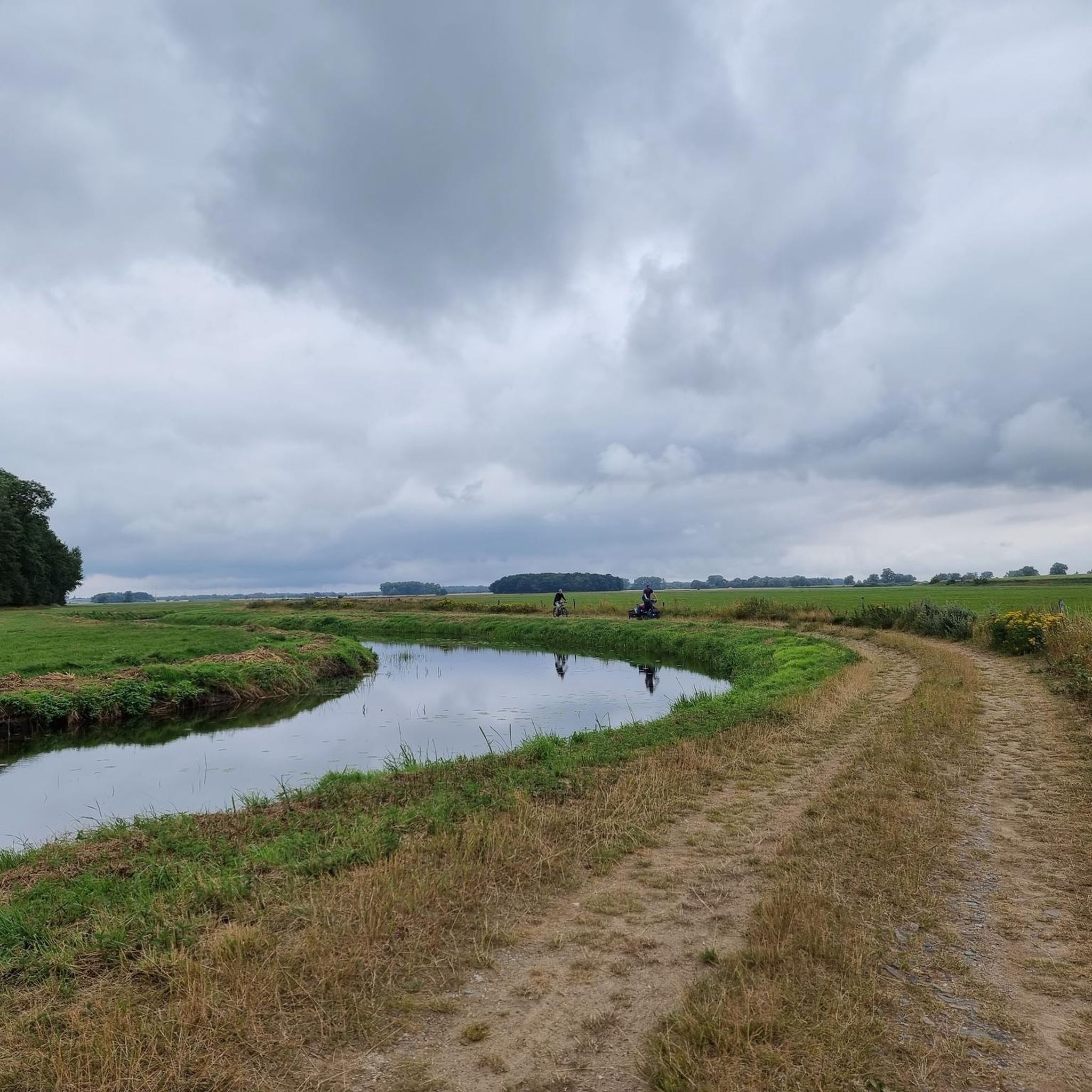
For a long time, the Ryck was the main artery of the city of Greifswald. Greifswald had belonged to the Hanseatic League since 1310, and the port was a popular transhipment point, especially for ships from Scandinavia and Russia. The ships came from the Vorhafen in Wyk via the Ryck to the port of Greifswald, but it was often a very tedious affair. Because of the shallow fairway, ships often had to be lightened, and the westerly winds that prevailed here made it difficult to sail to the port. So the sailing ships and also the first machine-driven ships were towed from the outer harbor in Wyk to the port of Greifswald. Shipping in Greifswald flourished in the mid-19th century. The Ryck's fairway was dredged and with the demolition of the fortifications more space was created for the port. At that time, the Greifswald merchant fleet consisted of up to 50 seagoing ships, mostly brigs, the larger ones sailed to the Black Sea, to America, the East Indies and China. However, the conditions were so unfavorable that in the 19th century the port of Greifswald lost its importance, the port developed into an inland port, into which only smaller cargo ships used inland traffic (summarized by the information boards along the Ryck)
13
0

The city's chill-out zone
20
1
Frequently Asked Questions
What types of lakes can I explore around Süderholz?
The region around Süderholz features a diverse range of water bodies, including glacial lakes, ponds created by peat extraction, and beautifully landscaped university ponds. These offer varied natural and recreational experiences.
Are there any natural monuments among the lakes?
Yes, the Söllkensee near Potthagen is a natural monument. It was formed in the 19th century through peat extraction and now serves as an important spawning ground for common toads and moor frogs.
What are the recreational opportunities at Borgwallsee?
The Borgwallsee, located southwest of Stralsund, is primarily valued for nature observation due to its role as a drinking water reservoir. While water activities are restricted and boating is prohibited, you can enjoy tranquil hiking trails, especially along its southern, wooded shore. It's an excellent spot for observing diverse flora and fauna, including rare species like the white-tailed eagle.
Can I swim in the lakes around Süderholz?
Swimming opportunities vary by lake. At Borgwallsee, bathing is only permitted in designated areas due to its function as a drinking water source. For other smaller ponds like Söllkensee, they are generally not suitable for swimming but are great for resting and nature observation.
Are there family-friendly lakes or activities available?
Many lakes in the area, such as Söllkensee near Potthagen and the Pond in the Arboretum, are considered family-friendly, offering pleasant spots for lingering and relaxation. The Borgwallsee also provides tranquil trails suitable for family walks and nature observation.
What kind of hiking and cycling trails are available near the lakes?
You can find various trails suitable for hiking and cycling. For instance, the Borgwallsee offers tranquil hiking trails along its shores. For more structured routes, you can explore options like the 'View of Greifswalder Wiek – Söllkensee loop' for mountain biking or several road cycling routes around Süderholz. Find more details on these activities in the Road Cycling Routes around Süderholz and MTB Trails around Süderholz guides.
Are there any historical or cultural sites near the lakes?
While the lakes themselves are primarily natural attractions, the nearby city of Greifswald offers cultural sites. For example, the Museum Harbour Greifswald is a living museum showcasing traditional boat and shipbuilding, and it's a popular spot for events.
What is the best time of year to visit the lakes around Süderholz?
The lakes are enjoyable throughout the warmer months, from spring to autumn, for hiking and nature observation. Spring is particularly special at Söllkensee near Potthagen to witness the spawning of common toads and moor frogs. The wooded areas around Borgwallsee offer pleasant walks even in cooler weather.
Are there any dog-friendly options at the lakes?
While specific dog-friendly beaches are not widely designated due to protected areas, many trails around the lakes, such as those at Borgwallsee, are suitable for walks with dogs, provided they are kept on a leash and owners adhere to local regulations regarding nature protection.
Where can I find a beautifully landscaped pond for relaxation?
The Pond in the Arboretum is a beautifully landscaped spot with numerous benches, offering an idyllic setting for lingering and relaxation. Another option is the pond near the new campus of Greifswald University, part of Berthold-Beitz Square and University Pond.
What do visitors enjoy most about the lakes around Süderholz?
Visitors appreciate the diverse natural beauty, from glacial lakes to peat extraction ponds. The tranquil settings for relaxation, nature observation, and the opportunity to explore unique ecosystems like the cotton grass peat bog at Söllkensee are highly valued. The komoot community has shared over 600 photos and given more than 1400 upvotes, highlighting the area's appeal.
Most popular routes around Süderholz
Most popular attractions around Süderholz

Get inspired with the komoot mobile app


Explore more
Still not found your perfect lake around Süderholz? Check out the guides of these regions to see even more beautiful places.
