Top 9 Caves around Sailauf
Best caves around Sailauf include a variety of geological formations and historical sites in the surrounding region. While Sailauf itself does not feature prominent natural caves, the broader area offers notable grottoes, historical mines, and unique rock formations. These sites provide insights into the region's geology, history, and natural beauty. Visitors can explore both natural and man-made underground structures.
Best caves around Sailauf
- The most popular caves is Marian grotto with waterfall near Sommerkahl, a religious building that features…
Last updated: June 26, 2026
Wilhelmine Copper Mine
Highlight • Historical Site
Translated by Google •
Tip by

Mary's Grotto with Waterfall near Sommerkahl
Highlight • Religious Site
Translated by Google •
Tip by

Sign up now to discover places like this
Get recommendations on the best single tracks, peaks, & plenty of other exciting outdoor places.
Sign up for free
Marian Grotto in the Bächlesgrund
Highlight • Religious Site
Translated by Google •
Tip by

Bensenbruch Quarry and World War II Shelter
Highlight • Cave
Translated by Google •
Tip by

Grotto and Hollow Way on the Old Connection to Grottenweg
Highlight (Segment) • Cave
In the meantime also drawn on the map, I entered it at osm ...
Translated by Google •
Tip by

Sign up for free to discover even more caves around Sailauf.
Sign up for free
Already have an account?
Start today with a free account
Your next adventure awaits.
Login or Signup
Popular around Sailauf
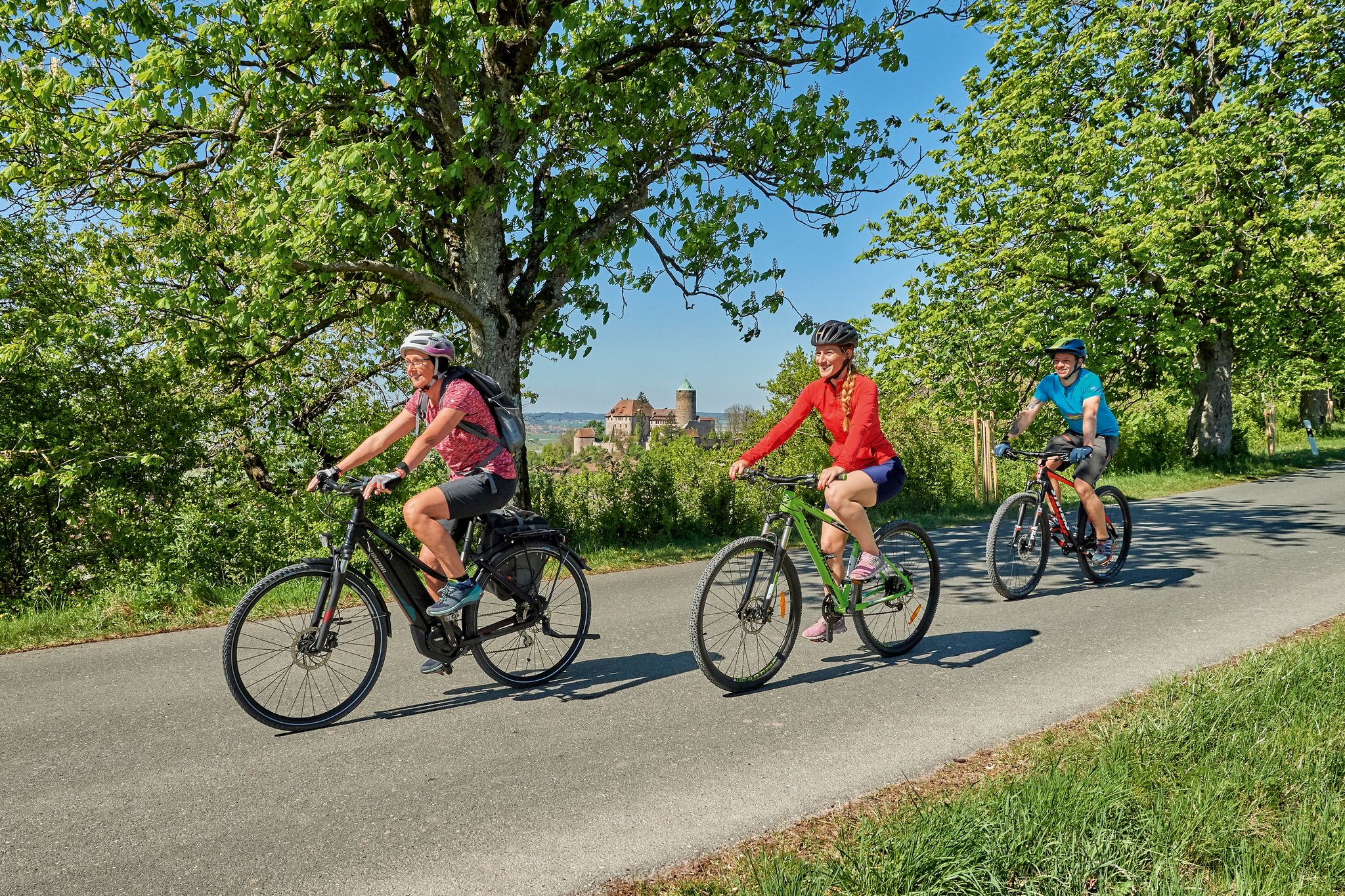
Sustainable cycling holidays — e-bike Tours through Franconia
Europäische Kulturwege im Kahlgund und Alzenau
Wald erFahren – E-Bike-Touren im Spessart
Road Cycling Routes around Sailauf
Hiking around Sailauf
MTB Trails around Sailauf
Cycling around Sailauf
Running Trails around Sailauf
Gravel biking around Sailauf


Tips from the Community

The large Mariengrotte is a very 😀 beautiful, lovingly designed and maintained facility in the Bächlesgrund and is one of the highlights on the “Seven Grottoes Trail”
1
0
There is a very well-kept and beautiful grotto dedicated to the Virgin Mary, right on the path from Sommerkahl up to the "Engländer". Here you can also linger for a moment and take a break.
3
0
It's a beautiful and well-maintained place. A perfect spot for a peaceful break.
3
0

One of the grottos on the 7-Grottes Trail
0
0

The Bensenbruch was once a place of refuge during the Second World War where people sought protection.
1
1

There is a good parking lot at the mine.
3
0

Bensenbruch at the end of the Second World War. Since Gailbach and Dörrmorsbach became a combat zone during Holy Week 1945, people took refuge in cellars and tunnels to avoid bombs and grenades. People also sought refuge in the Bensenbruch, an old quarry. An approximately 15 meter long and over 2 meter high room in the form of a cellar vault could accommodate 50 to 60 people.
1
0
Bensenbruch Two caves remain from the former Bensenbruch. In the larger one, 50 to 60 people could find shelter during a bomb attack in 1945. The lamprophyre dike is bordered by the basal breccia (Buntsandstein) alternating with siltstones from the crumbly slate series.
1
1
Frequently Asked Questions
What types of cave-like experiences can I find around Sailauf?
The region around Sailauf offers a diverse range of cave-like experiences, from natural grottoes and unique rock formations to historical mining sites. You can explore serene religious grottoes, learn about the area's geological past through old quarries, or delve into the history of copper mining.
Are there any historical cave sites to visit near Sailauf?
Yes, the region has significant historical sites. The Wilhelmine Copper Mine offers insights into the working methods and conditions of a historic copper mine, which was one of Bavaria's rare copper deposits. Additionally, the Bensenbruch Quarry and World War II Shelter provides a glimpse into local history, having served as a shelter during a 1945 bomb attack.
What natural features can I expect to see in the caves and grottoes?
While Sailauf itself doesn't have large natural caves with extensive stalactites, the broader region offers impressive formations. For example, the König-Otto-Tropfsteinhöhle boasts beautiful stalactites, stalagmites, and sinter pools. Closer to Sailauf, you can find natural grottoes with fresh spring water, such as the Marian Grotto in the Bächlesgrund, and unique rock formations from former quarries like the Teschenhöhle, which is a large hole from a basalt quarry.
Are there family-friendly cave attractions near Sailauf?
Several sites are suitable for families. The Wilhelmine Copper Mine is categorized as family-friendly and offers an educational experience. The Marian Grotto in the Bächlesgrund and the Marian grotto with waterfall near Sommerkahl provide tranquil settings for a break during a family hike.
Can I bring my dog to any of the grottoes or cave-like sites?
Yes, the Marian grotto with waterfall near Sommerkahl is listed as dog-friendly, making it a good option for visitors with canine companions.
What outdoor activities can I do near these cave sites?
The area around Sailauf is excellent for various outdoor activities. You can find numerous cycling routes, such as the 'Kugelburg Ruin – Schöntal Park and Ruins loop' or the 'View from Ziegelberg – View of Geiselbach loop'. For runners, there are trails like the 'Wild Boar Trail loop'. Hikers can enjoy easy routes like the 'Holler Winery – Bench by the Willow Tree loop'. You can find more details on these activities in the Cycling around Sailauf, Running Trails around Sailauf, and Easy hikes around Sailauf guides.
Are there hiking trails that incorporate these grottoes or cave-like features?
Yes, many of the grottoes and historical sites are situated along hiking trails. For instance, the Marian grotto with waterfall near Sommerkahl is directly on a hiking path, offering a tranquil spot for a break. The Wilhelmine Copper Mine also has an 8.5 km long, signposted nature trail around it.
What is the Antonius Grotto in Alzenau?
The Antonius Grotto in Alzenau, located in the city forest, is a well-maintained facility created in 1954. It's not a natural cave but a peaceful, man-made grotto honoring Saint Anthony, built out of gratitude for the safe return of soldiers from World War II. A stream runs through the area, enhancing its tranquil atmosphere.
What is the Teschenhöhle near Mainaschaff?
The Teschenhöhle near Mainaschaff is not a traditional natural cave but a large hole resulting from a basalt quarry. It's a geological site representing a volcanic vent formed approximately 43 million years ago, offering insight into the region's volcanic history rather than typical cave formations.
What do visitors appreciate most about the grottoes and cave sites around Sailauf?
Visitors often appreciate the peaceful and tranquil atmosphere of the grottoes, such as the Marian grotto with waterfall near Sommerkahl and the Marian Grotto in the Bächlesgrund, often noting the fresh spring water. The historical sites like the Wilhelmine Copper Mine are valued for providing educational insights into the region's past.
Are there any large natural caves with impressive formations in the wider region?
While not directly in Sailauf, the broader region of Franconian Switzerland offers spectacular natural caves. The König-Otto-Tropfsteinhöhle is known for its beautiful dripstone formations, and the Teufelshöhle near Pottenstein is the largest in the region, featuring massive stalactites and large halls like the Barbarossa Dome.
What is the Sophienhöhle known for?
The Sophienhöhle, located near Rabenstein Castle, is renowned for its fantastic stalactites that come in a variety of sizes, shapes, and colors, including ochre, brown, and red. It also has historical significance, with prehistoric pottery finds indicating human use of its antechamber in ancient times.
Most popular routes around Sailauf
Most popular attractions around Sailauf

Get inspired with the komoot mobile app


Explore more
Extend your search for the best caves by checking out these guides of the top ones around Sailauf:
