Top 4 Castles around Delfzijl
Best castles around Delfzijl are found in the wider Groningen province, as Delfzijl itself was historically a fortified settlement rather than home to traditional castles. The city's 16th-century fortifications, including a sconce and bastions, played a role in the Eighty Years' War before being removed in the late 19th century. Today, the region offers various historical estates and fortified structures for exploration. These sites provide insight into the area's rich past and architectural heritage.
Best castles around Delfzijl
- The most…
Last updated: June 26, 2026
Osterburg Groothusen and the Lost Garden
Highlight • Castle
"The Osterburg Castle is a historic chief castle in East Frisia on the North Sea. The ensemble consists of a three-winged moated castle, a park with historic …
Translated by Google •
Tip by

Fraeylemaborg
Highlight • Castle
Translated by Google •
Tip by

Sign up now to discover places like this
Get recommendations on the best single tracks, peaks, & plenty of other exciting outdoor places.
Sign up for free
Menkemaborg Castle and Gardens
Highlight • Castle
Translated by Google •
Tip by

Menkemaborg
Highlight • Castle
Translated by Google •
Tip by

Donjon of Ewsum
Highlight • Castle
nl.wikipedia.org/wiki/Ewsum_(borg)
Translated by Google •
Tip by

Start today with a free account
Your next adventure awaits.
Login or Signup
Popular around Delfzijl
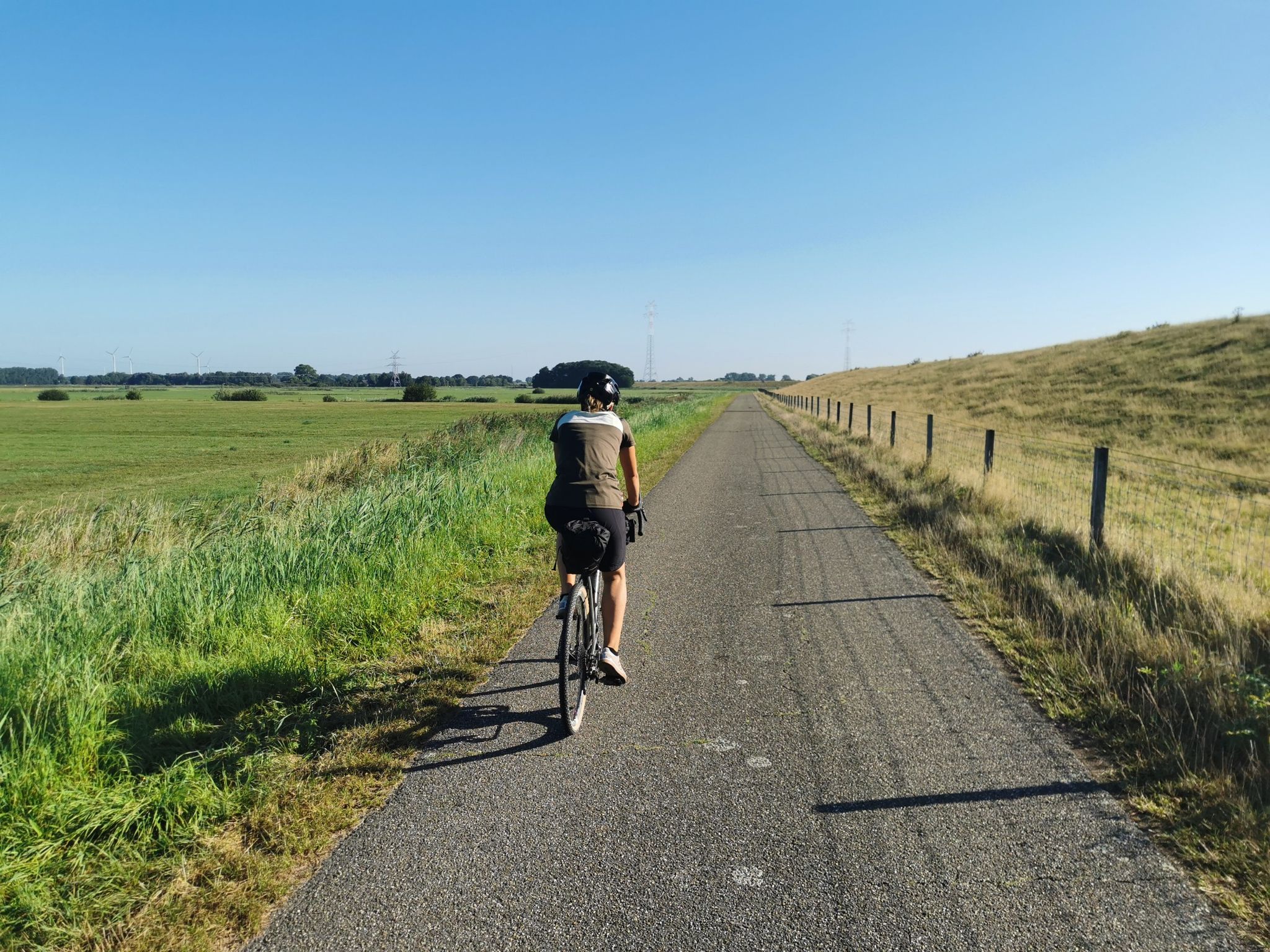
Tour of Groningen – 350 kilometers around the province
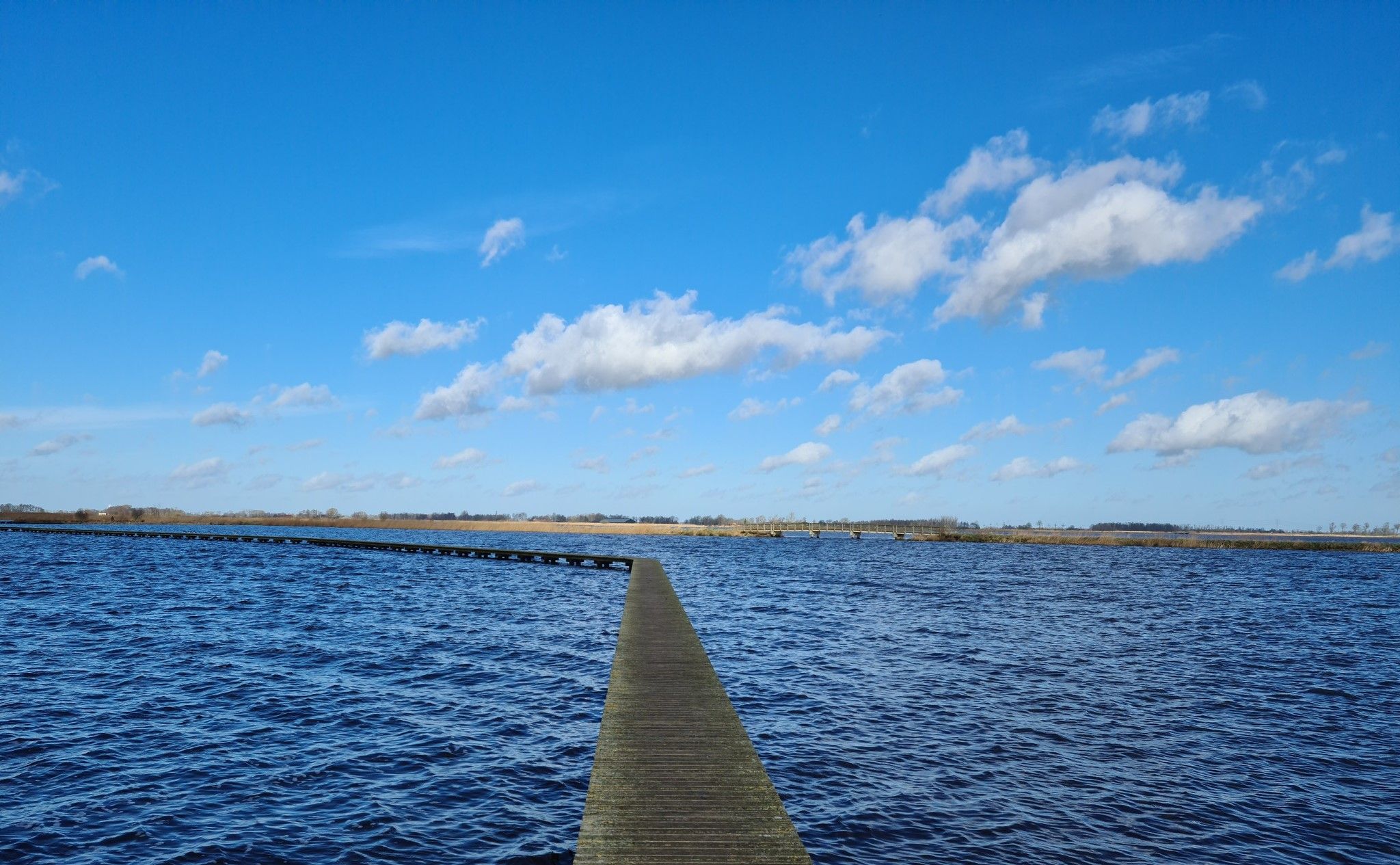
Right in the middle of nature - 20 accessible routes in Groningen
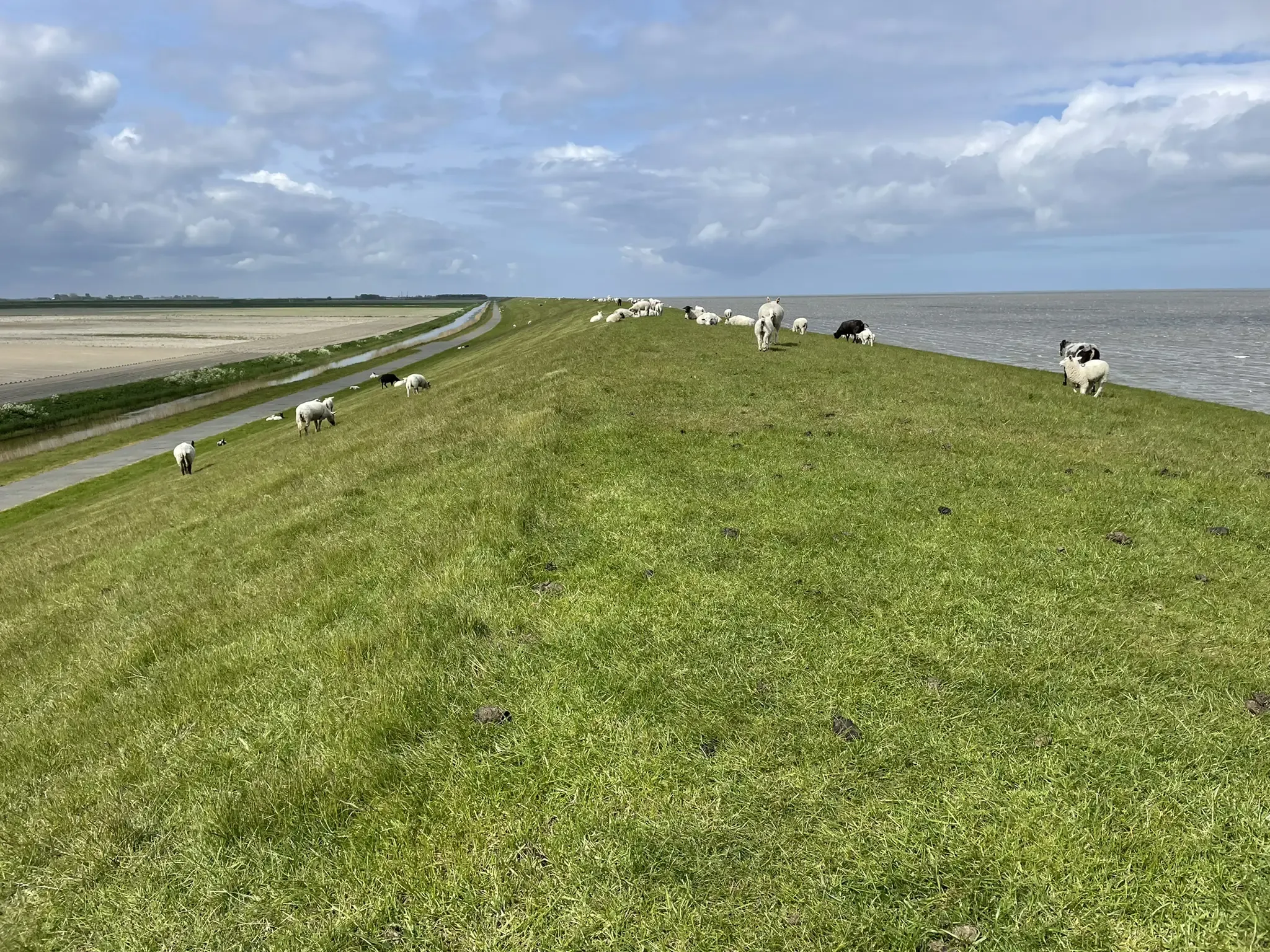
Sheep, dykes and Germany’s North Sea – Dollart Route
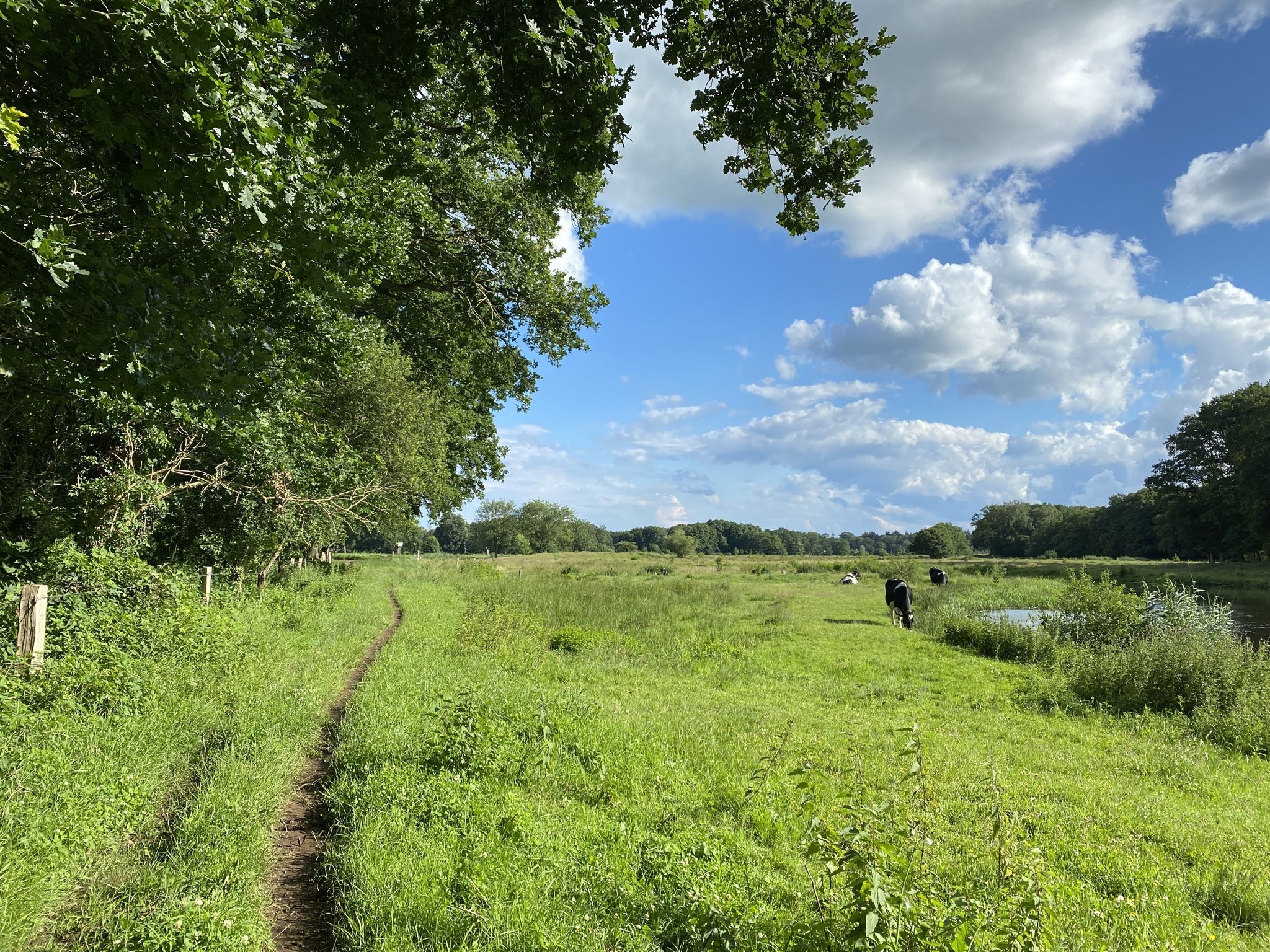
Out of the city - Eight Trailruns near the train station (5-15 kilometers)
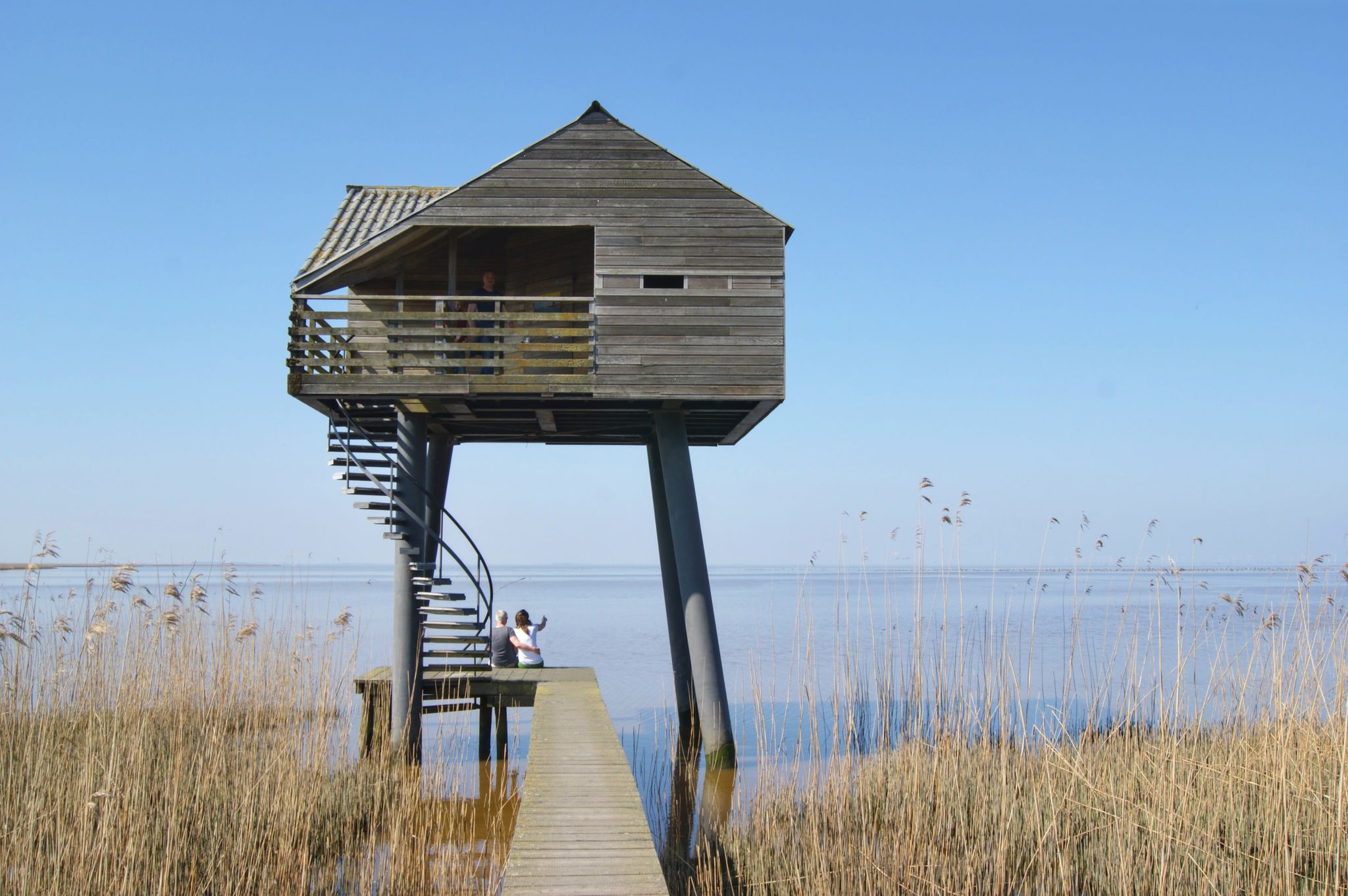
Experience East Frisia and the Netherlands on the Dollard Route
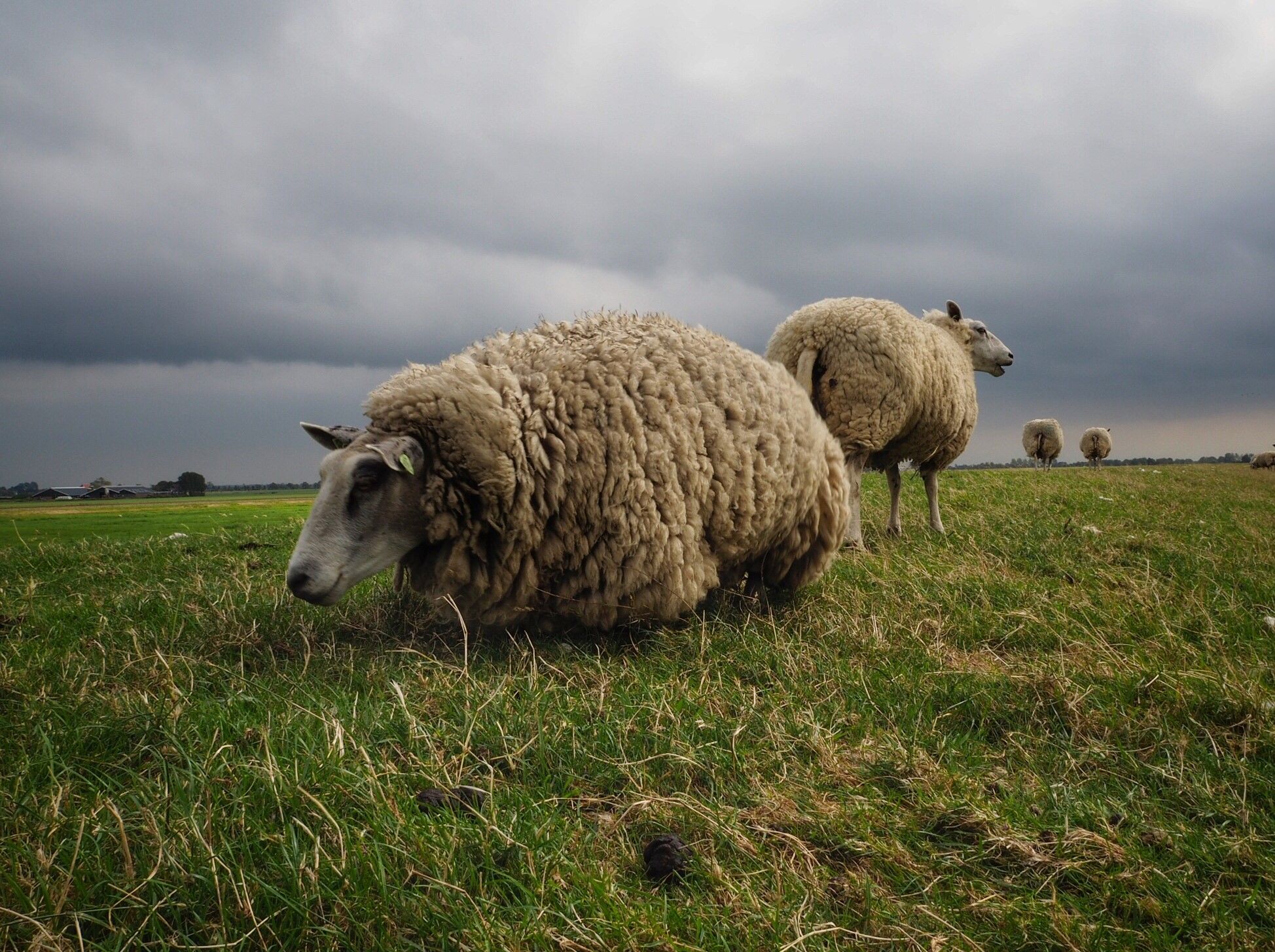
Along the Wadden Sea — part 3: Dutch Coastal Path
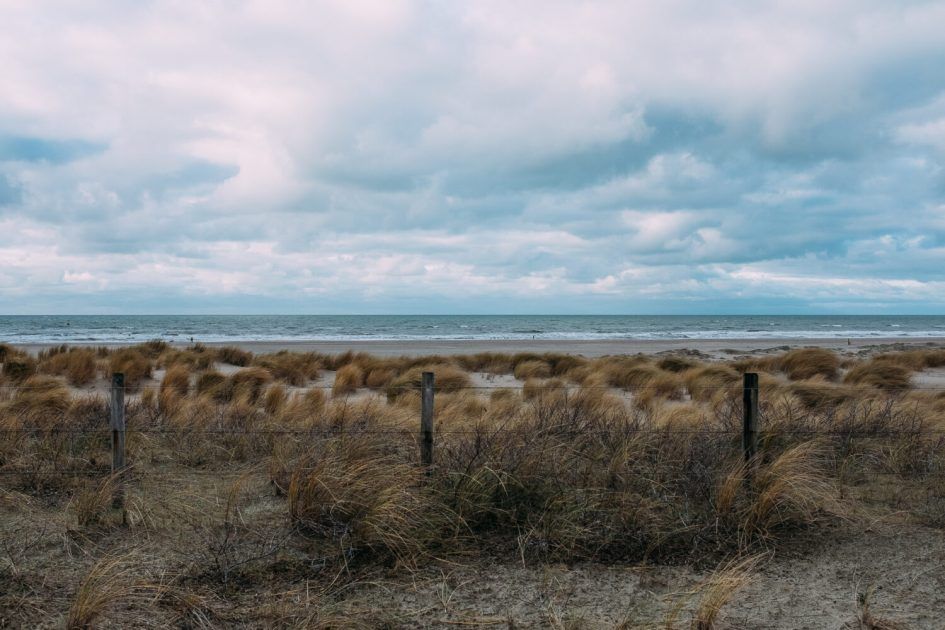
Beach, sea and dunes – LF Coastal Route in the Netherlands
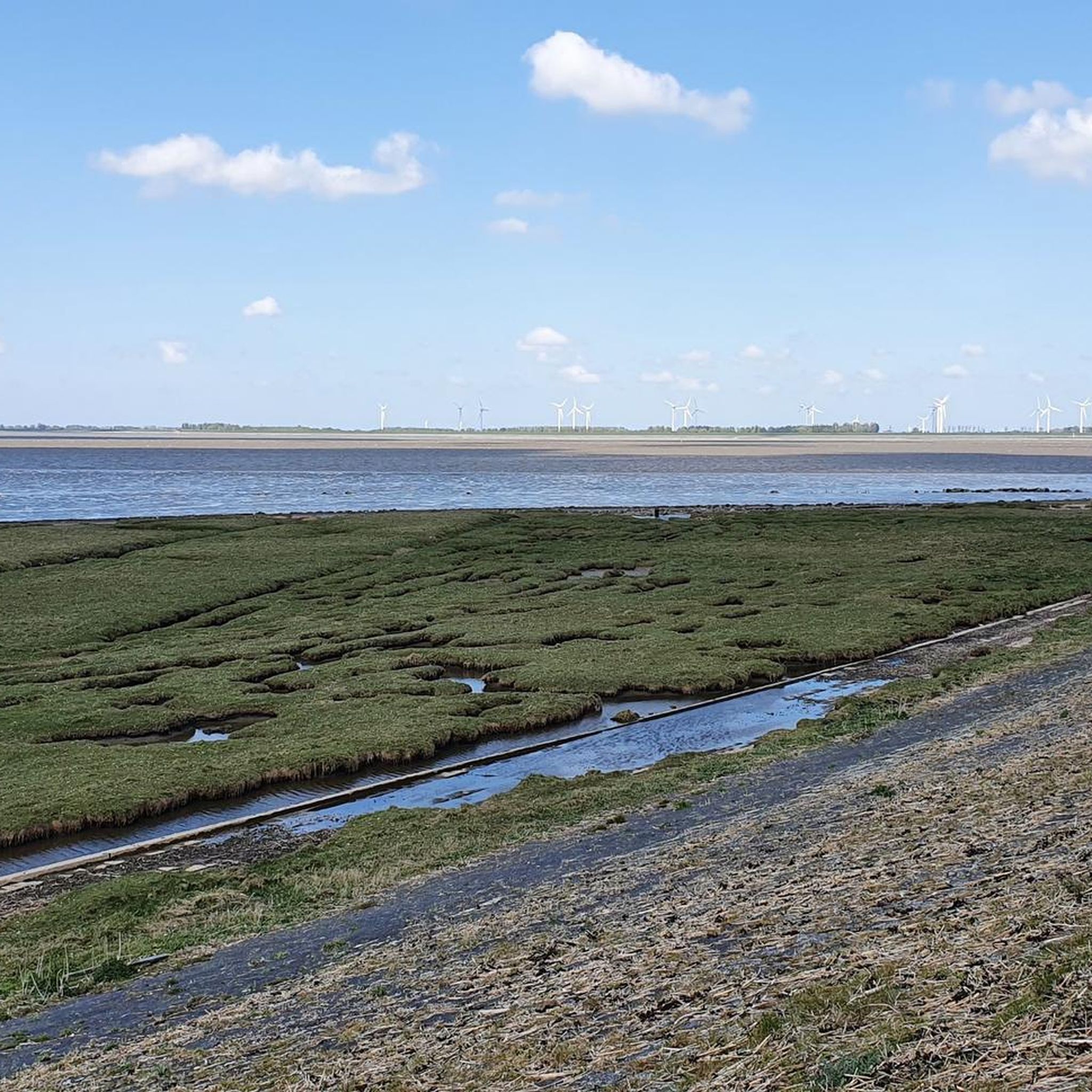
Hiking around Delfzijl
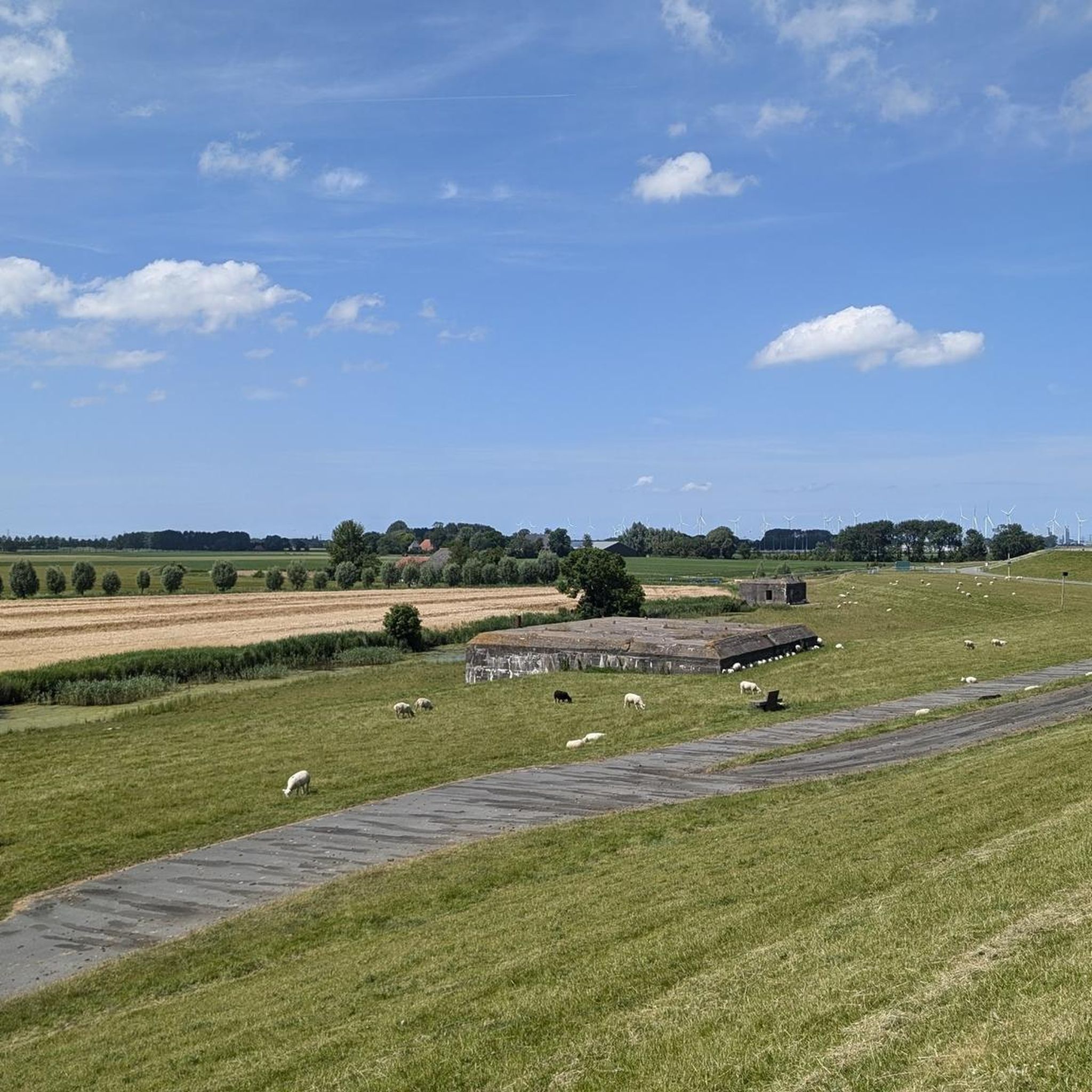
Cycling around Delfzijl
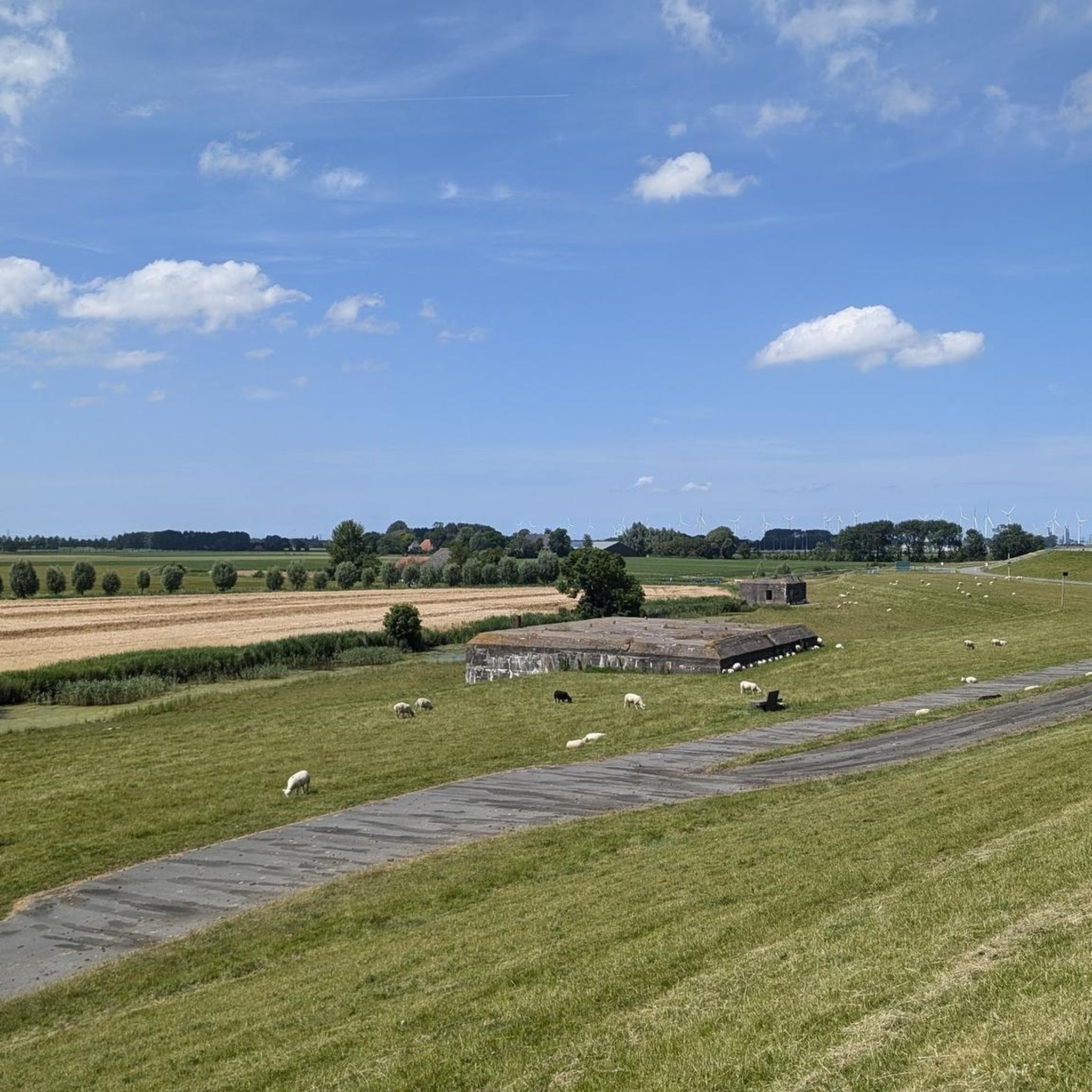
Running Trails around Delfzijl
Other adventures around Delfzijl


Tips from the Community

Absolutely through the labyrinth
1
0


A beautiful old Fiesian castle complex
0
0

Beautiful castle. Bike parking possibilities if you want to stop here for a moment.
1
0

This place is rightly called 'the most beautiful castle in the Northern Netherlands'. Would you like to take a look inside? Tickets are available at the door, reservations are not necessary.
1
0

The current castle is located in a park-like woodland. It is surrounded by a moat and can only be reached via a stone bridge. The Osterburg is the only one of the three former castles in the town that has been preserved in significant parts. The original building complex of the current castle was built in 1490. It is family-owned.
1
0

Frequently Asked Questions
What kind of historical sites can I find in Delfzijl, since it doesn't have traditional castles?
Delfzijl was historically a fortified settlement, not home to traditional castles. You can explore sites related to its 16th-century fortifications, which included a sconce and bastions, playing a role in the Eighty Years' War. While these structures were removed, the area's history as a fortified location is still evident, and you can find information about the "Bunker Route Delfzijl" which pertains to later military installations.
Which castles and historical estates are recommended in the wider Groningen province?
In the wider Groningen province, you can visit several notable historical sites. Highly recommended are Fraeylemaborg, known for its English landscape park, and Menkemaborg Castle and Gardens, a 14th-century museum with original interiors and a maze. Other significant sites include the Donjon of Ewsum, a 15th-century gun turret, and Fort Bourtange, a meticulously restored star-shaped fortress from 1593.
Are there family-friendly castles or estates to visit near Delfzijl?
Yes, several estates and castles in the region offer family-friendly activities. Fraeylemaborg features a spacious park perfect for walks. Menkemaborg Castle and Gardens has a maze that children enjoy, along with a tea house. Fort Bourtange is an open-air museum with re-enactments that can be engaging for all ages.
What kind of outdoor activities can I do near these castles?
The region around Delfzijl offers various outdoor activities, especially cycling. You can find numerous routes for road cycling, gravel biking, and touring. For example, there are routes like the "Fraeylemaborg – Road Along Damsterdiep loop" for road cycling, or the "The Hanging Kitchens of Appingedam – Fraeylemaborg loop" for touring. You can explore more options on the Gravel biking around Delfzijl, Road Cycling Routes around Delfzijl, and Cycling around Delfzijl guide pages.
What are the best times to visit the castles and estates in the Groningen region?
The best time to visit the castles and estates in the Groningen region is generally during spring, summer, and early autumn when the gardens are in full bloom and the weather is pleasant for exploring the grounds. Many sites, like Menkemaborg Castle and Gardens, have extensive gardens that are particularly beautiful during these seasons. Always check specific opening hours as they can vary seasonally.
Are there any castles or historical sites near Delfzijl that are wheelchair accessible?
Accessibility can vary by location. While specific details for all sites are not available, many historical estates and museums strive to offer some level of accessibility. For example, the grounds and some areas of Fraeylemaborg and Menkemaborg Castle and Gardens may be accessible, but it's always best to contact the specific venue directly for detailed information regarding wheelchair access to buildings, gardens, and facilities before your visit.
Can I bring my dog to the castles or their grounds?
Policies regarding dogs vary significantly between historical sites and estates. While some may allow dogs on leashes in outdoor park areas, others may have strict no-dog policies, especially within museum buildings or formal gardens. It is advisable to check the specific rules for each location, such as Fraeylemaborg or Menkemaborg Castle and Gardens, directly on their official websites before planning your visit with a dog.
Where can I find cafes or restaurants near the castles?
Many of the larger estates and castles in the Groningen region offer on-site dining options. Fraeylemaborg has a restaurant and museum shop, and Menkemaborg Castle and Gardens features a tea house. Wedde Castle functions as a restaurant and children's hotel. Additionally, the Osterburg Groothusen has a Burgcafé & Bistro. For other locations, nearby towns and villages will offer various cafes and restaurants.
How long should I plan for a visit to a castle or estate?
The duration of a visit depends on the size and offerings of each site. For a comprehensive visit to a larger estate like Fraeylemaborg or Menkemaborg Castle and Gardens, including the museum, gardens, and a cafe stop, you might spend 2-4 hours. Smaller sites or specific features like the Donjon of Ewsum might require less time, perhaps 1-2 hours. Fort Bourtange, being an open-air museum, could easily fill half a day.
What is Fort Bourtange and how does it relate to the region's history?
Fort Bourtange is a meticulously restored star-shaped fortress from 1593, located in the Groningen province. While not a traditional castle, it's a significant historical site that served as a defensive structure during the Eighty Years' War. It was built to control the road between Germany and Groningen and was never conquered. Today, it functions as an open-air museum, offering a unique journey back in time with its ramparts, moats, drawbridges, and re-enactments. You can find more information about it on Visit Groningen or Wikipedia.
Are there any hidden gem castles or lesser-known historical sites worth visiting in Groningen?
Beyond the more prominent sites, the Groningen region has several other interesting historical estates. These include Wedde Castle, dating back to 1360 and now a restaurant and children's hotel, and Landgoed Verhildersum, an estate with a beautiful garden and old orchard. Landgoed Ewsum, starting as a gun tower in the 15th century, is now a beautiful estate with a historical vegetable garden. Piloersemaborg, from 1663, is known for its restaurant featuring local flavors.
What do visitors enjoy most about the castles and estates around Delfzijl?
Visitors frequently appreciate the well-preserved historical architecture and the serene beauty of the surrounding parks and gardens. The English landscape style park at Fraeylemaborg is a highlight for leisurely walks, and the original interiors of Menkemaborg Castle and Gardens are often described as very impressive. The historical context and the opportunity to step back in time are also highly valued.
Most popular routes around Delfzijl
Most popular attractions around Delfzijl

Get inspired with the komoot mobile app


Explore more
Looking for the best castles somewhere else? Discover other guides around Delfzijl:
