Top 8 Caves around Mühlau
Caves around Mühlau, located in Saxony, Germany, offer a diverse landscape for exploration. This region is characterized by its natural rock formations and historical sites, including former mining areas. The terrain often features forested hills and valleys, providing a setting for various outdoor activities. The area holds cultural significance, notably with connections to historical figures like Karl May.
Best caves around Mühlau
- The most popular caves is Karl May cave with rest area, a cave that was originally a…
Last updated: July 10, 2026
Karl May cave with rest area
Highlight • Cave
Translated by Google •
Tip by

Leuchtmoos Cave at Totenstein
Highlight • Cave
Translated by Google •
Tip by

Sign up now to discover places like this
Get recommendations on the best single tracks, peaks, & plenty of other exciting outdoor places.
Sign up for free
Jungfernhöhle
Highlight • Cave
Translated by Google •
Tip by

St. Anna Visitor Mine Wolkenburg
Highlight • Historical Site
Translated by Google •
Tip by

Climbing Rocks and Cave at Um die Rochsburg
Highlight • Climb
Translated by Google •
Tip by

Sign up for free to discover even more caves around Mühlau.
Sign up for free
Already have an account?
Start today with a free account
Your next adventure awaits.
Login or Signup
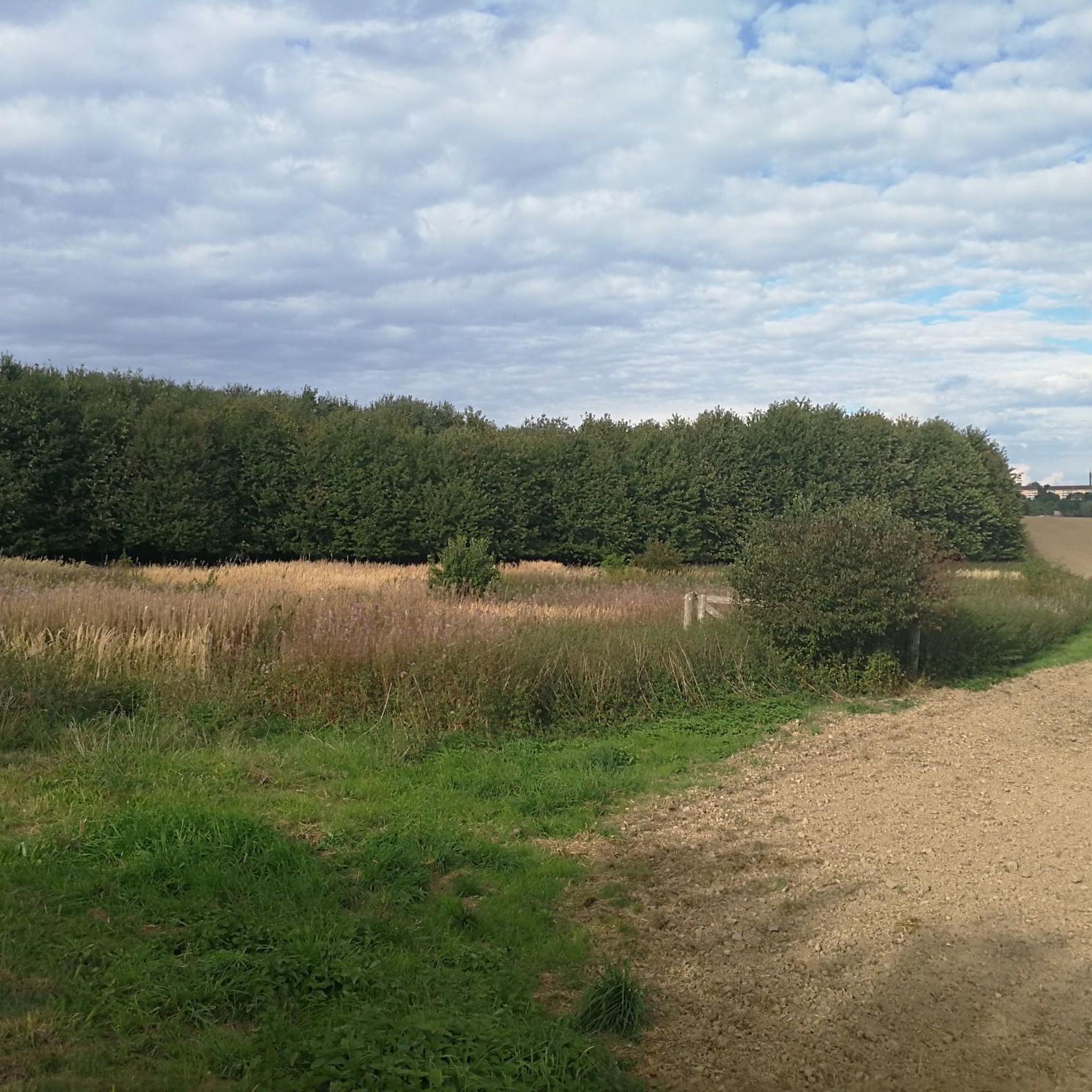
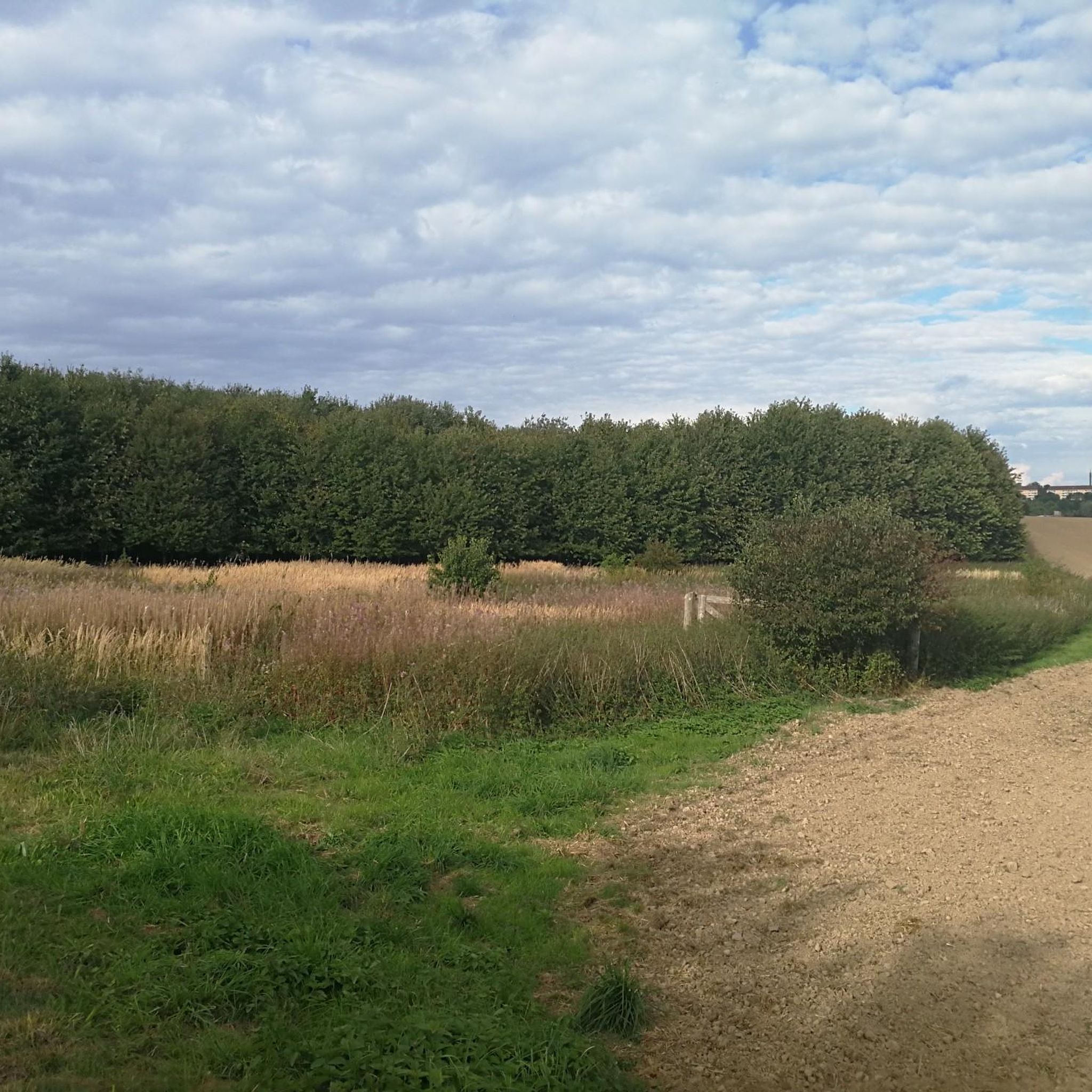
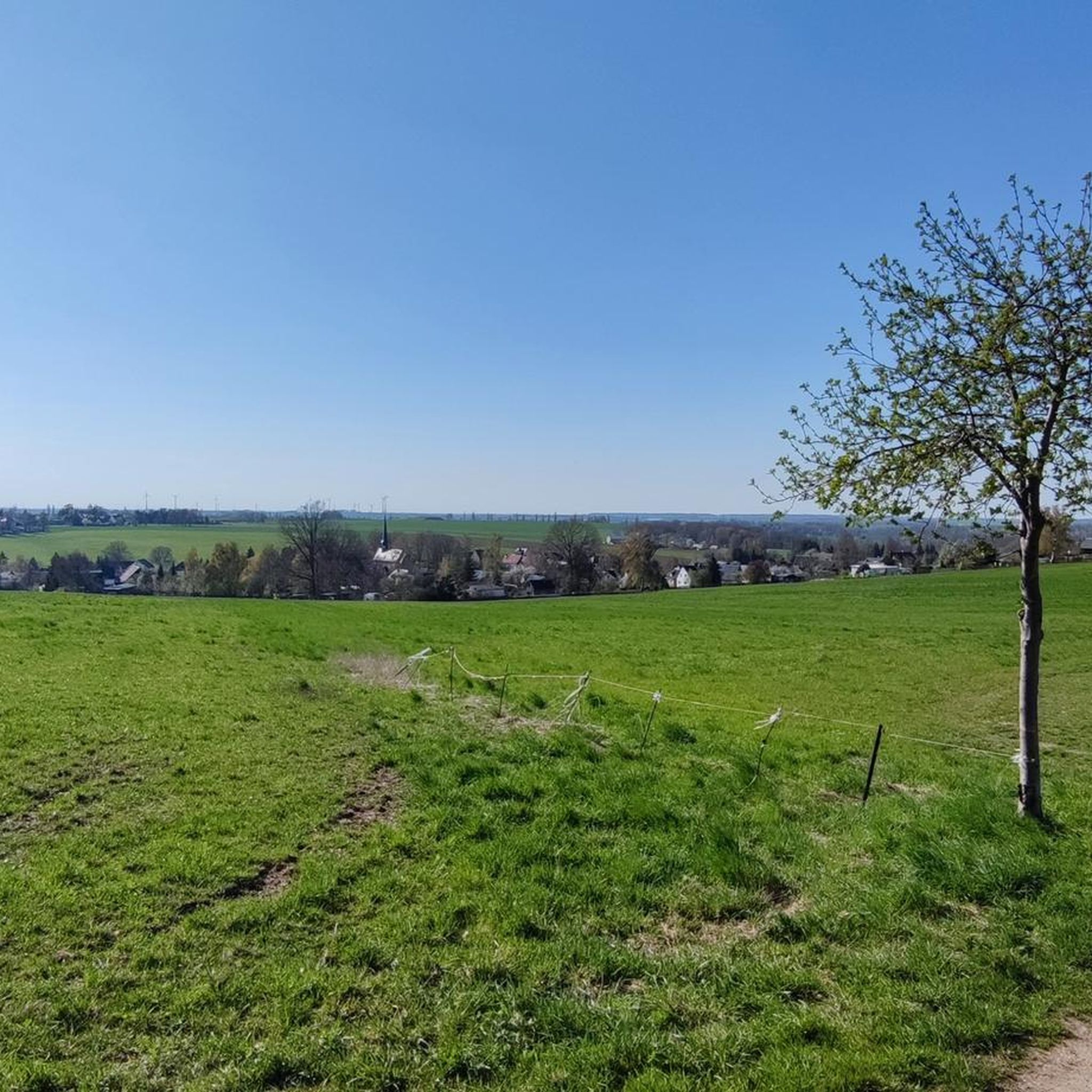
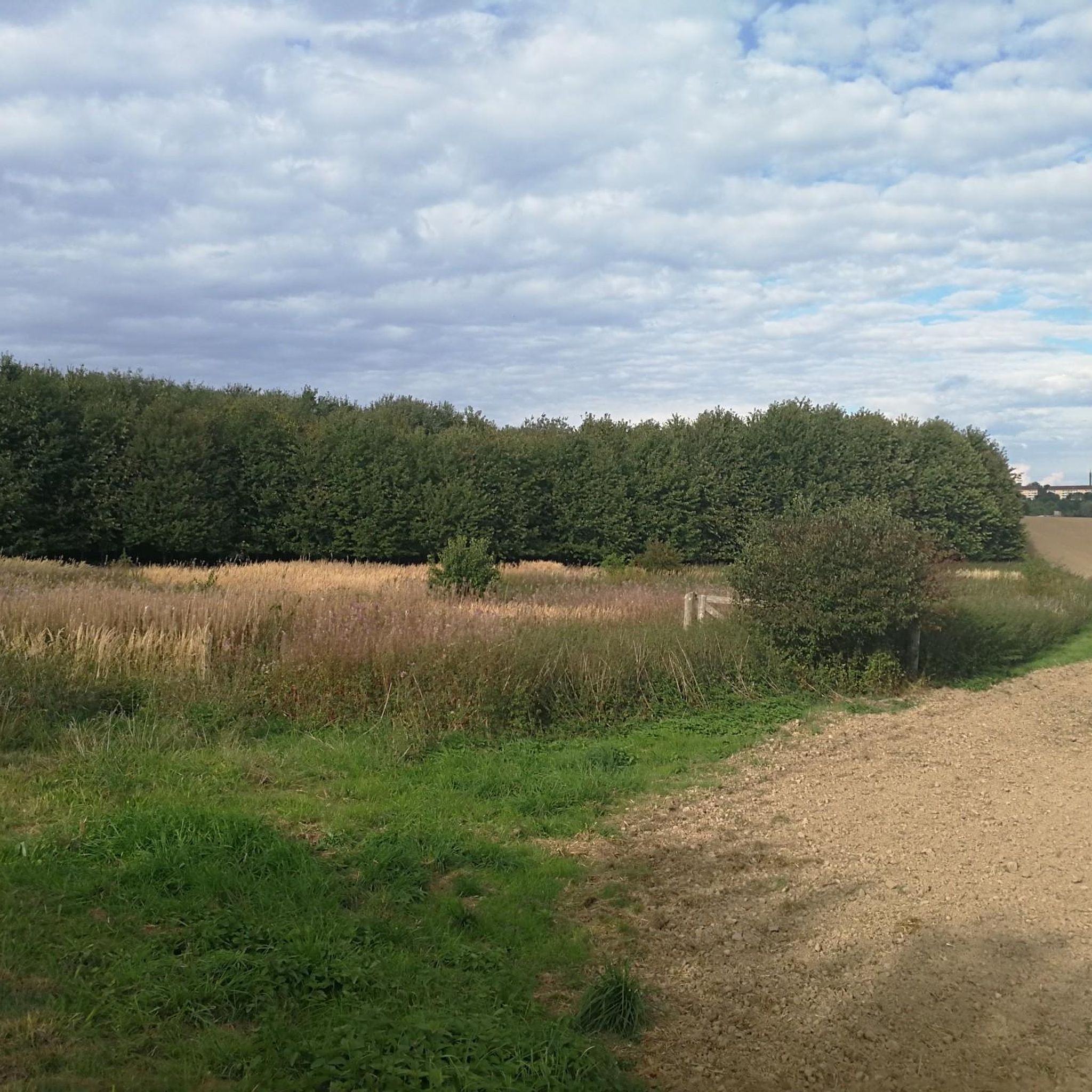
Tips from the Community

A tunnel about 20 meters deeper to climb into. A great highlight especially for children and adventurous young-at-heart people
0
0


It is simply a natural cave and not an entrance
1
0

In the Middle Ages, people searched for ore here, but apparently nothing was found. The name of the hill, Totenstein (Dead Stone), probably comes from the dead rock. Today, the protected and rare luminous moss grows in the tunnels.
0
1

The Karl May Cave, also known as the Little Iron Cave, is located in the Waldenburg Upper Forest near Hohenstein-Ernstthal. Originally a mine tunnel dating back to 1620, it was later used as a shelter. In 1869, Karl May hid here when he was wanted for theft. Five years later, he mentioned the cave in his story "The Rose of Ernstthal." It was officially named after him in 1933. During the GDR era, it was closed to the public. Today, however, it can be easily visited again and serves as a reminder of the famous author.
2
2

A beautiful zigzag path down, surprisingly this year you can ride it without getting off. The rest of the way to the bridge is unfortunately still made difficult by a few fallen trees, so you have to get off quite often. But it's still a nice ride.
0
1
great corner, always worth a trip
1
0

Small cave along the valley, which of course also has a legend.
0
1
Frequently Asked Questions
What makes the caves around Mühlau, Saxony, unique?
The caves around Mühlau are unique for their blend of natural rock formations and historical significance. Many are former mine tunnels, some dating back to the 17th century, and others are natural monuments. The region is also known for its connection to historical figures like author Karl May.
Are there any historically significant caves in the Mühlau area?
Yes, several caves have historical importance. The Karl May cave with rest area was originally a mine tunnel from 1620 and later served as a shelter for the famous author Karl May. Another significant site is Jungfernhöhle, a natural monument with a plaque detailing its history, rediscovered in 2005. The St. Anna Visitor Mine Wolkenburg also offers insights into the region's mining past.
What kind of natural features can I expect to see in Mühlau's caves?
Beyond historical elements, you can find unique natural features. For instance, the Leuchtmoos Cave at Totenstein is known for its rare luminous moss, which stores daylight and glows at night under the right conditions. Other caves, like the Bear Cave, feature small, tight passages that require careful navigation.
Are the caves around Mühlau suitable for families with children?
Yes, some caves are considered family-friendly. The Karl May cave with rest area is highlighted as a good destination for families, offering an excellent prepared rest area. When visiting, always consider the specific conditions of each cave, as some may have narrow or challenging sections.
What should I wear or bring when visiting the caves?
For exploring the caves, it is recommended to wear waterproof shoes. A flashlight or headlamp is also essential, especially for caves with low entrances or tight passages, such as the Jungfernhöhle.
Is there an entry fee or permit required for the caves?
Most natural caves around Mühlau do not require an entry fee or permit for general access. However, the St. Anna Visitor Mine Wolkenburg offers guided tours on selected days, which typically involve a fee. It's advisable to check their website for specific dates and booking information.
What outdoor activities can I do near the caves in Mühlau?
The region around Mühlau offers various outdoor activities. You can find numerous hiking trails, with options like the 'Town Map of Mühlau – Fallow Deer Enclosure loop' or 'Under the A72 – Above Jahnburg loop'. There are also road cycling and general cycling routes, such as the 'Penig Market Square – Mulde Weir, Penig loop'. For more details, explore the Hiking around Mühlau, Road Cycling Routes around Mühlau, and Cycling around Mühlau guides.
What is the difficulty level of exploring caves in Mühlau?
The difficulty varies by cave. Some, like the Karl May cave with rest area, are generally accessible. Others, such as the Bear Cave, are described as small and tight, requiring navigation through very narrow paths, making them more challenging. The Jungfernhöhle is also noted as challenging due to its low entrance.
Are there any hidden gem caves in the Mühlau area worth exploring?
While not explicitly 'hidden gems' in the sense of being unknown, the Jungfernhöhle could be considered one, as it was rediscovered in 2005 and its path had not been used for over 30 years. It's also noted for being easy to miss due to limited signage, adding to its sense of discovery.
What do visitors enjoy most about the caves around Mühlau?
Visitors appreciate the historical connections, such as the story of Karl May at his namesake cave, and the unique natural phenomena like the luminous moss at Totenstein. The adventurous aspect of navigating tight spaces in caves like the Bear Cave is also a highlight for many. The region's blend of nature and history, along with well-prepared rest areas, contributes to a positive experience.
Are there any specific tips for visiting the St. Anna Visitor Mine Wolkenburg?
The St. Anna Visitor Mine Wolkenburg is well signposted. It offers guided tours on selected days, such as Easter Monday or the Day of German Unity. For current information and tour dates, it is best to check their official website: wolkenburger-bergbaurevier.de.
Most popular routes around Mühlau
Most popular attractions around Mühlau

Get inspired with the komoot mobile app


Explore more
Extend your search for the best caves by checking out these guides of the top ones around Mühlau:
