The 9 Most Amazing Peaks around Mulda/Sachsen
Best mountain peaks around Mulda/Sachsen are situated within the Ore Mountains (Erzgebirge) in Saxony, Germany, a region known for its natural beauty. This area features hilly terrain that forms a natural barrier between Germany and the Czech Republic. It provides diverse landscapes, making it an excellent starting point for exploring numerous notable summits. The region offers varied experiences, from gentle slopes to areas with significant historical and natural landmarks.
Best mountain peaks around Mulda/Sachsen
- The most popular mountain peaks is…
Last updated: May 14, 2026
Burgberg summit cross (622 m)
Highlight • Summit
Translated by Google •
Tip by

Drachenkopf Summit
Highlight • Summit
"The Royal Saxon triangulation (here with the historical …
Translated by Google •
Tip by

Sign up now to discover places like this
Get recommendations on the best single tracks, peaks, & plenty of other exciting outdoor places.
Sign up for free
Drachenkopf Triangulation Station on Kannelberg
Highlight • Monument
Translated by Google •
Tip by
Zipfel Summit (522 m)
Highlight • Summit
Translated by Google •
Tip by
Bernhardshöhe
Highlight • Summit
Translated by Google •
Tip by

Sign up for free to discover even more peaks around Mulda/Sachsen.
Sign up for free
Already have an account?
Start today with a free account
Your next adventure awaits.
Login or Signup
Popular around Mulda/Sachsen



Tips from the Community

In 2022, two Lichtenberg natives, Jörg and Sven, had a special idea: they wanted to revive an old local legend – the legend of the "Light on the Mountain." This tale, passed down from generation to generation for centuries, was deeply intertwined with the history of Lichtenberg and its surroundings. Inspired by this somber legend, Jörg and Sven decided to create a symbol of hope and light. They planned to erect a new summit cross on the mountain that would glow at night, just like the light in the windows of the old legend. But this light would no longer spread fear, but rather inspire hope. Two chimes are also mounted in the center of the cross, which, played by the wind, carry peaceful sounds down into the valley. Opposite the cross is a new selfie stand, perfect for taking a selfie.
6
0


"The Royal Saxon Triangulation (here with its historical name) is a national survey carried out in the years 1862 to 1890 on the territory of the Kingdom of Saxony with the simultaneous creation of a trigonometric network. The aim was to record the territory of the state in a scientifically and geodetically precise manner and to create the basis for the production of precise maps by establishing permanently marketed fixed points." - https://de.wikipedia.org/wiki/K%C3%B6niglich-S%C3%A4chsische_Triangulirung The triangulation network created by August Nagel was considered one of the most precise surveying networks in the world at the time. The Nagel columns are now preserved as technical monuments. Unfortunately, no other stations can be seen from the Kannelberg, but the mountain can be seen from other stations. For example, Sandberg in Frauenstein, Opitzhöhe above Freital, Neuklingenberger Höhe, etc.
1
0

A bit unexpected, but in the end somehow cool again.
0
0

also dragon head one of the 8000s
1
0
We really didn't expect that up here, what a colorful variety.
0
0

Nice stone formation with a great view
3
0
On the summit of the Kannelberg is the historic surveying column of Station No. 80 Dragon's Head of the Royal Saxon Triangulation. "The Royal Saxon triangulation (here with the historical proper name) is a state survey carried out in the years 1862 to 1890 on the territory of the Kingdom of Saxony with the simultaneous creation of a trigonometric network. The aim was to record the national territory scientifically and geodetically and to create the basis for the production of precise maps by establishing permanently marked reference points." - https://de.wikipedia.org/wiki/K%C3%B6niglich-S %C3%axial_triangulation The columns are still preserved today as technical monuments. At that time, the Kahleberg, Wieselstein, Schwartenberg, Saidahöhe and Frauenstein were targeted from the Drachenkopf from O.N.N.
4
0
Frequently Asked Questions
What are some unique features of the mountain peaks around Mulda/Sachsen?
The peaks around Mulda/Sachsen offer diverse experiences. For instance, the Burgberg summit cross (622 m) features a new summit cross with chimes that play in the wind, along with benches and a selfie stand. The Drachenkopf Summit is notable for its historic surveying column from the Royal Saxon Triangulation.
Are there any historical sites or monuments on the peaks near Mulda/Sachsen?
Yes, the Drachenkopf Summit, also known as Kannelberg, hosts a historic surveying column from the Royal Saxon Triangulation, dating back to 1869. These columns are preserved as technical monuments, marking a significant historical survey of the Kingdom of Saxony.
What kind of views can I expect from the mountain peaks in the Mulda/Sachsen area?
Many peaks in the region offer beautiful panoramic views. From the Burgberg summit cross (622 m), you can enjoy scenic vistas of the surrounding landscape. The broader Ore Mountains region, where Mulda is situated, is known for its breathtaking views across diverse landscapes, from dense forests to idyllic meadows.
Are there family-friendly hiking options among the peaks near Mulda/Sachsen?
While some climbs can be challenging, the Ore Mountains generally offer a variety of trails suitable for different levels. For family-friendly walks, you might consider routes like the 'Chainsaw Sculpture Trail – Brothers Grimm loop from Blockhausen,' which is an easy 4.1 km hike. You can find more options in the Hiking around Mulda/Sachsen guide.
What outdoor activities, besides peak bagging, can I do in the Mulda/Sachsen region?
The Mulda/Sachsen region, nestled in the Ore Mountains, is a paradise for outdoor enthusiasts. Besides hiking to peaks, you can explore numerous trails for cycling and mountain biking. The area is particularly known for its well-marked trails catering to all levels of difficulty. For specific routes, check out the Hiking around Mulda/Sachsen, Cycling around Mulda/Sachsen, and MTB Trails around Mulda/Sachsen guides.
Can I find challenging climbs among the peaks around Mulda/Sachsen?
Yes, if you're looking for a challenge, the climb to Bernhardshöhe from Mulda is known to be quite tough. The wider Ore Mountains also feature varied terrain, from gentle slopes to steeper ascents, providing opportunities for more strenuous hikes.
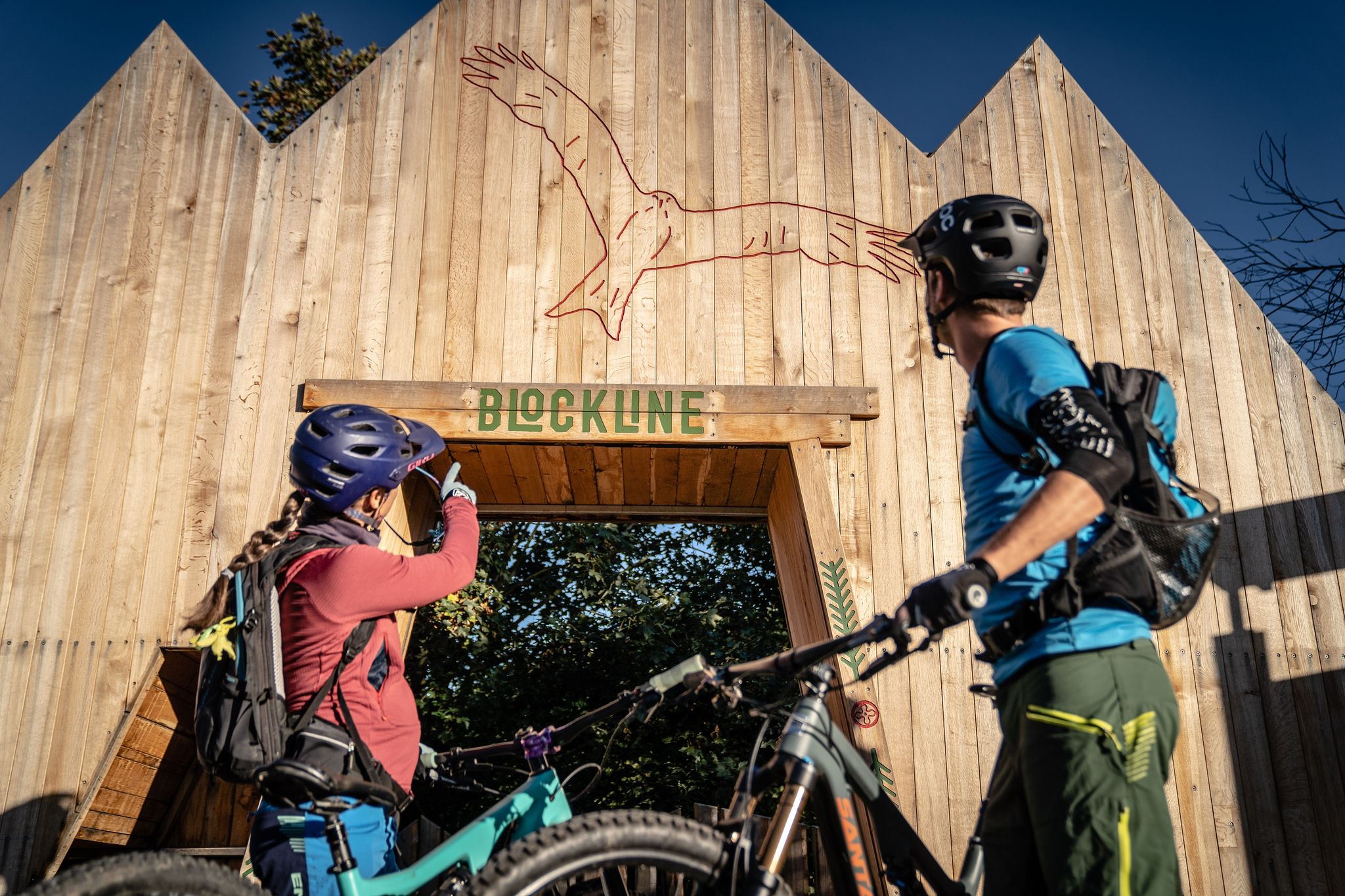
What is the "8000 block line" mentioned in relation to Drachenkopf Summit?
The "8000 block line" is a panoramic mountain bike tour in the Eastern Ore Mountains. It connects 14 peaks over 800 meters (referred to as '8000m' in local context) and other panoramic mountains between Seiffen, Blockhausen, and Altenberg. The Drachenkopf Summit is part of this extensive route, offering 8000 meters of altitude gain over its course.
What is the highest mountain in the broader Ore Mountains region accessible from Mulda/Sachsen?
While Mulda itself is at the foot of the Ore Mountains, the highest peak in the entire Ore Mountains range is Keilberg (Klinovec in Czech) at 1,244 meters, located very close to the German border. Within Saxony, the highest mountain is Fichtelberg, standing at 1,215 meters, which is a major tourist destination in the Western Ore Mountains.
Are there opportunities for winter activities on the peaks near Mulda/Sachsen?
Yes, the broader Ore Mountains region is well-suited for winter activities. Peaks like Fichtelberg and Keilberg (Klinovec) are major ski resorts during the winter months, offering skiing and other snow sports. The region's hilly terrain transforms into a winter wonderland, providing opportunities for winter hiking as well.
Where can I find detailed hiking routes near the peaks around Mulda/Sachsen?
You can find a variety of detailed hiking routes in the Hiking around Mulda/Sachsen guide. This includes routes like the 'Goldene Scheibe mining field – Burgberg summit cross (622 m) loop from Mulda (Sachs),' which is a difficult 27 km hike, or easier options like the 'View of Mulda – Former Quarry loop from Mulda (Sachs).'
What cultural attractions are there in the wider Ore Mountains region, beyond the peaks themselves?
Beyond the natural beauty of the peaks, the Ore Mountains region offers rich cultural experiences. Nearby Blockhausen is famous for its chainsaw carving art and impressive huts. Additionally, historical sites like Lauenstein Castle, a 13th-century fortress, can be reached via scenic hiking paths, offering a glimpse into the region's past.
What makes the Ore Mountains a good destination for nature lovers?
The Ore Mountains, where Mulda/Sachsen is located, are renowned for their natural beauty and diverse landscapes. Visitors can immerse themselves in peaceful surroundings, enjoying dense forests, idyllic ponds, and flowering meadows, especially vibrant in spring. The region's varied flora and fauna make it an excellent spot for observing wildlife and experiencing tranquility.
Most popular routes around Mulda/Sachsen
Most popular attractions around Mulda/Sachsen

Get inspired with the komoot mobile app


Explore more
See even more amazing summits around Mulda/Sachsen with these guides:
