Top 16 Gorges around Hainewalde
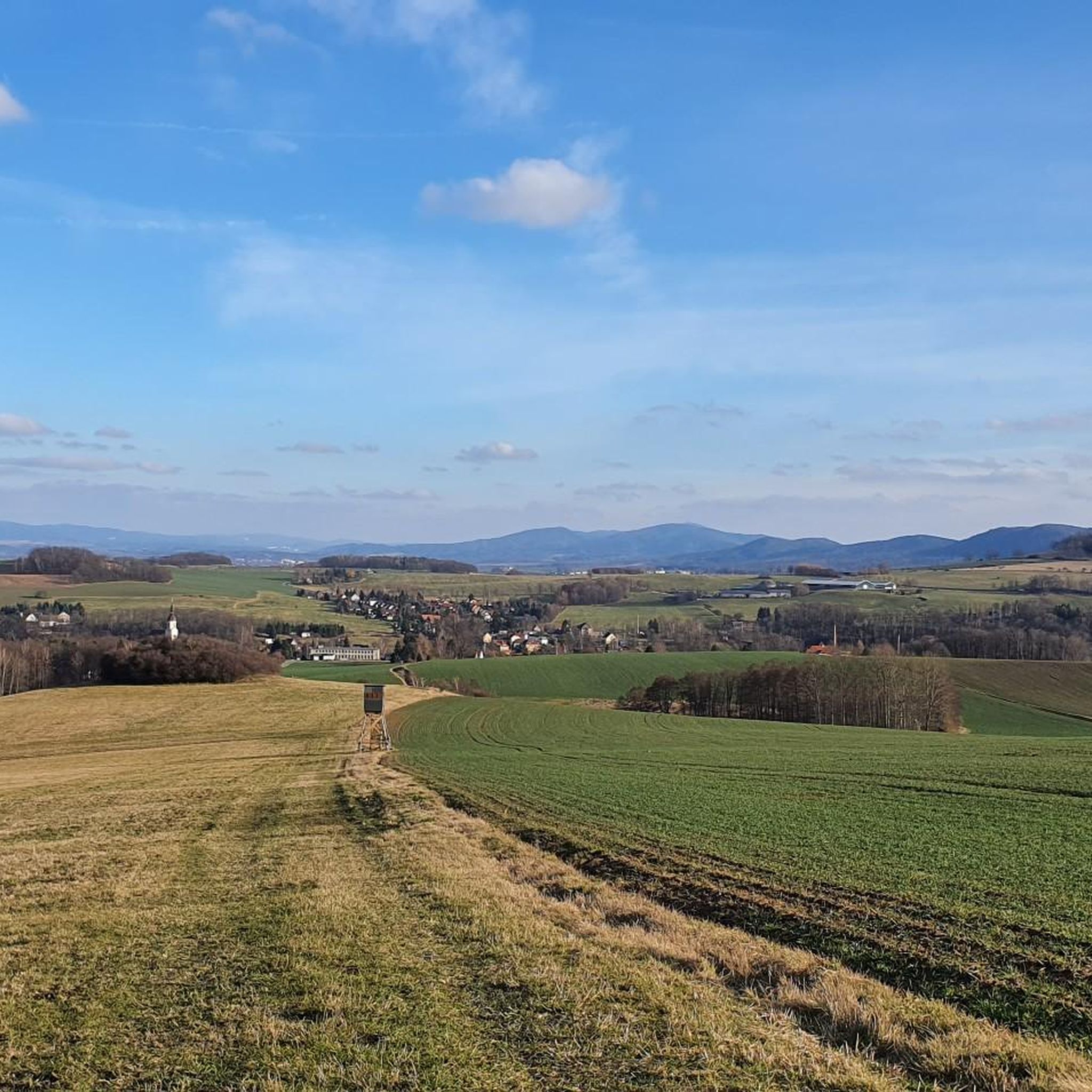
Best canyons around Hainewalde are located within the Zittau Mountains, featuring a range of geological formations often referred to as gorges and ravines. Hainewalde is situated in the Mandau valley, offering a scenic base for exploring the surrounding natural attractions. These areas present towering rock formations, narrow paths, and significant elevation changes. The region provides diverse hiking opportunities for nature enthusiasts.
Best canyons around Hainewalde
- The most popular canyons is Große Felsengasse, a gorge that offers a varied rock landscape. It provides several views of Oybin and the surrounding mountains.
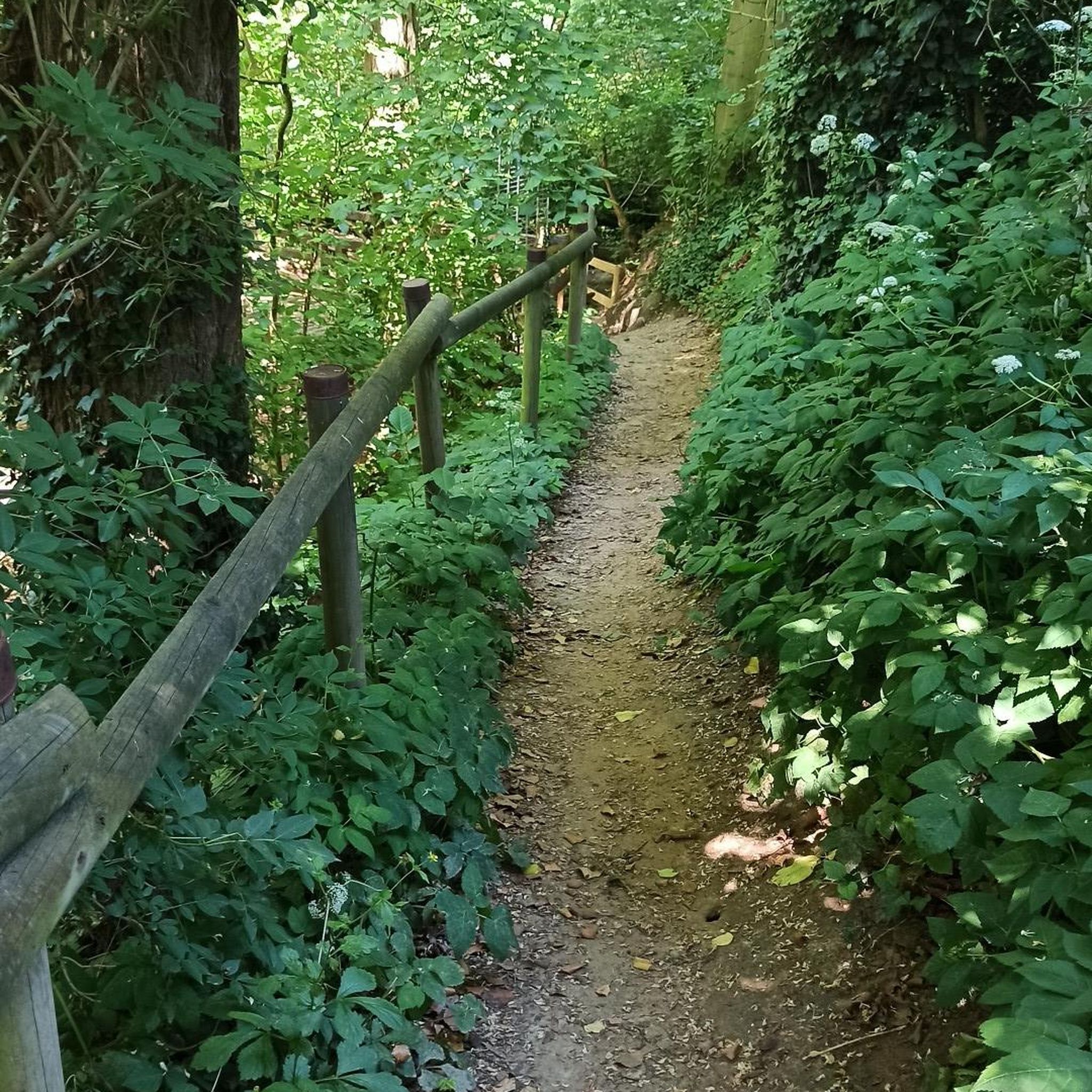
- Another must-see spot is Little Rock Alley at Nonnenstein (Jonsdorf), a gorge with thick iron crusts in the sandstone. Visitors can expect an alternative climb to the Nonnenfelsen, known for its cool wind in summer.
- Visitors also love Knight's Gorge, a gorge leading through a narrow crevice. This path offers an impressive ascent to the Oybin monastery and castle complex.
- Hainewalde is known for its distinctive sandstone pinnacles, unique rocky environments, and challenging climbing rocks. These include rock formations, narrow passages, and dramatic elevation changes, providing a variety of experiences.
- The canyons around Hainewalde are appreciated by the komoot community, with more than 625 upvotes and over 630 photos shared.
Last updated: May 14, 2026
Little Rock Alley
Highlight (Segment) • Gorge
Translated by Google •
Tip by

Knight's Gorge
Highlight • Gorge
Translated by Google •
Tip by

Sign up now to discover places like this
Get recommendations on the best single tracks, peaks, & plenty of other exciting outdoor places.
Sign up for free
Descent from Nonnenstein via Konnent Steig
Highlight • Climb
Translated by Google •
Tip by

Little Rock Alley at Nonnenstein (Jonsdorf)
Highlight • Gorge
Translated by Google •
Tip by
Roschertal Gorge
Highlight • Gorge
Geological development:
1. Tertiary deposits: In the Tertiary period (around 65 to 2.6 million years ago) the area was characterized by volcanic activity. Tuff - a rock made of volcanic ash - was deposited. Later, basalt flows poured over it and formed a resistant covering layer.
2. Cutting of the Mandau: The Mandau, a tributary of the Neisse, began to work its way through the harder basalt layer over time. Since basalt is much more resistant than the tuff underneath, the erosion process was uneven. The softer rock layers were eroded more quickly, so that the valley gradually deepened.
3. Formation of the breakthrough valley: As the rock was further eroded, the steep, wooded slopes of the Roschertal that are visible today were created. These reach heights of around 50 to 60 meters above the valley floor.
4. Late Pleistocene influence: During the ice ages, the landscape was further shaped when frost weathering and landslides affected the valley flanks. During this time, the Mandau transported more meltwater and debris, which caused the river to dig in further.
Special features today:
The Roschertal is not only a geologically interesting area, but also an example of the natural development of Upper Lusatia. The interplay of basalt and tuff layers gives the landscape a varied morphology. Erosion has created some bizarre rock formations, and the forest that has developed in the valley protects the loose rock layers from further erosion.
The fact that the Mandau has formed a breakthrough valley here also influences the water dynamics. The flow can vary greatly depending on the water level, which is noticeable in small cascades and whirlpools.
In summary, the Roschertal is a product of the volcanic past, fluvial erosion and ice age processes - an exciting geological formation that also offers an attractive landscape for hikers and nature lovers.
Translated by Google •
Tip by

Sign up for free to discover even more gorges around Hainewalde.
Sign up for free
Already have an account?
Start today with a free account
Your next adventure awaits.
Login or Signup

Tips from the Community

We reach a rocky massif and now head upwards, past the Crocodile rock formation. Reaching the top, we find ourselves on the summit plateau. Right next to us is the mountain inn, surrounded by the Nun's Rocks. Standing at the far end, we can see a 100-meter drop on the other side. We approach the railing, look down into the valley, and see our starting point and our destination. Now we climb to the very top, onto one of the rocks, where we are rewarded with a view that is difficult to put into words. Magically mystical, the mountains surround us, with forests in front and rock formations scattered throughout. The sky has turned gray again, and the sun bids farewell on the horizon. We linger for a moment. Since the inn is about to close, we take a postcard as a souvenir. Now we descend through a narrow passage between the rocks. Still impressed, we see climbing aids and ropes. And indeed, we see a two-person team venturing up this path. We watch the scene with respect. https://youtu.be/Ip7zpvYwFBw https://youtu.be/v1A-Dy4595U
0
0
We reach a rocky massif and now head upwards, past the Crocodile rock formation. Reaching the top, we find ourselves on the summit plateau. Right next to us is the mountain inn, surrounded by the Nun's Rocks. Standing at the far end, we can see a 100-meter drop on the other side. We approach the railing, look down into the valley, and see our starting point and our destination. Now we climb to the very top, onto one of the rocks, where we are rewarded with a view that is difficult to put into words. Magically mystical, the mountains surround us, with forests in front and rock formations scattered throughout. The sky has turned gray again, and the sun bids farewell on the horizon. We linger for a moment. Since the inn is about to close, we take a postcard as a souvenir. Now we descend through a narrow passage between the rocks. Still impressed, we see climbing aids and ropes. And indeed, we see a two-person team venturing up this path. We watch the scene with respect. https://youtu.be/Ip7zpvYwFBw https://youtu.be/v1A-Dy4595U
0
0

The Roschertal owes its existence to a geological peculiarity. It is a breakthrough valley of the Mandau, which has cut through a basalt layer and underlying tertiary tuff layers. Such valleys are formed when a river erodes rock over long periods of time, while the surrounding area may rise or the water cuts deeper. Geological development: 1. Tertiary deposits: In the Tertiary period (around 65 to 2.6 million years ago) the area was characterized by volcanic activity. Tuff - a rock made of volcanic ash - was deposited. Later, basalt flows poured over it and formed a resistant covering layer. 2. Cutting of the Mandau: The Mandau, a tributary of the Neisse, began to work its way through the harder basalt layer over time. Since basalt is much more resistant than the tuff underneath, the erosion process was uneven. The softer rock layers were eroded more quickly, so that the valley gradually deepened. 3. Formation of the breakthrough valley: As the rock was further eroded, the steep, wooded slopes of the Roschertal that are visible today were created. These reach heights of around 50 to 60 meters above the valley floor. 4. Late Pleistocene influence: During the ice ages, the landscape was further shaped when frost weathering and landslides affected the valley flanks. During this time, the Mandau transported more meltwater and debris, which caused the river to dig in further. Special features today: The Roschertal is not only a geologically interesting area, but also an example of the natural development of Upper Lusatia. The interplay of basalt and tuff layers gives the landscape a varied morphology. Erosion has created some bizarre rock formations, and the forest that has developed in the valley protects the loose rock layers from further erosion. The fact that the Mandau has formed a breakthrough valley here also influences the water dynamics. The flow can vary greatly depending on the water level, which is noticeable in small cascades and whirlpools. In summary, the Roschertal is a product of the volcanic past, fluvial erosion and ice age processes - an exciting geological formation that also offers an attractive landscape for hikers and nature lovers.
1
0

It is wonderful to climb step by step through these rocky alleys and enjoy the unspoilt nature.
0
0


Good to run but very tiring
0
0

The stairs had a really mystical feel to them in the mist. Unfortunately we couldn't enjoy the view because it was just white.
0
0

Nice climb up to the summit and to the lodge
2
0
Frequently Asked Questions
What kind of geological features can I expect to see in the canyons around Hainewalde?
The region around Hainewalde, particularly within the Zittau Mountains, is known for its distinctive sandstone pinnacles, unique rocky environments, and dramatic elevation changes. You'll encounter features like bizarre sandstone formations, narrow passages, and deep gorges. Notable examples include the View of the Nonnenfelsen with its towering pinnacles, and the Oybin mountain area with its huge round boulders and rock walks.
Are there family-friendly hiking options in the gorges near Hainewalde?
Yes, there are options suitable for families. For instance, the Große Felsengasse is considered family-friendly, offering a varied rock landscape and beautiful views of Oybin and the surrounding mountains. It's known as one of the most beautiful paths in the Zittau Mountains.
What are some popular hiking routes through the gorges around Hainewalde?
Many visitors enjoy exploring the View of the Nonnenfelsen, which features impressive geological formations. Another popular choice is the Große Felsengasse, known for its varied rock landscape. For an alternative, the Little Rock Alley offers an interesting forest area with many rocks and a cool wind in summer.
What outdoor activities can I do near the canyons around Hainewalde?
Beyond exploring the gorges, the area offers diverse outdoor activities. You can find a variety of hiking trails, from easy walks to challenging mountain hikes. For example, there are easy hikes around Hainewalde and more demanding mountain hikes. Road cycling is also popular, with several routes available.
Are there any challenging routes or climbing opportunities in the gorges?
Yes, the region offers challenging routes, especially for climbers. The Nonnenfelsen area includes key climbing peaks like the Gorge Wall and Barbarine. The Descent from Nonnenstein via Konnent Steig is described as a very shaky last passage, indicating a more difficult experience. Additionally, the Kelchstein (Chalice Rock) is renowned as one of the most challenging climbing rocks in the Zittau Mountains.
What do visitors enjoy most about the gorges around Hainewalde?
Visitors frequently praise the impressive geological formations, the varied rock landscapes, and the beautiful panoramic views. Many appreciate the unique experience of hiking through narrow crevices and forest areas, often noting the cool, refreshing air in summer. The blend of natural beauty and the sense of adventure in these dramatic landscapes is a common highlight.
What is the best time to visit the canyons and gorges near Hainewalde?
The gorges and canyon-like features can be enjoyed throughout much of the year. Summer offers pleasant conditions with cool winds in shaded areas like the Little Rock Alley. Spring and autumn provide vibrant foliage and comfortable hiking temperatures. Winter can offer a unique, serene experience, though some paths might be more challenging due to snow or ice.
Are there any historical sites integrated with the natural rock formations?
Absolutely. The Oybin mountain, for example, features not only unique rocky environments but also historical castle and monastery ruins. You can explore a 'rock walk' with huge boulders and narrow passages, offering beautiful views, while also visiting the significant historical structures. The Knight's Gorge is a historical access route to the Oybin monastery and castle complex, providing an impressive hike through a deep crevice.
Can I find any 'hidden gems' or less-traveled gorges in the area?
While many areas are popular, exploring paths like the Little Rock Alley can offer a slightly less conventional route, serving as an alternative climb to the Nonnenfelsen. The Zittau Mountains Nature Park itself contains numerous smaller gorges and ravines, and venturing off the main tourist trails can reveal quieter, equally impressive natural formations.
What should I pack for a hike through the gorges?
For hiking in the gorges, sturdy footwear with good grip is essential due to varied terrain, including rocks and potentially slippery surfaces. Layers of clothing are advisable to adapt to changing temperatures, especially when moving through shaded gorges. Water, snacks, and a map or GPS device are also recommended. If attempting more challenging routes or climbs, appropriate safety gear may be necessary.
Are there any circular walks available through the canyons?
Many of the trails in the Zittau Mountains, including those leading through and around the gorges, can be combined to form circular routes. For example, you can often create loops that incorporate highlights like the Nonnenfelsen and nearby rock formations, allowing you to experience diverse landscapes without retracing your steps.
Most popular routes around Hainewalde
Most popular attractions around Hainewalde

Get inspired with the komoot mobile app


Explore more
Already discovered everything in this region? See additional gorges around Hainewalde for your next adventure:
