Top 5 Caves around Reiskirchen
Best caves around Reiskirchen are primarily historical mining tunnels and sites important for bat conservation. The region, part of Landkreis Gießen, features several such underground structures. These sites offer insights into historical mining practices and ecological significance. While not developed as major tourist attractions, they represent notable geological features in the Reiskirchen area.
Best caves around Reiskirchen
- The most popular caves is Stone Age Caves Treis, a cave that offers an interesting historical experience. Visitors can find a guestbook…
Last updated: September 29, 2026
Stone Age Caves Treis
Highlight • Cave
Translated by Google •
Tip by

Riedmann Ice Cellar
Highlight • Cave
In winter, ice floes from the ice pond south of the city were stored in it in order to be able …
Translated by Google •
Tip by

Sign up now to discover places like this
Get recommendations on the best single tracks, peaks, & plenty of other exciting outdoor places.
Railway tunnel with mushroom cultivation and a World War II bat bunker
Highlight • Structure
If the negotiations with the owner are successful, the new cycle path between Laubacher Wald and Freienseen will go through one of the two tunnels.
That’s definitely a highlight!
Translated by Google •
Tip by

Old Riedmann Tunnel
Highlight • Cave
Translated by Google •
Tip by

Start today with a free account
Your next adventure awaits.
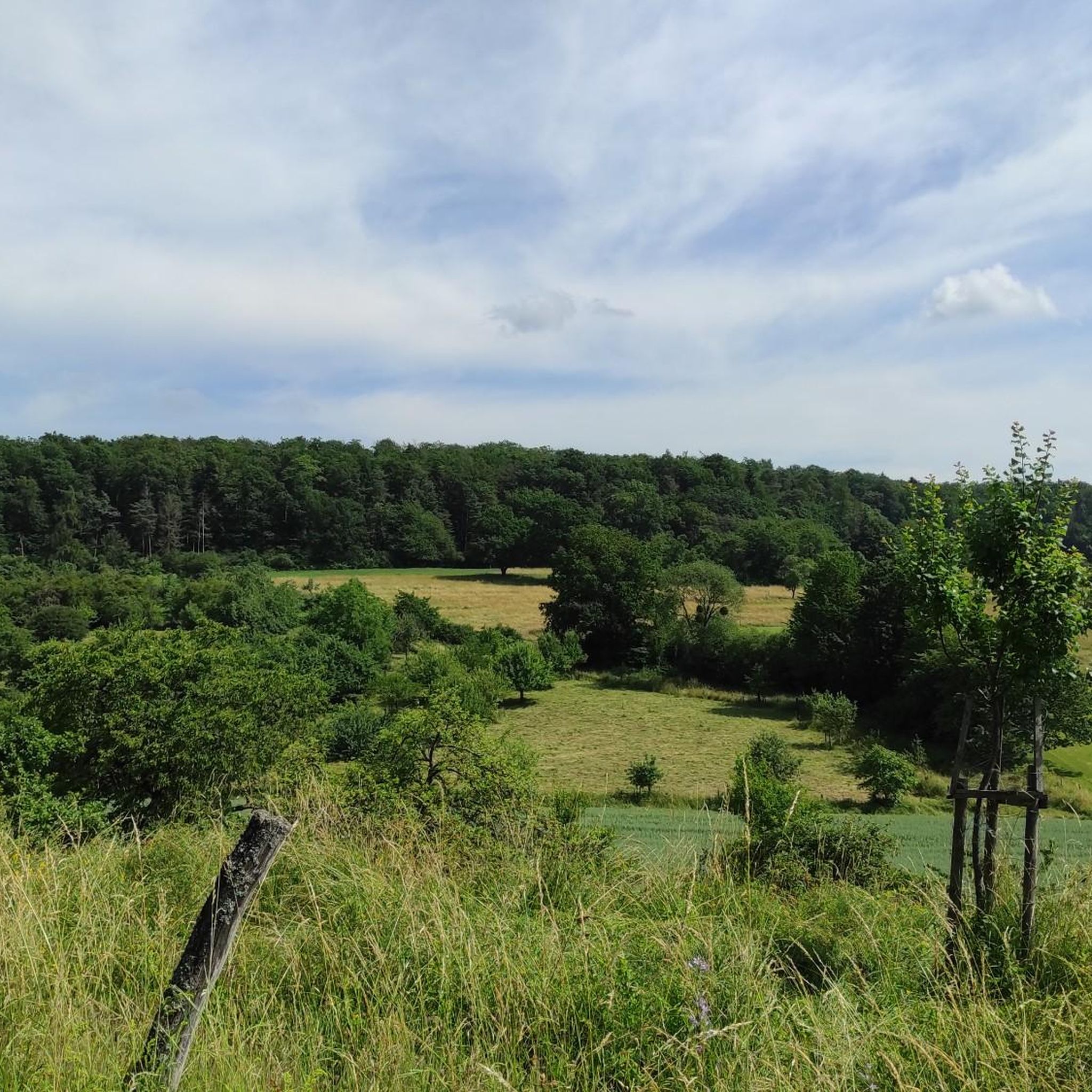
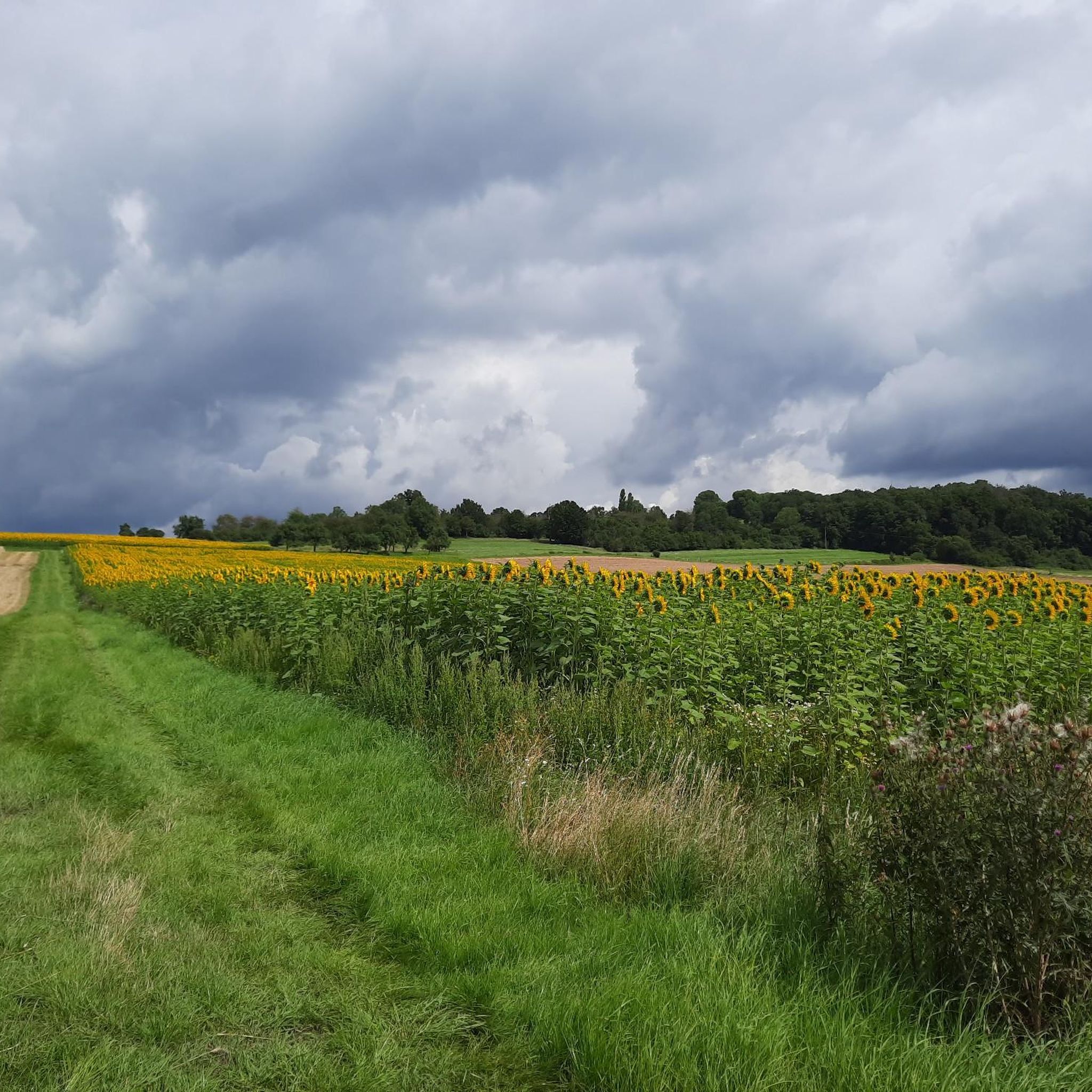

Tips from the Community

🏗️ Tunnel History: From Railway Tunnel to Mushroom Farm The Freienseener Tunnel was completed in 1903 as part of the expansion of the Friedberg–Mücke railway line. The original tube was 146 meters long and formed part of the single-track connection between Laubach and Freienseen. In 1938/39, a second, 196-meter-long tube was built parallel to the first, but was never used for regular rail traffic. This second tube was used during World War II for a so-called "U-Verlagerung" (underground relocation) – an underground relocation of armaments production to camouflage it from air raids. From 1943 onwards, aircraft speedometers and parts for the V1 and V2 rockets were produced here, among other things. Approximately 1,200 forced laborers, prisoners of war, and inmates from a branch of the Heddernheim labor education camp were involved in this production. After the war, the tunnel was used for various civilian purposes. Today it houses a mushroom farm.
0
0

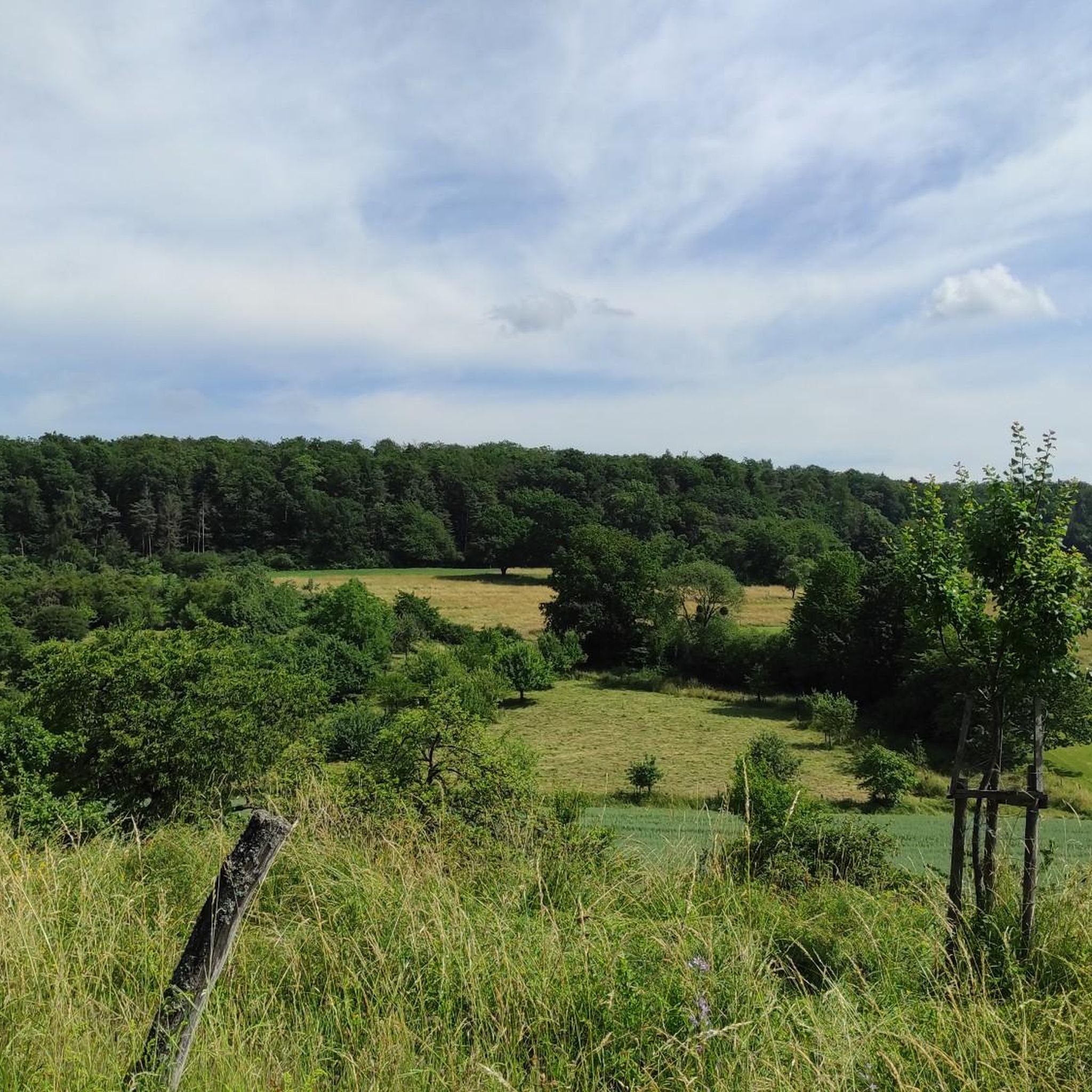
drove past and found it beautiful
0
0
The two railway tunnels near Freienseen bear witness to a turbulent history that goes far beyond rail traffic. One of the tunnels was once built for the planned railway line through the Vogelsberg Mountains – but trains never ran through it. The project remained unfinished. During World War II, the remote location was exploited: rocket parts, possibly also V1 and V2 components, were reportedly temporarily stored and guarded in surrounding bunkers. Today, the tunnels serve peaceful purposes: One tunnel houses a mushroom farm, the other is sealed and a protected refuge for bats. Therefore, it's clear: there will be no passage through them – whether on foot or by bike. Nature and current use are paramount. The railway line remains history. I was lucky on my railway line bike tour because, just as we were there, mushroom seeds and straw were delivered, and I was able to take a look inside. Great. YouTube Mushroom Farm Freienseen.
1
0

Without knowing whether the caves were actually inhabited by prehistoric humans, my imagination runs wild: They must have been magnificent dwellings for that time, and I picture a large living room with stone shelves and a seating area, the walls painted green with hunting art. Then there's a terrace with a view, a children's room, etc. I could even imagine a thunder beam.
1
1

Unfortunately there were no more drinks left. A cool non-alcoholic pilsner would have been just the thing! ;)
5
0

Nice caves and definitely good for playing and climbing
1
0
Very nice rocks with cave-like crevices. Definitely good for climbing.
1
0

The Treis Stone Age Caves are actually more like rock niches, but still very imposing structures. You can get close by bike, but it's better to walk the last few meters.
1
1
Frequently Asked Questions
What types of caves are found around Reiskirchen?
The caves around Reiskirchen are primarily historical mining tunnels, old ice cellars, and sites important for bat conservation. They offer insights into past industrial uses and ecological significance rather than elaborate show cave formations.
Are there any family-friendly caves to visit near Reiskirchen?
Yes, the Stone Age Caves Treis are considered family-friendly and offer an interesting historical experience. Visitors can even find a guestbook inside to leave a message.
What historical significance do the caves in Reiskirchen hold?
Many caves in the Reiskirchen area, such as the Riedmann Ice Cellar and the Old Riedmann Tunnel, were historically used to store ice for cooling drinks before modern refrigeration. Other tunnels, like the Railway tunnel with mushroom cultivation and a World War II bat bunker, have a history tied to railway projects and even wartime storage.
Are the caves around Reiskirchen suitable for beginner explorers?
The caves around Reiskirchen are generally more about historical and ecological interest. They are not typically developed for extensive exploration. Sites like the Stone Age Caves Treis offer accessible historical experiences, but deep cave exploration is not the focus.
What outdoor activities can I do near the caves in Reiskirchen?
The region around Reiskirchen offers various outdoor activities. You can find numerous routes for gravel biking, mountain biking, and road cycling. For example, explore routes like the 'View of Grünberg – Erzweg South Information Boards loop' for gravel biking, or the 'Swan Pond, Giessen – Wieseckaue loop' for mountain biking. You can find more details on these activities in the Gravel biking around Reiskirchen, MTB Trails around Reiskirchen, and Road Cycling Routes around Reiskirchen guides.
Is it possible to visit the historical mining tunnels mentioned in the region?
While historical mining tunnels like the Mittelstollen exist in the broader Landkreis Gießen area, many are not developed for public visitation. Some are important bat habitats and are sealed or protected. The focus is more on their historical and ecological significance rather than public access.
What is the best time to visit the caves and surrounding area in Reiskirchen?
The best time to visit the Reiskirchen area for outdoor activities and to see the cave sites is generally during the milder months, from spring to autumn. This allows for comfortable hiking and cycling around the historical sites. Winter visits might be possible, but some areas could be less accessible due to weather conditions.
Are there any cafes or places to eat near the cave sites?
While specific cafes directly adjacent to each cave site are not common, Reiskirchen and nearby villages offer various dining options. It's advisable to check local listings for cafes and restaurants in the main towns before or after your visit to the cave locations.
What natural features can I observe around the caves?
Beyond the caves themselves, the region offers natural landscapes typical of the Landkreis Gießen, including forests and natural monuments. The caves are often nestled within these natural settings, providing opportunities to observe local flora and fauna, especially around sites designated as bat habitats.
Can I bring my dog to the cave sites in Reiskirchen?
For outdoor cave sites and historical tunnels, dogs are generally permitted if kept on a leash. However, for specific sites, especially those designated as bat habitats or with restricted access, it's always best to check for any local regulations or signage regarding pets.
How long does it take to explore the caves around Reiskirchen?
The time required to visit the cave sites varies. For places like the Stone Age Caves Treis, a visit might take an hour or less, allowing time to explore and read any information. Other historical tunnels are often viewed from the outside or are only briefly accessible, making them quicker stops on a longer route.
What do visitors enjoy most about the caves in Reiskirchen?
Visitors appreciate the historical aspect and the unique glimpse into past uses, such as the ice cellars. The Stone Age Caves Treis are particularly noted for their interesting experience, with some visitors enjoying finding and signing the guestbook inside.
Most popular routes around Reiskirchen
Most popular attractions around Reiskirchen

Get inspired with the komoot mobile app


Explore more
Extend your search for the best caves by checking out these guides of the top ones around Reiskirchen:
