Top 8 Castles around Ostritz
Best castles around Ostritz are primarily represented by the historic Kloster St. Marienthal, a Cistercian abbey situated on the Neisse River at the German, Polish, and Czech border triangle. This region is characterized by its rich history and unique geographical position. While traditional castles are less common directly in Ostritz, the area offers several significant historical structures. These sites provide insights into centuries of regional heritage.
Best castles around Ostritz
- The most popular castles is Tauchritz Moated Castle, a…
Last updated: August 20, 2026
Tauchritz Moated Castle
Highlight • Castle
Translated by Google •
Tip by

Ruppersdorf Moated Castle
Highlight • Castle
Translated by Google •
Tip by

Sign up now to discover places like this
Get recommendations on the best single tracks, peaks, & plenty of other exciting outdoor places.
Sign up for free
Ruins of Großhennersdorf Castle
Highlight • Castle
sachsens-schloesser.de/herrnhut-wasserburg-schloss-grosshennersdorf
Castle ruins on the Herrnhuter Sculpture Trail are well worth seeing.
Translated by Google •
Tip by

Joachimstein Water Castle (Wasserschloss Joachimstein)
Highlight • Castle
Translated by Google •
Tip by

Joachimstein Palace (Pałac Radomierzyce)
Highlight • Castle
(Polish Pałac Radomierzyce) was once considered the most beautiful castle in Upper Lusatia.
It is located in the immediate vicinity of …
Translated by Google •
Tip by

Sign up for free to discover even more castles around Ostritz.
Sign up for free
Already have an account?
Start today with a free account
Your next adventure awaits.
Login or Signup
Tips from the Community

Niederruppersdorf Castle is an 18th-century moated castle built on the ruins of a medieval moated castle that had burned down. In the same year, the present castle was erected on the site by Johann Heinrich Gottlob von Nostitz, canon and senior member of the Prince-Bishopric of Meissen, according to plans by Johann Andreas Hünigen. Architecturally, it is a massive, simple structure built on high, square foundations with buttresses supporting the cellar. The two residential floors are crowned by a three-story mansard roof. The portal on the south side is reached via a double-arched bridge over the former moat and is decorated with the coats of arms of the Nostitz and Minckwitz families. Inside, the ceilings of the upstairs hall and the fireplaces are adorned with Rococo ornaments.
1
0

An information board provides information about the former castle.
1
0

Due to the use of the Christian Mission Society, the building cannot be visited and the grounds can only be crossed on the main path.
0
0

The beautiful old moated castle, unfortunately it is not in good condition
0
0

The secular and aristocratic Protestant Joachimstein Monastery in Radmeritz was once considered the most beautiful castle in Upper Lusatia. It is located near Radomierzyce in Poland, directly adjacent to the Hagenwerder border crossing. It was founded as a nunnery on an artificial island at the confluence of the Witka and Neisse rivers. This palace could be a unique attraction in Poland. It was once visited by European governments (from Augustus II the Strong, King of Poland and Saxony, through Frederick II the Great, King of Prussia, to Paul von Hindenburg, President of the Weimar Republic). The palace complex is situated on the water, and the palace itself has 12 chimneys, 52 large doors, and 365 windows. After the death of the palace's last owner in 2003, renovation work on the building, which had been in ruins since the 2nd century, practically ceased, and today, viewing the palace complex from the outside is the only way to experience this architectural gem. During World War II, the Nazis resided here. In 1944, they built an armored room – a vault for the documents of the Reich Main Security Office. After the war, Polish soldiers under the command of Piotr Jaroszewicz (later Prime Minister of the Polish People's Republic) arrived at the palace. Jaroszewicz discovered armored rooms containing secret Third Reich files. These contained, among other things, information about important figures collaborating with Nazi Germany. The case had a tragic ending. In 1992, Jaroszewicz and his wife were brutally murdered. He was tortured before his death, and she was shot. The Prime Minister's feet were nailed to the floor and tied, leaving only his right hand free – hence the presumption that he was forced to sign some documents. Nothing was stolen from his villa – only his office was ransacked, as if the murderers were searching for documents. The latest findings link the case to the files from Radomierzyce. Significantly, other people who visited the palace in 1945 were also murdered – Jaroszewicz's associates, Tadeusz Steć and Jerzy Fonkowicz. Steć was also tortured. It's also worth mentioning what happened to the palace after the war. Of course, it was plundered, a fact contributed to by the Turów mine. Historic sculptures were taken from there to a recreation center for mine workers. Stone lion statues were placed near the Bogatynia reservoir, from where they disappeared, and their whereabouts remain unknown to this day.
1
0
The secular, noble Protestant convent Joachimstein in Radmeritz (Polish: Pałac Radomierzyce) was once considered the most beautiful castle in Upper Lusatia. It is located near Radomierzyce (Radmeritz) in Poland, in the immediate vicinity of the Hagenwerder border crossing. It was built as a convent for women on an artificial island at the confluence of the Witka (Wittig) and the Lusatian Neisse.
2
0

Unfortunately unrenovated and not accessible.
1
0
Unfortunately not renovated yet.
1
0
Frequently Asked Questions
What kind of historical sites can I expect to find around Ostritz?
While traditional fortified castles are less common directly in Ostritz, the area is rich in historical structures. The most prominent is Kloster St. Marienthal, a Cistercian abbey with a history dating back to 1234. You'll also find moated castles and castle ruins in the wider region, offering insights into centuries of regional heritage.
What is the history and significance of Kloster St. Marienthal?
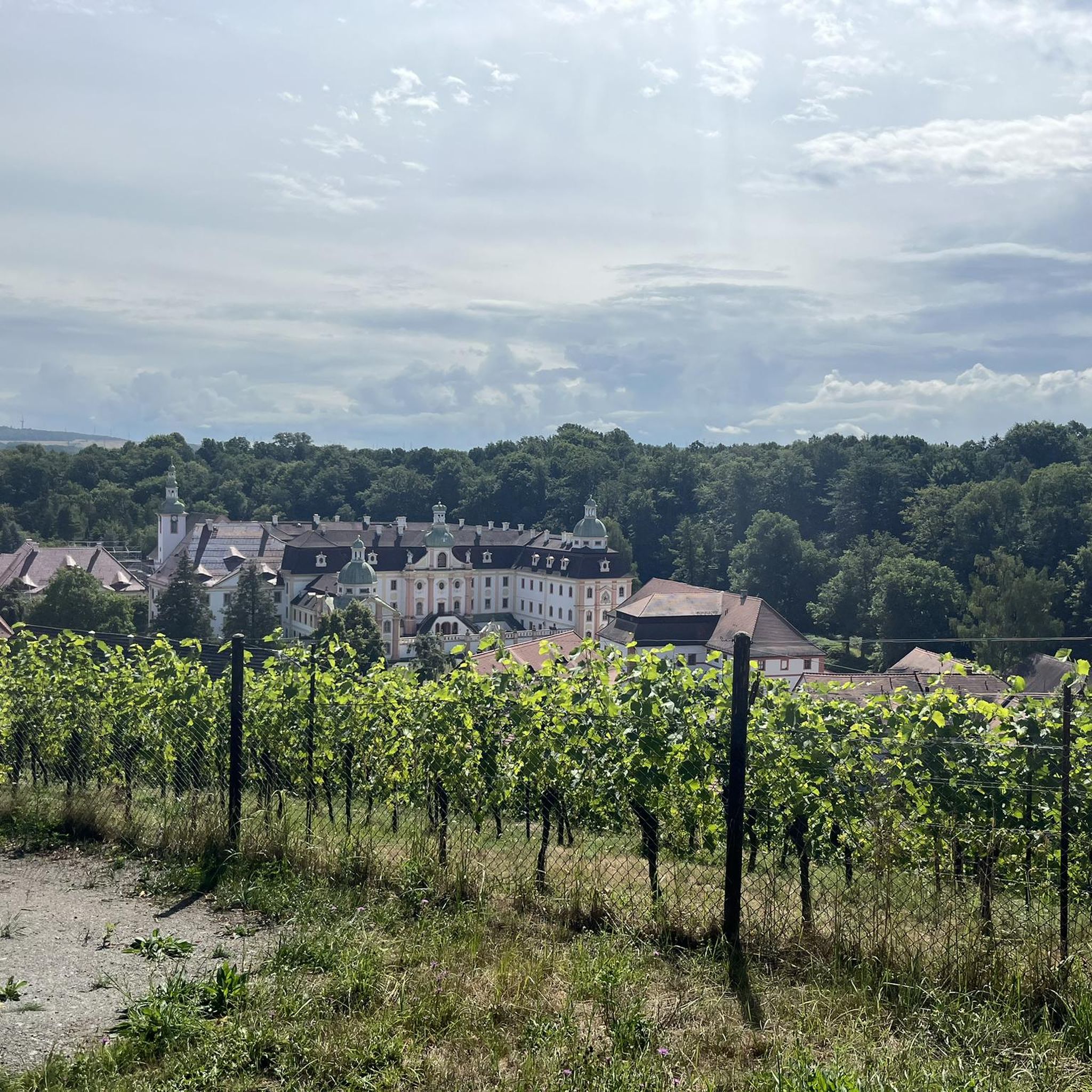
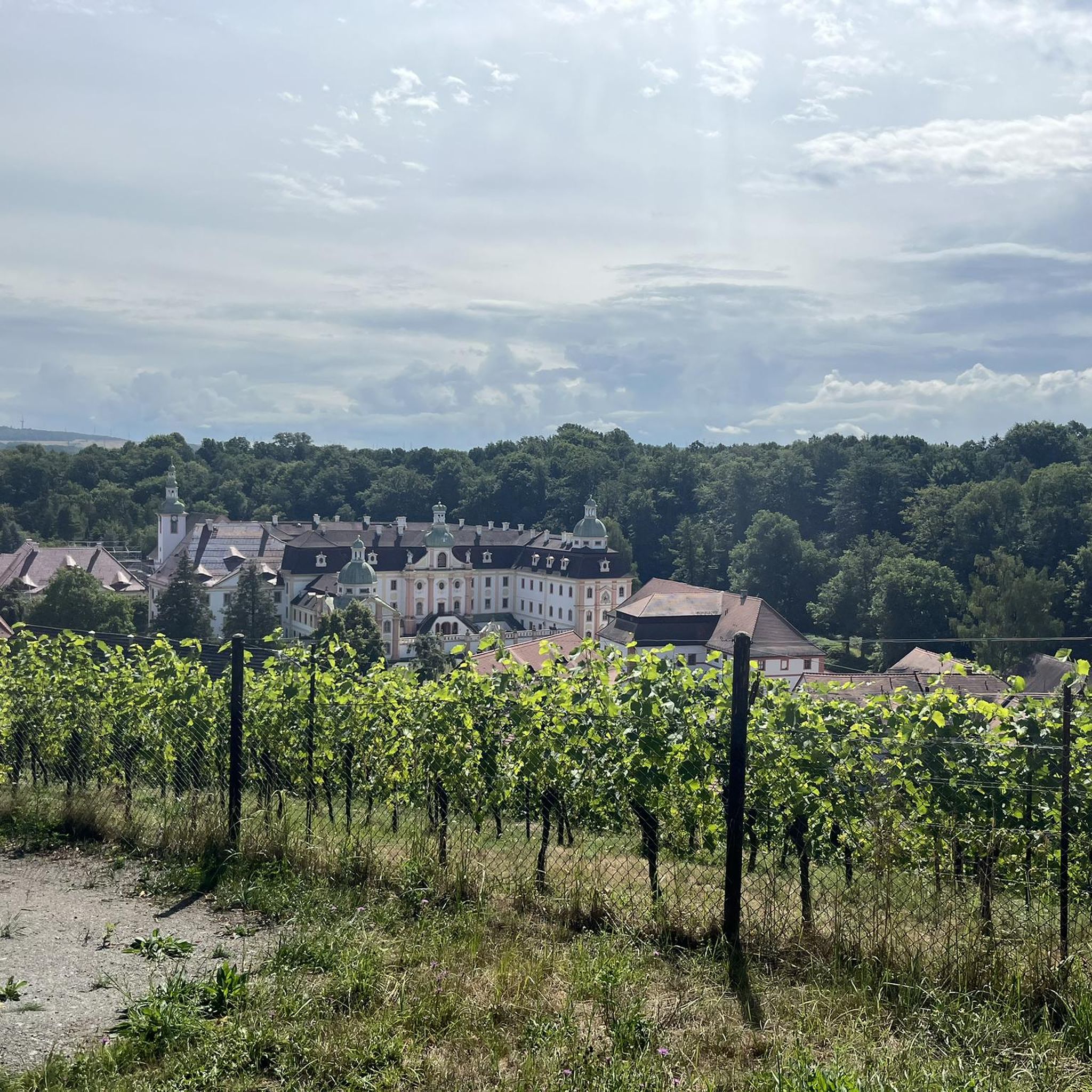
Kloster St. Marienthal is Germany's oldest continuously existing Cistercian women's monastery, founded in 1234 by Queen Kunigunde of Bohemia. It has been rebuilt multiple times, notably in Baroque style after a fire in 1683. The nuns have lived and worked here following the Rule of Saint Benedict for centuries, and in 1992, they established an international meeting center, repurposing historic economic buildings.
Are there any traditional castles or ruins to explore near Ostritz?
Yes, beyond the abbey, you can explore sites like Tauchritz Moated Castle, which has a history dating back to the 13th century and was rebuilt in 1686/87. Another option is Ruppersdorf Moated Castle, an 18th-century structure built on medieval ruins. For a glimpse into the past, visit the Ruins of Großhennersdorf Castle, a historical site that was once a manor in 1296.
What are some unique architectural features of the historical sites in the Ostritz area?
Kloster St. Marienthal showcases impressive Baroque architecture with white plastered facades and pastel accents. Ruppersdorf Moated Castle features a massive, simple structure with a three-story mansard roof and a portal decorated with coats of arms. Many of the moated castles in the region, like Tauchritz Moated Castle, reflect rebuilding efforts that incorporated styles from different eras.
Can you tell me more about <a href="https://www.komoot.com/highlight/3922228" target="_blank" rel="noopener">Tauchritz Moated Castle</a>?
Tauchritz Moated Castle has roots in the 13th century, with the 'Veste Tucheraz' first mentioned in 1357. The current building was rebuilt in 1686/87 following French models after a fire. It is privately owned, but its historical significance and architectural style make it a notable landmark in the region. The area around it, particularly Lake Berzdorf, offers beautiful natural surroundings for exploration.
What can I see at <a href="https://www.komoot.com/highlight/4045589" target="_blank" rel="noopener">Ruppersdorf Moated Castle</a>?
Ruppersdorf Moated Castle is an 18th-century moated castle built on the ruins of a medieval predecessor. Visitors can observe its massive, simple structure with a three-story mansard roof. The portal on the south side, reached via a double-arched bridge over the former moat, is decorated with the coats of arms of the Nostitz and Minckwitz families. Inside, Rococo ornaments adorn the ceilings and fireplaces.
What remains of the <a href="https://www.komoot.com/highlight/4367489" target="_blank" rel="noopener">Ruins of Großhennersdorf Castle</a>?
The Ruins of Großhennersdorf Castle mark the site of a former manor mentioned as early as 1296. After extensive damage and eventual demolition in parts, an information board now provides details about the castle's rich history, including its use as a knight's seat, a Moravian Unity property, and even a youth hostel. It's a poignant reminder of the region's past.
Is <a href="https://www.komoot.com/highlight/6453725" target="_blank" rel="noopener">Joachimstein Water Castle</a> accessible to visitors?
Joachimstein Water Castle (also known as Pałac Radomierzyce) is located near Radomierzyce in Poland, close to the Hagenwerder border crossing. While historically significant and once considered the most beautiful castle in Upper Lusatia, it is currently secured with barbed wire and barriers, and signposted as private property. Viewing the palace complex from the outside is generally the only way to experience this architectural gem.
Are there hiking opportunities near the historical sites around Ostritz?
Yes, the area around Ostritz and its historical sites offers various hiking opportunities. You can find easy hikes like the 'Bergsee Ostritz – View over the Neisse Valley loop' or the 'St. Marienthal Abbey – View over the Neisse Valley loop'. For more options, explore the Easy hikes around Ostritz guide.
What kind of outdoor activities are available near Ostritz's historical sites?
Beyond exploring historical sites, the region around Ostritz is great for outdoor activities. You can enjoy gravel biking with routes like the 'Lake Berzdorf – Berzdorfer See Promenade loop' (see Gravel biking around Ostritz) or mountain biking on trails such as the 'Lake Berzdorf – Bertsdorfer See North Shore loop' (check the MTB Trails around Ostritz guide). There are also numerous easy hiking trails, particularly around Kloster St. Marienthal and Lake Berzdorf.
Is Kloster St. Marienthal suitable for families?
Yes, Kloster St. Marienthal offers a unique experience for families. The international meeting center provides guesthouses and family accommodations. Children might enjoy exploring the monastery grounds, including the 'Garden of Biblical Plants' (Bibelgarten), and the peaceful atmosphere. The nearby easy hiking trails also offer family-friendly outdoor options.
Can I visit the monastery's vineyard?
Kloster St. Marienthal notably owns Germany's easternmost vineyard. While the yield is processed by a community of winegrowers, the monastery's connection to viticulture is a unique aspect of its history and offerings. Visitors can learn about this tradition during their visit to the abbey.
What is the best time of year to visit the historical sites around Ostritz?
The historical sites around Ostritz, including Kloster St. Marienthal, can be visited year-round. Spring and autumn offer pleasant weather for exploring the grounds and nearby hiking trails. Summer provides longer daylight hours and often hosts various events at the monastery. Even in winter, the Baroque architecture can be quite picturesque, though some outdoor activities might be limited by snow or colder temperatures.
Are there places to eat or stay near Kloster St. Marienthal or other sites?
Yes, Kloster St. Marienthal itself has an international meeting center that includes dining halls and guesthouses, offering accommodation and meals directly within the historic complex. In Ostritz and the surrounding towns, you can find local cafes, pubs, and various accommodation options to suit different preferences.
Most popular attractions around Ostritz

Get inspired with the komoot mobile app


Explore more
Looking for the best castles somewhere else? Discover other guides around Ostritz:
