Top 20 Caves around Marienberg
Best caves around Marienberg are primarily historical show mines and former mining tunnels, reflecting the rich mining heritage of the Ore Mountains in Saxony, Germany. The region, particularly near Pobershau, offers insights into centuries of ore extraction. These underground sites provide a unique perspective on historical mining techniques and geological formations. Visitors can explore various tunnels and shafts that once yielded tin, copper, and silver.
Best caves around Marienberg
- The most popular caves is Heilige Dreifaltigkeit Visitor Mine, a…
Last updated: July 10, 2026
Heilige Dreifaltigkeit Visitor Mine
Highlight • Historical Site
Translated by Google •
Tip by

Tiefer Blühend Glück Stolln Mine Entrance
Highlight • Historical Site
Translated by Google •
Tip by

Sign up now to discover places like this
Get recommendations on the best single tracks, peaks, & plenty of other exciting outdoor places.
Sign up for free
Pfaffens Ruh Cave
Highlight • Cave
Translated by Google •
Tip by

Molchner Stolln Show Mine
Highlight • Historical Site
Translated by Google •
Tip by
Williger Bergmann Stolln
Highlight • Cave
Translated by Google •
Tip by

Sign up for free to discover even more caves around Marienberg.
Sign up for free
Already have an account?
Start today with a free account
Your next adventure awaits.
Login or Signup
Popular around Marienberg

Let it flow! Cross-country skiing in the Ore Mountains
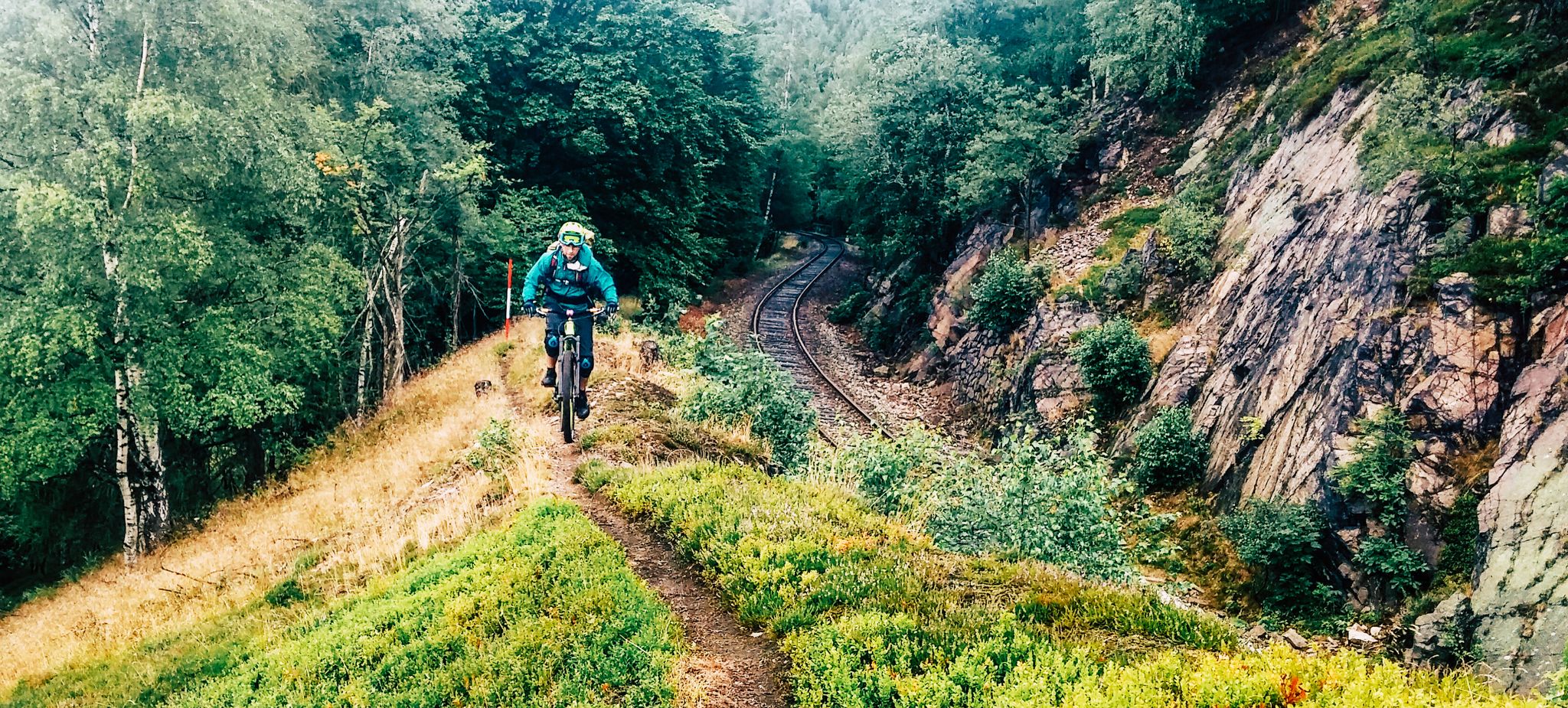
Kammweg Erzgebirge – Border adventure along the Ridgeway
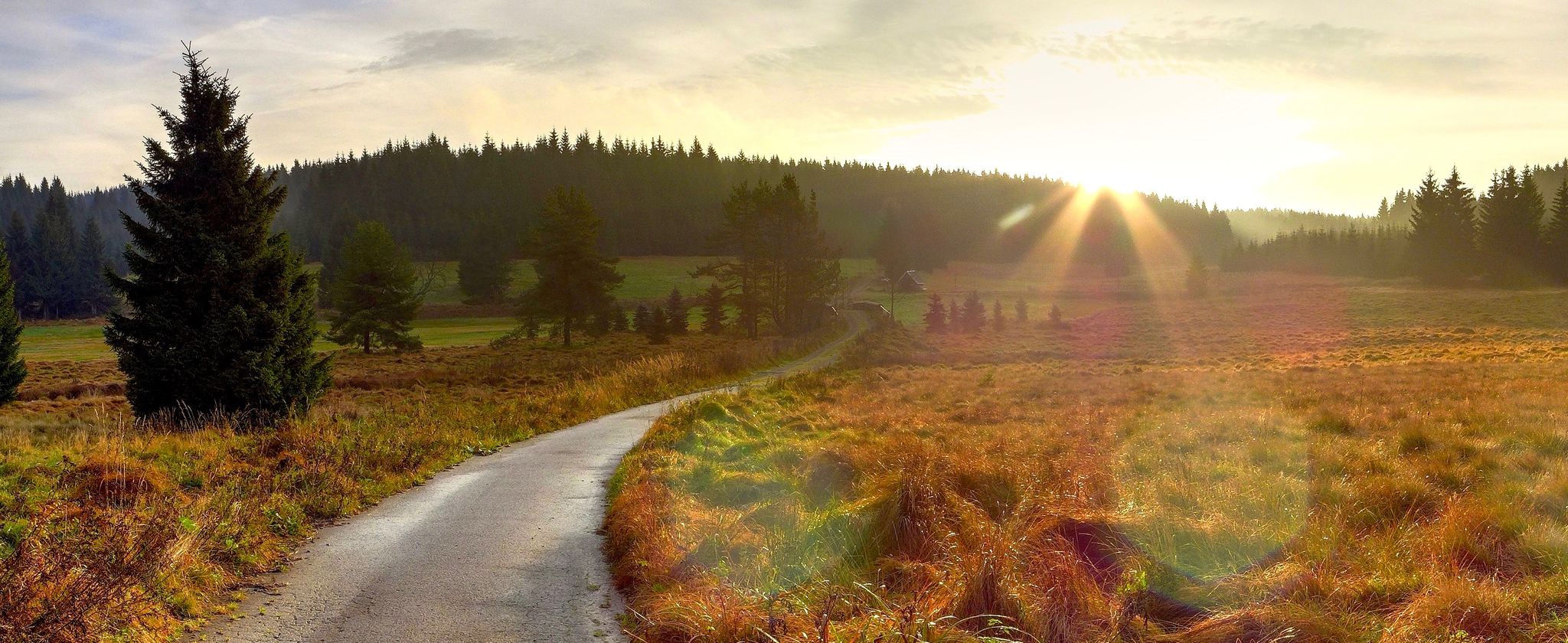
Ore Mountains — between forests and elevation
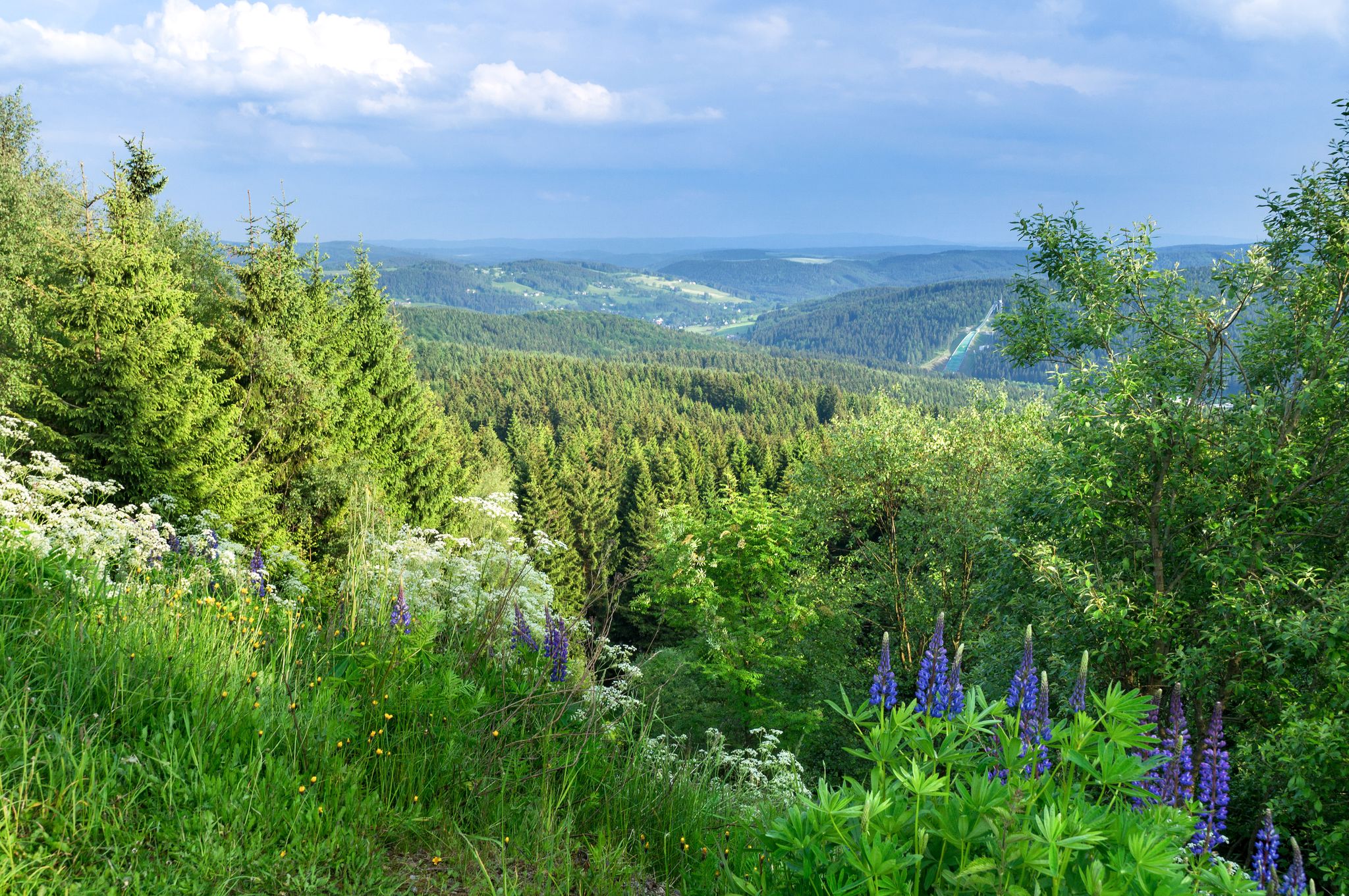
History meets nature – Erzgebirge-Vogtland Ridge Trail
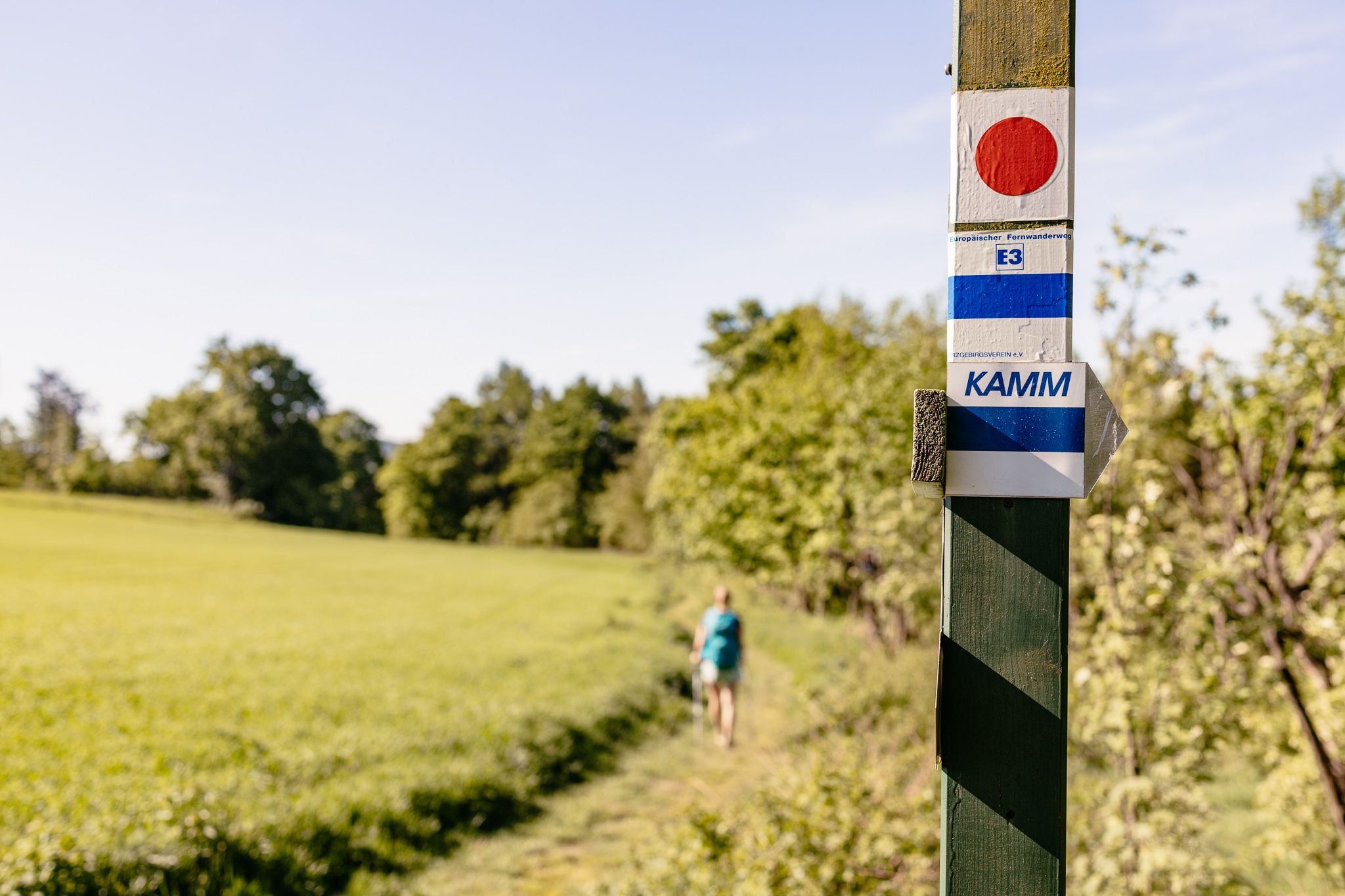
Der Kammweg Erzgebirge-Vogtland aus Sicht einer Bloggerin
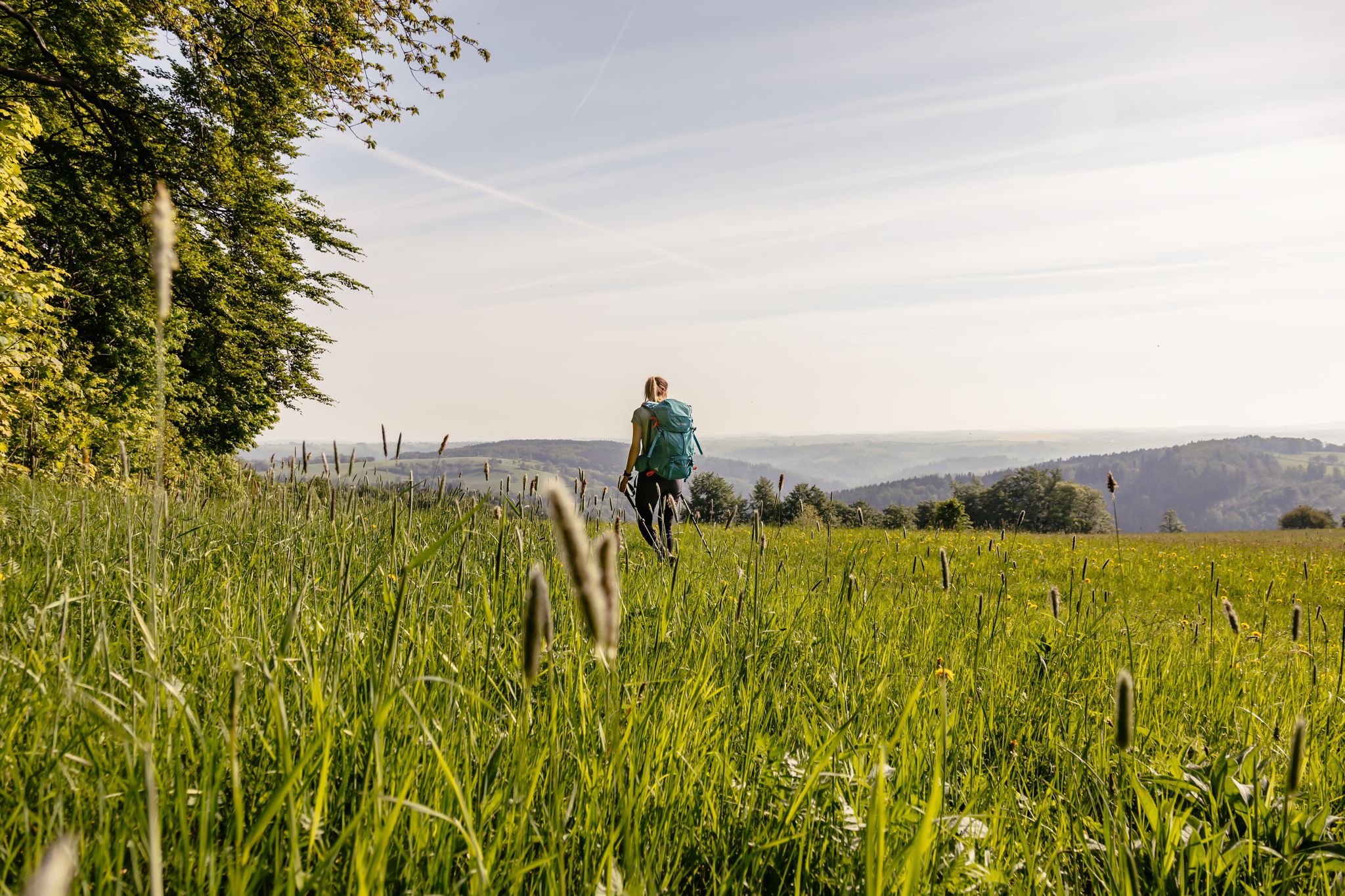
Fernwanderwege im Erzgebirge
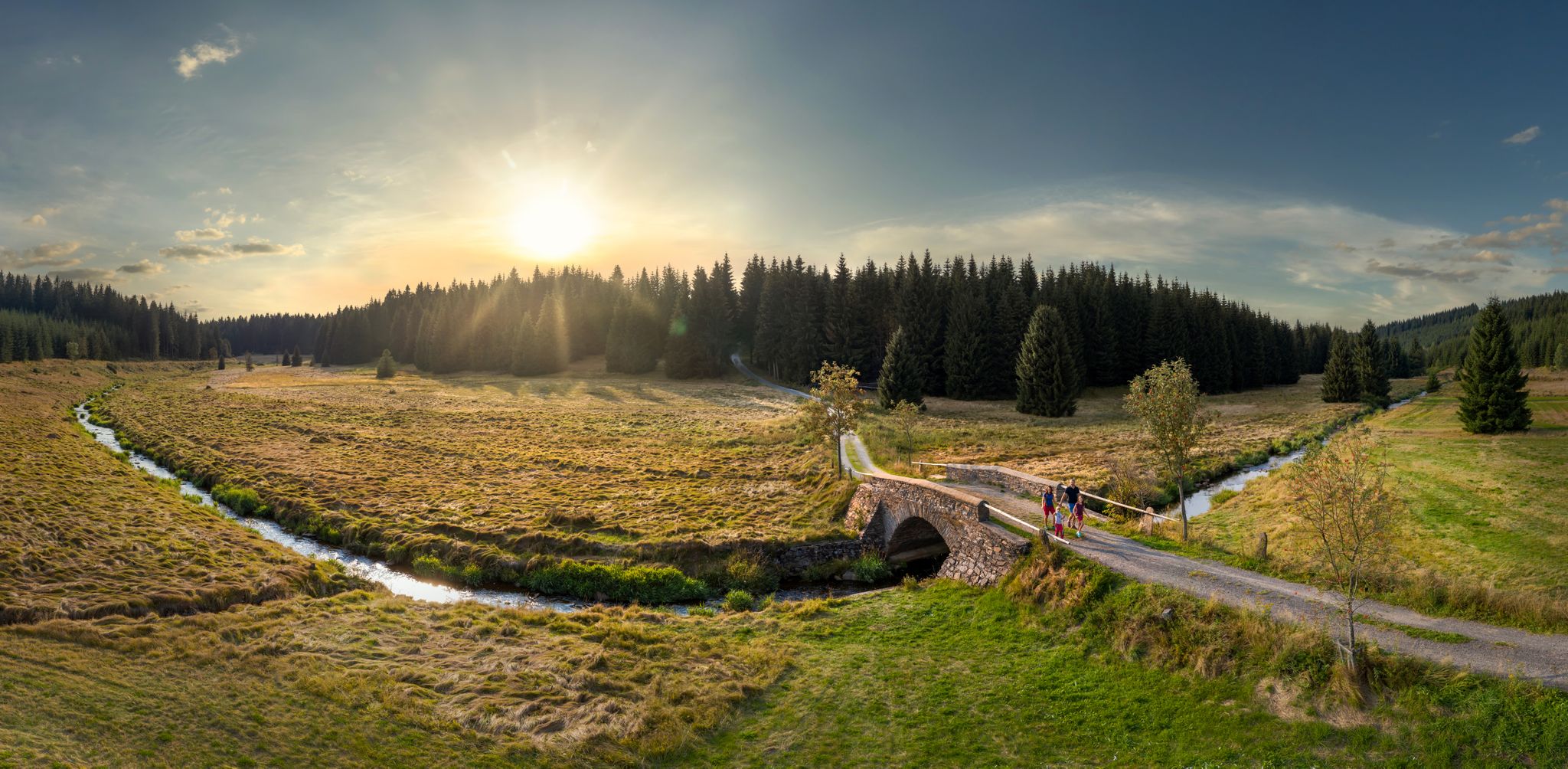
Wandertouren - Flusstäler & Talsperren
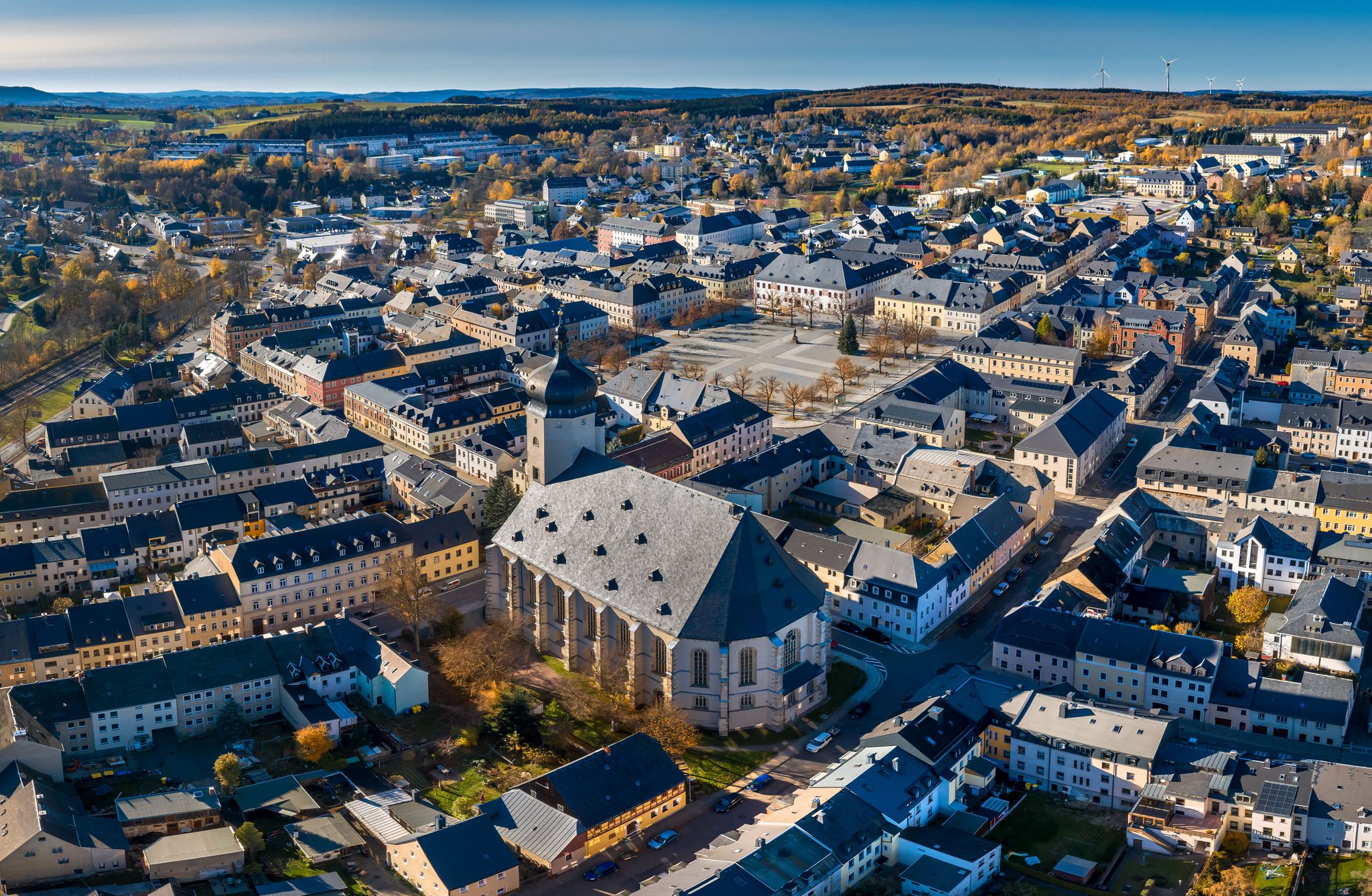
Wandertouren - "Glück Auf" im Welterbe
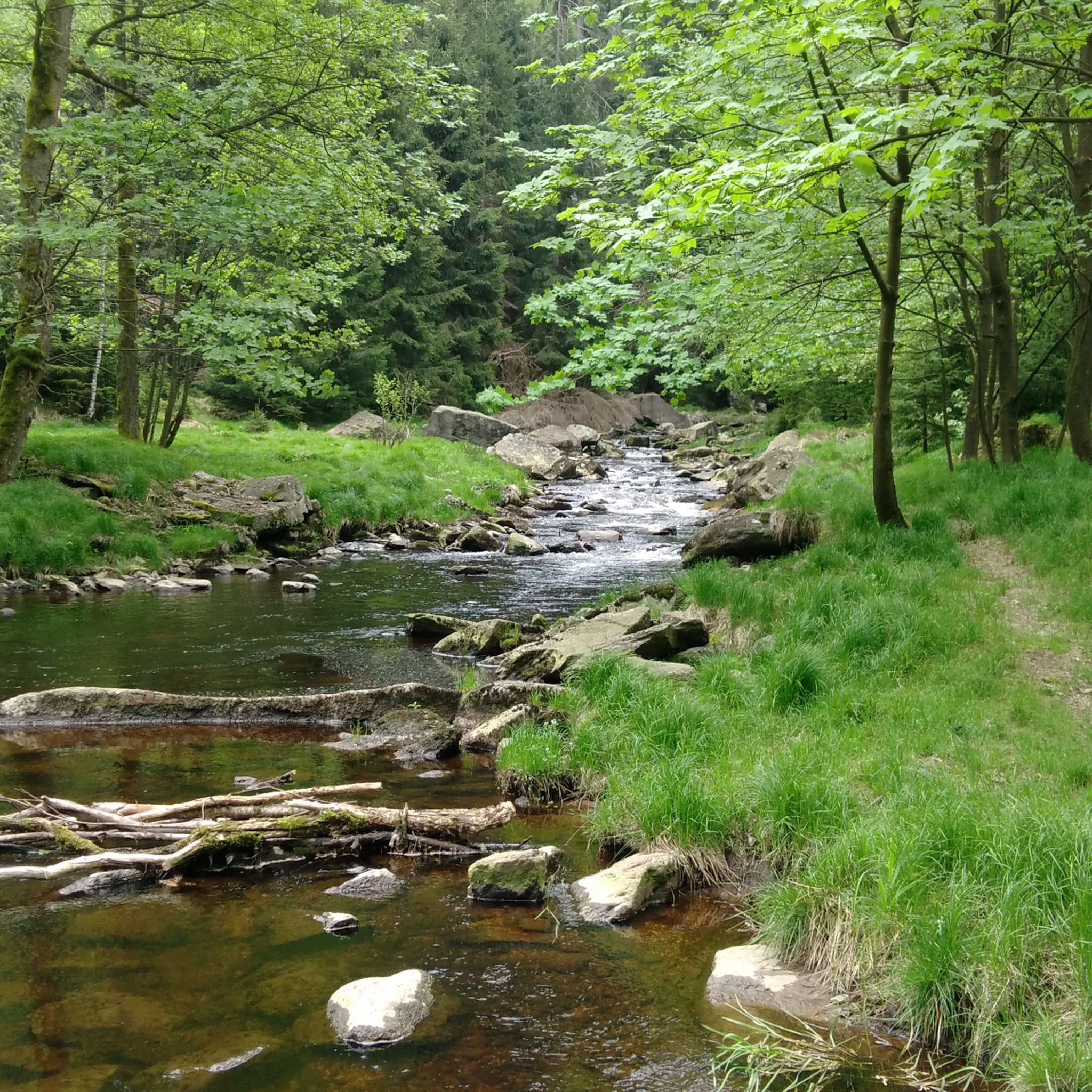
Hiking around Marienberg
Cycling around Marienberg
Other adventures around Marienberg


Tips from the Community

We now walk through the valley, with the rocks rising up beside us. At the side of the path, we find the entrance to the Tiefen Blühend Glück tunnel. https://youtu.be/LYmwgx7Z0Lk
0
0

Pfaffens Ruh is a small cave located above the Zschopau River on the left bank of the river on the hiking trail towards Witzschdorf. This small burrow, which once housed the wheel bearing of a winch, was named after the landowner who owned the property here: Pfaff. The winch pulled tree trunks up the slope for the blue dye factory. Today, a date and mining symbols can still be seen carved into the stone. But be careful, as you walk past, you can hear the sand trickling a little. Entering the cave is therefore not recommended. https://www.ins-erzgebirge.de/Pfaffens-Ruh#google_vignette
1
0

definitely worth a trip
0
3

In 1776, an old tunnel in the so-called Saugarten was opened under the name Williger Bergmann. Work continued there with interruptions until 1812. The tunnel was recently uncovered again and is now part of the Marienberg mining trail. In summer, it is always nice and shady here and the Lauterbach river flowing past keeps it nice and cool. So you can take a break here.
0
0

The mining town of Pobershau was founded at the beginning of the 16th century to use newly discovered iron ores. The first mention of a “Drey Molchen treasure trove” was in 1529 because of good silver finds. The mine's highest yield was achieved in 1540, and later the mining operation suffered greatly during the Thirty Years' War. From the 17th century onwards, mainly tin mining took place until mining stopped during this period in 1866. In 1936–1938 the mine field was probably examined for mining suitability as part of the four-year plan; The last time ore was mined was from 1947 to 1954 by SDAG Wismut. Source: Wikipedia
12
0
The tunnel was excavated between 1855 and 1886. However, enough was never really found here and so it only leads a little more than five hundred meters into the mountain. However, the beautifully brick mouth hole that can be seen today was once destroyed when the keystone was stolen. After the fall of the Wall, the Pobershau Mountain Brotherhood renovated it. The tunnel now also serves as a roost for bats. Source: https://www.ins-erzgebirge.de/Mundloch-des-Tiefen-Bl%C3%BChend-Gl%C3%BCck-Stollns
16
0

In 1776, an old tunnel in the so-called Sauarten was recorded under the name Williger Bergmann. At that time, its length was 70 m. In the years that followed, it was further excavated up to 1785 to a total length of 250 m. Originally should the Emperor Heinrich Stehende can be reached, however, this company was subsequently abandoned. In 1808 the willing miner Stolln was awarded again. During this time, 40 m were driven (to a total length of 290 m). It has been handed down that after a distance of 52 m from the mouth of the mouth, an overcut began and in the process it broke through into an old tunnel located above. Mining work ended in 1812. The tunnel was recently uncovered by mining enthusiasts and with the support of the Schneeberg mountain rescue service. The tunnel mouth was also provided with a wall.
4
0

The search for silver in the mining town of Zschopau was not particularly successful in comparison to other mining towns in the Ore Mountains. But today it is an amazing witness from the Middle Ages. The pit, which is an ancillary facility of the "Holy Trinity" treasure trove, is one of the smaller visitor mines with around 250m of secured guideways. But it is precisely the fact that it reflects medieval silver mining in an unadulterated manner and remained free of the influence of the uranium ore mining of the SDAG "Wismut" that makes it so interesting. In the approx. 45-minute guided tour you will learn a lot of interesting facts about mining, geology, mineralogy and traditions of the Ore Mountains. In addition, there is the possibility of using the above-ground facilities of the association for celebrations or meetings. Among other things, the Huthaus with space for up to 25 people and the barbecue area are available. You can get an overview of the far-reaching facilities of the former old mine on the mining educational trail or on the smaller route "Wurzelweg und Altbergbau". Have fun and good luck!
4
0
Frequently Asked Questions
What types of caves can I explore around Marienberg?
The Marienberg region is primarily known for its historical show mines and former mining tunnels, which reflect the rich mining heritage of the Ore Mountains. You can explore sites like the Heilige Dreifaltigkeit Visitor Mine, offering insights into medieval silver mining, or the Pfaffens Ruh Cave, which is a natural cave with evidence of old mining activities.
Are there any natural caves near Marienberg, or are they all mining-related?
While many sites are related to mining, there are natural caves that also show signs of historical human activity. For example, Pfaffens Ruh Cave is a natural cave that also features evidence of old mining activities, accessible via a narrow path.
What is the Molchner Stolln show mine and what makes it special?
The Molchner Stolln, located in Pobershau near Marienberg, is a historic show mine offering a deep dive into centuries of mining in the Ore Mountains. It's known for its rich history of tin, copper, iron, and silver extraction, and even uranium mining. Highlights include dry-stacked arches, a replica of a 16th-century water lifting device, and a 'Wismut' section showcasing modern mining technology. Guided tours are available, often lasting around 45 minutes.
Are there family-friendly cave experiences in the Marienberg area?
Yes, the Heilige Dreifaltigkeit Visitor Mine is considered family-friendly. It offers around 250m of secured guideways and 45-minute guided tours that are suitable for visitors of various ages. The Molchner Stolln also offers special experiences like children's birthday parties with treasure hunts.
What historical mining techniques can I learn about in the caves around Marienberg?
In the region's show mines, particularly the Molchner Stolln, you can learn about various historical mining techniques. These include tin mining using fire-setting, the use of dry-stacked arches and cross vaults, and the operation of water lifting devices like the 16th-century 'artificial tool' replica. The Heilige Dreifaltigkeit Visitor Mine also provides insights into medieval silver mining.
What is the best time of year to visit the caves near Marienberg?
Many of the show mines, such as the Molchner Stolln, are open year-round, typically from Tuesday to Sunday. This makes them a good option for exploration regardless of the season, providing a unique experience even during colder months when outdoor activities might be limited.
What should I wear when visiting the show mines?
Underground temperatures are consistently cool, so it's advisable to wear warm clothing, even in summer. Comfortable, sturdy footwear is also recommended for walking on uneven surfaces. For more immersive experiences at places like Molchner Stolln, historical mining gear (helmet, lamp, boots, rubber jacket) can be provided for special tours.
Can I see bats in any of the old mine entrances?
Yes, some historical mine entrances now serve as roosts for bats. The Tiefer Blühend Glück Stolln Mine Entrance, for example, which was excavated between 1855 and 1886, is now known to function as a bat roost.
Are there any caves that are no longer accessible to the public?
Yes, some historical mining tunnels are no longer publicly accessible. The Gläserstolln, a significant hereditary tunnel from 1523, is unfortunately no longer open to the public after renovation work and now serves only internal club purposes.
What outdoor activities can I combine with a visit to the caves around Marienberg?
The Marienberg region offers various outdoor activities. You can find numerous hiking trails, including easy hikes like the Upper Schwarzwassertal Valley – Green Trench Entrance loop. For more challenging adventures, there are mountain hikes such as the Wolkenstein Via Ferrata loop. Cycling is also popular, with routes like the Black Pockau River – Nonnenfelsen Climbing Crag loop available.
Are there any hidden or less-known historical mining sites worth exploring?
Beyond the main visitor mines, you can discover sites like the Williger Bergmann Stolln. This old tunnel, first recorded in 1776, was recently uncovered by mining enthusiasts and features a restored tunnel mouth. It's a more secluded spot, offering a glimpse into the region's extensive mining past.
Most popular routes around Marienberg
Most popular attractions around Marienberg

Get inspired with the komoot mobile app


Explore more
Extend your search for the best caves by checking out these guides of the top ones around Marienberg:
