Top 19 Lakes around Tensbüttel-Röst
Lakes around Tensbüttel-Röst, a municipality in Schleswig-Holstein, Germany, offer diverse natural landscapes for outdoor activities. While large lakes are not directly within its immediate boundaries, the surrounding region provides several notable water bodies. These areas feature a mix of natural reserves, former industrial sites transformed into biotopes, and historical locations. Visitors can find opportunities for nature observation, fishing, and walking trails.
Best lakes around Tensbüttel-Röst
- The most popular lakes is Moor pools in the Ostroher-Süderholmer Moor, a natural area…
Last updated: July 10, 2026
Moor pools in the Ostroher-Süderholmer Moor
Highlight • Natural
Translated by Google •
Tip by

Herthateich
Highlight • Lake
Translated by Google •
Tip by

Sign up now to discover places like this
Get recommendations on the best single tracks, peaks, & plenty of other exciting outdoor places.
Sign up for free
Mühlenteich Albersdorf
Highlight • Lake
The first indications of the occurrence of a water mill in Albersdorf can be found on a map from 1559. …
Translated by Google •
Tip by

Fieler Moor Nature Reserve
Highlight • Natural
Translated by Google •
Tip by

Fishing pond at Fuchsberg
Highlight • Lake
Translated by Google •
Tip by

Sign up for free to discover even more lakes around Tensbüttel-Röst.
Sign up for free
Already have an account?
Start today with a free account
Your next adventure awaits.
Login or Signup
Tips from the Community

The Herthateich pond is the ideal place to experience Burg's unusual topography (forest and hills in the heart of Dithmarschen). It combines nature (orchard), culture (open-air stage), and history (Bökelnburg Castle) in a very small area. The Herthateich is located in the center of the health resort of Burg. The area is characterized by a strong contrast to the otherwise rather flat marsh landscape of Dithmarschen. Because Burg lies on the geest (a ridge), the area around the pond is hilly and wooded, giving it an almost fairytale-like, sheltered atmosphere.
0
0


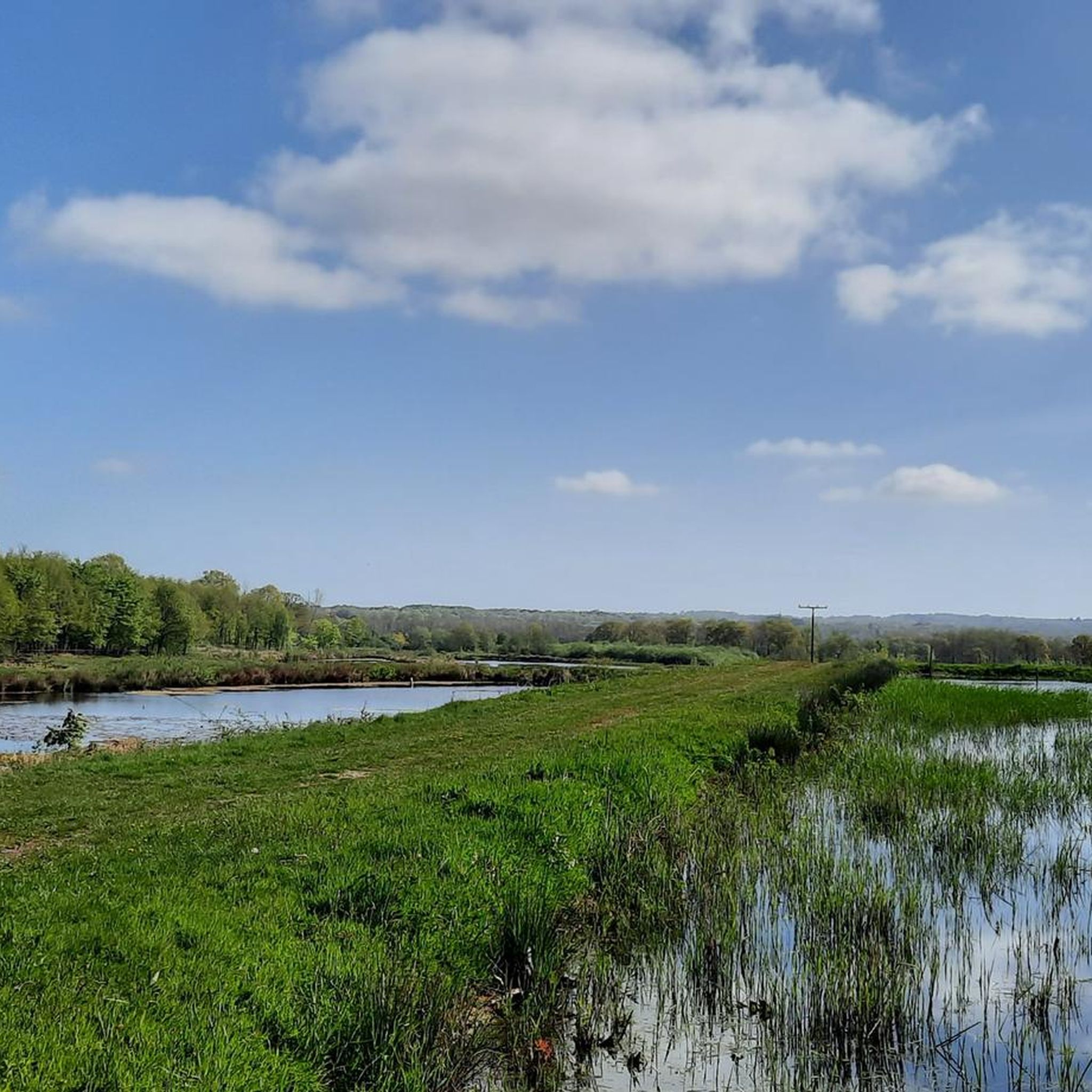
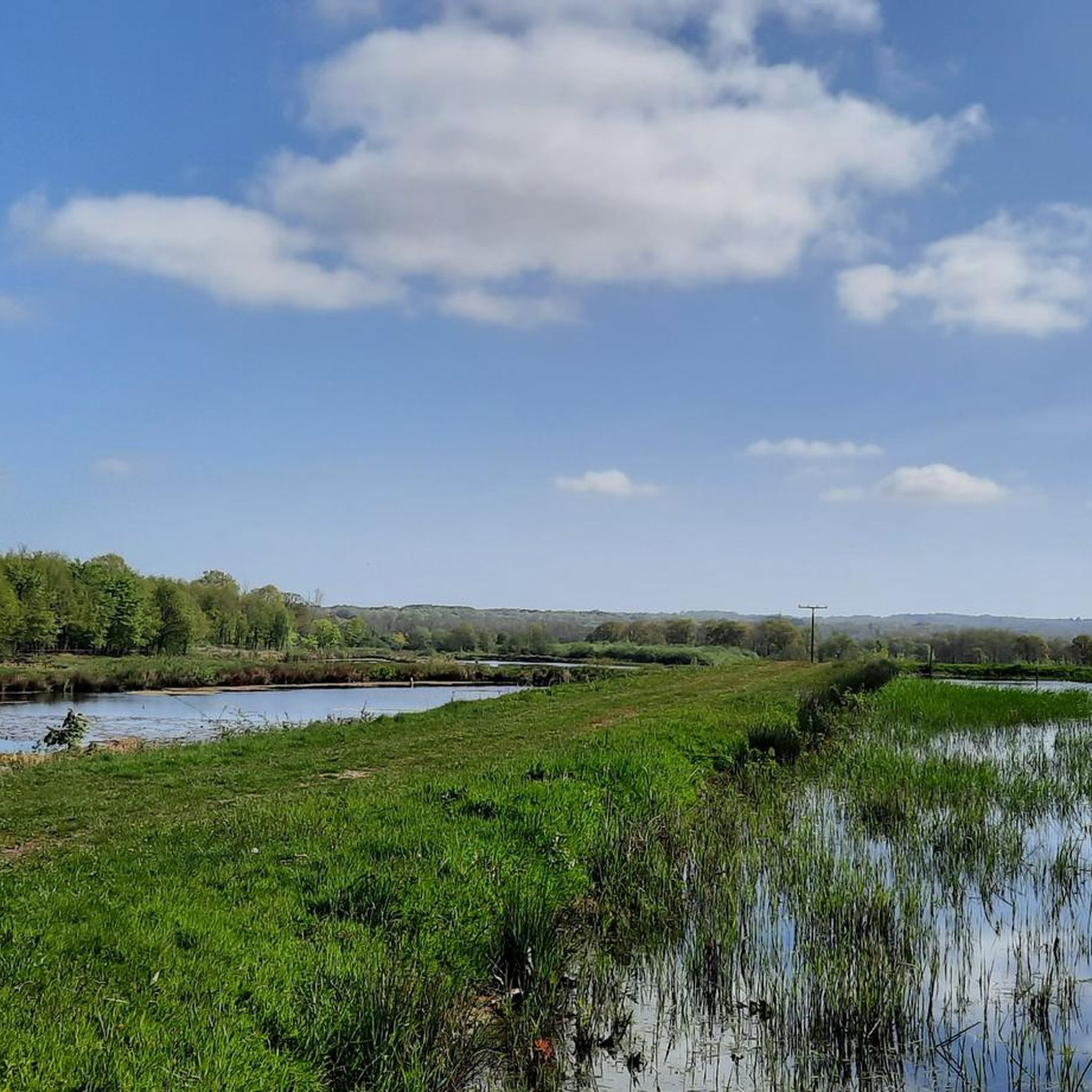
A small place to rest with a beautiful view over the hollows.
0
0

The Scottish Highlanders are a peaceful breed of cattle. Everything is very slow and they don't fixate on them with their eyes. Then they get very curious. I also really liked the view of the birch forest. It may be that I'm spoiled at the moment. So I have to "earn" a hike's stars. The water areas are visited by anglers, and they drive right up to them in their cars. There are also too many tractors driving too fast on the supply routes.
5
0
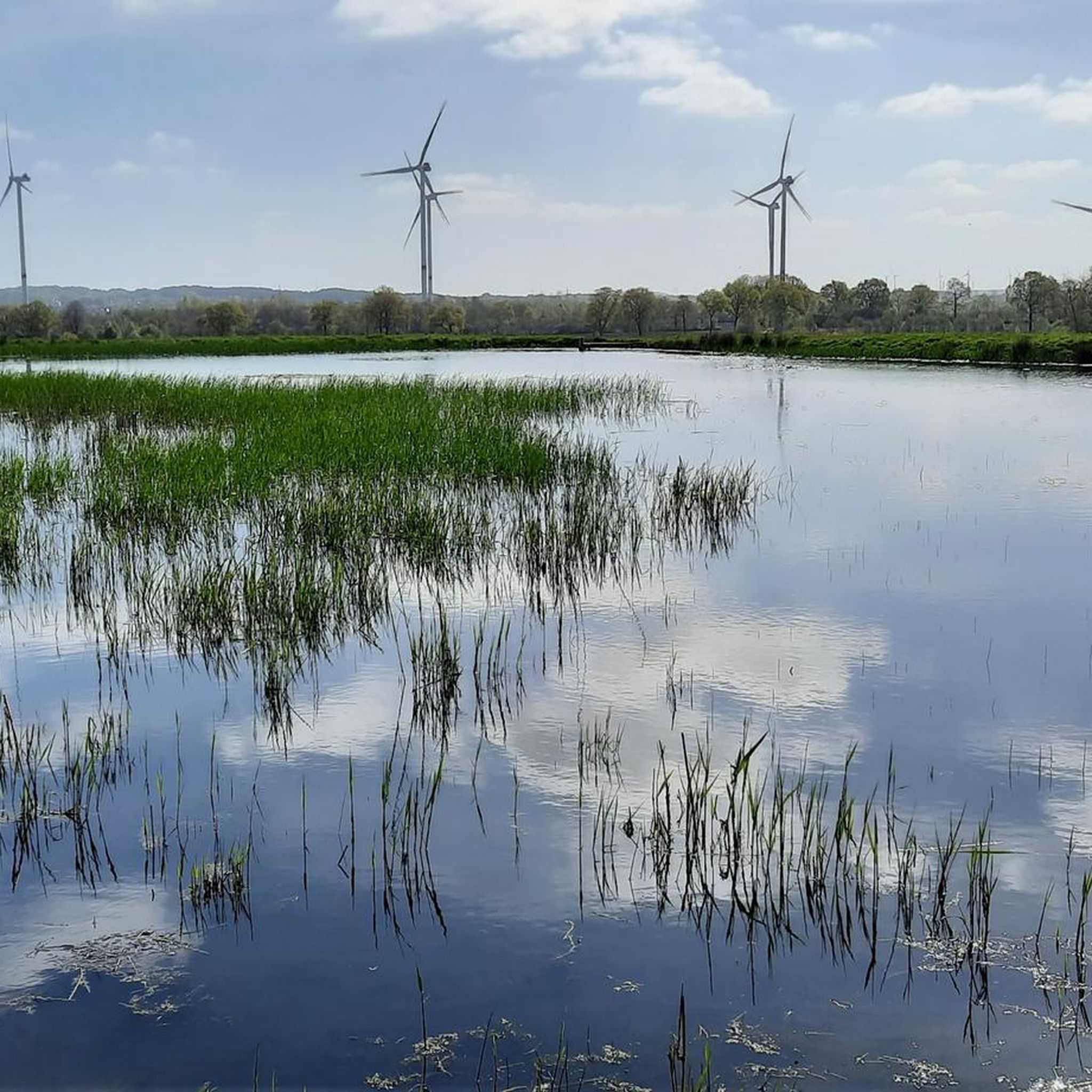
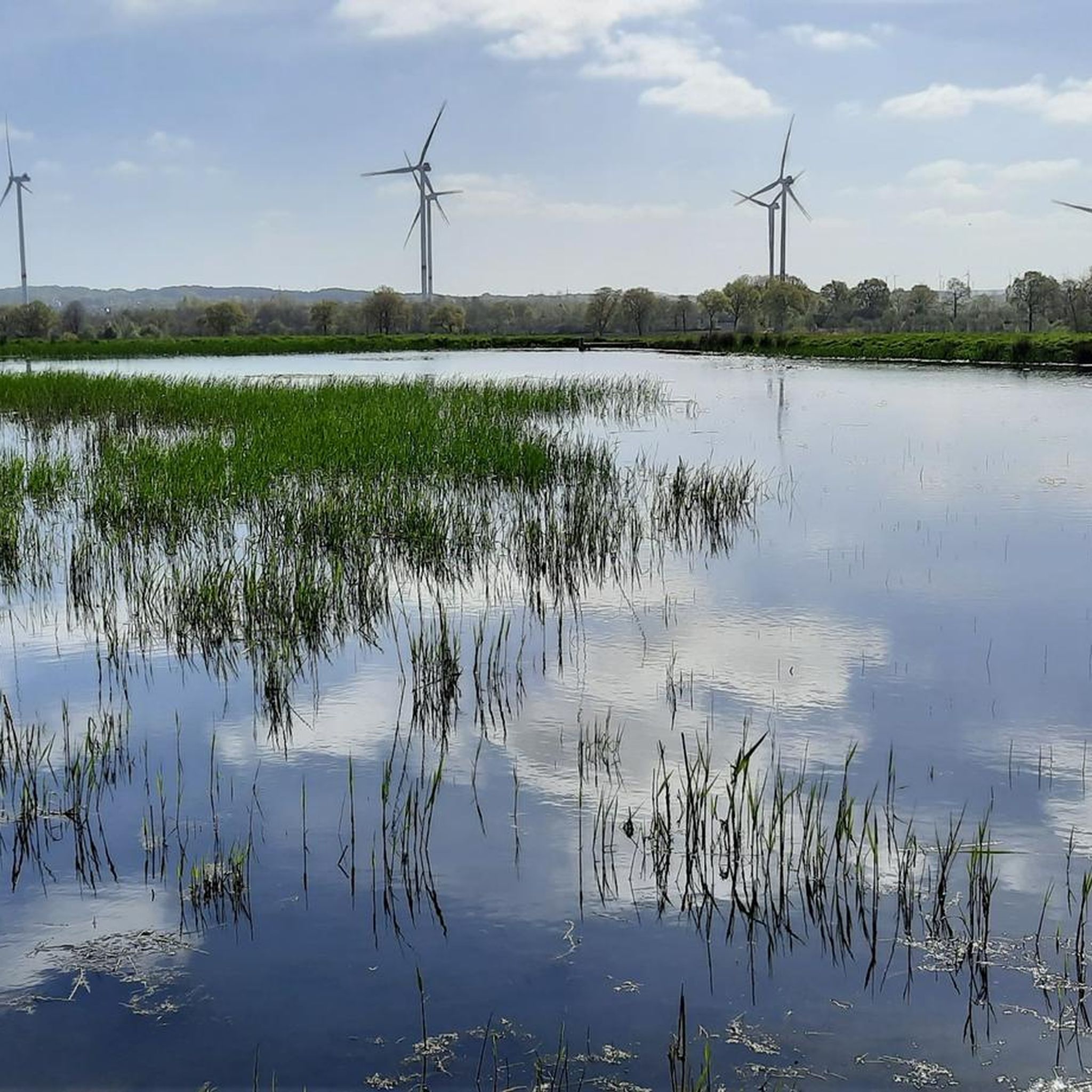
After the Second World War, peat was mined here on a large scale to a depth of six metres. This is how the peat pits, which are today's water areas, were created.
4
0
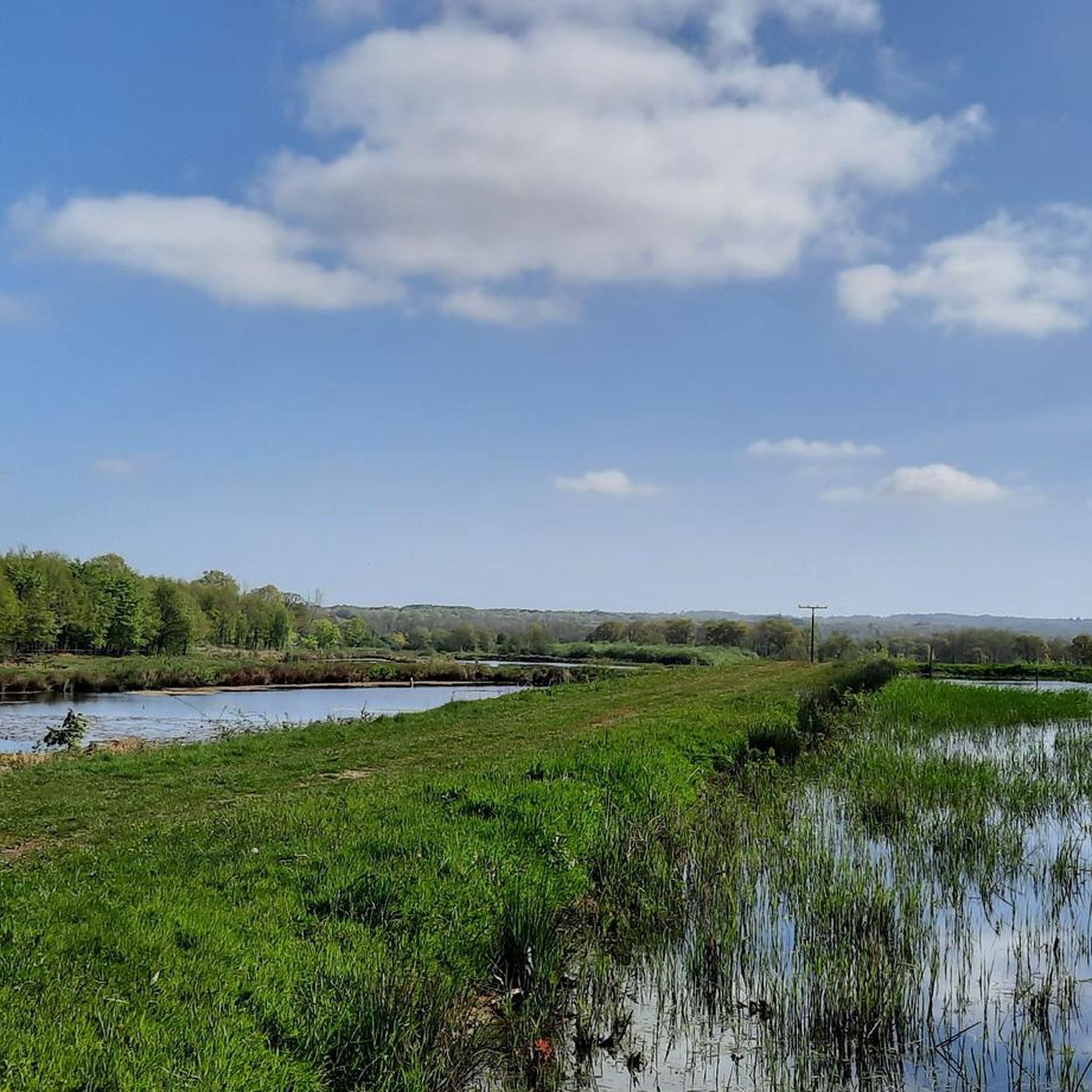
Today, the landscape is characterized by a mosaic of water areas used for sport fishing, between agricultural grassland areas. The area, which is crossed by a network of paths, also includes reed beds and fen-like wet meadows.
5
0
Since 1972, the moor in the valley of the upper Broklandsau northeast of Heide has been designated a protected area covering an area of 283 hectares.
5
0
After the Second World War, peat was mined here on a large scale to a depth of six metres. This is how the peat pits, which are today's water surfaces, were created.
5
0
Frequently Asked Questions
What are the most popular lakes and water bodies around Tensbüttel-Röst?
Visitors frequently enjoy the Moor pools in the Ostroher-Süderholmer Moor, known for their unique landscape shaped by former peat mining and now a protected area for sport fishing. Another favorite is Mühlenteich Albersdorf, a historic mill pond popular with anglers, and the Fishing pond at Fuchsberg, a moor pond ideal for wildlife observation.
Are there any nature reserves or protected areas with lakes nearby?
Yes, the region features several important nature reserves. The Ostroher-Süderholmer Moor is a protected area covering 283 hectares, characterized by a mosaic of water areas and reed beds. The Fieler Moor Nature Reserve also consists of fen areas, former peat cuts, and wet grassland with two large ponds, providing habitat for various birds and animals. Kudensee, though not a highlight in the guide, is also a recognized nature reserve and bird sanctuary.
What historical or cultural sites can be found near the lakes?
The Herthateich is notable for its pre-Christian place of sacrifice, where two glacial erratics (boulders smoothed by glaciers) remain at their original discovery site. Additionally, Mühlenteich Albersdorf is associated with a historic water mill, a listed building and the only operational watermill in Dithmarschen, adding a touch of historical charm to the natural setting.
Are there family-friendly lakes or activities suitable for children?
Many of the lakes and surrounding areas are suitable for families. The Moor pools in the Ostroher-Süderholmer Moor and the Fieler Moor Nature Reserve offer easy walking paths for nature observation. The Muldsberg Clay Pit Lake, mentioned in regional research, has a 5-kilometer circular route ideal for walking and experiencing a transformed natural space.
Can I go fishing in the lakes around Tensbüttel-Röst?
Yes, fishing is a popular activity in the region. The Moor pools in the Ostroher-Süderholmer Moor are used for sport fishing. Mühlenteich Albersdorf is also very popular with anglers, featuring various fish species. The Muldsberg Clay Pit Lake is another option for fishing. Specific permits may be required.
Are there opportunities for swimming or boating in these lakes?
While many lakes are beautiful for observation, not all are suitable for swimming. The Fishing pond at Fuchsberg, for instance, is a moor pond and not a bathing lake, with warnings about potentially dangerous swampy areas. Information on specific swimming or boating access for other lakes should be verified locally.
What kind of outdoor activities can I do near the lakes?
Beyond walking and nature observation around the lakes, the region offers diverse outdoor activities. You can explore MTB trails, enjoy road cycling routes, or try gravel biking. Many routes pass by or near these natural water bodies, offering scenic views and varied terrain.
Are there hiking or walking trails around the lakes?
Yes, there are several trails. The Ostroher-Süderholmer Moor is crossed by a network of paths. The Muldsberg Clay Pit Lake offers a 5-kilometer circular route. For more extensive hiking, you can find various routes in the area, such as the 'Klaus Groth Hiking Trail – Ostroher-Süderholmer Moor loop from Albersdorf' which is a moderate 42 km MTB trail that can also be walked.
What wildlife can I expect to see around the lakes?
The lakes and nature reserves are rich in wildlife. The Fishing pond at Fuchsberg is known for various bird species and deer. The Fieler Moor Nature Reserve is home to marsh harriers, water rales, and migratory birds like mallard ducks, wigeons, and grebes. Kudensee is particularly recognized as an important habitat for marsh and water birds.
What do visitors appreciate most about the lakes in this region?
Visitors highly appreciate the diverse natural landscapes, from the unique moor pools formed by historical peat mining to the tranquil mill ponds. The opportunities for nature observation, especially birdwatching, and the peaceful walking trails are frequently mentioned. The blend of natural beauty with historical elements, such as the old water mill at Albersdorf, also adds to the appeal.
Is it possible to access the lakes using public transport?
While specific public transport routes directly to each lake may vary, the broader Dithmarschen region has a public transport network. It is advisable to check local bus schedules and connections from Tensbüttel-Röst to nearby towns like Albersdorf or Nordhastedt, which are closer to some of the lakes and nature reserves.
Are there any lakes suitable for dog walking?
Many of the natural areas and walking trails around the lakes are suitable for dog walking, provided dogs are kept on a leash to protect wildlife and other visitors. The circular route around Muldsberg Clay Pit Lake and the paths within the various moor areas are generally good options for walks with dogs.
Most popular routes around Tensbüttel-Röst
Most popular attractions around Tensbüttel-Röst

Get inspired with the komoot mobile app


Explore more
Still not found your perfect lake around Tensbüttel-Röst? Check out the guides of these regions to see even more beautiful places.
