Top 7 Castles around Stöttwang
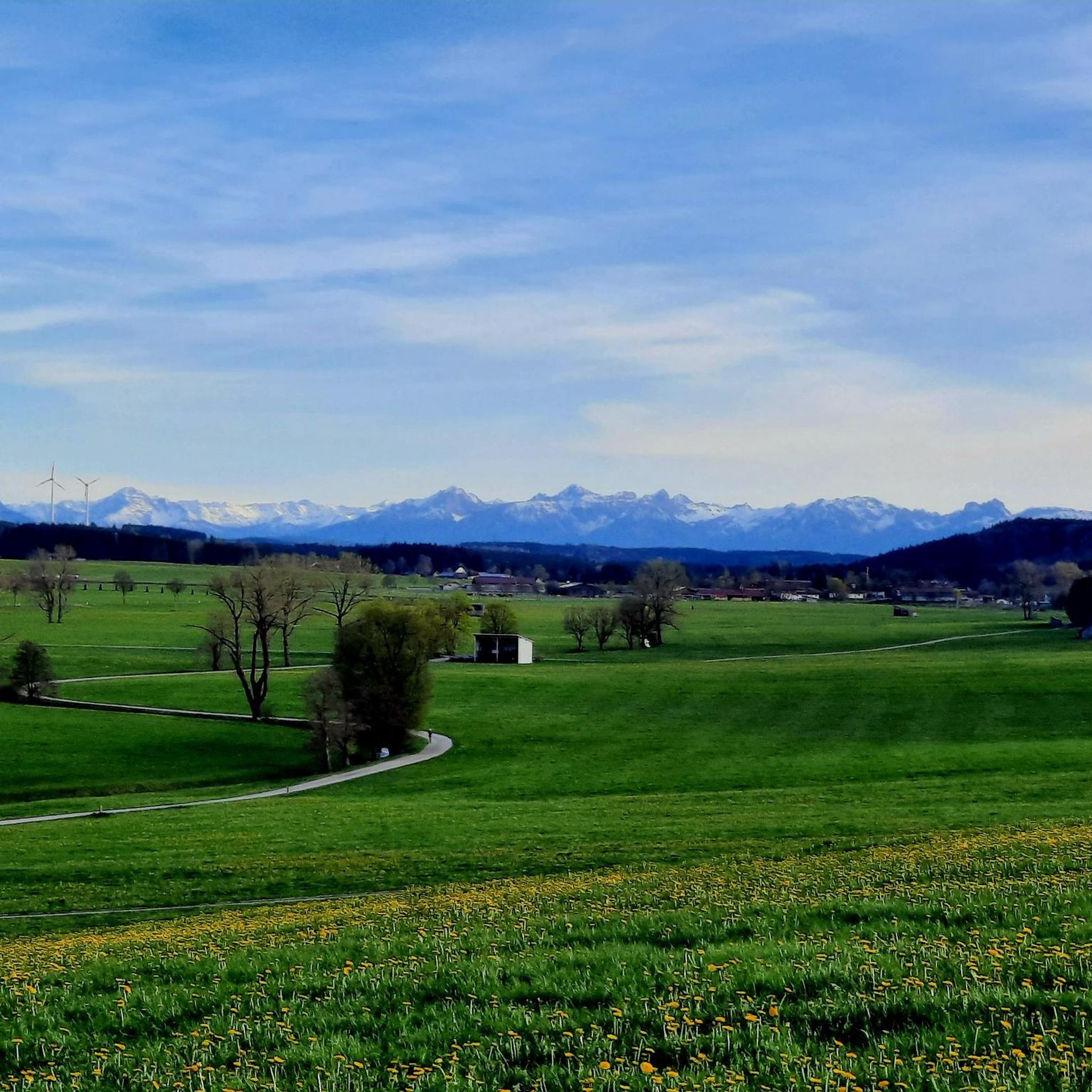
Best castles around Stöttwang are found in the Ostallgäu region of Bavaria, an area known for its historical significance and natural landscapes. Stöttwang is situated in the hilly foothills of the Alps, offering a scenic backdrop for exploration. The broader region is renowned for its magnificent castles, providing a rich cultural experience for visitors. This area combines historical landmarks with opportunities for outdoor activities.
Best castles around Stöttwang
- The most popular castles is Keep of Kemnat Castle Ruins (Römerturm),…
Last updated: July 10, 2026
Keep of Kemnat Castle Ruins (Römerturm)
Highlight • Castle
Translated by Google •
Tip by

Marktoberdorf Castle and St. Martin's Church
Highlight • Castle
Marktoberdorf - the district town of the Ostallgäu is nestled in the hilly foothills of the Alps. Here you can relax and take your …
Translated by Google •
Tip by

Sign up now to discover places like this
Get recommendations on the best single tracks, peaks, & plenty of other exciting outdoor places.
Sign up for free
Castle Well at Burg Kemnat
Highlight • Monument
Translated by Google •
Tip by

Marktoberdorf Castle (Bavarian Music Academy)
Highlight • Castle
What was once the official residence of the bailiffs, the episcopal provosts, and later the hunting lodge of the Augsburg prince-bishops is now the seat …
Translated by Google •
Tip by
Pilgrimage Church of St. Ottilia
Highlight • Religious Site
Translated by Google •
Tip by

Sign up for free to discover even more castles around Stöttwang.
Sign up for free
Already have an account?
Start today with a free account
Your next adventure awaits.
Login or Signup
Tips from the Community

Kemnat Castle near Kaufbeuren features a historic well, originally located in the middle of the castle courtyard and now situated 20 meters east of the keep. The well is 26 meters deep and, along with the keep and the administrative building, was the only structure to survive the castle's demolition in 1804. The well is part of the ruins of Kemnat Castle, built in 1185 as a spur castle on a promontory. Although the tower is mistakenly referred to as the "Roman Tower"—a designation originating with the Historical Society of Swabia—it is in fact the keep of the medieval castle.
0
0


The St. Ottiliae Church on a hill on the south side of Hörmanshofen near Biessenhofen is a small but beautifully decorated pilgrimage church. If you walk up the long steps you will find yourself in front of a locked door. So go around the church to the south side and take the entrance here, but be careful because it is easy to miss the step down when entering the somewhat dim church.
0
0
This castle was built in 1424, and a new building was constructed between 1722 and 1729, much of which has survived to this day. In 1984, the Bavarian Music Academy moved in.
2
0

Today it houses a music academy with boarding school and starting point for a walk through the Kurfürstenallee
1
0

The former Prince-Bishop's Palace, Marktoberdorf What was once the official residence of the bailiffs, the episcopal provosts, and later the hunting lodge of the Augsburg prince-bishops is now the seat of the Surveying Office and the Bavarian Academy of Music. The beautiful four-winged palace was built between 1723 and 1729 and again in 1761 by Johann Georg Fischer. Text / Source: Marktoberdorf Tourist Office, Richard-Wengenmeier-Platz 1, Marktoberdorf https://www.touristik-marktoberdorf.de/
12
1
A good place to live - the ancient Romans already knew that! The first traces of settlements go back to the Celts, followed by the Romans in 15 BC. The remains of a villa rustica, a Roman estate, can be admired in the impressively designed Roman baths in Kohlhunden. The Alemanni came during the great migrations, and the Franks followed in the 8th century. Oberdorf's favorable location prompted the Franks to build a royal court here. At this time, the monk Magnus evangelized the Allgäu and Oberdorf also became Christian. In 1299, the prince-bishops of the Bishopric of Augsburg took over the rule, which was to last until secularization. It was also the prince-bishops who built a castle in Oberdorf as a residence, which was first mentioned in documents in 1424. In 1453, Emperor Friedrich III granted Oberdorf the right to hold a market - an important impulse for the development of the town. In 1722, the castle was renovated in the then-current Baroque style and used by the prince-bishops as a popular hunting lodge and summer residence. The master builder was Johann Georg Fischer, a native of Oberdorf. In 1732, construction began on the magnificent church of St. Martin, and in 1774 the last prince-bishop of Oberdorf, Elector Clemens Wenzenslaus, had the linden tree avenue laid out. Text / Source: Tourist office of the town of Marktoberdorf, Richard-Wengenmeier-Platz 1, Marktoberdorf https://www.touristik-marktoberdorf.de/
10
0
Welcome to Marktoberdorf in the Ostallgäu Marktoberdorf - the district town of the Ostallgäu is nestled in the hilly foothills of the Alps. Here you can relax and take your time to explore our charming town! Cultural treasures and gems worth seeing characterize Marktoberdorf. Get to know our Alpine foothills in all seasons, chat with locals about their love of their homeland and experience the history of our town. Text / Source: Tourist office of the town of Marktoberdorf, Richard-Wengenmeier-Platz 1, Marktoberdorf https://www.touristik-marktoberdorf.de/
12
0
Frequently Asked Questions
What are the most notable castles in the broader region near Stöttwang?
While Stöttwang itself is a charming municipality, the surrounding Ostallgäu region is home to some of Bavaria's most famous castles. These include the iconic Neuschwanstein Castle, known for its fairytale architecture, and Hohenschwangau Castle, the childhood home of King Ludwig II. Both are located in Schwangau, near Füssen, and offer a deep dive into Bavarian royal history.
Are there any castle ruins or historical keeps directly around Stöttwang?
Yes, you can explore the Keep of Kemnat Castle Ruins (Römerturm). This 12th-century hilltop castle features a well-preserved high medieval keep and a covered viewing platform offering panoramic views from the Wetterstein Mountains to the Allgäu High Alps. Access is free, and information boards detail its history.
What historical insights can I gain from visiting the castles near Stöttwang?
Visiting castles like Keep of Kemnat Castle Ruins offers a glimpse into medieval fortifications and life. The nearby Castle Well at Burg Kemnat, carved 26 meters deep into the rock, showcases the engineering of the past. Further afield, Neuschwanstein and Hohenschwangau castles provide rich context on Bavarian royalty and 19th-century architectural styles.
Are there any family-friendly castles or activities near Stöttwang?
Many castles in the region, including Marktoberdorf Castle, are considered family-friendly. Exploring castle ruins like the Keep of Kemnat Castle Ruins can be an engaging adventure for children, especially with the viewing platform and historical context. The broader area also offers various outdoor activities suitable for families.
What is the best time to visit the castles around Stöttwang?
The castles in the Ostallgäu region are beautiful year-round. Spring and autumn offer pleasant temperatures for exploring and fewer crowds. Summer provides longer daylight hours and lush scenery. Winter can be magical, especially with snow, though some facilities or access might be limited. Always check specific castle opening hours before your visit.
What kind of natural features or viewpoints can I find near the castles?
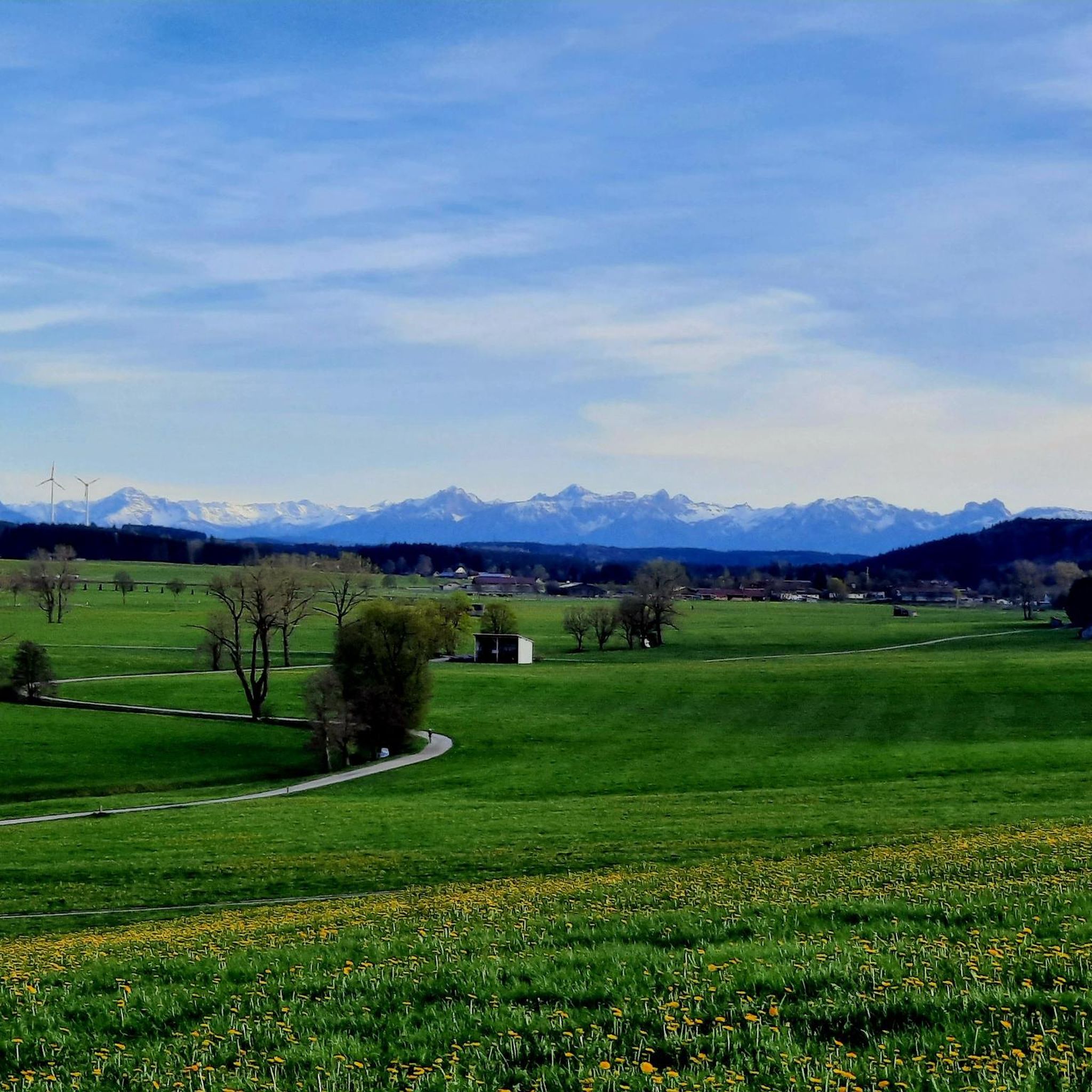
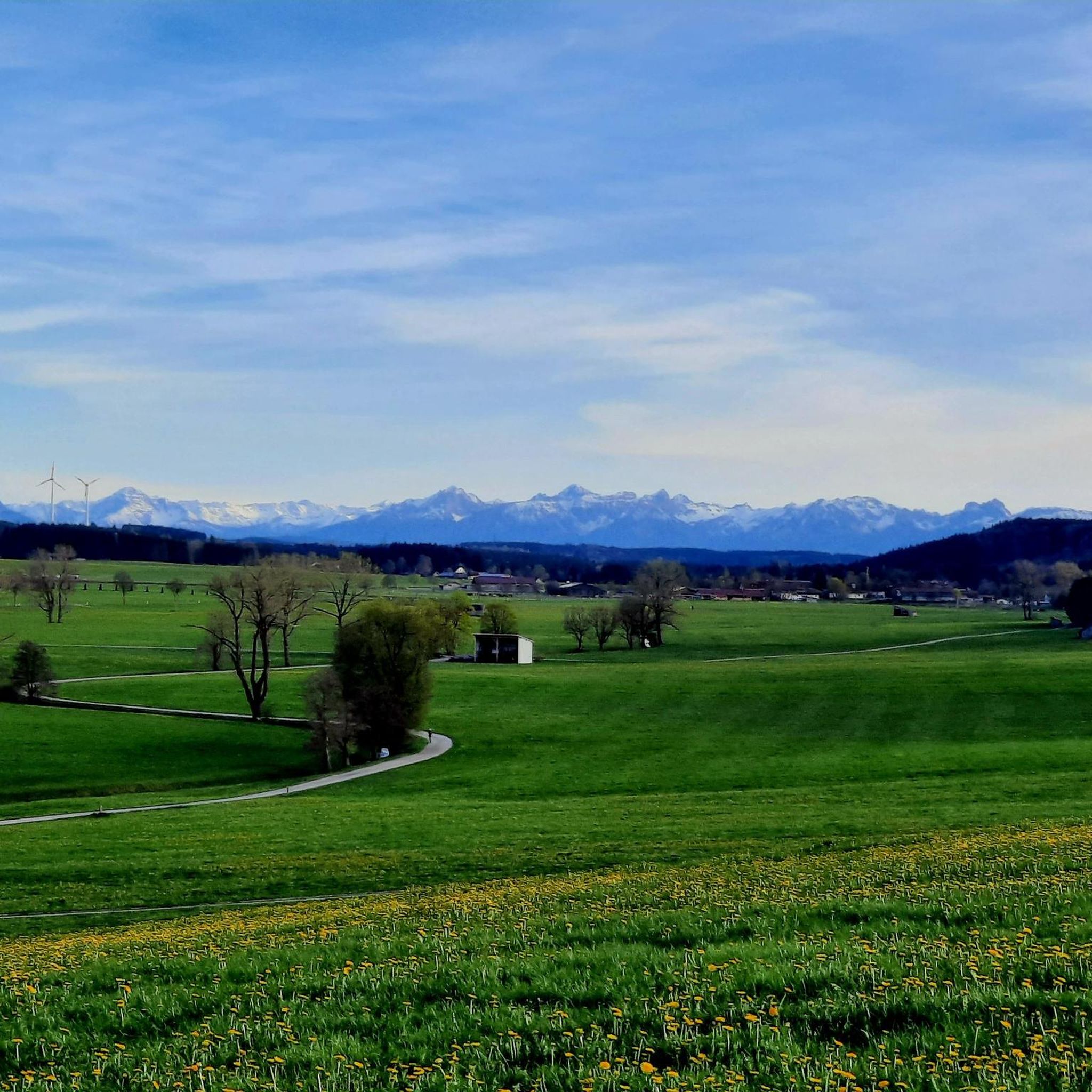
The Keep of Kemnat Castle Ruins provides a covered viewing platform with panoramic views of the Wetterstein Mountains and the Allgäu High Alps. The region itself is nestled in the hilly foothills of the Alps, offering scenic backdrops and opportunities to enjoy the natural landscape around the historical sites.
Are there hiking trails near the castles around Stöttwang?
Yes, the Stöttwang area offers several hiking opportunities. You can find easy loops like the 'Gennach loop from Stöttwang' or 'Path Along the Cow Pasture loop from Stöttwang'. These trails allow you to combine castle visits with scenic walks in the surrounding nature. For more options, explore the hiking guide for Stöttwang.
Can I go cycling or mountain biking near the castles?
Absolutely. The region around Stöttwang is well-suited for cycling and mountain biking. You can find easy cycling routes such as the 'Cycle path on the railroad embankment loop from Stöttwang' or more challenging MTB trails like the 'Rettenbacher Pond – View of Oberzell and the Alps loop'. For detailed routes, check the cycling guide and MTB trails guide for Stöttwang.
What is the history of Marktoberdorf Castle?
Marktoberdorf Castle, originally built in 1424 as a Prince-Bishop's Palace, was extensively rebuilt in the 18th century in the Baroque style. It served as a hunting lodge and summer residence for the Augsburg prince-bishops. Today, it houses the Bavarian Music Academy, blending historical architecture with contemporary cultural use.
How long should I plan for a visit to the castles near Stöttwang?
For local sites like the Keep of Kemnat Castle Ruins or Marktoberdorf Castle, a few hours are usually sufficient to explore the grounds and learn about their history. If you plan to visit the more distant Neuschwanstein and Hohenschwangau castles, you should allocate a full day, as they involve guided tours and significant travel time.
Are there any hidden gems or lesser-known castle sites to explore?
While not a fully preserved castle, the site of the Pilgrimage Church of St. Ottilia is built on the former location of Ottilia Castle. Though the castle itself is in ruins, the church offers a historical connection and a beautiful view from its hilltop location, providing a quieter, reflective experience compared to the larger, more famous castles.
Most popular routes around Stöttwang
Most popular attractions around Stöttwang

Get inspired with the komoot mobile app


Explore more
Looking for the best castles somewhere else? Discover other guides around Stöttwang:
