Top 14 Lakes around Vaalermoor
Best lakes around Vaalermoor are characterized by unique moorland landscapes and rewetting efforts rather than traditional expansive lakes. The region's water features are primarily associated with significant moorland areas, such as Vaaler Moor and Herrenmoor. These areas, including former clay pits, have been transformed into diverse ecosystems. The landscape offers natural experiences focused on conservation and biodiversity.
Best lakes around Vaalermoor
- The most popular lakes is Muldsberg Clay Pit Lake, a lake where clay was mined from 1936 to…
Last updated: May 14, 2026
Muldsberg Clay Pit Lake
Highlight • Lake
The mining in the …
Translated by Google •
Tip by

Edendorf Clay Pit
Highlight • Lake
Translated by Google •
Tip by
Sign up now to discover places like this
Get recommendations on the best single tracks, peaks, & plenty of other exciting outdoor places.
Sign up for free
Kudensee Nature Reserve
Highlight • Lake
Translated by Google •
Tip by

Old Burg Harbor (Idyllic Pond)
Highlight • Lake
Translated by Google •
Tip by

Herthateich
Highlight • Lake
Translated by Google •
Tip by

Sign up for free to discover even more lakes around Vaalermoor.
Sign up for free
Already have an account?
Start today with a free account
Your next adventure awaits.
Login or Signup
Tips from the Community

The Old Harbor of Burg looks back on a long history. It was once an important transshipment point for shipping in Dithmarschen and shaped life in the town for many decades. Today, the calm lake is reminiscent of the time of sailors and boatmen and makes the past of the place still palpable.
0
0
The Herthateich pond is the ideal place to experience Burg's unusual topography (forest and hills in the heart of Dithmarschen). It combines nature (orchard), culture (open-air stage), and history (Bökelnburg Castle) in a very small area. The Herthateich is located in the center of the health resort of Burg. The area is characterized by a strong contrast to the otherwise rather flat marsh landscape of Dithmarschen. Because Burg lies on the geest (a ridge), the area around the pond is hilly and wooded, giving it an almost fairytale-like, sheltered atmosphere.
0
0

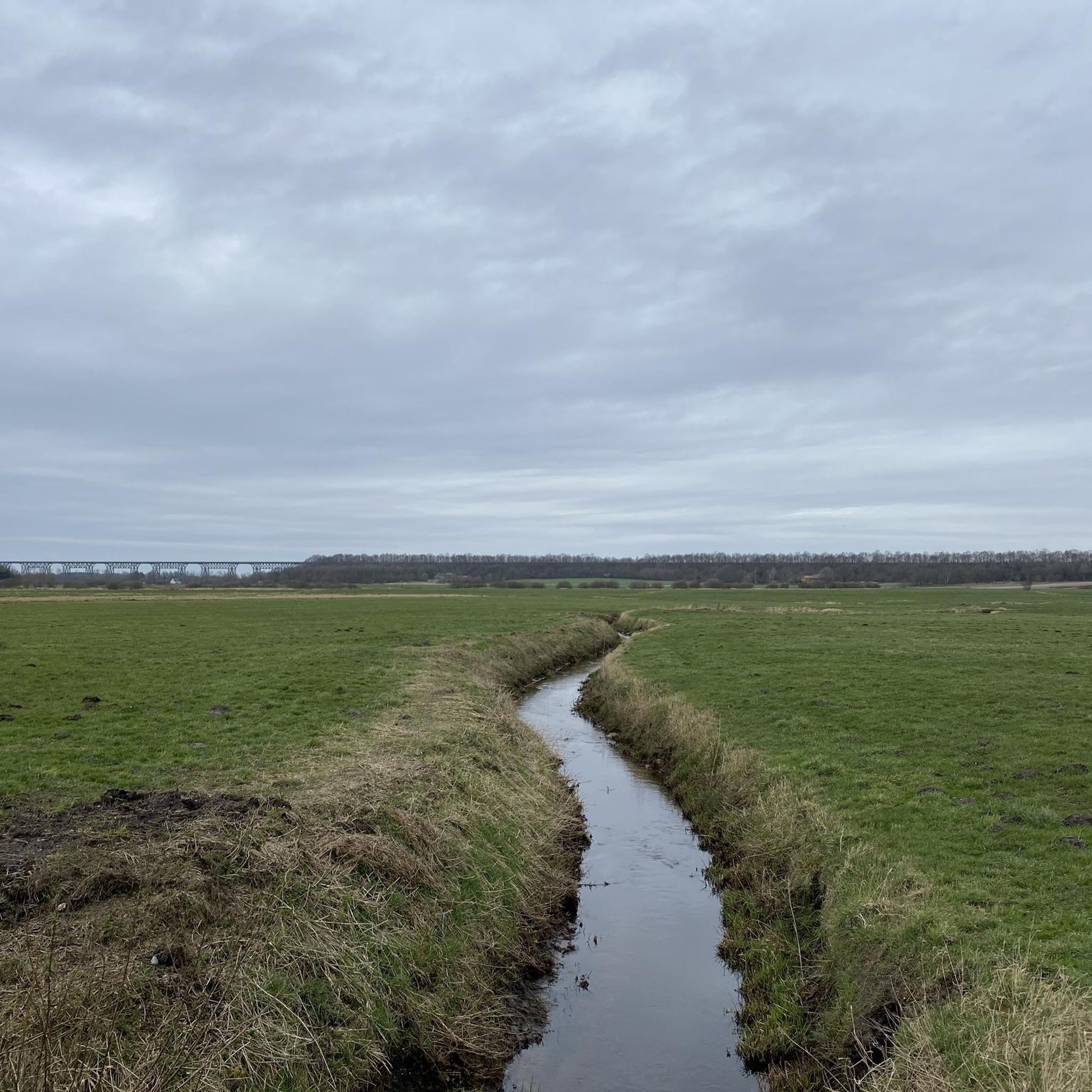
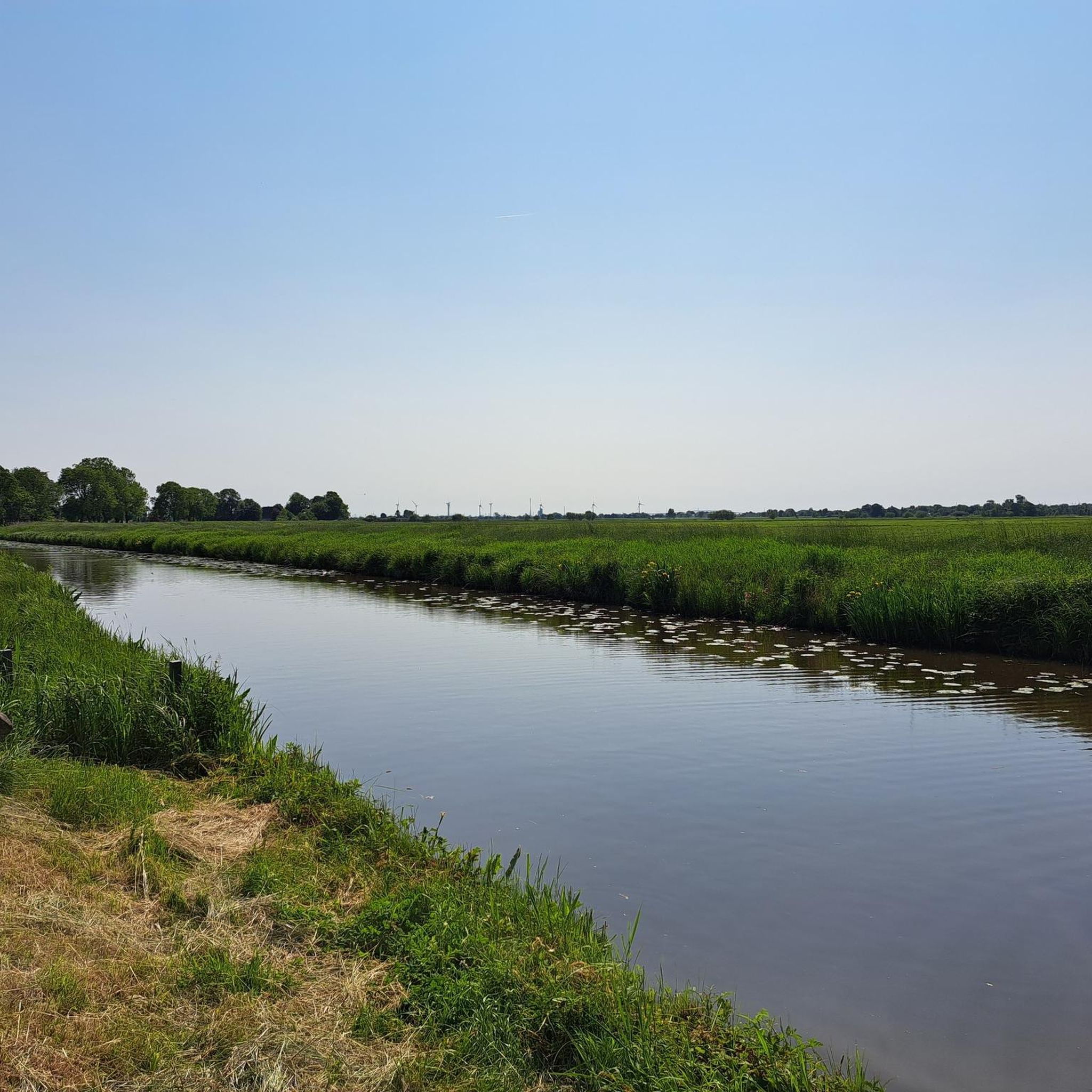
Kudensee is a municipality in the Steinburg district in Schleswig-Holstein, and also the name of the largest lake in the Dithmarschen district. The Kudensee, with an area of 38.9 hectares, has been a nature reserve since 1935 and has been expanded to 172 hectares since 1992. The lake is the last shallow-water lake in the Elbe marshes and an important European bird sanctuary. It provides a habitat for numerous bird species, including the rare bittern, and serves as a resting place for many migratory birds. The Kudensee is characterized by its extensive reed beds, remnants of marsh forest and willow bushes. The bottom of the lake consists of both soft mud and hard sand. Due to its shallow depth of a maximum of 1.2 meters, the lake has an almost uniform temperature and oxygen distribution, except when the ice is closed, which can be unfavorable for the fish. The fish species living in the lake include bream, white bream, roach, perch, ruffe, eel, pike and zander.
0
0

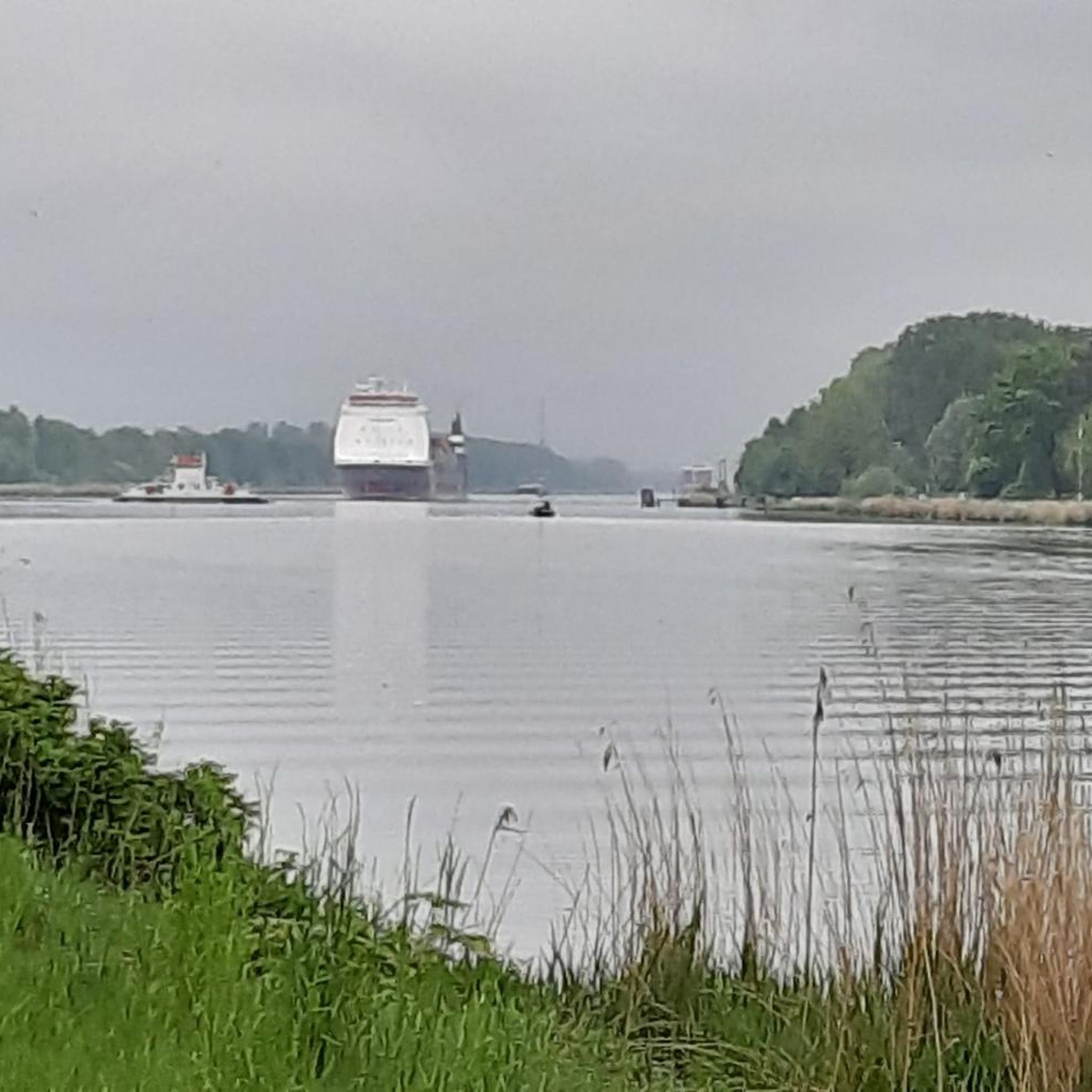
There are always ships to see on the NOK
0
1

The Kudensee is the last surviving Dithmarscher See, which was once formed from sea bays. Today the Kudensee has a water area of around 40 hectares and is home to a large number of different marsh and water birds.
3
0

Beautiful lake with benches and fishing spots
0
0

By the way, swimming is not allowed here. There are too many undercurrents and therefore swimming here is dangerous...
2
0
Frequently Asked Questions
What kind of water features can I expect to find around Vaalermoor?
The Vaalermoor region is characterized more by its unique moorland landscapes and former clay pits that have transformed into lakes, rather than traditional expansive lakes. You'll find significant moorland areas like Vaaler Moor and Herrenmoor, which are undergoing rewetting for nature conservation, alongside former industrial sites like the Muldsberg Clay Pit Lake and Edendorf Clay Pit.
Are there any significant nature reserves or moorlands to explore near Vaalermoor?
Yes, the Vaaler Moor and Herrenmoor are prominent moorland areas known for their biodiversity and rewetting efforts. Additionally, the Kudensee Nature Reserve is the largest lake in the Dithmarschen district, recognized as an FFH area and European bird sanctuary, home to numerous marsh and water birds.
What are some popular former clay pits that have become lakes?
Two popular spots are the Muldsberg Clay Pit Lake, where clay was mined for cement production until 1996 and now features a five-kilometer circular route, and the Edendorf Clay Pit, which filled with water after quarrying and is now used for fishing with paths around its perimeter.
Can I go swimming in any of the water bodies near Vaalermoor?
Yes, the Klein Westerland Swimming Area offers a nice spot for swimming and watching ships, making it a great place for a break.
Are there family-friendly options for visiting the lakes or moorlands?
Many of the highlights are categorized as family-friendly, including Muldsberg Clay Pit Lake, Edendorf Clay Pit, Kudensee Nature Reserve, Herthateich, and the Klein Westerland Swimming Area. These locations often feature paths suitable for walks and opportunities for nature observation.
What kind of wildlife can I see in the moorland areas?
The rewetting moorlands like Vaaler Moor and Herrenmoor are biodiversity hotspots. You might spot rare and protected species such as bog lilies, sundew, cotton grass, peat moss, moor frogs, adders, and grass snakes. Birdwatchers can look for snipes, black woodpeckers, cranes, corncrakes, red-backed shrikes, and whinchats.
Are there historical or cultural sites associated with the water features?
Yes, the Herthateich is notable for its pre-Christian place of sacrifice, where two glacial boulders remain at their original discovery site. Historically, the Kudensee area was also involved in peat transport by water, reflecting the region's past landscape.
What outdoor activities, like hiking or cycling, are available near these lakes?
The region offers various outdoor activities. For hiking, you can explore routes like the 'Lowest Point in Germany – View of Herrenmoor bei Kleve loop' or the 'View of Herrenmoor bei Kleve loop from Kleve'. Cyclists can enjoy tours such as the 'Kudensee Pumping Station – Nord-Ostsee-Kanal Cycle Path loop'. You can find more routes in the Hiking around Vaalermoor and Cycling around Vaalermoor guides.
Are there specific trails or paths around the former clay pit lakes?
Yes, the Muldsberg Clay Pit Lake has a five-kilometer circular route with resting places. The Edendorf Clay Pit also features beautiful paths around its perimeter, suitable for a short detour.
When is the best time to visit the moorlands and water features around Vaalermoor?
The moorlands and water features can be enjoyed in every season. Spring and summer are ideal for birdwatching and seeing flora like bog lilies and sundew. Information boards are available for visitors, and the Herrenmoor can be explored on foot or by bike via municipal paths year-round.
What do visitors particularly enjoy about the water features in the Vaalermoor region?
Visitors appreciate the unique natural experiences focused on conservation and biodiversity. The transformation of former clay pits into biotopes, the rich wildlife in the rewetting moorlands, and the peaceful circular routes are frequently highlighted. The komoot community has contributed over 100 upvotes and 14 photos, showcasing the area's appeal.
Are dogs allowed on trails around the lakes and moorlands?
While specific regulations can vary, many natural areas in Germany are dog-friendly, often requiring dogs to be on a leash to protect wildlife. For the Herrenmoor, municipal paths are available for exploration, and it's generally suitable for family and dog walking. Always check local signage for specific rules.
Where can I find information about the rewetting efforts in the moorlands?
The rewetting measures in areas like Vaaler Moor and Herrenmoor are undertaken by organizations such as the Nature Conservation Foundation of Schleswig-Holstein, the Steinburg district, and the Federal Waterways and Shipping Administration. Information boards are often available on-site to explain these conservation efforts and the unique ecosystem.
Most popular attractions around Vaalermoor

Get inspired with the komoot mobile app


Explore more
Still not found your perfect lake around Vaalermoor? Check out the guides of these regions to see even more beautiful places.
