Top 12 Caves around Gaiberg
Best caves around Gaiberg are found in the surrounding region, offering a variety of geological and historical sites. Gaiberg is situated in a landscape characterized by forests and hills, providing a setting for natural landmarks and unique formations. While prominent natural caves are not directly within Gaiberg, the area features several notable cave-like structures and rock formations. This guide highlights 5 such locations, including reconstructed historical caves and natural monuments.
Best caves around Gaiberg
- The most popular caves is Dachsenfranz…
Last updated: June 26, 2026
Heidelberg Castle Gardens
Highlight • Viewpoint
schloss-heidelberg.de/erlebnis-schloss-garten
Translated by Google •
Tip by

Dachsenfranz Cave
Highlight • Cave
After a later understanding …
Translated by Google •
Tip by

Sign up now to discover places like this
Get recommendations on the best single tracks, peaks, & plenty of other exciting outdoor places.
Sign up for free
Breathing Rock near Rothsnasenhütte
Highlight • Natural Monument
Translated by Google •
Tip by
Auerstein Rock Formation and Small Cave
Highlight • Natural Monument
Translated by Google •
Tip by

Rock Shelter in Naturpark Neckartal-Odenwald
Highlight • Natural Monument
Translated by Google •
Tip by
Sign up for free to discover even more caves around Gaiberg.
Sign up for free
Already have an account?
Start today with a free account
Your next adventure awaits.
Login or Signup


Other adventures around Gaiberg

Tips from the Community

Beautiful view from the palace gardens of the Neckar and the palace. The geometrically structured terraces of the Heidelberg palace gardens, which were also called the "Hortus Palatinus", were once considered the "eighth wonder of the world" by contemporaries. It took enormous effort to create the garden on the mountainside. Under Elector Friedrich V, the "piece garden", where the cannons (also called "pieces") stood, was transformed into a magnificent and world-famous pleasure garden that was intended to contribute to the ruler's fame. The "Hortus Palatinus" was designed between 1614 and 1619 by Salomon de Caus, who was specially called from London. The highlights of the garden included artificial grottos that were set into the mountain. The large grotto in the southeast corner of the garden contained elaborate water features, its walls decorated with stones, shells and corals. A large sandstone sculpture of "Father Rhine" has been preserved. Source: https://www.familienkultour.de/natur/baden-wuerttemberg/schlossgarten-im-heidelberger-schloss/
13
0

Well done castle park. The various sculptures, fountains and busts make it even more attractive. But the visit is worth it just for the view of the castle and the view of Heidelberg and the Neckar.
13
1

Beautiful castle garden, great for a walk. Admission is free.
14
0

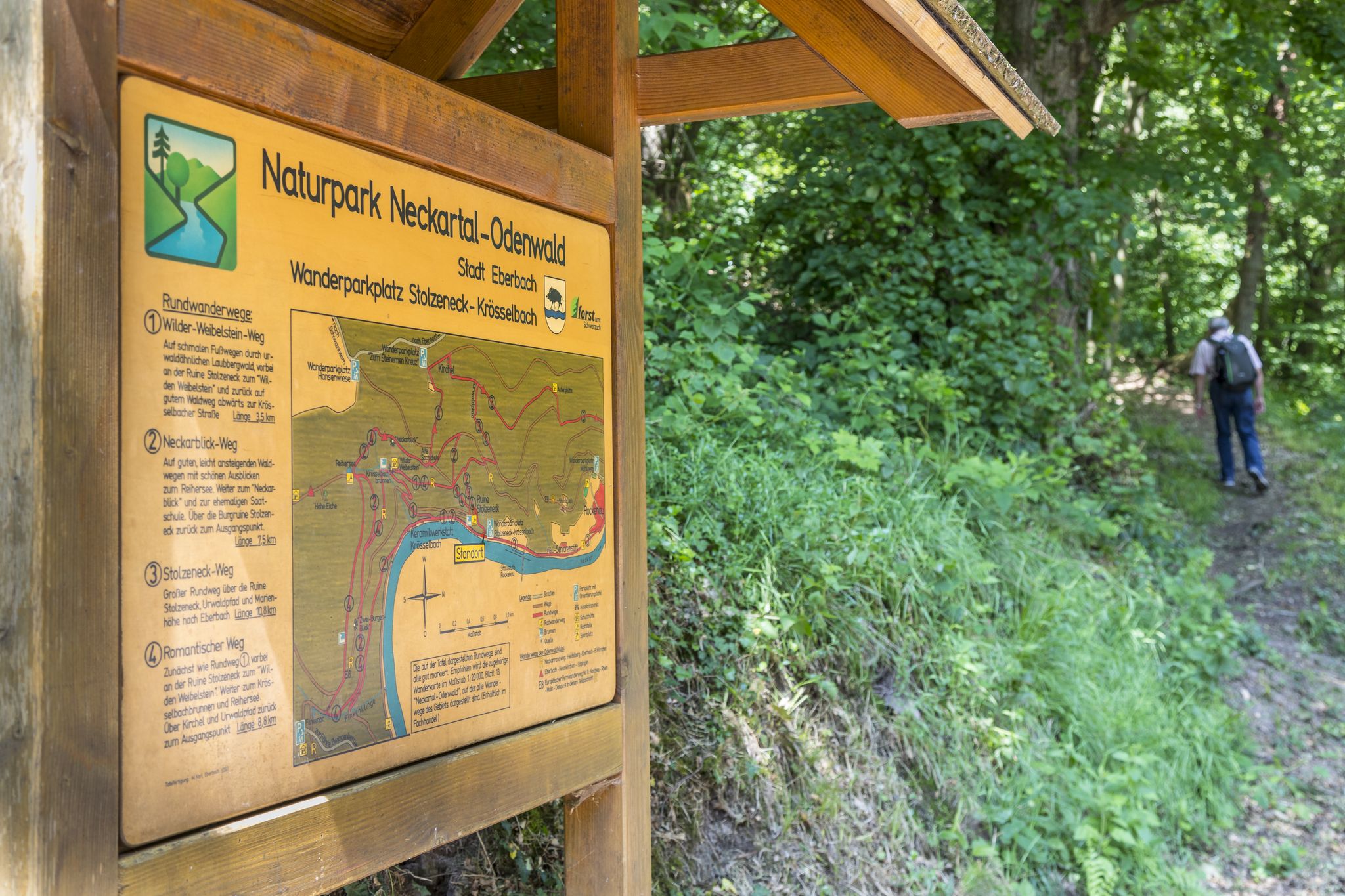
Totally rustic dwelling place from the so-called Dachsenfranz. In the middle of the forest and also an adventure for the children
3
0

Ascent a bit wild but short, if you know where the overhang can be seen from the path.
0
0

fantastic view over the Neckar valley to the Palatinate
11
0

The Dachsenfranzhöhle was once the cave of the '"Dachsenfranz" Francesco Regali. He lived over a hundred years ago in the forests of the Odenwald and in the Kraichgau. It is not original, but it is a replica. It is impressive to see how the "Dachsenfranz" lived. Also great for children, because the small living room cave is accessible.
3
0

Very nice castle garden with a great view of Heidelberg.
13
1
Frequently Asked Questions
What types of caves can I explore around Gaiberg?
While Gaiberg itself doesn't have prominent natural caves, the surrounding region offers a mix of reconstructed historical sites like Dachsenfranz Cave, natural monuments such as The Weiße Hohle, and unique rock formations with small accessible caves like Auerstein Rock Formation and Small Cave. You can also find interesting geological phenomena like the Breathing Rock near Rothsnasenhütte.
Are there any family-friendly caves to visit near Gaiberg?
Yes, Dachsenfranz Cave is considered family-friendly. It's a well-reconstructed historical site that offers an engaging experience for all ages, allowing visitors to imagine the life of the legendary Dachsenfranz.
What is the most historically significant cave-like site in the area?
The most historically significant site is Dachsenfranz Cave. It's a reconstructed historical cave associated with the legendary Dachsenfranz, a figure from regional folklore who lived in the woods in the 19th century.
Are there any natural show caves in the broader region?
Yes, the Eberstadt Stalactite Cave (Eberstadter Tropfsteinhöhle) is a significant natural show cave located about 70 kilometers east of Heidelberg. It features impressive, largely chalk-white dripstone formations, including stalactites, stalagmites, and sinter terraces, and is considered one of Germany's most beautiful show caves.
What are the geological features of the caves around Gaiberg?
The region features natural rock formations and unique geological phenomena. For instance, the Breathing Rock near Rothsnasenhütte is known for air flowing out of crevices, which is warm in winter and cool in summer. The Eberstadt Stalactite Cave, further afield, is a prime example of a dripstone cave formed in lower Muschelkalk, estimated to be 1 to 2 million years old.
What is the accessibility like for caves near Gaiberg?
Sites like The Weiße Hohle are easily accessible from a forest car park on the outskirts of Nußloch. Other locations, such as Auerstein Rock Formation and Small Cave, might require a short walk and involve navigating natural terrain.
What outdoor activities can I do near these cave sites?
The area around Gaiberg offers various outdoor activities. You can find numerous running trails, such as the 'Bear Fountain, Gaiberg loop' or 'Waidhaus Hut – Hirschplatz Hut loop'. For mountain biking, explore routes like 'Trail to Gaiberg – Flow Trail to Königsstuhl loop'. Road cycling enthusiasts can enjoy routes like 'Neckarhausen Ferry – View of Hirschhorn Castle loop'. You can find more details on these activities in the Running Trails around Gaiberg, MTB Trails around Gaiberg, and Road Cycling Routes around Gaiberg guides.
What do visitors enjoy most about the cave-like sites around Gaiberg?
Visitors appreciate the unique blend of natural beauty and historical intrigue. Many enjoy the well-reconstructed historical aspect of Dachsenfranz Cave and the mysterious natural phenomena like the Breathing Rock near Rothsnasenhütte. The accessibility of sites like The Weiße Hohle also makes them popular.
What should I wear when visiting caves in the region?
For natural caves like the Eberstadt Stalactite Cave, the temperature remains a constant 11 °C (52 °F) with high humidity (around 95%) year-round. It's advisable to wear warm clothing and sturdy, non-slip shoes, even in summer. For the more open rock formations and reconstructed sites around Gaiberg, comfortable hiking attire suitable for the weather conditions is generally sufficient.
Are there any hidden or lesser-known cave spots near Gaiberg?
The Auerstein Rock Formation and Small Cave is a bit hidden. While the rock formation is prominent, the small cave entrance can be tricky to find, often requiring a bit of exploration. It's a small, accessible cave where a flashlight isn't strictly necessary.
What is the best time to visit the caves and rock formations around Gaiberg?
The natural rock formations and reconstructed caves around Gaiberg can generally be visited year-round, though spring and autumn offer pleasant temperatures for hiking to these sites. For the Eberstadt Stalactite Cave, the constant indoor temperature makes it a suitable visit regardless of the season, but checking specific opening hours is recommended.
Most popular routes around Gaiberg
Most popular attractions around Gaiberg

Get inspired with the komoot mobile app


Explore more
Extend your search for the best caves by checking out these guides of the top ones around Gaiberg:
