Top 5 Gorges around Hockenheim
Best canyons around Hockenheim, Germany, are found in a region primarily known for its flat landscape within the Upper Rhine valley. The area features agricultural lands, forests, and waterways like the Kraichbach river and the Rhine River. While not characterized by large geological canyons, the region offers smaller ravines, hollows, and natural indentations often referred to as gorges or sunken lanes. These natural attractions provide opportunities for hiking and exploring the local terrain.
Best canyons around Hockenheim
- The most popular…
Last updated: August 20, 2026
Weiße Hohle
Highlight (Segment) • Gorge
If you want to witness the natural spectacle and come out of the corner, you should just drop by here every few months.
Translated by Google •
Tip by

Botanical Garden of Heidelberg University
Highlight • Natural
Translated by Google •
Tip by

Sign up now to discover places like this
Get recommendations on the best single tracks, peaks, & plenty of other exciting outdoor places.
Sign up for free
Rope-Secured Path Through Leimener Klinge
Highlight • Trail
Translated by Google •
Tip by

Steinteich Sunken Lane
Highlight • Gorge
Translated by Google •
Tip by

The Klamm Bridge (Leimener Klinge)
Highlight • Trail
Translated by Google •
Tip by

Sign up for free to discover even more gorges around Hockenheim.
Sign up for free
Already have an account?
Start today with a free account
Your next adventure awaits.
Login or Signup
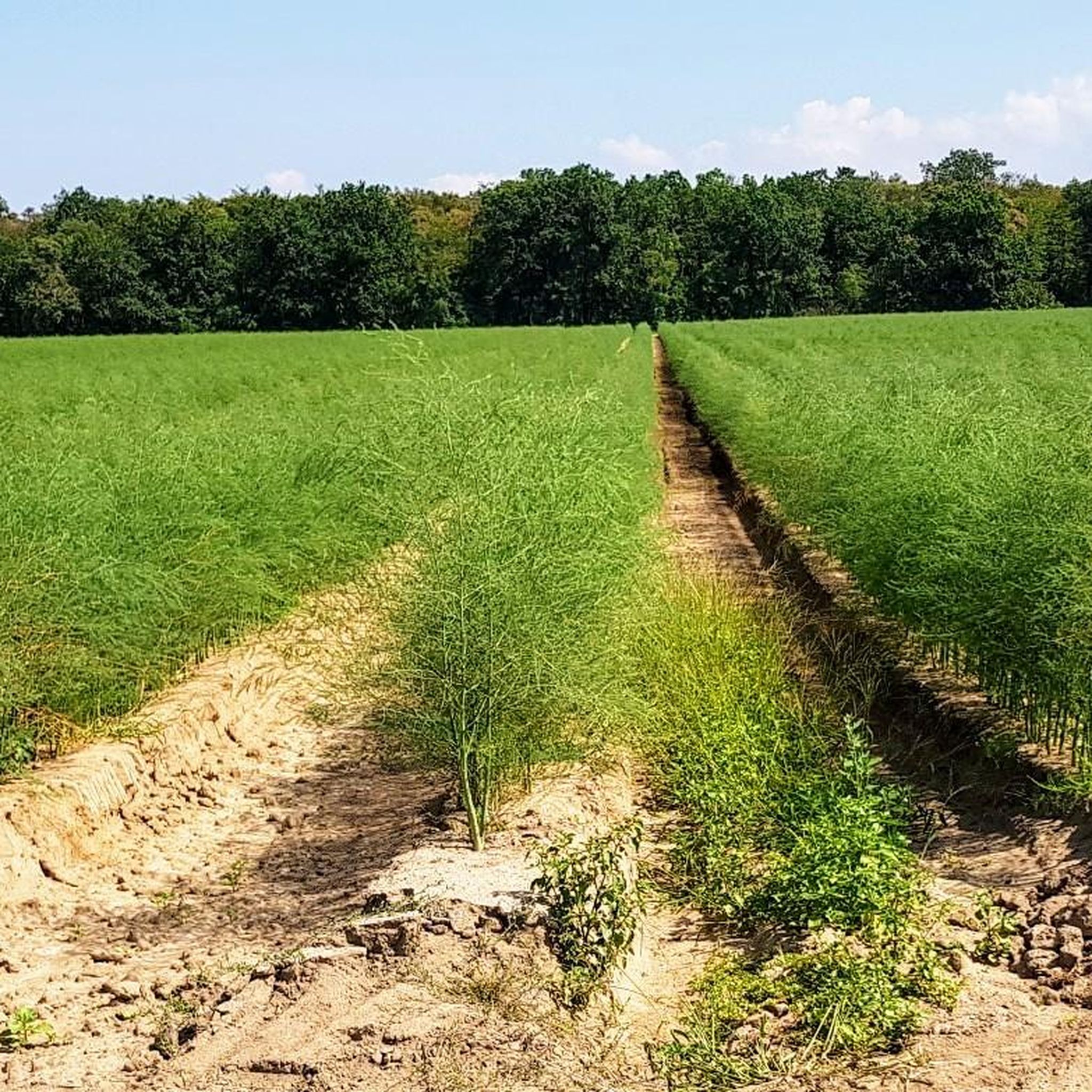
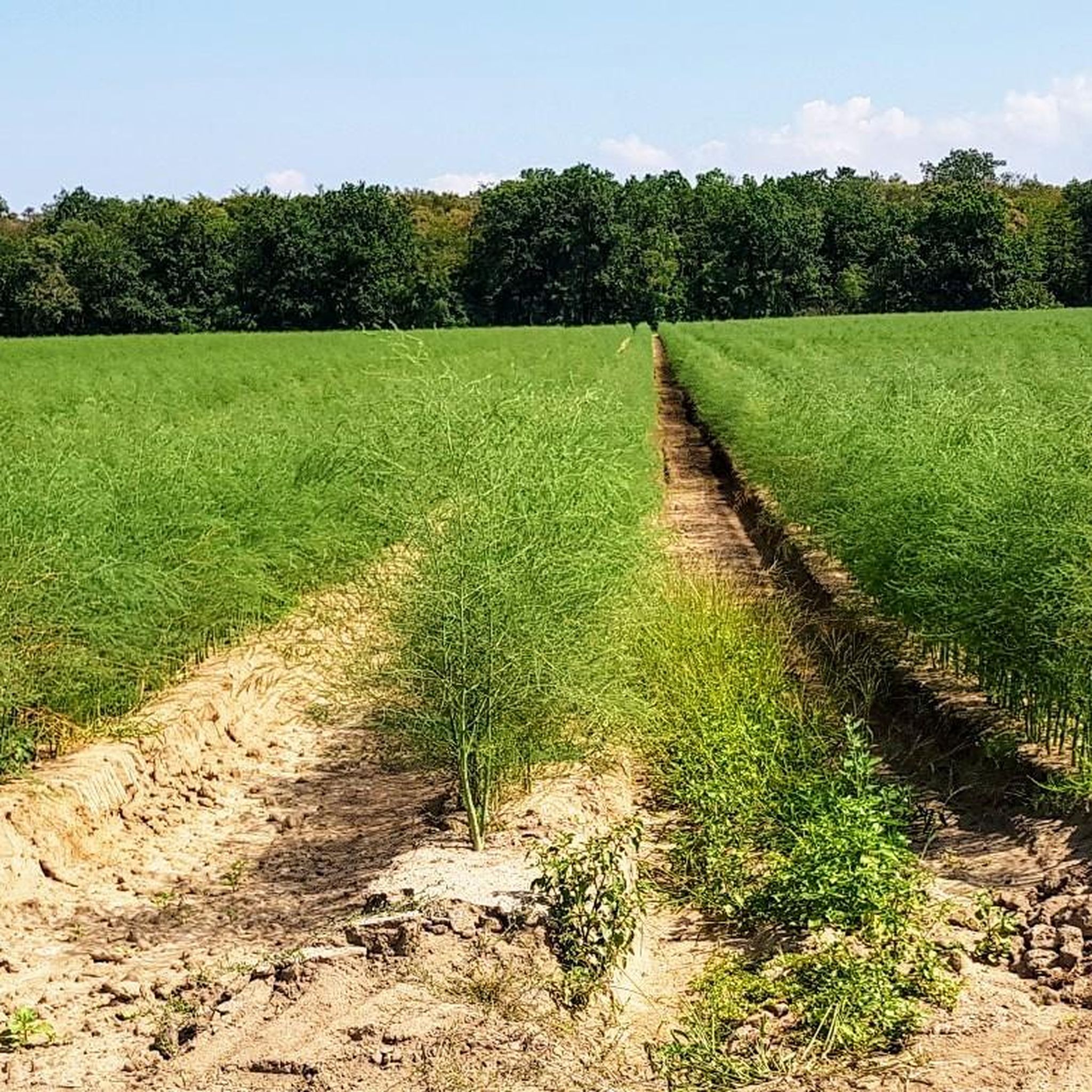
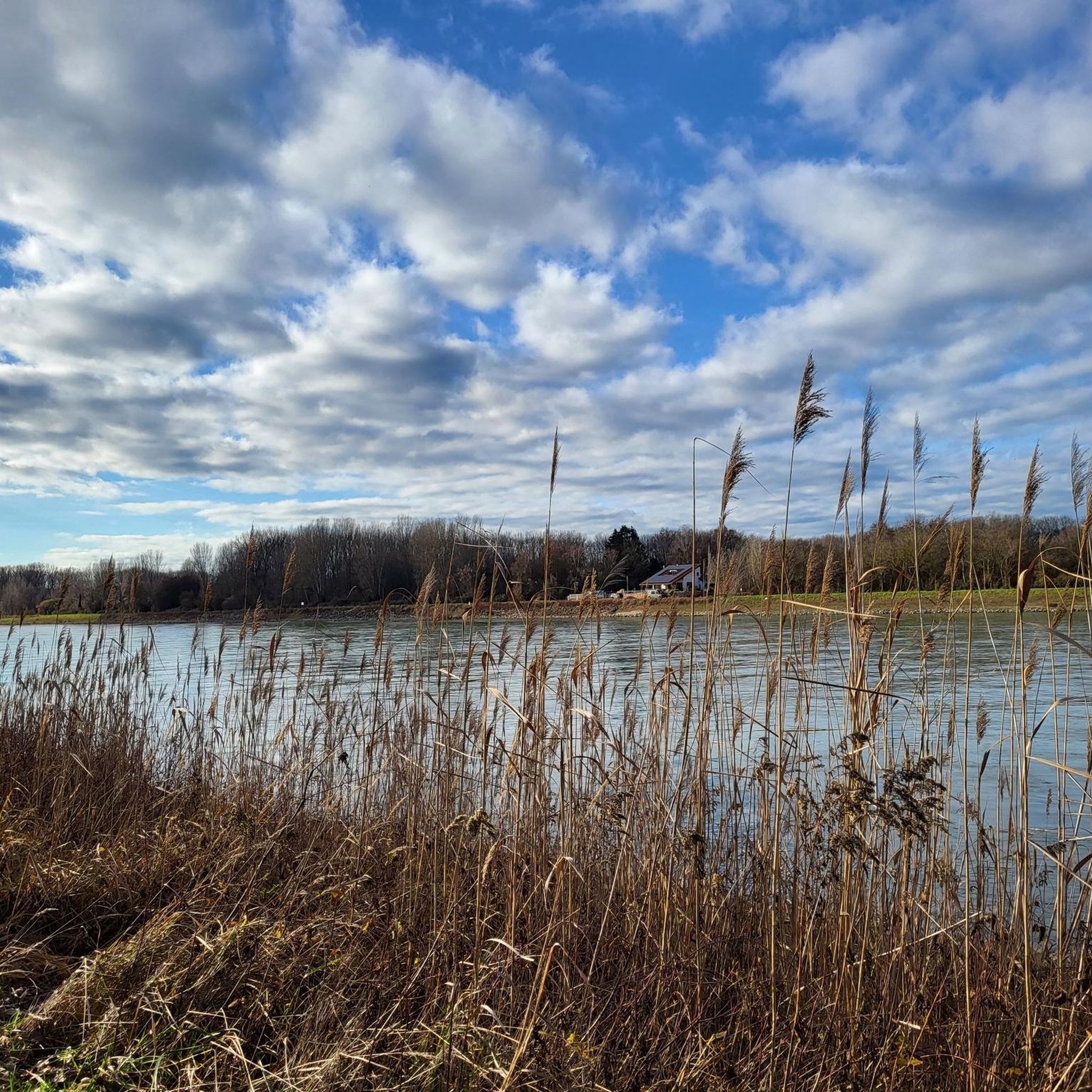
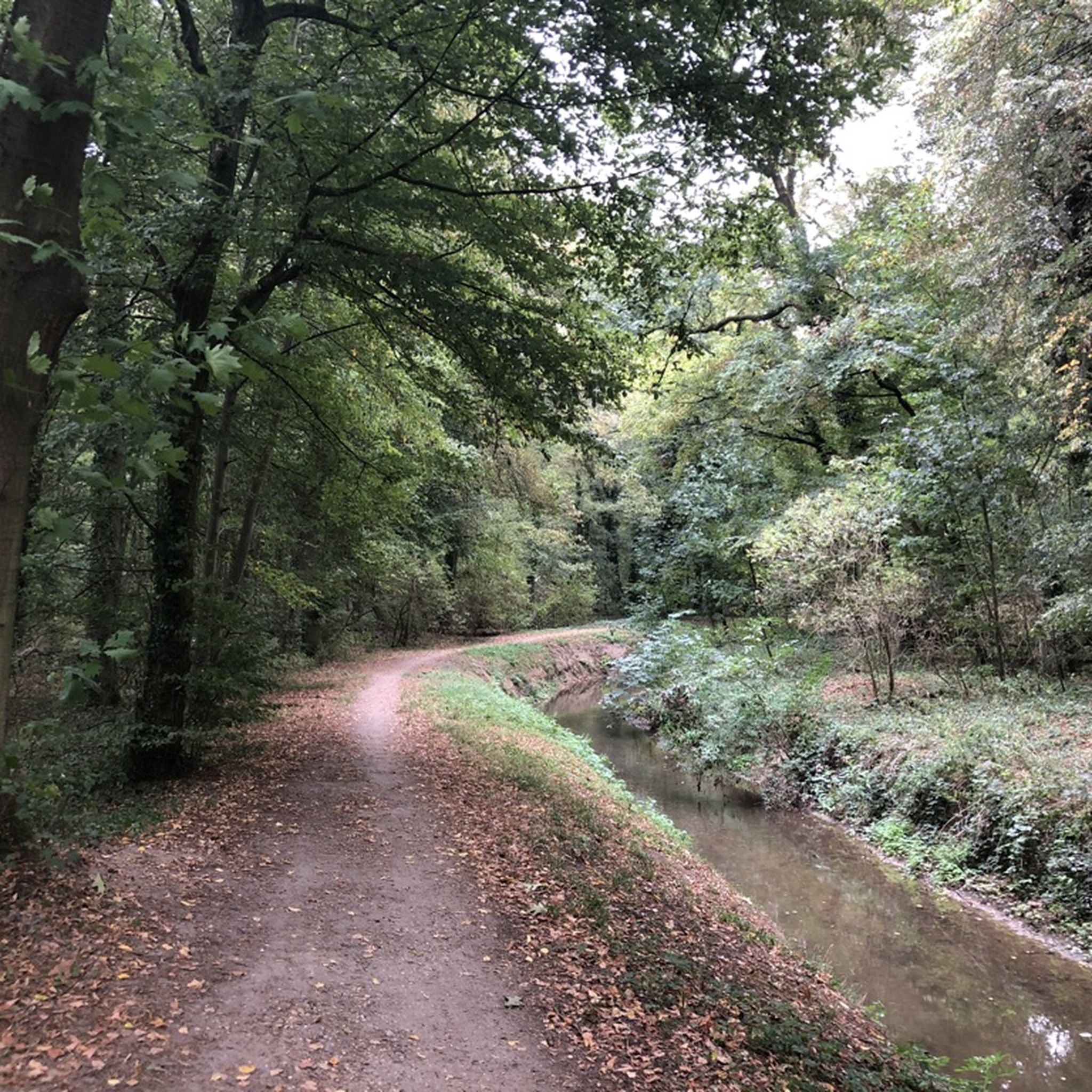

Tips from the Community

Steep, narrow section secured with a rope through the Leimener Klinge gorge, not rideable, expect to push or carry your bike briefly here.
0
0

A small but nice garden to recharge your batteries, whether from everyday life or hospital life, I was very happy to walk through it and enjoyed it very much
6
1

The Botanical Garden of the University of Heidelberg is one of the oldest and most diverse botanical gardens in the world. It was founded in 1593 and is located on the Im Neuenheimer Feld campus. The garden covers an area of three hectares and is home to over 14,000 plant species from all over the world. Visitors can admire tropical orchids, bromeliads and succulents in the greenhouses. In the open air there is a fern gorge, an alpine garden and a heath area.
10
1

an oasis of calm in the middle of the clinics https://www.botgart.cos.uni-heidelberg.de/de
4
0

The Leimener Klinge, a deep gorge, runs between the Amerikanweg (a wide forest path) and the parallel, “wilder” path. At the point marked in the highlight, a rope-secured path leads across as a replacement for the wooden bridge that has been destroyed several times.
2
0

unusual plants
6
2

There are around 14,000 plant species in the botanical garden. The focus of the collection in the garden is in the greenhouses. The following 9 special collections form the heart of this: Succulents, tropical orchids, bromeliads (pineapple family), cycads (cycads), insectivores, tropical ferns, Aristolochiaceae (muddy pheasant), Cyclanthaceae (diskflower), Mediterranean geophytes
10
0

In the park you can reach the Cafe Flaschen very well
4
1
Frequently Asked Questions
What kind of canyons or gorges can I expect to find around Hockenheim?
The Hockenheim region, situated in the Upper Rhine valley, is not known for large geological canyons. Instead, you'll find smaller ravines, hollows, and sunken lanes, often characterized by impressive loess walls. These natural indentations provide unique environments for hiking and exploring, such as the Weiße Hohle, which can feel like walking through a tunnel due to its height.
Are there family-friendly options for exploring the gorges near Hockenheim?
Yes, several areas are suitable for families. The Weiße Hohle is considered family-friendly and offers an engaging experience with its high loess walls. Additionally, the Botanical Garden of Heidelberg University, which includes a fern gorge, is a great family destination with diverse plant collections.
What are some unique natural features to look out for in these gorges?
Many of the gorges and sunken lanes in the Hockenheim area, like the Steinteich Sunken Lane, feature impressive loess walls. These ravines are formed by water drainage and are valuable habitats for rare plants and animals that thrive in warm, lime-rich, dry soil. The Botanical Garden of Heidelberg University also offers a unique fern gorge among its 14,000 plant species.
What is the best time of year to visit the gorges around Hockenheim?
The gorges and sunken lanes around Hockenheim can be visited year-round. Spring and autumn offer pleasant temperatures for hiking and vibrant natural scenery. Even in winter, these areas can provide unique hiking experiences, especially if you enjoy the quiet beauty of the landscape.
What kind of hiking trails can I find near the gorges?
The region offers various hiking trails, often incorporating these natural features. For instance, the Rope-Secured Path Through Leimener Klinge leads through a deep gorge, providing an adventurous alternative to a former bridge. You can find more hiking options, including easy and moderate routes, by exploring the Hiking around Hockenheim guide.
Are there any specific challenges or difficulties when hiking in these gorges?
While many trails are intermediate, some sections, like the Rope-Secured Path Through Leimener Klinge, involve rope assistance. The terrain in the gorges can be uneven, especially after rain, due to the loess soil. Always wear appropriate footwear and be mindful of your footing.
Can I bring my dog on the trails through the gorges?
Generally, dogs are welcome on most public hiking trails in the region. However, specific rules may apply in nature conservation areas or within attractions like the Botanical Garden. It's always best to keep your dog on a leash and ensure they are comfortable with varied terrain, especially in narrower gorge sections.
What other outdoor activities are available near the gorges around Hockenheim?
Beyond hiking, the Hockenheim region, with its largely flat landscape and riverine settings, is excellent for cycling. You can find numerous routes for road cycling, such as those detailed in the Road Cycling Routes around Hockenheim guide. The area also features forests and waterways, perfect for leisurely walks.
Is public transport available to reach the gorges and hiking areas?
Hockenheim has public transport connections. While some gorges might be accessible directly by bus, others may require a short walk from the nearest stop. Planning your route with local public transport schedules is recommended to determine the best access points for specific trails.
Are there any cafes or places to eat near the hiking trails?
While specific cafes directly adjacent to every gorge trail might be limited, Hockenheim and nearby towns offer various dining options. It's advisable to check local listings or plan your hike to conclude near a town center where cafes and restaurants are available.
What is the historical significance of features like the Leimener Klinge?
The Leimener Klinge has historical context, as evidenced by the former 'Klammbrücke' which once spanned the gorge. This bridge was eventually dismantled and replaced by the path that now leads through the blade, as seen with the Rope-Secured Path Through Leimener Klinge. This reflects how the landscape has been adapted for passage over time.
How are the ravines and sunken lanes in the Hockenheim area formed?
These ravines, such as the Steinteich Sunken Lane, are typically formed in loess areas. When paths leading uphill are used by heavy vehicles, small depressions form. During heavy rains, these depressions become water drainage channels, eroding the earth and deepening the path over many years. The resulting sunlit slopes create unique microclimates.
Most popular routes around Hockenheim
Most popular attractions around Hockenheim

Get inspired with the komoot mobile app


Explore more
Already discovered everything in this region? See additional gorges around Hockenheim for your next adventure:
