Top 7 Caves around Simmern
Best caves around Simmern are found in the Rhein-Hunsrück-Kreis, a region characterized by its natural caves and historical mine tunnels. The area's landscape is shaped by its slate mining history, with many "caves" being remnants of these operations. These sites offer insights into local geology and industrial heritage. The region provides a mix of natural formations and historical mining sites for exploration.
Best caves around Simmern
- The most popular caves is Heinzelmann Caves, a cave created by chemically dissolving…
Last updated: May 14, 2026
Heinzelmann Caves
Highlight • Cave
Translated by Google •
Tip by

Lourdes Grotto (Station 10)
Highlight • Religious Site
Translated by Google •
Tip by

Sign up now to discover places like this
Get recommendations on the best single tracks, peaks, & plenty of other exciting outdoor places.
Sign up for free
Holderbergerhof Trail
Highlight (Segment) • Trail
Translated by Google •
Tip by

Former Hoffnung Mine Air-Raid Shelter and Bat Habitat
Highlight • Cave
Inaccessible because it is locked with a thick iron door.
Translated by Google •
Tip by

Cave Near Rullsbach and Wiesbach
Highlight • Cave
The cave or the hole goes only a few meters into the rock …
Translated by Google •
Tip by

Sign up for free to discover even more caves around Simmern.
Sign up for free
Already have an account?
Start today with a free account
Your next adventure awaits.
Login or Signup
Tips from the Community

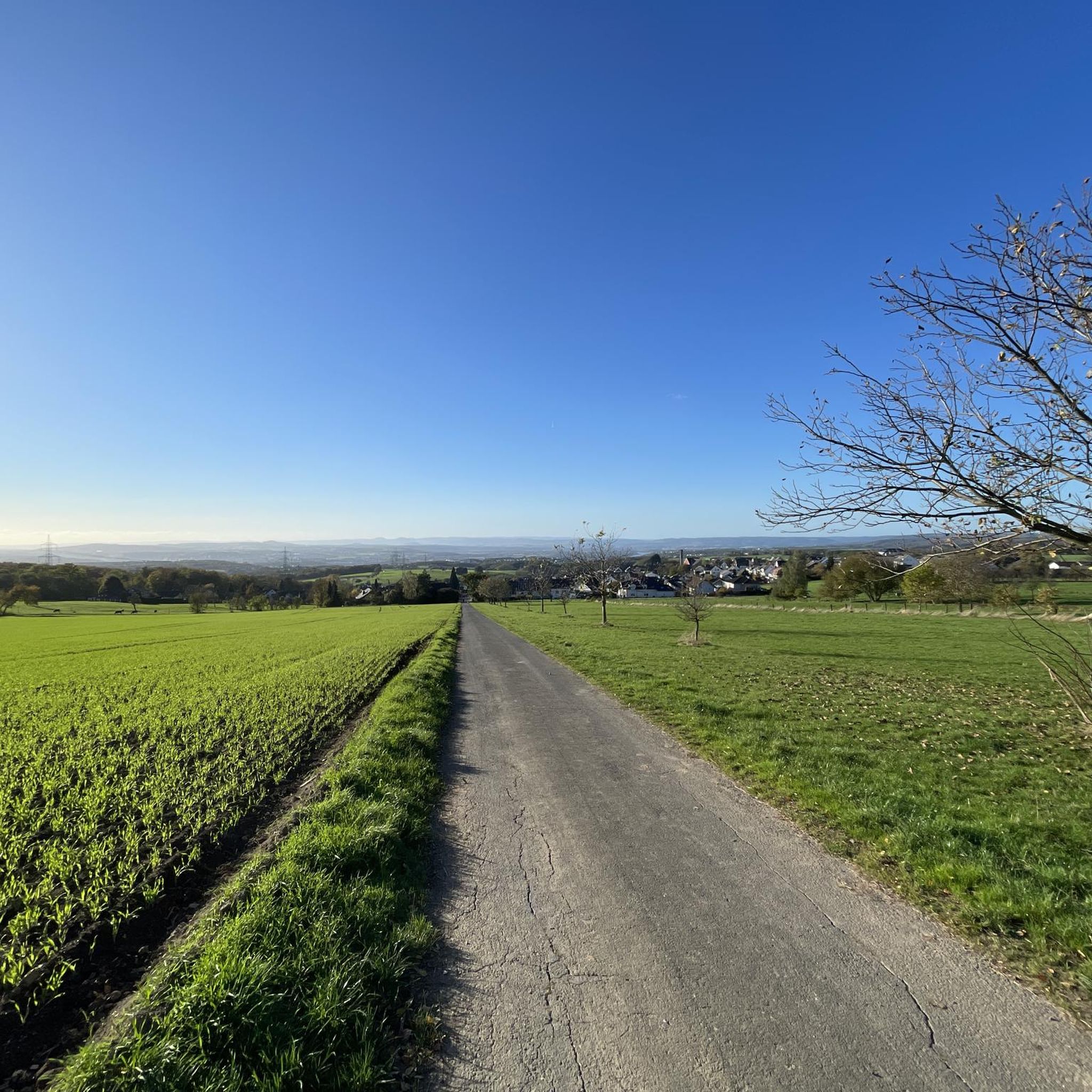
A super short but challenging trail. Highly recommended. To have a good route to continue on, it's a good idea to turn right after the uphill section.
0
0

There are many stations along the Way of the Cross.
0
0
Grotto on Allerheiligenberg.
1
0

At this point, the row of chapels that leads up the All Saints' Hill to the pilgrimage church interrupts the various decades of the rosary, and here we are shown the Madonna of Lourdes. This internationally famous Marian pilgrimage site is located in the French Pyrenees and is visited by many people every year, including many sick people who hope for healing. The devotional image of the Mother of God, as passed down by the visionary Bernadette, has found widespread popular piety - not only in France - and Lourdes chapels and grottos have been built by believers everywhere.
3
0

Even before the hiker (or pilgrim) reaches the plateau of the All Saints' Hill with the pilgrimage church, there is this grotto with a figure of the Virgin Mary and a person kneeling to the side of it. The latter is Saint Bernadette, to whom the Virgin Mary appeared in Lourdes (in the French Pyrenees) in 1858. The small town on the banks of the Pau has developed into an important Marian pilgrimage site (if you are interested, see https://www.komoot.com/de-de/highlight/4296538 ).
2
0

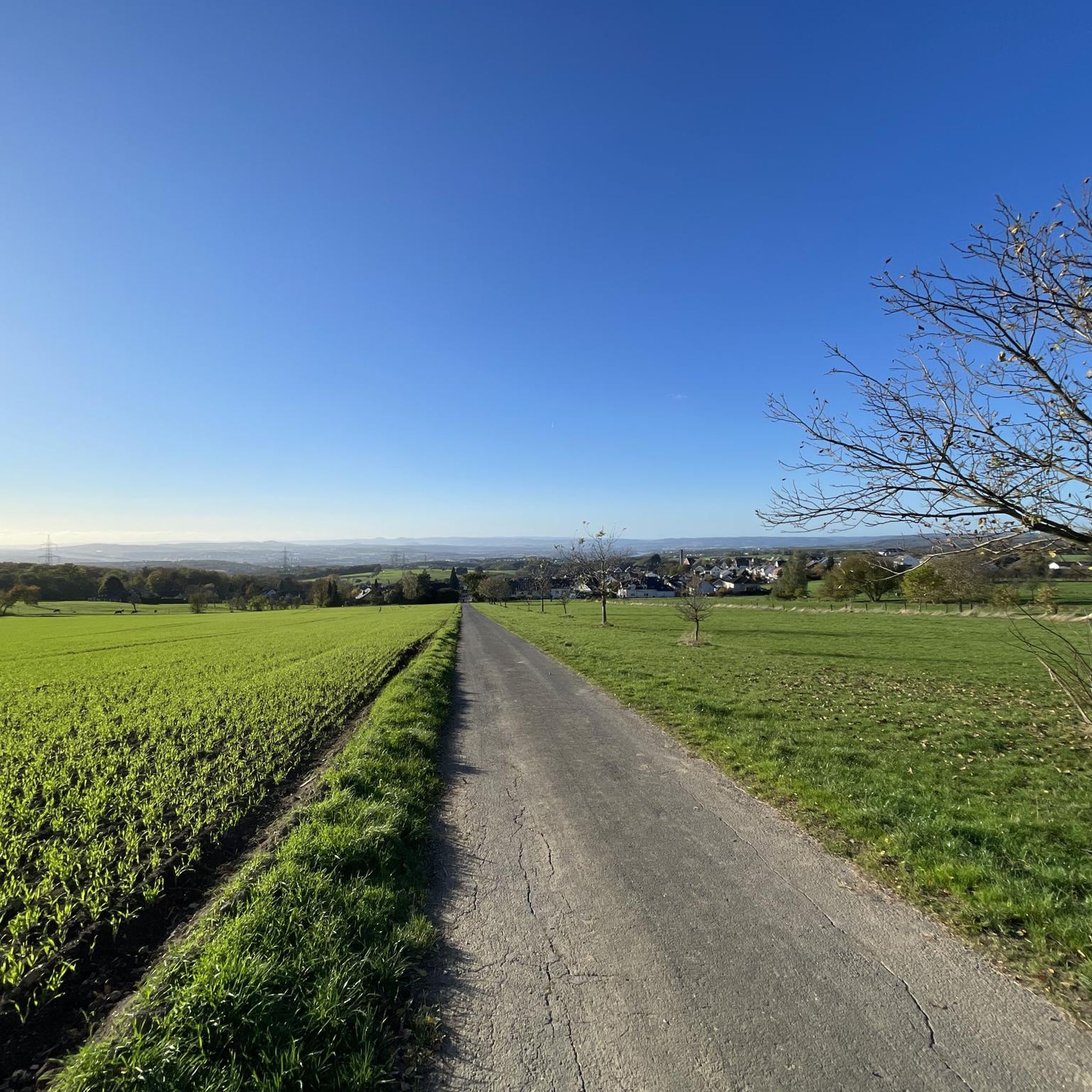
nice secluded trail for hiking.
0
0

Here there is a short piece of rock face with many holes. Since they are the size of a head, they are ideal for “Heinzelmännchen”. The rock consists of karst and the small caves were created by erosion.
3
0
Frequently Asked Questions
What types of caves can I explore around Simmern?
The Simmern region offers a mix of natural caves, slate caves, and historical mine tunnels. Many are remnants of the area's slate mining history, while others are natural karst formations. You'll find sites that served as wartime shelters, as well as important bat habitats.
Are there any historical caves or mine tunnels worth visiting near Simmern?
Yes, the region is rich in historical sites. The Upper and Lower Laykaul Slate Caves are significant for their historical use as wartime shelters and their unique geological formations from slate mining. While many mine tunnels like the Theresia Mine Tunnel and Baybachtal Bat Cave are now closed for bat conservation, their exteriors and the surrounding landscape offer a glimpse into the region's mining heritage.
What are the Heinzelmann Caves known for?
The Heinzelmann Caves are fascinating karst tubes formed by the chemical dissolving of limestone. They are steeped in local legends and were even noted by natural scientists like Senckenberg and Goethe's friend Lavater in the 18th century. They are a unique natural whim.
Can I visit caves that are important for wildlife conservation?
Yes, several former mine tunnels in the Hunsrück region, such as the Former Hoffnung Mine Air-Raid Shelter and Bat Habitat, are now crucial sheltered sleeping places for bats. While direct access to these specific tunnels is often restricted to protect the bats, their ecological importance is significant.
Are there any easy-to-access caves or shelters for casual visitors?
The Cave Near Rullsbach and Wiesbach is a head-high cave located directly on a path, extending a few meters into the rock face. It's quite suitable as a shelter in bad weather and offers an easy-to-access natural feature.
Are there any religious or spiritual grottoes in the area?
Yes, the Lourdes Grotto (Station 10) is a notable religious site. It features a Madonna of Lourdes and is part of a pilgrimage route leading up All Saints' Hill, offering a place for reflection.
Are there hiking trails that incorporate caves around Simmern?
Yes, the Holderbergerhof Trail is a secluded path with hairpin bends and views, where a cave exit is visible along the route. For more hiking options, you can explore various routes in the region, such as those found in the Hiking around Simmern guide.
What kind of geological features can I expect to see in the caves around Simmern?
The region's caves primarily showcase features related to slate mining and karstification. You can observe unique geological formations from slate extraction, such as the trapezoidal shapes in the Laykaul caves, and natural karst tubes formed by limestone dissolving, as seen in the Heinzelmann Caves.
What outdoor activities can I do near the caves in Simmern?
Beyond exploring the caves, the Simmern area offers excellent opportunities for hiking and cycling. You can find numerous routes for various skill levels, including easy hikes and more challenging cycling tours. Check out the Hiking around Simmern and Cycling around Simmern guides for detailed route information.
Are the caves around Simmern generally accessible for families?
Many of the caves and mine tunnels in the Simmern region are not developed as typical 'show caves' with extensive lighting and paved paths. They often offer a more rugged and authentic experience. While some, like the Cave Near Rullsbach and Wiesbach, are easily accessible, others, like the Laykaul Slate Caves, might involve steeper or less maintained paths. It's advisable to check specific conditions if visiting with young children or those with mobility concerns.
What should I wear when exploring caves in the Simmern region?
Given the rugged nature of many sites, it's recommended to wear sturdy footwear suitable for uneven terrain, and comfortable clothing that allows for movement. A headlamp or flashlight can be useful for exploring deeper sections of accessible caves, and layers are always a good idea as cave temperatures can be cooler than outside.
Most popular routes around Simmern
Most popular attractions around Simmern

Get inspired with the komoot mobile app


Explore more
Extend your search for the best caves by checking out these guides of the top ones around Simmern:
