Top 10 Caves around Großostheim
Best caves around Großostheim are found within a region characterized by its diverse geological formations and historical sites. The area, situated in Bavaria, features a landscape that includes forests, gorges, and remnants of past human activity. These formations range from natural rock shelters to man-made grottoes and historical underground structures. The surrounding Spessart Mountains contribute to the varied terrain, offering different types of underground exploration.
Best caves around Großostheim
- The most popular caves is Gruselpfad and Drachenhöhle (MÖ1), Bavarian Odenwald…
Last updated: June 26, 2026
Gruselpfad and Drachenhöhle (MÖ1), Bavarian Odenwald Nature Park
Highlight (Segment) • Trail
Translated by Google •
Tip by

Marian Grotto in Lengtal
Highlight • Religious Site
Showing Translation
Tip by

Sign up now to discover places like this
Get recommendations on the best single tracks, peaks, & plenty of other exciting outdoor places.
Sign up for free
Old Schwanenbräu Brewery Cellar (Groß-Umstadt)
Highlight • Structure
Translated by Google •
Tip by

Bensenbruch Quarry and World War II Shelter
Highlight • Cave
Translated by Google •
Tip by

Teschen Cave (volcanic vent in the Spessart)
Highlight • Volcano
Translated by Google •
Tip by

Sign up for free to discover even more caves around Großostheim.
Sign up for free
Already have an account?
Start today with a free account
Your next adventure awaits.
Login or Signup
Popular around Großostheim
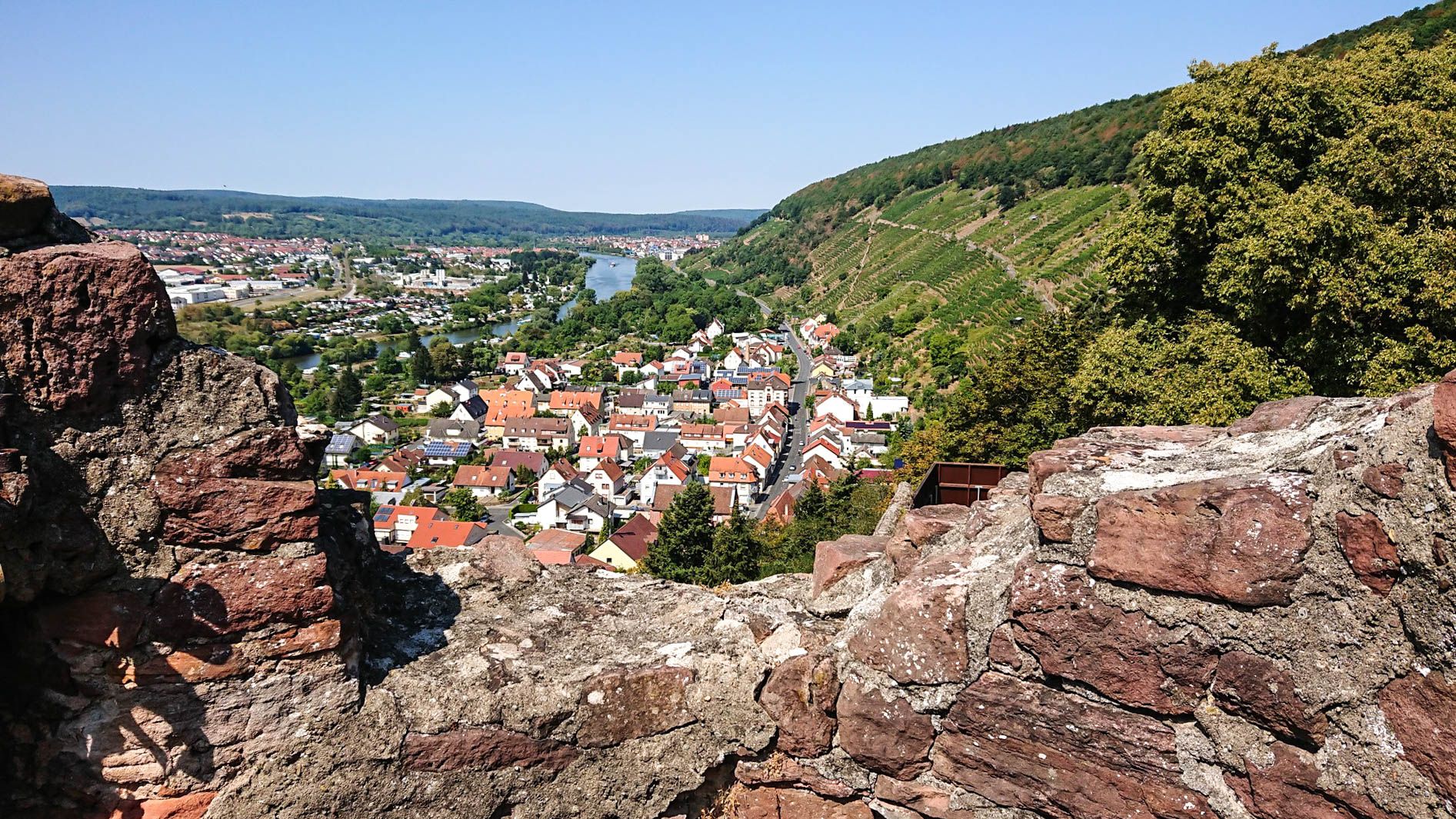
Franconian Red Wine Trail — From vineyards to the Main River
Relaxed hiking in the Spessart – short trails of discovery
Europäische Kulturwege im Bachgau
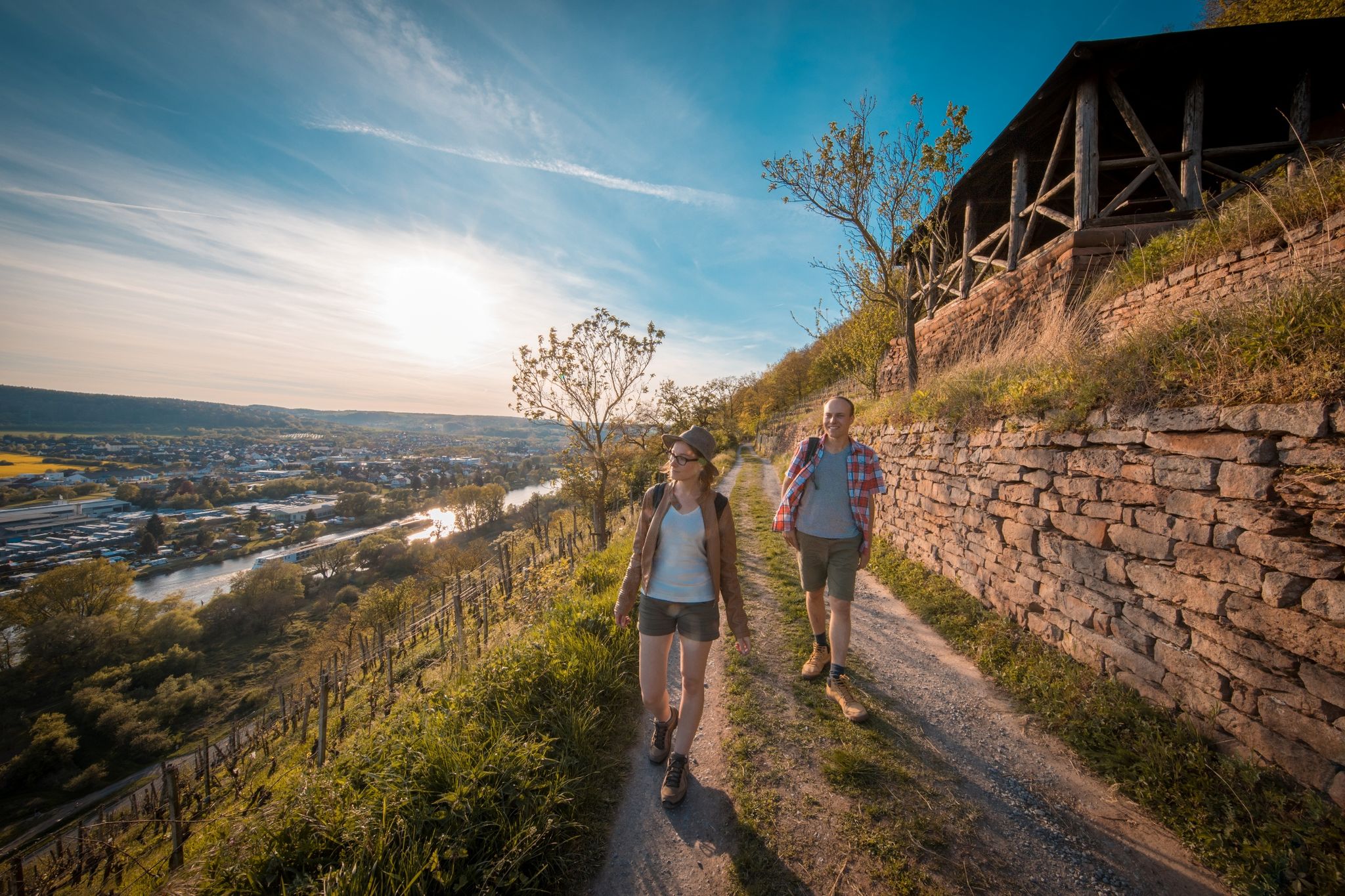
Fränkischer Rotwein Wanderweg – Wandern im Zeichen des Rotweinglases
Hiking around Großostheim
Cycling around Großostheim
MTB Trails around Großostheim
Running Trails around Großostheim
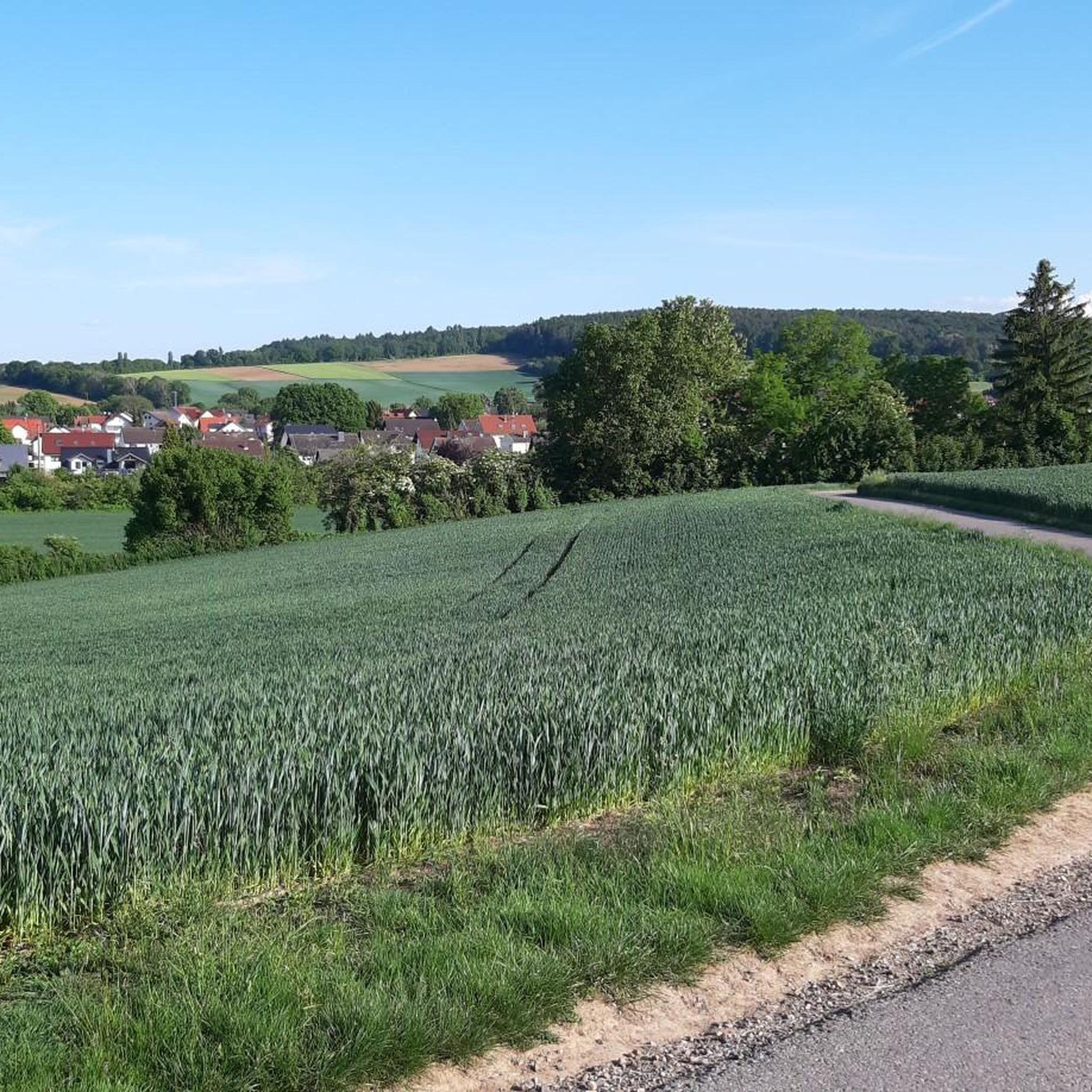
Road Cycling Routes around Großostheim
Gravel biking around Großostheim
Other adventures around Großostheim


Tips from the Community

In times long past, high-quality liquid foodstuffs were stored here.
1
0
It's truly impressive what has been created here in the rock.
2
0
The beautiful and well-maintained Mariengrotte was built in 1947 by the “Natur- und Vogelschutz Verein”.
4
0

After the descent from the Wolfsschlucht, the blessing from above... that's perfect!
11
0

The Bensenbruch was once a place of refuge during the Second World War where people sought protection.
1
1

Bensenbruch at the end of the Second World War. Since Gailbach and Dörrmorsbach became a combat zone during Holy Week 1945, people took refuge in cellars and tunnels to avoid bombs and grenades. People also sought refuge in the Bensenbruch, an old quarry. An approximately 15 meter long and over 2 meter high room in the form of a cellar vault could accommodate 50 to 60 people.
1
0
Bensenbruch Two caves remain from the former Bensenbruch. In the larger one, 50 to 60 people could find shelter during a bomb attack in 1945. The lamprophyre dike is bordered by the basal breccia (Buntsandstein) alternating with siltstones from the crumbly slate series.
1
1

The former Schwanenbräu production facility in Groß-Umstadt is being sold. The cellar is dry with around 60% humidity and is between 8° and 12° C all year round. In the past, the cellar was used for mushroom cultivation and storage. The highlight is the Ice Dome (VII), which cannot really be photographed. Source: eBay classifieds
3
0
Frequently Asked Questions
What types of 'caves' can I explore around Großostheim?
The region around Großostheim features a variety of underground and rock formations, which komoot categorizes as 'caves'. These include natural rock shelters, historical quarries, former mining tunnels, religious grottoes, and even a volcanic vent. You won't find large show caves directly in Großostheim, but rather unique geological and historical sites.
Are there any family-friendly cave-related sites near Großostheim?
Yes, the Marian Grotto in Lengtal is considered family-friendly. It's a peaceful memorial with a small grotto located on the edge of a forest, suitable for a gentle visit. The Gruselpfad and Drachenhöhle (MÖ1) also offers an engaging experience with its 'dragon cave' that can be fun for families, though parts of the trail are challenging.
What historical underground sites can I visit in the area?
You can explore the Bensenbruch Quarry and World War II Shelter, which offers insights into a former quarry and a historical retreat. Another interesting historical site is the Old Schwanenbräu Brewery Cellar in Groß-Umstadt, a former storage cellar with a unique history. Further afield, the Wilhelmine Copper Mine in Sommerkahl provides a glimpse into historical mining practices with illuminated tunnels.
Are there any natural geological formations or unique rock features to see?
Absolutely. The Teschen Cave is actually a volcanic vent in the Spessart, formed around 43 million years ago, and is the remains of a basalt quarry. Additionally, the Beilstein Trail in Huckelheimer Wald features unusual basalt rock formations, including imposing basalt prisms, which are a rare geological sight in the Spessart region.
What is the difficulty level for exploring these cave sites?
The difficulty varies. Sites like the Marian Grotto in Lengtal are generally intermediate, while the Gruselpfad and Drachenhöhle (MÖ1) and the Old Schwanenbräu Brewery Cellar are rated as challenging due to their associated trails or conditions. The Bensenbruch Quarry and World War II Shelter and the Teschen Cave are typically intermediate.
What outdoor activities can I combine with a visit to these cave sites?
The region offers various outdoor activities. You can find numerous hiking trails, such as those around the Rückersbach Gorge, which is known for its beautiful forest sections. For more structured routes, explore hiking trails around Großostheim. There are also cycling routes and running trails available in the wider area.
Are there any religious grottoes in the Großostheim area?
Yes, two notable religious grottoes are the Marian Grotto in Lengtal, described as a very nice memorial, and the Antonius Grotto in Alzenau city forest, which features a statue of Saint Anthony and is built with red sandstone from the Spessart region.
What is the best time of year to visit the cave sites around Großostheim?
Most of the cave-related sites and their surrounding trails are accessible year-round. However, spring and autumn offer pleasant temperatures for hiking and exploring the outdoor elements of these sites. During winter, some trails might be muddy or icy, while summer can be warm, making the cooler interiors of some sites a welcome respite.
Are the cave sites around Großostheim accessible by public transport?
While some sites might be reachable via a combination of public transport and a walk, many of the more secluded natural and historical sites are best accessed by car. It's advisable to check specific public transport options for each location you plan to visit, as direct connections can be limited.
What should I wear or bring when visiting these sites?
Given the varied nature of these 'caves' and their often-associated trails, sturdy hiking shoes are recommended. Layers of clothing are also advisable, as temperatures inside underground structures can be cooler than outside. For sites like the Gruselpfad and Drachenhöhle (MÖ1), be prepared for challenging sections. A flashlight might be useful for exploring darker areas of quarries or shelters.
What do visitors enjoy most about the cave sites near Großostheim?
Visitors appreciate the unique blend of nature and history. Many enjoy the adventurous trails leading to sites like the Gruselpfad and Drachenhöhle (MÖ1), with its 'dragon cave'. The peaceful atmosphere of religious grottoes like the Marian Grotto is also highly valued. The historical insights offered by sites such as the Bensenbruch Quarry and World War II Shelter also draw interest.
Are there any dog-friendly cave sites or trails nearby?
Many of the outdoor trails leading to these sites, such as those around the Gruselpfad and Drachenhöhle (MÖ1) or the Marian Grotto, are generally dog-friendly. However, access for dogs into specific underground structures or historical shelters might be restricted. Always keep dogs on a leash and be mindful of other visitors and wildlife.
Most popular routes around Großostheim
Most popular attractions around Großostheim

Get inspired with the komoot mobile app


Explore more
Extend your search for the best caves by checking out these guides of the top ones around Großostheim:
