Top 13 Caves around Wallmerod
Best caves around Wallmerod are found within the broader Westerwald region, an area characterized by its natural landscapes and geological formations. While Wallmerod itself does not feature extensive natural cave systems, the surrounding terrain offers unique rock formations and historical grottoes. These sites provide insights into both natural phenomena and human history in the area. The region's varied geology contributes to the presence of these distinct underground and rock-shelter locations.
Best caves around Wallmerod
- The most popular caves is Eternal…
Last updated: May 14, 2026
Eternal Ice at Dornburg
Highlight • Natural Monument
Translated by Google •
Tip by

Wolf Cave
Highlight • Cave
Translated by Google •
Tip by

Sign up now to discover places like this
Get recommendations on the best single tracks, peaks, & plenty of other exciting outdoor places.
Sign up for free
Bärenloch Prehistoric Karst Cave
Highlight • Cave
It's already pretty overgrown.
Translated by Google •
Tip by

Marian Grotto Heilberscheid
Highlight • Religious Site
Translated by Google •
Tip by

Bear cave
Highlight • Cave
Translated by Google •
Tip by

Sign up for free to discover even more caves around Wallmerod.
Sign up for free
Already have an account?
Start today with a free account
Your next adventure awaits.
Login or Signup
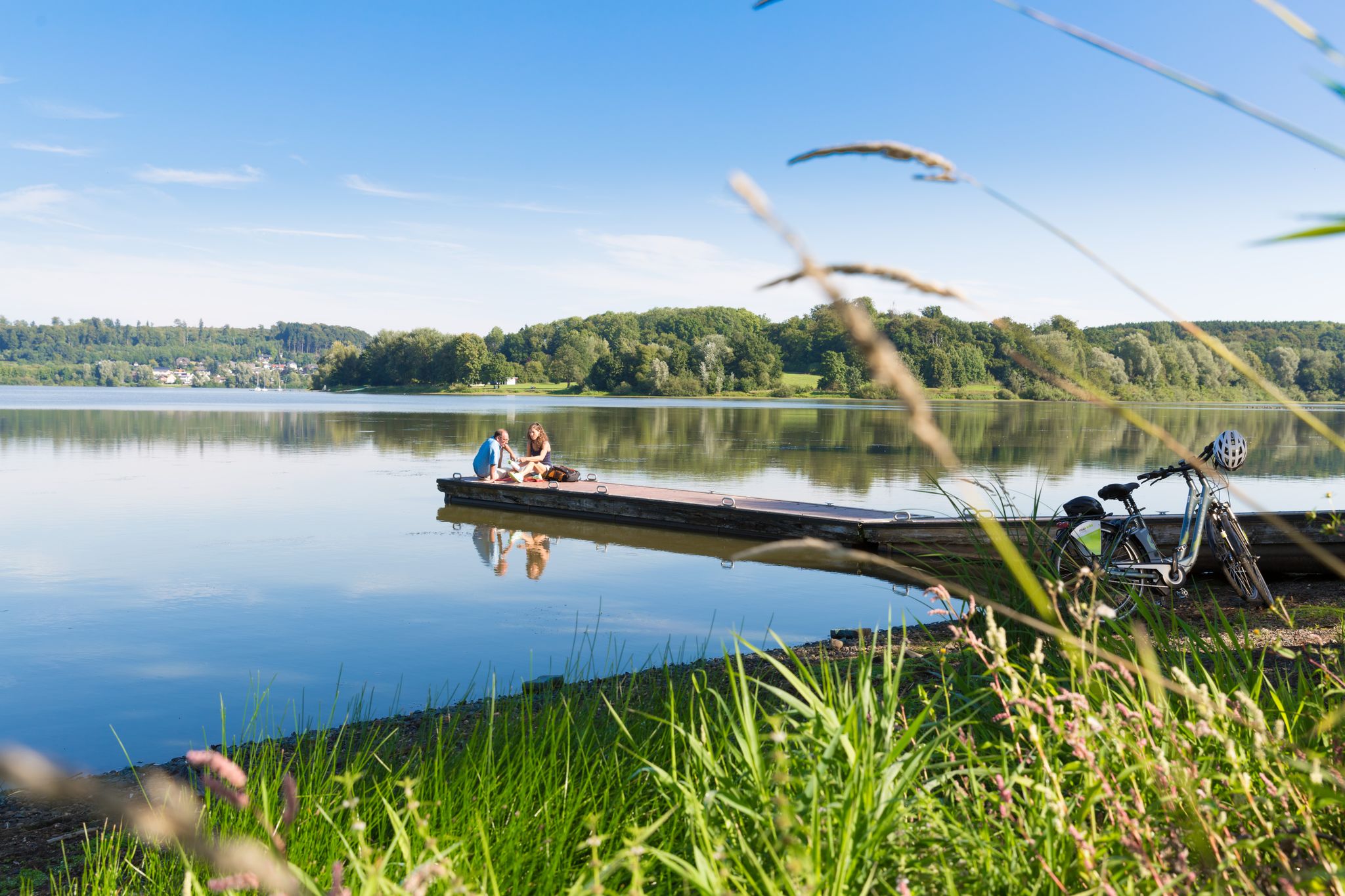
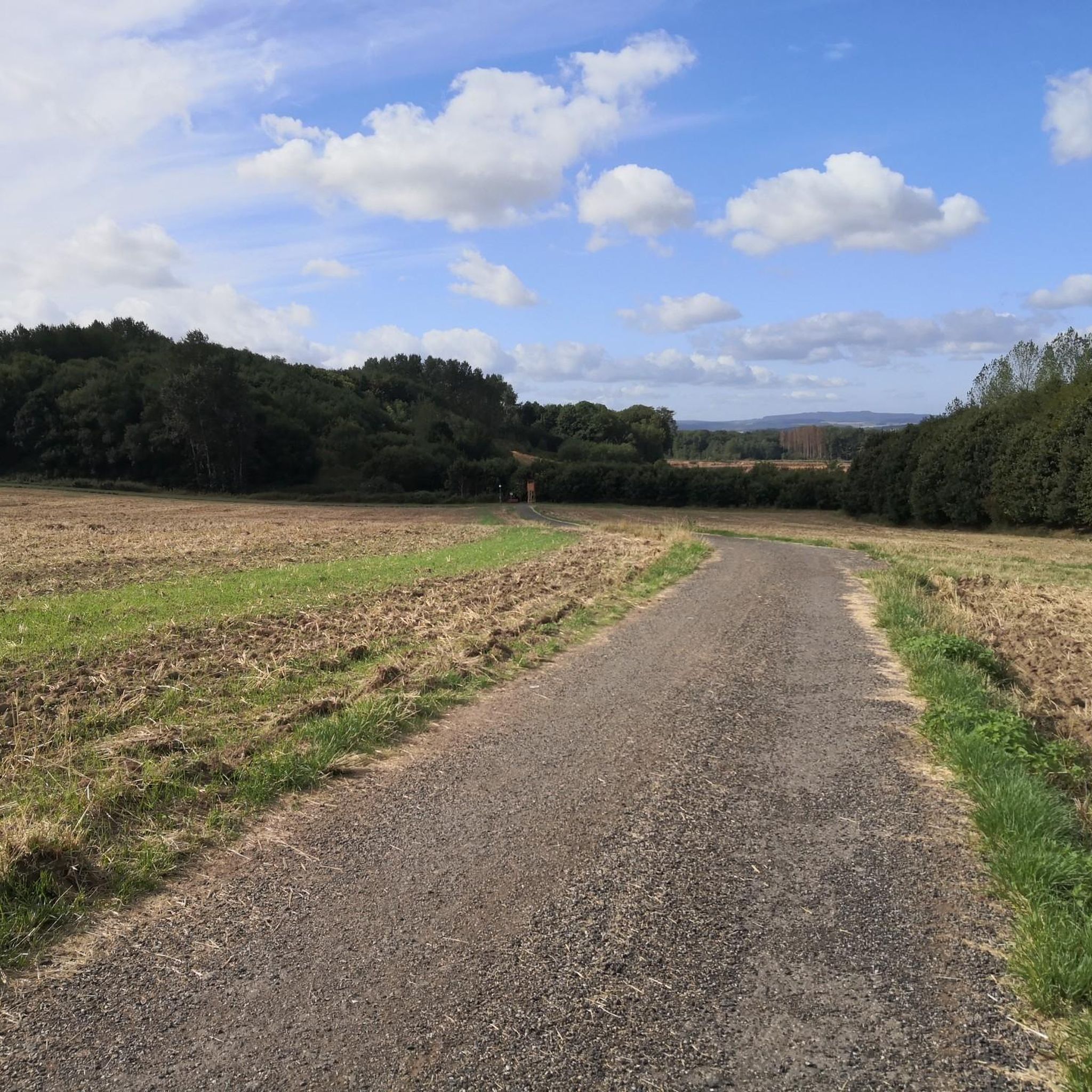
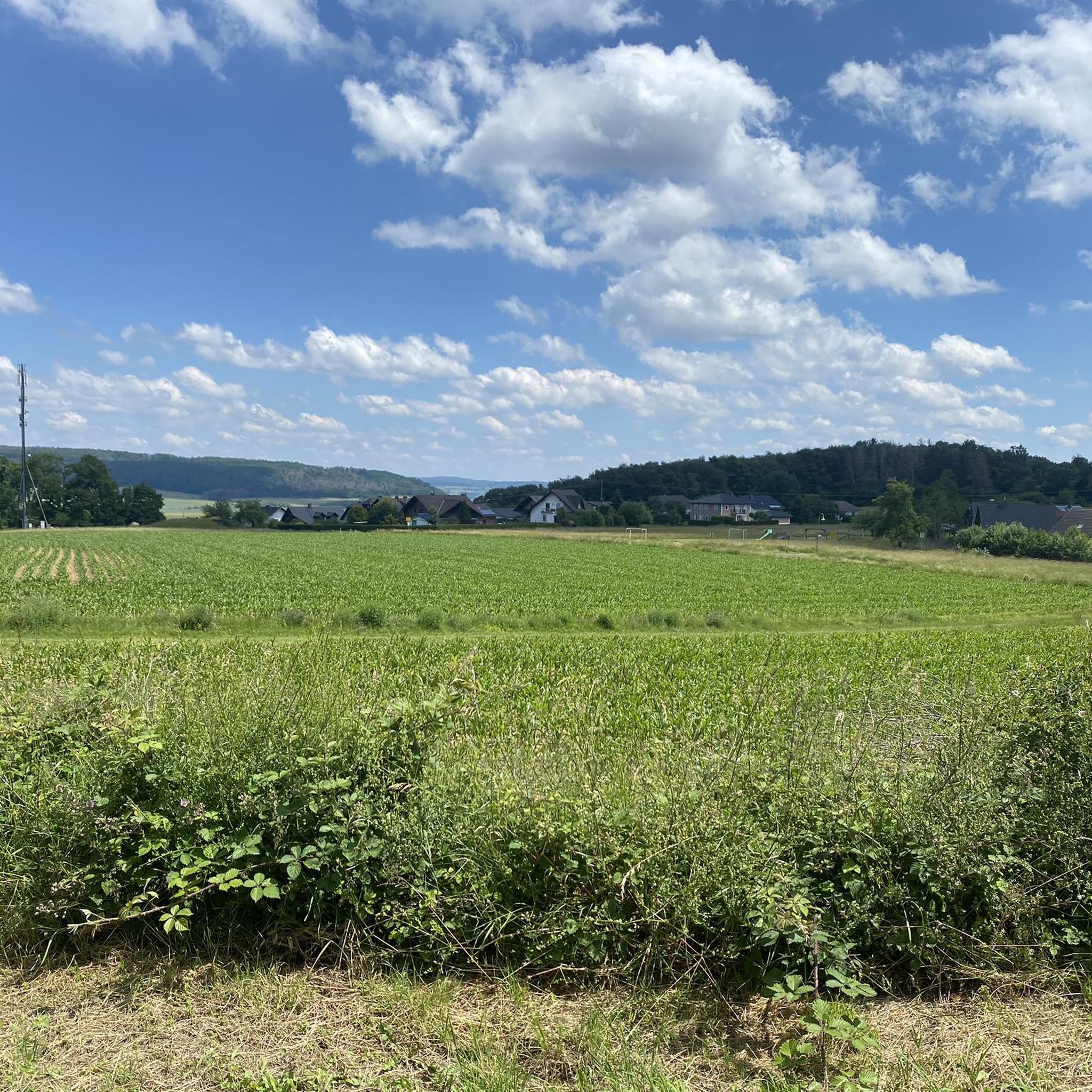
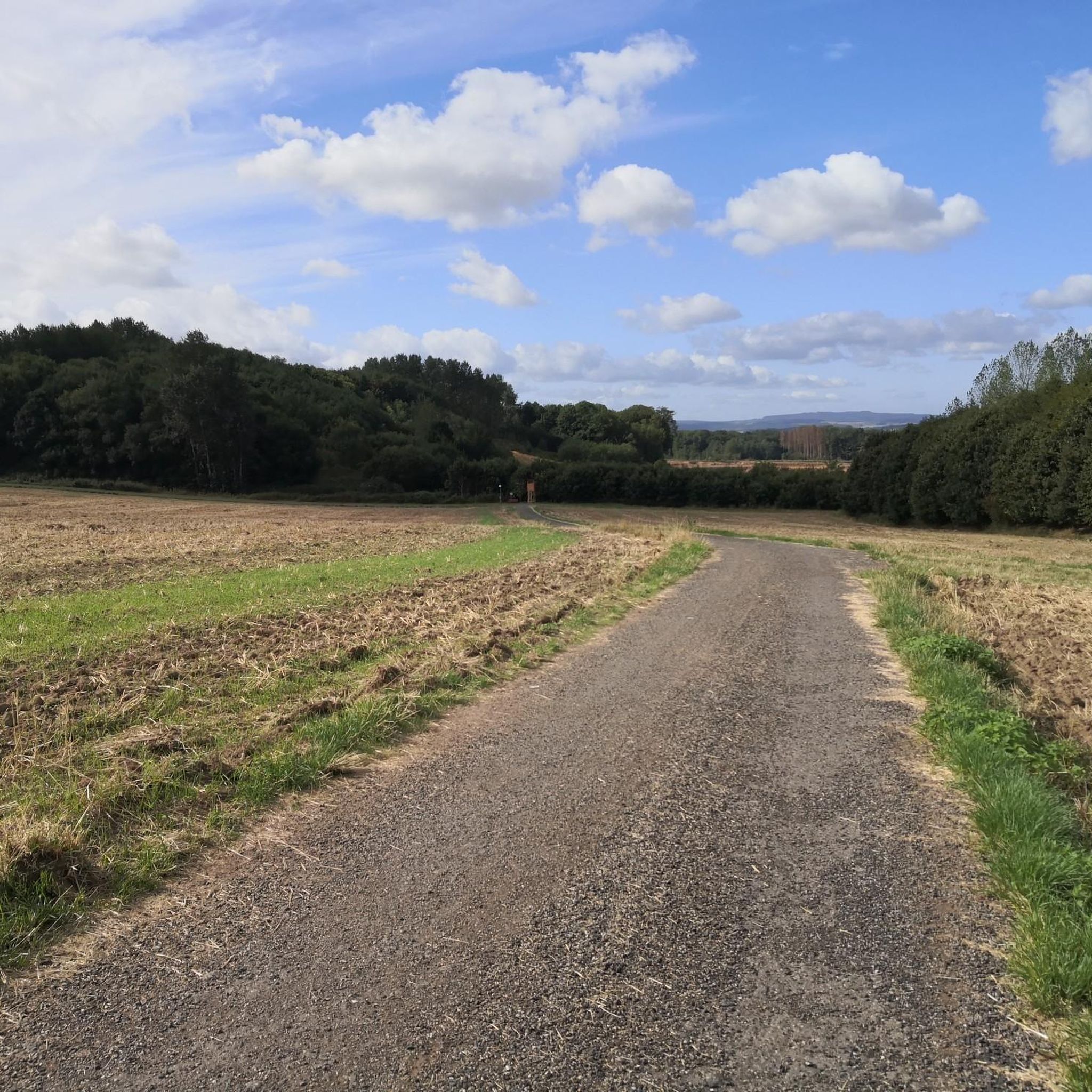
Other adventures around Wallmerod

Tips from the Community

The grotto was inaugurated in 1954. Until the end of the 1960s, a procession to the grotto took place every year on May 1st and August 15th. Beautifully designed and inviting place. There is more information about the history on the board on site. Definitely worth a visit!
1
0

The cave is hidden in a sheltered spot near the water, where you can easily imagine why the "cavemen" chose it as their place of residence. Today bats live there, so it is closed. But you can look inside and there is a bench and an information board about bats and the Neolithic finds.
2
0
There has been a Mariengrotte here since 1954. Chaplain Böß had the idea for this in 1953. A procession to the grotto takes place here every year on the Assumption Day. Nice and neat :-)
1
0

Simply fascinating and definitely worth a visit to the eternal ice. Pleasant cooling off on hot days and you can also linger here very well. A sign explains the phenomenon of "Eternal Ice" in a way that everyone can understand. We will definitely come back here.
7
1

The Mariengrotte in Heilberscheid, directly accessible from the street
2
0

unfortunately you cannot enter the cave
0
1

this cave (man-made) is constantly being rebuilt
1
0
Shortly before the puppies are born, the pregnant she-wolf looks for a cave in which she gives birth to her offspring and houses them for protection. A wide variety of loopholes are useful for this, such as deep riverbank hollows, cavities under fallen trees or rock overhangs, hollow tree trunks, a gap between rocks and so on. Sometimes wolves also use abandoned burrows of other animals such as bear caves or beaver dams. Often caves have been used by wolves for generations. A cave in Jasper National Park was used eight times in 15 years. Another on Ellesmere Island may be even older. Bones up to 783 years old have been found in it. In an ordinary wolf cave, the birth chamber is at the end of a tunnel that can be up to 5 meters long in soft earth. The cave itself is often slightly elevated from the rest of the tunnel. The birth chamber has a diameter of about 90cm and is about 60cm high. The cave entrance has a width of about 50cm to 70cm and a height of about 38cm to 50cm. Often the cave is located near a water source and at an elevated place so that the wolf can spot approaching enemies early. The alpha male stays outside the cave for protection and often plays the decoy to lure approaching predators such as bears and eagles away from the cave, whose prey can be a very young puppy. Although wolves often defend their den against wild predators, they will usually run away when humans approach them. Over the years, wolves change their burrows and relocate with their offspring, covering a distance of more than 1.6km. This happens either due to a parasitic infection of the cave or disturbance from humans or other animals.
1
0
Frequently Asked Questions
What types of caves can I explore around Wallmerod?
The Wallmerod region, part of the broader Westerwald, offers a variety of underground and rock-shelter locations. These include natural ice caves like Eternal Ice at Dornburg, prehistoric karst caves such as Bärenloch Prehistoric Karst Cave, and religious grottoes like Marian Grotto Heilberscheid. You can also find smaller, unique rock formations and historical grottoes, some with spiritual significance, like the Limbach Grotto or the Felsenstübchen near Nister.
Are there any natural ice caves in the Wallmerod region?
Yes, the most notable natural ice cave is Eternal Ice at Dornburg. This natural monument features a unique phenomenon where ice persists deep within the mountain, providing a significant temperature drop and a cool environment even on warm days. It's a fascinating geological site where cold air gets trapped, creating a natural refrigeration effect.
Are there historical caves or grottoes to visit near Wallmerod?
Absolutely. The Bärenloch Prehistoric Karst Cave is a historical site believed to have been used as a shelter by Stone Age people. Additionally, the Marian Grotto Heilberscheid is a religious grotto inaugurated in 1954, known for its beautiful design and annual procession. The region also features the Limbach Grotto, a Madonna shrine within a rock massif, and the Felsenstübchen near Burgruine Froneck-Nister, a natural rock formation with historical ties.
Can I visit former mining tunnels in the area?
While Wallmerod itself doesn't have extensive natural caves, the broader Westerwald region does offer opportunities to explore former mining operations. Historical slate mines, such as the Assberg slate mine and the historical slate mine near Limbach, provide underground tours, offering a glimpse into the region's industrial past, though these are artificial rather than natural cave formations.
Are the caves around Wallmerod suitable for families?
Many sites are family-friendly. For instance, the Eternal Ice at Dornburg is a natural monument that can be enjoyed by all ages, offering a cool respite on hot days. The Marian Grotto Heilberscheid is also considered family-friendly. Always check specific access details for each location, as some paths might be steep or challenging.
When is the best time to visit the caves near Wallmerod?
The best time to visit depends on the type of cave. For sites like the Eternal Ice at Dornburg, summer months are particularly appealing as the constant cool temperatures inside offer a refreshing escape from the heat. For other grottoes and historical sites, spring and autumn provide pleasant weather for exploring the surrounding natural areas and hiking trails.
What should I wear when exploring caves in the Wallmerod area?
Even on warm days, temperatures inside caves can be significantly cooler. It's advisable to wear layers, including a light jacket or sweater. Sturdy, closed-toe shoes with good grip are essential, especially if paths are uneven or wet. For some more adventurous or less developed sites, a headlamp or flashlight might be useful.
Are there hiking trails that include cave exploration near Wallmerod?
Yes, the region offers various hiking opportunities that can lead you to or near these unique geological features. For instance, the area around Eternal Ice at Dornburg is part of the Blasiussteig, offering further exploration to sites like the Hildegardisfelsen. You can find numerous hiking routes in the area, including those listed in the Hiking around Wallmerod guide.
What other outdoor activities can I do near these caves?
Beyond cave exploration, the Wallmerod region provides excellent opportunities for various outdoor sports. You can find numerous routes for hiking, cycling, and gravel biking. Many trails wind through forests and along rivers like the Gelbach, offering scenic views and diverse terrain.
Can I bring my dog to the caves or on nearby trails?
While many outdoor trails in the Westerwald are dog-friendly, access to specific cave interiors or grottoes may be restricted for pets. It's always best to check local regulations or signage at each individual site. For example, the Wolf Cave is a natural formation, but its interior might not be suitable for dogs. When hiking nearby, ensure your dog is on a leash and you carry waste bags.
Where can I find parking when visiting the caves?
Parking availability varies by location. For popular sites like Eternal Ice at Dornburg, there is often a small car park a few hundred meters away. For smaller or more remote grottoes, parking might be less formal, sometimes requiring roadside parking or utilizing trailheads for nearby hiking routes. Always look for designated parking areas to avoid inconvenience.
What do visitors enjoy most about the caves around Wallmerod?
Visitors frequently highlight the unique natural phenomena, such as the cooling effect at Eternal Ice at Dornburg, especially on hot days. The historical significance of sites like the Bärenloch Prehistoric Karst Cave and the spiritual tranquility of the Marian Grotto Heilberscheid are also highly appreciated. The blend of natural beauty and historical context makes these sites particularly engaging.
Are there any easily accessible caves for visitors with mobility concerns?
While some sites like the Marian Grotto Heilberscheid are directly accessible from the street, many of the natural cave formations and grottoes in the region, such as the Limbach Grotto, involve steep slopes or uneven terrain. The Small Gated Cave in Nassau Conservation Area is described as an inconspicuous tunnel at the side of the road, which might offer easier viewing from the outside. It's recommended to check specific access details for each location if mobility is a concern.
Most popular routes around Wallmerod
Most popular attractions around Wallmerod

Get inspired with the komoot mobile app


Explore more
Extend your search for the best caves by checking out these guides of the top ones around Wallmerod:
