The 9 Most Amazing Peaks around Weroth
Best mountain peaks around Weroth are situated within the Westerwald, a low mountain range in Germany. This region offers diverse natural landscapes, including forests and open plateaus. The area provides opportunities for hiking and enjoying panoramic views. These peaks offer accessible and rewarding destinations for exploring elevated landscapes.
Best mountain peaks around Weroth
- The most popular mountain peaks is Heidenhäuschen — Celtic Ringfort and Viewpoint, a historical site that is a beautiful archaeological site with imposing rocks. The area…
Last updated: April 28, 2026
Summit cross on Blasiussteig
Highlight • Monument
Translated by Google •
Tip by

Translated by Google •
Tip by

Sign up now to discover places like this
Get recommendations on the best single tracks, peaks, & plenty of other exciting outdoor places.
Sign up for free
Höchst Summit
Highlight • Summit
Translated by Google •
Tip by

Trail to Burgberg
Highlight • Trail
Translated by Google •
Tip by

Heidenhäuschen — Celtic Ringfort and Viewpoint
Highlight • Historical Site
Translated by Google •
Tip by

Sign up for free to discover even more peaks around Weroth.
Sign up for free
Already have an account?
Start today with a free account
Your next adventure awaits.
Login or Signup
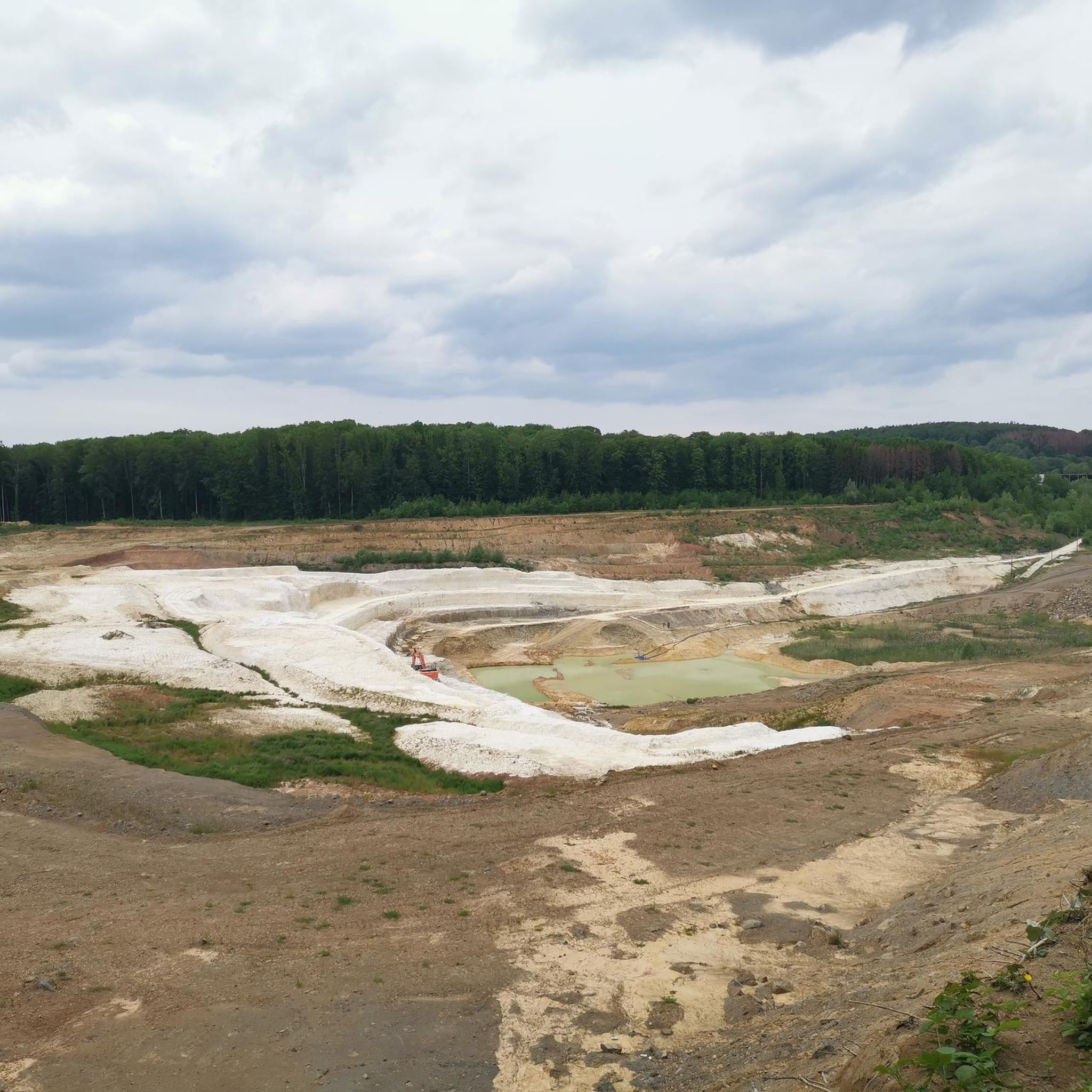
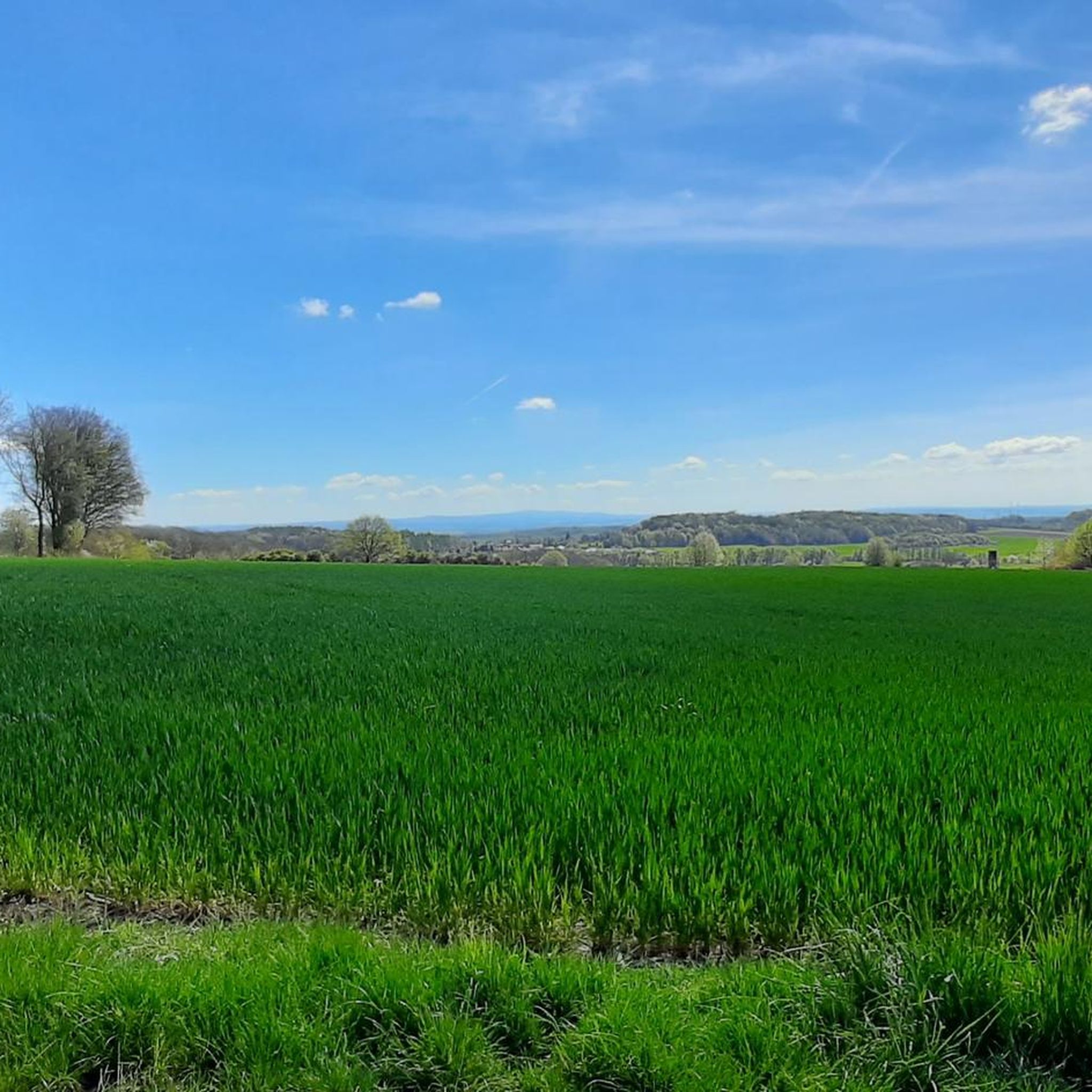
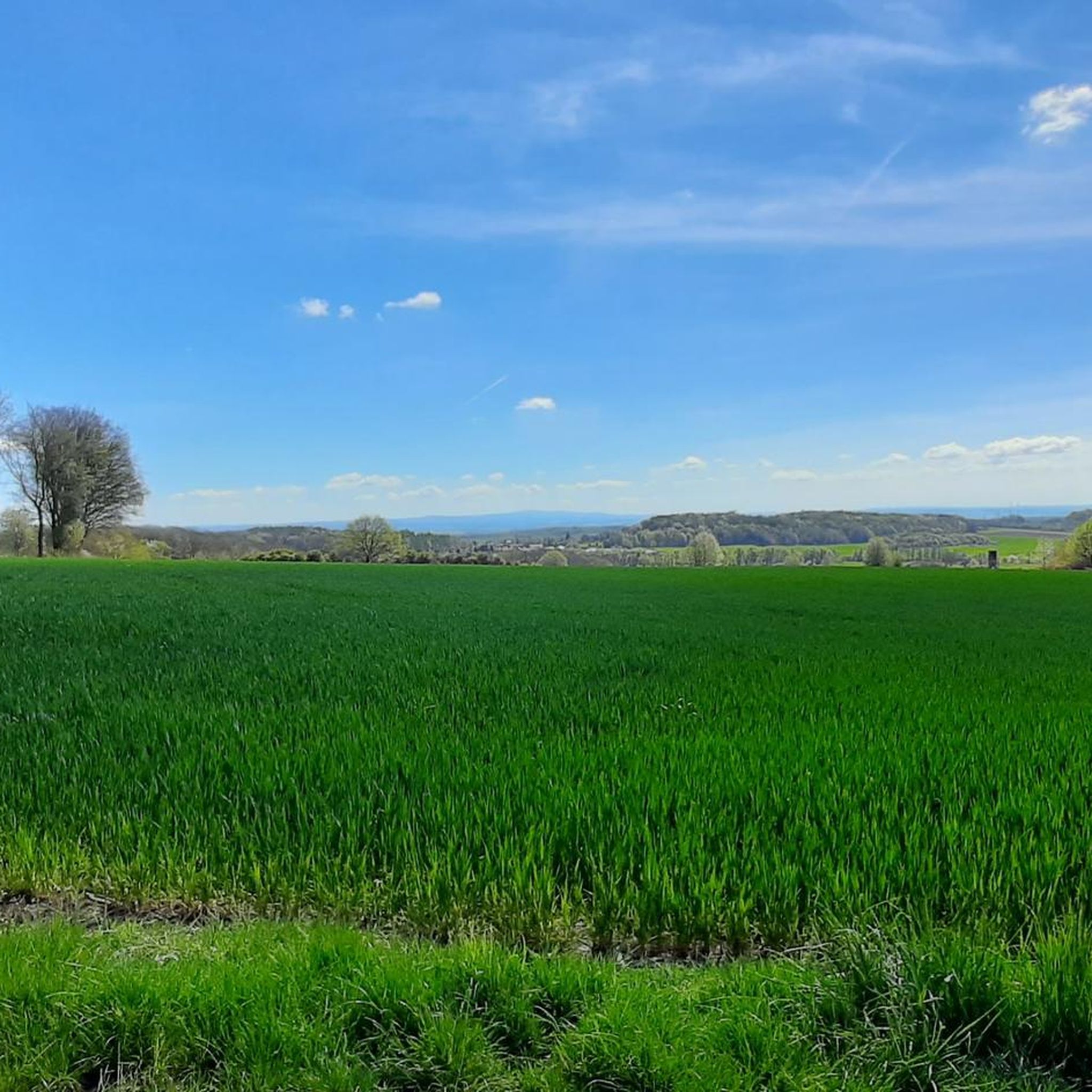
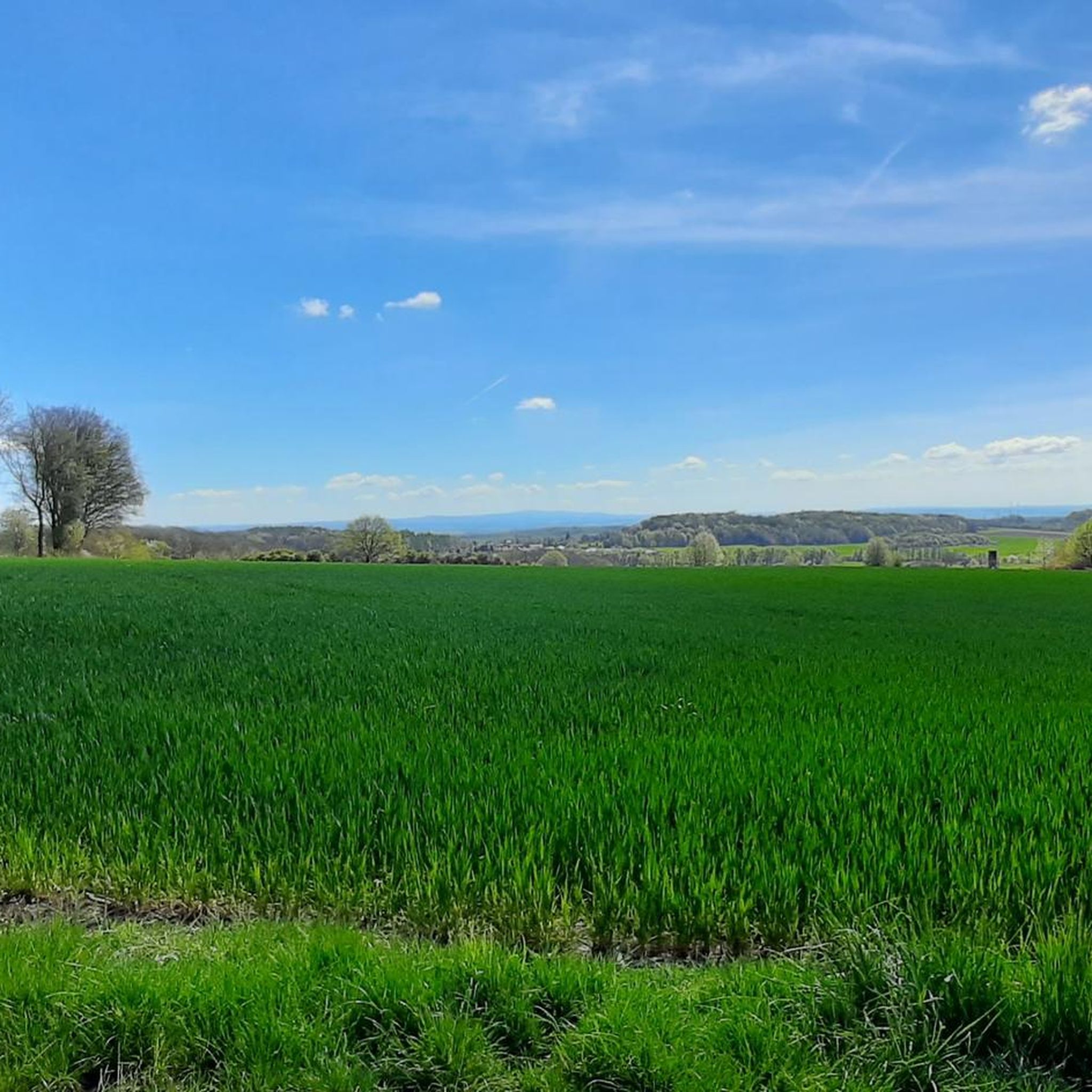
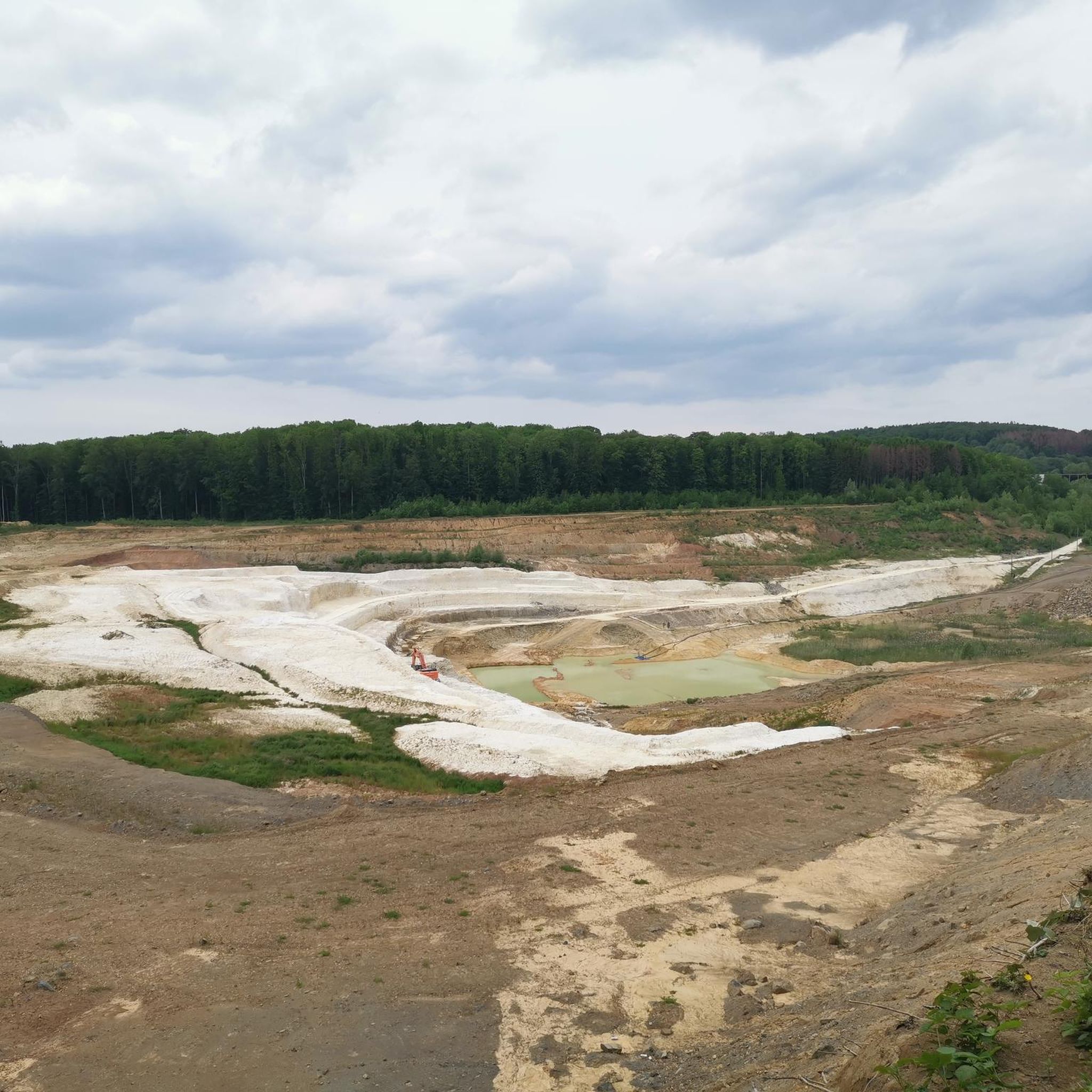

Tips from the Community

A must-do hike; if the weather is good, hikers will be treated to beautiful views stretching from the Westerwald to the Großer Feldberg in the Taunus.
0
0

Great place for a little break
3
0

Here it goes up quite steeply again and the castle is not waiting for you. But the view is worthwhile.
0
0


Wonderful up here
1
0

This path is easy to walk and I was excited about the view and was not disappointed.
1
0

Today (05/15/2023) the peak has grown again. The stone comes from Schönborn.
1
0

This is the castle hill
0
0
Frequently Asked Questions
What are some of the most notable mountain peaks in the Westerwald region near Weroth?
While Weroth itself is in the Westerwald, some of the most significant peaks in the broader region include the Fuchskaute, the highest point at 657 meters, known for its unique basalt plateau and rich biodiversity. Other notable peaks are the Stegskopf (654.4 meters) and the Salzburger Kopf (654.2 meters), which offers fantastic views and features a distinctive transmission tower.
What kind of natural features can I expect to see on the peaks around Weroth?
The peaks around Weroth, particularly in the Westerwald, offer diverse natural landscapes. You can find basalt plateaus, dense forests, and open areas. The Fuchskaute, for instance, is a nature reserve with unique meadows and exceptional flora and fauna. Many peaks also feature impressive rock formations, such as the basalt blocks around Heidenhäuschen — Celtic Ringfort and Viewpoint.
Are there historical or cultural sites on the mountain peaks near Weroth?
Yes, the region combines natural beauty with historical significance. A prime example is Heidenhäuschen — Celtic Ringfort and Viewpoint, an archaeological site with remains of a Celtic ring wall and surrounding basalt blocks, indicating its prehistoric importance. Additionally, you can find man-made monuments like the Summit cross on Blasiussteig, which includes a summit book.
What are the best peaks for panoramic views around Weroth?
For expansive views, the Salzburger Kopf is highly recommended, especially from its western side. Within the guide's highlights, the Heidenhäuschen — Celtic Ringfort and Viewpoint and the Trail to Burgberg are also noted for offering great views of the surrounding landscape.
Are there family-friendly hiking options on the peaks near Weroth?
Yes, there are options suitable for families. The Trail to Burgberg is described as easy to walk and offers a great view, making it a good choice for families. Generally, the Westerwald region provides numerous trails for various fitness levels, including easier paths.
Can I bring my dog on the mountain trails around Weroth?
Yes, many trails in the region are dog-friendly. For example, the Trail to Burgberg is specifically noted as dog-friendly, offering a pleasant experience for you and your pet.
What outdoor activities can I do near the peaks around Weroth?
Beyond exploring the peaks themselves, the area offers a variety of outdoor activities. You can find numerous hiking trails, such as those listed in the Hiking around Weroth guide, including easy routes like the 'View of the Clay Pit – View of Wallmerod loop'. There are also options for running, with routes like the 'Westerwald loop from Weroth' available in the Running Trails around Weroth guide, and extensive mountain biking trails, detailed in the MTB Trails around Weroth guide.
What is the best time of year to visit the mountain peaks near Weroth?
The Westerwald region, including its peaks, offers rewarding experiences throughout the year. Spring and autumn are particularly pleasant for hiking due to mild temperatures and vibrant foliage. Summer provides longer daylight hours for exploration, while winter can offer unique snowy landscapes, though conditions might require specific gear.
Are there any less crowded mountain peaks or trails to explore near Weroth?
While specific crowd levels can vary, exploring lesser-known paths or visiting during off-peak hours (early mornings or weekdays) can offer a more tranquil experience. The Westerwald generally provides a peaceful retreat, allowing visitors to immerse themselves in nature away from major tourist hubs.
What makes the Fuchskaute a unique peak to visit in the Westerwald?
The Fuchskaute, the highest point in the Westerwald, is unique for its basalt plateau and status as a nature reserve. It's known for its 'alpine-like' meadows, which are home to exceptional biodiversity, including nearly 300 species of flowering plants, 300 butterfly species, and almost 50 bird species. It's a prime location for nature observation.
What do visitors appreciate most about the peaks around Weroth?
Visitors frequently appreciate the diverse natural landscapes, the opportunities for hiking and enjoying panoramic views, and the tranquility the region offers. Highlights like Heidenhäuschen — Celtic Ringfort and Viewpoint are praised for their archaeological significance and imposing rocks, while the Summit cross on Blasiussteig is valued as a place of stillness and reflection.
Are there any specific geological features to look out for on the peaks?
Yes, the region is characterized by its volcanic past, leading to notable geological features. Basalt formations are common, particularly evident around the Heidenhäuschen — Celtic Ringfort and Viewpoint, where impressive basalt blocks are part of the landscape. The Fuchskaute is also a significant basalt plateau.
Most popular attractions around Weroth

Get inspired with the komoot mobile app


Explore more
See even more amazing summits around Weroth with these guides:
