Top 16 Caves around Rüber
Caves around Rüber, located in the Mayen-Koblenz district of Rhineland-Palatinate, western Germany, offer insights into the region's historical slate mining and natural geological features. The area is known for its blend of man-made mining tunnels and natural cave formations, providing varied exploration opportunities. These sites are often integrated into local hiking paths, allowing for a combination of outdoor activity and historical discovery.
Best caves around Rüber
- The most popular caves is Waterwheel at the Margareta Slate Mine water tunnel,…
Last updated: August 20, 2026
Old Slate Mine Tunnel
Highlight • Cave
Translated by Google •
Tip by

Waterwheel at the Margareta Slate Mine water tunnel
Highlight • Monument
Translated by Google •
Tip by

Sign up now to discover places like this
Get recommendations on the best single tracks, peaks, & plenty of other exciting outdoor places.
Sign up for free
Fuchsloch Slate Mine Entrance
Highlight • Cave
Translated by Google •
Tip by
Small cave on the Felsensteig
Highlight • Cave
Translated by Google •
Tip by

Extraction chamber of the former Barbara slate mine
Highlight • Cave
Translated by Google •
Tip by

Sign up for free to discover even more caves around Rüber.
Sign up for free
Already have an account?
Start today with a free account
Your next adventure awaits.
Login or Signup
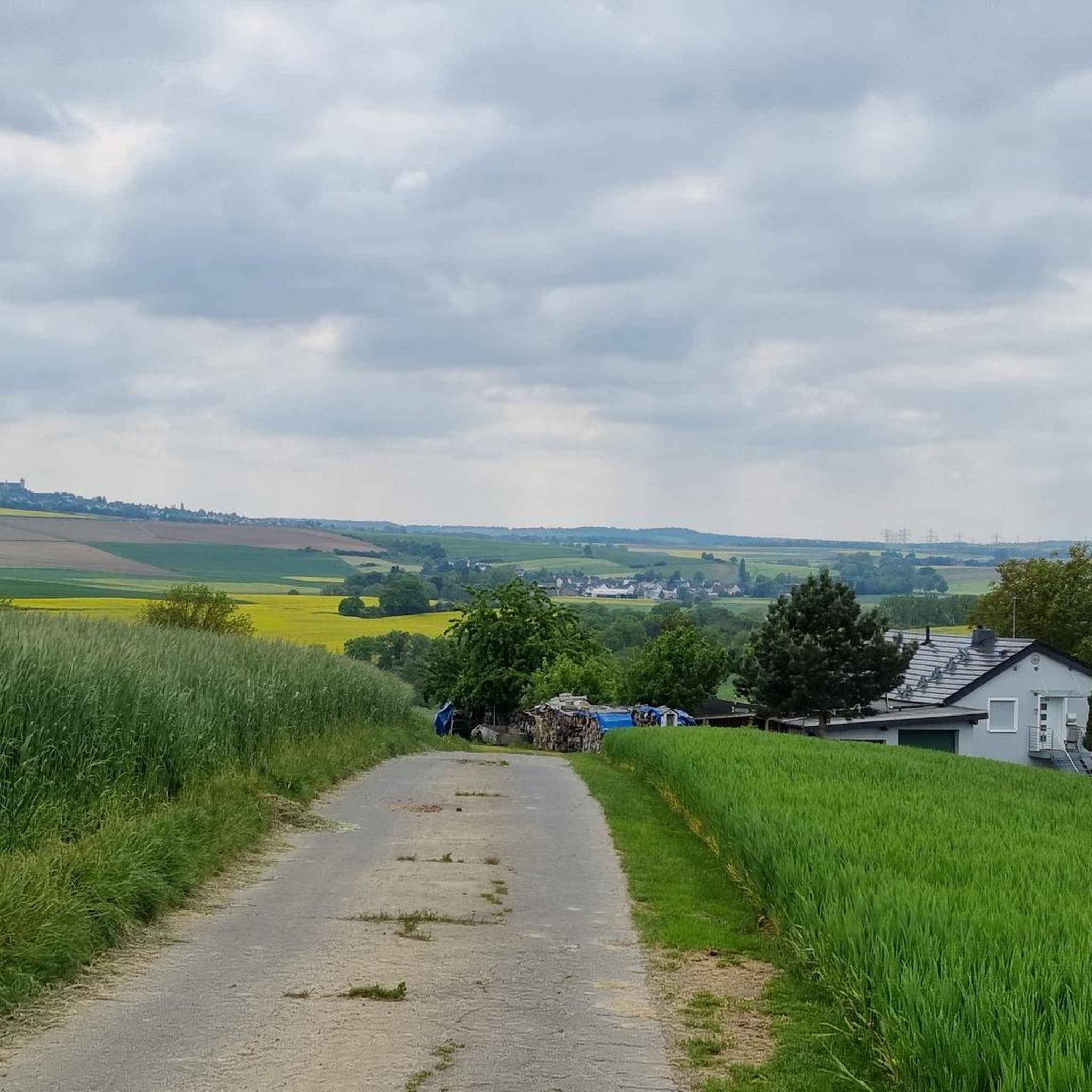
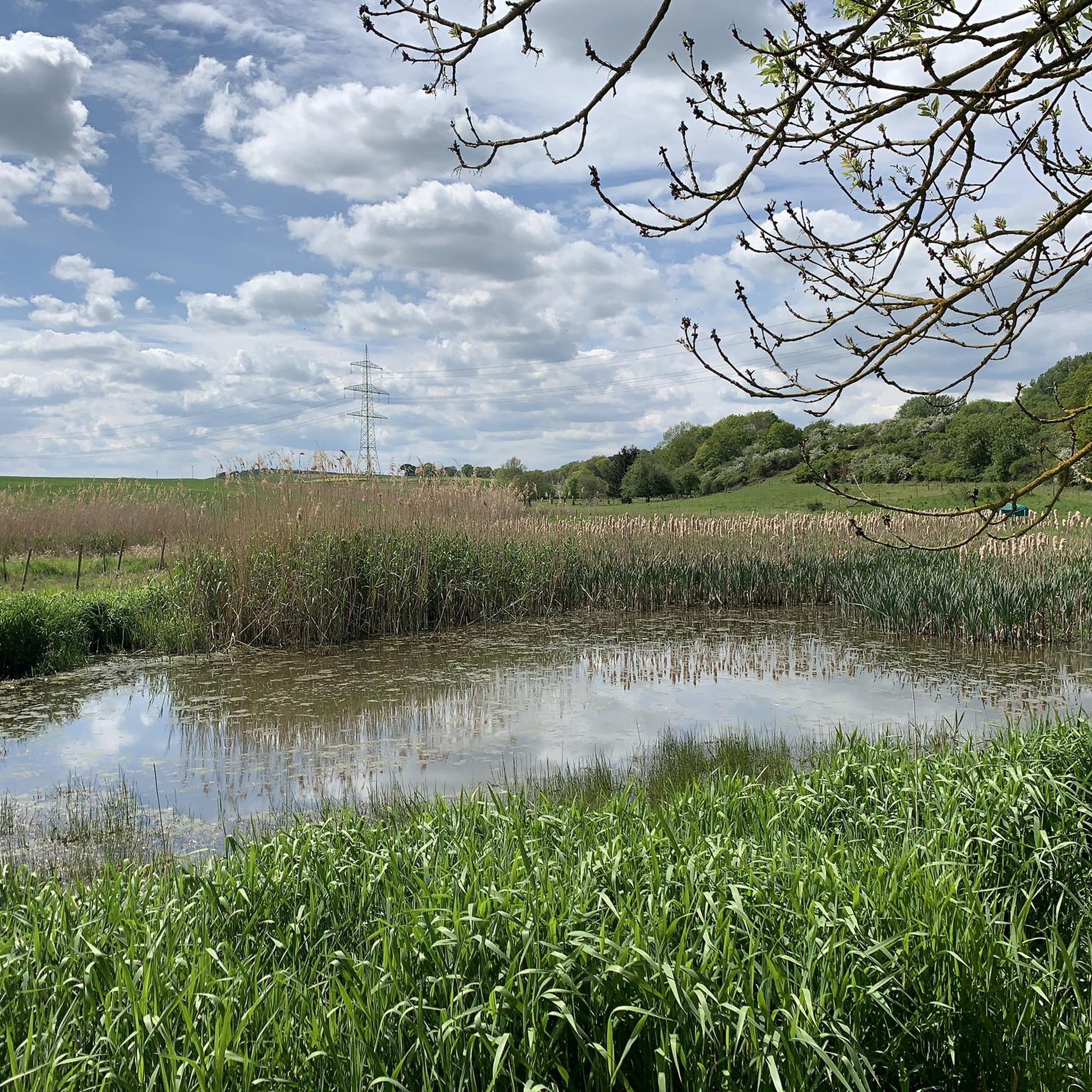
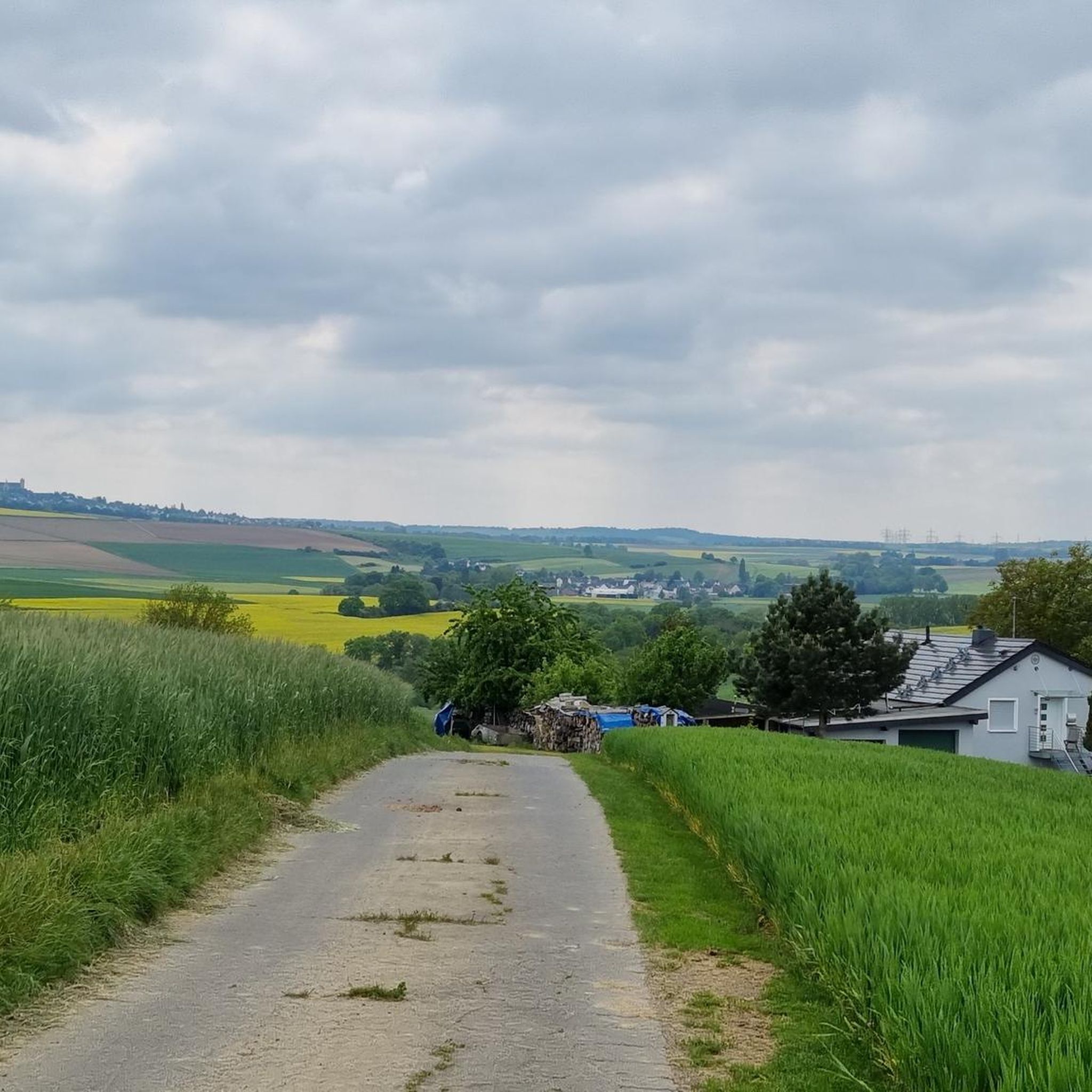
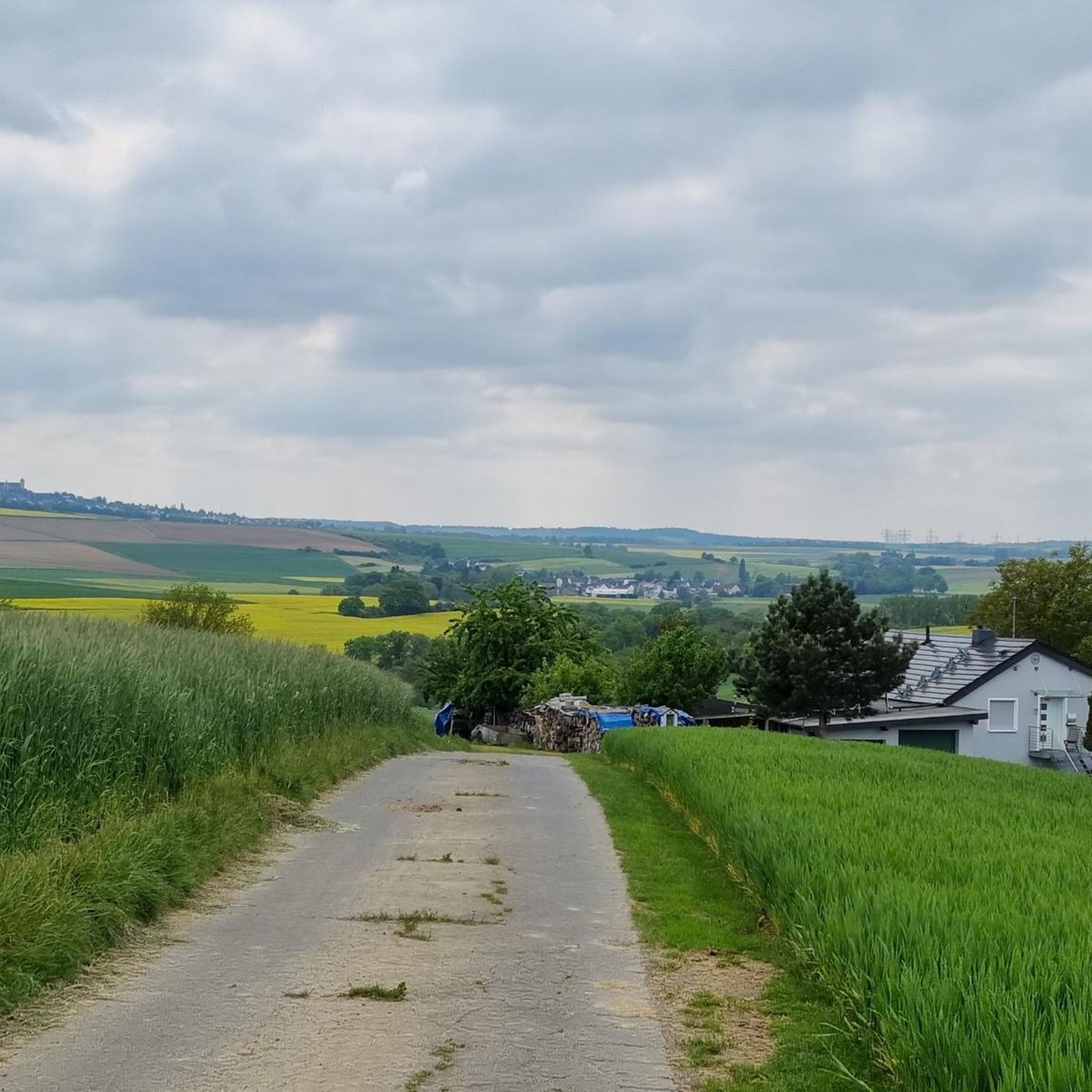
Tips from the Community

The found slate deposits, so-called "Richten", were mined in chambers (approx. 6 m wide and 5 m high) with heavy labor.
0
0

It is hard to imagine the working conditions of the miners who went into the mountain to laboriously mine the slate.
0
0
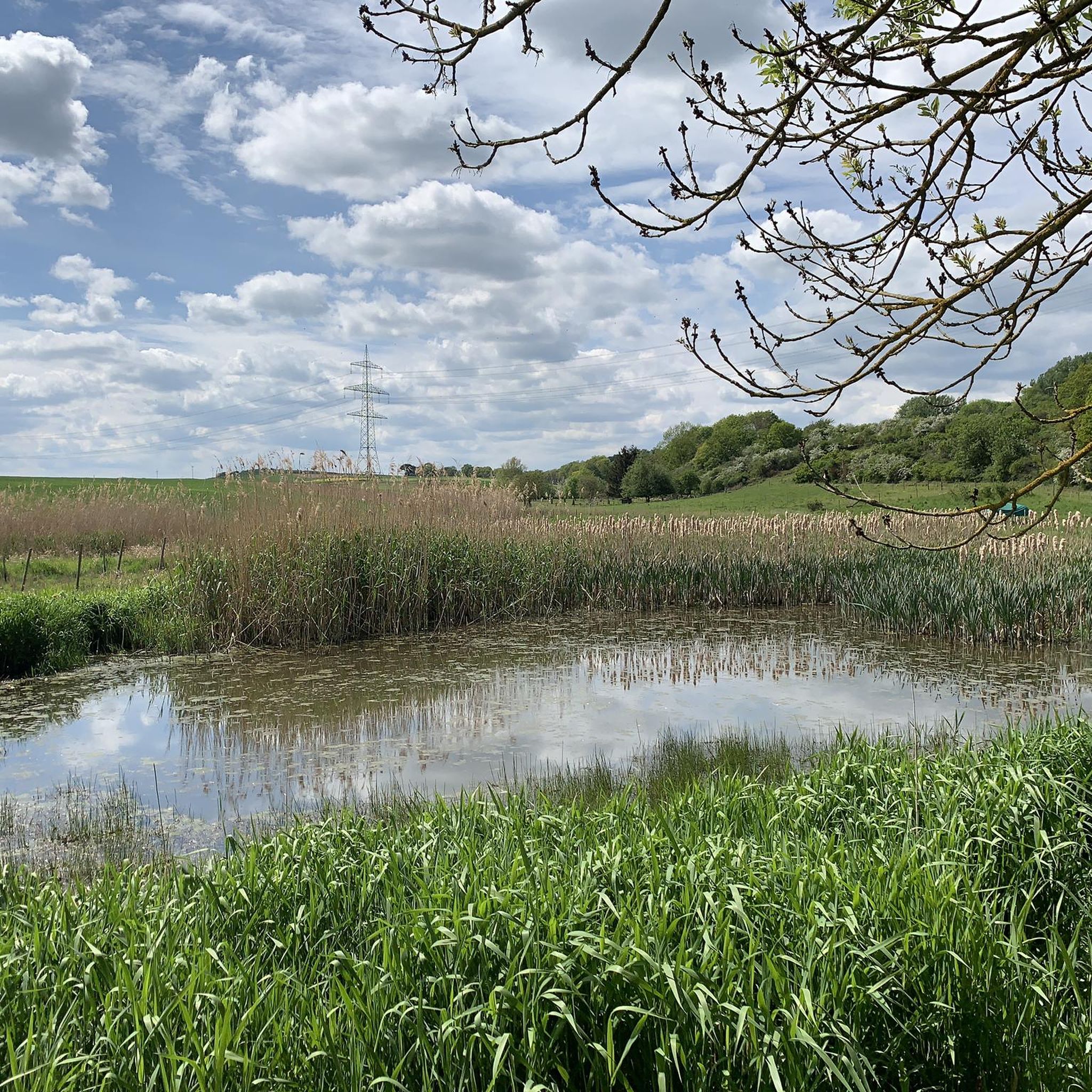
A photogenic relic of an old mill is this water wheel on a tributary of the Nette.
0
0
It is hard to imagine the working conditions of the miners who went into the mountain to laboriously mine the slate.
0
0

Climbing in is worth it
1
0

These were mainly private mining chambers. Those who hike here from the end of April to the end of June have the opportunity to listen to wonderful nightingale concerts.
3
0

With the two Mosel slate mines Katzenberg (Mayen) and Margareta (Polch) of the company I. B. Rathscheck Söhne KG, Moselschieferbergwerke, the largest slate production in Central Europe was located near Mayen in this region with - according to their own statements - a market share of 80%. The Margareta mine near Polch-Nettesürsch was in operation until 1996. It was accessed with a 485 m long conveyor ramp in the form of a helix, which enabled truck transport from underground. Source: Wikipedia
3
0
This is the entrance to one of the 37 slate quarries in the former Trimbs slate district. Attention: Due to the danger of collapse, entering the tunnel is prohibited!
3
0
Frequently Asked Questions
What kind of caves can I explore around Rüber?
The Rüber area offers a mix of historical slate mine tunnels and natural cave formations. You can find sites like the Waterwheel at the Margareta Slate Mine water tunnel, which showcases the region's mining history, and natural spots such as the Small cave on the Felsensteig.
Are there family-friendly caves in the Rüber area?
Yes, several caves around Rüber are suitable for families. The Small cave on the Felsensteig is described as manageable and a pleasant spot for a rest. The Tatzelwurm Caves are also noted as being relatively easy to explore, even with children.
What historical significance do the caves around Rüber have?
Many caves in the Rüber region are remnants of historical slate mining operations. For example, the Waterwheel at the Margareta Slate Mine water tunnel highlights the importance of slate mining in the Nettetal. The Fuchsloch Slate Mine Entrance and the Old Slate Mine Tunnel also offer glimpses into former mining activities.
What is the difficulty level for exploring caves in Rüber?
The difficulty varies. Some caves, like the Small cave on the Felsensteig and the Tatzelwurm Caves, are considered manageable and easy. Others, such as the Fuchsloch Slate Mine Entrance and the Extraction chamber of the former Barbara slate mine, are categorized as challenging due to narrow passages or potential dangers, with entry often prohibited for safety.
Can I combine cave exploration with other outdoor activities in Rüber?
Absolutely. The caves around Rüber are often integrated into local hiking paths. You can find various hiking routes, including easy to moderate options like the 'Polcher Bach loop from Rüber' or more challenging mountain hikes such as 'Hausener Angelweiher loop from Trimbs'. For more details, explore the Hiking around Rüber guide.
Are there any specific safety warnings for caves in Rüber?
Yes, some historical mine tunnels, like the Extraction chamber of the former Barbara slate mine, have warnings against entry due to the danger of collapse. The Old Slate Mine Tunnel is also noted as potentially dangerous if attempting to mine slate. Always observe local signage and exercise caution.
What do visitors enjoy most about the caves around Rüber?
Visitors appreciate the blend of historical insight and natural beauty. Many enjoy learning about the region's slate mining past, as seen at the Waterwheel at the Margareta Slate Mine water tunnel. The manageable nature of some caves, like the Small cave on the Felsensteig, also makes them popular rest spots during hikes.
Are there opportunities for gravel biking near the Rüber caves?
Yes, the Rüber region offers several gravel biking routes. You can find challenging options like the 'Burgen Castle (Moselle) – View of Burg Thurant loop from Kobern-Gondorf' or moderate rides such as the 'Maifeld Cycle Path – Maifeld Cycle Path loop from Lonnig'. More information is available in the Gravel biking around Rüber guide.
What kind of natural features can I expect to see in and around the Rüber caves?
Beyond the caves themselves, the region is characterized by its natural setting. The Small cave on the Felsensteig is part of a natural monument, offering tranquil surroundings. The area's geological features, including slate rock formations, are prominent, especially along hiking trails that lead to these sites.
Are there any specific caves that are good for beginners or those new to caving?
For beginners or those seeking a less strenuous experience, the Tatzelwurm Caves are a good option, as they are considered relatively easy. The Small cave on the Felsensteig is also described as manageable and a pleasant stop during a hike.
What is the 'Waterwheel at the Margareta Slate Mine water tunnel' and why is it significant?
The Waterwheel at the Margareta Slate Mine water tunnel is a man-made monument that allows visitors to learn about mining in the Nettetal. It features an old mill wheel still driven by water, symbolizing the historical importance of slate mining for the local community. The water tunnel itself was built in 1925 and even served as a shelter during World War II.
Most popular attractions around Rüber

Get inspired with the komoot mobile app


Explore more
Extend your search for the best caves by checking out these guides of the top ones around Rüber:
