Top 7 Caves around Rainau
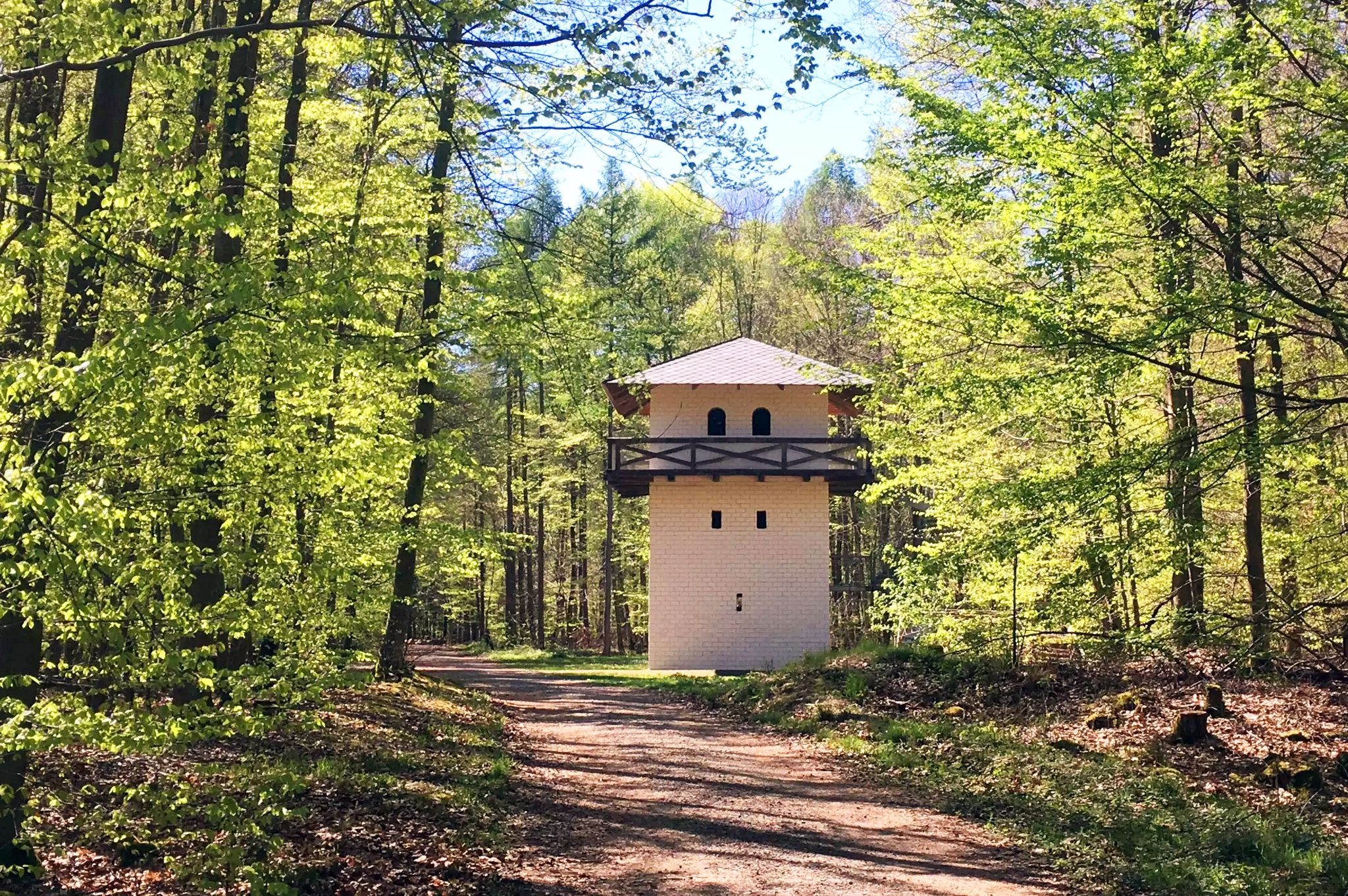
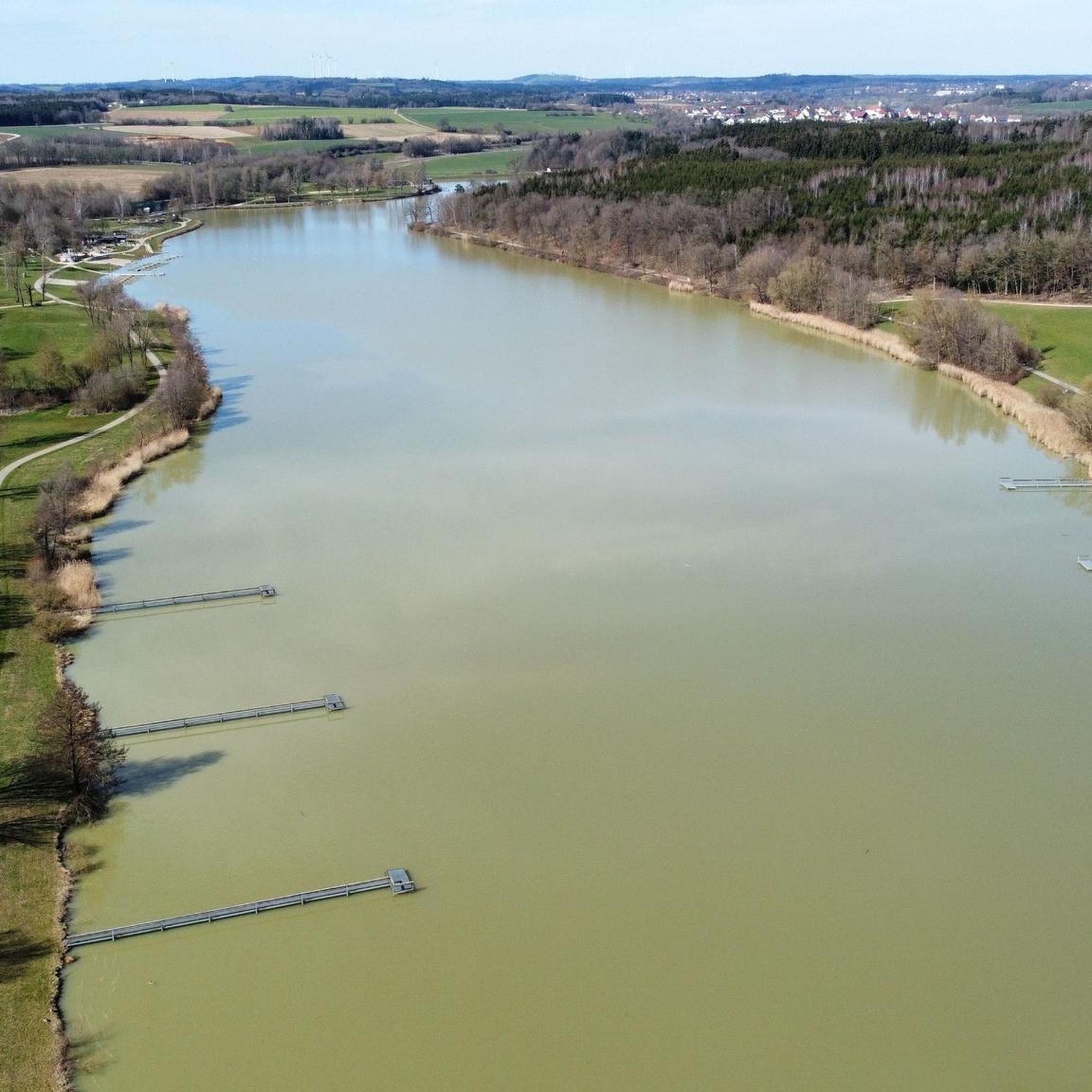
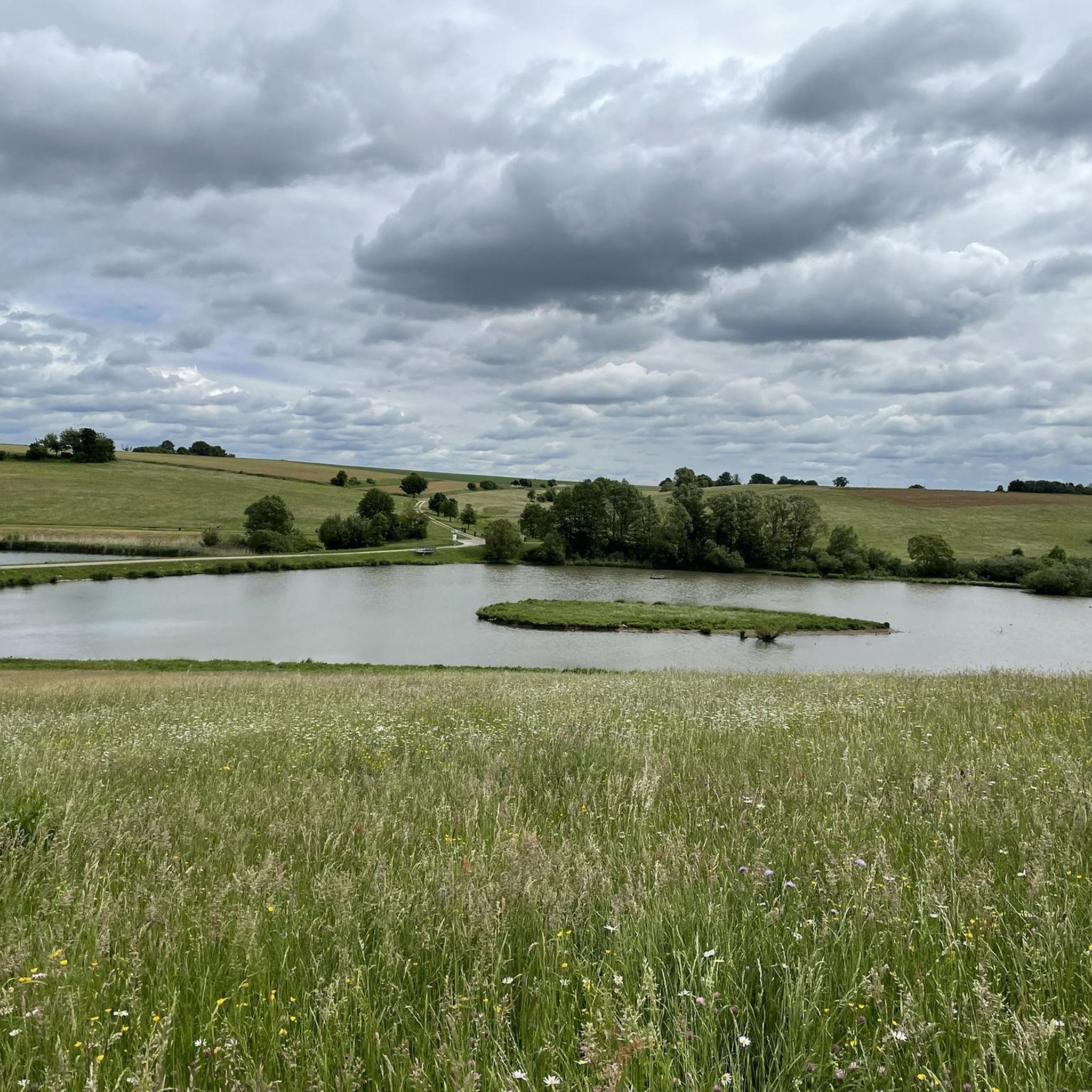
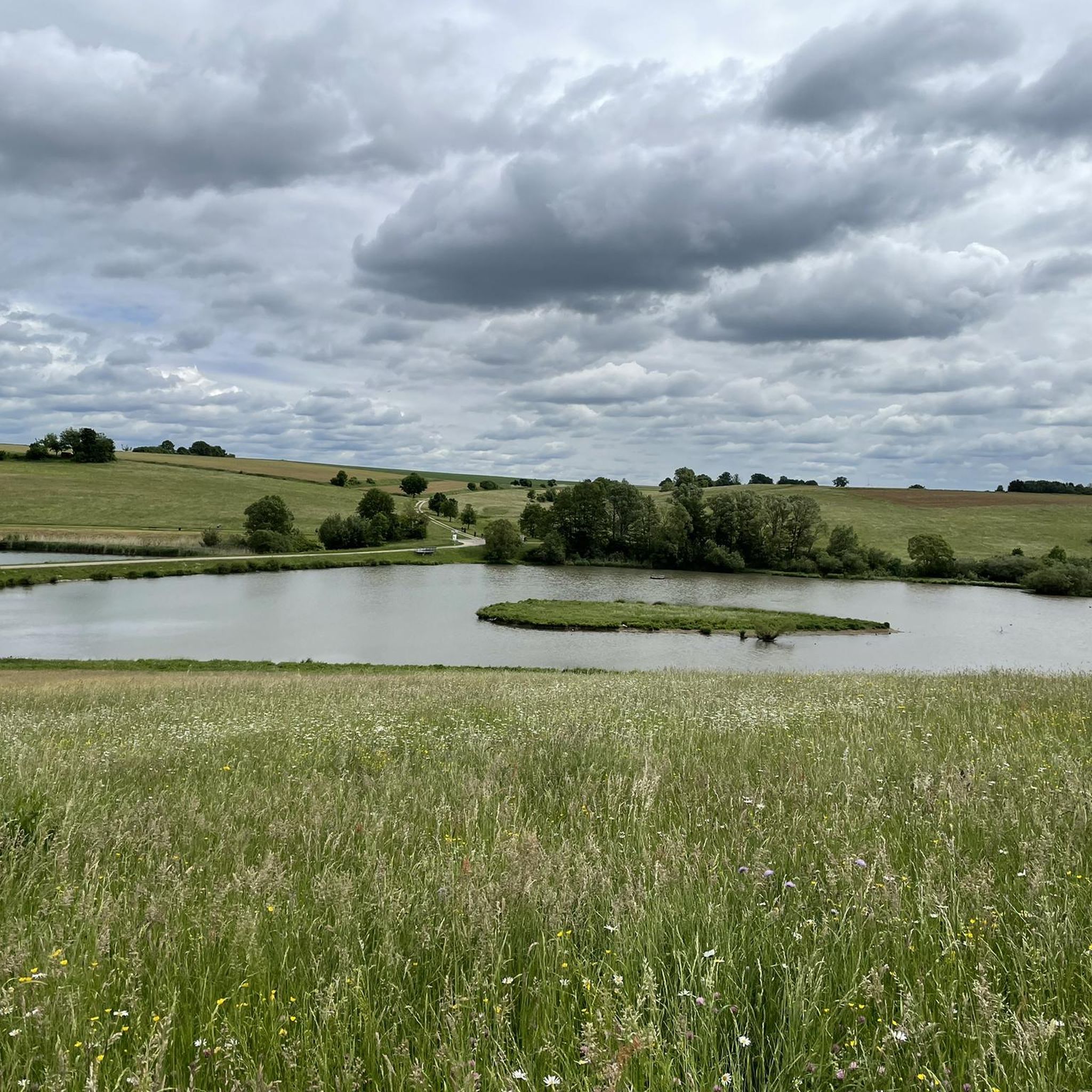
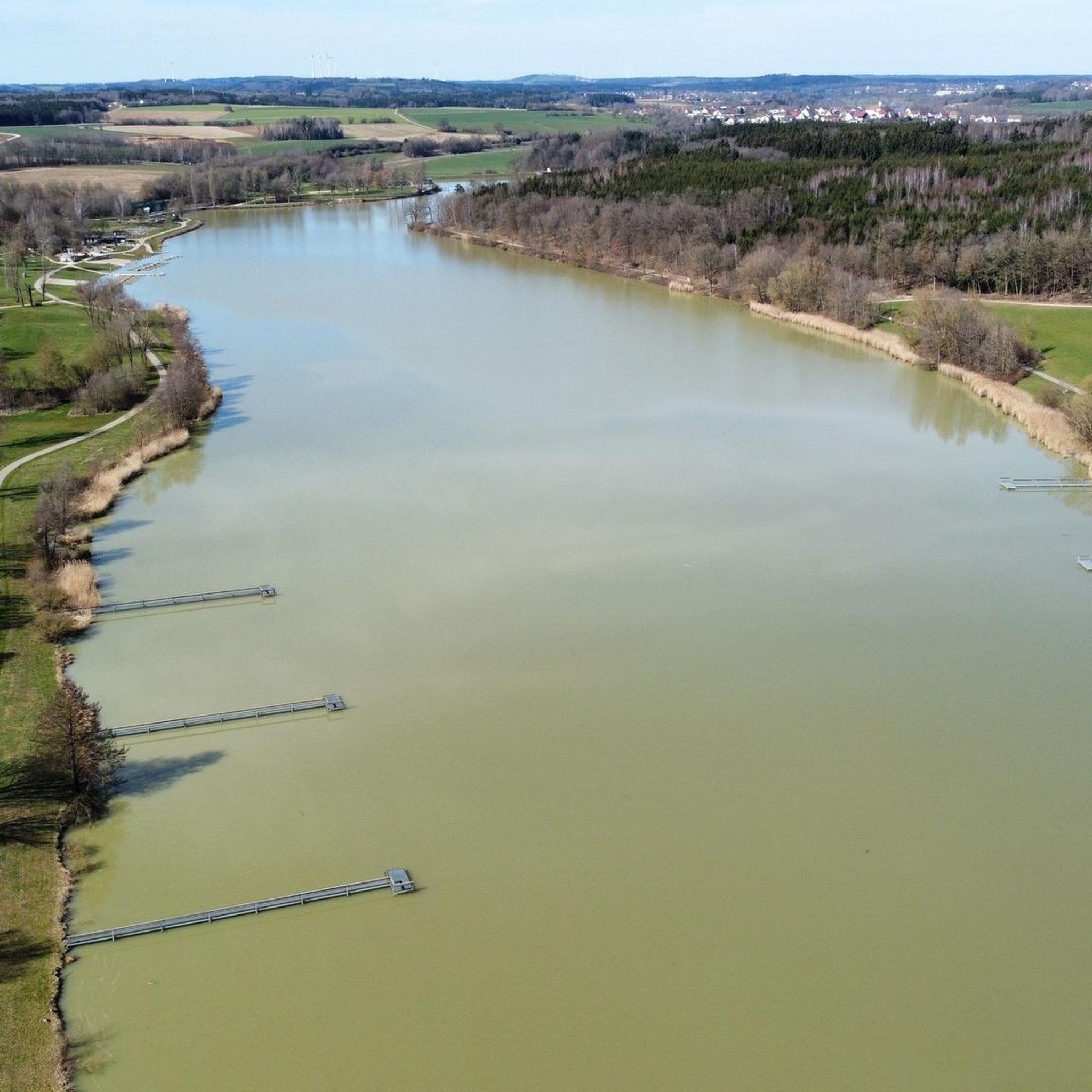
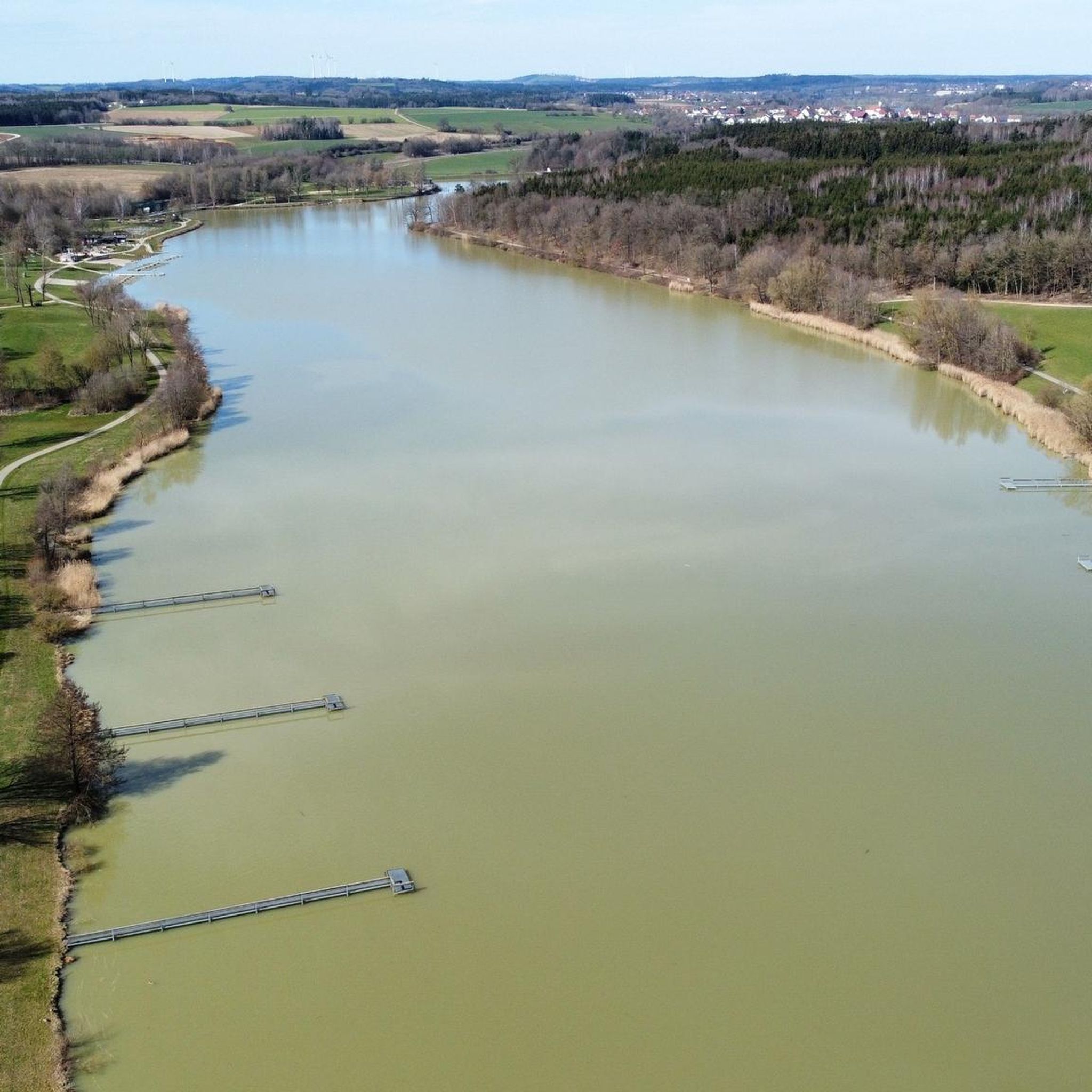
Best caves around Rainau are found in the surrounding region, as Rainau itself is primarily known for its recreation area, Rainau-Buch. This area features a reservoir and opportunities for activities such as hiking and cycling. Rainau also holds historical significance with Roman Limes artifacts, including a fort village and a replica of a wooden watchtower. While no notable caves are directly within Rainau, the wider area offers various subterranean attractions.
Best caves around Rainau
- The most popular caves is Friedrichshöhle…
Last updated: August 20, 2026
Lourdes Grotto, Hohenberg
Highlight • Religious Site
Translated by Google •
Tip by

Friedrichshöhle Trail
Highlight (Segment) • Trail
Translated by Google •
Tip by

Sign up now to discover places like this
Get recommendations on the best single tracks, peaks, & plenty of other exciting outdoor places.
Sign up for free
Hohler Stein Cave
Highlight • Cave
Translated by Google •
Tip by

Tiefer Stollen Visitor Mine
Highlight • Historical Site
aalen-kultur.de/weihnachtsmarkt-im-und-am-tiefen-stollen.198740.htm
The mine train goes along
approx. 20 km/h along the tunnel.
Great fun 👍!
Translated by Google •
Tip by

Marian Grotto in the Geopark Schwäbische Alb
Highlight • Religious Site
Coming closer to the goal, it appears as if in a mystical apparition. Maria …
Translated by Google •
Tip by

Sign up for free to discover even more caves around Rainau.
Sign up for free
Already have an account?
Start today with a free account
Your next adventure awaits.
Login or Signup
Popular around Rainau



Tips from the Community

Pastor Franz Josef Fuchs had the Lourdes Grotto built into the northern slope of Hohenberg Mountain. It was consecrated on June 20, 1886. Glass particles from the Rosenberg glass factory can still be seen in the Lourdes Grotto today. Slag stones from the disused glass factory were used as building material, into which various colored glass was melted. The grotto is freely accessible and can be reached via a path northwest of the pilgrimage church of St. James. It is located in a small wooded area directly next to a small pond. Cycling is prohibited, but you can easily push your bike down from Hohenberg Mountain; there are a few steps at the bottom. You can continue by bike from the grotto.
1
0
Pastor Franz Josef Fuchs had the Lourdes Grotto built into the northern slope of Hohenberg Mountain. It was consecrated on June 20, 1886. Glass particles from the Rosenberg glass factory can still be seen in the Lourdes Grotto today. Slag stones from the disused glass factory were used as building material, into which various colored glass was melted. The grotto is freely accessible and can be reached via a path northwest of the pilgrimage church of St. James. It is located in a small wooded area directly next to a small pond. Cycling is prohibited, but you can easily push your bike down from Hohenberg Mountain; there are a few steps at the bottom. You can continue by bike from the grotto.
1
0

short trail, you can also take a few jumps
1
0

Good location, there are many such tunnels here.
1
0

A bit out of the way but easily accessible when the ground is dry. CAUTION when wet.
0
0

Wonderfully beautiful and great for relaxing
0
0

The rock formation here has a large hole. The path down into the valley to Glashütte is quite challenging. A T2 trail. The Hohle Stein in Unterkochen The Hohle Stein lies above Unterkochen-Glashütte on a steep rocky outcrop. It represents a spacious rock hollow, complemented by two cave chimneys leading upwards and a long, very shallow cave passage. This place is also popularly known as the "Hell's Throat," which is quite appropriate, as entering from above is not entirely safe and plunges vertically into the ground, and is only recognized at a later stage. The Hohle Stein is the most famous and legendary cave in Unterkochen, located next to the "Schlossbaufeld" (castle building field) where the Kocherburg castle once stood. Among other things, an old tradition tells us that the Hohle Stein served as a hiding place during wartime, which is quite conceivable, given its well-hidden location on a steep mountain slope, offering protection from bad weather and making it difficult for strangers without good local knowledge to find. The fact that people occasionally stayed at the Hohle Stein is also confirmed by a hearth with a chimney in the rock. Its legendary status and proximity to other attractions, such as sections of the Härtsfeld Railway, the Kocherburg Tunnel, the viaduct, the prehistoric ramparts, and the Kocherburg Castle, make a trip there worthwhile. Source: https://www.aa-history.de/Hohler_stein_Text.html
6
1

The descent to the cave is very steep, make sure you are sure-footed
0
0
Frequently Asked Questions
What kind of cave attractions can I find around Rainau?
Around Rainau, you can discover a diverse range of subterranean attractions. These include natural rock formations, religious grottos, and historical visitor mines, offering experiences from geological exploration to cultural insights.
Are there any natural caves directly within Rainau?
No, there are no notable natural caves directly within Rainau itself. The municipality is primarily known for its recreation area, Rainau-Buch, which features a reservoir and Roman Limes artifacts. However, the wider surrounding region offers various cave-related sites.
Which are the most popular cave-related sites near Rainau?
Among the most popular cave-related sites near Rainau are the Friedrichshöhle Trail, which leads to a cave, and the Lourdes Grotto, Hohenberg, a unique religious grotto. The Tiefer Stollen Visitor Mine is also highly regarded for its historical experience.
Are there family-friendly cave experiences near Rainau?
Yes, the Tiefer Stollen Visitor Mine is considered family-friendly, offering a mine train ride 400 meters into the mountain. The Marian Grotto in the Geopark Schwäbische Alb is also noted as family-friendly, providing a contemplative and beautifully maintained spot.
What historical cave sites can I visit near Rainau?
The Tiefer Stollen Visitor Mine is a significant historical site where you can experience a mine train ride and learn about the region's mining past. Additionally, the Hohler Stein Cave has a legendary history as a hiding place during wartime.
Can I visit a religious grotto near Rainau?
Yes, the Lourdes Grotto, Hohenberg is a freely accessible religious building and cave built into the northern slope of Hohenberg Mountain. Another option is the Marian Grotto in the Geopark Schwäbische Alb, a contemplative place often visited for its serene atmosphere.
Are there challenging cave explorations or trails near Rainau?
For those seeking a more challenging experience, the Hohler Stein Cave involves a path down into the valley that is quite challenging, requiring surefootedness, especially when approaching the hole and descending into the cave.
What outdoor activities can I combine with a visit to the caves around Rainau?
The region around Rainau offers various outdoor activities. You can find numerous routes for gravel biking, MTB trails, and running trails. The Rainau-Buch recreation area also provides opportunities for hiking and cycling.
What should I know about visiting the Lourdes Grotto, Hohenberg?
The Lourdes Grotto, Hohenberg is freely accessible and was built using slag stones from a disused glass factory, with glass particles still visible. It's located in a small wooded area next to a pond. While cycling is prohibited directly at the grotto, you can push your bike down from Hohenberg Mountain.
What are the conditions like on the Friedrichshöhle Trail?
The Friedrichshöhle Trail is generally an easy trail with small jumps in the upper part. However, it contains a lot of clay soil in the middle section, so good tires and caution are required in wet conditions as it can be slippery.
Are there any special events at the Tiefer Stollen Visitor Mine?
Yes, the Tiefer Stollen Visitor Mine is known for hosting special events, such as a Christmas market in December, which transforms the mine's tunnels and sandstone halls into a festive experience.
What do visitors appreciate most about the cave attractions near Rainau?
Visitors appreciate the variety of experiences, from the unique historical journey into the Tiefer Stollen Visitor Mine to the serene and contemplative atmosphere of the grottos like Lourdes Grotto, Hohenberg. The natural beauty and the opportunity for outdoor activities on trails like the Friedrichshöhle Trail are also highly valued.
Most popular attractions around Rainau

Get inspired with the komoot mobile app


Explore more
Extend your search for the best caves by checking out these guides of the top ones around Rainau:
