Top 13 Caves around Althengstett
Best caves around Althengstett are found within the Swabian Alb region, known for its rich geological formations. This area offers access to a variety of underground formations, providing diverse experiences for visitors. The landscape around Althengstett features natural caves and sandstone formations. These sites offer insights into the region's geology and provide unique exploration opportunities.
Best caves around Althengstett
- The most popular caves include Hermit's Cave, a cave where a cool stone bench offers relief from climbs. It is…
Last updated: July 10, 2026
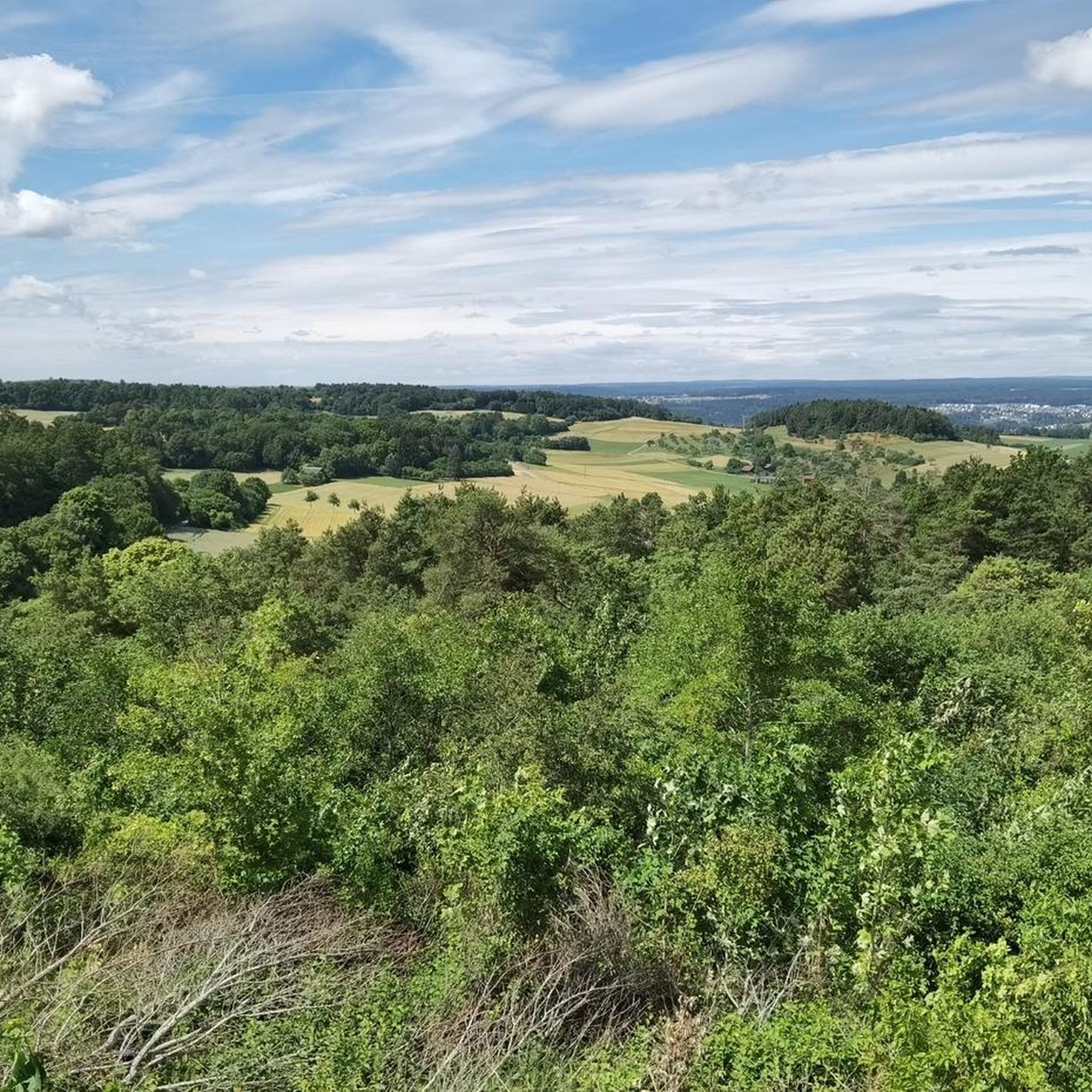
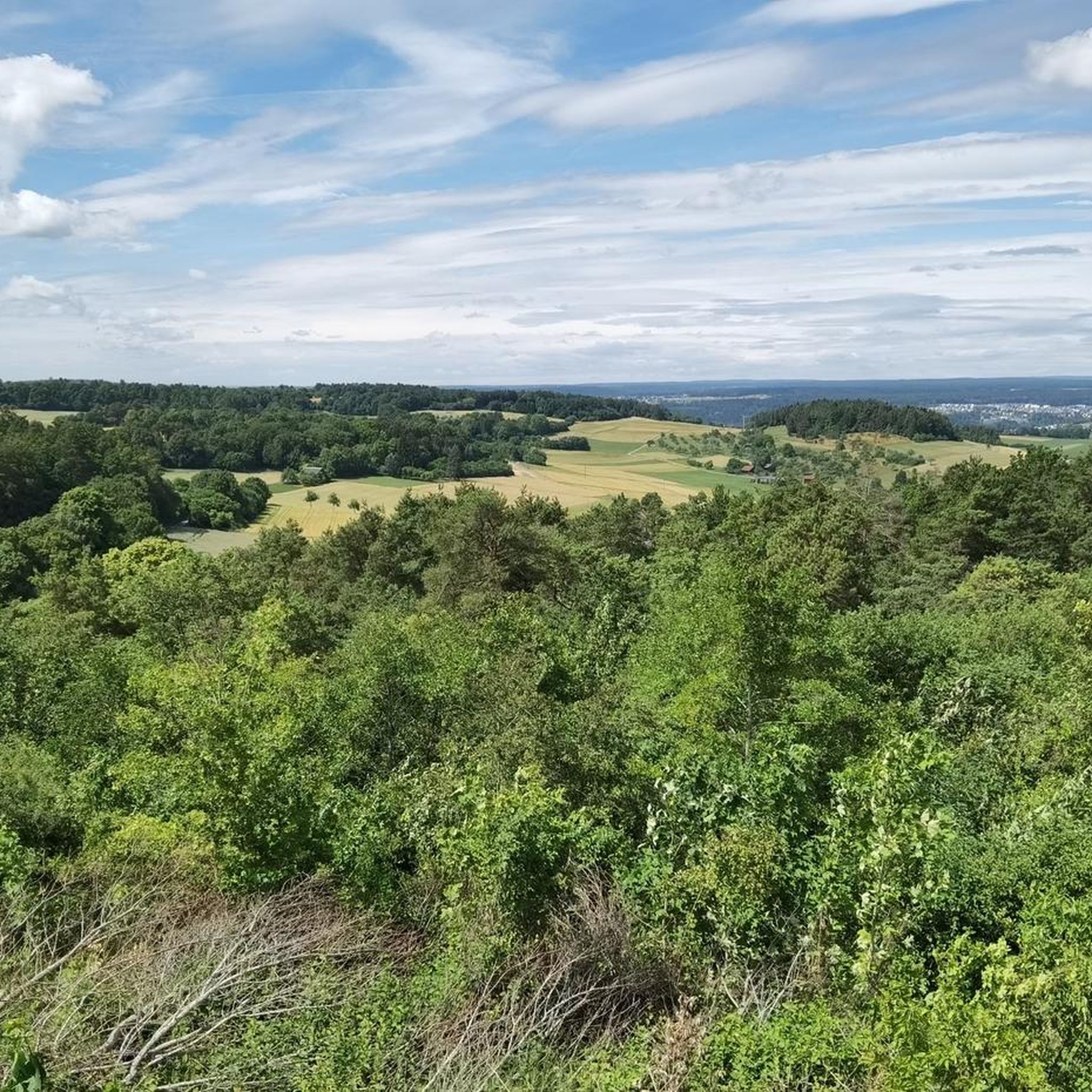
View of the Teinach Valley from Beilfelsen
Highlight • Viewpoint
Translated by Google •
Tip by

Hermit's Cave
Highlight • Cave
Translated by Google •
Tip by

Sign up now to discover places like this
Get recommendations on the best single tracks, peaks, & plenty of other exciting outdoor places.
Sign up for free
Sternried Cave
Highlight • Cave
Translated by Google •
Tip by

Beutelstein (Mondloch) — Sandstone cave with bench
Highlight • Cave
Translated by Google •
Tip by

Cave below Beilfelsen
Highlight • Cave
Translated by Google •
Tip by

Sign up for free to discover even more caves around Althengstett.
Sign up for free
Already have an account?
Start today with a free account
Your next adventure awaits.
Login or Signup
Tips from the Community

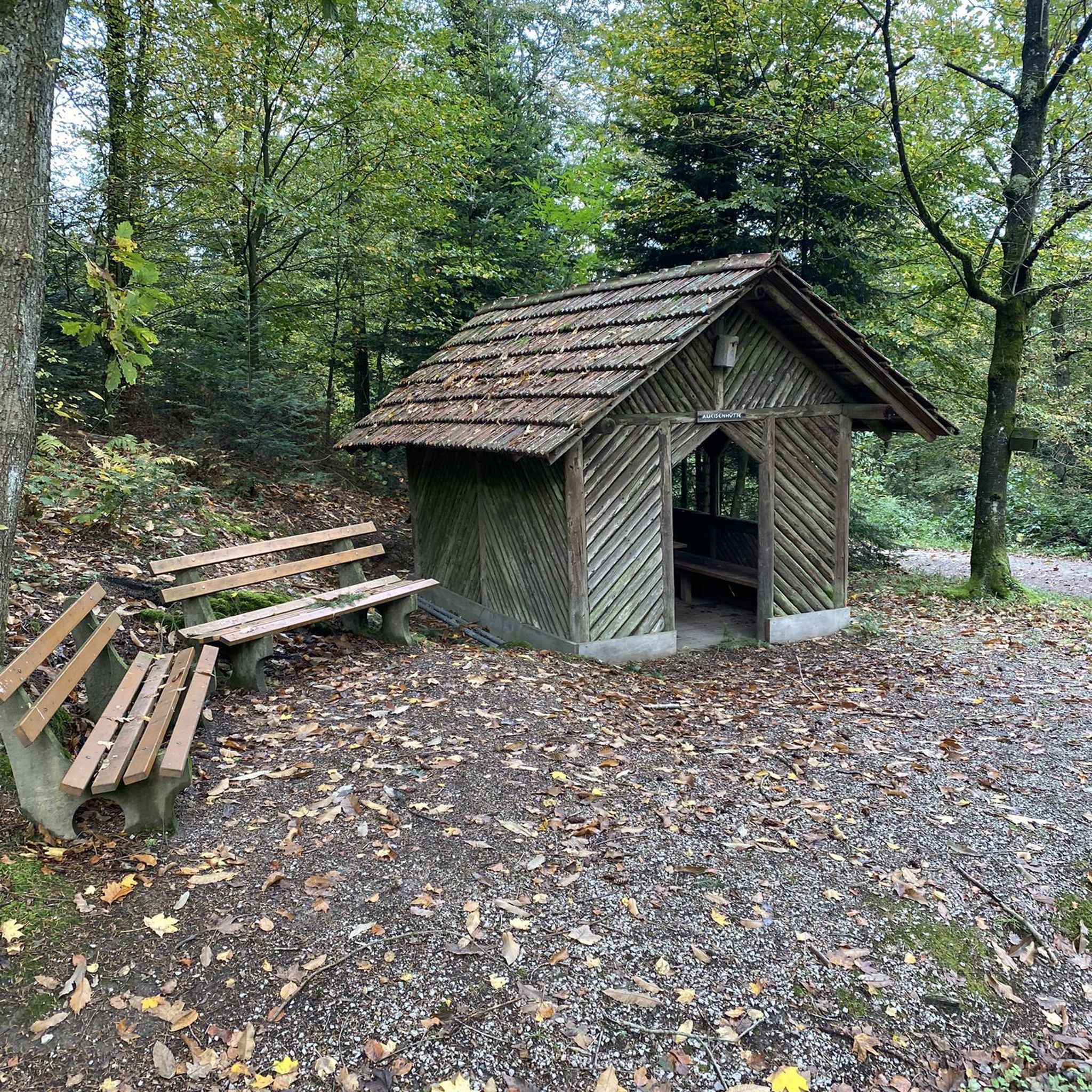
Promisingly, it's advertised with a large sign. Sorry, but a cave doesn't look like much. Perhaps a fox could live in here. But it's not really an attraction. Access would have to be cleared first.
9
0

The cave is accessible via a hiking trail and has a small access hole. For those who aren't experienced cavers and have the appropriate equipment, there's a beautiful rock formation at the entrance.
8
1
It's hard to believe. It's almost on the road, but not visible from it. A grotto-like sandstone rock formation with a central bench.
8
0

From the outside, only small holes are visible; the entrances have largely been covered with leaves and earth over the centuries. The air currents from the interior of the cave, however, suggest that an extensive cave system lies behind it. The cave is the second largest around Bad Liebenzell, after the Walzquelle spring.
1
0

The Beutelstein is located directly at the bottom of the Nagold valley near Bad Liebenzell. The top layer of the Bunter sandstone extends to the valley floor here. The basement rock of gneiss and granite is located beneath the Bunter sandstone. The Nagold has not dug deep enough near Bad Liebenzell to expose the basement rock. However, south of Bad Liebenzell there is a place where the Forbach granite is exposed on a road embankment. The boundary between granite and Bunter sandstone is therefore somewhat higher there than directly near Bad Liebenzell.
6
0

Beautiful trail with different challenges in every season.
1
0

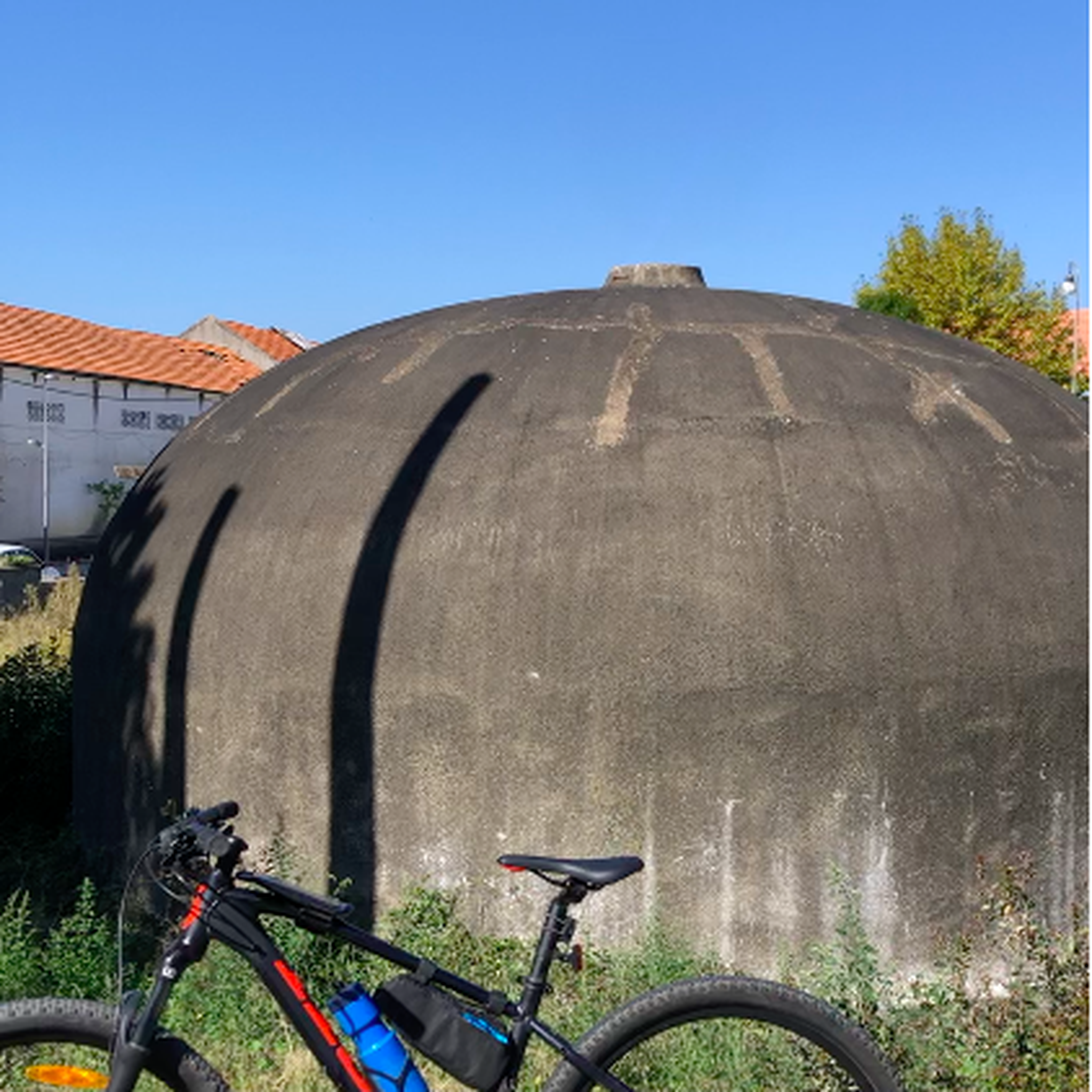
The Sternriedhöhle is located on the Monakamer Hang, on a trail from Heusteig to Hahlenweg. However, the entrance doesn't look like a cave at all. An inscription is engraved on one entrance: III/M55 - what does this mean? Some kind of inventory number?
4
0

You can reach the top via a ladder through a crevice in the rock
0
1
Frequently Asked Questions
What unique cave experiences can I find near Althengstett?
The region offers diverse experiences. You can explore the Hermit's Cave, a natural cave with a cool stone bench, or visit Beutelstein (Mondloch), a sandstone cave with a circular opening and scenic views. For a truly unique adventure, the Wimsener Höhle is the only water-bearing cave in Germany that can be explored by boat, offering a mysterious journey into an underground world. If you seek a wild caving experience, the Falkensteiner Höhle provides guided tours without artificial lighting, requiring specialized gear.
Are there any show caves with guided tours in the region?
Yes, the Swabian Alb, near Althengstett, features several show caves. The Karls- und Bärenhöhle (Charles and Bears Cave) and the Nebelhöhle are both illuminated show caves offering guided tours. They showcase impressive geological formations like stalactites and stalagmites, and the Karls- und Bärenhöhle also displays historical findings and a bear skeleton.
Are there family-friendly caves suitable for children?
The Karls- und Bärenhöhle and Nebelhöhle are excellent choices for families. These illuminated show caves offer accessible guided tours that are educational and engaging for children, providing an easy way to experience the underground world. The tour at Karls- und Bärenhöhle is relatively short, around 15 minutes, which is ideal for younger visitors.
What historical or archaeological findings have been made in the caves?
The caves in the region hold significant historical value. In the Wimsener Höhle, archaeological findings in a 'treasure chamber' included ceramics and human bones dating back to the Bronze Age. The Karls- und Bärenhöhle, discovered in 1834, revealed human and animal bones, as well as ancient jewelry, alongside its geological formations.
When is the best time of year to visit the caves around Althengstett?
The best time to visit depends on the cave type. Show caves like Karls- und Bärenhöhle are typically closed from November to March for bat hibernation. Wild caves like Falkensteiner Höhle are highly weather-dependent; heavy rain or thunderstorms can limit deep exploration due to active water flow. Generally, spring to early autumn offers the most reliable conditions for visiting all types of caves.
What should I wear for cave exploration in the region?
For show caves, comfortable clothing and sturdy shoes are usually sufficient, as paths are often paved and illuminated. However, for adventurous wild caving experiences like the Falkensteiner Höhle, protective gear such as wetsuits, helmets, and waterproof lighting is essential. These items can often be rented from tour operators.
Are there options for adventurous caving near Althengstett?
Yes, for those seeking adventure, the Falkensteiner Höhle offers an intense caving experience. It is a 'wild cave' where guided tours are conducted without electrical lighting or paved paths. Exploring it requires protective gear and involves navigating through water, potentially including submerged sections depending on water levels. Tours are conducted in small groups, focusing on natural preservation.
What outdoor activities can I combine with a cave visit near Althengstett?
The region around Althengstett is excellent for combining cave exploration with other outdoor activities. You can find numerous mountain hikes, road cycling routes, and gravel biking trails. Many caves, like the Hermit's Cave and Beutelstein (Mondloch), are accessible via hiking trails, making them perfect stops during a longer tour.
Are any caves around Althengstett wheelchair accessible?
Based on available information, most caves in the region, including the natural and wild caves, involve uneven terrain, steps, or narrow passages, making them generally not wheelchair accessible. Show caves might have some accessible sections, but it's best to check with individual cave operators for specific accessibility details.
What do visitors enjoy most about the caves near Althengstett?
Visitors particularly appreciate the diverse experiences offered, from the tranquil respite of the Hermit's Cave after a climb, to the scenic views from Beutelstein (Mondloch). The unique boat tours in Wimsener Höhle and the adventurous, untouched nature of Falkensteiner Höhle are also highly valued for their immersive qualities. The geological formations and historical insights provided by the show caves are also a big draw.
Are permits required for exploring caves around Althengstett?
For publicly accessible natural caves like Hermit's Cave or Beutelstein (Mondloch), no permits are generally required. For guided tours in show caves (e.g., Karls- und Bärenhöhle, Nebelhöhle) or wild caves (e.g., Falkensteiner Höhle), you typically book a tour with an authorized guide or operator, which includes the necessary access arrangements.
What kind of geological formations can be seen in the caves?
The caves in the Swabian Alb region are rich in geological formations. Show caves like Karls- und Bärenhöhle and Nebelhöhle feature impressive stalactites and stalagmites. Natural caves like Beutelstein (Mondloch) and Hermit's Cave are formed in sandstone, showcasing unique rock structures. The Wimsener Höhle, being a water-bearing cave, displays formations shaped by ongoing water erosion over millions of years.
Most popular routes around Althengstett
Most popular attractions around Althengstett

Get inspired with the komoot mobile app


Explore more
Extend your search for the best caves by checking out these guides of the top ones around Althengstett:
