Top 5 Caves around Coswig (Anhalt)
Best caves around Coswig (Anhalt) are found in a region characterized by its diverse landscape and historical significance. While traditional natural cave systems are less common directly in Coswig (Anhalt), the surrounding area, particularly the Wörlitz Park, features unique artificial grottoes and cave-like structures. These sites offer insights into historical landscape design and provide engaging experiences for visitors. The region also includes historical underground passages and geological features that contribute to its appeal for outdoor exploration.
Best caves around Coswig…
Last updated: July 10, 2026
Chain Bridge and Schwedenlöcher in Wörlitz Park
Highlight • Bridge
Translated by Google •
Tip by

Luisenklippe Cave Labyrinth
Highlight • Cave
Translated by Google •
Tip by
Sign up now to discover places like this
Get recommendations on the best single tracks, peaks, & plenty of other exciting outdoor places.
Sign up for free
Egeria Grotto in Wörlitz Park
Highlight • Monument
Translated by Google •
Tip by

Luisenklippe
Highlight • Monument
Translated by Google •
Tip by

Amalien Grotto on Amalien Island
Highlight • Cave
Translated by Google •
Tip by

Sign up for free to discover even more caves around Coswig (Anhalt).
Sign up for free
Already have an account?
Start today with a free account
Your next adventure awaits.
Login or Signup
Popular around Coswig (Anhalt)
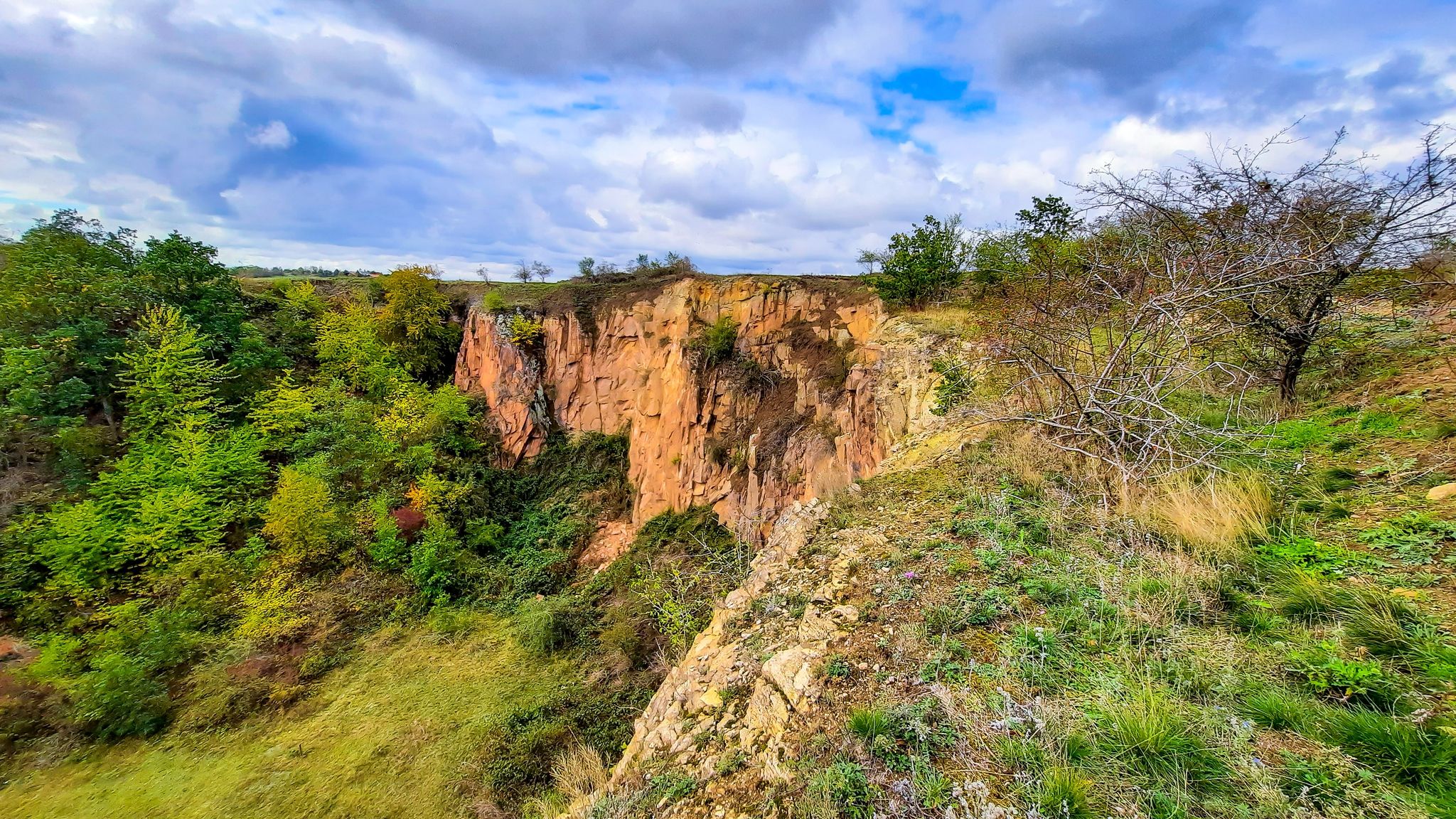
Alpine panoramas and summits – high up in the MDV in Germany
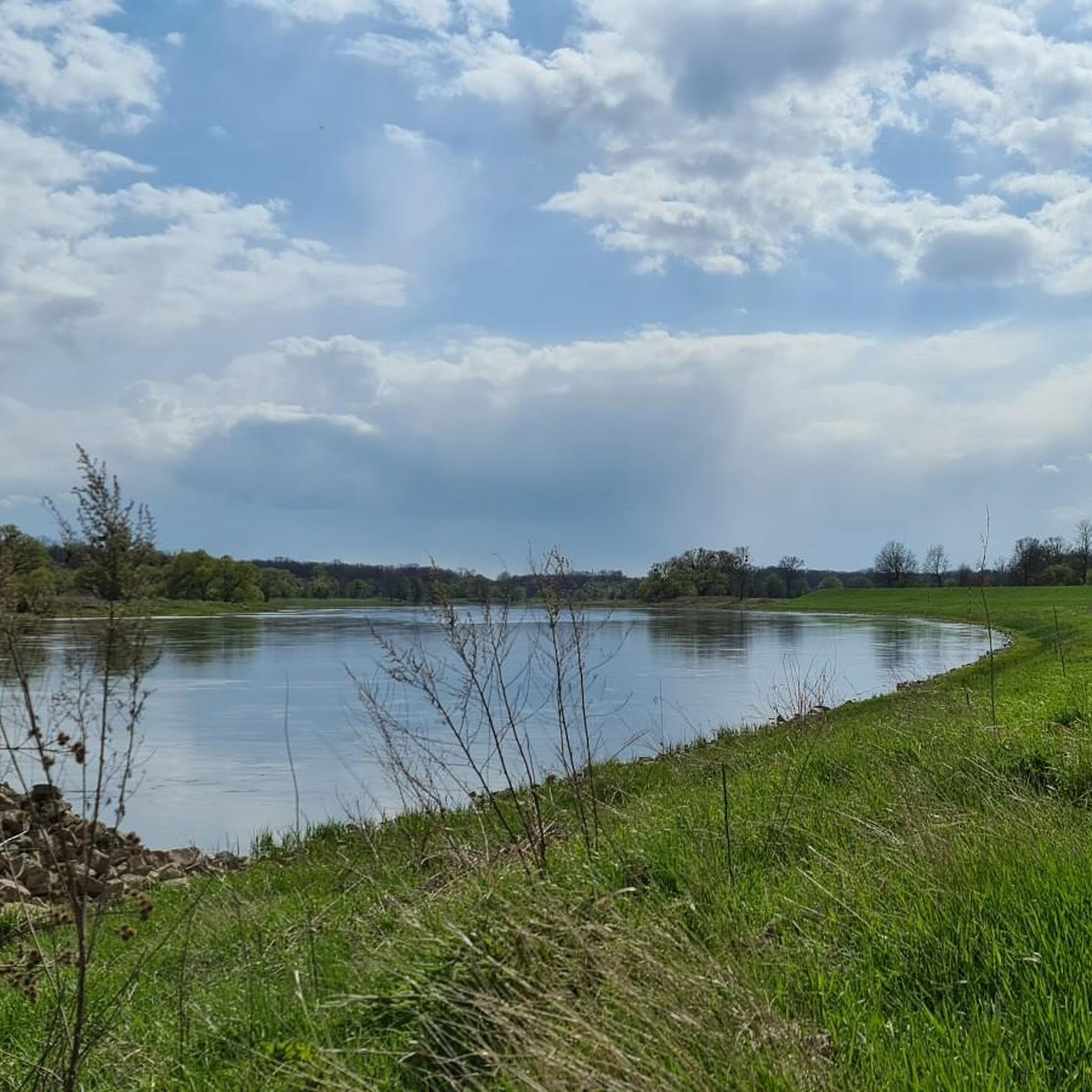
Romanticism on the Elbe River — cycling around the MDV north network
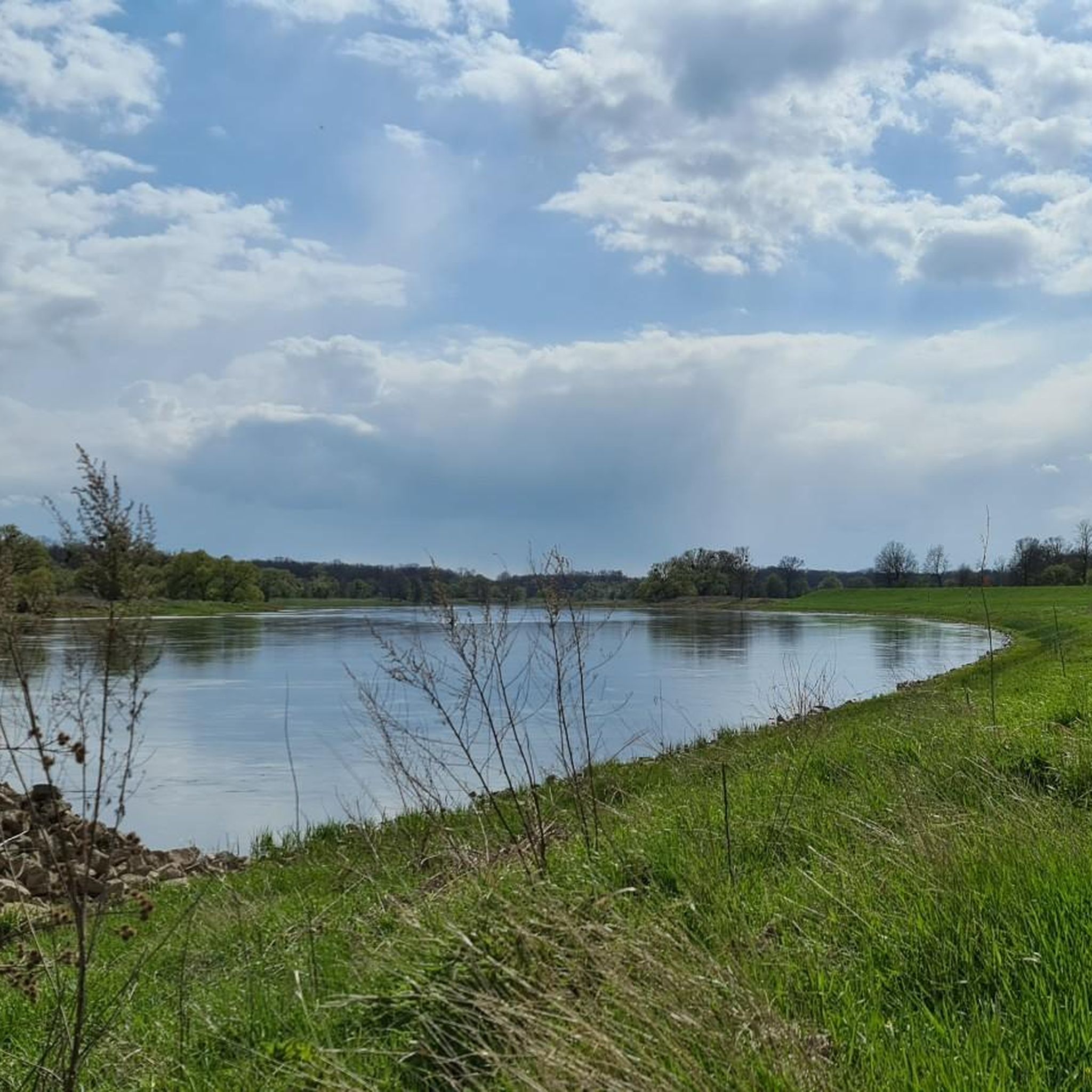
Cycling around Coswig (Anhalt)
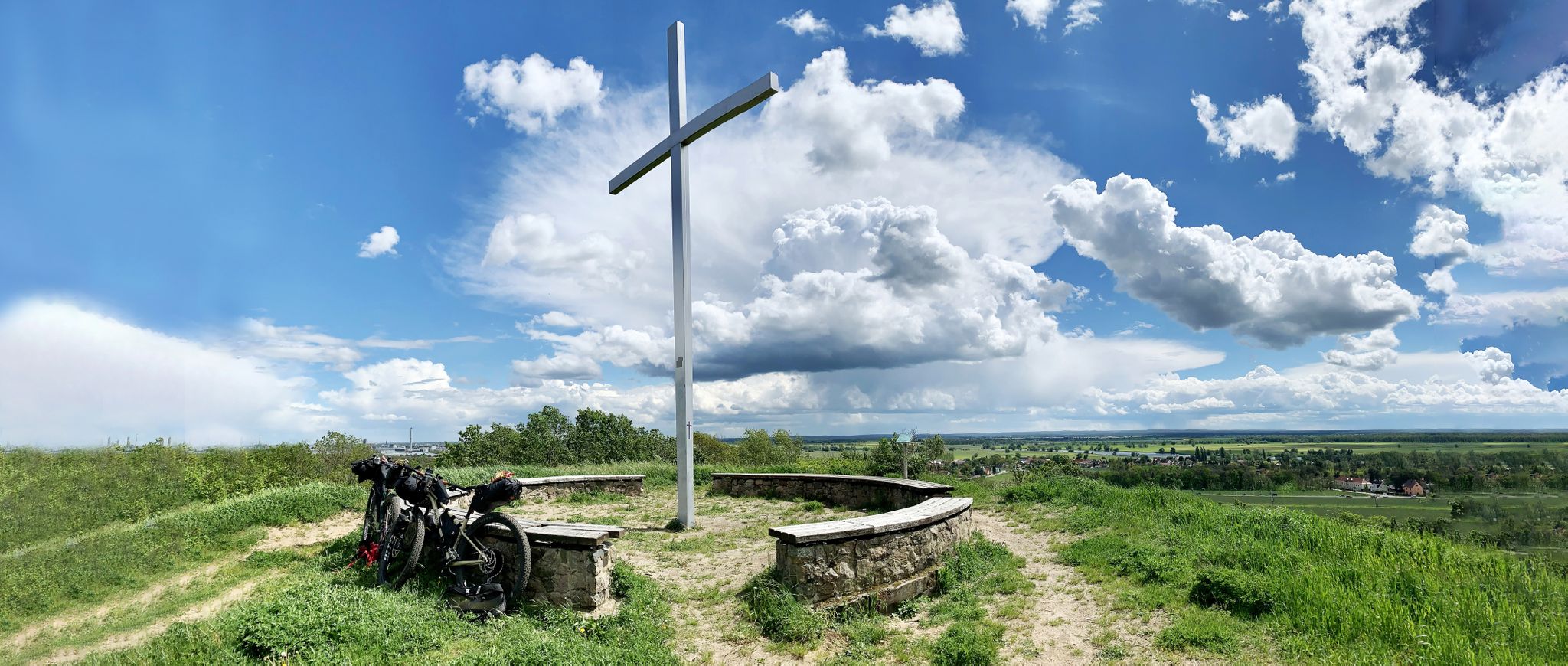
Hiking around Coswig (Anhalt)
Road Cycling Routes around Coswig (Anhalt)
MTB Trails around Coswig (Anhalt)
Running Trails around Coswig (Anhalt)
Gravel biking around Coswig (Anhalt)

Tips from the Community


An artificial ruin has been built here based on an Italian model of a nymphaeum. The furthest corner of the park, a beautiful corner with Stein Island and Villa Hamilton.
1
0

You can't miss it.
1
0

One of the many attractions in the park
4
0

☆ Interesting construction... great system... flashlight very useful.
4
0

The absolute highlight of the park! A visit is highly recommended - especially with kids.
0
0

The Luisenklippe, built between 1794 and 1798, gives the impression of a steeply rising cliff that can be climbed on steep steps that appear to have been carved into the rock. Attached to the rock is a single room in medieval forms that is only accessible through a hidden door. The cliff is embedded in a cave system that ends under the Temple of Venus. (Source: Wikipedia)
1
0
This is marked in the south by the so-called stone and the "Grotte of Egeria" and in the north by the "Amaliengrotte" and the Pantheon. (Source: https://burgentouren-sachsen.de)
0
0
Frequently Asked Questions
What kind of caves can I expect to find around Coswig (Anhalt)?
Around Coswig (Anhalt), you'll primarily find unique artificial grottoes, cave-like structures, and historical underground features, particularly within the Wörlitz Park. These sites offer insights into historical landscape design rather than traditional natural cave systems. For example, the Chain Bridge and Schwedenlöcher in Wörlitz Park offer an adventure experience, and the Luisenklippe Cave Labyrinth invites discovery with its many small caves.
Are there family-friendly cave experiences in the region?
Yes, several cave-like attractions around Coswig (Anhalt) are considered family-friendly. The Chain Bridge and Schwedenlöcher in Wörlitz Park are known for being an experience for young and old. Similarly, the Luisenklippe Cave Labyrinth is wonderfully designed and particularly enjoyable for children, with many small caves to explore. The Egeria Grotto in Wörlitz Park is also listed as family-friendly.
What are some historical underground features near Coswig (Anhalt)?
Beyond the grottoes in Wörlitz Park, the region offers historical underground features. A notable example is the Hohburgtunnel, an 18th-century tunnel historically used for carriage rides during courtly festivals and even as a filming location. Further afield, the Klusfelsen near Halberstadt features unique artificial caves, some of which are enormous and possibly date back to prehistoric times.
Can I go hiking near the caves around Coswig (Anhalt)?
Yes, the area around Coswig (Anhalt) offers various hiking opportunities. While exploring the cave-like structures in Wörlitz Park, you can combine your visit with walks through the park's scenic landscapes. For more extensive hiking, you can find trails like the 'Auen Trail Old Elbe Klieken' or the 'Bismarck Tower Hubertusberg – Apollensberg Summit Cross loop'. You can find more hiking routes in the Hiking around Coswig (Anhalt) guide.
Are there any natural caves in the broader Saxony-Anhalt region worth visiting?
While Coswig (Anhalt) itself features mostly artificial cave-like structures, the broader Saxony-Anhalt region, particularly the Harz Mountains, is home to significant natural caves. The Baumanns Cave and Hermanns Cave in Rübeland are notable examples. Baumanns Cave is Germany's oldest show cave, rich in stalactites and stalagmites, while Hermanns Cave is a fascinating river cave known for its crystal chamber and rare olms.
What makes the Wörlitz Park caves special?
The cave-like structures in Wörlitz Park are special because they are integral to the historical landscape design of the Wörlitz Garden Realm, a UNESCO World Heritage site. They are artificial grottoes and monuments, such as the Egeria Grotto, which is an artificial ruin featuring a statue of the reclining spring nymph Egeria. These sites blend art, architecture, and nature, offering a unique cultural and exploratory experience.
Is there a cave labyrinth to explore in the area?
Yes, the Luisenklippe Cave Labyrinth in Wörlitz Park is described as the most beautiful and adventurous corner of the park. It features many small caves that invite visitors, especially children, to discover and explore.
What is the Egeria Grotto in Wörlitz Park?
The Egeria Grotto in Wörlitz Park is an artificial grotto and a man-made monument. It is an artificial ruin of a vaulted room that houses a statue of the reclining spring nymph Egeria. This grotto is inspired by ancient Roman mythology and was a popular excursion destination in the 18th and 19th centuries.
What do visitors enjoy most about the caves around Coswig (Anhalt)?
Visitors particularly enjoy the adventurous and exploratory nature of the cave-like structures, especially in Wörlitz Park. The Chain Bridge and Schwedenlöcher are highlighted as an experience for young and old. The Luisenklippe Cave Labyrinth is appreciated for its design and the fun it offers to children. The overall variety of cave-like structures and historical sites provides diverse exploration opportunities, as evidenced by over 300 upvotes and nearly 300 photos shared by the komoot community.
Are there any unique artificial tunnels with historical significance nearby?
Yes, the Hohburgtunnel is a unique artificial tunnel near Coswig (Anhalt). Driven through rock in the early 18th century, it was historically used for carriage rides during courtly festivals and even served as a filming location for the DEFA Indian film 'Die Söhne der Großen Bärin' in the 1960s. Its historical significance and past uses make it an interesting site.
What are the Große Sandhöhlen (Large Sand Caves) like?
The Große Sandhöhlen, located further afield in Saxony-Anhalt, are described as a 'playground for everyone.' They offer a unique environment where children can play and climb, and adults can relax in a 'Baltic Sea atmosphere.' They are also a stamp location (HWN 81) for the Harzer Wandernadel, making them popular with hikers.
What is the Fuchsbau (Fox Den) near the Teufelsmauer?
The Fuchsbau is an artificial, cellar-like cavity created in 1934 near the Teufelsmauer. It was built as an 'emergency work' to serve as a hiking destination and shelter. A narrow entrance leads to a spiral staircase descending into a corridor with space for several people and a bench with a panoramic window, offering a unique underground experience.
Are there any viewpoints associated with the cave-like structures?
Yes, the Luisenklippe, which contains a hidden room and is embedded in a cave system, also offers a viewpoint. Built between 1794 and 1798, it gives the impression of a steeply rising rock that can be climbed on steps. While the ascent to the viewing point may sometimes be closed, the structure itself is part of a great winding, dark, romantic, and mysterious area.
Most popular routes around Coswig (Anhalt)
Most popular attractions around Coswig (Anhalt)

Get inspired with the komoot mobile app


Explore more
Extend your search for the best caves by checking out these guides of the top ones around Coswig (Anhalt):
