Top 11 Castles around Königsbrunn
Best castles near Königsbrunn are found in the surrounding region, particularly close to Augsburg, as Königsbrunn itself is a younger settlement established in 1842. While Königsbrunn's oldest known building dates to 1688, the nearby area offers several historical sites. These castles provide insights into centuries of regional history and architectural development. The landscape around these sites often includes green areas and historical grounds.
Best castles around Königsbrunn
- The most popular castles is Prince-Bishop's Residence Augsburg, a historical site that…
Last updated: August 20, 2026
Fronhof Augsburg
Highlight • Historical Site
Translated by Google •
Tip by

Hofhegnenberg Castle
Highlight • Castle
Translated by Google •
Tip by

Sign up now to discover places like this
Get recommendations on the best single tracks, peaks, & plenty of other exciting outdoor places.
Sign up for free
Hessingburg
Highlight • Castle
Translated by Google •
Tip by

Unteres Schlösschen Bobingen
Highlight • Castle
Translated by Google •
Tip by

Fuggerschloss Wellenburg
Highlight • Castle
Translated by Google •
Tip by

Sign up for free to discover even more castles around Königsbrunn.
Sign up for free
Already have an account?
Start today with a free account
Your next adventure awaits.
Login or Signup
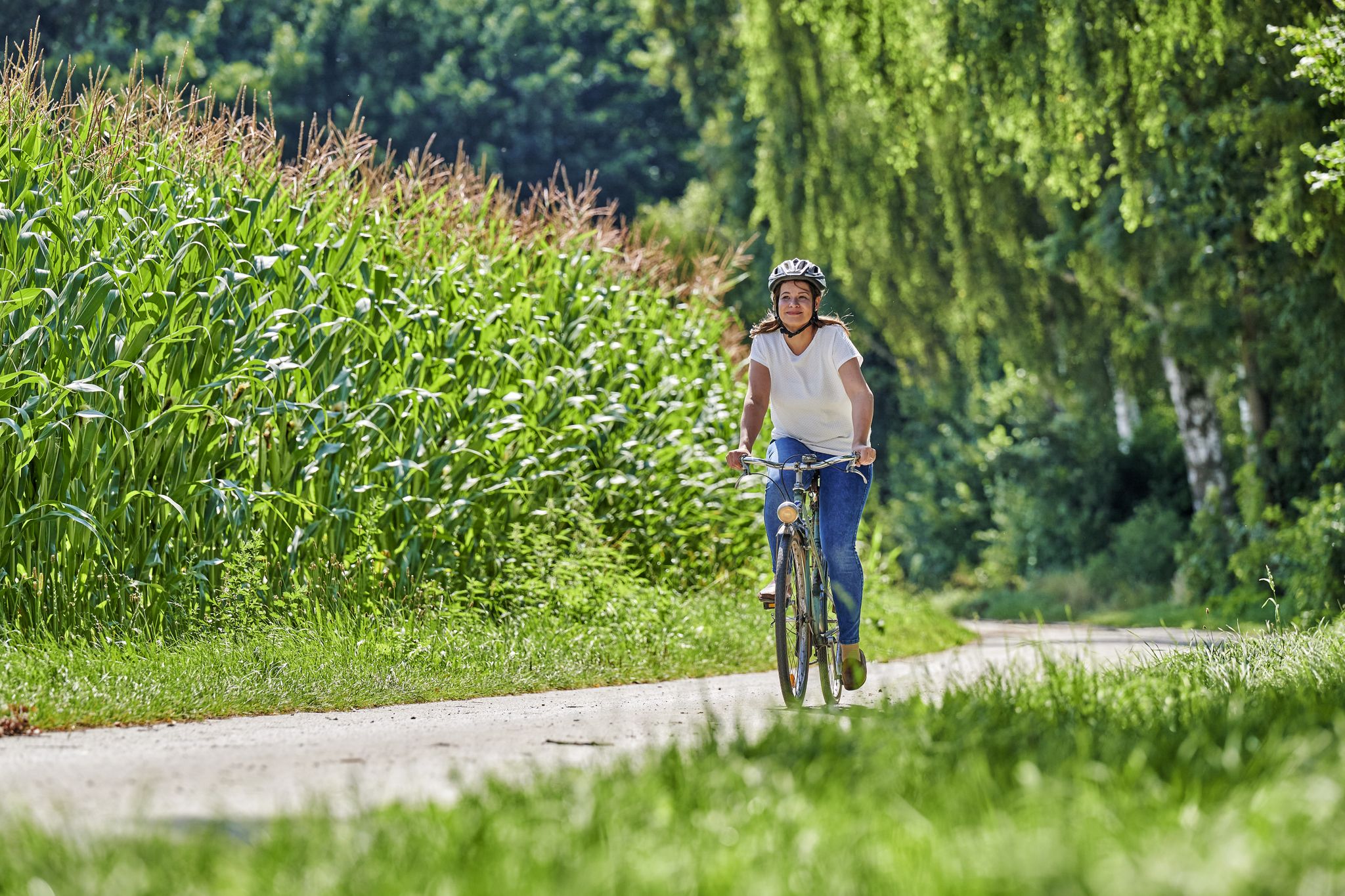
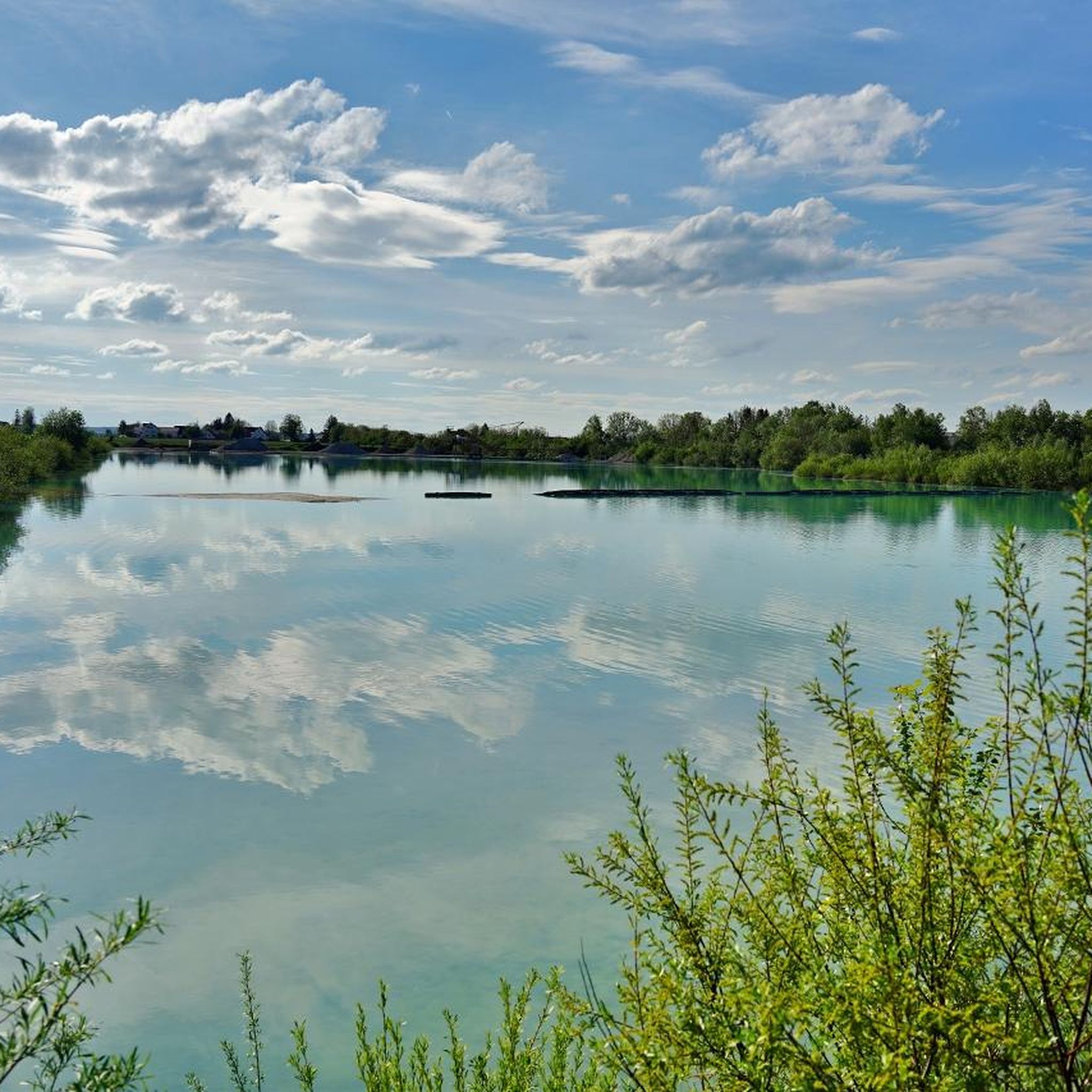
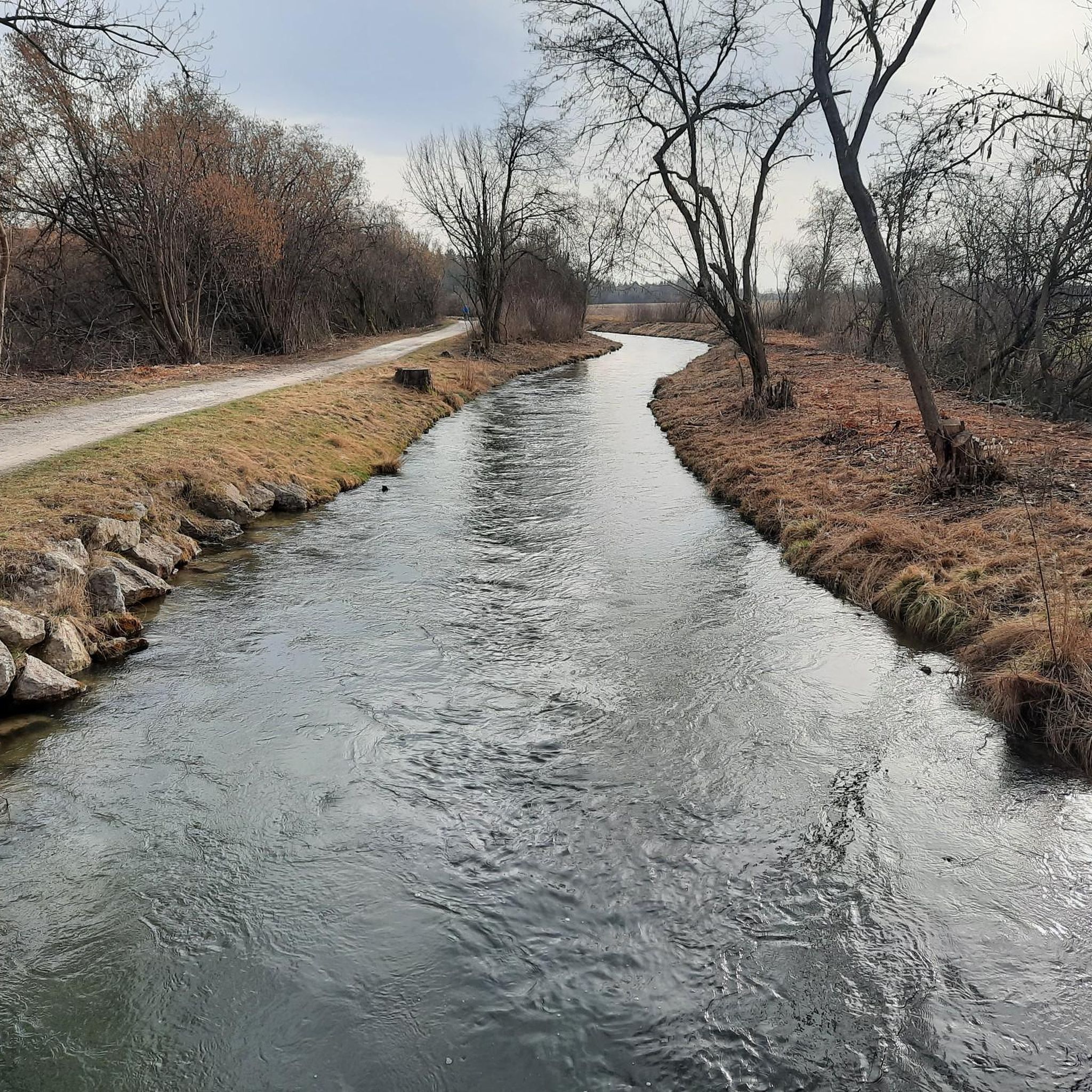
Other adventures around Königsbrunn

Tips from the Community

The Fronhof is closely intertwined with the history of the Reformation. In front of the former episcopal residence, the Augsburg Confession, or Augsburg Confession, was publicly proclaimed in 1530. At the insistence of the Elector of Saxony, the text was read aloud not only in Latin but also in German. Today, a simple plaque commemorates this event.
0
0

The Lower Castle in Bobingen is a historic Renaissance building built between 1590 and 1600 by Octavian Secundus Fugger. This cultural center in the heart of the town offers an idyllic park and a Baroque circular hall on the first floor, which serves as a setting for various cultural events, such as classical concerts, readings, and lectures. The Lower Castle is also a popular location for civil weddings, especially the Baroque circular hall with the impressive ceiling fresco "The Feast of the Gods" by Christian Ehrhard, which seats approximately 30 people and lends the ceremony a unique atmosphere. Candlelight appointments in December are particularly atmospheric.
0
0

The wealthy merchant Anton Welser had the palace built in 1544 in the rural town of Bobingen, just outside Augsburg. His son Markus Welser sold the palace and park to Octavianus Secundus Fugger of Kirchberg and Weissenhorn in 1590.
1
0

The Hessingburg is a three-story, castle-like building in the Augsburg district of Göggingen. It is located on the grounds of the Hessing Clinic and was built in 1880 according to plans by the architect Karl Albert Gollwitzer in the so-called Rothenburg style, which combines elements of Romanticism, Gothic, Renaissance and Neo-Baroque. The Hessingburg originally served as a guest house for Friedrich von Hessing's orthopedic sanatorium. Numerous prominent personalities, including Empress Auguste Viktoria, stayed here. Hessing had the castle built especially for the German Emperor Wilhelm II, in the hope that he would seek treatment for his shortened arm. The front of the Hessingburg facing the park is characterized by various towers and turrets with battlements. The ground floor is designed as a grotto, and a fountain served as a source of recovery. The battlemented terrace originally had a ramp and was connected to the no longer existing roof by an arcade. Today, the Hessingburg is a listed building and is an important architectural testament to Augsburg's history. It is part of the extensive grounds of the Hessing Clinic, which continues to operate as a specialist orthopedic clinic.
1
0

Here, the church's money was clearly invested in favor of its leadership. Whether that was wise is debatable. At least it is now available for everyone to use.
3
0

Impressive architecture history, I was very intrigued.
5
0
The Hessingburg in Augsburg-Göggingen was built in 1880 by Karl Albert Gollwitzer in the romantic style. It originally served as a guest house for Friedrich von Hessing's orthopedic hospital and accommodated prominent guests, including Empress Auguste Viktoria. Architecturally, the Hessingburg combines elements of the Gothic, Renaissance and Neo-Baroque periods, with crenellated towers and a fountain on the ground floor. Today it is an important monument and is located in the Hessingpark, which invites you to linger. The Hessingburg bears witness to Augsburg's medical history and offers visitors a charming ambience in a historic setting.
5
0
The Fronhof is a green space in the city center of Augsburg. It is bordered to the north and west by the former Prince-Bishop's Residence, now the seat of the government of Swabia. To the east is Augsburg Cathedral with its cathedral square and Roman wall. To the south, a row of houses – including the Burgrave's Tower – and Peutingerstrasse border the Fronhof.
4
0
Frequently Asked Questions
Which castles near Königsbrunn are particularly rich in history?
The region around Königsbrunn offers several historical castles. The Prince-Bishop's Residence Augsburg, for example, was once the home of prince-bishops, with its main wing built in 1743. Only the Palatinate Tower remains from the medieval episcopal palace. Hofhegnenberg Castle is another well-preserved aristocratic residence dating back to a high medieval castle, where you can still see the stump of its keep.
Are there family-friendly castles to visit near Königsbrunn?
Yes, several castles offer experiences for families. Wittelsbach Palace, Friedberg, houses a museum that was redesigned in 2019 with interactive stations specifically for children. The Prince-Bishop's Residence Augsburg and Hessingburg are also categorized as family-friendly, offering historical exploration in engaging settings.
What kind of outdoor activities can I do near these castles?
The area around Königsbrunn and its castles provides opportunities for various outdoor activities. You can find numerous road cycling routes, gravel biking trails, and running trails. For example, you can combine a visit to a castle with an easy road cycling loop around Lake Mandicho or a moderate running trail near Lech Dam 22.
Which castles are wheelchair accessible?
Wittelsbach Palace, Friedberg, is noted as wheelchair accessible, making it a good option for visitors requiring this feature. For other locations like the Prince-Bishop's Residence Augsburg or Hessingburg, it's advisable to check their specific accessibility details directly before your visit.
Are there any dog-friendly castles or areas around them?
While specific dog policies can vary, the Wellenburg Castle Restaurant is listed as dog-friendly, offering a place where you can enjoy a meal with your canine companion. For other castles like Hofhegnenberg Castle or Hessingburg, it's best to confirm their current dog policies, especially regarding interior access, though surrounding parks or grounds are often more accommodating.
Where can I find a cafe or restaurant near these castles?
You have a few options for refreshments. Wittelsbach Palace, Friedberg, has its own castle café, open from Tuesday to Sunday and on public holidays. Additionally, the Wellenburg Castle Restaurant offers Austrian and German cuisine with a beer garden. The Hessingburg is located within the Hessingpark, which invites lingering, and there might be nearby cafes in Augsburg-Göggingen.
What is the best time to visit the castles around Königsbrunn?
The castles can be visited year-round, each season offering a different charm. For events like the Christmas Kipferlmarkt at Hofhegnenberg Castle, the second weekend of Advent is ideal. Generally, spring and autumn offer pleasant weather for exploring the grounds and nearby trails. Summer allows for enjoying outdoor cafes and beer gardens, while winter visits can be magical, especially if castles are decorated for the holidays.
Are there any castles known for special events or unique features?
Wittelsbach Palace, Friedberg, is a popular event location and hosts a museum with interactive stations. Hofhegnenberg Castle is known for its festive lighting and Christmas Kipferlmarkt during Advent. Schloss Kaltenberg, while not detailed in the provided highlights, is widely recognized for its medieval tournaments and events.
How long should I plan for a visit to one of these castles?
The duration of your visit depends on the castle and your interests. For places like Wittelsbach Palace, Friedberg, with its museum and café, you might spend 2-3 hours. Exploring the grounds and historical elements of the Prince-Bishop's Residence Augsburg or Hessingburg could take 1-2 hours. If you combine a castle visit with nearby hiking or cycling, plan for a half to full day.
What makes the <a href="https://www.komoot.com/highlight/1114398" target="_blank" rel="noopener">Hessingburg</a> unique?
The Hessingburg in Augsburg-Göggingen is a romantic-style castle built in 1880. It originally served as a guesthouse for Friedrich von Hessing's orthopedic hospital and famously accommodated distinguished guests, including Empress Auguste Viktoria. Architecturally, it combines elements of Gothic, Renaissance, and Neo-Baroque styles, featuring crenellated towers and a grotto-designed ground floor.
Can I find easy walks or circular routes near the castles?
Yes, the areas around these castles often feature pleasant walking opportunities. While specific circular walks directly from each castle are not detailed, the general region offers numerous easy trails. For instance, the Hessingpark surrounding the Hessingburg invites leisurely strolls. You can also find various running trails around Königsbrunn that might pass by or near some historical sites, offering easy walking options.
What is the significance of the <a href="https://www.komoot.com/highlight/212519" target="_blank" rel="noopener">Prince-Bishop's Residence Augsburg</a>?
The Prince-Bishop's Residence Augsburg is a historical site that was once the residence of prince-bishops. While the medieval palace is largely gone, the current late Baroque city palace was constructed on its predecessors, with the main wing built in 1743. It's notable for its magnificent portal adorned with lions holding the coat of arms of Prince-Bishop Joseph, Landgrave of Hesse-Darmstadt. The green area known as Fronhof, between the cathedral and the residence, also hosts a double monument dedicated to Leopold and Wolfgang Amadé Mozart.
Most popular routes around Königsbrunn
Most popular attractions around Königsbrunn

Get inspired with the komoot mobile app


Explore more
Looking for the best castles somewhere else? Discover other guides around Königsbrunn:
