Top 18 Caves around Dreis-Brück
Best caves around Dreis-Brück are found within the surrounding Vulkaneifel region, known for its volcanic landscape and diverse natural features. This area offers a variety of geological formations, including prehistoric rock caves and historical millstone caves. The terrain around Dreis-Brück provides numerous opportunities for exploring these natural features, often accessible via established hiking trails. The region's caves offer insights into both natural processes and human history, making them notable sightseeing Dreis-Brück caves.
Best caves around Dreis-Brück
- The most popular caves…
Last updated: July 10, 2026
Buchenloch Cave
Highlight • Cave
Translated by Google •
Tip by

Millstone Cave at Nerother Kopf
Highlight • Cave
The millstone cave consists of lava boards and is an artificial cave in the Vulkaneifel, Rhineland-Palatinate. It was created by the production of …
Translated by Google •
Tip by

Sign up now to discover places like this
Get recommendations on the best single tracks, peaks, & plenty of other exciting outdoor places.
Sign up for free
Rock overhang with wooden cross below the Dreimühlen ruin
Highlight • Cave
Translated by Google •
Tip by

Arnulphus Chapel (Heiligenhäuschen) near Walsdorf and Zilsdorf
Highlight • Religious Site
Translated by Google •
Tip by

Caves and natural rock arch on the Ernstberg summit
Highlight • Cave
Translated by Google •
Tip by

Sign up for free to discover even more caves around Dreis-Brück.
Sign up for free
Already have an account?
Start today with a free account
Your next adventure awaits.
Login or Signup
Popular around Dreis-Brück
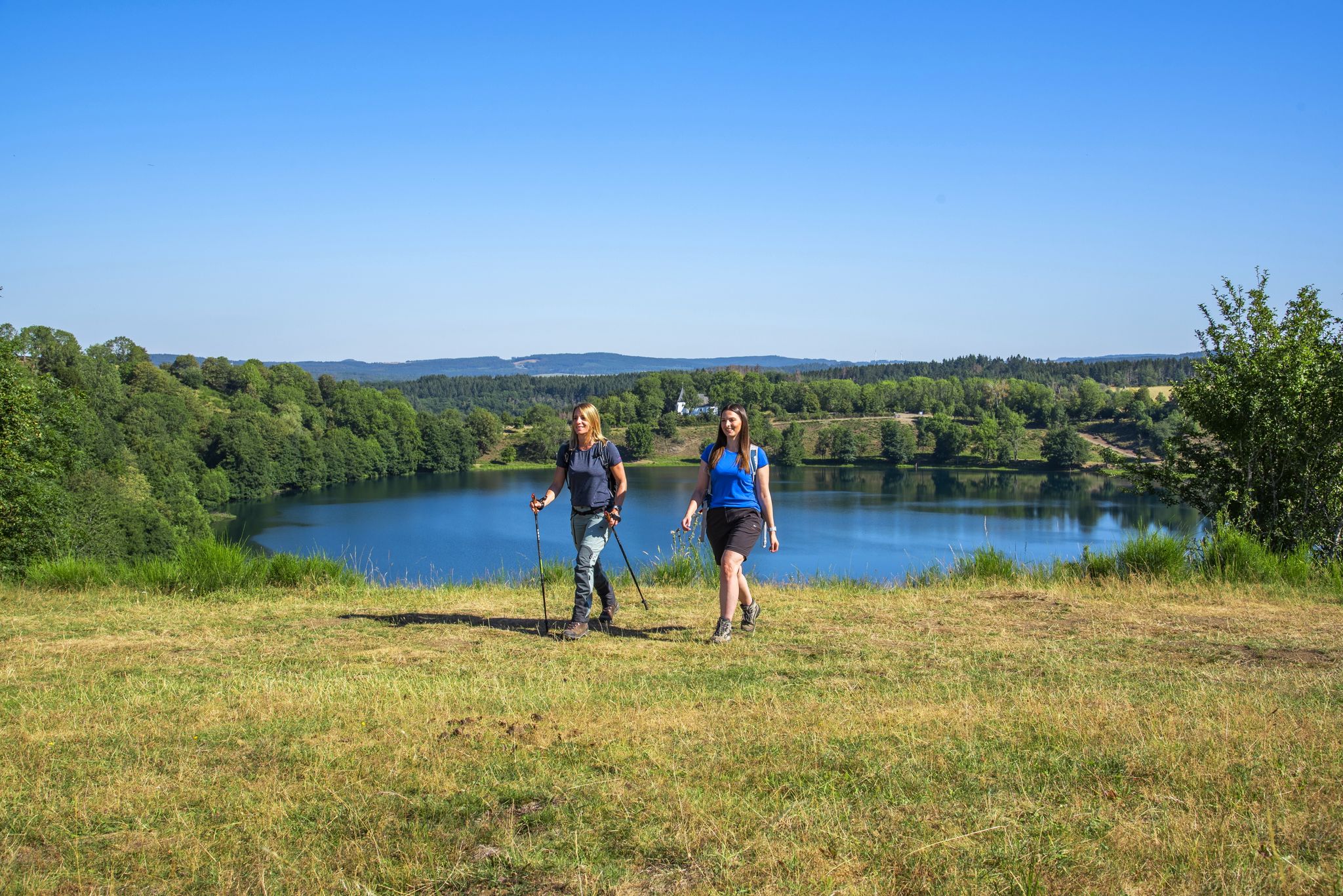
Excellent paths in the Vulkaneifel – Explore the HeimatSpuren
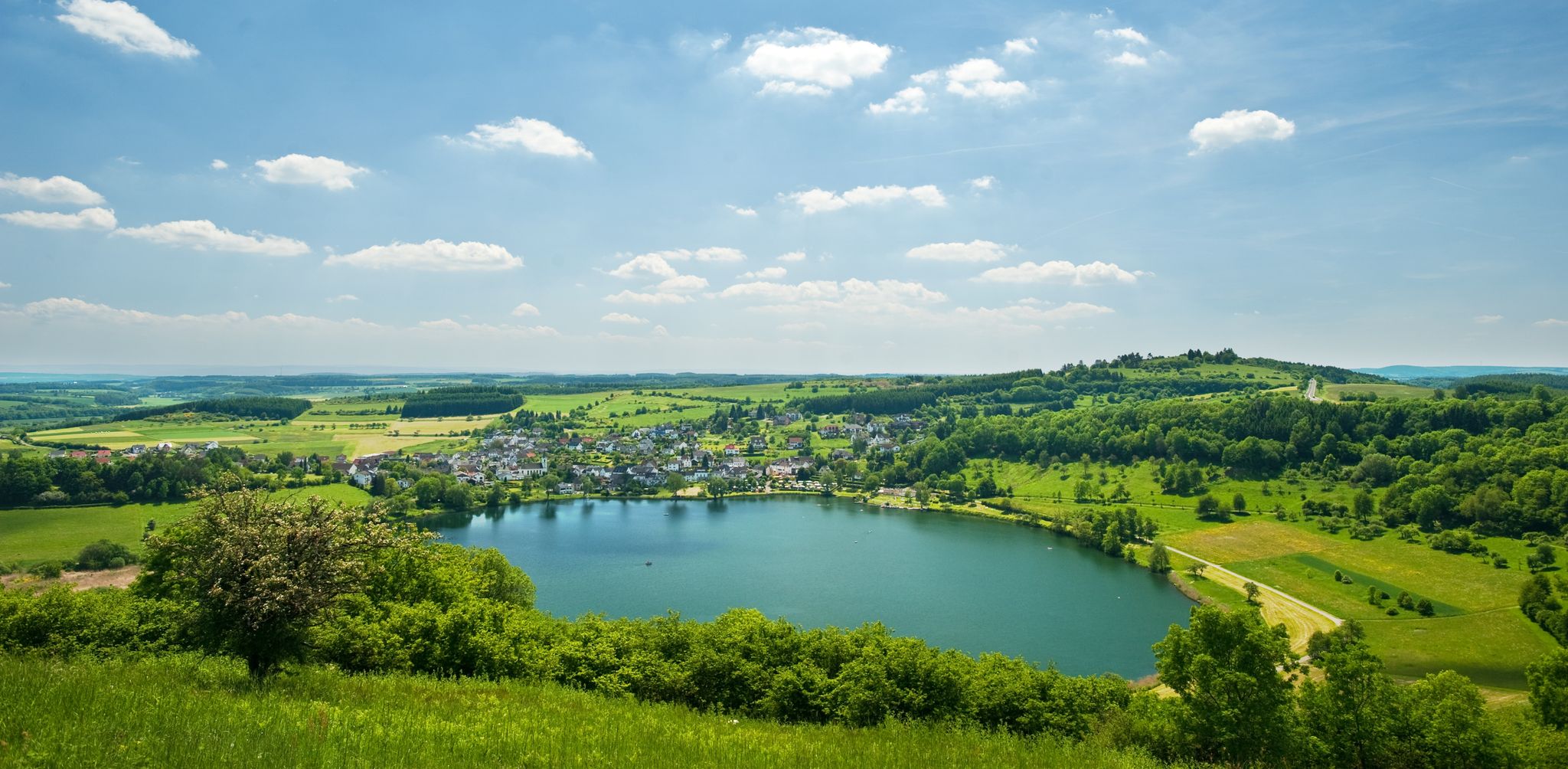
Lava pits & fairytale lakes – hiking through Vulkaneifel in Germany
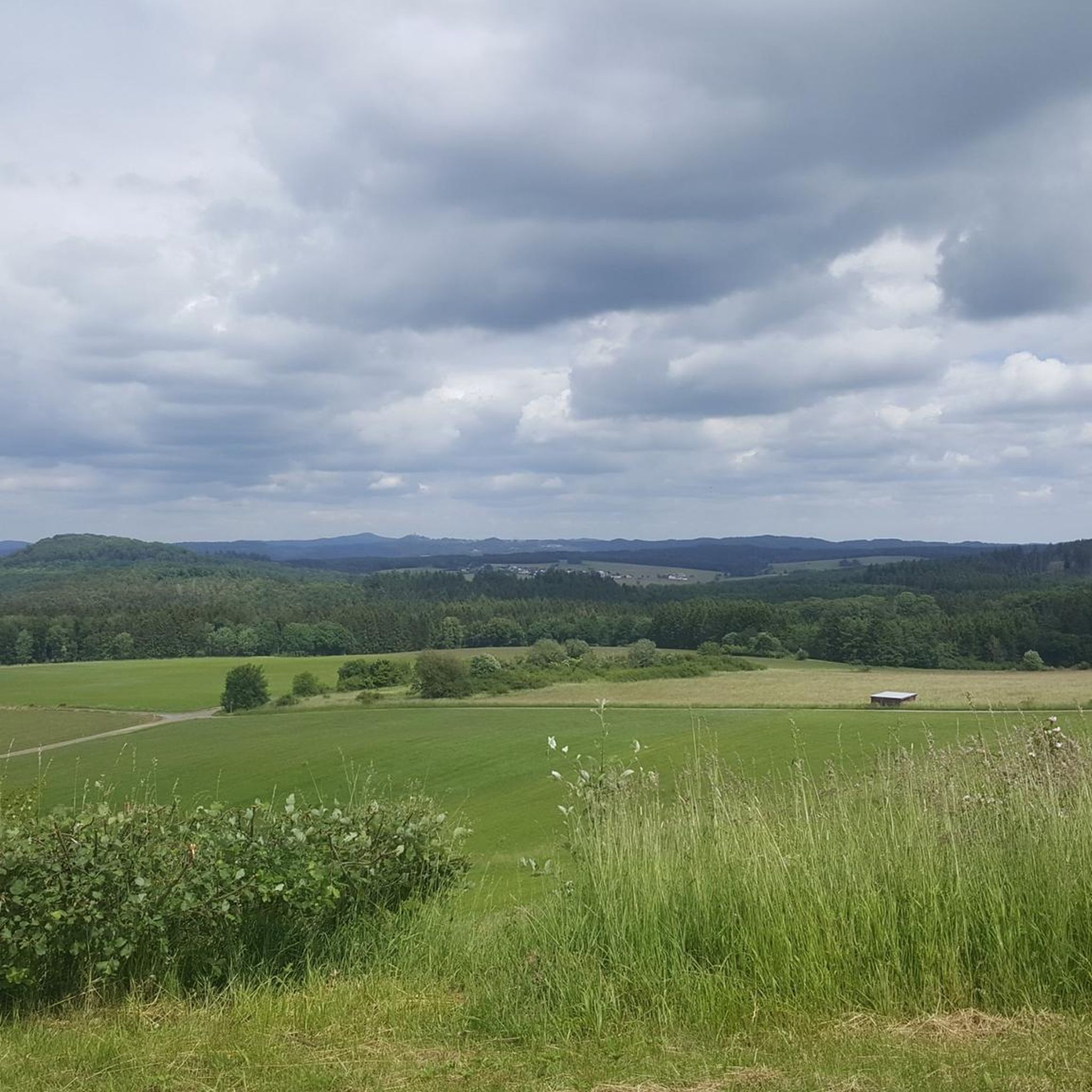
Hiking around Dreis-Brück
Cycling around Dreis-Brück
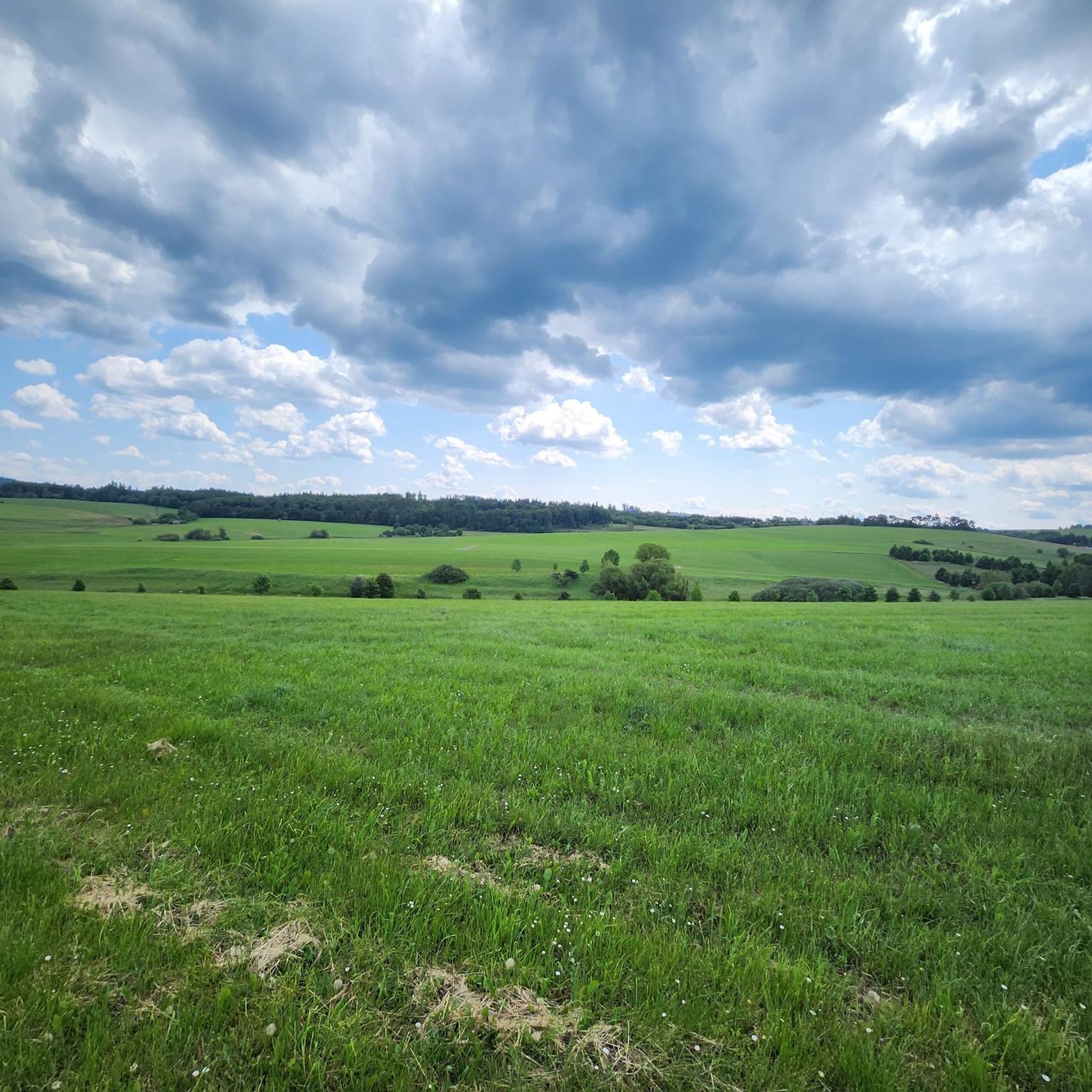
Running Trails around Dreis-Brück
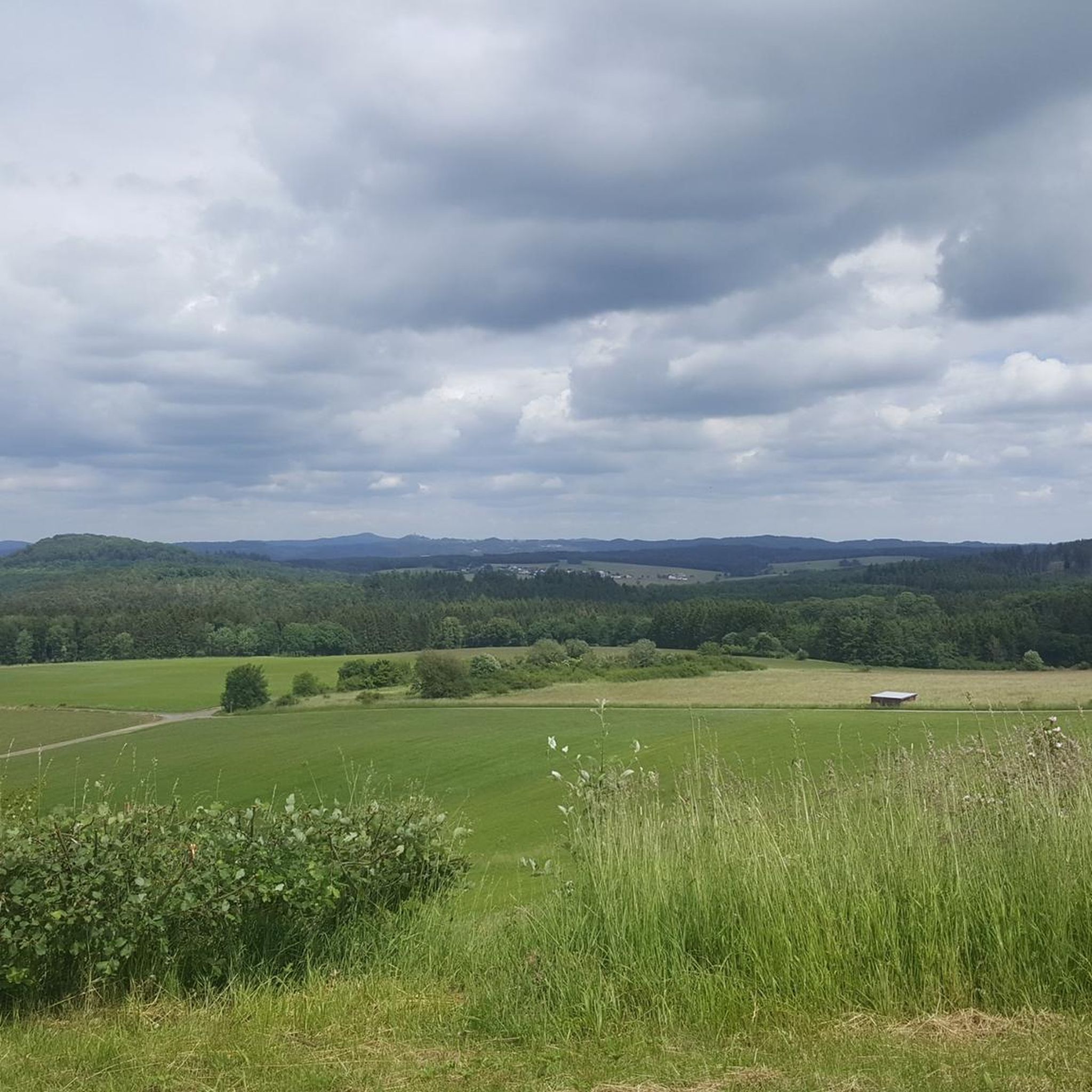
MTB Trails around Dreis-Brück
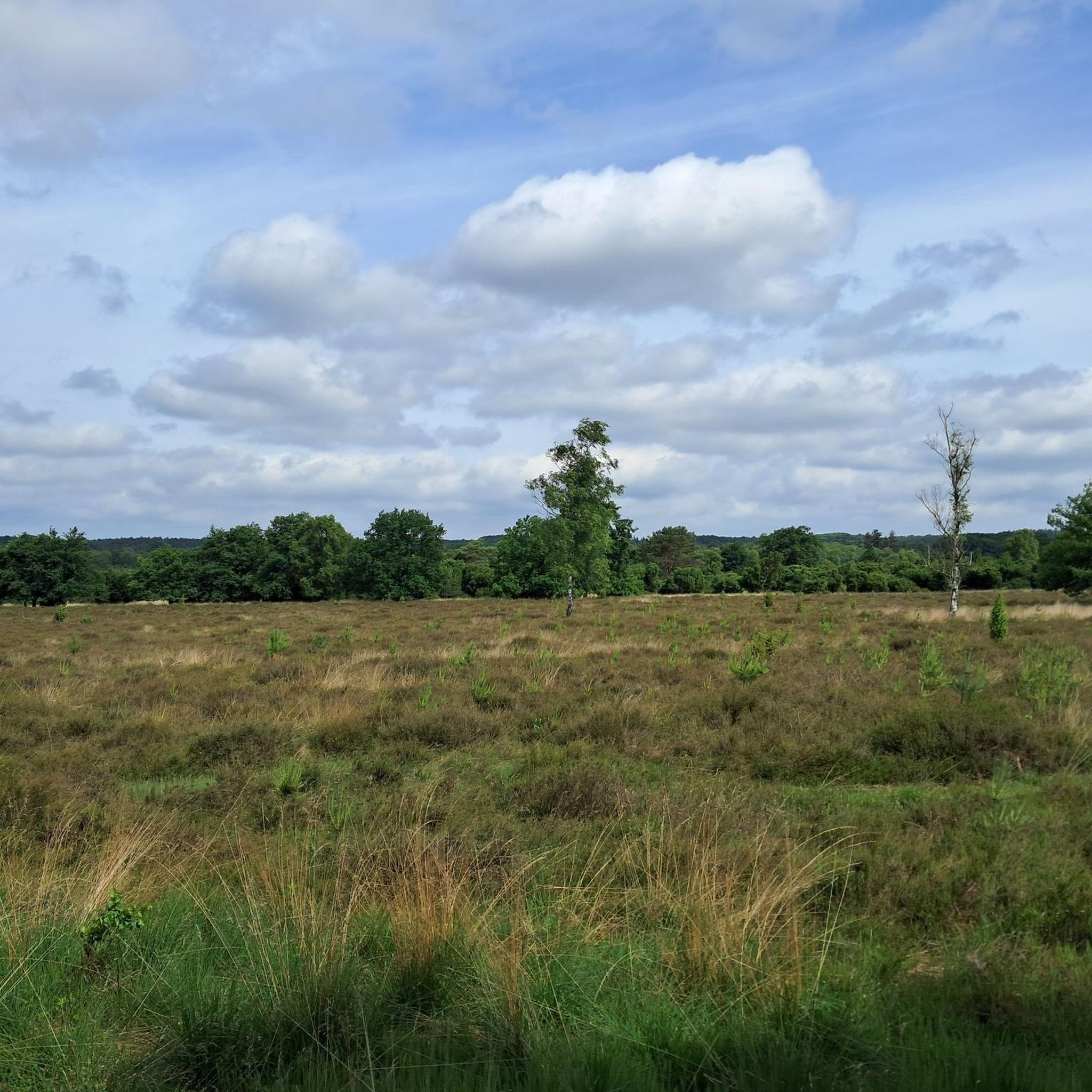
Gravel biking around Dreis-Brück
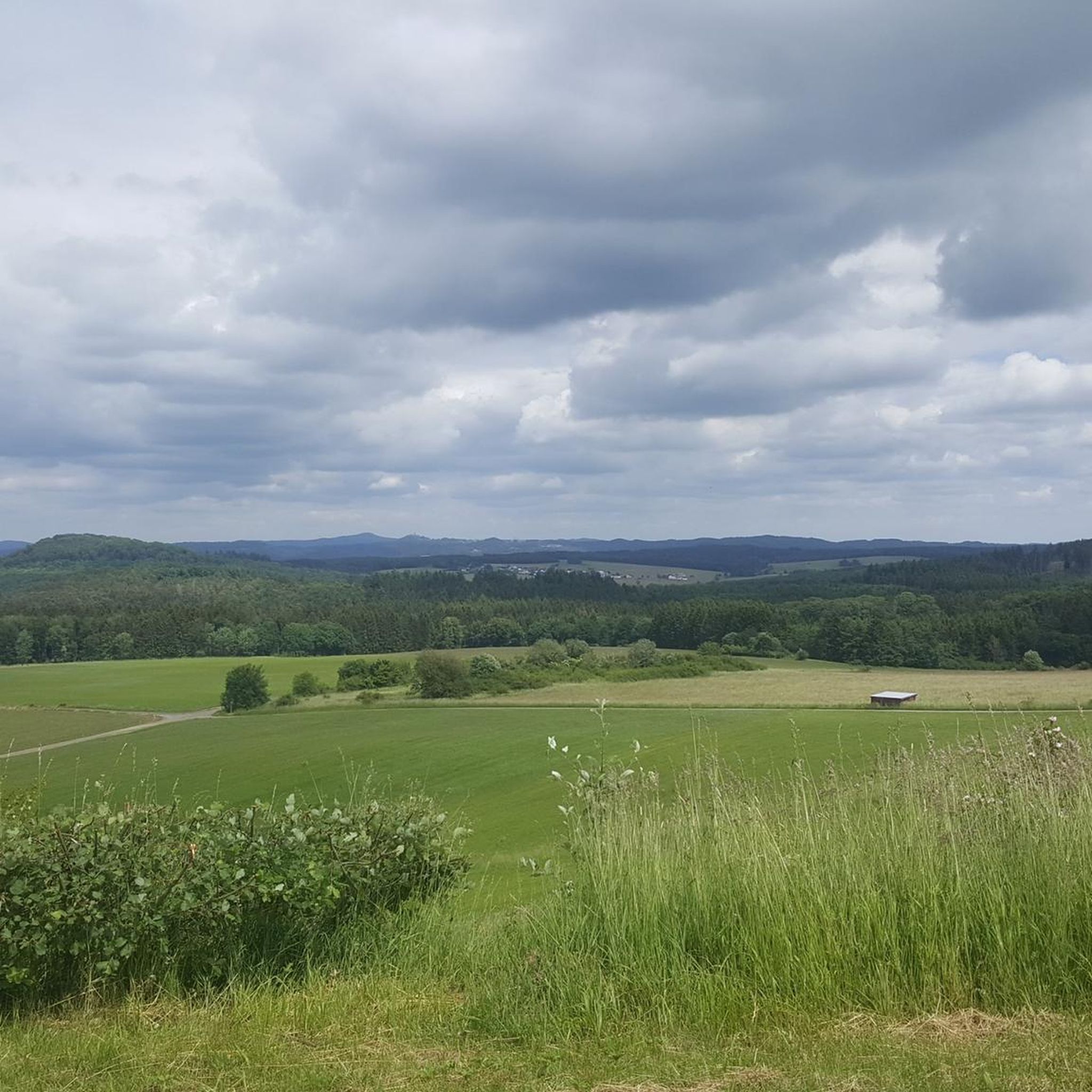
Road Cycling Routes around Dreis-Brück
Mountain Hikes around Dreis-Brück

Tips from the Community

At these heights, millstones were once quarried from the basalt rock.
4
0

This cave is located at the top of the Ernstberg
3
0

Here you will find a natural bridge and small caves on the Ernstberg.
4
0

🧭 Briefly at the Dreimühlen waterfall 🌊💙 Small wooden cross attached... Maybe pause for a moment...each in their own way... It's good for the soul 💚🙏🏼 Nice photo motif also 📸
2
0

Such rock overhangs are called abri. They are so-called semi-caves, which people liked to use in the Stone Age. In contrast to a cave with a rather narrow entrance, they allow overview of the terrain and escape possibilities. Such demolition sites are important research sites for archeology, as Stone Age tools and food remains can be found here.
5
0

You don't have to go directly on the path to the waterfall but a few steps up to discover this "cave". A wooden cross stands in a small depression.
5
0

Small cavity in the rock just below the ruins on the way to the waterfall. There is also a cross embedded in the rock...
3
0

Whether hiking or by MTB, you should have been here 😎
2
0
Frequently Asked Questions
Which caves around Dreis-Brück offer a glimpse into human history?
The Buchenloch Cave is a prehistoric rock cave where evidence of Neolithic human habitation, including tools and bones, has been found. It also served as a refuge during World War II. Another significant historical site is the Millstone Cave at Nerother Kopf, an artificial cave created by the production of millstones from volcanic rock, where unfinished millstone blanks are still visible.
Are there any caves in the region that were used for industrial purposes?
Yes, the Vulkaneifel region features several millstone caves. Besides the Millstone Cave at Nerother Kopf, the Birresborn Ice Caves were historically used for basalt extraction to make millstones. The Caves and natural rock arch on the Ernstberg summit also show where millstones were quarried from basalt rock.
When is the best time to visit the caves in the Vulkaneifel region?
Many caves, such as the Buchenloch Cave, are freely accessible year-round. However, to protect hibernating bats, some caves should not be entered between October 1st and March 31st. Always check local signage or information before entering during these months.
What should I bring when exploring the caves near Dreis-Brück?
For exploring the unlit interiors of caves like the Buchenloch Cave and the Millstone Cave at Nerother Kopf, a flashlight is essential. Sturdy shoes are also recommended for navigating the terrain, and for some more adventurous explorations, a helmet might be advisable.
Are there family-friendly caves to visit in the area?
The Buchenloch Cave is generally considered family-friendly for exploration, though a small ladder is used for access. Its historical significance and natural features make it an engaging visit for all ages. The Birresborn Ice Caves also offer an interesting experience, especially in cold winters when icicles form.
Can I bring my dog into the caves?
While many trails leading to the caves are dog-friendly, access for dogs inside the caves themselves can vary. For the Buchenloch Cave, it is generally advised to avoid bringing dogs inside, especially during bat hibernation periods, to prevent disturbance. Always check specific regulations at each cave site.
Are there hiking trails that lead to the caves around Dreis-Brück?
Yes, many caves are integrated into the region's extensive hiking network. The Buchenloch Cave, for instance, can be reached on foot via popular trails like the Gerolsteiner Felsenpfad and the Eifelsteig. These trails offer scenic routes through the Vulkaneifel landscape.
What other outdoor activities can I do near the caves?
The area around Dreis-Brück offers diverse outdoor activities. You can find numerous cycling routes, including options for touring bicycles, gravel biking, and road cycling. These routes often pass through scenic landscapes and near other natural attractions.
How long does it typically take to explore a cave in this region?
The time required varies by cave. For smaller, accessible caves like the Buchenloch Cave (30 meters long) or the Millstone Cave at Nerother Kopf (18 meters deep), exploration might take 15-30 minutes, not including the hike to reach them. Larger cave systems or those requiring more technical gear would naturally take longer.
What makes the Birresborn Ice Caves unique?
The Birresborn Ice Caves are unique because they were historically used not only for basalt extraction for millstones but also as natural 'refrigerators.' Ice and snow stored within them would preserve cool conditions well into the summer. In particularly cold winters, impressive icicles can still form within these cave labyrinths, creating a striking natural spectacle.
Are there any natural rock formations or arches near the caves?
Yes, the Caves and natural rock arch on the Ernstberg summit feature a prominent natural rock arch in addition to small caves. Another notable formation is the Rock overhang with wooden cross below the Dreimühlen ruin, which is a shelter formed by karstification.
What geological features are prominent in the caves around Dreis-Brück?
The caves in this region showcase diverse geological features. The Buchenloch Cave was formed by the dissolving action of groundwater over millions of years. Many millstone caves, like those at Nerother Kopf and Ernstberg, are carved out of volcanic basalt rock, reflecting the Vulkaneifel's volcanic origins. The Rock overhang below the Dreimühlen ruin was created by karstification of softer rock.
Most popular routes around Dreis-Brück
Most popular attractions around Dreis-Brück

Get inspired with the komoot mobile app


Explore more
Extend your search for the best caves by checking out these guides of the top ones around Dreis-Brück:
