Top 9 Lakes around Hinrichshagen
Lakes around Hinrichshagen are situated within the expansive Mecklenburg Lake District, a region known for its abundance of water bodies. This area in Germany offers diverse lakes easily accessible from Hinrichshagen. The landscape features large inland lakes, smaller natural lakes, and bog lakes, providing varied natural settings. These lakes offer opportunities for water sports, hiking, and cycling.
Best lakes around Hinrichshagen
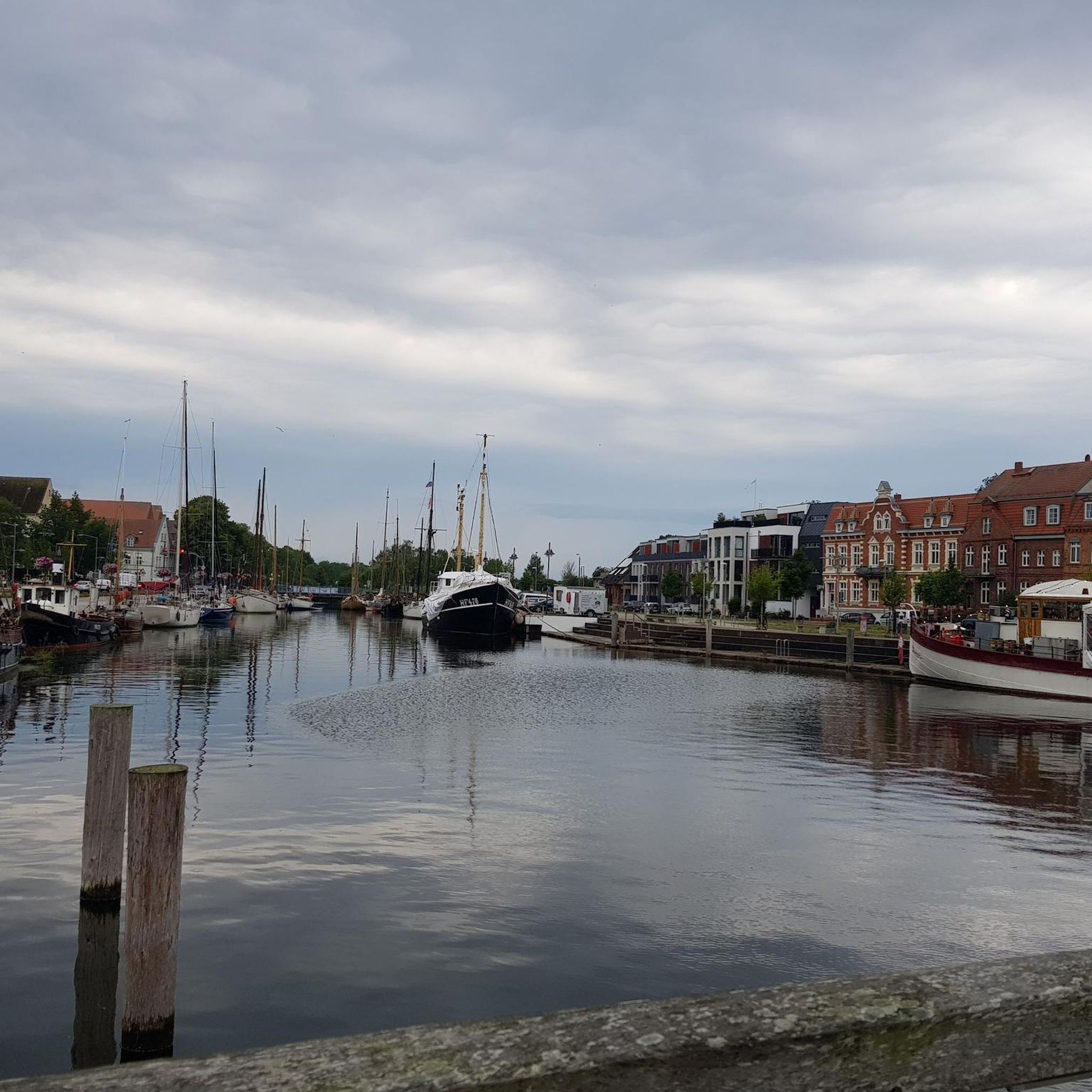
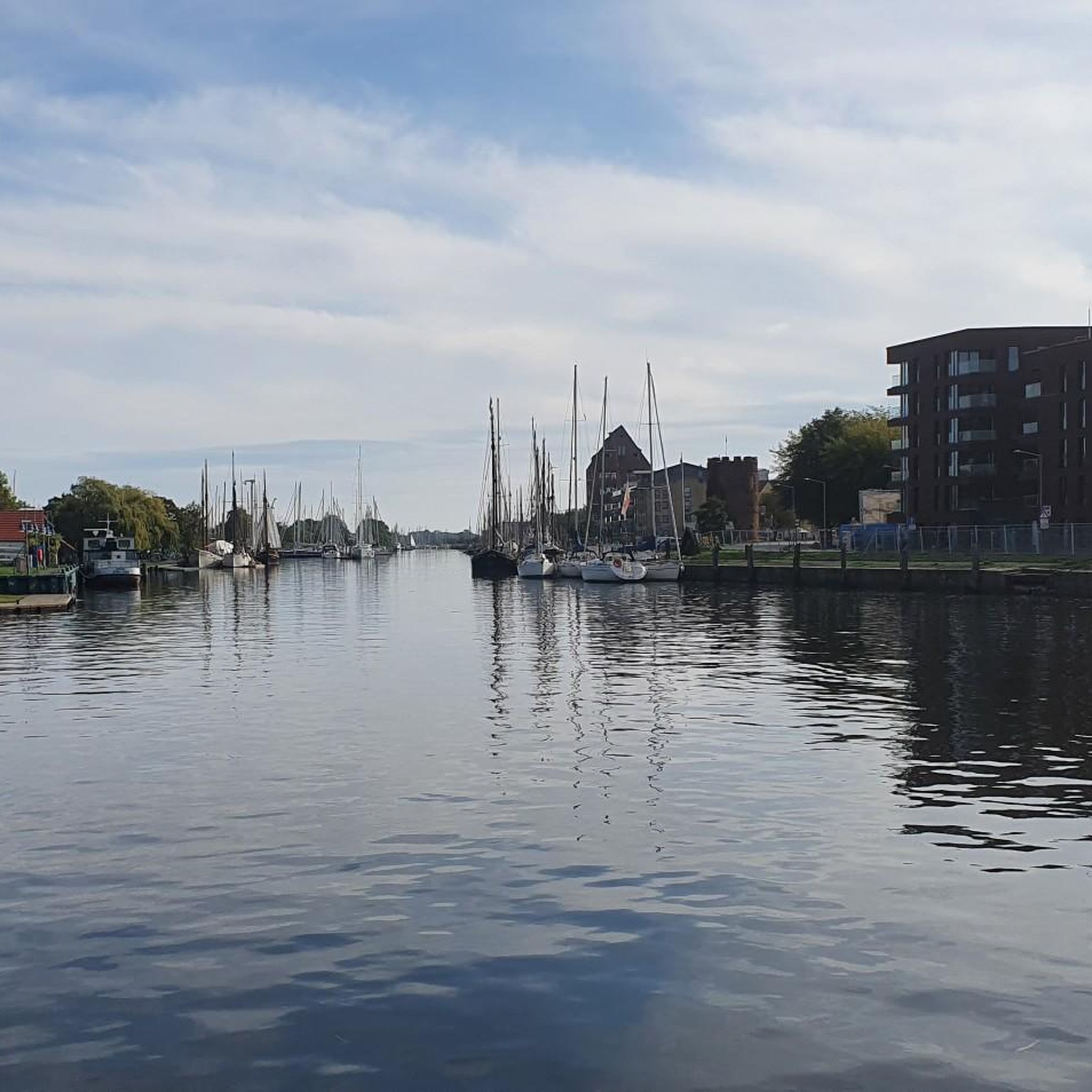
- The most popular lakes is Museum Harbour Greifswald, a historical site and port that features many sailing boats…
Last updated: July 10, 2026
Museum Harbour Greifswald
Highlight • Historical Site
Translated by Google •
Tip by

Ludwigsburg Pier and Beach
Highlight • Beach
Translated by Google •
Tip by

Sign up now to discover places like this
Get recommendations on the best single tracks, peaks, & plenty of other exciting outdoor places.
Sign up for free
Söllkensee near Potthagen
Highlight • Lake
Translated by Google •
Tip by

Berthold-Beitz Square and University Pond
Highlight • Structure
Translated by Google •
Tip by

Söllkensee
Highlight • Lake
Translated by Google •
Tip by

Sign up for free to discover even more lakes around Hinrichshagen.
Sign up for free
Already have an account?
Start today with a free account
Your next adventure awaits.
Login or Signup

Tips from the Community

The ferry does not always stop there in Ludwigsburg as scheduled. In the low season only after calling and booking in advance with the shipping company on +49 160 95100208. The crew is very helpful with bicycles and the trip to Greifswald costs €15 including the bicycle.
0
1

Everything froze in February... really something.
0
1

very small port, but you take what you get :-))
0
1

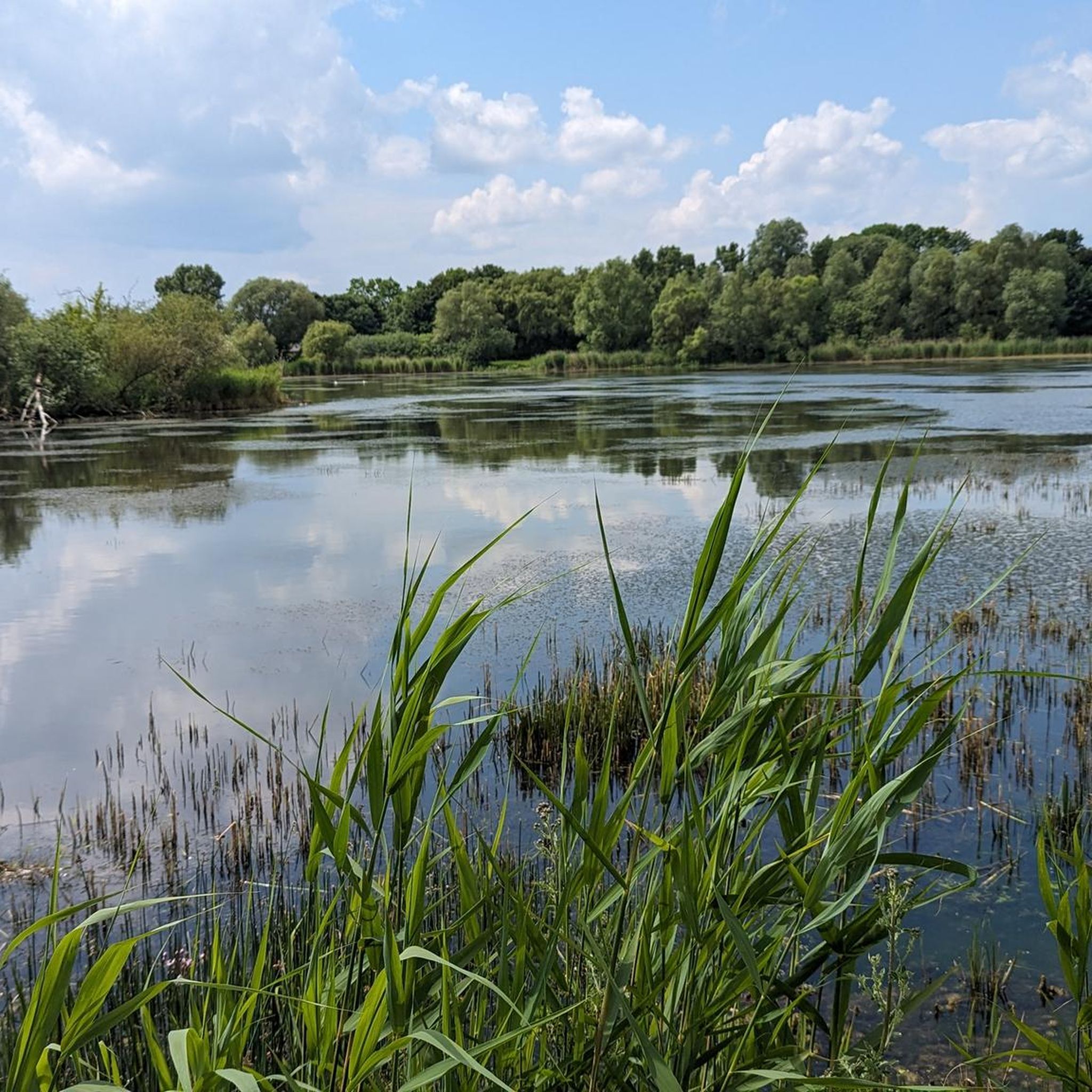
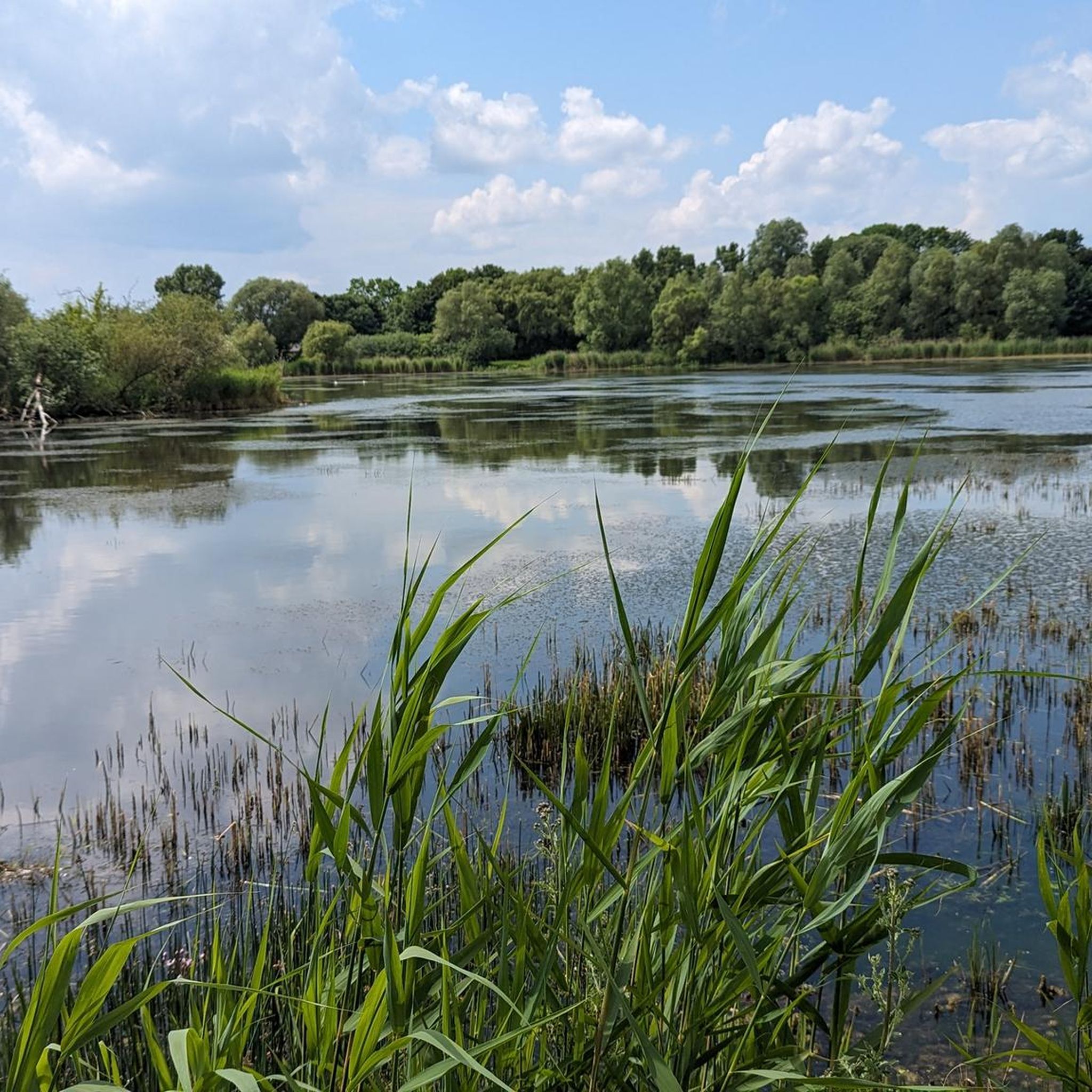
The Söllkensee was created in the 19th century by peat extraction in "Küsterbäcks Moor", a meltwater channel of the Greifswald terminal moraine. Today it is a natural monument and spawning ground for common toads and moor frogs. In the north-eastern part, the new siltation process is clearly visible. A cotton grass peat bog has formed here, which is partly forested with downy birches.
4
0

Next door there is a large car park (now free of charge in autumn).
2
0

The new campus of Greifswald University with the institutes for natural sciences and medicine is located at Berthold-Beitz-Platz. The university hospital with its beautifully landscaped pond is also located near the square.
2
0

The Söllkensee is not written "Sölkensee" but "Söllkensee". The Söllkensee is a bog in the Helmshagener Forest. The Söllkensee was created in the 19th century by peat extraction in "Küsterbäcks Moor", a meltwater channel of the Greifswald terminal moraine. Today it is a natural monument and spawning ground for common toads and moor frogs. In the north-eastern part, the new siltation process is clearly visible. A cotton grass peat bog has formed here, which is partly forested with downy birches (bot.: sheath cotton grass peat moss community, Eriophoro-Sphagnetum recurvi). The floating pondweed (Potamogeton natans) can be discovered in the open water area. The name of the Söllkensee is probably derived from the word "Soll", which describes Ice Age dead ice holes in the north German lowlands and was used here in a somewhat broader sense for a small body of water. Originally, the locals called the lake "dat Sülkenmuur" and at the end of the 19th century it developed into an attraction for those seeking relaxation, who traveled especially with the small train from Greifswald. According to legend, an old privy councilor from Charlottenburg walked here. Impressed by the place, he suggested to the owner of the inn in Potthagen that they set up signposts from the village to the lake and thus show the excursionists the beauty of the area. However, according to the legend, the old privy councilor found the name “Sülkenmuur” too daunting and boggy. And so the “Sülkenmuur” became the Sölkensee. Both names – Sölkensee and Söllkensee – are common today. North of the Söllkensee is the Plagens lime tree. It is said that the forest warden Plagens planted this tree in 1933 and built a bench next to it to enjoy his retirement here. Link: https://weithagen.info/naturweit/soellkensee/
3
0
Departure times for the ferry to Greifswald: 10:40 a.m., 1:40 p.m., 4:40 p.m
2
0
Frequently Asked Questions
What are some popular lakes and attractions around Hinrichshagen?
The region around Hinrichshagen, part of the Mecklenburg Lake District, offers a variety of popular spots. You can visit the Museum Harbour Greifswald, which is Germany's largest museum harbor. Another must-see is Söllkensee near Potthagen, a natural monument formed by peat extraction. For beach access, Ludwigsburg Pier and Beach is a great option with ferry connections to Greifswald.
What natural features can I expect to see around the lakes near Hinrichshagen?
The area is rich in natural beauty, featuring large inland lakes, smaller natural lakes, and bog lakes. You can explore protected beech forests, observe diverse birdlife at spots like the Wader Bird Observation Area, and discover unique ecosystems like the cotton grass peat bog at Söllkensee near Potthagen, which is also a spawning ground for common toads and moor frogs.
Are there opportunities for water sports like paddling or sailing?
Yes, the Mecklenburg Lake District is an excellent destination for water sports. Lakes like Müritz, Germany's largest inland lake, offer extensive opportunities for paddling, sailing, and even houseboat vacations. Lake Mirow also provides a tranquil setting for canoe tours.
Are there cycling routes around the lakes near Hinrichshagen?
Absolutely. The region boasts well-developed cycle paths. You can find various cycling routes, including touring bicycle routes, road cycling routes, and MTB trails. Lake Mirow, for instance, has scenic cycle paths offering views of the water and surrounding landscapes.
Are there hiking trails near the lakes around Hinrichshagen?
Yes, the area offers numerous hiking opportunities. The Müritz National Park, located on the eastern shore of Müritz, provides extensive trails through protected beech forests and around smaller lakes. While specific hiking guides for Hinrichshagen are not listed, many cycling routes can also be enjoyed on foot, and the natural areas are ideal for walks.
Are there family-friendly activities or spots around the lakes?
Many locations are family-friendly. Ludwigsburg Pier and Beach offers a beach area with facilities. Müritz provides shallow water zones, adventure playgrounds, and organized swimming courses. The Wader Bird Observation Area is also suitable for families interested in wildlife.
What is the best time to visit the lakes around Hinrichshagen?
The best time to visit depends on your preferred activities. Summer (June to August) is ideal for swimming and water sports. Spring and autumn offer pleasant temperatures for cycling and hiking, with beautiful natural scenery. Spring is also excellent for birdwatching, especially at the Wader Bird Observation Area.
Where can I find good swimming spots?
The region offers several excellent swimming spots. Müritz boasts excellent water quality and numerous bathing spots, some with sandy beaches or jetties. Ulrichshusen Lake has a picturesque swimming spot, and Lake Mirow features a well-maintained lido. Additionally, Ludwigsburg Pier and Beach is a popular beach area with facilities.
Are there any wheelchair-accessible paths or facilities?
Yes, some areas are designed for accessibility. The Berthold-Beitz Square and University Pond in Greifswald, for example, features a beautifully landscaped pond and is wheelchair accessible.
What cultural or historical sites are there near the lakes?
Beyond the natural beauty, you can explore historical sites. The Museum Harbour Greifswald is a significant historical port. Ulrichshusen Castle, near Ulrichshusen Lake, adds a cultural and historical dimension to a visit, and the town of Waren (Müritz) has a charming historic old town.
How can I access the lakes using public transport?
While specific public transport details for every lake are not provided, the town of Waren (Müritz) serves as a good starting point for exploring the Müritz region and is accessible by public transport. For specific highlights like Ludwigsburg Pier and Beach, ferry connections to Greifswald are available.
Are there places to eat or stay near the lakes?
Yes, the region offers various options for dining and accommodation. Towns like Waren (Müritz) provide restaurants and places to stay. Lake Mirow has amenities like kiosks and restaurants nearby, and local fisheries offer freshly smoked fish. The broader Mecklenburg Lake District is a popular tourist destination with numerous facilities.
Most popular routes around Hinrichshagen
Most popular attractions around Hinrichshagen

Get inspired with the komoot mobile app


Explore more
Still not found your perfect lake around Hinrichshagen? Check out the guides of these regions to see even more beautiful places.
