Top 7 Lakes around Glüsing
Best lakes around Glüsing are found in the surrounding region, as Glüsing itself does not feature notable natural lakes. The area's landscape includes various water bodies, often resulting from historical peat mining or designated as nature reserves. These locations provide opportunities for outdoor activities and observing local wildlife. Glüsing's geographical location in Schleswig-Holstein offers access to these diverse natural water features.
Best lakes around Glüsing
- The most popular lakes is Moor pools in the Ostroher-Süderholmer Moor, an other natural…
Last updated: June 27, 2026
Moor pools in the Ostroher-Süderholmer Moor
Highlight • Natural
Translated by Google •
Tip by

Alte Sorge Loop Nature Reserve
Highlight • Natural Monument
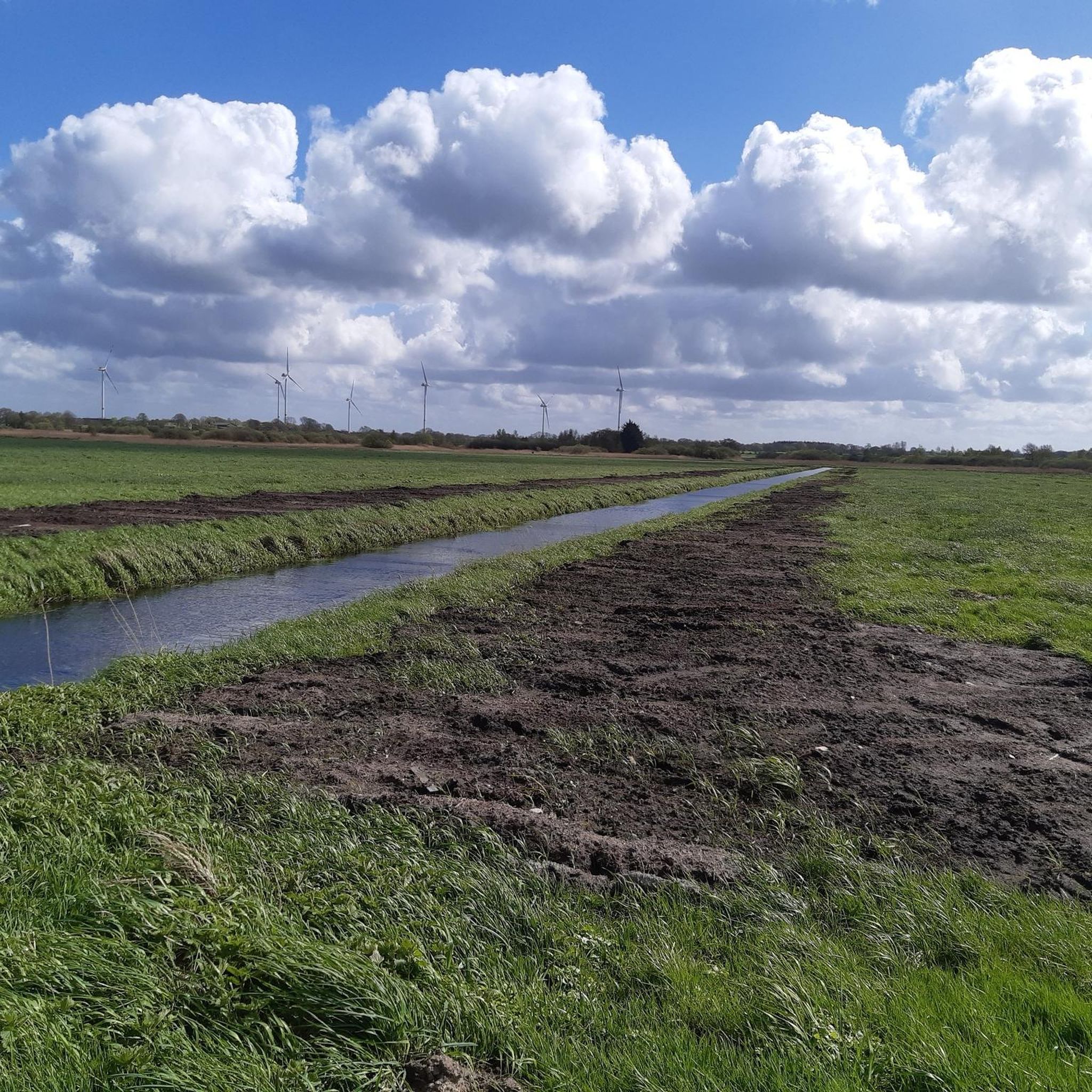
With information board, which you also need, because unfortunately you don't see much of the worry.
Translated by Google •
Tip by

Sign up now to discover places like this
Get recommendations on the best single tracks, peaks, & plenty of other exciting outdoor places.
Sign up for free
Lake in Ostroher-Süderholmer Moor Nature Reserve
Highlight • Lake
Translated by Google •
Tip by

Moor pools in the Ostroher-Süderholmer Moor
Highlight • Natural
Translated by Google •
Tip by

Fishing pond at Fuchsberg
Highlight • Lake
Translated by Google •
Tip by

Sign up for free to discover even more lakes around Glüsing.
Sign up for free
Already have an account?
Start today with a free account
Your next adventure awaits.
Login or Signup
Tips from the Community

If you are lucky you will also see the otter
1
0

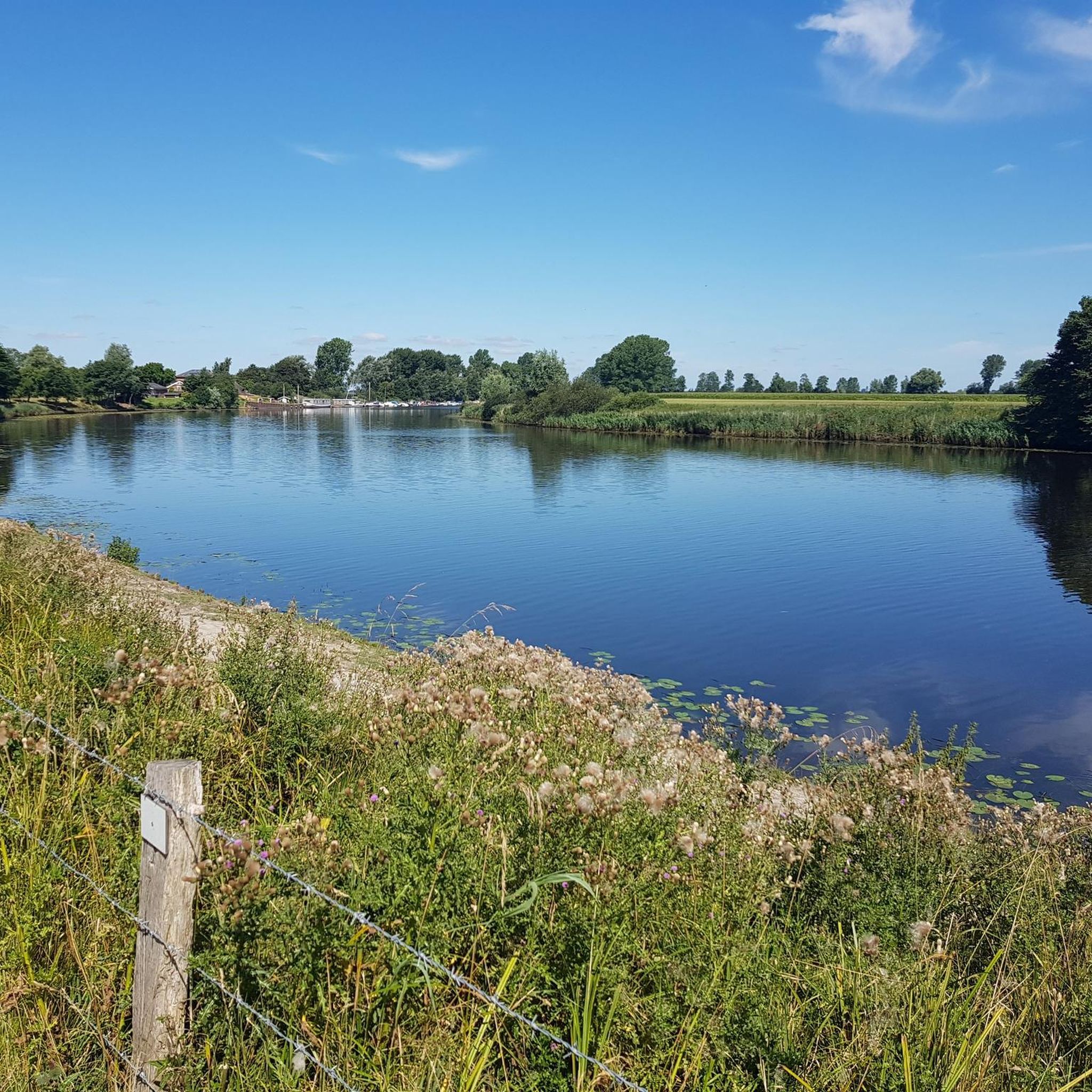
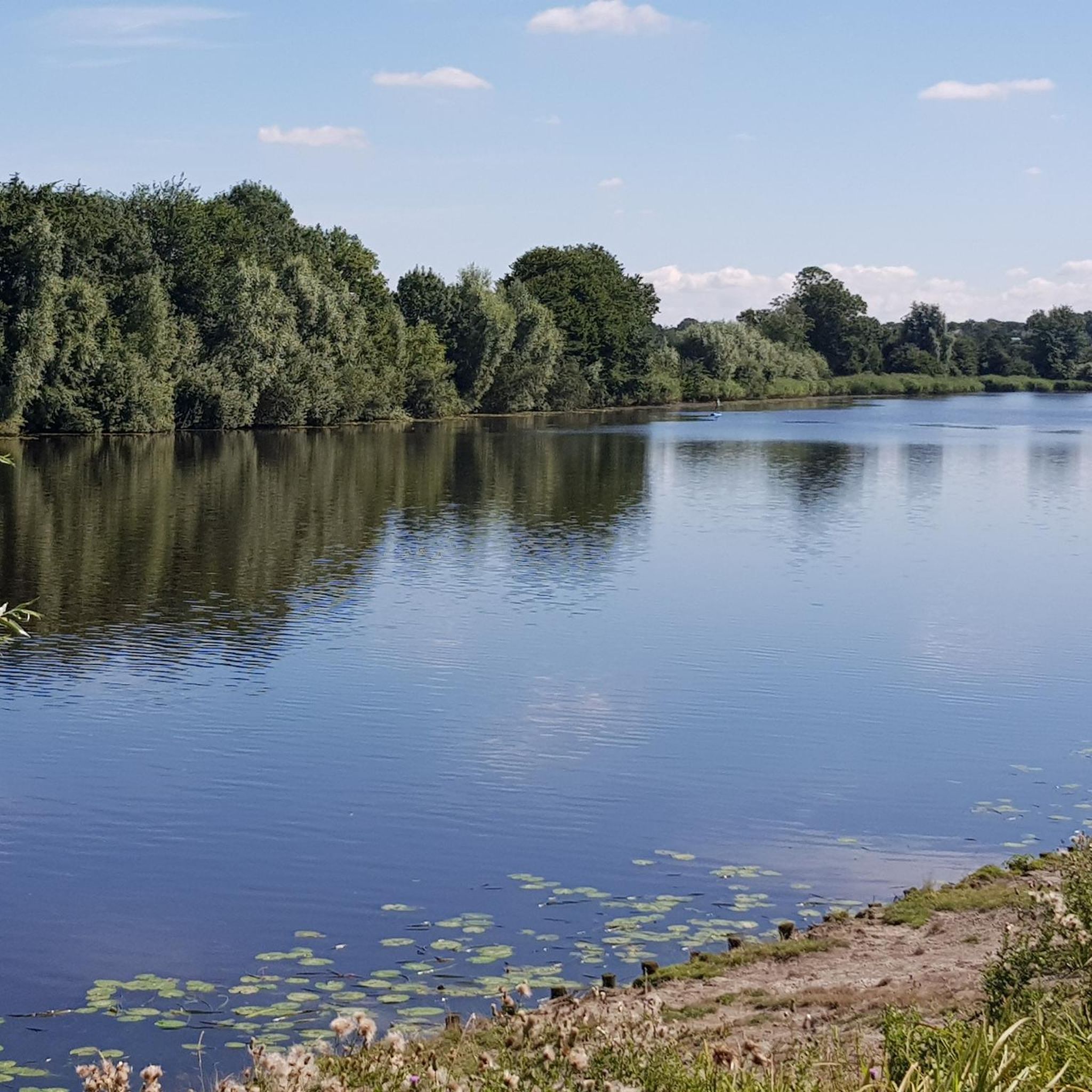
A small place to rest with a beautiful view over the hollows.
0
0

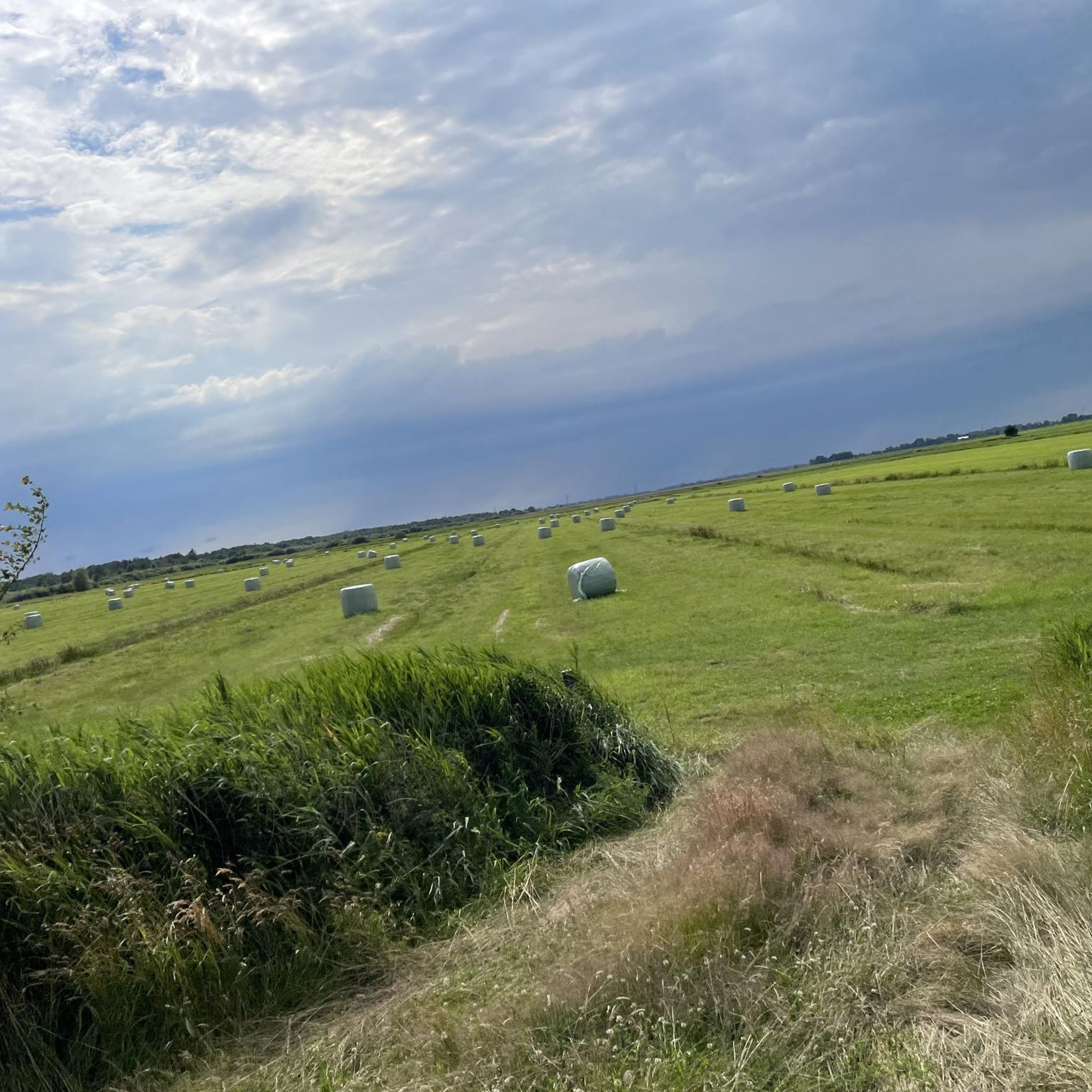
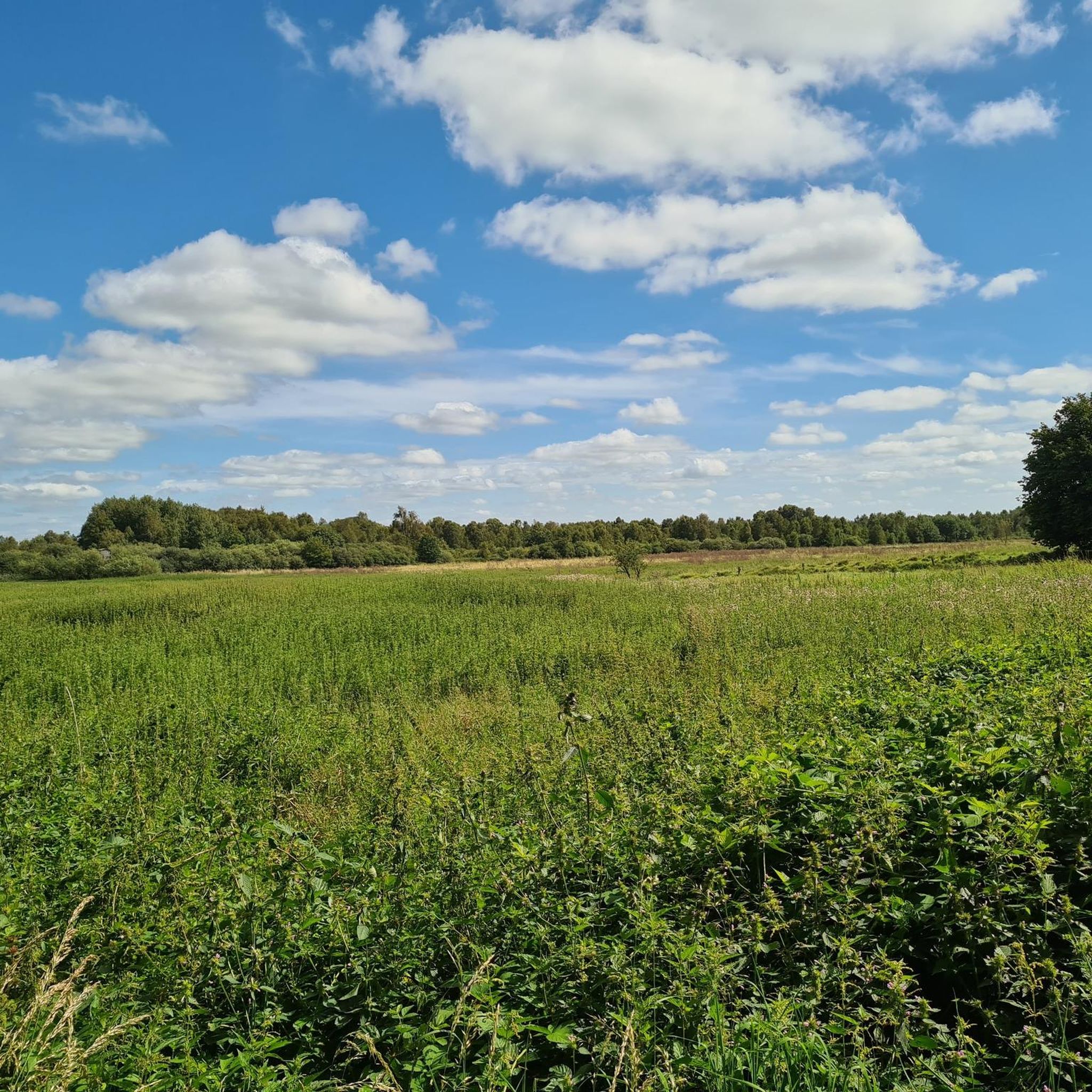
The nature reserve comprises a mosaic of water areas, reed beds, wet bushes and agricultural green areas, connected by a network of paths. With a little luck, you will see the rare royal fern and animals such as the great bittern and the green hawker.
3
0

The Scottish Highlanders are a peaceful breed of cattle. Everything is very slow and they don't fixate on them with their eyes. Then they get very curious. I also really liked the view of the birch forest. It may be that I'm spoiled at the moment. So I have to "earn" a hike's stars. The water areas are visited by anglers, and they drive right up to them in their cars. There are also too many tractors driving too fast on the supply routes.
5
0
After the Second World War, peat was mined here on a large scale to a depth of six metres. This is how the peat pits, which are today's water areas, were created.
4
0
After the Second World War, peat was mined here on a large scale to a depth of six metres. This is how the peat pits, which are today's water areas, were created.
4
0
Today, the landscape is characterized by a mosaic of water areas used for sport fishing, between agricultural grassland areas. The area, which is crossed by a network of paths, also includes reed beds and fen-like wet meadows.
5
0
Since 1972, the moor in the valley of the upper Broklandsau northeast of Heide has been designated a protected area covering an area of 283 hectares.
5
0
Frequently Asked Questions
What kind of lakes can I expect to find around Glüsing?
The lakes around Glüsing are primarily moor ponds and former peat pits, often designated as nature reserves. These water bodies were largely formed after extensive peat mining, creating unique landscapes for outdoor activities and wildlife observation.
Are there any nature reserves among the lakes near Glüsing?
Yes, the region features several nature reserves. The Alte Sorge Loop Nature Reserve is a designated natural monument since 1991, offering a rest area and information board. The Moor pools in the Ostroher-Süderholmer Moor also form part of a protected area, characterized by a mosaic of water areas.
What wildlife can be observed at the lakes around Glüsing?
Many of the lake areas are rich in wildlife. For instance, the area around the Fishing pond at Fuchsberg is known for kingfishers, greylag geese, and deer.
Are there family-friendly lakes for outings near Glüsing?
Yes, several lakes are suitable for families. The Mühlenteich Nordhastedt and Nordhastedt Outdoor Pool offers a mill pond with pedal boat rentals and an outdoor pool for cooling off. The Alte Sorge Loop Nature Reserve and Moor pools in the Ostroher-Süderholmer Moor are also considered family-friendly for walks and nature observation.
Can I swim in the lakes around Glüsing?
Swimming conditions vary. While the Nordhastedt Outdoor Pool, located next to Mühlenteich Nordhastedt, is available for swimming, many of the natural moor ponds, like the Fishing pond at Fuchsberg, are not suitable for swimming due to their nature and potential dangers like bottomless swamps.
Are there opportunities for walking or hiking around the lakes?
Absolutely. Many of the lake areas are surrounded by paths suitable for walking and hiking. For example, the environment around Mühlenteich Nordhastedt invites walks, and there's a normal wide hiking path leading through the hilly forest landscape past the Forest pond and stream in the hills. The Moor pools in the Ostroher-Süderholmer Moor also feature a network of paths.
What other outdoor activities can I do near these lakes?
Beyond walking, the region offers various cycling opportunities. You can find numerous cycling routes and road cycling routes around Glüsing. For mountain biking enthusiasts, there are also MTB trails available.
Are the lakes around Glüsing dog-friendly?
Yes, many areas are suitable for walks with dogs. The environment around Mühlenteich Nordhastedt is specifically mentioned as inviting for walks with dogs.
Is there parking available at the lakes?
While specific parking details for every lake are not always provided, areas like the Alte Sorge Loop Nature Reserve offer rest areas that may include parking facilities for visitors.
What is the best time to visit the lakes around Glüsing?
The lakes and surrounding nature reserves are generally enjoyable throughout the warmer months for walking, cycling, and wildlife observation. Spring and autumn offer pleasant temperatures and vibrant natural scenery. Winter walks can also be appealing, though some facilities might have reduced hours.
Are there any historical aspects associated with the lakes?
Yes, many of the water bodies have historical significance, particularly related to peat mining. For example, the Moor pools in the Ostroher-Süderholmer Moor and the Fishing pond at Fuchsberg were formed from large-scale peat quarries after the Second World War.
Most popular attractions around Glüsing

Get inspired with the komoot mobile app


Explore more
Still not found your perfect lake around Glüsing? Check out the guides of these regions to see even more beautiful places.
