Top 20 Caves around Lappersdorf
Best caves around Lappersdorf offer a glimpse into the region's geological and historical past. The area near Lappersdorf, particularly within Landkreis Regensburg, features diverse subterranean formations. These sites showcase natural rock formations, historical cave dwellings, and unique geological features. The region provides insights into ancient human activity and geological processes.
Best caves around Lappersdorf
- The most popular caves is Robber's Cave, a cave formed during the Jurassic period as flowing water dissolved limestone. It is publicly accessible and features…
Last updated: July 10, 2026
House without a Roof (Kallmünz)
Highlight • Cave
Translated by Google •
Tip by

Schutzfels Pentling
Highlight • Natural Monument
Translated by Google •
Tip by

Sign up now to discover places like this
Get recommendations on the best single tracks, peaks, & plenty of other exciting outdoor places.
Sign up for free
Vils Riverside Trail and Rock Formations
Highlight (Segment) • Trail
Translated by Google •
Tip by

Robber's Cave
Highlight • Cave
Translated by Google •
Tip by

Grotto Chapel in the Rock (Mattinger Hänge)
Highlight • Religious Site
Translated by Google •
Tip by

Sign up for free to discover even more caves around Lappersdorf.
Sign up for free
Already have an account?
Start today with a free account
Your next adventure awaits.
Login or Signup
Tips from the Community

Beautiful rock formations in the forest
2
0

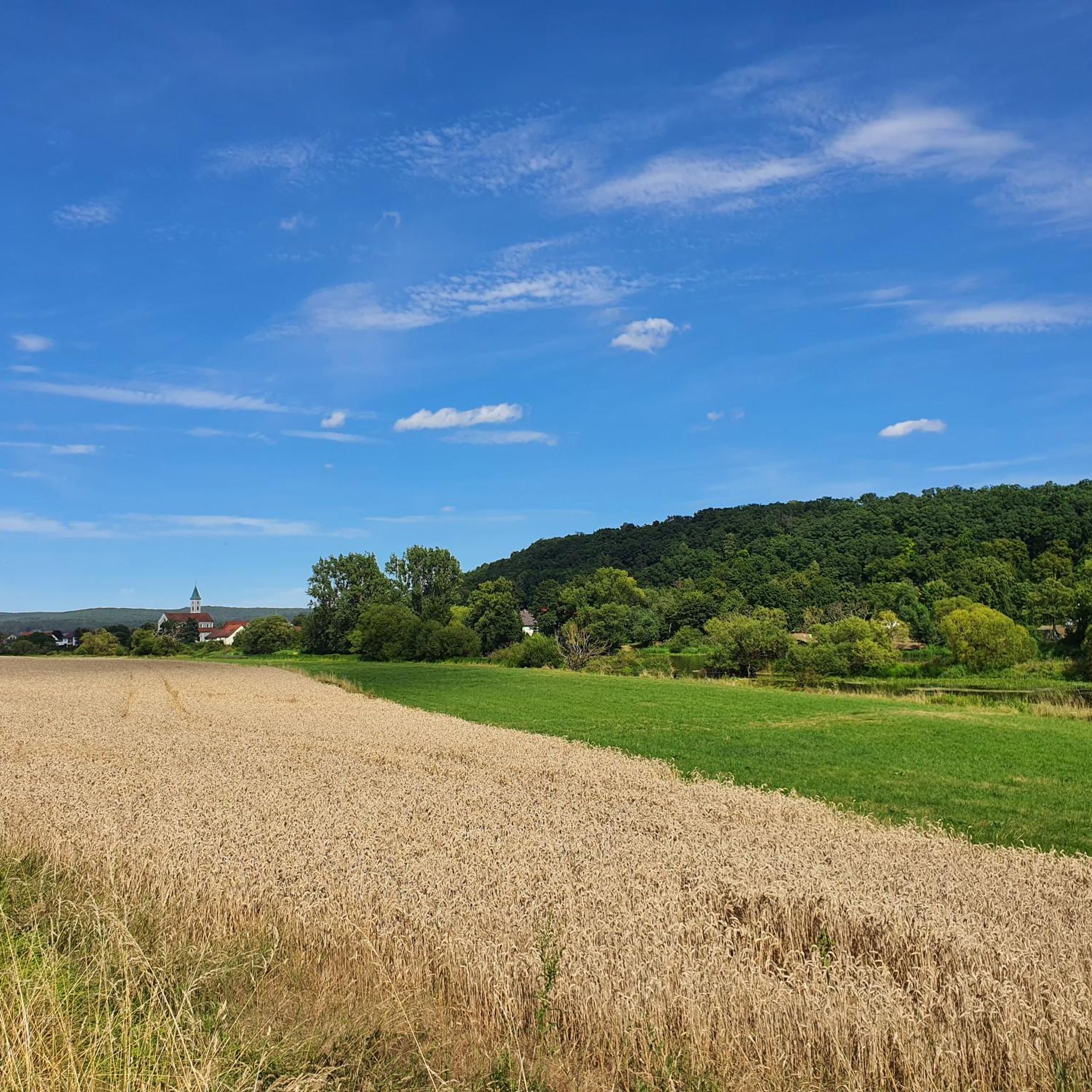
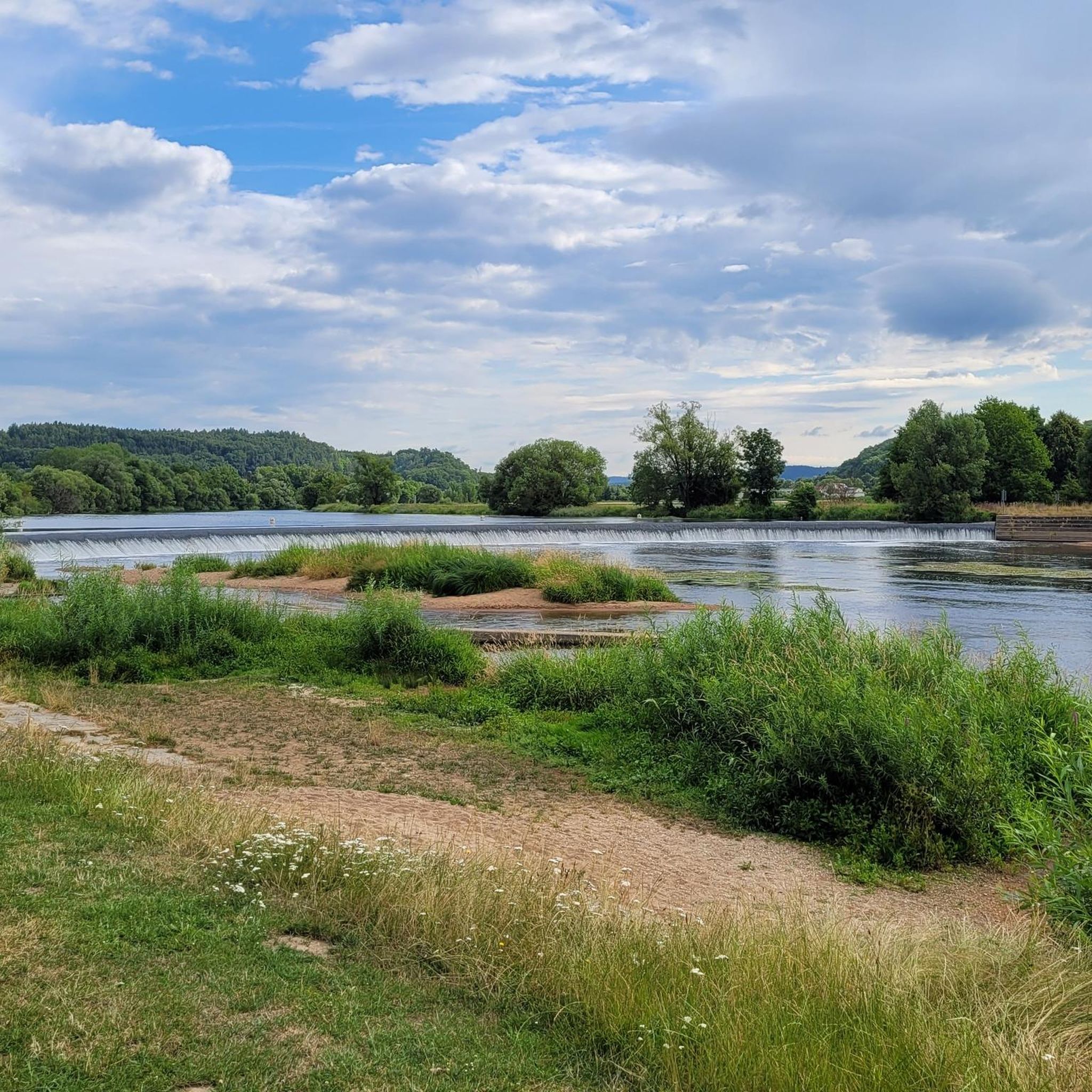
Beautiful view back over the Vils
3
0
Rock formations are now majestically visible in March. They soon disappear into the sea of leaves and are then almost invisible again—unfortunately!
4
0

The "house without a roof", as it is officially called, is a cave dwelling that is still in use in the Upper Palatinate town of Kallmünz. The cave dwelling is located north of the Vils at the southern end of the Schlossberg, on which the Kallmünz castle ruins stand. The entrance is set back from Vilsgasse at the foot of a 20-meter-high limestone wall of the Schlossberg, and access leads between the listed residential buildings at Vilsgasse 26 and Vilsgasse 28. The house consists of a natural cave in the dolomite rock, the opening of which is closed off by a plastered wall with a door and windows. Inside there is a hallway, a living room, two storage rooms fitted into rock niches and a historic smokehouse. The oldest known mention of the cave dwelling can be found in a document kept in the land registry archive in Amberg with the year 1707. In the 19th century it was also known as the "house under the rock". In 1908 it was sold to the owner of the blacksmith's shop across the street, and it remains in his family's possession. The last permanent resident left the house in 1937 because he had developed rheumatism due to the damp cave air.
6
0

Beautiful rock chapel. An absolute dream.
7
0
The "Chapel in the Rock" is a hidden gem on the banks of the Danube, set directly into the limestone of a rock face. The small grotto chapel dates back to the 18th century and impresses with its simple architecture with gable, figure niches and the unique location in the middle of the striking Jurassic rocks. Embedded in the nature reserve of the Mattinger slopes, which boasts steep slopes, dry grasslands and rare flora, the chapel blends harmoniously into the surrounding landscape. The grotto chapel is worth a stop, very interesting. It is located directly on the Danube cycle path and is valued by many cyclists as a special resting place - a place of silence and contemplation, which combines nature, culture and spirituality in an impressive way. The chapel in the rock is worth a stop, very interesting.
7
0
The "House Without a Roof," as it is officially known, is a still-used cave dwelling in the Upper Palatinate market town of Kallmünz. The cave is located north of the Vils River at the southern end of the Schlossberg (Castle Hill), upon which the Kallmünz Castle ruins stand. The entrance is set back from Vilsgasse (Vils Lane) at the foot of an approximately 20-meter-high limestone cliff of the Schlossberg, and access is via a passage between the listed residential buildings at Vilsgasse 26 and Vilsgasse 28. The house consists of a natural cave in the dolomite rock, the opening of which is closed off by a plastered wall with a door and windows. Inside, there is a hallway, a living room, two storage rooms fitted into rock niches, and a historic smokehouse. The oldest known mention of the cave dwelling is found in a document dated 1707, preserved in the land registry archive in Amberg. In the 19th century, it was also referred to as the "House Under the Rock." In 1908, it was sold to the owner of the blacksmith's shop located across the road, and it remains in his family's possession. The last permanent resident left the house in 1937 because he developed rheumatism due to the damp cave air.
17
0

I liked it a lot.
7
1
Frequently Asked Questions
What are the most popular caves to visit near Lappersdorf?
The most popular caves and cave-like formations near Lappersdorf include the Robber's Cave, known for its large hall and historical significance, and the unique House without a Roof (Kallmünz), a still-used cave dwelling. Visitors also appreciate the Schutzfels Pentling, a significant geotope.
Are there any family-friendly caves or activities near Lappersdorf?
Yes, the Robber's Cave is a popular spot for parents and children, offering an accessible and engaging exploration experience. A flashlight is recommended for the best adventure. The picturesque village of Kallmünz, home to the House without a Roof, also offers a broader historical and cultural visit suitable for families.
What historical insights can I gain from visiting the caves in the region?
The caves near Lappersdorf offer a glimpse into both natural and human history. The Robber's Cave was likely used by Celts and later served as a refuge and a strategic point for raids. The House without a Roof (Kallmünz) is a unique historical cave dwelling dating back to at least 1707, showcasing how people adapted to the natural landscape. Additionally, the Grotto Chapel in the Rock (Mattinger Hänge) is an 18th-century religious site carved into stone.
What natural features can I expect to see in the caves around Lappersdorf?
The caves showcase diverse natural formations. The Robber's Cave features stalactites and rock cuts within its large hall, formed by water dissolving limestone during the Jurassic period. The Schutzfels Pentling is a valuable geotope, displaying some of Bavaria's oldest Cretaceous sediments and offering insights into the region's geological formation.
Are there any hidden or less-known caves worth exploring?
Beyond the well-known sites, the Hiasl Cave (Hiaslhöhle) is a less-known spot situated in the middle of a forest, about a 15-minute walk from the Landgasthof Friesenmühle. It gained its name from a hermit who reportedly lived there for 24 years. It can be quite overgrown, so finding it might require some exploration.
What is the best time to visit the caves near Lappersdorf?
Many caves, like the Robber's Cave, are publicly accessible year-round. For sites like the Vils Riverside Trail and Rock Formations, rock formations are particularly visible in early spring before foliage becomes dense. If visiting caves that are home to bats, such as the Robber's Cave, it's best to be quiet to avoid disturbing them, especially during sensitive periods.
What outdoor activities can I do near the caves?
The region around Lappersdorf offers various outdoor activities. You can explore gravel biking routes like those found in the Gravel biking around Lappersdorf guide, or tackle mountain biking trails detailed in the MTB Trails around Lappersdorf guide. For runners, the Running Trails around Lappersdorf guide provides options for exploring the natural landscape.
Are there hiking trails that include cave exploration?
Yes, the Vils Riverside Trail and Rock Formations includes a small cave on the slope as part of its route. The Robber's Cave is also easily accessible via a short detour from a forest path, making it a great addition to a hike.
What should I bring when visiting the caves?
For exploring caves like the Robber's Cave, a flashlight is highly recommended to fully appreciate the interior features. Comfortable shoes are advisable for walking on uneven terrain, and if you plan to visit the Hiasl Cave, be prepared for potentially overgrown paths.
Is there public transport available to reach the caves?
While specific public transport routes directly to each cave entrance are not detailed, the caves are generally located in the Landkreis Regensburg area, accessible from Lappersdorf. Planning your visit by checking local bus schedules or considering a combination of public transport and walking/cycling would be advisable.
What makes the Schutzfels Pentling significant?
The Schutzfels Pentling is a valuable geotope and a large protective rock cave, or half-cave, measuring 13 meters wide. It is also known as 'Hoppefelsen' and is part of one of Bavaria's oldest nature reserves. Geologically, it's significant for showcasing the oldest Cretaceous sediments in the area, offering insights into the region's formation during the Jurassic and Cretaceous periods.
Most popular routes around Lappersdorf
Most popular attractions around Lappersdorf

Get inspired with the komoot mobile app


Explore more
Extend your search for the best caves by checking out these guides of the top ones around Lappersdorf:
