Top 7 Caves around Buckenhof
Best caves around Buckenhof are primarily found in the surrounding Franconian Switzerland region, known for its karst landscape and numerous underground formations. While Buckenhof itself does not host major caves, the nearby areas offer accessible natural features. The region's geology contributes to a variety of cave types, including natural rock shelters and historical cellars. These sites provide insight into both natural geological processes and historical human use of underground spaces.
Best caves around Buckenhof
- The most popular caves is Bat…
Last updated: July 10, 2026
Bat cellar on Bierweg
Highlight • Cave
Translated by Google •
Tip by

Blueberry Cave
Highlight • Cave
Translated by Google •
Tip by

Sign up now to discover places like this
Get recommendations on the best single tracks, peaks, & plenty of other exciting outdoor places.
Sign up for free
Jungferla Keller
Highlight • Cave
Translated by Google •
Tip by

Felsenkeller Ice Cellar Neunkirchen am Brand
Highlight • Structure
Translated by Google •
Tip by

Neischl Cave
Highlight • Cave
Translated by Google •
Tip by

Sign up for free to discover even more caves around Buckenhof.
Sign up for free
Already have an account?
Start today with a free account
Your next adventure awaits.
Login or Signup
Other adventures around Buckenhof

Tips from the Community

The "Jungferla Spring" originates in this 85-meter-long, multi-branched sandstone cellar. In the 1960s, the entrance to the sandstone cellar was bricked up and overgrown for safety reasons. It was thus no longer visible, but it wasn't entirely forgotten by the residents of Baiersdorf. In 2006, the water in the renovated Jungferla Fountain dried up shortly before its inauguration. This prompted the decision to search for the spring's source in the buried sandstone cellar. After extensive excavation, the former cellar entrance was found bricked up. On December 5, 2006, the cellar was entered again for the first time. Its condition was so good that the local history society, with the support of sponsors and local businesses, renovated and restored it, redesigning the entrance area. On May 25, 2008, the cellar was reopened to the public with the first "Jungferla Cellar Festival." Due to popular demand, a "cellar festival" is now held every year on Ascension Day. Sandstone or rock cellars have a long tradition in Franconia. They were used primarily for storing beer, wine, and agricultural products. Without additional cooling, the cellars maintain a constant temperature of around 8°C year-round. Because beer was stored in the cellars, a tavern was often built nearby, usually above or in front of them – which is why even today in Franconia people still go "to the cellar" rather than to a beer garden. The cellars consist of passages of varying lengths and sizes, hewn into hillsides. The cellar is closed off with a gate. {Source: Information panel on site]
0
0

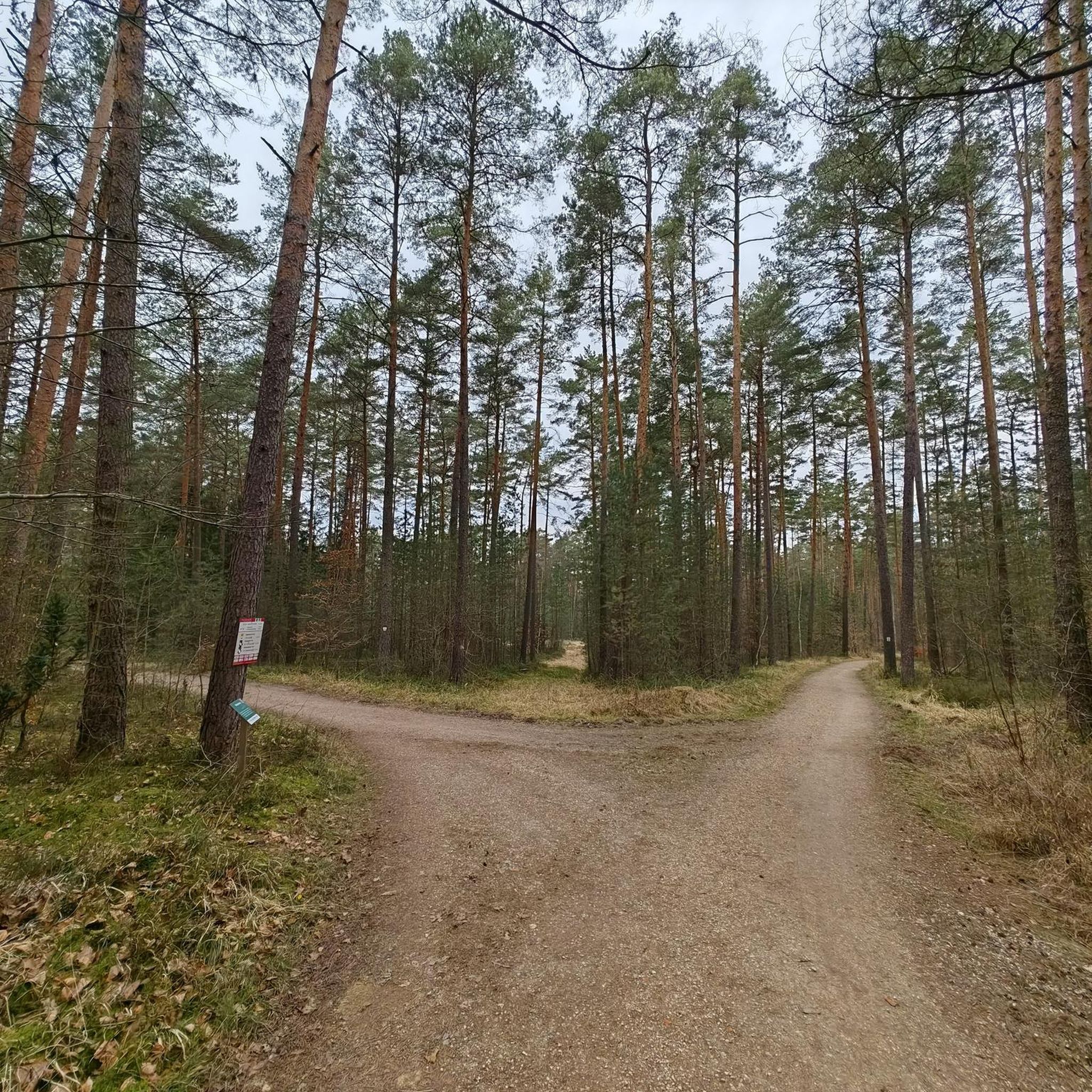
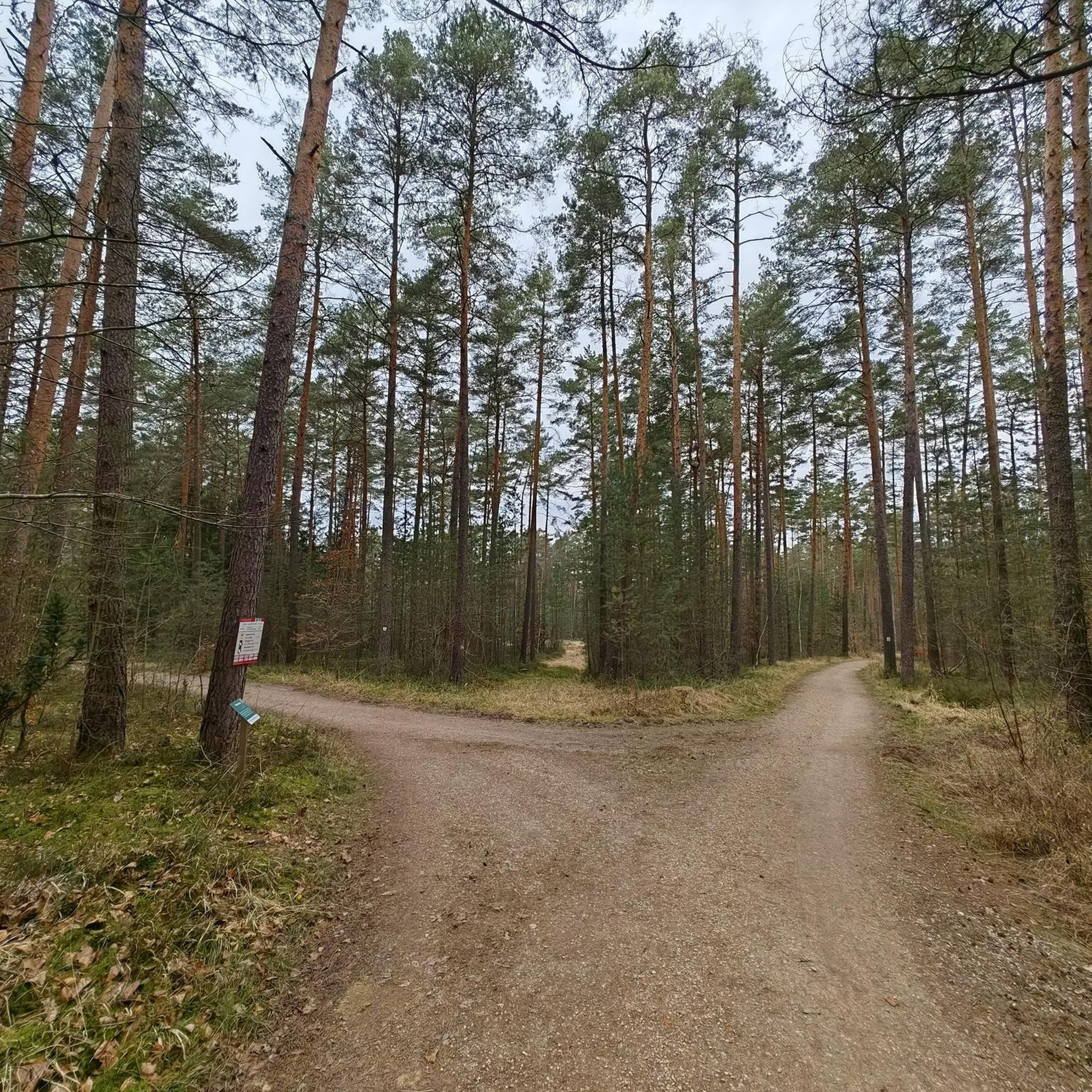
This path is actually called “Beer Path”.
0
0

Unfortunately always closed, but by chance we had a short opportunity to look inside
3
0

Unfortunately, it's almost NEVER open, even when it's opening time!
4
0
Interesting sandstone formations, small cave
1
0
The map says Blueberry Cave! Consists of sandstone.
0
0

This is a very nice section of the Aurach Valley Cycle Path. Below the A3 bridge there is an old cellar that is closed with a grate and a sign indicating bats. The sacristan from Frauenraurach told me that the Nazis stored wine in the cellar and that the barrels were smashed by the Americans when the US army invaded. The population is said to have run to the cellar with all available scoops to collect the remains.
0
0

Frequently Asked Questions
Where can I find caves near Buckenhof?
While Buckenhof itself doesn't host major caves, the surrounding Franconian Switzerland region is renowned for its numerous underground formations. You'll find a variety of caves, from natural rock shelters to historical cellars, within easy reach. For example, the Bat cellar on Bierweg and Blueberry Cave are popular spots in the vicinity.
Are there any easily accessible caves for casual visitors?
Yes, the Oswaldhöhle near Muggendorf in Franconian Switzerland is particularly accessible. It's a spacious, relatively short through-cave with an almost horizontal floor, making it easy to navigate without special caving equipment. Its central location and ease of access make it a popular choice for visitors.
What types of caves can I explore in the region?
The area offers a diverse range of underground spaces. You can find natural cave formations like the Blueberry Cave with its interesting sandstone formations, historical sites such as the Bat cellar on Bierweg (a former wine cellar), and even unique replicas like the Neischl Cave, which features reproduced stalactites and sinter formations.
Are there any caves with historical significance?
Absolutely. The Bat cellar on Bierweg is a former wine cellar with a rich history, now serving as a bat habitat. Another example is the Felsenkeller Ice Cellar Neunkirchen am Brand, which was historically used to store ice and keep food fresh before modern refrigeration.
Can I visit caves that are important for wildlife?
Yes, the Bat cellar on Bierweg is a significant sleeping place for bats. Access to this particular site is restricted to protect these endangered animals, highlighting its importance for local wildlife.
What is the best time of year to visit caves in Franconian Switzerland?
Caves can be visited year-round. However, the Oswaldhöhle near Muggendorf offers a unique experience in winter, transforming into an ice cave with numerous ice stalagmites due to cold convection currents. This seasonal feature makes it particularly interesting during colder months.
Are there family-friendly cave options?
Many of the caves in Franconian Switzerland, including the easily navigable Oswaldhöhle, are suitable for families. The Blueberry Cave, with its interesting sandstone formations, can also be an engaging visit for children. Always check specific access details for each location.
What outdoor activities can I combine with a cave visit near Buckenhof?
The region around Buckenhof offers excellent opportunities for outdoor activities. You can find numerous hiking trails, such as those mentioned in the Hiking around Buckenhof guide, including routes like 'Panoramic splendour on the Marloffsteiner Höhe'. There are also options for Road Cycling and Gravel Biking to explore the scenic landscape.
What should I wear when exploring caves in the area?
Even in summer, cave interiors maintain a cool temperature, so it's advisable to wear layers. Sturdy, closed-toe shoes with good grip are essential for navigating uneven terrain. While some caves like Oswaldhöhle don't strictly require a torch, bringing one can enhance your experience and visibility.
Are there any caves that are replicas or man-made?
Yes, the Neischl Cave is a notable example. It's a replica of a dolomite stalactite cave, approximately 25 meters long, featuring astonishingly natural-looking hanging stalactites and standing sinter formations, reproduced with great detail.
What is the Jungferla Keller?
The Jungferla Keller is another historical cellar in the region. According to local legend, its name comes from three virgins who would visit the city from the forest. It's also known for hosting a basement festival on Ascension Day, organized by the Baiersdorf local history association.
Are there any caves that are currently closed or have restricted access?
Yes, the Bat cellar on Bierweg has its access blocked to protect the endangered bats that use it as a sleeping place. Always check local signage and information for specific access restrictions before planning your visit to any cave.
Most popular routes around Buckenhof
Most popular attractions around Buckenhof

Get inspired with the komoot mobile app


Explore more
Extend your search for the best caves by checking out these guides of the top ones around Buckenhof:
