Top 20 Caves around Naila
Best caves around Naila are found in the surrounding region of Upper Franconia, particularly Franconian Switzerland, which is known for its numerous cave systems. Naila is situated in Upper Franconia, making these regional caves accessible. The area features a variety of geological formations, including karst caves and historical mine tunnels. This natural landscape provides diverse opportunities for exploration.
Best caves around Naila
- The most popular caves is Quarkloch Cave, a cave with a legendary past. The entrance is visible,…
Last updated: July 10, 2026
Wenzel Cave
Highlight • Cave
Translated by Google •
Tip by

Quarkloch Cave
Highlight • Cave
Translated by Google •
Tip by

Sign up now to discover places like this
Get recommendations on the best single tracks, peaks, & plenty of other exciting outdoor places.
Sign up for free
Blauer Löw Mine Entrance
Highlight • Cave
Translated by Google •
Tip by

Dürrenwaid Drinks Cave
Highlight • Cave
Translated by Google •
Tip by

Güldenstein — Former settlement and rock cellar
Highlight • Historical Site
Translated by Google •
Tip by
Sign up for free to discover even more caves around Naila.
Sign up for free
Already have an account?
Start today with a free account
Your next adventure awaits.
Login or Signup


Tips from the Community

What a great idea with the cash register! The drinks are wonderfully chilled. I was happy to take advantage of the offer. You can leave a message on the slate stones!🤩
0
0

The first inhabitants of the Güldenstein estate were probably forestry assistants or woodcutters. Bird trapping was also a lucrative sideline. The Güldenstein bird herd was located above the hillside on a flat area. Only the owners of the estate had the right to trap all types of finches, larks, tits, blackbirds, and thrushes. Selling them was not a problem, as the songbirds were considered a delicacy in the city. Bird trapping was not banned until the end of the 19th century. However, the most important means of survival in this remote area was always agriculture. In 1930, Güldenstein was abandoned by its last inhabitants.
18
0

Amazingly, it is not locked and can be entered - provided you have a lamp with you. After just a few steps it is pitch black and you can already hear the water at the end.
0
0
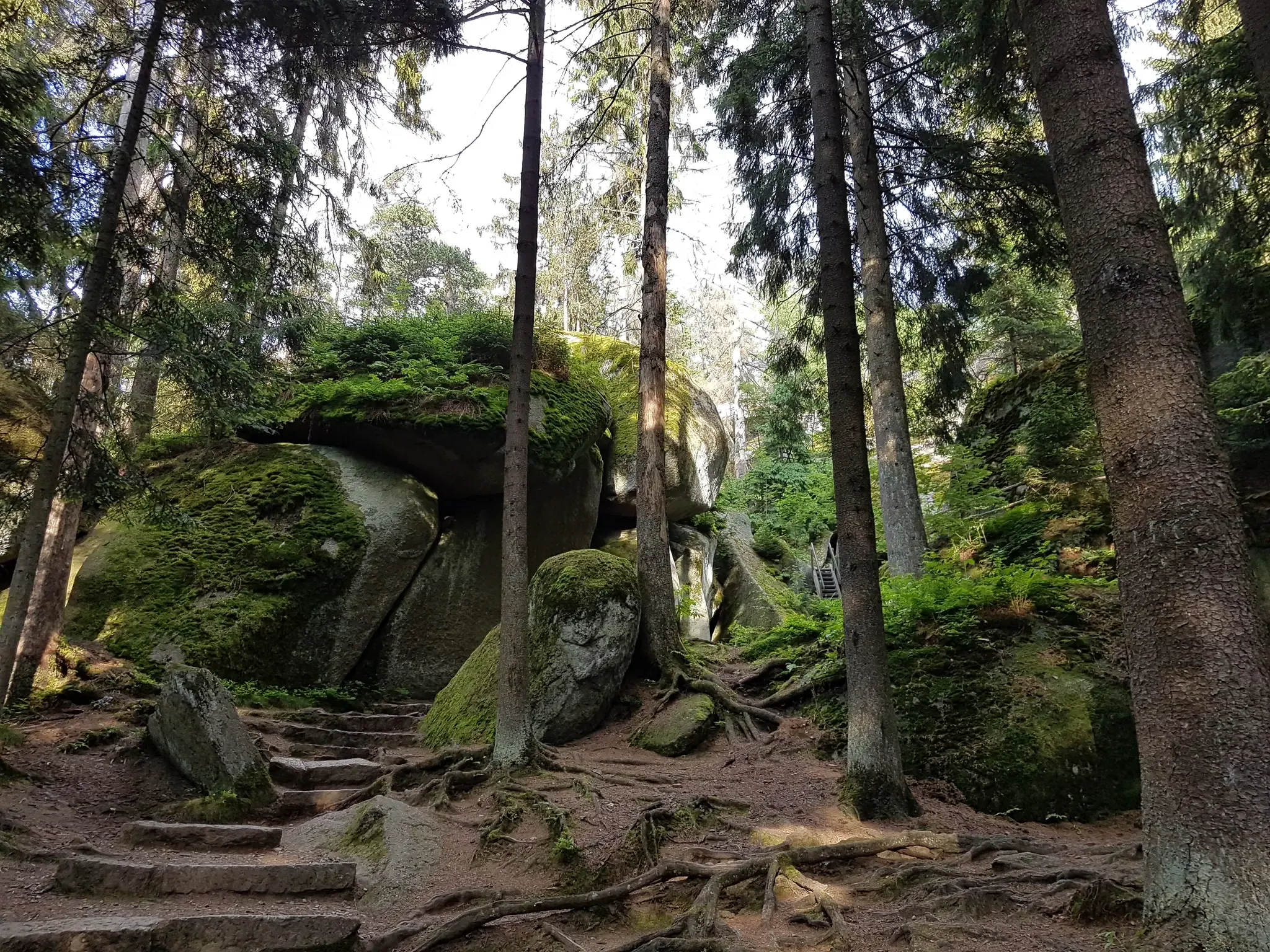
According to legend, the Querkela lived in the Quarkloch. To this day, it is not clear whether the Quarkloch is a crevice in the rock or the beginning of a mining tunnel. The entrance is still clearly visible, but after five meters the cave is blocked by rubble and earth. There have been repeated attempts to uncover the cave, but this has not happened to date. The Quarkloch has managed to preserve its mystical existence.
16
1

The quark hole is located vertically above the information board. The path zigzags upwards. The 50 m sign has fallen off at the bend. Go left there.
1
1
The Quarklock is vertically above the information board. The path zigzags upwards. The 50 m sign has fallen off at the bend. Go left there.
1
1

One of the most beautiful places I discovered on my tour.
1
0

desertification. The house was razed to the ground, the rock cellar that served as a water source for the residents still exists and is secured with a railing.
5
0
Frequently Asked Questions
What are some notable caves directly around Naila?
Around Naila, you can explore several interesting sites. The Quarkloch Cave is known for its legendary past, though its entrance is blocked after a few meters. The Blauer Löw Mine Entrance is an 18th-century ore mine tunnel where visitors can walk about 25 meters into the gallery. Another site is Wenzel Cave, a chasm associated with local legends.
Which larger show caves are accessible from the Naila region?
While Naila itself is in Upper Franconia, the broader region, especially Franconian Switzerland, is home to impressive show caves. The Teufelshöhle (Devil's Cave) near Pottenstein is one of Germany's largest and most beautiful show caves, known for its rich stalactite decorations. The König-Otto-Tropfsteinhöhle (King Otto Dripstone Cave) is another stunning example with diverse dripstone formations. Near Rabenstein, the Sophienhöhle (Sophie's Cave) offers colorful stalactites and prehistoric finds.
Are there family-friendly caves to visit near Naila?
Yes, some caves in the wider region offer family-friendly experiences. The Quarkloch Cave is listed as family-friendly, with an information board and easier access. For a broader experience, many show caves in Franconian Switzerland are designed for visitors of all ages, providing guided tours through well-lit paths.
Do any caves near Naila have historical or archaeological significance?
Yes, several sites have historical importance. The Blauer Löw Mine Entrance is an 18th-century ore mine tunnel, offering a glimpse into the region's mining history. The Wenzel Cave is linked to local legends, including a king seeking refuge. Further afield, the Sophienhöhle near Rabenstein has yielded prehistoric pottery, indicating its use by early humans, and the Großes Schulerloch was a dwelling for Neanderthals during the Stone Age.
What kind of geological features can I expect to see in the caves around Naila?
The caves in the region, particularly in Franconian Switzerland, are primarily karst caves. This means you can expect to see impressive dripstone formations like stalactites, stalagmites, and stalagnates. Caves like Teufelshöhle and König-Otto-Tropfsteinhöhle are renowned for their intricate and ancient formations. Some caves, like Osterhöhle, also feature cave lakes and sinter basins, while Großes Schulerloch has a unique 'water pot' stalagmite.
Are there any caves near Naila that are important for wildlife?
Yes, some caves serve as important habitats. The Osterhöhle in the Upper Palatinate Jura, for example, is a known winter habitat for bats from November to March. Many natural caves in the region provide shelter for various species, especially during colder months.
What outdoor activities can I do near these caves?
The area around Naila offers various outdoor activities. You can find numerous hiking trails, such as those in the Höllental Nature Trail, which can lead you past sites like the Blauer Löw Mine Entrance. For more options, explore the Hiking around Naila guide, the Running Trails around Naila guide, or the Road Cycling Routes around Naila guide for routes that often pass through scenic areas and natural attractions.
What should I wear when visiting caves in the Naila area?
Even on warm days, cave interiors maintain a cool, constant temperature, typically around 8-10°C (46-50°F). It's advisable to wear layers, including a warm jacket or sweater. Comfortable, sturdy shoes with good grip are essential, as paths can be damp or uneven. If exploring undeveloped caves, a headlamp or flashlight is crucial.
Are there any accessible caves for visitors with mobility concerns near Naila?
While specific accessibility details for all regional caves vary, many of the larger, commercially operated show caves in Franconian Switzerland are designed with visitor comfort in mind, often featuring paved paths and lighting. It is recommended to check the individual cave's official website for detailed accessibility information before planning your visit.
What is the best time of year to visit caves around Naila?
Caves maintain a relatively constant temperature year-round, making them a good destination in any season. However, some natural caves, like the Osterhöhle, may have restricted access during winter months (November to March) to protect hibernating bats. Show caves typically operate on seasonal schedules, so it's best to check their opening hours, especially outside of peak summer months.
What do visitors enjoy most about the caves around Naila?
Visitors appreciate the diverse experiences offered by the caves. Many are fascinated by the legends surrounding sites like Quarkloch Cave and Wenzel Cave. The historical aspect of the Blauer Löw Mine Entrance is also a highlight. The broader region's show caves are praised for their stunning geological formations and the awe-inspiring journey through ancient underground chambers.
Are there any 'hidden' or less-known caves worth exploring in the Naila region?
Beyond the more prominent sites, the Dwarves' Cave in Naila is a smaller, less-known tunnel entrance with local legends of dwarves. While not a large show cave, it offers a unique, more intimate experience of the region's underground features and folklore. The Güldenstein rock cellar also provides a glimpse into historical human use of natural rock formations.
Most popular routes around Naila
Most popular attractions around Naila

Get inspired with the komoot mobile app


Explore more
Extend your search for the best caves by checking out these guides of the top ones around Naila:
