Top 7 Caves around Steinbach am Wald
Caves around Steinbach am Wald are found within the Frankenwald (Franconian Forest), a region known for its natural landscapes and extensive hiking opportunities. While specific show caves are not prominent in the immediate vicinity, the area features a variety of unique underground sites. These include historical mining operations and natural formations, offering insights into both geological processes and human activity. The broader Bavarian region provides access to well-developed dripstone caves for those willing to travel further.
Best caves around Steinbach…
Last updated: June 27, 2026
Cella Antiqua Baptism Site
Highlight • Religious Site
Translated by Google •
Tip by

Rentschenbruch Slate Quarry
Highlight • Cave
Translated by Google •
Tip by

Sign up now to discover places like this
Get recommendations on the best single tracks, peaks, & plenty of other exciting outdoor places.
Sign up for free
Old Slate Mine Entrance
Highlight • Cave
Translated by Google •
Tip by

Bergloch Nordhalben
Highlight • Cave
Translated by Google •
Tip by

Lehesten Cave with Pond
Highlight • Cave
Translated by Google •
Tip by

Sign up for free to discover even more caves around Steinbach am Wald.
Sign up for free
Already have an account?
Start today with a free account
Your next adventure awaits.
Login or Signup
Popular around Steinbach am Wald
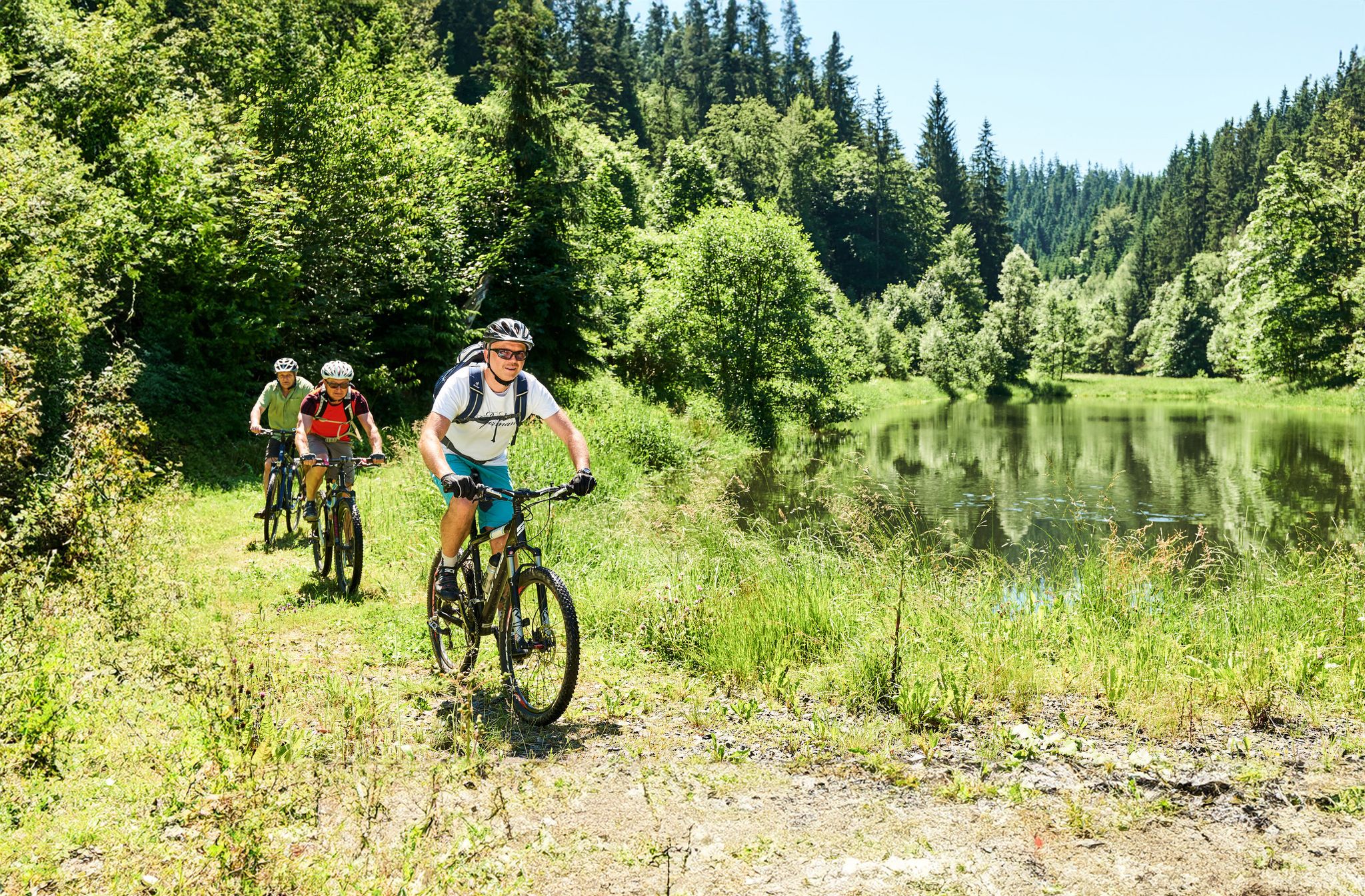
Magical woodland & trails – cycling in Germany’s Franconian Forest
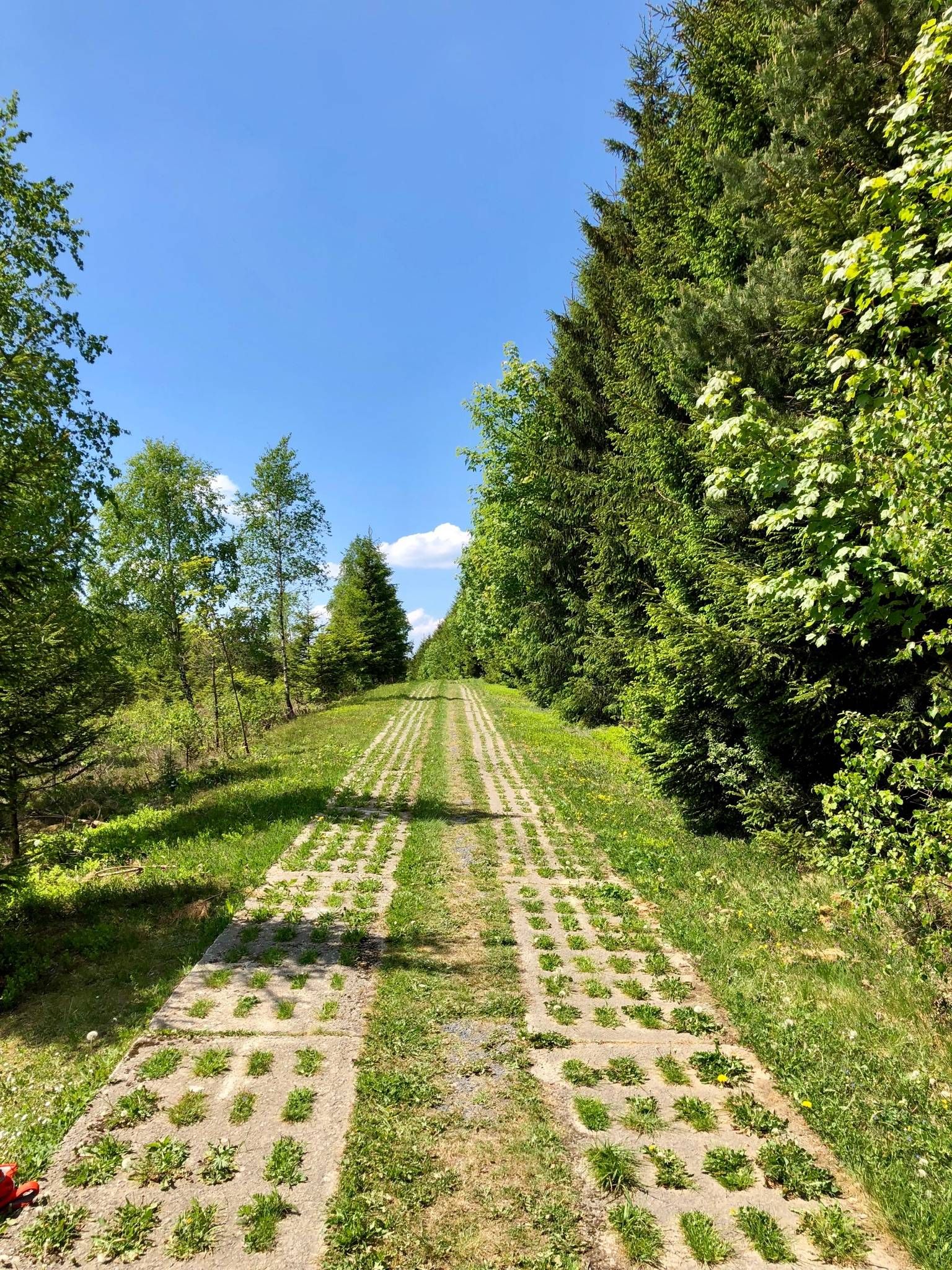
Experience history – day Tours at the Green Belt in Thuringia
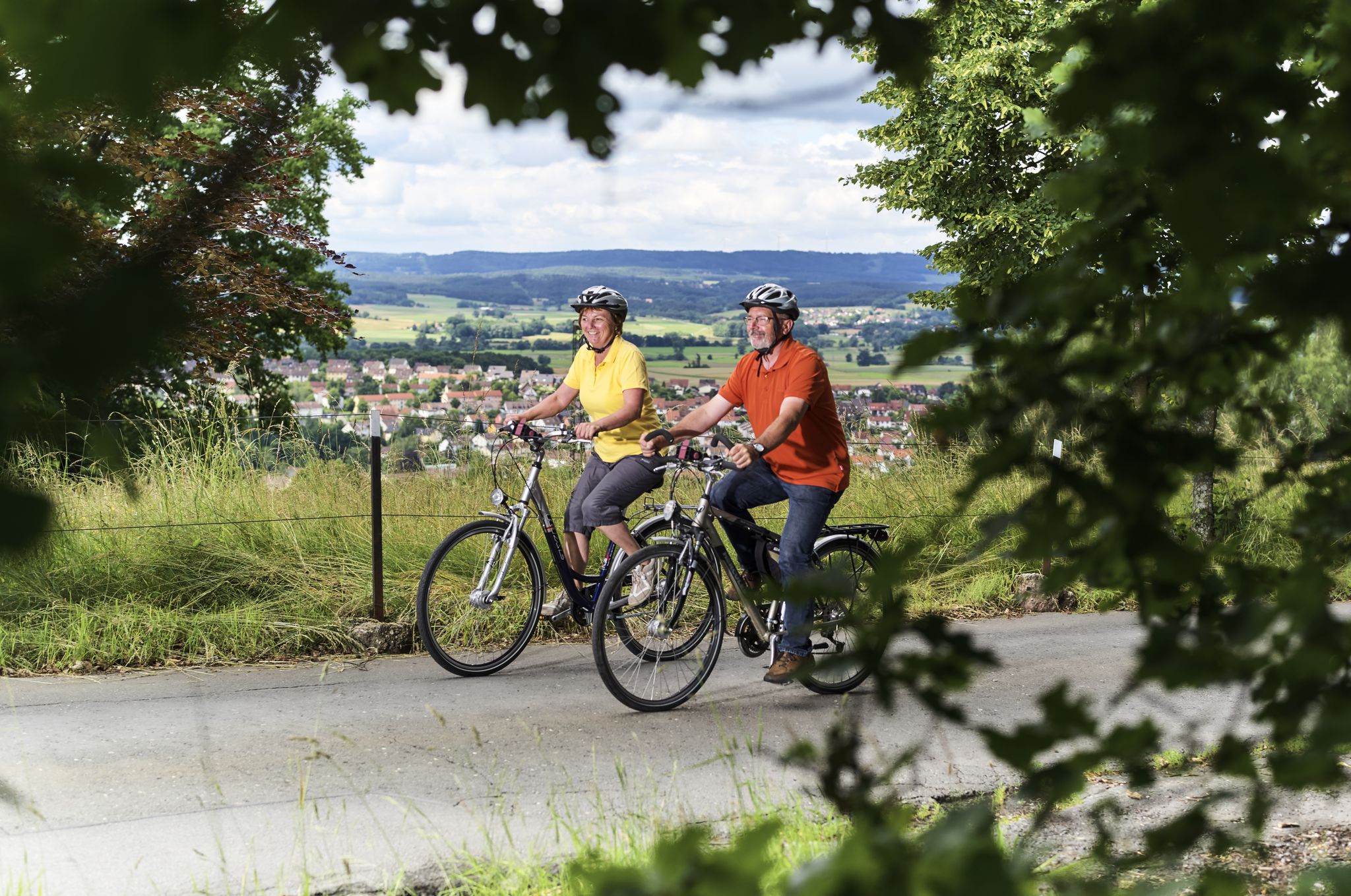
Unsere schönsten Radtouren im Frankenwald
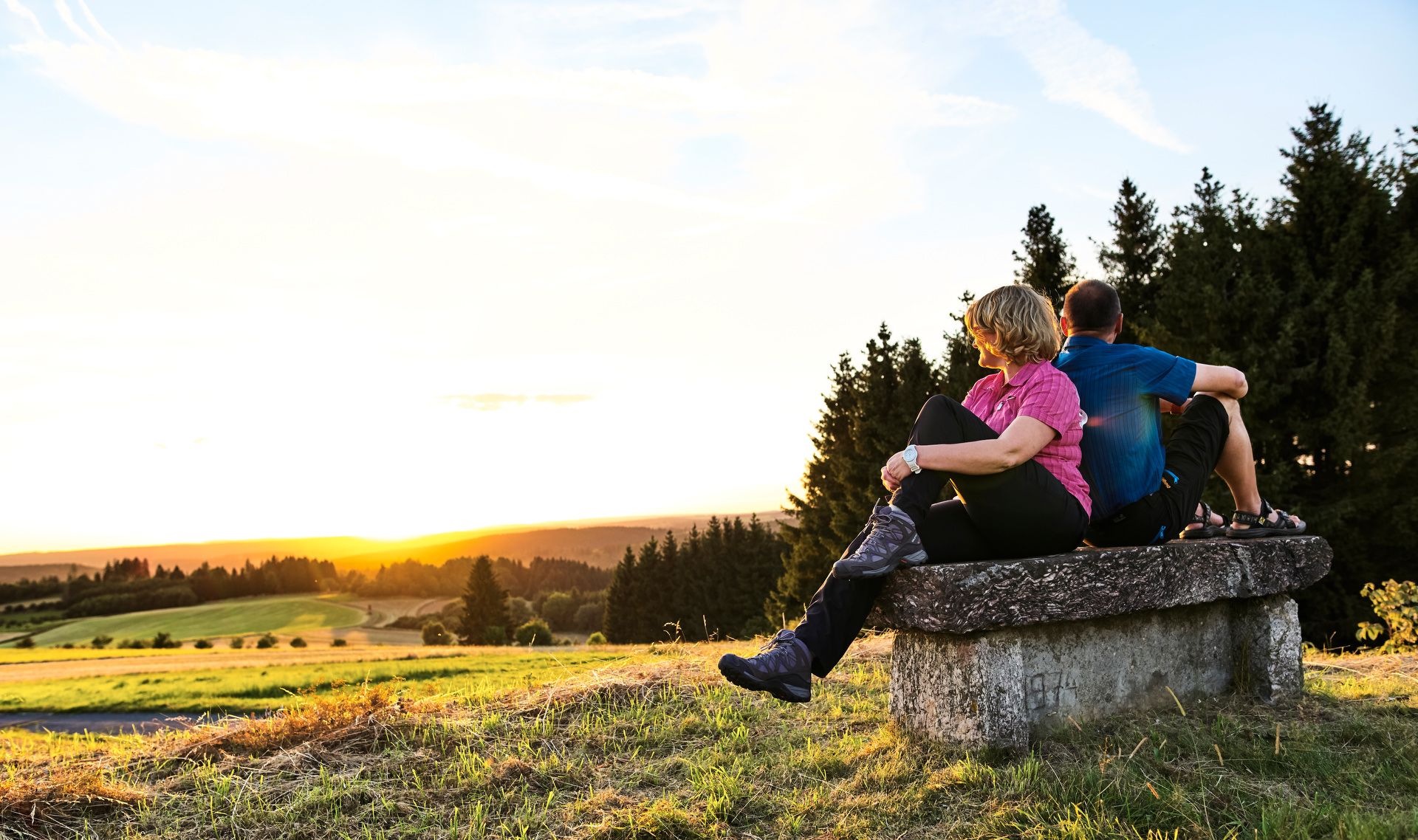
Unsere FrankenwaldSteigla
Hiking around Steinbach am Wald
Cycling around Steinbach am Wald
MTB Trails around Steinbach am Wald
Road Cycling Routes around Steinbach am Wald
Running Trails around Steinbach am Wald
Gravel biking around Steinbach am Wald
Other adventures around Steinbach am Wald


Tips from the Community

The first hall can also be viewed from the second opening and the first hall (back right). I don't dare go to the front because of my fear of heights. There's supposed to be a lake/waterfall at the bottom.
3
0
You don't have to crawl over the elevation. After that, things get spectacular. There are several large halls. Unfortunately, they're empty. Be careful, the first one drops at least 10 meters.
4
0
Unfortunately, there was water here today. Without rubber boots, no chance.
7
0
Back again today and walked all the way to the end. There are still rails at the end. Very interesting area.
4
0

After the German armaments factories in Peenemünde on Usedom were severely damaged by the British Operation Hydra, the Nazi government decided to relocate war-critical factories underground. The factories found space primarily in old mines, railway tunnels, or newly constructed galleries. The Rentschen quarry, which had been used for slate mining and closed in 1925, was also designated for the "underground relocation." It was codenamed "Rutte." The Chemnitz-based company Reinecker was supposed to produce armaments on a 3,000-square-meter site. But this never happened. Reinecker found a home in another nearby slate mine. In total, around two dozen underground relocations were occupied or at least planned around Probstzella.
18
0

In the Rentschenbruch near Probstzella, the underground relocation for armaments production was approved under object number 1074, codenamed "Rutte." The Rentschenbruch underground mine had been idle since 1925. A production area of 3,000 square meters was planned for the expansion into an underground armaments factory. A fish name was chosen as the codename, fitting for a mine. The "Rutte" is a critically endangered bony fish from the burbot family and is also called "Trusche" in southern Germany. The Rutte only occurs in freshwater; other names include "Ruppe" or "Aalrutte." But that's just a side note. Originally, the Reinecker company from Chemnitz was supposed to move into the Rentschenbruch slate mine near Probstzella. However, this never happened, so Reinecker was ultimately housed in a bomb-proof slate mine (codenamed Rotfeder) nearby. At times, the Rentschenbruch was also closed for storage purposes by the Wehrmacht. The Geilenberg staff was also interested in the underground cavities of this slate mine. Source: http://www.stollenhausen.de/u-verlagerung-rutte/mobile/
2
0

This baptismal chapel was probably built in the 9th century and is therefore probably the oldest permanent work created by human hands in the Sonneberg area. It was carved into the red sandstone by monks, with a Latin cross protruding from the visible wall. Today it is located under the house and can only be visited by appointment.
11
0
Frequently Asked Questions
What types of caves can I explore directly around Steinbach am Wald?
Around Steinbach am Wald, you'll find a mix of historical mining operations and natural formations. These include sites like the Old Slate Mine Entrance, which allows a glimpse into an old slate tunnel, and Lehesten Cave with Pond, a natural cave featuring a small pond at its entrance. There's also the unique Cella Antiqua Baptism Site, a religious building carved into red sandstone.
Are there any significant show caves in the broader Bavarian region that are worth visiting?
While there are no prominent show caves directly in Steinbach am Wald, the broader Bavarian region offers several impressive options. These include the Teufelshöhle (Devil's Cave) near Pottenstein, known for its large halls and ancient stalactites, and the Sophienhöhle (Sophie's Cave) near Rabenstein, which boasts fantastic stalactites in various colors. Another notable option is the Binghöhle (Bing Cave) near Streitberg, which follows the path of a former river 60 meters below ground.
What historical insights can I gain from the caves near Steinbach am Wald?
The region offers several sites with historical significance. The Cella Antiqua Baptism Site is a religious building carved into red sandstone, possibly dating back to the 9th century, making it potentially the oldest permanent human-made work in the Sonneberg area. Additionally, the Rentschenbruch Slate Quarry has a history tied to World War II, as it was designated for underground armaments production, though this never fully materialized.
Are there any caves around Steinbach am Wald that are suitable for families?
The caves directly around Steinbach am Wald, such as the Old Slate Mine Entrance and Lehesten Cave with Pond, offer unique experiences. For younger visitors, the historical and natural aspects can be engaging, though some sites may require good lamps and appropriate footwear. For more developed, family-friendly show caves, consider those further afield in Franconian Switzerland like Teufelshöhle, which are well-prepared for visitors.
What natural features can I expect to see in the caves near Steinbach am Wald?
You can encounter diverse natural features. For instance, Lehesten Cave with Pond features a small pond at its entrance, offering a glimpse into a partially submerged natural formation. The broader Bavarian caves, like Teufelshöhle and Sophienhöhle, are renowned for their impressive stalactites, stalagmites, and unique rock formations.
What outdoor activities can I combine with a visit to the caves around Steinbach am Wald?
The Frankenwald region, where Steinbach am Wald is located, is known for its extensive hiking and cycling opportunities. You can find numerous MTB Trails, Cycling routes, and Running Trails nearby. For example, there are moderate to difficult MTB routes like the Ölschnitzsee – North Trail loop, or cycling tours such as 'Vom Rennsteig nach Kronach'.
Are there any specific recommendations for exploring the local caves?
When exploring sites like the Old Slate Mine Entrance, it's recommended to bring good lamps and wear appropriate shoes, as some areas might be wet or challenging. For the Lehesten Cave with Pond, be aware that it can be mostly underwater, making deeper exploration difficult without specialized gear.
What is the 'Bergloch Nordhalben' and what makes it interesting?
Bergloch Nordhalben is the largest of several 'mountain holes' in the area, likely created in the Middle Ages. While their original purpose (searching for rock or ore, or storage cellars) is debated, local legends suggest they might be entrances to the cave system of the Schrözlein, mythical dwarfs said to have lived in the Franconian Forest.
What are the best times to visit the caves in the broader Bavarian region?
Most developed show caves in Bavaria, such as Teufelshöhle, Sophienhöhle, and Binghöhle, are typically open during the warmer months, from spring to autumn. It's advisable to check their specific opening hours and seasonal schedules before planning your visit, as these can vary. Visiting during off-peak times might offer a more tranquil experience.
Are there any dog-friendly options for visiting caves in the region?
For the local, undeveloped cave entrances around Steinbach am Wald, dogs are generally permitted as these are often part of hiking trails. However, for the larger, developed show caves in the broader Bavarian region (like Teufelshöhle, Sophienhöhle, or Binghöhle), policies regarding dogs can vary. It's best to check with the specific cave's management directly before your visit to confirm their pet policy.
Where can I find more information about the Franconian Forest region?
For more general information about the Franconian Forest region, including its natural beauty and hiking opportunities, you can visit the official tourism website: frankenwald-tourismus.de.
What is the König-Otto-Tropfsteinhöhle and where is it located?
The König-Otto-Tropfsteinhöhle (King Otto Stalactite Cave) is considered one of Germany's most beautiful dripstone caves. It is located in the district of Neumarkt in der Oberpfalz, further east from Steinbach am Wald. Beyond impressive stalactites and stalagmites, it features unique water-filled sinter pools.
Can I find accommodation or dining options near the caves in the broader Bavarian region?
Yes, towns near the major show caves in Franconian Switzerland, such as Pottenstein (near Teufelshöhle), Rabenstein (near Sophienhöhle), and Streitberg (near Binghöhle), offer various accommodation options, from hotels and guesthouses to holiday apartments. You'll also find cafes, restaurants, and pubs in these towns to enjoy local cuisine.
Most popular routes around Steinbach am Wald
Most popular attractions around Steinbach am Wald

Get inspired with the komoot mobile app


Explore more
Extend your search for the best caves by checking out these guides of the top ones around Steinbach am Wald:
