Top 10 Caves around Ködnitz
Caves around Ködnitz are found in a region characterized by its natural rock formations and historical mining heritage. The area features various geological formations, including grottoes and rock shelters, often integrated into hiking trails. This landscape provides opportunities for exploring both natural landmarks and sites of historical significance. The region offers a blend of natural beauty and cultural insights for visitors.
Best caves around Ködnitz
- The most popular caves is Kupferloch Former Ore Mining Site, a cave that consists…
Last updated: June 27, 2026
Kupferloch Former Ore Mining Site
Highlight • Cave
Translated by Google •
Tip by

Spring houses on the Rehberg
Highlight • Structure
Translated by Google •
Tip by
Sign up now to discover places like this
Get recommendations on the best single tracks, peaks, & plenty of other exciting outdoor places.
Sign up for free
Rock grotto with Madonna statue
Highlight • Cave
Translated by Google •
Tip by

Rock roof with waterfall
Highlight • Natural Monument
Translated by Google •
Tip by

Old Rock Cellar
Highlight • Historical Site
Translated by Google •
Tip by
Sign up for free to discover even more caves around Ködnitz.
Sign up for free
Already have an account?
Start today with a free account
Your next adventure awaits.
Login or Signup
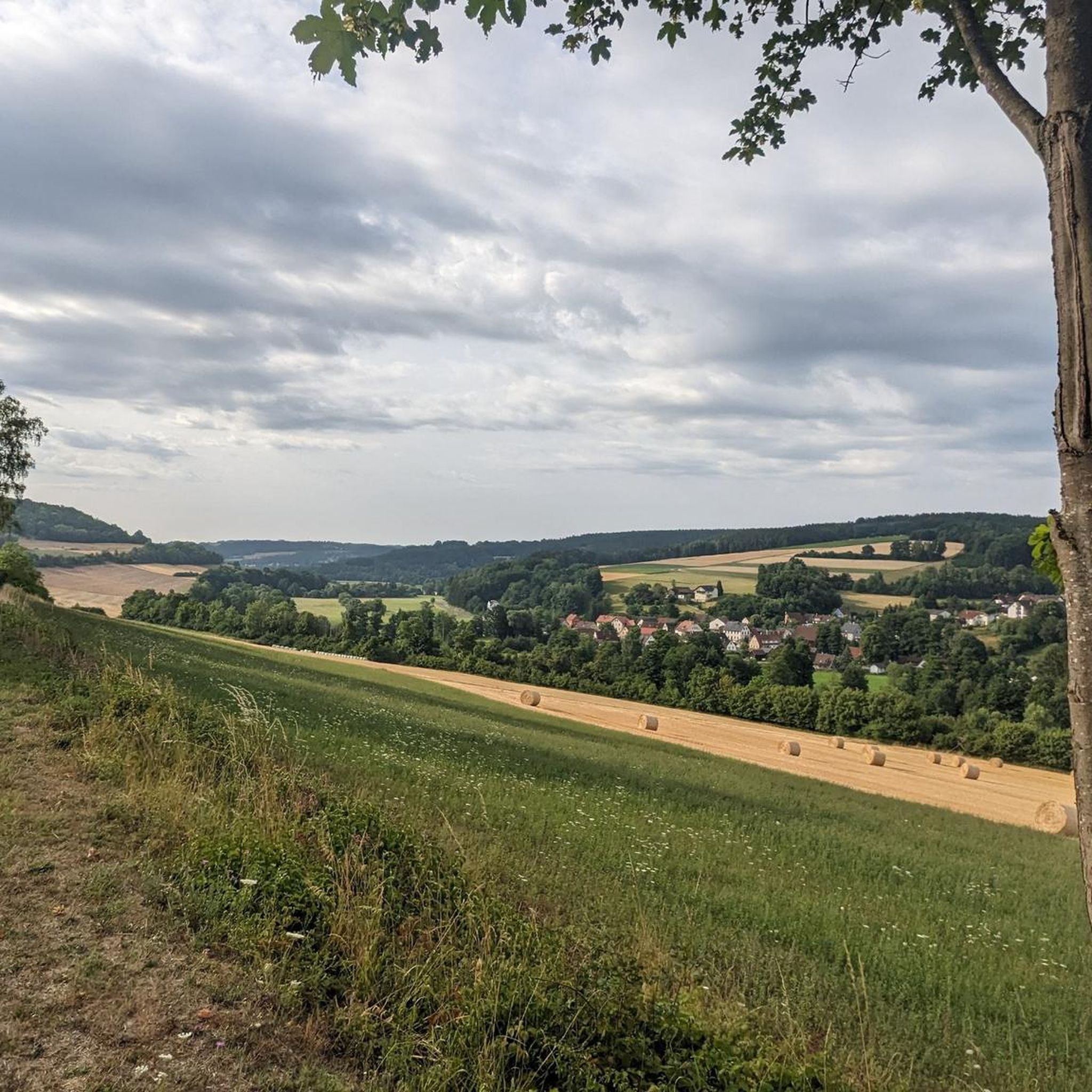
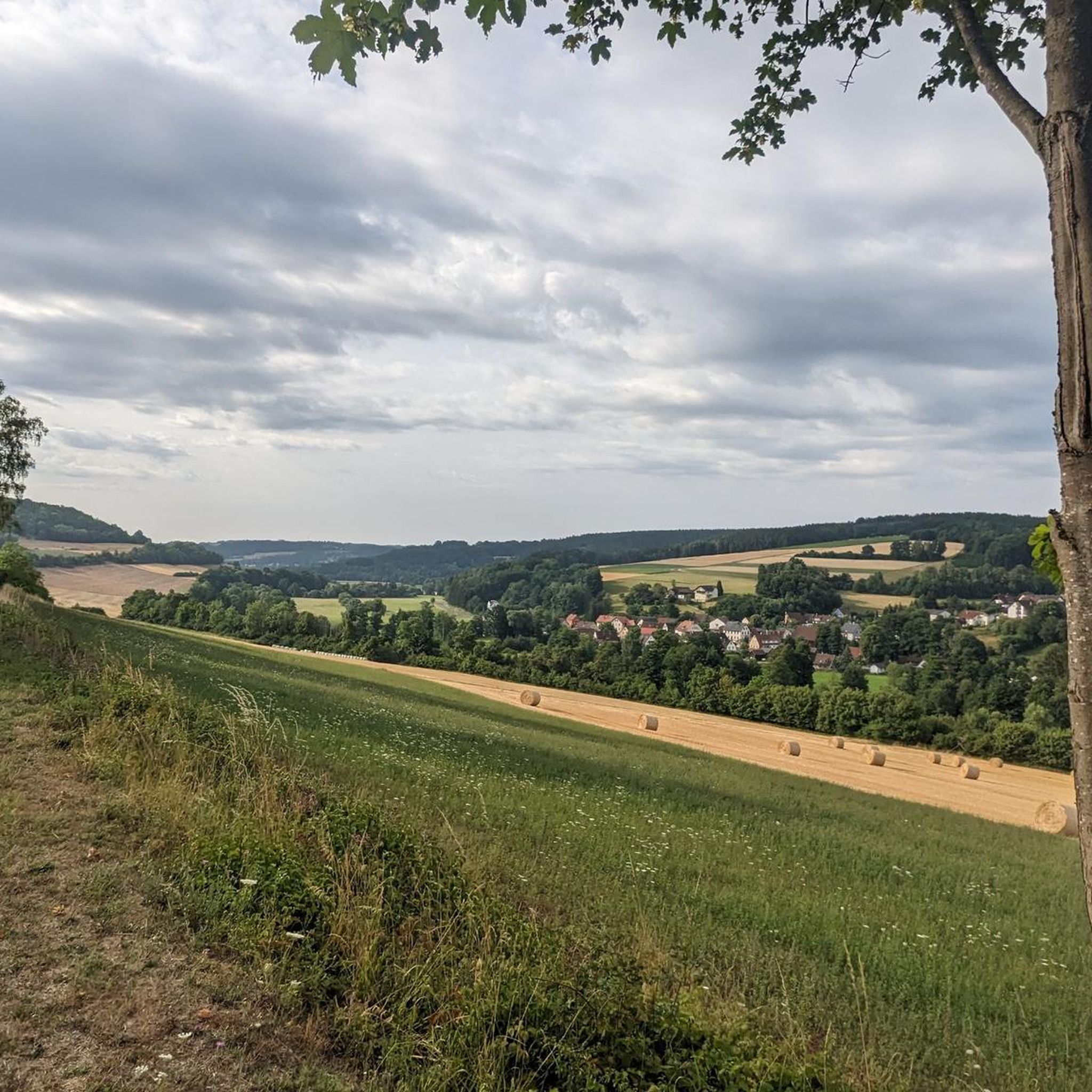
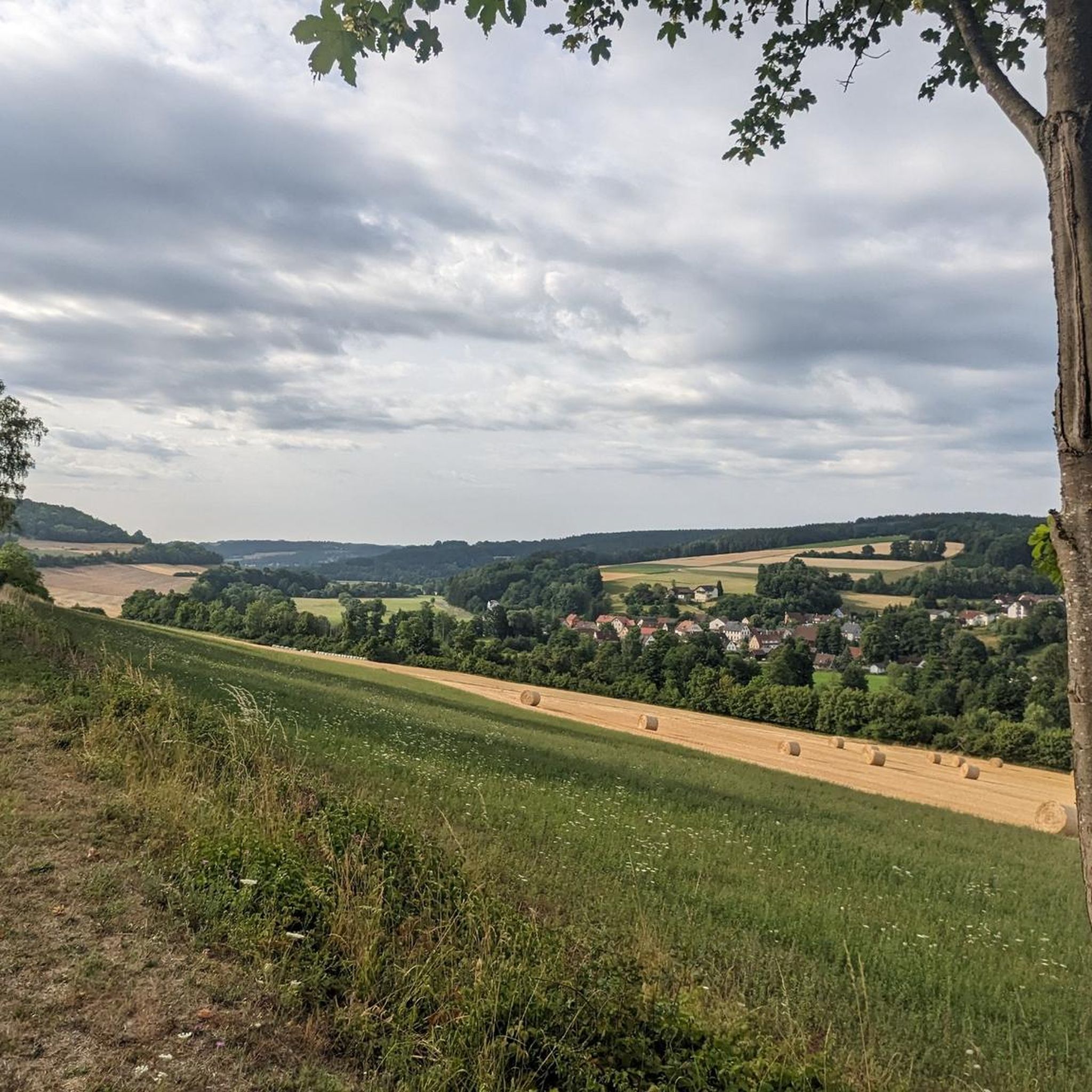
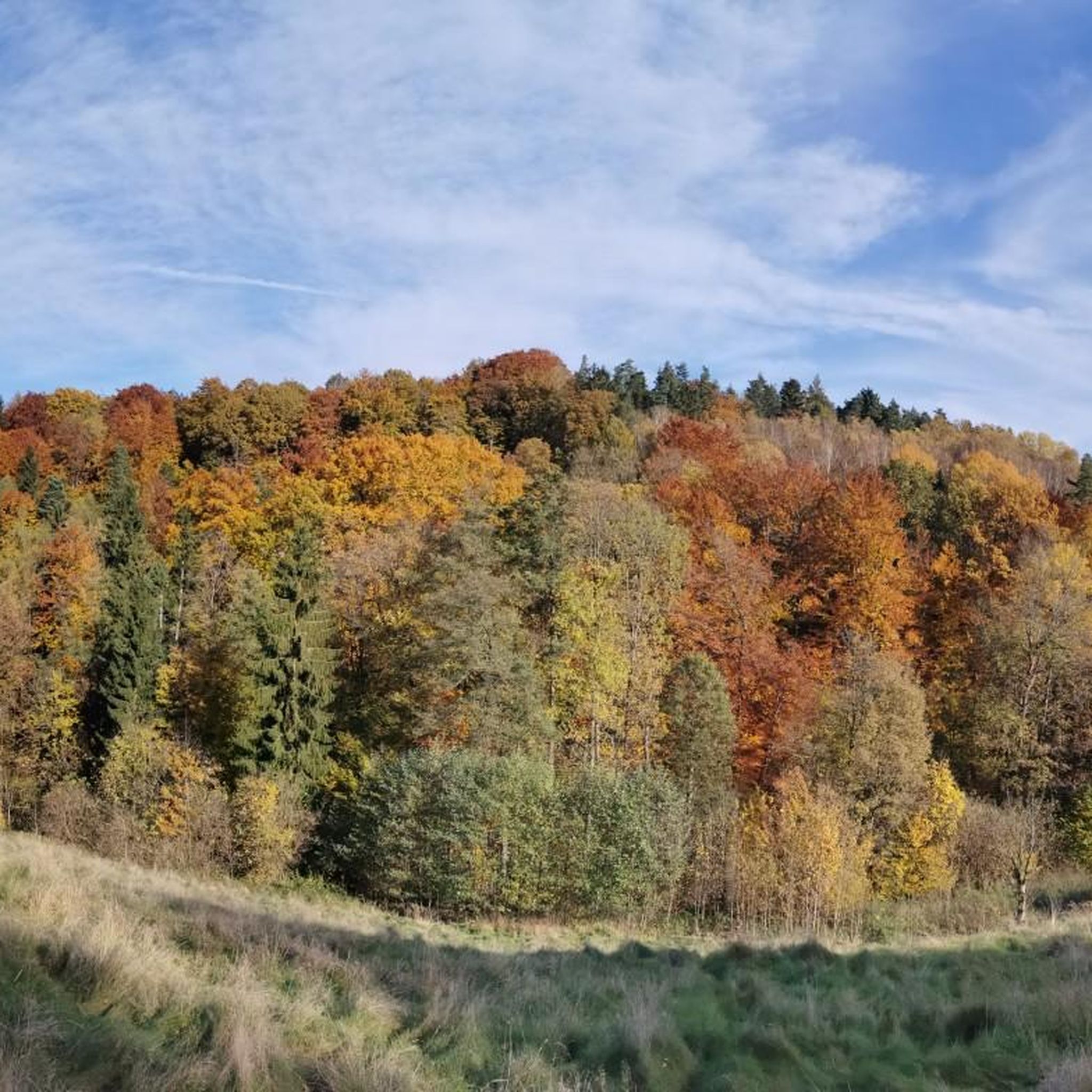
Tips from the Community

The residents of Rehberg had to fetch their drinking water from this well using water butts year in, year out.
0
0

The inhabitants of the Rehberg had to endure great difficulties to obtain drinking water. At any time of year they had to make the arduous journey to the well with buckets on their backs in order to draw water for their daily use.
14
0

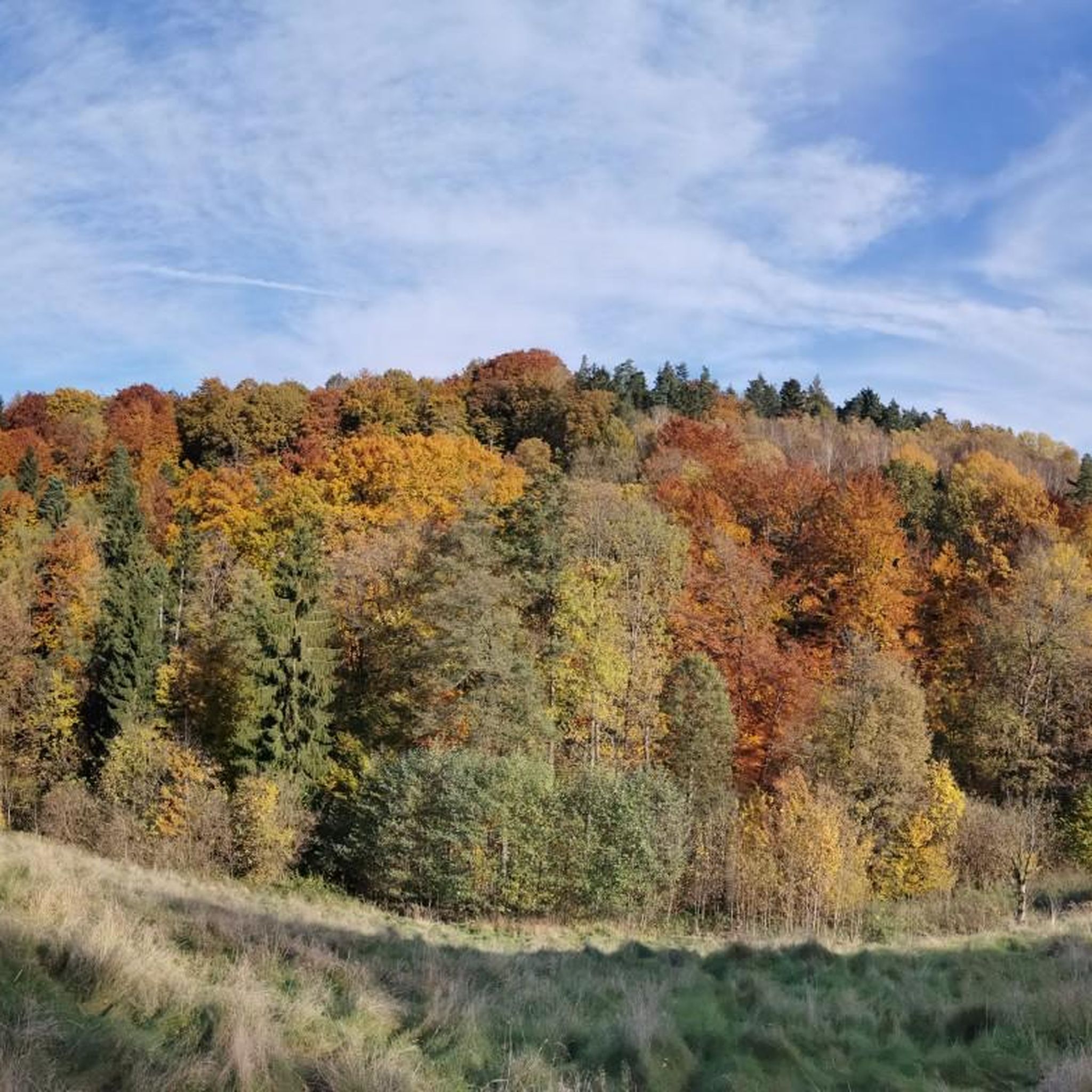
Cave is probably saying a bit too much, but it is a really impressive rock roof with a small waterfall running over it. Great, I don't know that yet.
1
0
The copper holes are former ore mining sites in the Steinachtal. You can also explore these small caves.
19
0

Beautiful trail between Steinachklamm and Kleinrehmühle. A must for nature lovers
0
0

Unbelievable what is hidden here! Hardly known, still seems very untouched. Hardly any rubbish, little trampled on. A former geocaching hideout in the corner. In winter there is even a small waterfall running over it.
2
0
This is a man-made cave. In the search for raw materials, holes were repeatedly drilled into rocks. If successful, cultivation areas such as in Goldkronach or smelters such as in the Koserbachtal were created.
5
0
Beautiful natural grotto. But just because someone put a Madonna figurine in it doesn't make it a place of pilgrimage.
0
0
Frequently Asked Questions
What types of caves can I explore around Ködnitz?
The Ködnitz region offers a variety of subterranean and rock formations. You can explore former ore mining sites like the Kupferloch Former Ore Mining Site, historical spring houses such as the Spring houses on the Rehberg, natural grottoes like the Rock grotto with Madonna statue, and even historical drainage tunnels like the St. Martin Tunnel. The area is characterized by its natural rock formations and historical mining heritage.
Are there any family-friendly caves or grottoes in the Ködnitz area?
Yes, the Kupferloch Former Ore Mining Site is categorized as family-friendly. These small caves allow visitors to see ore veins from past mining activities, offering an engaging historical experience for all ages.
What historical insights can I gain from visiting caves in Ködnitz?
The caves around Ködnitz offer a glimpse into the region's history. The Kupferloch Former Ore Mining Site reveals the area's mining past, showcasing old ore veins. The Spring houses on the Rehberg highlight the arduous journey inhabitants once made to obtain drinking water. Additionally, the St. Martin Tunnel, built in 1400, served as a drainage tunnel for mines, reflecting historical engineering and industry.
Are there hiking trails that lead to or past these caves?
Many of the caves and grottoes in Ködnitz are integrated into hiking trails. For example, the Rock grotto with Madonna statue is located along a trail between Steinachklamm and Kleinrehmühle. You can find various hiking routes in the area by exploring the Hiking around Ködnitz guide.
What natural landmarks, besides caves, can I find in the Ködnitz region?
Beyond the caves, the Ködnitz region features other impressive natural landmarks. You can discover a unique Rock roof with waterfall, which is an impressive rock formation with a small waterfall, often described as untouched. The area is generally rich in natural rock formations and grottoes.
What outdoor activities can I combine with a visit to the caves?
The Ködnitz region is excellent for various outdoor activities. You can explore numerous hiking trails that often pass by or lead to these caves and grottoes. Additionally, there are options for cycling and mountain biking in the surrounding areas.
What do visitors appreciate most about the caves around Ködnitz?
Visitors appreciate the blend of natural beauty and historical significance. The komoot community has shared over 67 photos and given more than 250 upvotes, highlighting the unique experience of exploring former mining sites, historical spring houses, and peaceful natural grottoes often found along scenic hiking paths.
Are there any caves in Ködnitz that are particularly challenging to access?
The St. Martin Tunnel, while accessible, has a path that can be difficult to walk on, especially in summer due to lush vegetation. Its approach is described as adventurous, and the path down has been almost washed away in parts.
Can I find religious or spiritual sites among the caves in Ködnitz?
Yes, the Rock grotto with Madonna statue is a natural grotto featuring a religious statue. It offers a peaceful spot along a trail between Steinachklamm and Kleinrehmühle, appealing to those seeking a tranquil natural setting with a spiritual element.
Is the Ködnitztal region in Austria known for caves?
While the Ködnitztal in Austria is famous for its alpine landscapes and wildlife, it is not specifically known for its caves. However, Austria as a whole boasts many remarkable caves, including ice caves and dripstone caves in other regions. The caves mentioned in this guide are located in the Ködnitz region of Germany, which has a distinct geological and historical context.
What should I wear when visiting the caves and grottoes in Ködnitz?
Given that many of these sites are integrated into hiking trails and some involve exploring natural formations, it's advisable to wear sturdy hiking shoes. Layers of clothing are also recommended, as temperatures inside caves can be cooler than outside, even if the caves themselves are not extensive.
Most popular routes around Ködnitz
Most popular attractions around Ködnitz

Get inspired with the komoot mobile app


Explore more
Extend your search for the best caves by checking out these guides of the top ones around Ködnitz:
