Top 10 Caves around Presseck
Best caves around Presseck are found within a region known for its scenic hiking and cycling routes. The area features a mix of historical mining sites and natural rock formations. These subterranean locations offer insights into the region's industrial past and natural geology. Visitors can explore various types of underground spaces, from former ore mines to natural grottoes.
Best caves around Presseck
- The most popular caves is Kupferloch Former Ore Mining Site, a cave that consists of former ore…
Last updated: July 10, 2026
Kupferloch Former Ore Mining Site
Highlight • Cave
Translated by Google •
Tip by

Güldenstein — Former settlement and rock cellar
Highlight • Historical Site
Translated by Google •
Tip by
Sign up now to discover places like this
Get recommendations on the best single tracks, peaks, & plenty of other exciting outdoor places.
Sign up for free
Marian Grotto on Roßlacher Berg
Highlight • Religious Site
At the entrance to the Tiefenbachtal there is the Mariengrotte embedded in a rock. In the fifties, the existing niche in …
Translated by Google •
Tip by

Zwergenloch Cave
Highlight • Cave
(claustrophobia warning)
Showing Translation
Tip by

Rock grotto with Madonna statue
Highlight • Cave
Translated by Google •
Tip by

Sign up for free to discover even more caves around Presseck.
Sign up for free
Already have an account?
Start today with a free account
Your next adventure awaits.
Login or Signup
Popular around Presseck
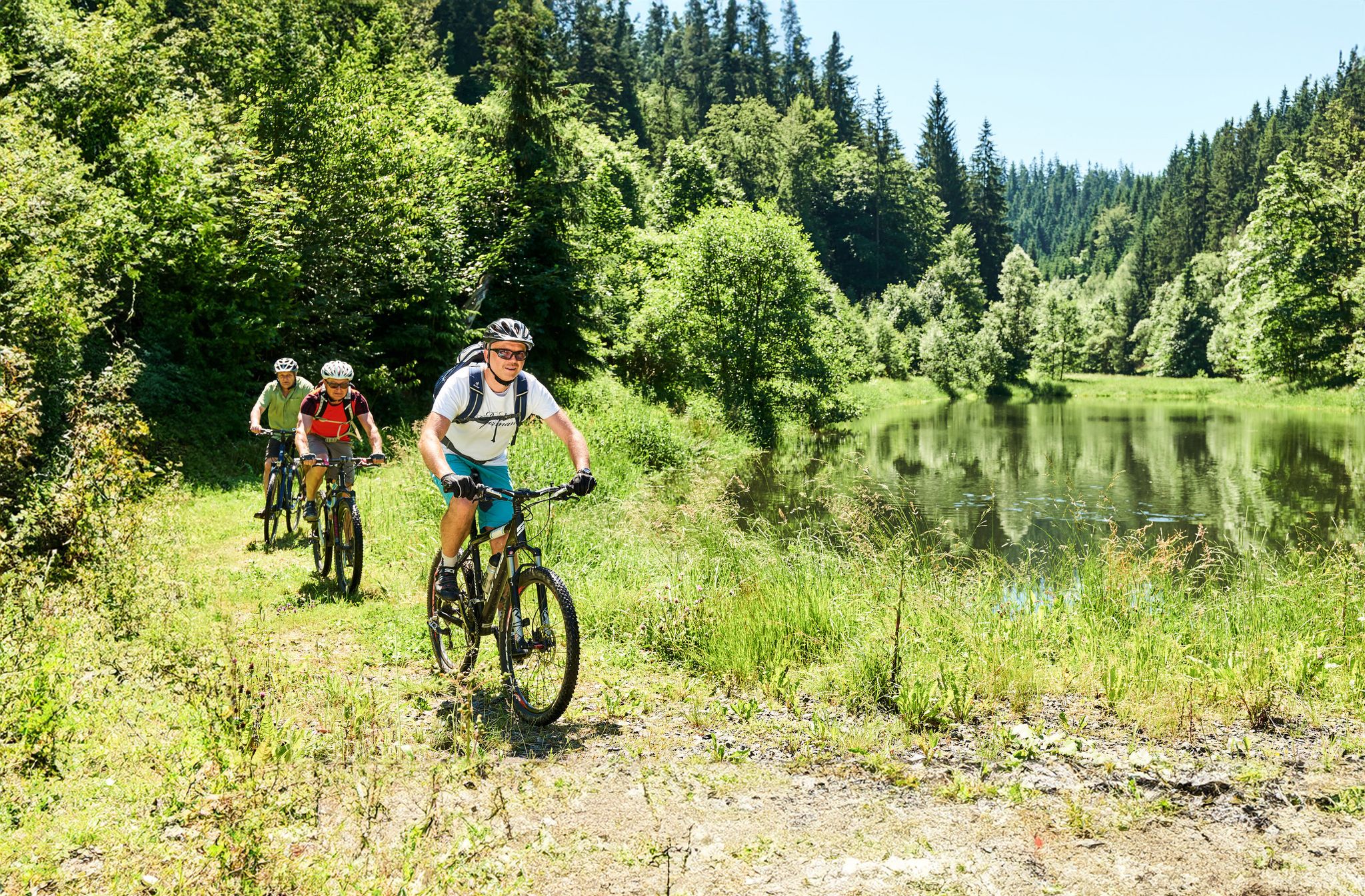
Magical woodland & trails – cycling in Germany’s Franconian Forest
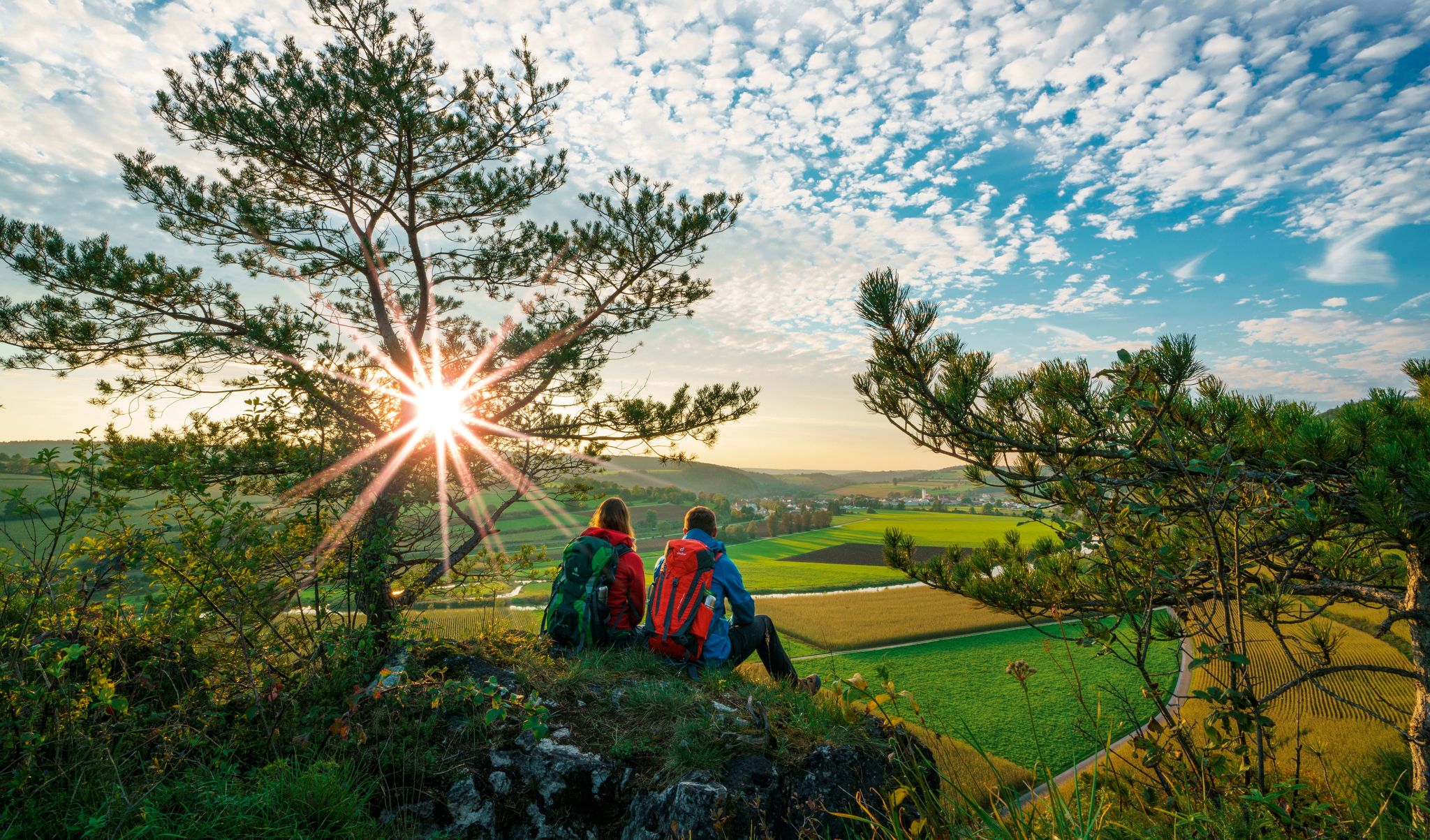
The Franconian Trail – A Diverse Hiking Dream Across 24 Stages
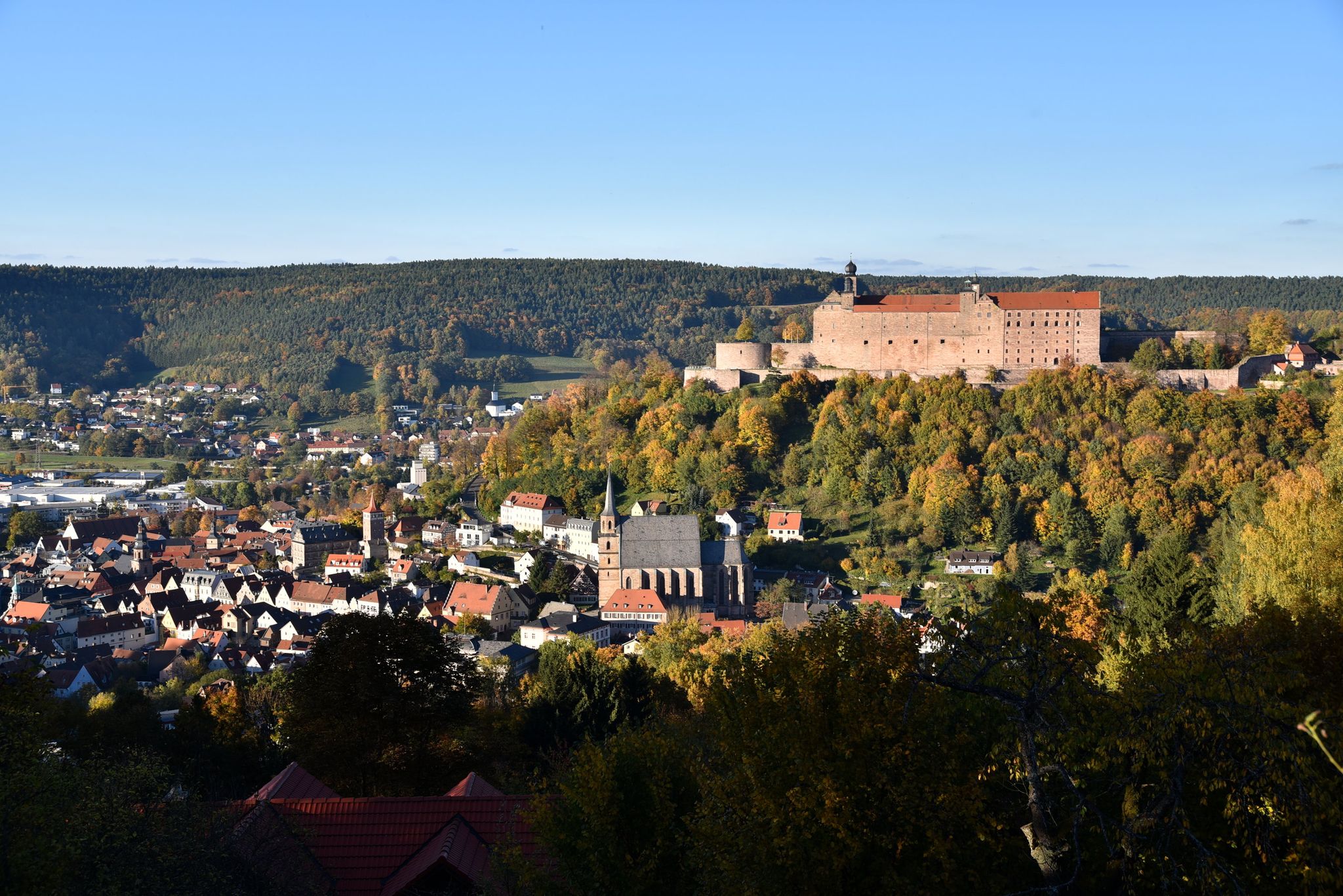
Stop by at the Margraves – hiking around Kulmbach in Bavaria
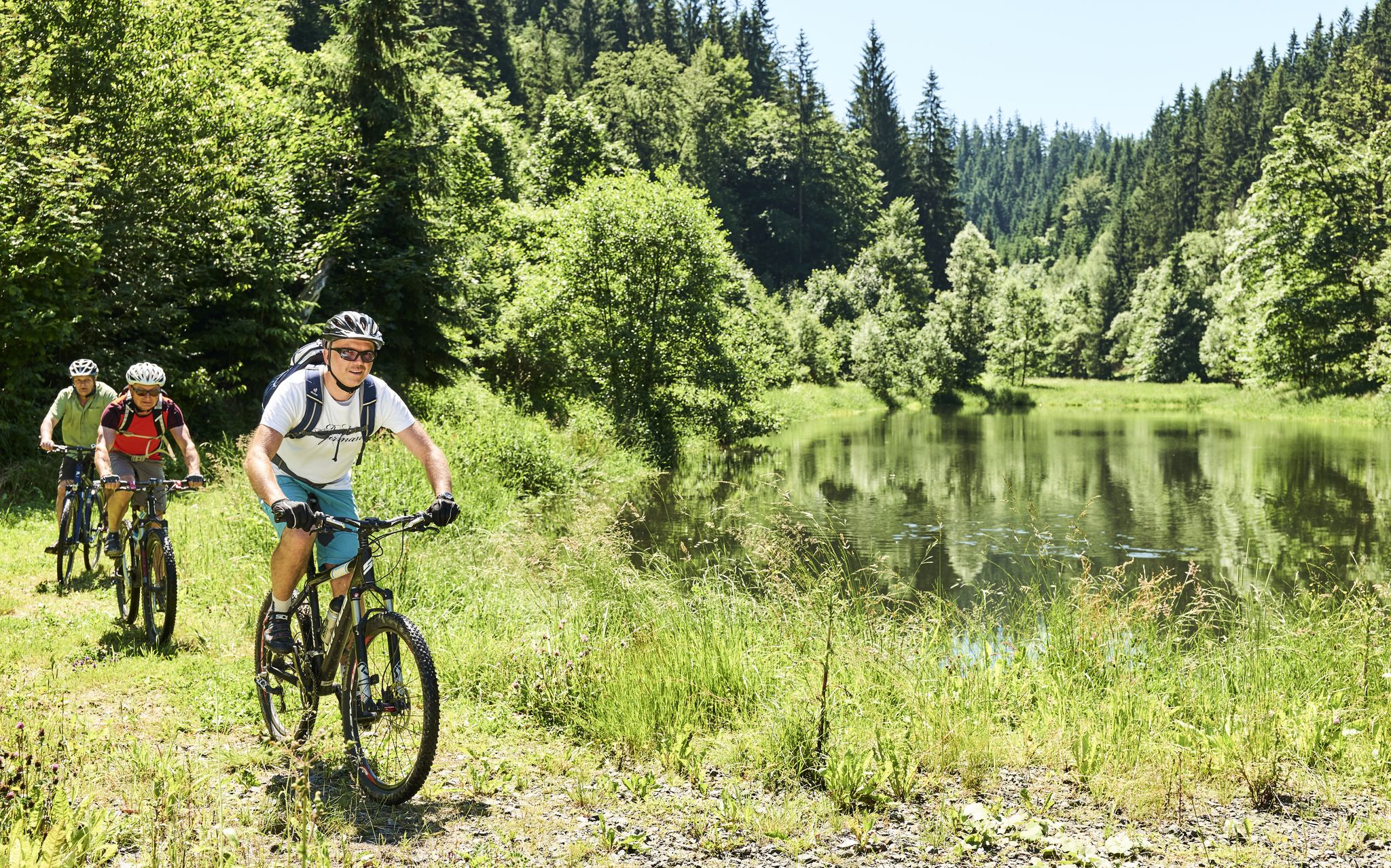
Mountainbiking im Frankenwald
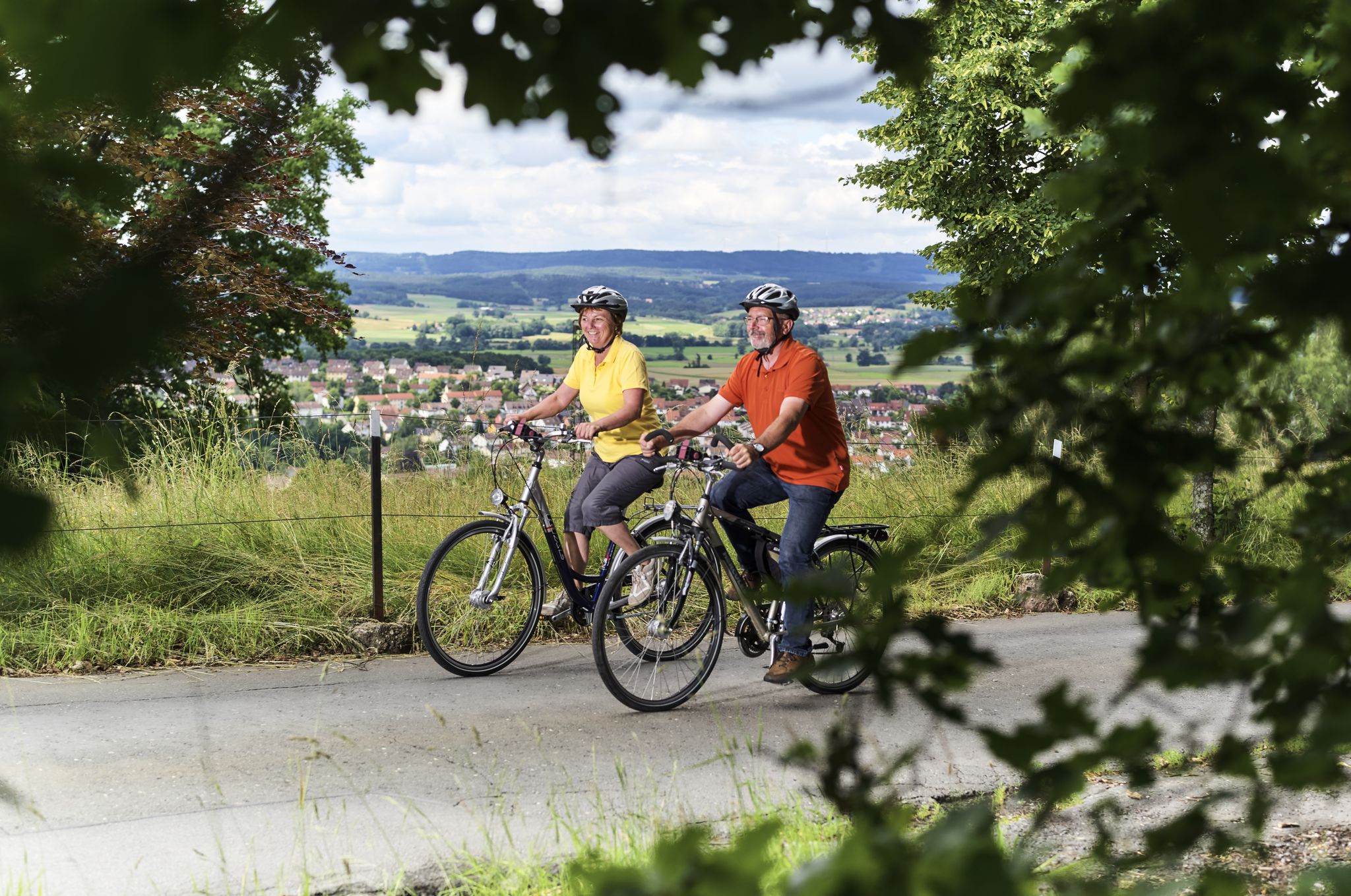
Unsere schönsten Radtouren im Frankenwald
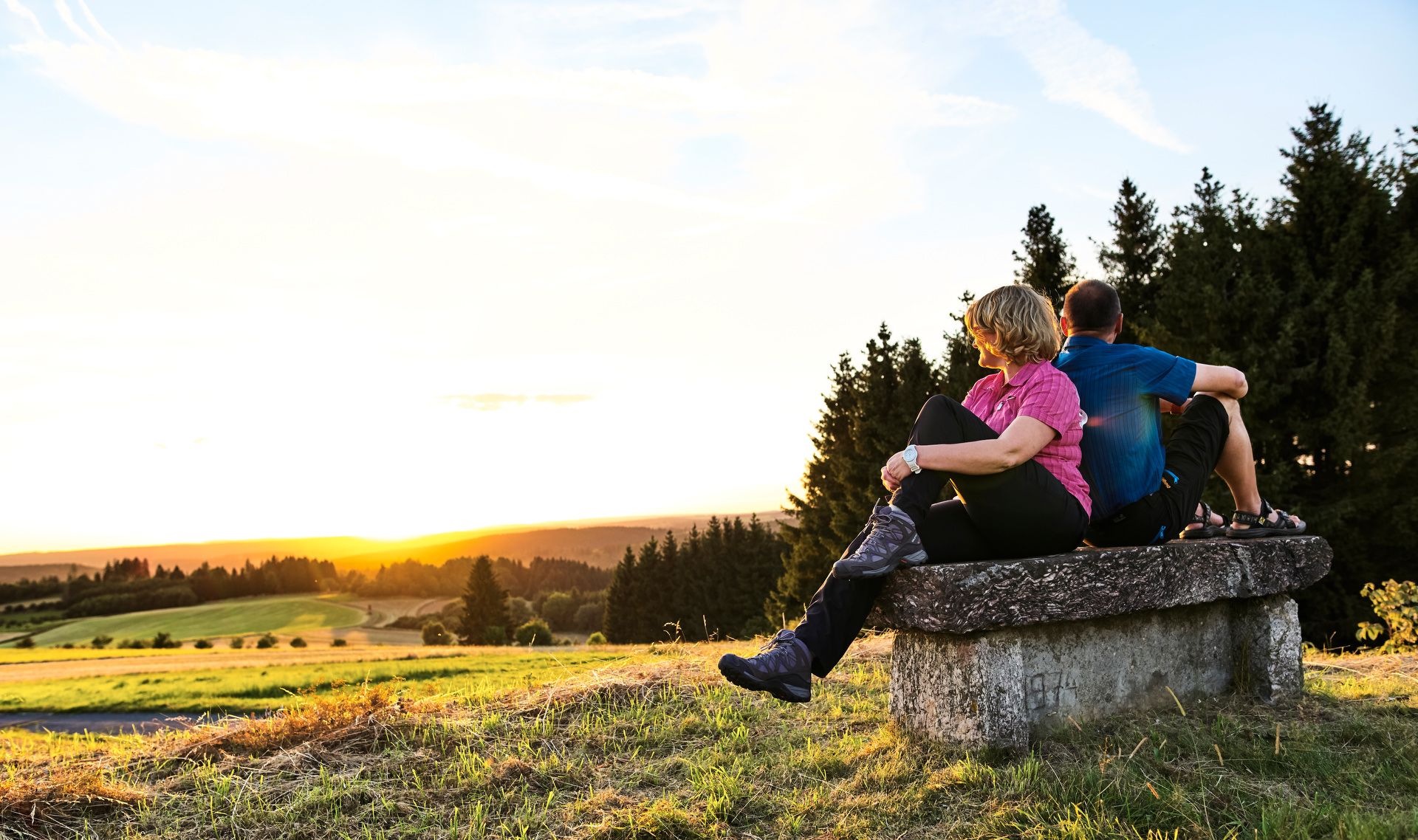
Unsere FrankenwaldSteigla
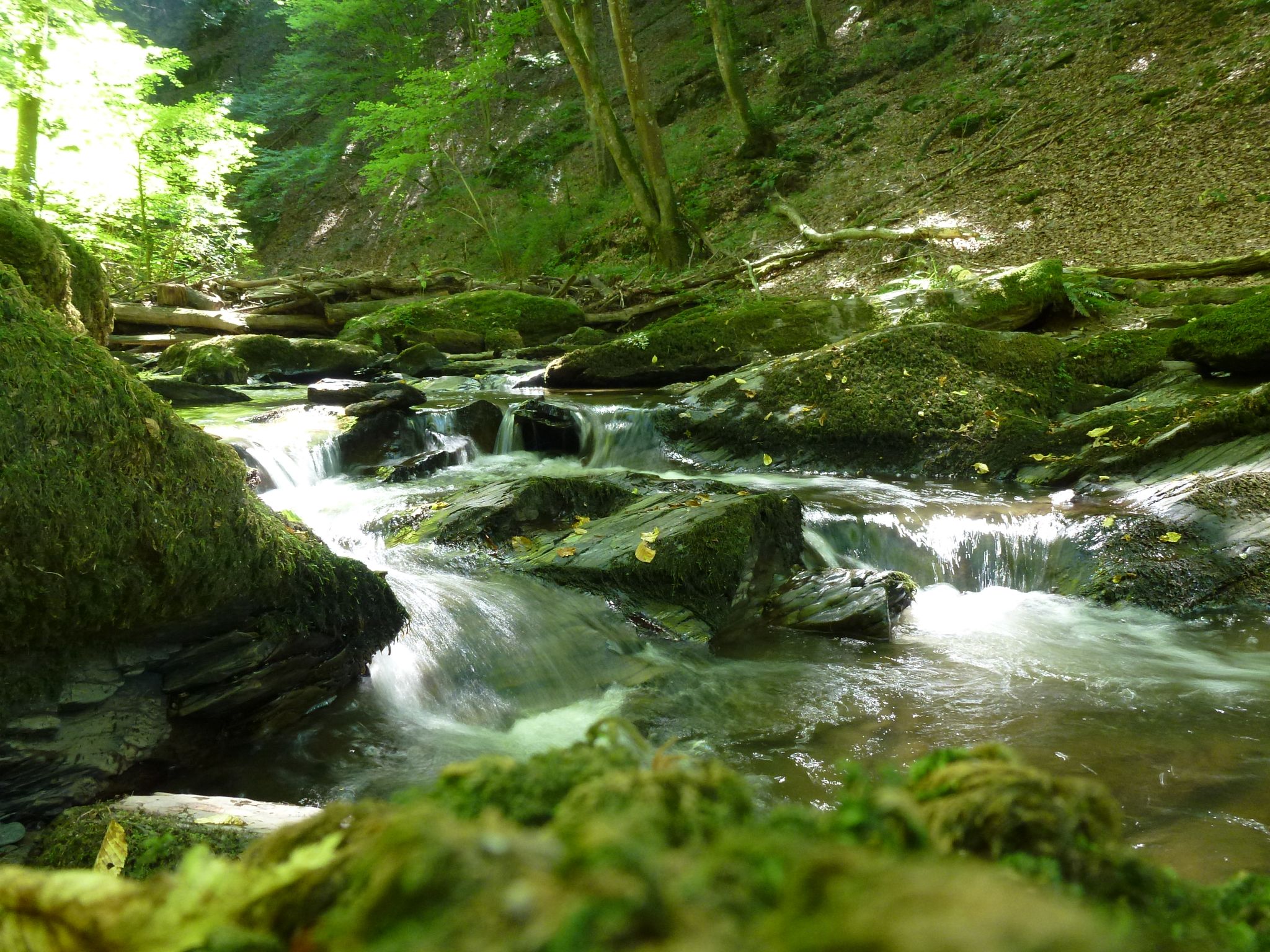
Die Magie von Klammen und Schluchten im Herzen Deutschlands
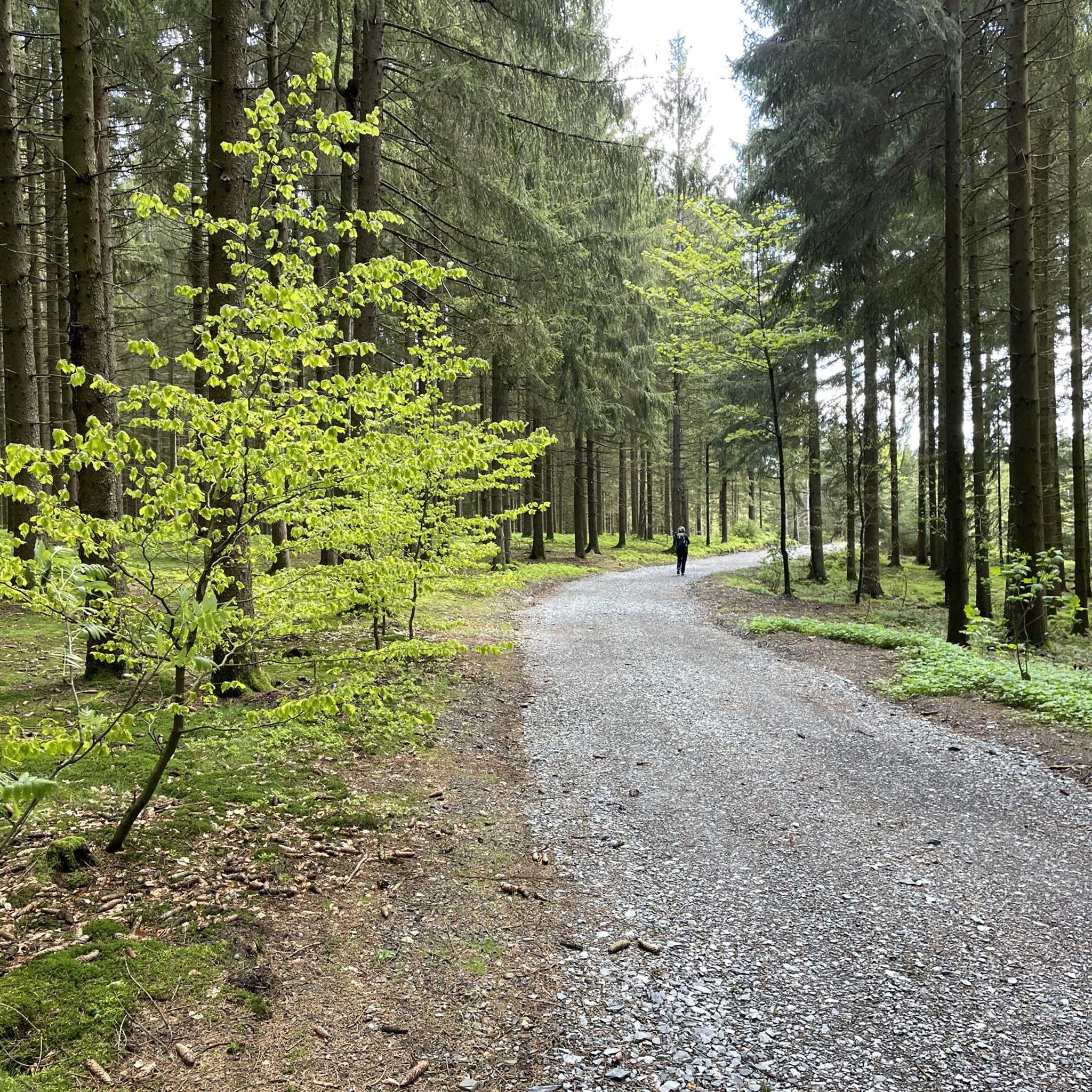
Hiking around Presseck
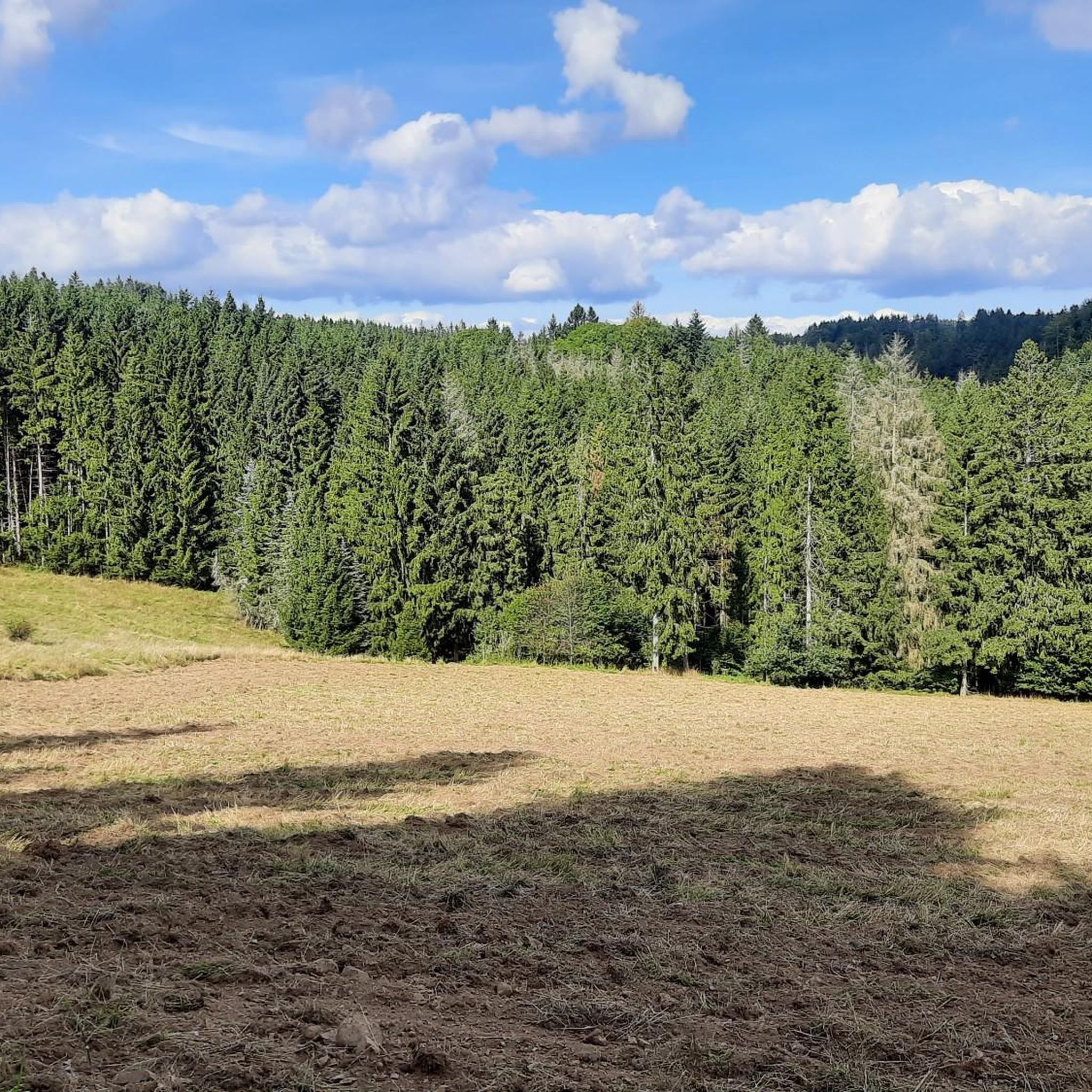
Cycling around Presseck
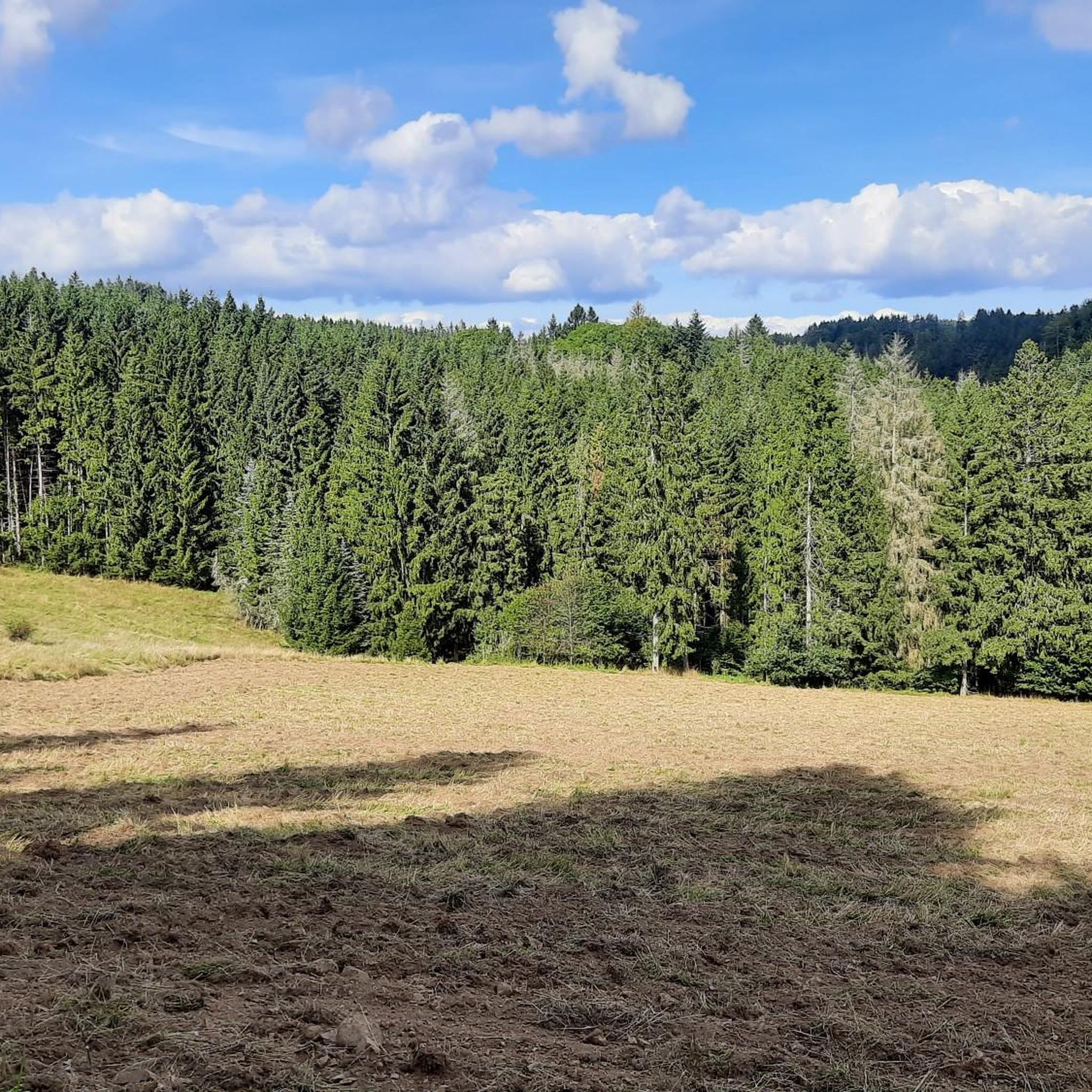
MTB Trails around Presseck
Other adventures around Presseck


Tips from the Community

On our MTB tour there was a dwarf hole. It is indeed a dwarf hole. If you want to explore it, you literally have to crawl into it
0
1

The first inhabitants of the Güldenstein estate were probably forestry assistants or woodcutters. Bird trapping was also a lucrative sideline. The Güldenstein bird herd was located above the hillside on a flat area. Only the owners of the estate had the right to trap all types of finches, larks, tits, blackbirds, and thrushes. Selling them was not a problem, as the songbirds were considered a delicacy in the city. Bird trapping was not banned until the end of the 19th century. However, the most important means of survival in this remote area was always agriculture. In 1930, Güldenstein was abandoned by its last inhabitants.
18
0

Mary's Grotto at the entrance to the Tiefenbach Valley. In the 1950s, the existing niche in the slate rock of the Roßlacher Berg was converted into the Mary's Grotto by the Steinberg parish. Every year at the beginning of May, the statue of the Virgin Mary is ceremoniously carried from the parish church into the grotto.
0
0

desertification. The house was razed to the ground, the rock cellar that served as a water source for the residents still exists and is secured with a railing.
5
0
I've seen better ones but the router itself is nice
0
2
The copper holes are former ore mining sites in the Steinachtal. You can also explore these small caves.
19
0

Beautiful trail between Steinachklamm and Kleinrehmühle. A must for nature lovers
0
0

Frequently Asked Questions
What types of underground sites can I explore around Presseck?
The Presseck area offers a mix of historical mining sites, natural grottoes, and rock cellars. You can explore former ore mines like the Kupferloch Former Ore Mining Site, which provides insight into the region's copper extraction history. There are also natural rock formations and man-made grottoes, some with religious significance.
Are there any natural caves with formations near Presseck?
While large dripstone caves with extensive formations are not directly in Presseck, the broader Landkreis Kulmbach features natural caves. The Zwergenloch Cave is a deep but narrow natural cave. Further afield, the Klingelloch Cave near Schirradorf is a natural cave with two levels, though it's gridded and closed for bat protection from October to March.
What is the Kupferloch and what can I see there?
The Kupferloch Former Ore Mining Site consists of small, former ore mining caves in the Steinachtal valley. Visitors can explore these remnants of historical mining activities where copper was extracted, offering a glimpse into the region's industrial past. You can still see the ore veins, though the advance into the caves is only about 3 meters.
Are there any historical sites with underground structures in the area?
Yes, Güldenstein — Former settlement and rock cellar is a historical site featuring a preserved rock cellar. This former single settlement in the forest provides a unique underground structure and historical context, abandoned by its last inhabitants in 1930.
Can I visit any grottoes with religious significance?
The Marian Grotto on Roßlacher Berg is a man-made monument embedded in a rock at the entrance to the Tiefenbachtal. Expanded in the 1950s, it serves as a religious site. Additionally, there is a Rock grotto with Madonna statue along a trail between Steinachklamm and Kleinrehmühle.
Are there family-friendly options for exploring caves around Presseck?
Many of the sites, such as the Kupferloch Former Ore Mining Site and the Marian Grotto on Roßlacher Berg, are considered family-friendly. These offer accessible glimpses into history and nature without requiring specialized caving equipment. Always check specific site conditions for young children.
What is the best time to visit caves in the Presseck region?
Most sites are accessible year-round, but for natural caves like Klingelloch (in the wider district), note that it is closed for bat protection from October 1st to March 31st. For other sites, spring to autumn generally offers pleasant weather for combining cave visits with outdoor activities.
What outdoor activities can I do near the caves around Presseck?
The region around Presseck is excellent for various outdoor activities. You can find numerous hiking trails, such as those detailed in the Hiking around Presseck guide, or explore gravel biking routes mentioned in the Gravel biking around Presseck guide. Running trails are also available, as seen in the Running Trails around Presseck guide.
Do I need special equipment or permits for exploring these caves?
For most publicly accessible sites like the Kupferloch or grottoes, no special permits are required. However, for natural caves like Klingelloch, it's advisable to bring a flashlight. The Zwergenloch Cave is described as very deep but narrow, so caution is advised, and it might not be suitable for those with claustrophobia.
Are there any specific wildlife considerations when visiting caves in this area?
Yes, some natural caves, such as the Klingelloch Cave in the wider district, are important habitats for bats. This cave is specifically closed from October 1st to March 31st for bat protection. When visiting any natural cave, it's always best to be mindful of potential wildlife and avoid disturbing their habitats.
Where can I find parking facilities when visiting caves near Presseck?
Parking availability varies by site. For popular highlights like the Kupferloch Former Ore Mining Site, parking is often available nearby, especially at trailheads or designated visitor spots in the Steinachtal. For more remote locations, you might need to park in the nearest village and walk. Always check local signage.
Are there any cafes or pubs near the cave sites for refreshments?
While specific cafes directly adjacent to every cave site are rare, the villages and towns surrounding Presseck, such as Presseck itself or nearby communities, offer various options for cafes, pubs, and restaurants where you can find refreshments before or after your exploration.
Most popular routes around Presseck
Most popular attractions around Presseck

Get inspired with the komoot mobile app


Explore more
Extend your search for the best caves by checking out these guides of the top ones around Presseck:
