Top 7 Caves around Schmidmühlen
Best caves around Schmidmühlen are found within the Upper Palatinate region of Bavaria, characterized by its diverse karst landscapes and subterranean formations. The area features natural rock formations, ancient shelters, and unique cave dwellings, offering insights into geological processes and past human habitation. These subterranean sites are often nestled within scenic natural settings, providing points of interest for those exploring the region. The broader Amberg-Sulzbach district, encompassing Schmidmühlen, is known for its karst caves, dripstone caves, and rock labyrinths, set…
Last updated: June 27, 2026
Vils Riverside Trail and Rock Formations
Highlight (Segment) • Trail
Translated by Google •
Tip by

Burglengenfeld Historic Beer Cellars
Highlight • Historical Site
Translated by Google •
Tip by

Sign up now to discover places like this
Get recommendations on the best single tracks, peaks, & plenty of other exciting outdoor places.
Sign up for free
Stone Age rock shelter at the Steinbergwand
Highlight • Cave
Translated by Google •
Tip by

Osterloch Cave
Highlight • Cave
Translated by Google •
Tip by

Bärenloch Cave
Highlight • Cave
Translated by Google •
Tip by

Sign up for free to discover even more caves around Schmidmühlen.
Sign up for free
Already have an account?
Start today with a free account
Your next adventure awaits.
Login or Signup
Popular around Schmidmühlen



Tips from the Community

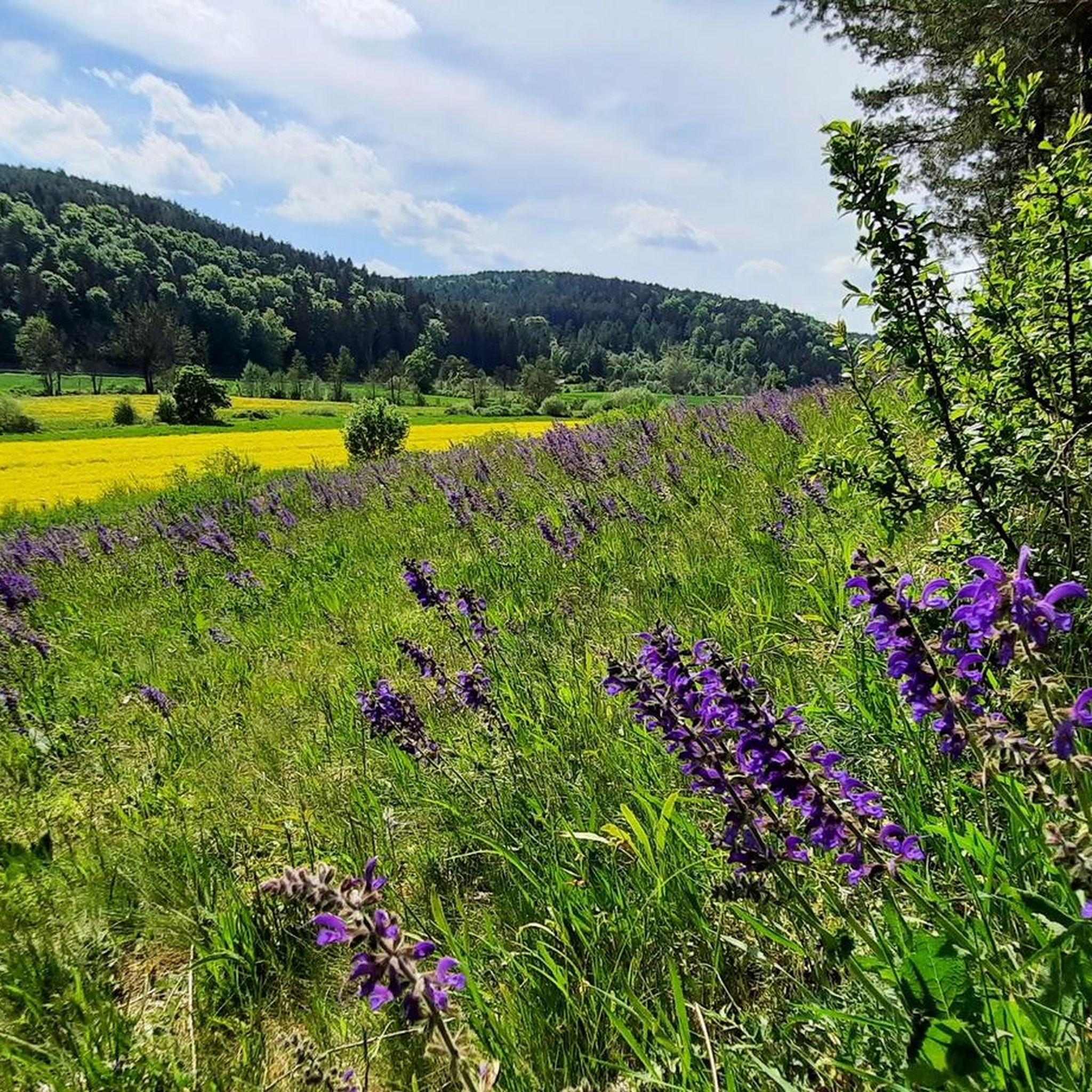
Beautiful rock formations in the forest
2
0

From October to March, caves should be avoided to protect bats (forbidden!).
3
0
Well-known and somewhat hidden cave.
3
0
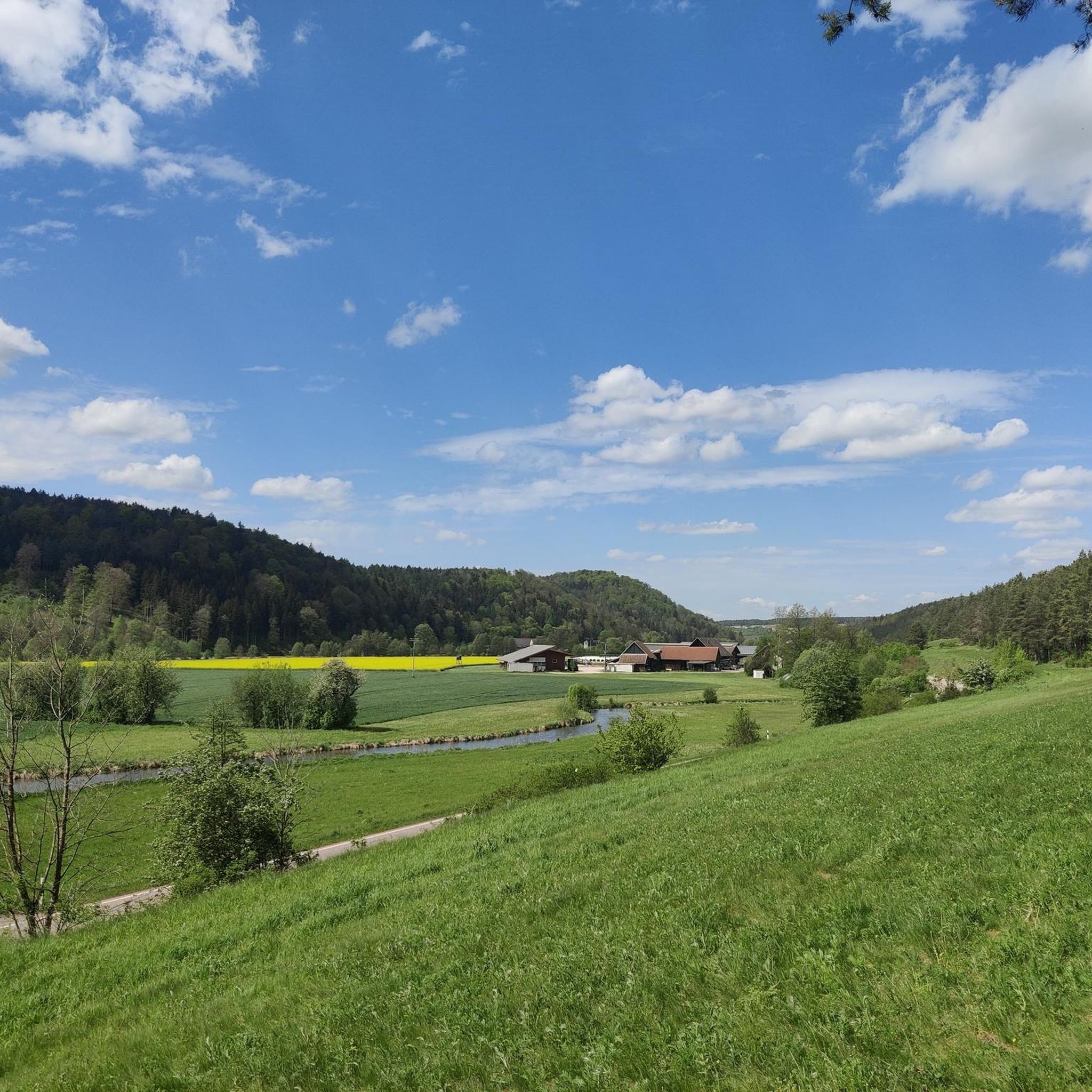
Beautiful view back over the Vils
3
0
Rock formations are now majestically visible in March. They soon disappear into the sea of leaves and are then almost invisible again—unfortunately!
4
0

Very nice here
2
0

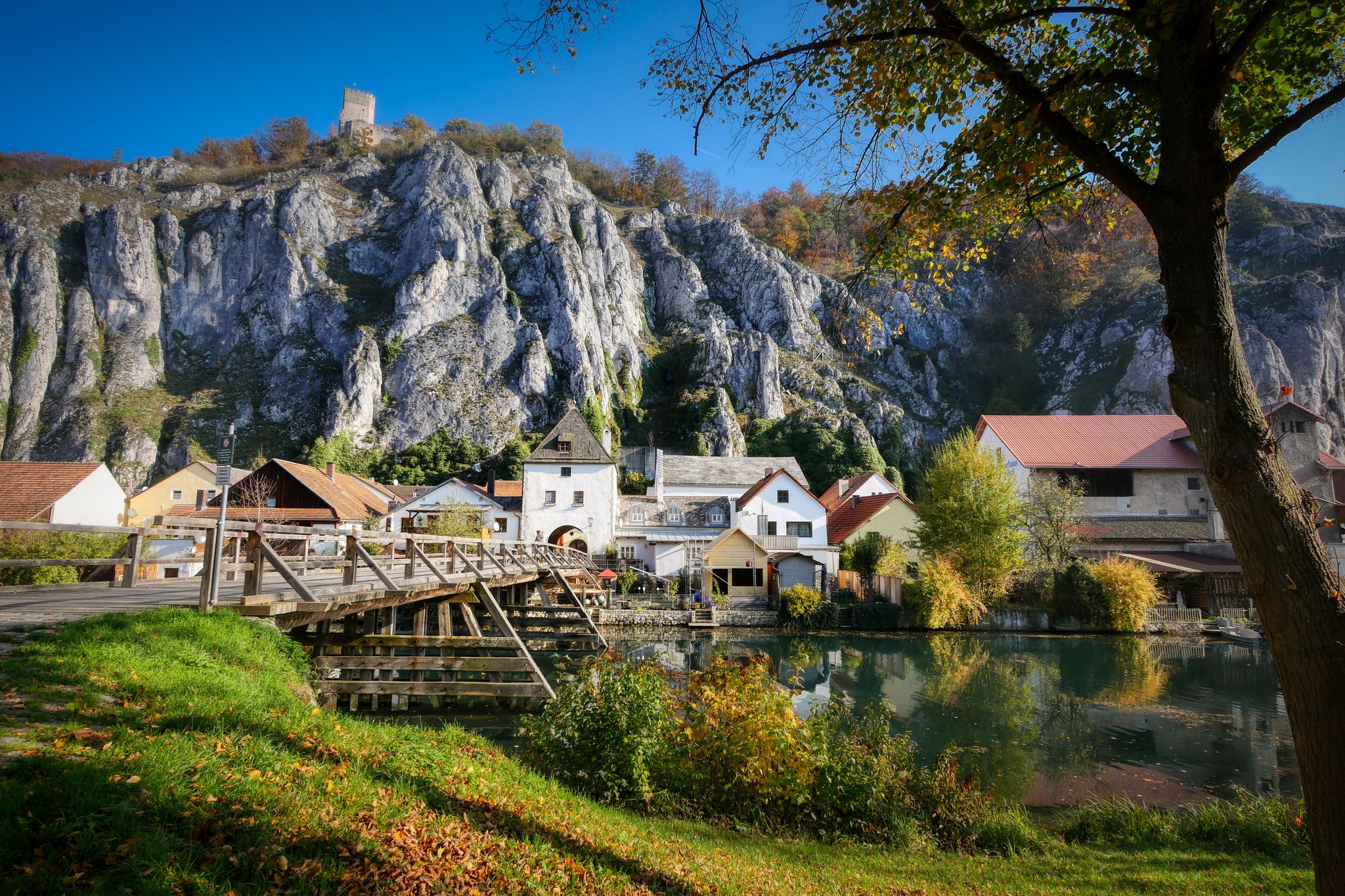
The brewing tradition is also related to the Naab. The numerous inns from the town entrance at the Naab Bridge to the Upper Gate needed space for storage and every winter blocks of ice were sawn out of the frozen Naab and brought to the cellars by cart so that the temperature of the cellar for the bottom-fermented beer did not exceed nine in the summer degrees rose.
1
0
Frequently Asked Questions
What are some of the most notable caves and rock shelters near Schmidmühlen?
The region around Schmidmühlen offers a variety of interesting subterranean sites. Highlights include the unique House without a Roof (Kallmünz), a distinctive cave dwelling. Further afield, the König-Otto-Tropfsteinhöhle near Velburg is renowned for its impressive dripstone formations, and the Schulerloch Cave in Altmühltal offers a journey through geological and prehistoric human history.
Are there any historical or archaeological cave sites in the Schmidmühlen area?
Yes, the area is rich in history. The Stone Age rock shelter at the Steinbergwand is a significant historical site where Stone Age tools were discovered, indicating early human habitation. The Schulerloch Cave also served as a dwelling for Neanderthals during the Stone Age, with prehistoric finds displayed nearby.
What kind of geological features can I expect to see in the caves?
You can expect to see diverse geological formations. The König-Otto-Tropfsteinhöhle, for instance, boasts impressive stalactites, stalagmites, and stalagnates, as well as sinter pools. The Schulerloch Cave features a unique 'cup-shaped stalagmite' and other fascinating formations within its Jura limestone structure.
Are there family-friendly cave experiences near Schmidmühlen?
Many caves in the broader region are suitable for families. The Stone Age rock shelter at the Steinbergwand is considered family-friendly. Show caves like the König-Otto-Tropfsteinhöhle and Schulerloch Cave offer guided tours with well-lit paths, making them accessible and engaging for all ages.
How accessible are the main show caves in the Upper Palatinate region?
Show caves like the König-Otto-Tropfsteinhöhle and Schulerloch Cave are generally well-prepared for visitors. They feature electric lighting and easily passable paths. Guided tours are standard, providing a safe and informative experience. The König-Otto-Tropfsteinhöhle has an accessible length of approximately 270 meters, and the Schulerloch Cave is 420 meters long with a sandy path.
What is the 'House without a Roof' in Kallmünz?
The House without a Roof (Kallmünz) is a unique cave dwelling, rather than a traditional natural cave. It's a natural cave in dolomite rock whose opening is enclosed by a plastered wall with a door and windows, adapted for human habitation. It offers a glimpse into historical living arrangements, though the interior is not open to the public.
What outdoor activities can I combine with a cave visit near Schmidmühlen?
The region around Schmidmühlen is excellent for outdoor activities. You can combine cave visits with hiking, with routes like the 'Upper Castle – Jurafelsen Rock Formation loop'. There are also options for running trails and gravel biking, such as the 'Lauterachtal Cycle Path'.
Are there specific hiking trails that lead to or past caves?
Yes, several trails incorporate cave features. For example, the Vils Riverside Trail and Rock Formations includes a small cave on the slope. The path to Bärenloch Cave is also part of a hiking route, though it can be narrow and easily overlooked.
What is the best time of year to visit the caves around Schmidmühlen?
Most show caves are open during the warmer months, typically from spring to autumn. However, some natural caves, like Osterloch Cave, have restrictions from October to March to protect hibernating bats. It's always advisable to check specific opening times for individual caves.
What should I wear when visiting caves in the region?
Caves maintain a constant, cool temperature year-round, typically around 9°C (48°F) with high humidity, even in summer. It's recommended to wear warm clothing, such as a jacket or sweater, and sturdy, comfortable shoes with good grip, as paths can sometimes be damp or uneven.
Are there any restrictions or permits needed for cave exploration?
For managed show caves, no special permits are needed beyond the entrance fee. However, for undeveloped or wild caves, like Osterloch Cave, there are often restrictions, especially during bat hibernation periods (October to March), when entry is forbidden to protect the wildlife. Always respect local regulations and conservation efforts.
Where can I find more information about the König-Otto-Tropfsteinhöhle?
For detailed information on opening hours, tours, and specific features of the König-Otto-Tropfsteinhöhle, you can visit the official tourism website for the region: ostbayern-tourismus.de.
Most popular routes around Schmidmühlen
Most popular attractions around Schmidmühlen

Get inspired with the komoot mobile app


Explore more
Extend your search for the best caves by checking out these guides of the top ones around Schmidmühlen:
